I have always loved food with a story. So, when I first heard about an elusive, intensely flavored wild onion, or Ramp, that drives foragers wild every spring, I knew I had to dig deeper. I wanted to understand the hype. What I found wasn’t just a plant. I found a cultural icon.
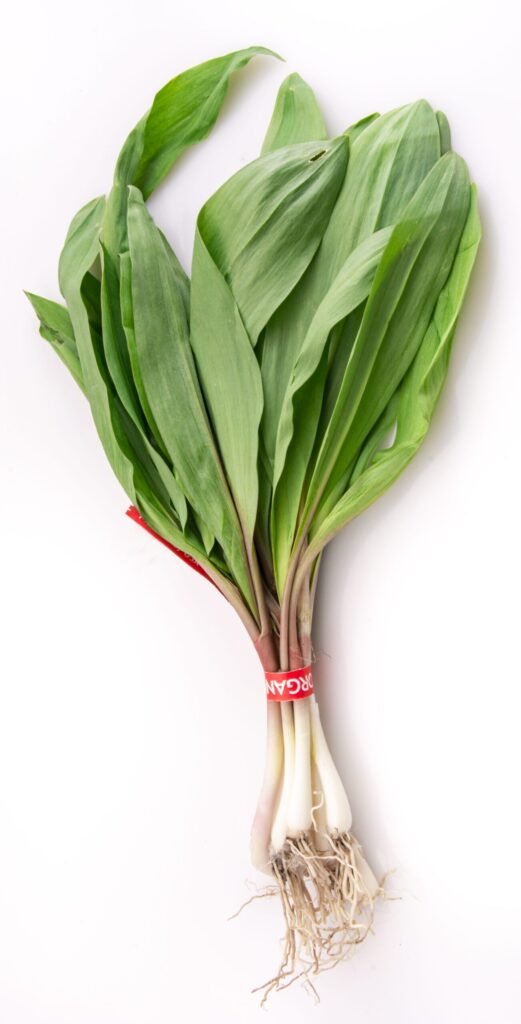
The plant is Allium tricoccum. Most people simply call it the ramp. It is a wild leek native to eastern North America. In the Appalachian Highlands, the ramp is practically royalty. It symbolizes the end of a harsh winter and the return of spring abundance. I spent some time researching this fascinating plant, and I am delighted to share what makes it so special.
Seeking the Spring Ephemeral
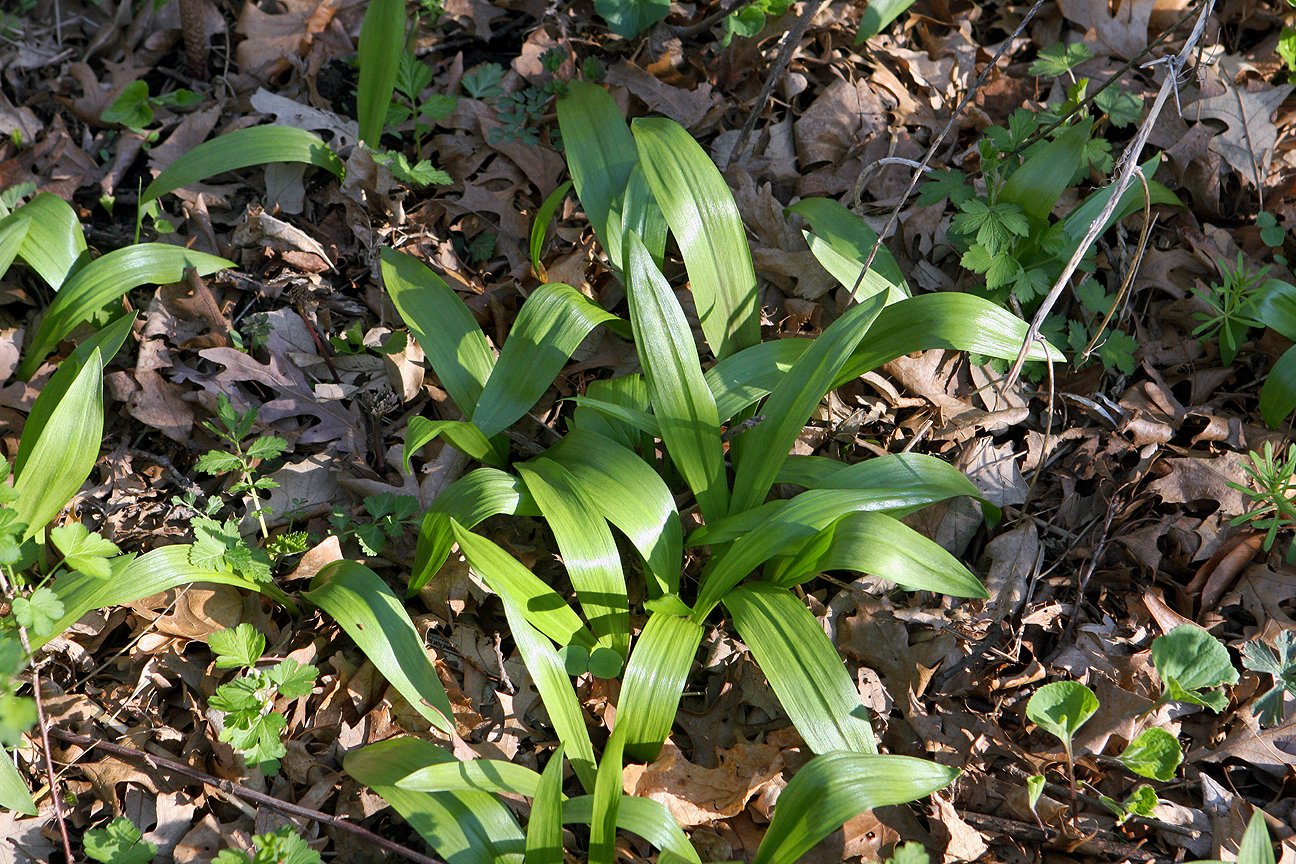
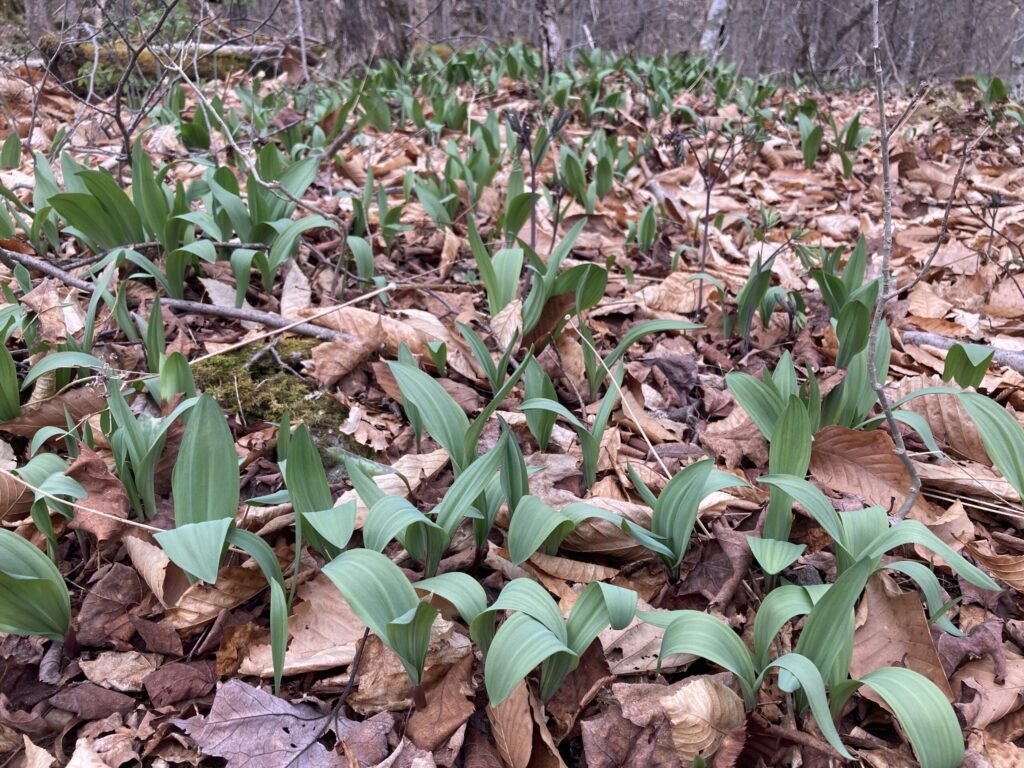
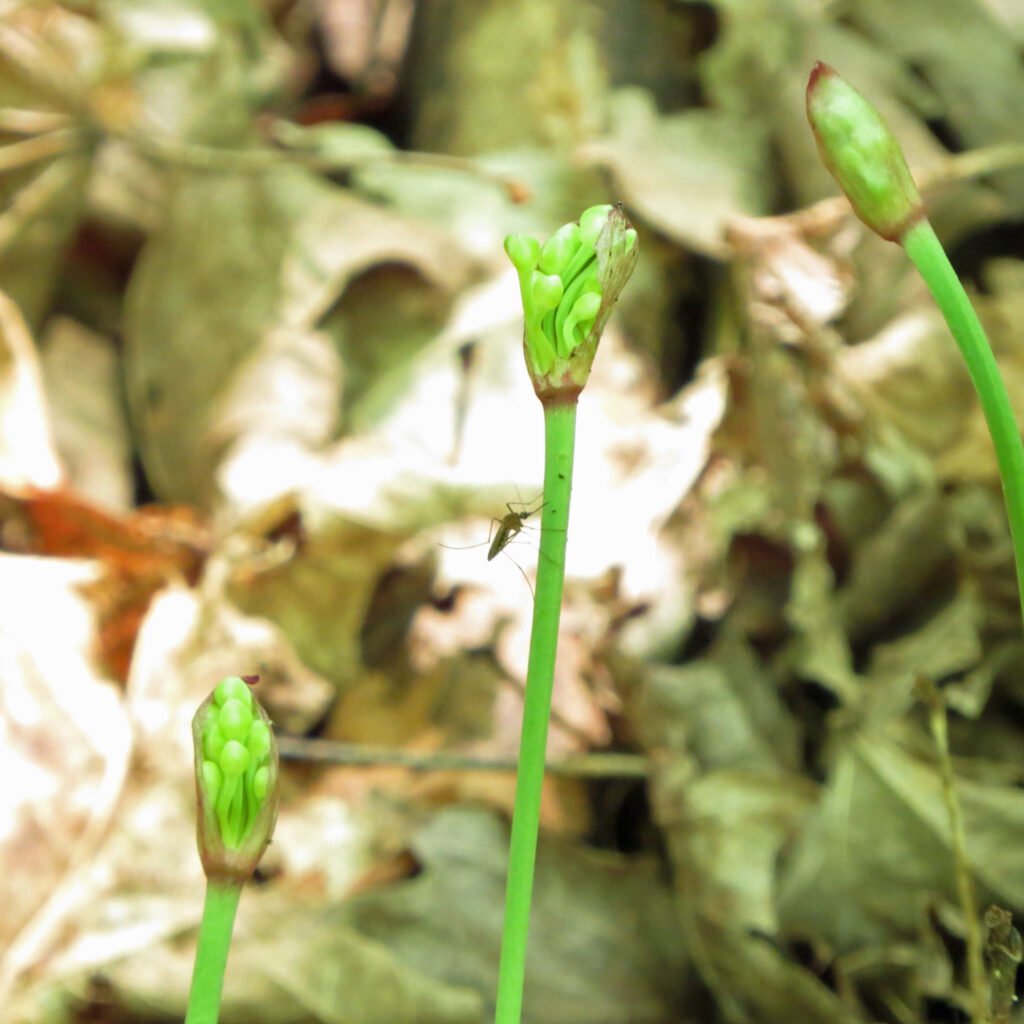
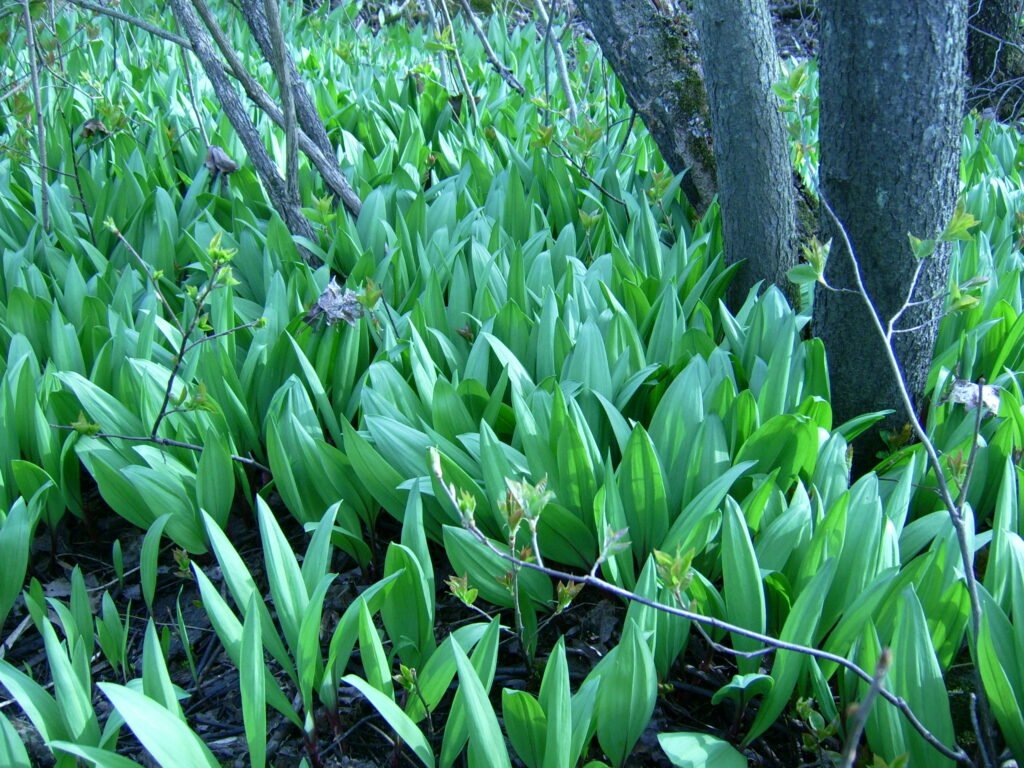
Ramps are “spring ephemerals.” This means their life cycle is incredibly brief. They are one of the very first edible plants to burst through the soil. You can usually find them between late March and early May. They shoot up before the forest canopy fully leafs out, blocking the sun. By early summer, the green leaves die back. The plant then sends up a single stalk with white flowers.
If you want to find them, you have to know where to look. Ramps love the Appalachian Highlands. They thrive in rich, moist, well-drained soil. They prefer the shaded understory beneath hardwood trees. Look for sugar maples, beeches, oaks, and hickories. Foragers usually spot them growing in dense patches on north-facing slopes or near mountain streams. You can identify them by looking for two or three broad, smooth, light green leaves. They also feature a distinct purplish tint at the lower stem.
The Golden Rule of Ramp Foraging
Learning about ramps quickly taught me about conservation. Ramps grow incredibly slowly. A single plant takes up to seven years to mature from a seed. Because of this, sustainable foraging is absolutely vital. Over-harvesting can easily wipe out an entire patch.
Responsible foragers follow strict rules. They rarely dig up whole patches. Instead, they use a small knife. They cut the ramp bulb just above the root system. This leaves the roots completely intact, allowing the plant to regenerate. Many foragers go a step further. They only harvest one leaf per plant and leave the bulb entirely alone.
A History of Survival
The story of the Ramp goes back centuries. Well before European settlers arrived, Indigenous peoples of North America harvested them. Tribes like the Cherokee, Iroquois, and Ojibwe relied heavily on ramps. They used them as food. They also prized them as a medicinal “spring tonic.” Ramps are packed with Vitamin C and minerals. Indigenous healers used them to cleanse the blood and cure winter ailments.
When European settlers arrived in the mountains, they learned about the plant from Indigenous tribes. The Scots-Irish settlers recognized the plant. It reminded them of ramson, a wild garlic back in Europe. They quickly adopted it. For these isolated Appalachian communities, ramps were a blessing. They provided an important blast of fresh nutrients after long, difficult winters of eating only dried beans and salted meats.
A Punch of Flavor
So, what do they taste like? In a word: intense. They pack a serious punch. Imagine a pungent, incredibly earthy marriage between garlic and spring onions. The green leaves offer a milder, sweeter flavor. The lower stems and white bulbs carry a sharp garlic heat. When you cook them, that fiery heat mellows into a beautiful, savory richness.
The Basic Recipe
Historically, mountain families cooked ramps with whatever they had on hand. This usually meant potatoes, eggs, and cured pork. These old recipes are firmly in the public domain, handed down for many generations. Here is the classic, Appalachian way to cook them.

Traditional Appalachian Fried Ramps and Potatoes
Ingredients
- 1 Bunch Fresh Ramps cleaned, roots removed
- 4-5 Potatoes Yukon Gold or Russet
- 3-4 tbsp Bacon Grease or chopped bacon/salt pork
- Salt and black pepper to taste
- Optional: 3 or 4 large eggs
Instructions
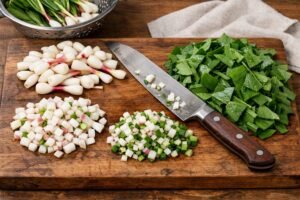
- Prep the Ramps: Wash the ramps thoroughly. Separate the white bulbs and lower stems from the green leaves. Chop the bulbs and stems into small pieces. Roughly chop the green leaves.

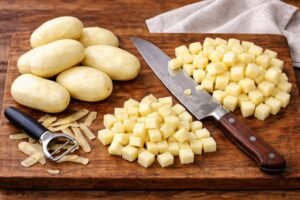
- Prepare the Potatoes: Peel the potatoes. Cut them up into bite-sized cubes.
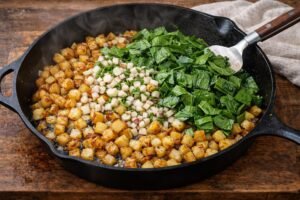
- Fry the Potatoes: Heat the bacon grease in a large cast-iron skillet over medium-high heat. Add the diced potatoes. Fry them until golden brown and crispy on the outside, and tender inside (about 15-20 minutes).
- Add the Bulbs: Toss the chopped ramp bulbs into the skillet. Sauté for 3-4 minutes until they soften and smell fragrant.
- Wilt the Greens: Stir in the chopped green leaves. Cook for 1-2 minutes until they just wilt.
- The Egg Scramble: If you want extra protein, crack the eggs directly over the mixture. Scramble everything together until the eggs set.
- Serve: Sprinkle with salt and pepper to your taste and eat immediately.


Notes
🥩 Hearty Proteins
- Smoked Brisket or Pulled Pork: The smoky, slow-cooked richness of brisket or pulled pork is an absolute powerhouse next to the sharp bite of wild ramps. The crispy fried potatoes and garlicky greens act almost like a savory hash when served alongside a generous slice of brisket or a scoop of tender pork.
- Cast-Iron Seared Trout: For a lighter, deeply traditional mountain pairing, pan-searing a fresh catch of trout in a little butter is incredible. The delicate, flaky fish won’t overpower the ramps, letting that unique spring flavor take center stage.
- Corned Beef: If you appreciate the flavor profile of a great Reuben sandwich, searing up some thick-cut corned beef alongside the ramp and potato skillet creates a fantastic, rustic hash. The salty, cured meat marries perfectly with the potatoes and the onion-garlic notes of the ramps.
🥗 Sides and Sweet Finishes
- Simple Peppery Green Salad: Because the ramp skillet is heavy on starches and fats, a crisp, raw salad of arugula or watercress tossed in a sharp lemon vinaigrette is the perfect palate cleanser. The acidity cuts right through the richness of the bacon grease and eggs.
- Roasted Spring Asparagus: Keep the meal focused on seasonal spring produce by roasting thick asparagus spears with a little olive oil, salt, and a squeeze of fresh lemon juice.
- Southern Banana Pudding: If you want to finish the meal with an all-time, ridiculously favorite thing in Appalachia, you absolutely cannot go wrong here. Serving a classic, layered banana pudding provides a cool, creamy, and sweet contrast that perfectly balances out the intense, savory heat of the main course.
Preserving the Harvest
The ramp season vanishes almost as quickly as it arrives. Therefore, mountain families had to preserve the harvest. They needed that flavor and nutrition to last all year. Today, we preserve them simply to savor that unique taste. Here are three traditional methods I uncovered for preserving Ramps.
Appalachian Pickled Ramps
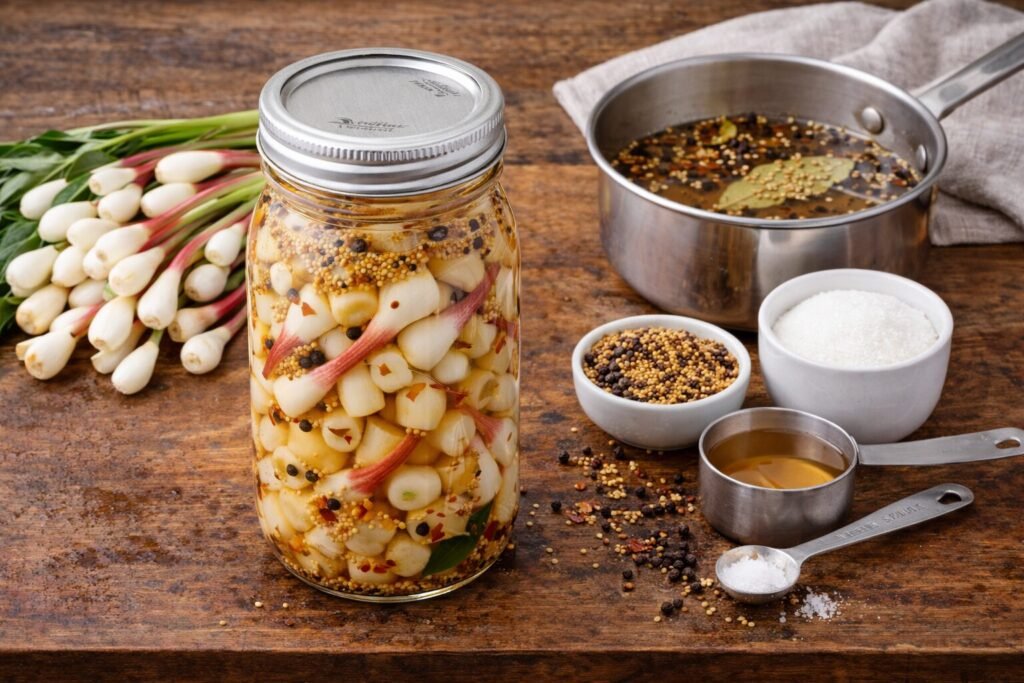
(Refrigerator Method) Pickling tames the intense garlic flavor of the crisp bulbs. It turns them into a sweet, tangy condiment. Historically, locals used apple cider vinegar.
- The Method: Wash 1 lb of ramp bulbs, then pack them into a sterilized Mason jar. Combine 1 cup of water, 1/2 cup of sugar, 1 tbsp kosher salt, 1 cup apple cider vinegar, 1 tsp mustard seeds, 1/2 tsp black peppercorns, a little bit of red pepper flakes (optional), and a bay leaf in a small saucepan. Heat it to a rolling boil until the sugar dissolves. Pour the hot liquid over the bulbs. Seal the jar, let it cool, and store it in the fridge. Wait two to three weeks before eating for the best flavor!
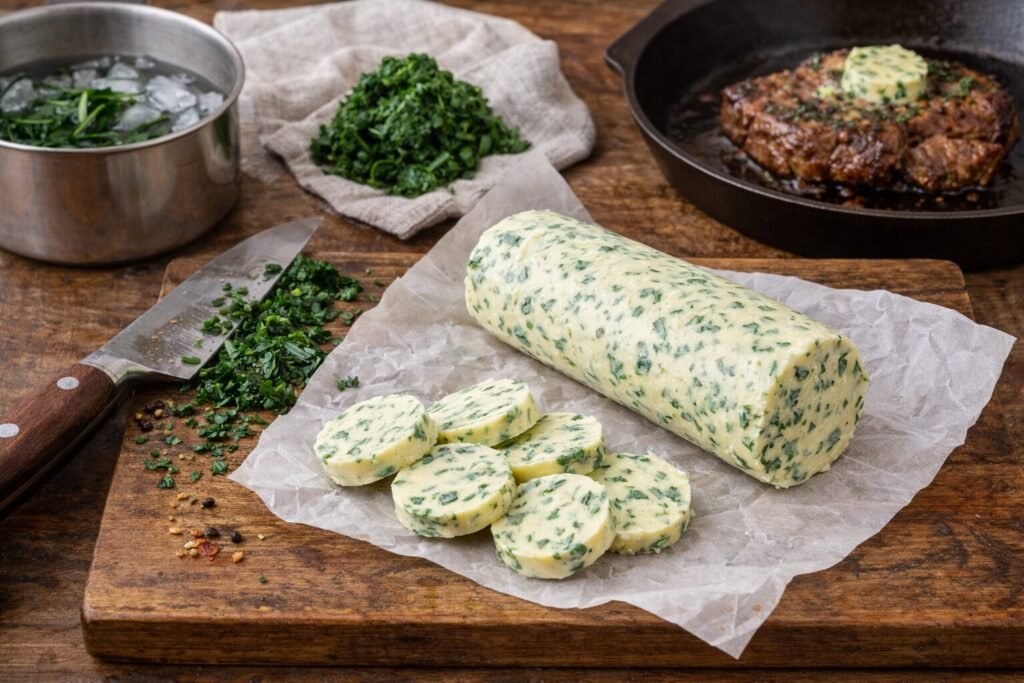
Compound Ramp Butter.
This old-world technique uses fats to preserve perishable greens. It is the perfect way to use the ramp leaves.
- The Method: Blanch 1 cup of fresh chopped ramp leaves in boiling water for 10 seconds. Plunge them into ice water, then squeeze them completely dry. Finely chop the leaves and fold them into 1 lb of softened, salted butter. Roll the butter into a tight log using parchment paper. Freeze it for up to 6 months. You can slice off pieces to melt over steaks or crusty bread.
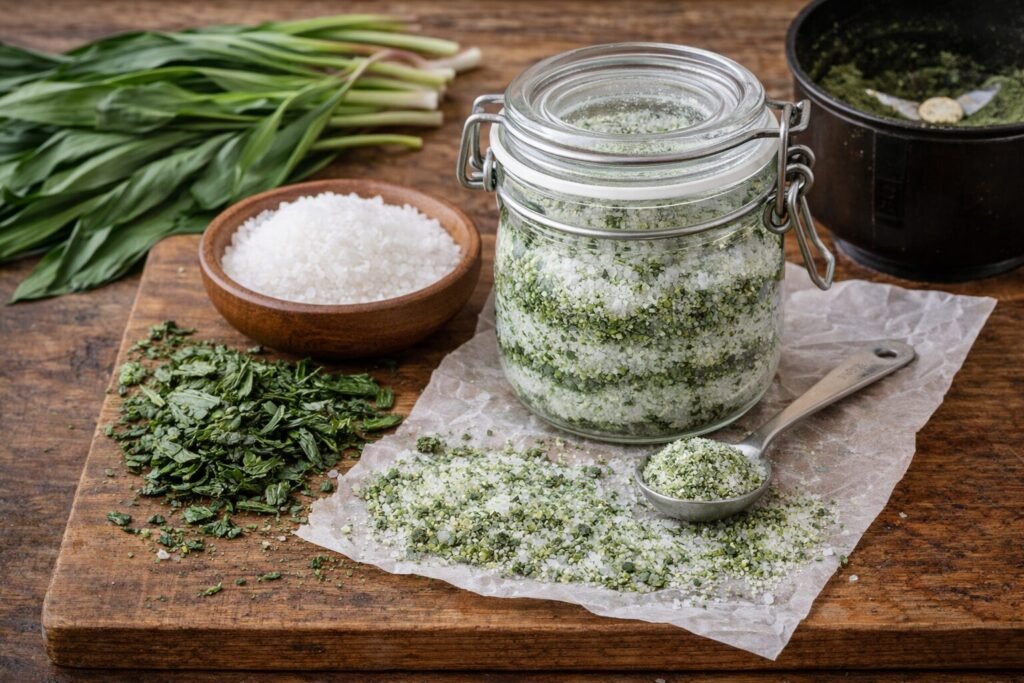
Wild Ramp Salt Drying
Salt-drying Ramps is an ancient preservation method. Blending dried ramp leaves with salt makes an incredible finishing seasoning.
- The Method: Dehydrate clean, dry ramp leaves in a dehydrator or a very low oven (150°F) until they crumble easily. Grind the crispy leaves into a coarse powder. Mix the powder with coarse sea salt at a 1-to-1 ratio. Store it in an airtight jar in your pantry.
Exploring the world of the Appalachian ramp has been an amazing culinary history lesson. It is a brilliant reminder of how deeply our food is tied to the land and the seasons.