



What the Case is About: Permit
The regulations for North Carolina’s livestock and poultry producers underwent a significant transformation this month when the state’s Supreme Court issued a ruling affirming that new, sweeping permit requirements must first undergo a public review process.
In a unanimous decision issued on October 17, 2025, the North Carolina Supreme Court ruled in favor of the N.C. Farm Bureau Federation, Inc., which invalidated three new environmental conditions that the N.C. Department of Environmental Quality (DEQ) had imposed on general permits for animal waste management systems.
The core of the dispute centers on the Administrative Procedure Act (APA), a law designed to ensure that state agencies don’t create “rules” or new regulations behind closed doors. For farmers, this ruling is a victory for transparency and process, reinforcing their right to have a say before new, potentially costly regulations take effect.
Who Was Involved?
The legal battle saw the N.C. Farm Bureau Federation as the primary challenger to the new rules. They argued that the DEQ had bypassed essential public input procedures.
Defending the conditions was the N.C. Department of Environmental Quality, Division of Water Resources (DEQ), the state agency responsible for managing the permitting program established by the Environmental Management Commission (EMC).
Notably, the Division of Water Resources and the N.C. State Conference of the NAACP was also involved in the appeal, having intervened in the case to support the DEQ’s ability to quickly implement environmental safeguards intended to protect water quality and public health.
The Three Contested Permit Conditions
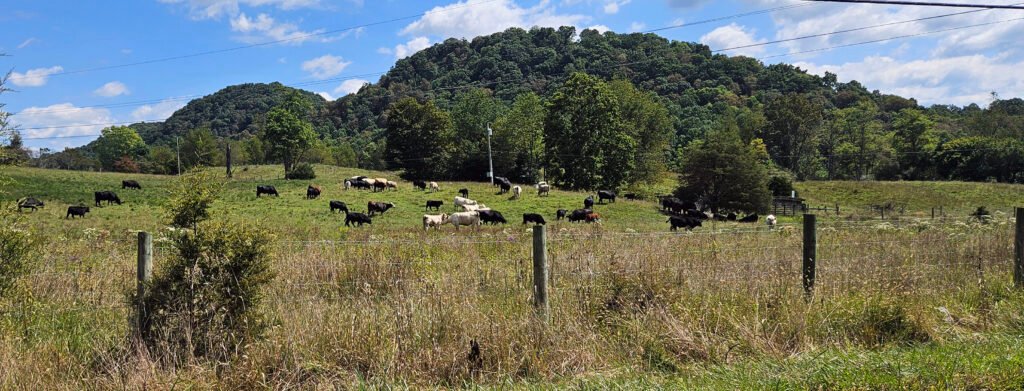
The issue arose when the DEQ issued new general permits in 2019 for swine, poultry, and cattle waste management systems. These permits included three new conditions that were not present in previous permits, and which the Farm Bureau argued amounted to new, unpublished regulations:
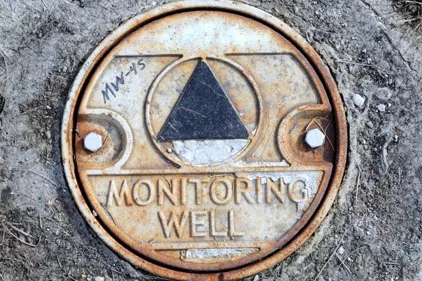
- Monitoring Wells: Permittees were required to install monitoring wells for waste storage structures located within the 100-year floodplain.
- Phosphorus Assessment (PLAT): Farmers were required to perform a Phosphorus Loss Assessment Tool (PLAT) analysis for fields with a high phosphorus index and meet mitigation requirements if the rating exceeded a certain level.
- Annual Reporting: Permittees were required to submit annual reports summarizing the operations of their respective systems.
The DEQ had developed these conditions following a settlement agreement stemming from a complaint to the U.S. Environmental Protection Agency regarding the previous 2014 permits.
Why the APA Matters to Farmers
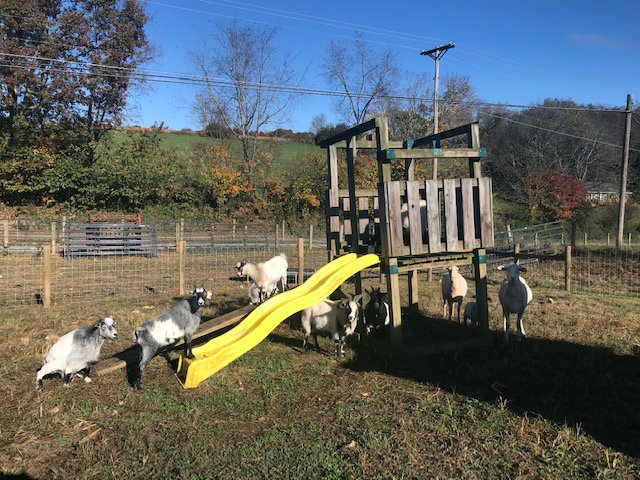
The North Carolina Supreme Court’s ruling boils down to a fundamental check on regulatory power. The APA requires administrative agencies to provide the public with due notice and an opportunity for public comment on proposed rules.
The court held that because state law intends for “most animal waste management systems” to be covered by these general permits, the three new conditions are “agency regulations… of general applicability.” Therefore, they meet the definition of a “rule” and must be adopted through the formal APA process.

Justice Allen stated in the opinion: “To accept the Division’s view of the law would be to eliminate any need for the EMC to adopt rules for animal waste management systems. Without ever providing the public with the notice or opportunity to be heard mandated by the APA, the Division could impose burdensome and costly requirements on a majority of farmers…”
This decision means that state agencies cannot use the simple “issuance” of a general permit to impose significant, far-reaching new operational requirements on the farming industry without first allowing the people who will be affected—the farmers—a formal seat at the table.
Impact on Operations and Environment
For Farmers: Regulatory Relief, For Now
The short-term impact is that the three specific requirements—installing monitoring wells, conducting the complete PLAT analysis, and submitting the new annual reports—are now invalid and unenforceable. This provides temporary regulatory relief and reduces compliance costs for the majority of farmers operating under the general permits.
However, the ruling does not permanently eliminate the new conditions; it simply requires the DEQ to implement them correctly.
For the Environment: Delayed Safeguards
For environmental and public health advocates, the ruling means a delay in implementing conditions designed to protect North Carolina’s water quality. Monitoring wells are crucial for detecting lagoon leakage in flood-prone areas, and the PLAT analysis is a key tool for managing nutrient runoff, particularly phosphorus, which contributes to water quality degradation.
The conditions “are invalid until they are adopted through the rulemaking process,” meaning the DEQ now has a roadmap. If they wish to impose these requirements, they must initiate the formal public notice and comment procedures under the APA. This will give the farm community a clearer opportunity to review the technical details, costs, and feasibility of the proposed rules before they become law.
We will continue to monitor the effects of this case and report on developments.














Leave a Reply