


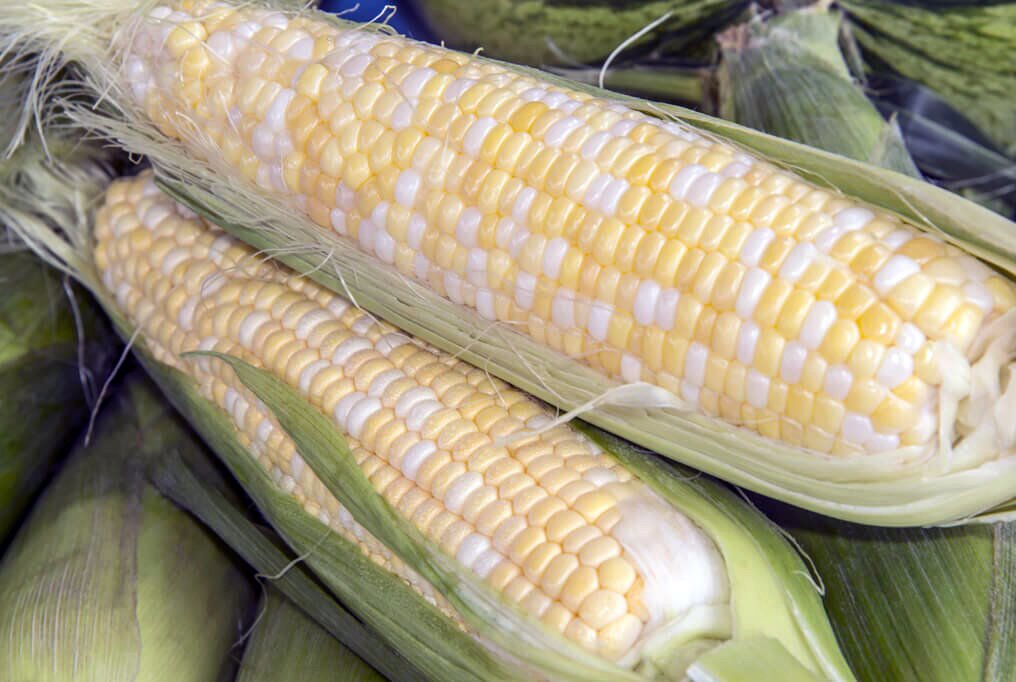
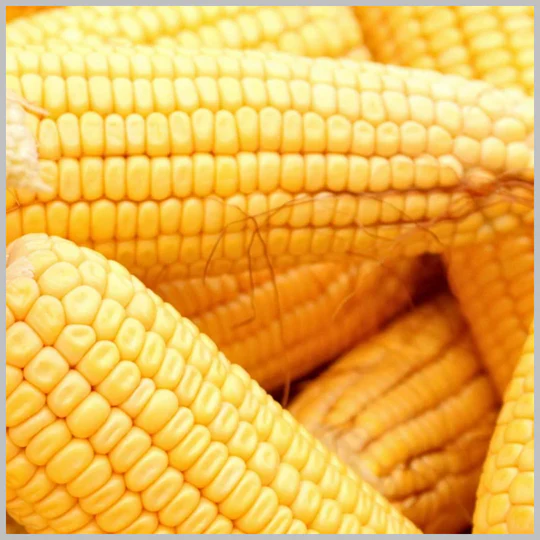
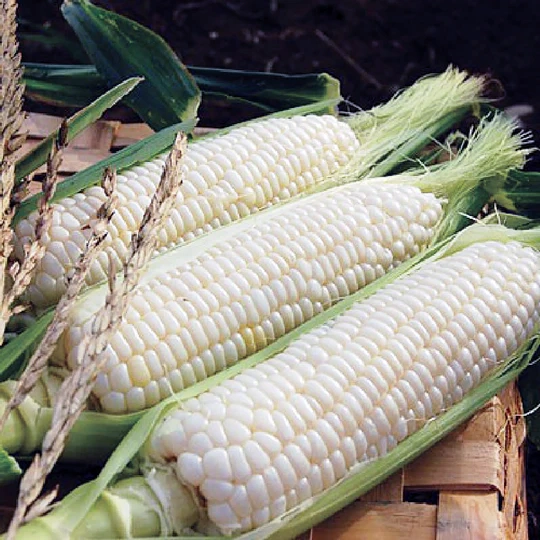
In August, the Appalachian Highlands are drowning in corn. Silver Queen, Peaches and Cream, Hickory King—it comes in by the bushel. The challenge hasn’t changed in 200 years: How do we keep this taste of summer when the snow flies?
For generations, the answer was a stoneware crock in the corner of the kitchen. Today, for a growing number of farmers, the answer is a vacuum chamber humming in the garage.
We put the Old Way (Pickled Corn) head-to-head with the New Way (Freeze Drying) to see how they stack up in the modern pantry.
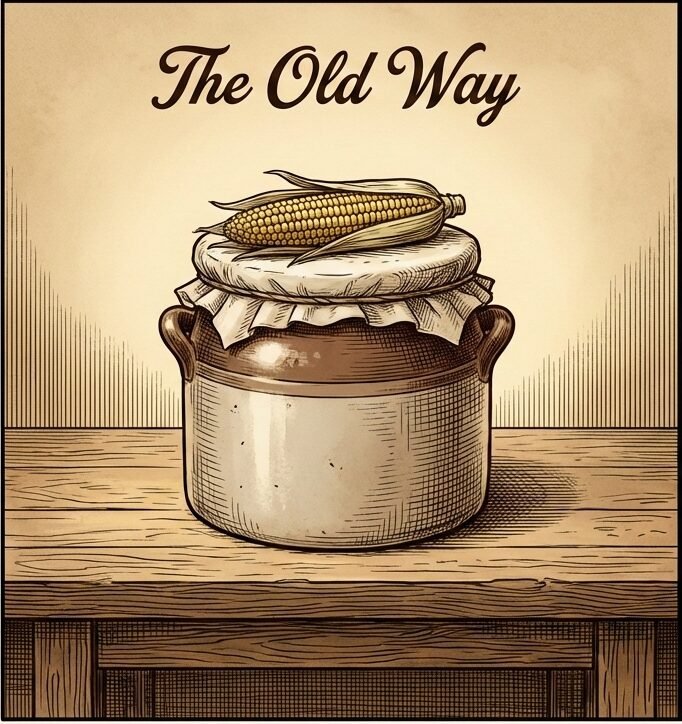
The Old Way: Appalachian Pickled Corn
The Flavor of Survival
If you didn’t grow up in the mountains, the phrase “sour corn” might sound like a mistake. But for locals, it is a delicacy that rivals kimchi or sauerkraut.
The Science:
Pickled corn is a product of lacto-fermentation. You boil the corn on the cob to set the milk, cut it off the cob, and pack it into a crock (or jar) with nothing but salt and water.
Over the next few weeks, Lactobacillus bacteria consume the sugars in the corn and convert them into lactic acid. This acid preserves the corn and gives it a distinct, sharp tang.
The Experience:
- Texture: Soft, similar to cooked corn.
- Flavor: Tart, salty, and complex. It loses its sweetness entirely.
- How to Eat: You don’t eat it cold. You rinse it to remove excess salt, then fry it in a cast-iron skillet with bacon grease and plenty of black pepper until it gets a little caramelized.
- The Verdict: It’s a comfort food. It tastes like history. But it is an acquired taste for the modern palate accustomed to sugar.
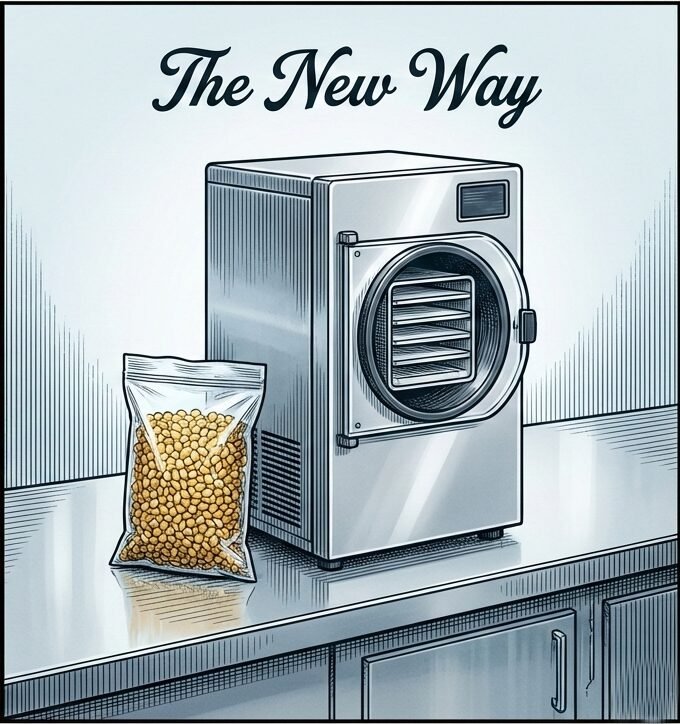
The New Way: Freeze-Dried Corn
The Time Capsule
Freeze dryers (like those from Harvest Right) are becoming the new canning kettle for serious homesteaders. They rely on sublimation—turning ice directly into vapor—to preserve food without heat.
The Science:
The machine freezes the corn to -40°F, then creates a vacuum and gently warms the tray. The ice inside the corn kernels vaporizes and is sucked away, leaving the structure of the kernel perfectly intact but bone-dry.
The Corn Experience:
- Texture: Airy, Styrofoam-light, and crunchy.
- Flavor: Identical to fresh raw corn. Because there is no high heat (canning) and no fermentation, the sugars remain unchanged.
- How to Eat: You can snack on it dry like popcorn. Or, toss it into a winter soup or chowder; it rehydrates instantly and tastes like it was picked five minutes ago.
- The Verdict: It is the closest you can get to “fresh” corn in January. It is convenient and kid-friendly, but it lacks the soul and the probiotic benefits of the fermented version.
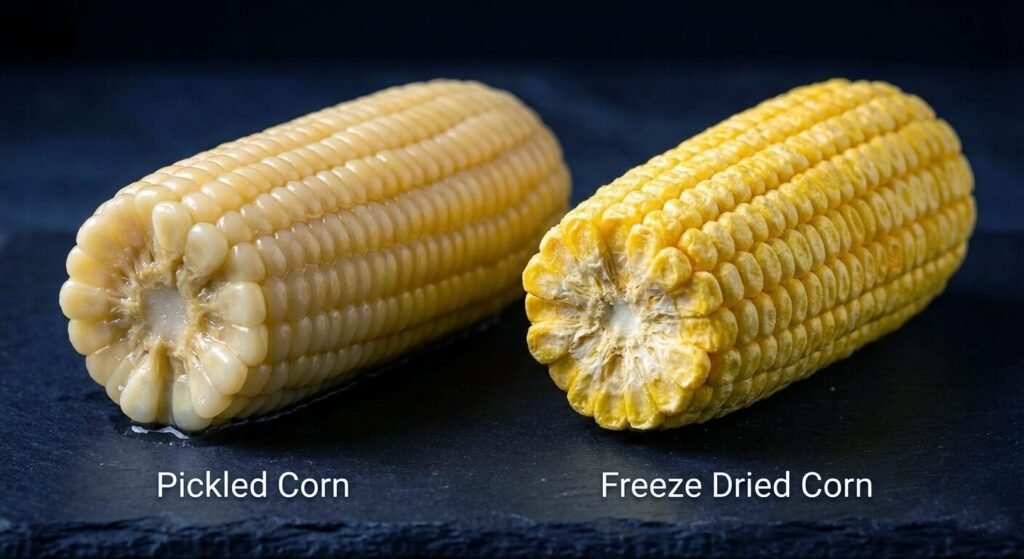
Head-to-Head Comparison
| Feature | Pickled Corn (The Crock) | Freeze Dried (The Machine) |
| Input Cost | $ (Salt + Water) | $$$$ (Machine + Electricity) |
| Shelf Life | 6-12 Months (Cool storage) | 25+ Years (Mylar bag) |
| Flavor Profile | Sour, Savory, Umami | Sweet, Fresh, Bright |
| Best Use | Fried Side Dish | Soups, Stews, Snacking |
| Nutrition | High in Probiotics | High in Vitamin C & Sugar |
The Winner?
It depends on what you are hungry for.
If you want the nutrition of summer—the vitamins and the sweetness—the Freeze Dryer wins hands down. It is a technological marvel that allows you to eat “fresh” corn in a blizzard.
But if you want the culture of the Highlands—the warming, savory, stick-to-your-ribs meal that got your great-grandparents through the winter—the Pickled Corn stands alone.
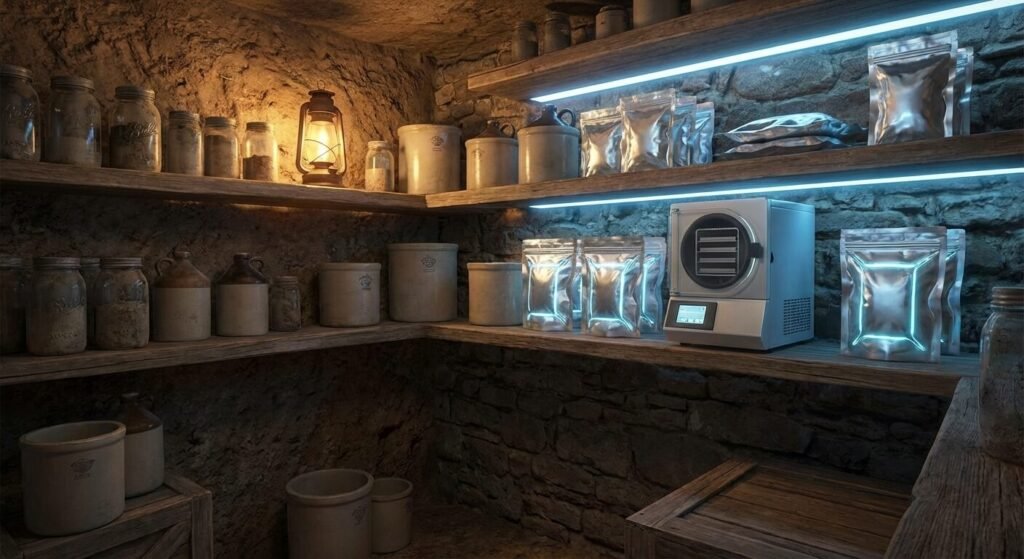
Our advice? Build a pantry that has room for both.













Leave a Reply