Why cattle producers are seeing a golden period, while row crop farmers face a perfect storm of low prices and elevated expenses.
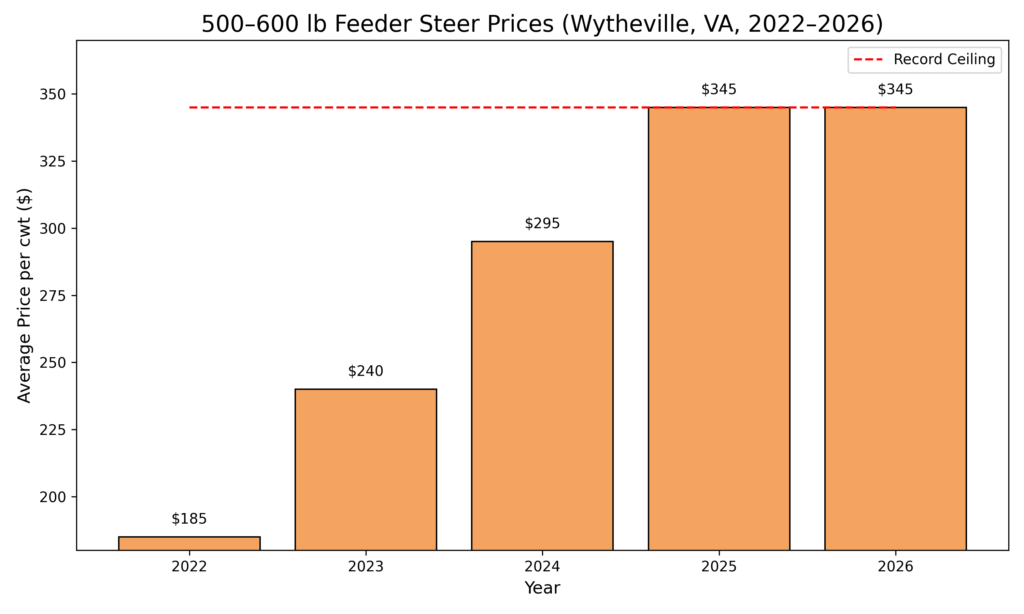
If you stand at the sale barn in Wytheville on a Thursday, you might think agricultural economics is a simple game of winning. The energy is high, the bids are fast, and feeder cattle are fetching prices that some multi-generational farmers have never seen in their lifetimes.
But drive two hours south to a river-bottom cornfield in Eastern Tennessee, and the lack of noise tells a different story. That’s where the math isn’t adding up, and the margins aren’t just thin—they don’t exist.
As we get farther into 2026, the Appalachian Highlands’ agricultural economy is experiencing what economists call a “K-shaped” recovery. One arm of the farm sector is shooting upward, buoyed by national scarcity, while global market forces and local weather disasters are dragging the other down.
The economic reality of our region today depends entirely on specifically what you farm, and where you farm it.
The Beef Boom: A Seller’s Market in the Highlands
For the pastures of Southwest Virginia and the higher elevations of the Carolinas, this is the era of the cow.
The driving force behind the current boom is basic supply and demand on a national scale. Following years of severe drought in the American West, the national cattle herd has shrunk to its smallest numbers in decades. There simply aren’t enough calves to meet demand.
For Highlands farmers who managed to hold onto their herds and have grass to graze, this supply squeeze has created something of a seller’s market. In hubs like Wytheville, producers are seeing notable earnings on feeder cattle. For many family operations operating on thin margins for years, this wave of cash is a crucial opportunity to pay down debt, upgrade aging equipment, or finally bolster savings.
However, this boom comes with a high barrier to entry. The cost to buy into the industry right now is astronomical, making it nearly impossible for young or beginning farmers to start a herd from scratch without considerable existing capital.
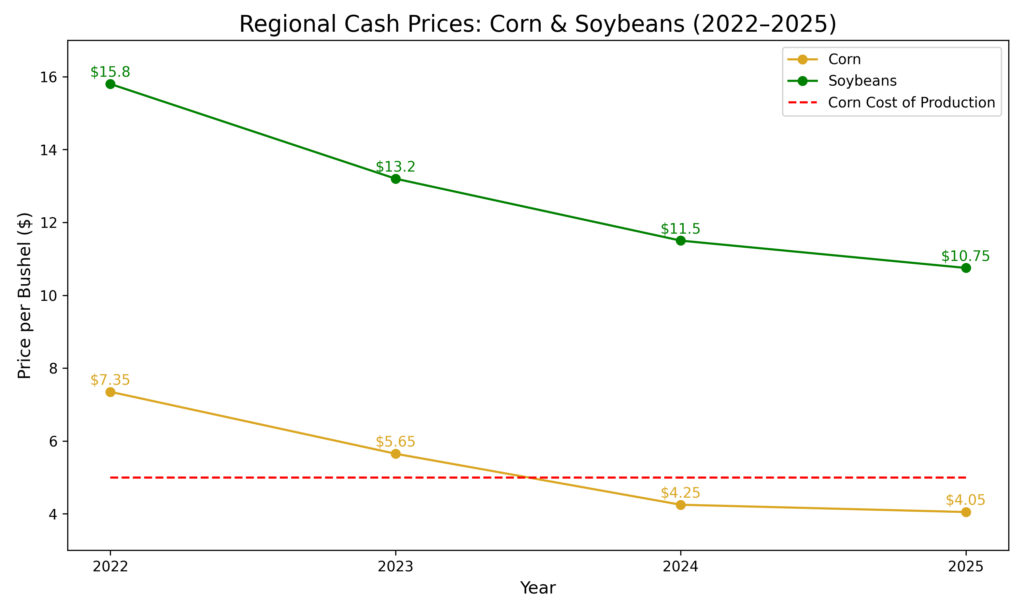
This divergence illustrates the growing economic imbalance in the Appalachian Highlands agricultural sector
The Row Crop Squeeze: Farming in the Red
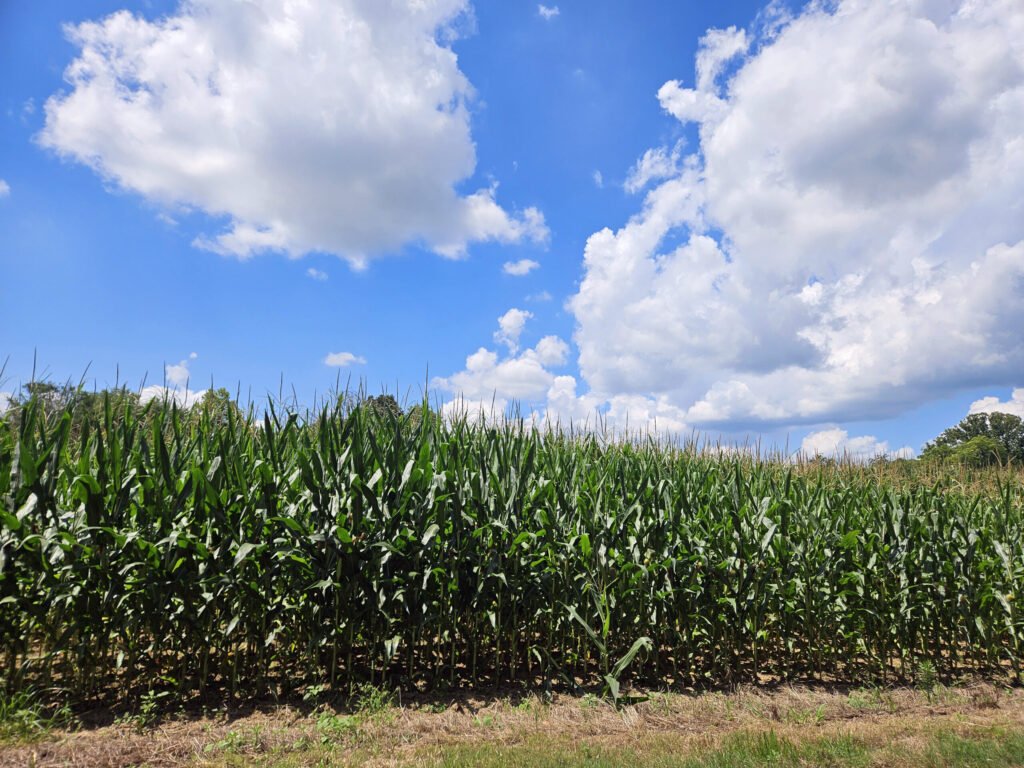
The optimism of the cattle market stands in sharp contrast to the reality facing row crop farmers in the valley land of Eastern Tennessee and Western North Carolina. Farmers growing corn, soybeans, and cotton are facing a brutal cost-price squeeze.
While commodity prices for these crops have dropped significantly—often falling beneath the cost of production—the “inputs” required to grow them have not. The costs of diesel, fertilizer, advanced seeds, and machinery parts remain high.
Compounding this financial pressure is the “weather whiplash” of the last two years. Many producers in the lowlands are still reeling from a cycle of severe drought followed by devastating floods. In many cases, yields were hammered by dry weather early in the season, only to be complicated by floodwaters during harvest. For many row croppers, the goal for the coming year isn’t profit; it’s survival.
The Long Shadow of Helene
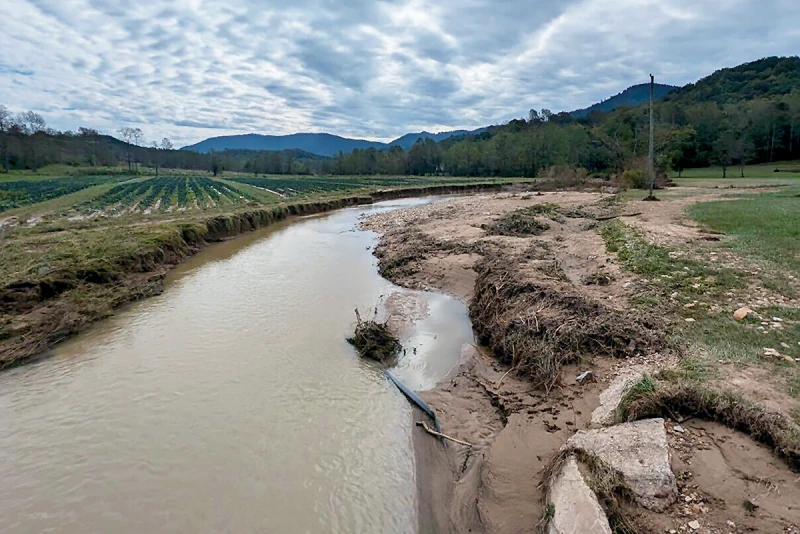
In Western North Carolina, we cannot separate the economic conversation from the lingering effects of Hurricane Helene’s devastation in late 2024.
For many farms in river valleys, the economic hit wasn’t just a lost crop season; people lost infrastructure and lost land. The flooding scoured away feet of prime topsoil in bottomlands, leaving behind sand, silt, and debris. The monetary pressure of remediating this land is immense, and it is a cost rarely fully covered by standard farm insurance.
Furthermore, the disruption to agritourism—a vital “winter cushion” for many small farms—during the crucial autumn leaf seasons has left many operations with smaller cash reserves heading into this winter.
The Pivot: Diversification as Defense
This volatile, bifurcated economy is accelerating a significant change in how the Highlands farms. Dependence on a single global commodity market—whether corn or beef—carries too much risk.
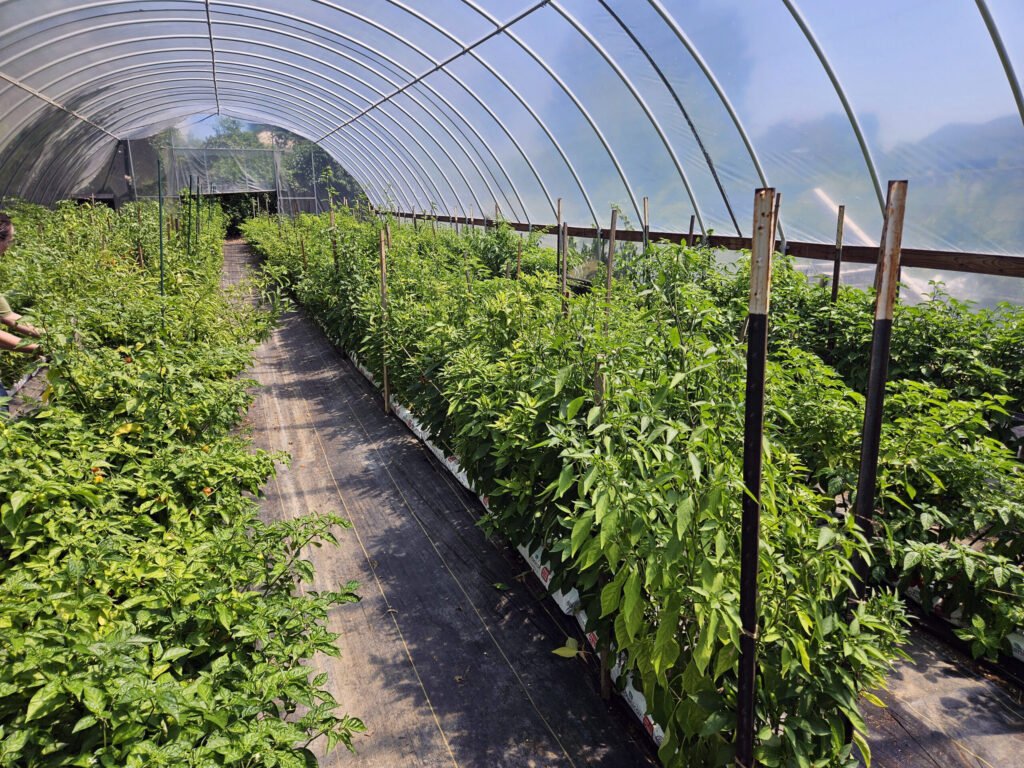
The response from many savvy producers means diversification and a pivot toward the “12-month harvest.” Farmers are increasingly using high tunnels to extend growing seasons and moving toward direct-to-consumer sales at year-round venues like the Asheville City Farmers Markets.
In a business climate defined by the extreme highs of the cattle market and the overwhelming lows of row cropping, the stabilizing force of a local customer willing to pay a premium price every week of the year is becoming the region’s most reliable economic lifeline.