


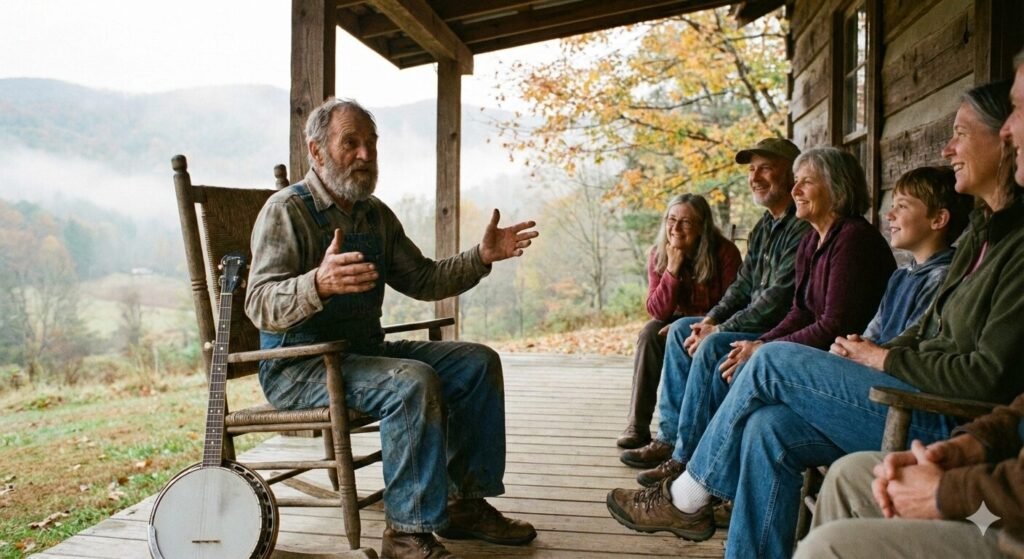
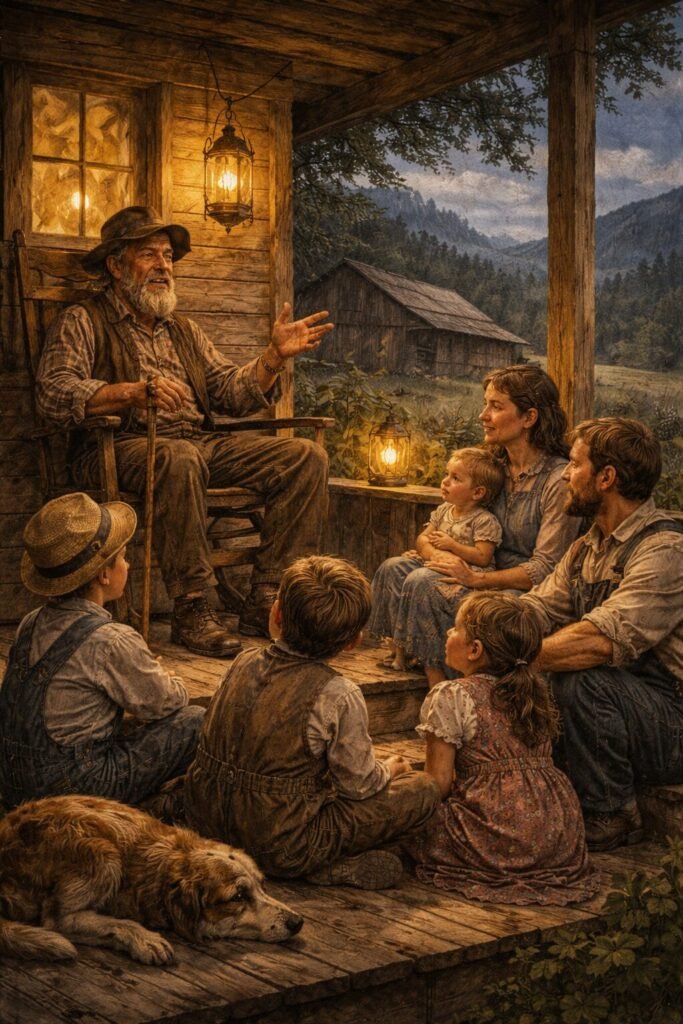
When the sun finally drops behind the ridge and the last chore is done, life on an Appalachian Highlands farm shifts gears. Today, we might turn on the TV or scroll through our phones. But for generations before electricity reached the hollows of Western North Carolina, East Tennessee, and Southwest Virginia, entertainment was homemade. You sat on the porch, you watched the fireflies, and you listened.
Around here, talking isn’t just noise. It’s an art form. The Appalachian Storytelling Tradition is as deep and rich as the bottomland soil along the Nolichucky River. For centuries, it was our history book, our survival guide, and the moral compass that held our communities together.
For those outside our region, it’s a fascinating cultural phenomenon. For those of us living here, it’s something to be fiercely proud of. Here is a deep dive into the origins, the masters, and the tall tales that shaped the Appalachian Highlands.
The Mountain Melting Pot
If you dig into the roots of our stories, you’ll find they didn’t start here. The tradition is a “stew” of three distinct cultures that converged in these mountains to create something entirely new.
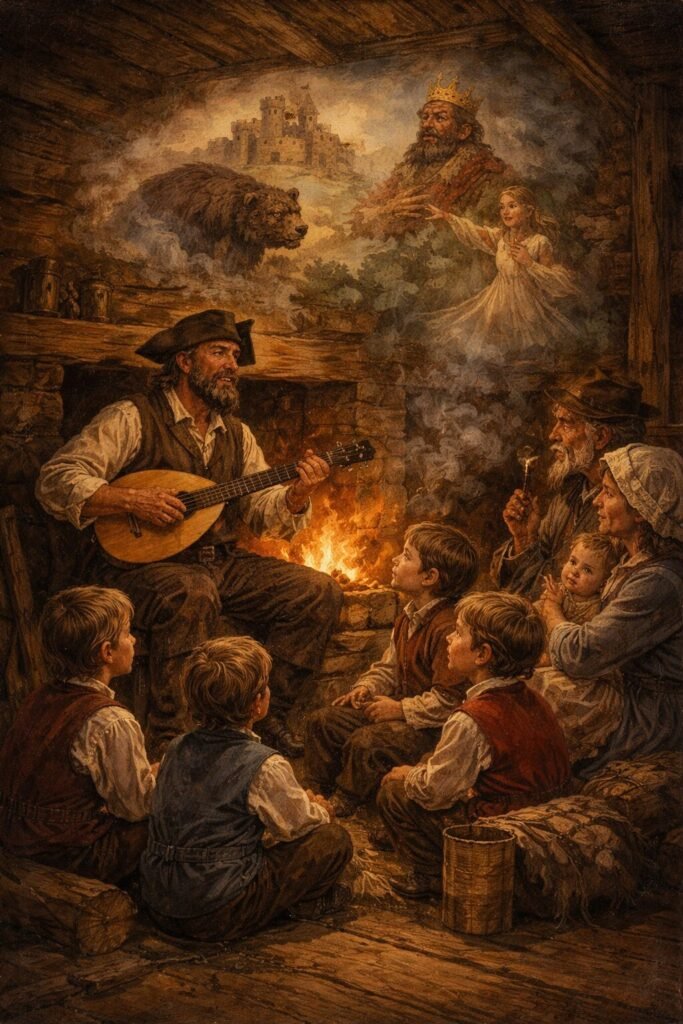
1. The Scots-Irish & English Settlers When 18th-century settlers arrived from the British Isles, they brought the “ballad tradition” and ancient fairy tales. Because literacy was low and books were scarce, oral history was the only way to preserve their lineage. They brought stories of kings, giants, and magic. Over time, those kings became local landlords, the giants became bears, and the magic morphed into plain old mountain cleverness.
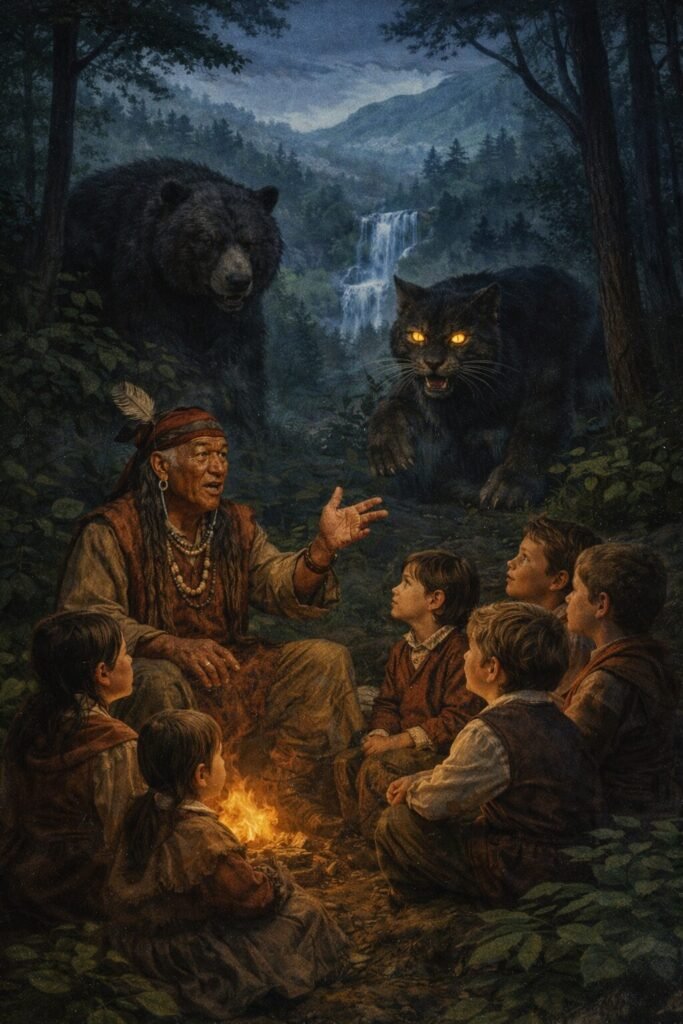
2. The Cherokee Influence Long before European settlement, the Cherokee people of the Highlands used storytelling to explain natural phenomena and enforce social laws. Legends like the Wampus Cat—a creature used to warn children against being too curious in the deep woods—seeped into the consciousness of the new settlers.
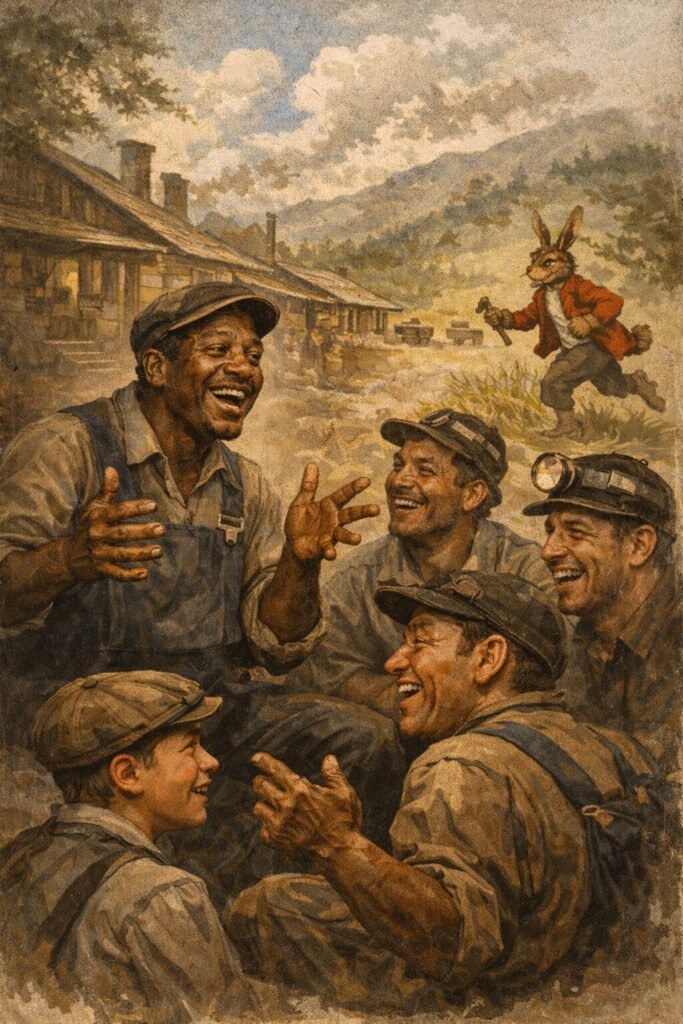
3. The African American Influence Enslaved people and free blacks in Appalachia brought the “trickster tale” tradition (like Br’er Rabbit) and a rhythmic, call-and-response style of narration. This heavily influenced the cadence and humor of mountain tales, particularly in the coal camps where cultures lived in close proximity.
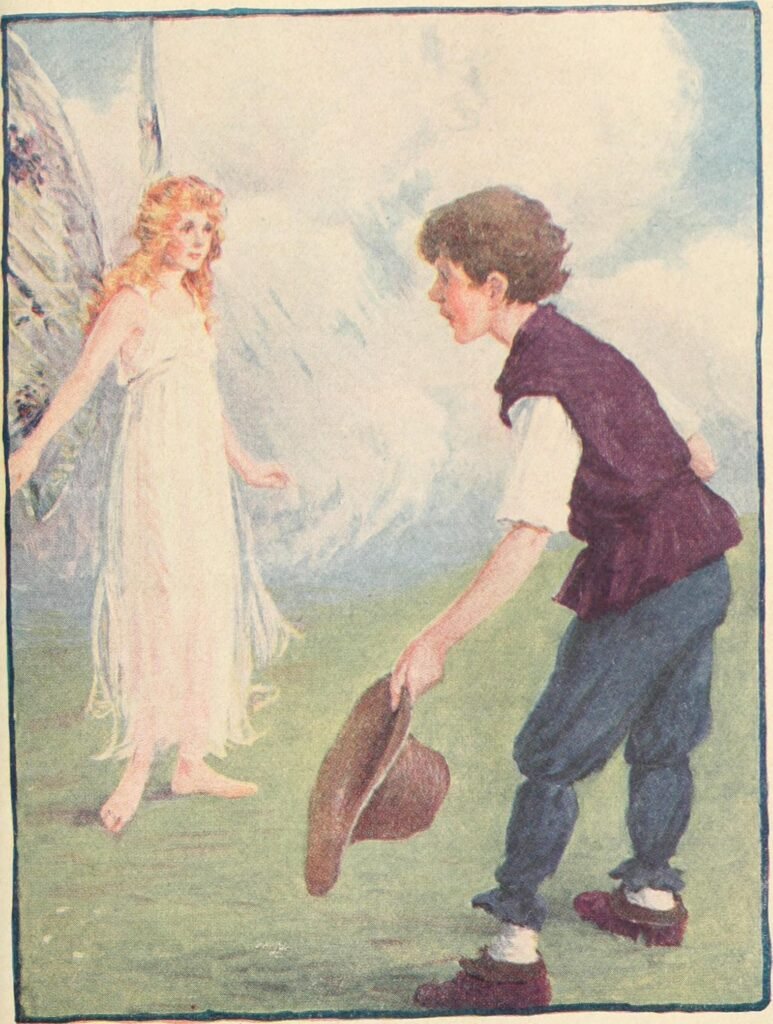
Enter “Jack”: The Original Mountain Farm Boy
You can’t talk about Highlands storytelling without talking about “Jack.”
When those European fairy tales hit the rocky soil of Appalachia, the characters changed. The heroes stopped being knights in shining armor. They morphed into a character usually just called “Jack.”
In the Appalachian versions—known as the “Jack Tales”—Jack doesn’t use magic wands to beat giants or devils; he uses his wits. He is often lazy but shrewd. This reflected the Appalachian self-image: the underdog who survives by outsmarting the powerful figures (coal barons, government agents) who try to exploit him.
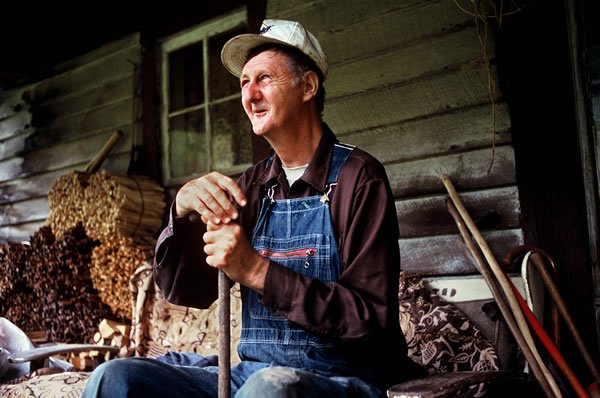
The late, great storyteller Ray Hicks of Beech Mountain, NC, once explained the philosophy of Jack perfectly:
“Now they call it ‘luck.’ …But I think it’s just their wit, that they know more how to go at it. That it ain’t no luck or nothin. It’s just the way they watch an how they go at it.”
Every farmer knows what Ray meant. You survive here by watching the weather and being smarter than the challenges thrown at you.
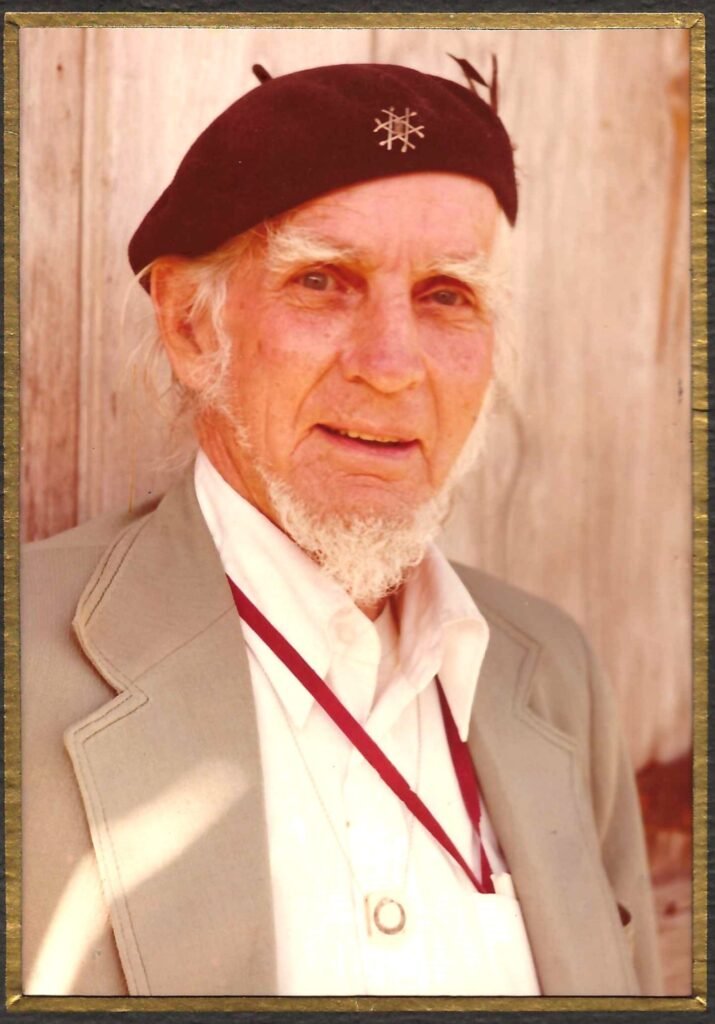
From the Front Porch to the World Stage
For generations, storytelling was domestic. It happened on front porches, around hearths, and at the “Liar’s Bench”—a designated spot at general stores where men gathered to swap tall tales.
During the Great Depression (1930s-40s), WPA workers and folklorists like Richard Chase traveled the Highlands recording these stories. They realized that while the rest of America was modernizing, Appalachia had preserved versions of stories that were older than the Brothers Grimm collections.
Then came the revival. In 1973, Jonesborough, Tennessee, became the heart of the movement when Jimmy Neil Smith founded the National Storytelling Festival. What started as a few people around a farm wagon is now the premier storytelling event in the world, proving that our “front porch talk” is actually a world-class performance art.
The Masters of the Craft
We have been blessed with some masters of this tradition right here in our backyard.
- Ray Hicks (Banner Elk, NC): Known as the “Patriarch of the Jack Tales.” Standing nearly seven feet tall and living in an unpainted house on Beech Mountain without running water or electricity for much of his life, Ray spoke in a dialect so thick it was almost Elizabethan. He is credited with preserving the purest forms of the Jack Tales.
- Orville Hicks: Ray’s cousin continues the Beech Mountain tradition today, keeping those original stories alive for new generations.
- Donald Davis (Waynesville, NC): A former Methodist minister, Davis is perhaps the most famous living Appalachian storyteller. He moved the genre toward personal family stories. His tales of growing up in the 1950s—like the classic “Crip” about a chaotic family pig—show how everyday farm life is full of humor.
- Sheila Kay Adams (Madison County, NC): A seventh-generation ballad singer who kept the “love and murder” ballads alive.
A Taste of the Tales
If you’re new to the genre, here are a few “Greatest Hits” you might hear at a festival:
- “Jack and the Heifer Hide”: Jack tricks his greedy brothers and a wealthy King into thinking a dried cow skin has magical powers. It’s the ultimate “poor outsmarting the rich” story.
- “Tailypo”: A terrifying ghost story where a hermit eats the tail of a mysterious creature, which returns at night demanding, “Tailypo, Tailypo, all I want is my Tailypo…”
- “Wicked John and the Devil”: A blacksmith is so mean that neither Heaven nor Hell will take him. The Devil gives him a coal to light his way, creating the “Will-o’-the-wisp.”
The Sound of the Mountains: A Transcript
Reading these stories is one thing, but hearing them is another. Ray Hicks spoke the “Beech Mountain Dialect.” To understand it, you have to know a few words:
- Poke: A small bag.
- Bedad: A mild oath (like “By God”).
- Hit: Used for “It” (“Hit were a long time ago…”)
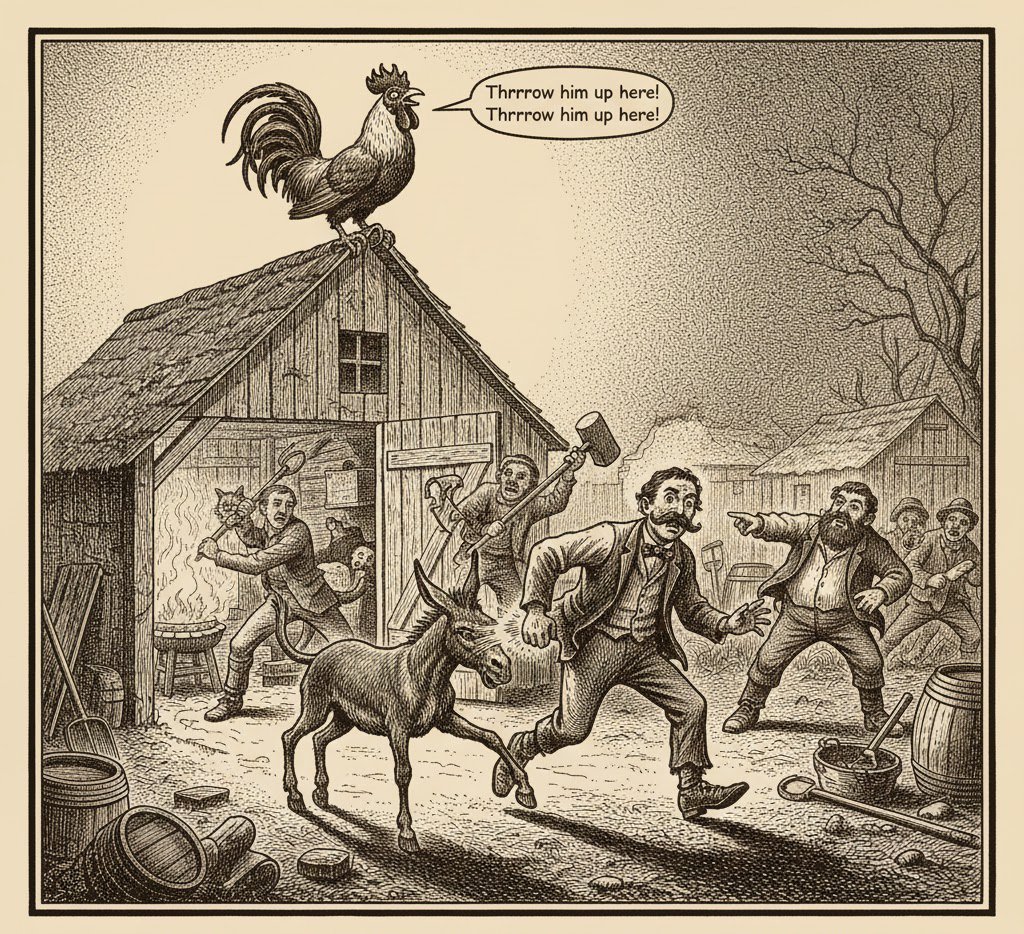
Here is a transcript from the climax of “Jack and the Robbers” (a variant of the Bremen Town Musicians). In this scene, Jack’s animals (Cat, Dog, Donkey, Rooster) are hiding in a dark house, and they attack a robber who enters. The robber runs back to his friends, terrified, because his imagination turns the animals into monsters:
“I went in there to blow up a fire,” the robber said, panting hard.
“And there was a man in the corner, and he took his pitchfork and he shoved me in the fire!” (That was the Cat scratching him.)
“I went to run out the door, and a man behind the door took a chop-axe and hacked me on the leg!” (That was the Dog biting him.)
“I run out into the yard, and a man with a big rubber maul hit me a hard blow!” (That was the Donkey kicking him.)
“And then the Devil sat up on top of the roof and hollered out: ‘Thrrrrow him up here! Thrrrrow him up here!'” (That was the Rooster crowing.)
“Bedad, boys,” the head robber said, “We better get out of here, or that one on the roof is gonna get us all!”
Why It Matters
Today, this tradition fights the “hillbilly” stereotype. Through festivals and oral history projects (such as the Foxfire books), storytelling presents Appalachians not as uneducated but as people with a rich, complex, and intelligent oral literature. It has turned the region’s history of struggle into a badge of honor.
So, the next time you’re exhausted from pulling stumps or fixing the fence, and you sit down on the porch to swap a story with a neighbor, remember: you aren’t just killing time. You are tending to the deepest roots of the Appalachian Highlands.
Places to Experience Highland Storytelling Today
Reading about the tradition is one thing; sitting knee-to-knee with a master storyteller is another. If you want to hear the “Jack Tales,” ghost stories, and ballads for yourself, here is where to go in the Highlands:
1. The Storytelling Capital of the World (Jonesborough, TN)
- The Vibe: The Mecca of oral history.
- When to Go: The National Storytelling Festival takes place every October, drawing thousands. Can’t wait? Visit the International Storytelling Center downtown, which hosts a “Teller-in-Residence” series live every day from May through October.
- Website: storytellingcenter.net
2. Sounds of the Mountains Storytelling Festival (Fincastle, VA)
- The Vibe: Intimate and authentic.
- When to Go: Held annually in April at the Camp Bethel Summer Camp and Event Center. This festival focuses heavily on the traditional Appalachian style, featuring local tellers and regional legends in the heart of Southwest Virginia.
- https://www.facebook.com/events/328-bethel-road-fincastle-va-united-states-virginia-24012/24th-annual-sounds-of-the-mountains-storytelling-festival/9405414392831628/
3. Bascom Lamar Lunsford Festival (Mars Hill, NC)
- The Vibe: Old-time roots and rhythms.
- When to Go: Held in October at Mars Hill University. Dedicated to the “Minstrel of Appalachia,” this event focuses on the ballads and music that often accompany the stories. It is one of the most authentic showcases of Western NC heritage.
- Website: mhu.edu
4. Tennessee Fall Homecoming (Clinton, TN)
- The Vibe: A living history lesson.
- When to Go: Held at the Museum of Appalachia, this massive festival features hundreds of musicians and storytellers performing on rustic porches and in log cabins. It looks and feels exactly like the 19th-century Highlands.
- Website: museumofappalachia.org
5. Grandfather Mountain Highland Games (Linville, NC)
- The Vibe: The Scots-Irish connection.
- When to Go: July. To understand the roots of the “Jack Tales,” visit the Celtic Groves at the games. You will hear the ancient Scottish and Irish tales that evolved into our local folklore, spoken with a lilt that sounds like home.
- Website: gmhg.org












Leave a Reply