


In Northeast Tennessee, our rivers are more than beautiful landmarks; they fuel our farms, shape our childhoods, and drive our economy. But as any farmer on the Nolichucky or Watauga knows, these waters can also be destructive. Recent floods and storms, such as Hurricane Helene, highlight the pressing necessity for stable, resilient streambanks and restoration.
Building on the community’s growing concern, the Appalachian Resource Conservation & Development Council (ARC&D) is taking hands-on action this month to help landowners protect their property and our common waterways.

Upcoming Event: TN Stream Team Restoration Workshop
On Friday, January 23, 2026, from 9:00 AM to 3:00 PM at 3973 Hwy 81S, Jonesborough, TN 37659 (Washington County), the ARC&D, in partnership with UT Extension, the Tennessee Department of Forestry, and the Nolichucky Outdoor Recreation Association, will host an in-person Streambank Stabilization Workshop.
This in-person “TN Stream Team” event is crafted for farmers, landowners, and community volunteers. Participants will acquire hands-on skills and practical techniques to prevent erosion and restore riverbanks during instructor-led sessions.
- When: Friday, January 23, 2026 | 9:00 AM – 3:00 PM
- Where: 3973 Hwy 81S, Jonesborough, TN 37659 (Washington County)
- Attendees will receive demonstrations of ecological engineering techniques, including “live staking,” which uses living plant materials to secure soil. These sessions will highlight differences from standard techniques, such as concrete or rip-rap, and emphasize how native vegetation helps stabilize banks while improving water quality.
This workshop is a direct response to the community’s demand for available, effective restoration tools. Whether you have a creek eating away at your pasture fencing or you simply want to be part of the solution for cleaner water, this workshop offers the training you need.
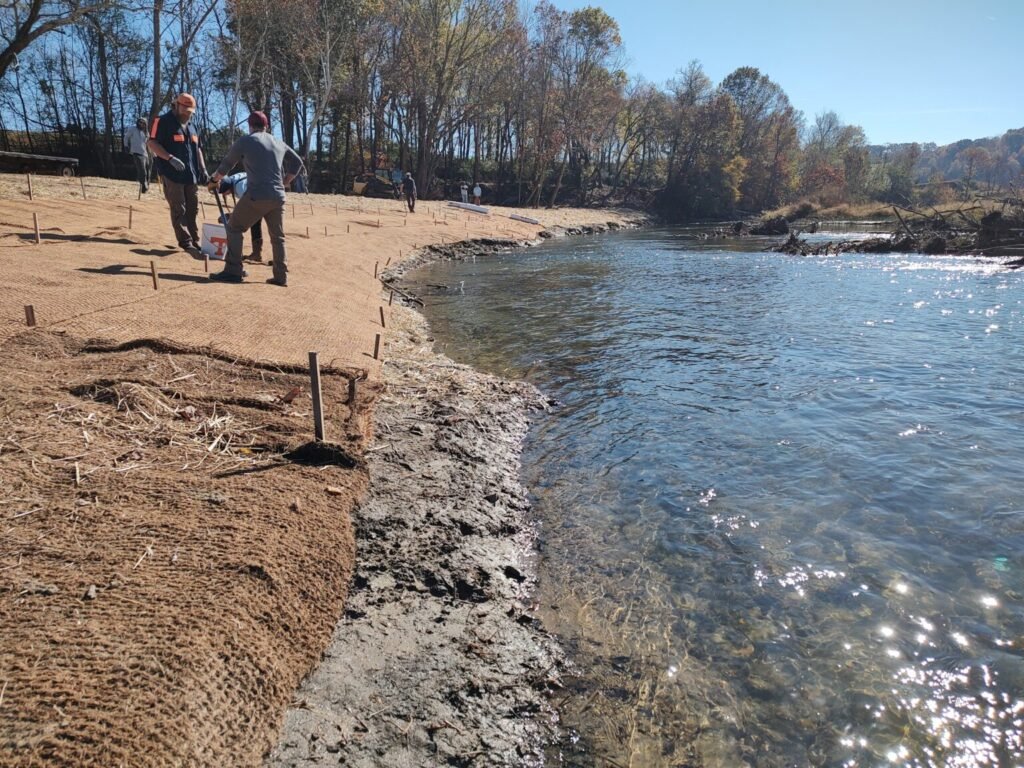
A Legacy of Stewardship: The Appalachian RC&D Council
ARC&D, a 501(c)(3) non-profit founded in 1994, has served ten Northeast Tennessee counties for over thirty years.
Their mission is simple but profound: to conserve natural resources and improve rural economies.
They know Appalachia’s environment and economy are deeply linked. Thriving farms need healthy land and water; protecting land means supporting working farmers.
Connecting the Dots: Past, Present, and Future
The Council’s diverse programs connect. Some know them for the Field School, launching new farm careers. Others know Build It Up for helping families grow food, or for their support of Boone Street Market.
However, their Watershed Restoration program is perhaps their most critical environmental effort.
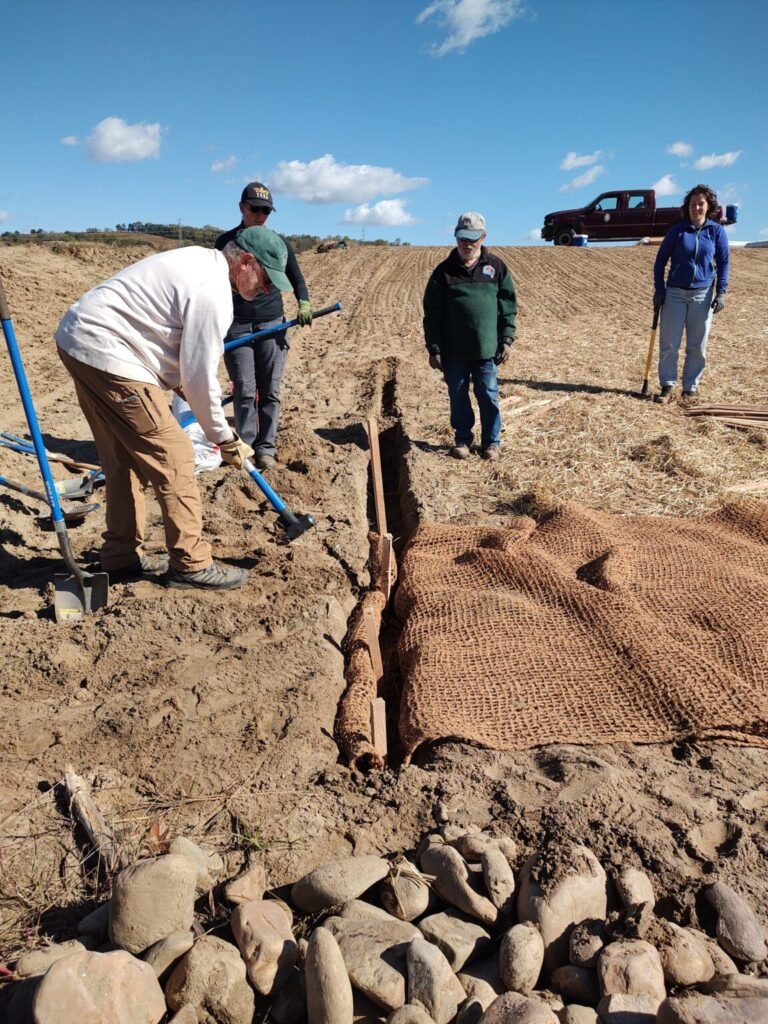
Past Projects: Success in Our Streams The ARC&D has a strong track record of successful restoration, having facilitated major projects in our local waterways. Two notable examples highlight their collaborative approach:
- Gap Creek (Washington County): This project brought vital attention to the Gap Creek watershed. It was done in partnership with Brushy Fork Environmental Consulting, a Mountain City-based group dedicated to smart environmental solutions across Northeast Tennessee and the high country of North Carolina. By leveraging local expertise, the project addressed critical stability problems in the creek.
- Roan Creek (Johnson County): In Johnson County, the work on Roan Creek saw landowners actively engaged in physically rehabilitating their land. This comprehensive effort involved rebuilding, re-grading, re-planting, and re-fencing damaged streambanks. The project was a partnership with Brushy Fork Environmental Consulting, which provided technical restoration expertise, while the Land Trust for Tennessee used conservation easements to permanently protect water quality.
Current efforts: TN Stream Team is hands-on. Volunteers help stabilize eroding banks damaged by recent high water. Non-farmers can help by volunteering 8–12 hours a month on restoration sites.
Future goals: ARC&D is working to boost the conservation of working lands. They seek landowners with 3,500+ feet of stream to consider easements. The initiatives aim to protect riparian corridors, mitigate flooding, and compensate farmers for their stewardship.
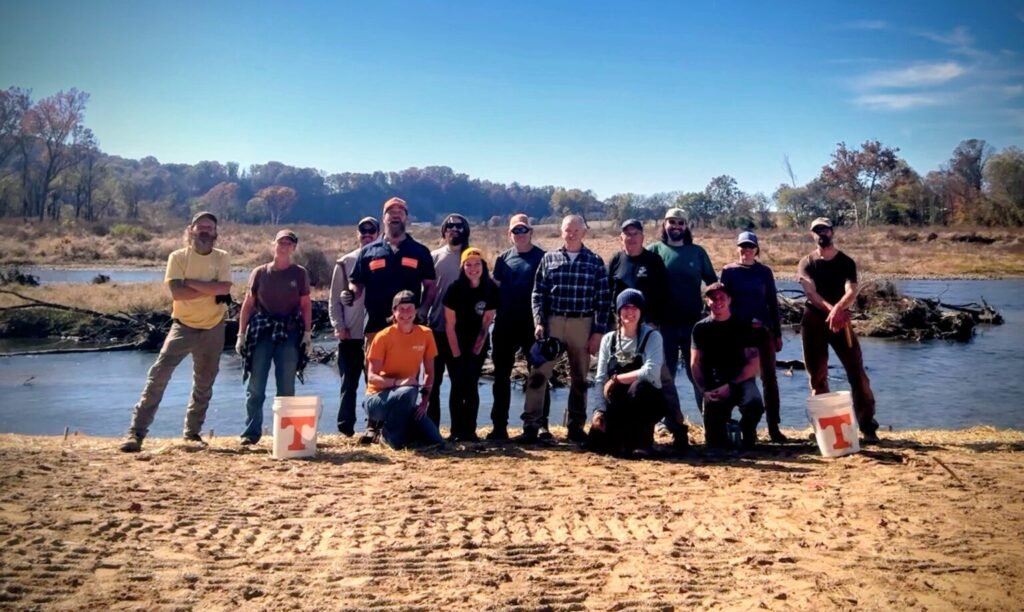
Why It Matters
Eroding streambanks means losing our best resource—topsoil. Sediment is Tennessee’s top water pollutant, damaging aquatic life and lowering water quality downstream.
By attending the January 23rd workshop, you aren’t just learning to fix a bank; you are joining a thirty-year tradition of neighbors helping neighbors to keep our land productive and our waters clear.
Registration & Contact
The number of participants is limited, so sign up now! Register early for the workshop or join the TN Stream Team. Don’t miss this workshop—contact us today:
Sami Maldonado Programs & Operations Specialist
- Email: sami@arcd.org
- Phone: (423) 427-3649
- Website: www.arcd.org









Leave a Reply