Ten years ago, the local food calendar in the Appalachian Highlands had a hard stop. Come November, the bright greens and reds of the farmers market changed into gray, and the region’s small producers hunkered down, budgeting for months of zero cash flow. Winter was a time of dormancy.
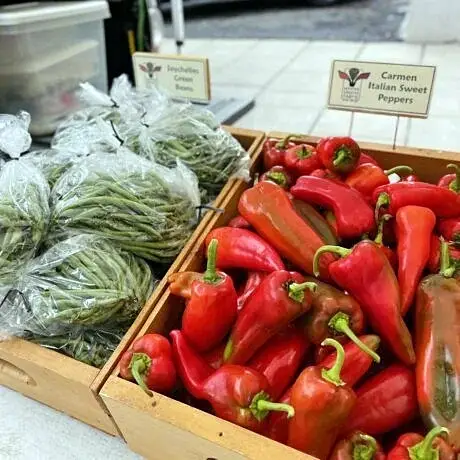
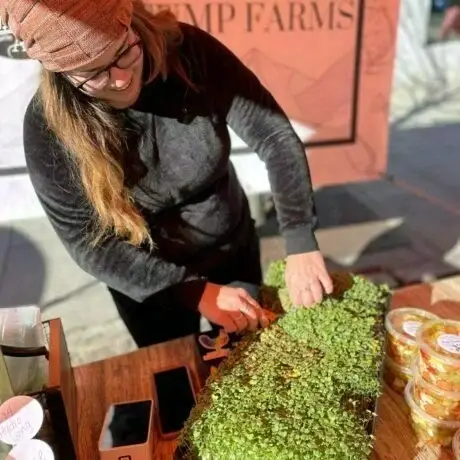
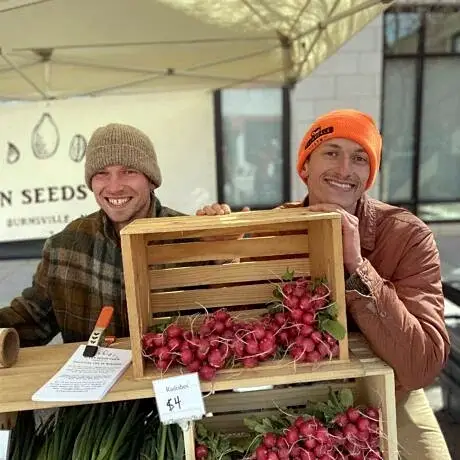
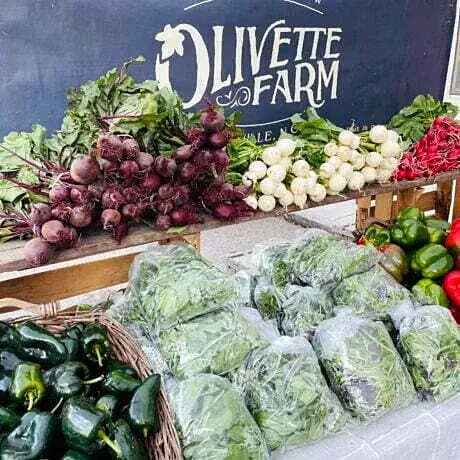
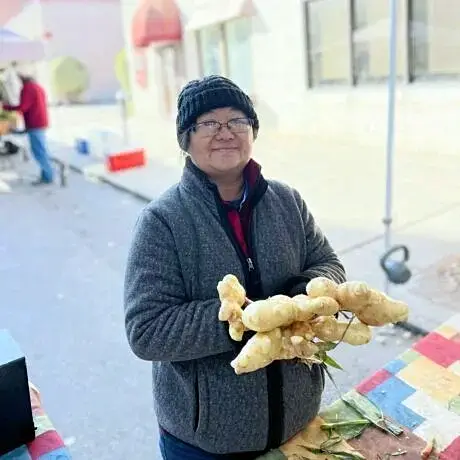
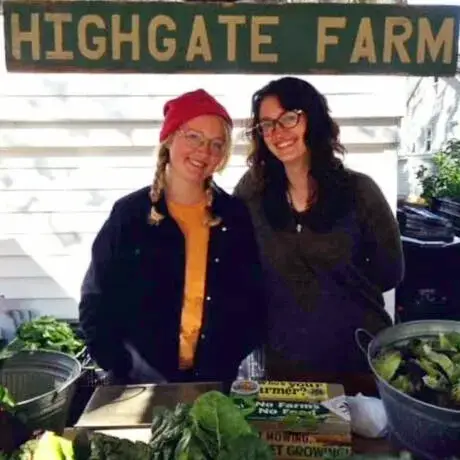
But walk through the Asheville City Market this January, and you will see a very different reality. You’ll find fresh spinach, frost-sweetened collards, radishes, and even plant starts. The “off-season” has effectively been cancelled.

ASAP Appalachian Sustainable Agriculture Project
“I would say when ASAP started… There were no winter markets operating throughout the region,” states Sarah Hart, Director of Communications and Engagement for the Appalachian Sustainable Agriculture Project (ASAP). “Now there are about a dozen.”
This shift isn’t just about weather; it is a complete restructuring of the local economy, driven by the tireless work of ASAP and a persistent community of farmers who refused to let the cold stop them.

Keeping Farmers Farming
Founded in 2002, ASAP has a clear, if ambitious, mission: “To keep farmers farming.”
Based in Asheville, NC, the nonprofit operates throughout the “Appalachian Grown” region, which stretches into Southwest Virginia, Northeast Tennessee, South Carolina, and Georgia. They support roughly 100 markets in this network through training, marketing, and technical support.
“We work to support strong, viable farm businesses,” Hart explains. “But the end outcome of all of that is that we have strong farms, and people want to buy local food.”
That mission is critical in a context where farming is a labor of love, often at a financial cost. According to recent agricultural census data for the region, the average farm size hovers around 75 acres—dominated by small family operations rather than industrial giants. However, the economic reality is stark: many local farms operate with negative net cash farm income, relying on off-farm jobs to subsidize their agricultural passion.
This is why the expansion into winter is so vital. It turns a seasonal hobby into a year-round business.

The Innovation Loop
The emergence of the “Winter Market” wasn’t a top-down mandate; it was a cycle of innovation between the grower and the eater.
“It’s a story of consumer demand leading farmer innovation, leading consumer demand,” Hart says. “That season extension has really grown… through farmer innovation. There’s been work by ASAP and other agricultural support organizations to really expand access to high tunnel infrastructure.”
High tunnels and hoop houses—simple greenhouse-like structures that trap heat—have changed winter growing in Appalachia. They allow farmers to move past traditional storage crops like sweet potatoes and winter squash.
“It’s definitely expanded into winter greens,” Hart notes. “We see some quick root vegetables like radishes and turnips… We really push pretty hard into greens.”


The New Normal
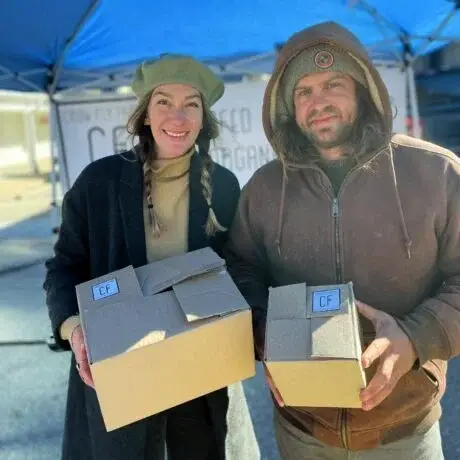
For years, the Asheville City Market—owned and operated by ASAP—served as a testing ground for these concepts. They launched a winter market about 12 years ago, initially indoors. But the 2020 pandemic forced a pivot to outdoor operations that stuck.
“The other markets that are now open through the winter, they’ve always been sort of here and there,” Hart recalls. But since 2020, consistency has taken root. Four major markets in Buncombe County now operate year-round, signaling that the local food system has matured.
Such maturation attracts a diverse mix of producers. The region is seeing a convergence of multi-generational families—many transitioning away from the area’s historic reliance on tobacco—and a stream of younger, new-to-farming transplants drawn to the robust local food culture.


Food Security and Resilience
The value of a year-round local food system goes beyond commerce; it is about security. The devastation of Hurricane Helene highlighted the weakness of national supply chains and the resilience of local ones.
“We talked about this so much after Hurricane Helene came through,” Hart says. “The trickle-down effects of having farms in the region… not having supply chain problems, being able to have food here.”
ASAP actively strengthens this safety net through its “Double SNAP” programs, which allow customers using food assistance to double their purchasing power at farmers markets. This puts nutritious food on the tables of low-income families while guaranteeing farmers get paid full price—a cycle that keeps money circulating within the mountains.

The Business of Farming
For those inspired to join this agricultural renaissance, ASAP is hosting its annual Business of Farming Conference on February 28, 2026, at the A-B Tech Conference Center in Asheville.
The event focuses on the very hurdles that often trip up small producers: business planning, marketing, and legal compliance. This year’s conference will focus heavily on resilience and recovery, providing a forum for farmers to network with buyers, chefs, and fellow farmers.
For more information on the Business of Farming Conference, click here:

A Simple Request
When asked what the public needs to know, Hart’s message is simple, yet it encompasses everything ASAP stands for.
“Buy local food,” she says. “Know your farmers.”
It is a small action with a massive domino effect. By showing up at a market in January, bundled up to buy a bag of kale, consumers are doing more than making a salad. They are proving that agriculture in the Appalachian Highlands is no longer a fair-weather friend—it is a permanent, year-round powerhouse.