


The U.S. agricultural sector faces new volatility from rapidly changing international trade policies. Retaliatory tariffs from partners like China disrupt every part of the farm economy, including our Appalachian Highlands. These effects are immediate and far-reaching for farms in the region.
This volatility extends beyond the Midwest. North Carolina, Eastern Tennessee, Western Virginia, and Eastern West Virginia are equally susceptible, but the region’s unique crop mix and smaller farm structure amplify the impact.
To understand the local implications, let’s examine how these changes are reverberating through our mountain communities.
The Epicenter of Impact: Comparing the Midwest to Our Mountain Farms
Farms most affected lost desperately needed revenue, especially those dependent on exports to China, as crucial markets vanished virtually overnight.
| Crop | National Epicenter | Impact on Exported Crop | Key Impact |
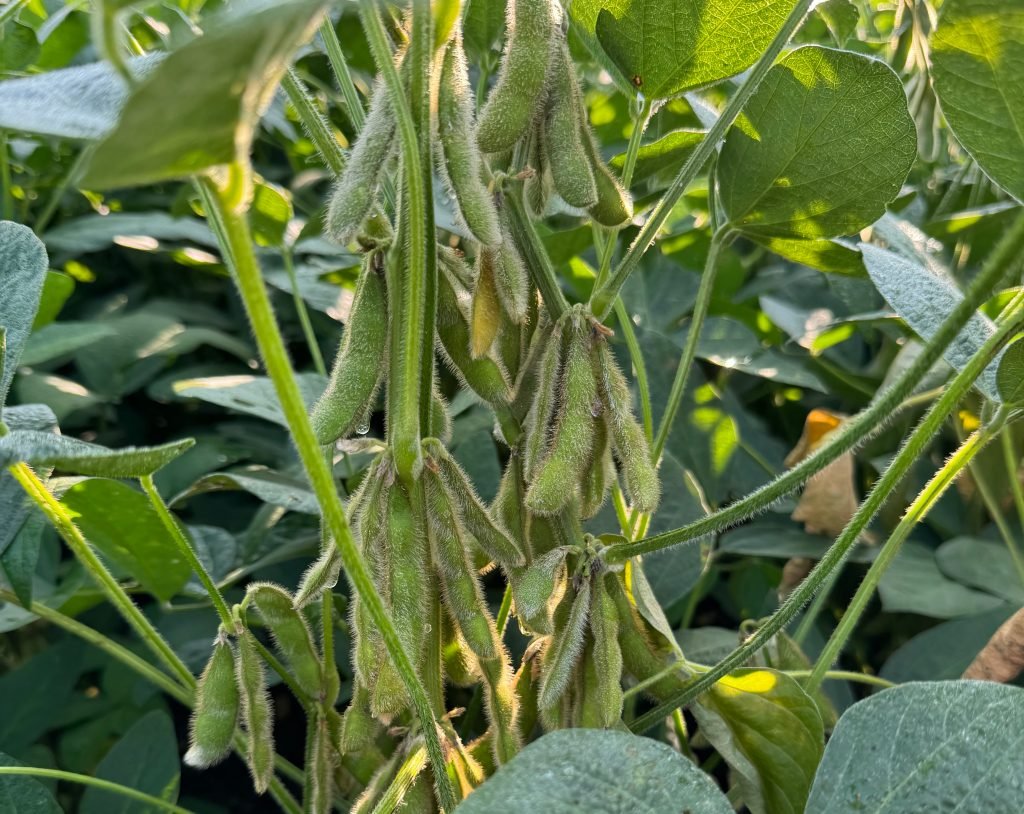
| Soybeans | Midwest (Illinois, Iowa, Kentucky) | More than half of the U.S. crop | Prices plunged as sales to China dropped ~75% year-over-year. |
| Tobacco | North Carolina, Virginia | Exports to China collapsed by ~98% in some regions. | Overseas markets effectively evaporated overnight. |
| Sorghum, Pork | Kansas, Texas, Iowa | High percentage of production exported. | Significant drops in demand and depressed prices. |
Large industrial farms in the Midwest growing commodity crops like soybeans have lost significant revenue. Still, many survived the shock. Younger and tenant farmers were at greater risk, often lacking the equity needed to secure financing during the downturn. 1
How the Tariffs Struck Appalachian Highlands Farms
The trade war hit our region with a painful double shock:
1. The Collapse of Export Markets
For Appalachian Highlands farmers, the trade dispute was not a distant commodity issue; it was a near-wipeout of key cash crops.
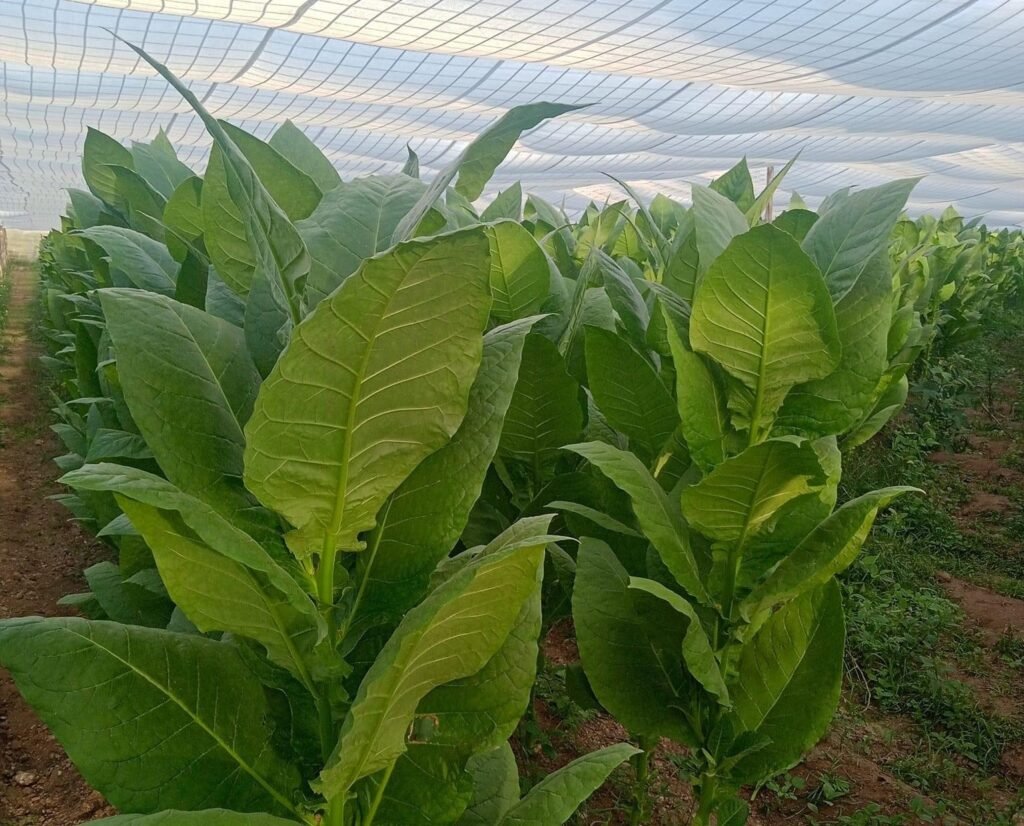
- Tobacco Crisis: The retaliatory tariffs dealt a heavy blow to tobacco, a cash crop concentrated in North Carolina and Virginia. China had been a rare growth market, but its purchasing suddenly collapsed. North Carolina alone absorbed an estimated $81 million loss in tobacco sales due to the tariffs, severely straining rural, tobacco-dependent counties. 2
- Soybean Plunge: Farms in North Carolina and Virginia that grow soybeans also faced the national pricing crisis. With U.S. exports to China falling sharply, the resultant glut caused prices to nosedive, striking local growers. 3
2. Rising Input Costs
Beyond the market collapse, all farms in the region—regardless of their crops—increased their operating budgets. Tariffs on imported goods raised the prices of essential farm inputs, such as fertilizer and equipment, further shrinking already thin profit margins. 4
The structure of agriculture in this region—where small farms account for over 90% of Virginia’s operations—made them especially vulnerable to this dual pressure of lower revenues and higher costs. 5
While a precise count of every negatively affected farm is unavailable, the pervasive impact on core regional crops (tobacco, soybeans) and the universal increase in input costs mean the number is substantial and widespread.
Navigating the New Farm Aid Programs
In response to these trade losses, the Administration announced a new $12 billion aid package, primarily through the Farmer Bridge Assistance (FBA) Program. 6
For farmers in the Appalachian Highlands, aid eligibility is a mixed bag:
Qualified for Aid: Row Crop Farms
Farms in the region that grow Soybeans and Corn will be eligible for direct payments from the main FBA Program, which has allocated up to $11 billion for row crops. 7
- Eligibility: The program covers major row crops, providing a necessary injection of capital for those who saw soybean prices plunge. 8
- Timeline: Payments are currently set to be released by February 28, 2026. 9
Waiting in Limbo: Tobacco Farms
Despite suffering one of the most severe export losses (a 98% collapse in the Chinese market), tobacco is currently excluded from the principal FBA payments. 10
- The $1 Billion Reserve: The remaining $1 billion of the aid package is reserved for “commodities not covered,” including specialty crops and sugar. Tobacco’s status is under review for this fund, but the details and timeline for its distribution remain uncertain and delayed. 11

A Comprehensive Look at Other Available Aid
Beyond the trade relief, Appalachian farmers have access to other crucial programs that address financial distress:
| Program | Purpose and Relevance | Status and Deadline |
| Supplemental Disaster Relief Program (SDRP) | A critical safety net for losses due to natural disasters (floods, hurricanes, drought, excessive heat) in 2023 and 2024. Covers all crops, including tobacco and specialty crops. 12 | Applications for key stages extend until April 30, 2026. 13 |
| Marketing Assistance for Specialty Crops (MASC) | A separate $2 billion program designed to help expand markets for specialty crops (fruits, nuts, vegetables). 14 | Applications were due in January 2025. |
For Appalachian Highlands farmers, the path forward requires strategic planning: secure eligible FBA payments for your row crops and closely monitor USDA announcements regarding the fate of the $1 billion reserve fund for tobacco. Furthermore, utilize the SDRP’s generous timelines and broad coverage to seek relief for any weather-related losses from the past two years.
Actionable Aid: Is Your County Eligible for SDRP Drought Relief?
Although trade aid for tobacco farmers remains uncertain, the Supplemental Disaster Relief Program (SDRP) offers an immediate and vital opportunity to recover from weather-related losses in 2023 or 2024, including drought.
To qualify for drought losses under SDRP, your county must meet specific thresholds, such as D2 Severe Drought for eight consecutive weeks or D3 Extreme Drought or higher, as determined by the U.S. Drought Monitor.
Check the list below for counties in our region that have been officially designated as primary or contiguous eligible areas for SDRP drought losses.
| State | SDRP Drought-Eligible Counties (2023/2024) |
| North Carolina | Primary: Forsyth, Stokes, Surry, Yadkin. Contiguous: Alleghany, Davidson, Davie, Guilford, Iredell, Rockingham, Wilkes. |
| Western Virginia | Primary: Albemarle, Augusta, Clarke, Frederick, Greene, Highland, Loudoun, Madison, Page, Rappahannock, Rockingham, Shenandoah, Warren (and City of Waynesboro). Contiguous: Bath, Buchanan, Culpeper, Fluvanna, Giles, Grayson, Henry, Nelson, Pittsylvania, Rockbridge. |
| Eastern Tennessee | Primary: Hamilton, Marion. Contiguous: Bledsoe, Bradley, McMinn, Meigs, Rhea, Sequatchie. |
| Eastern West Virginia | Primary: Barbour, Braxton, Brooke, Hancock, Lewis, Nicholas, Pocahontas, Randolph, Upshur, Webster. Contiguous: Clay, Gilmer, Grant, Greenbrier, Pendleton, Preston, Tucker. |
Take Action Now: What You Need to Know
- Drought is Not the Only Path: If your county is not on this list, you are still eligible for SDRP if your loss was caused by another qualifying disaster (e.g., floods, freeze, excessive heat, or winter storms).
- The Tobacco Lifeline: The SDRP covers all crops, including uninsured tobacco. If your farm suffered a loss from a qualifying weather event in 2023 or 2024, this is your chance for relief.
- Deadline: The sign-up deadline for both SDRP Stage 1 (indemnified losses) and Stage 2 (uncovered/shallow losses) is April 30, 2026.
- Contact Your FSA Office: Visit or call your local Farm Service Agency (FSA) office to confirm your eligibility, as local declarations or contiguous county rules may expand the list. Stage 2 applications must be completed through the FSA office.
You can find more details on preparing for the application process on the USDA website. This video provides a checklist of necessary forms, records, and prep work needed before submitting your SDRP application to the FSA.
Footnotes
1. USDA, Economic Research Service (ERS), The Economic Impacts of Retaliatory Tariffs on U.S. Agriculture (January 2022). https://www.ers.usda.gov/publications/pub-details?pubid=102979
2. NCFP, “The Impact of Tariffs on North Carolina’s Economy,” (April 18, 2025); USDA, ERS, The Economic Impacts of Retaliatory Tariffs on U.S. Agriculture (January 2022). https://www.ers.usda.gov/publications/pub-details?pubid=102979
3. NCFP, “The Impact of Tariffs on North Carolina’s Economy,” (April 18, 2025). https://www.ncforwardparty.com/the_impact_of_tariffs_on_north_carolina_s_economy
4. IFPRI, “How ‘reciprocal tariffs’ harm agricultural trade” (April 8, 2025); Economics Observatory, “How are US tariffs reshaping global agricultural trade?” (September 16, 2025). https://www.ifpri.org/blog/how-reciprocal-tariffs-harm-agricultural-trade/
5. Ohio River Valley Institute, Tariffs in Appalachia Final Draft (March 2025). (This report details the vulnerability of the broader Appalachian region to input cost increases). https://share.google/mX2R7YaHNz8klOEkT
6. USDA Press Release, “Trump Administration Announces $12 Billion Farmer Bridge Payments for American Farmers Impacted by Unfair Market Disruptions” (December 8, 2025). https://www.usda.gov/about-usda/news/press-releases/2025/12/08/trump-administration-announces-12-billion-farmer-bridge-payments-american-farmers-impacted-unfair
7. USDA Press Release (December 8, 2025). Eligible crops list confirmed by Paradigm Futures, “$12B Farmers Assistance Package, Here’s What We Know” (December 9, 2025). https://www.usda.gov/about-usda/news/press-releases/2025/12/08/trump-administration-announces-12-billion-farmer-bridge-payments-american-farmers-impacted-unfair
8. Paradigm Futures, “$12B Farmers Assistance Package, Here’s What We Know” (December 9, 2025). https://www.usda.gov/about-usda/news/press-releases/2025/12/08/trump-administration-announces-12-billion-farmer-bridge-payments-american-farmers-impacted-unfair
9. USDA Press Release (December 8, 2025). https://www.usda.gov/about-usda/news/press-releases/2025/12/08/trump-administration-announces-12-billion-farmer-bridge-payments-american-farmers-impacted-unfair
10. NCFP, “The Impact of Tariffs on North Carolina’s Economy” (April 18, 2025). https://www.ncforwardparty.com/the_impact_of_tariffs_on_north_carolina_s_economy
11. USDA Press Release (December 8, 2025); National Sustainable Agriculture Coalition, “Joint Release: Fleeting Relief for Some Farmers, But ‘Bridge’ Payments Lack Long-Term Solutions” (December 9, 2025). https://sustainableagriculture.net/blog/joint-release-fleeting-relief-for-some-farmers-but-bridge-payments-lack-long-term-solutions/
12. USDA, Farm Service Agency (FSA), “Supplemental Disaster Relief Program (SDRP)” (April 30, 2026 Deadline). https://www.fsa.usda.gov/resources/programs/supplemental-disaster-relief-program-sdrp
13. USDA, FSA, “Agricultural Disaster Indemnity Programs,” Federal Register (November 18, 2025). https://www.federalregister.gov/documents/2025/11/18/2025-20132/agricultural-disaster-indemnity-programs
14. USDA Press Release (December 8, 2025). https://www.usda.gov/about-usda/news/press-releases/2025/12/08/trump-administration-announces-12-billion-farmer-bridge-payments-american-farmers-impacted-unfair












Leave a Reply