Home / How To / Best Practices for Growing Corn

Best Practices for Growing Corn

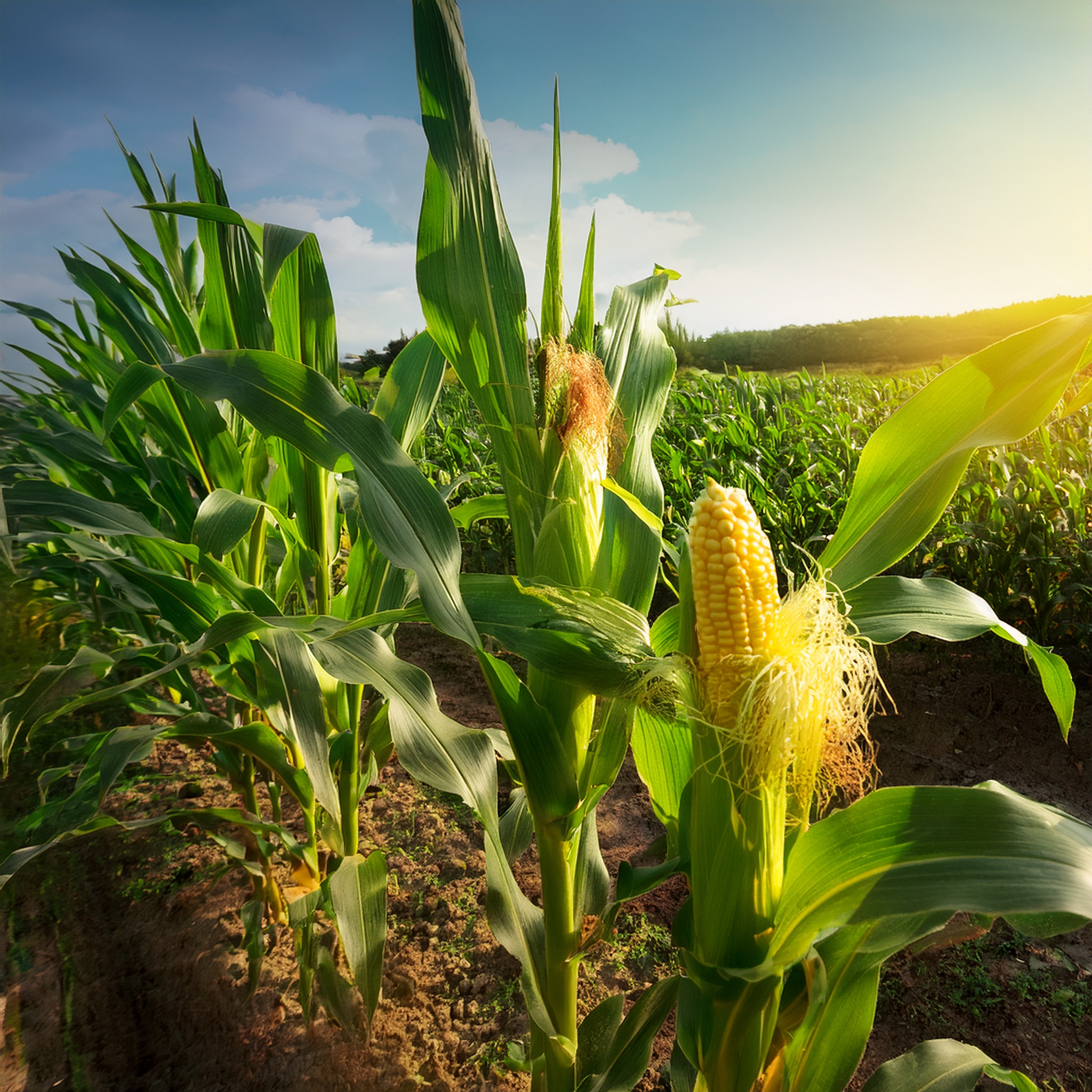
Field of Corn Illustration

Growing corn successfully requires attention to timing, soil conditions, and ongoing care. Begin by selecting a site with full sunlight and well-draining, fertile soil. Corn thrives in loamy soil with a pH between 6.0 and 6.8. Prior to planting, enrich the soil with compost or a balanced fertilizer to promote strong root development.

Plant corn seeds after the last frost date, when soil temperatures reach at least 60°F (16°C). Sow seeds 1–2 inches deep and 8–12 inches apart in rows spaced 30–36 inches apart. For effective pollination—critical for full kernel development—plant corn in blocks of short rows rather than a single long row.

Water corn regularly, especially during the critical pollination and ear development stages. Aim for about 1 inch of water per week. Mulching can help retain moisture and reduce weed competition.

Fertilize again when plants are about 12 inches tall, using a nitrogen-rich formula to support leaf and stalk growth. Monitor for pests like corn borers and aphids, and use integrated pest management if needed.

Harvest when ears are full and silks are brown, usually 18–24 days after silk emergence. Following these practices ensures a healthy crop and a bountiful harvest.


author avatar
Hiram Jensen
Iowa State Agronomy graduate Hiram Jensen pivoted from farming to journalism to address the industry's information gap. He now equips farmers with data-driven insights on markets, climate, and policy to help them thrive in a complex landscape.

Leave a Reply

Your email address will not be published. Required fields are marked *

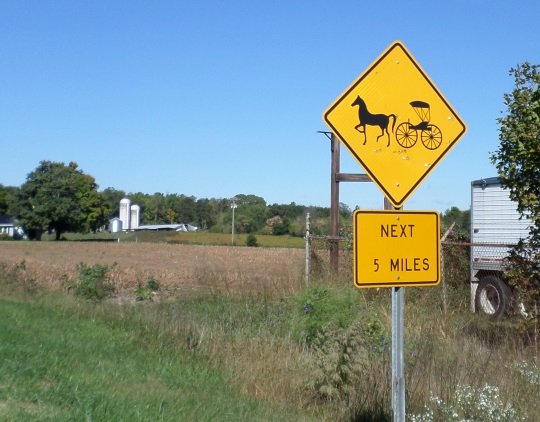
Buggy Crossing in Amish Country in NC

A Taste of the Simple Life — The Story Behind the Dutch Kettle

Pick up Pickled Bologna or Apple Butter at the Big Red Apple Shed and take home more than a pantry staple—a taste of a unique agrarian community.

The Dutch Kettle runs out of Hamptonville, North Carolina, at the heart of the Union Grove Amish settlement. Union Grove, established in the 1980s, is North Carolina’s oldest and longest-surviving Amish community.

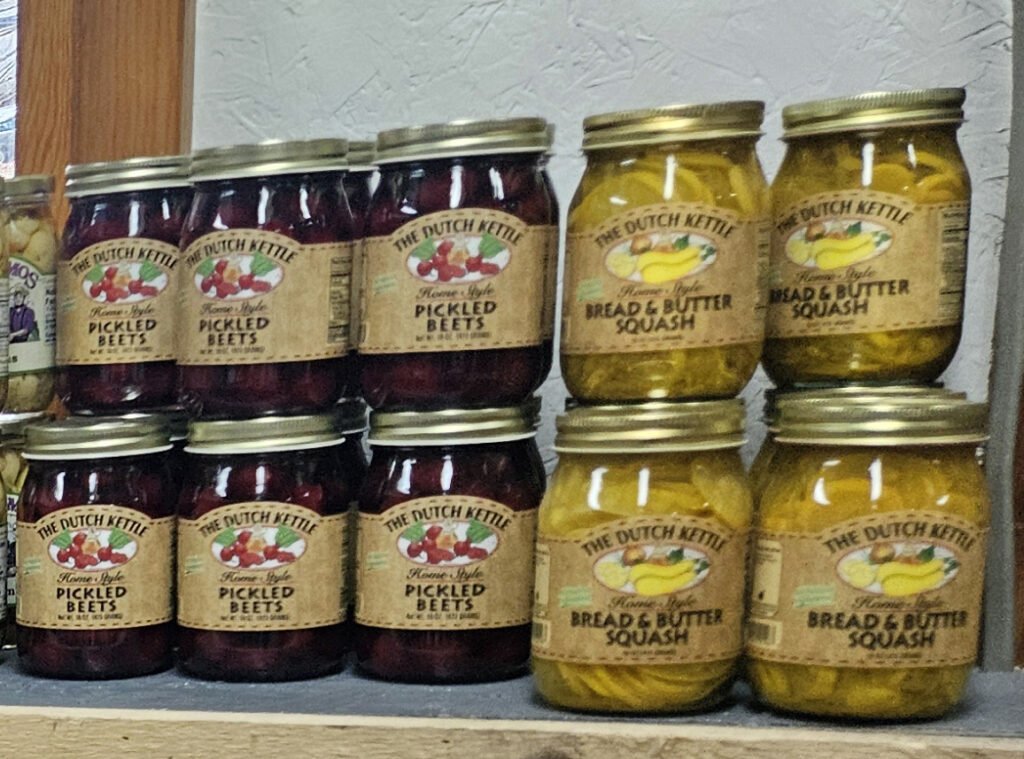
Dutch Kettle Pickled Products

So, what makes this community—and their food—so special?

The Union Grove settlers are a small group of "New Order" Amish. While you will see them traveling the back roads of North Carolina by horse and buggy and speaking Pennsylvania Dutch, they are best known for installing public electricity in their homes and workplaces. This mix of historic artisan skill and modern pragmatism lets businesses like The Dutch Kettle produce quality, homestyle canned goods on a larger scale without losing their handcrafted touch.

Opening a Dutch Kettle product means tasting a devotion to the simple life. They never use preservatives. They only choose all-natural, non-GMO ingredients cooked the old-fashioned way. Whether it’s famous jams, jellies, or Appalachian pickled snacks, these Amish artisans preserve the harvest with methods passed down for generations.

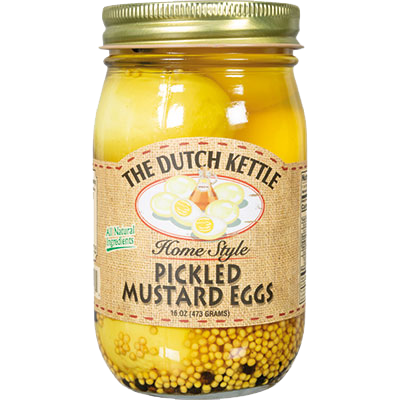
Pickled Mustard Eggs

Next time you come to The Big Red Apples Shed, take a close look at the jar goods aisle—and consider taking home a Dutch Kettle product. It connects you directly to the hardworking farmers and makers just over the state line.

HAMPTONVILLE WEATHER

Amish America

RSS Error: https://amishamerica.com/feed/ is invalid XML, likely due to invalid characters. XML error: Reserved XML Name at line 2, column 39