First Encounters with Gourd Art
I had never heard of gourd art until I moved to Bristol, Virginia, and passed through Memphis. We stopped at my wife’s Uncle Jim’s and Aunt Mashelle’s house, and I noticed gourds hanging across his porch. Jim grew them, hollowed them out, and fashioned them into birdhouses. They carried a simple charm—some wore a coat of paint or lacquer—but they remained primarily functional rather than decorative.
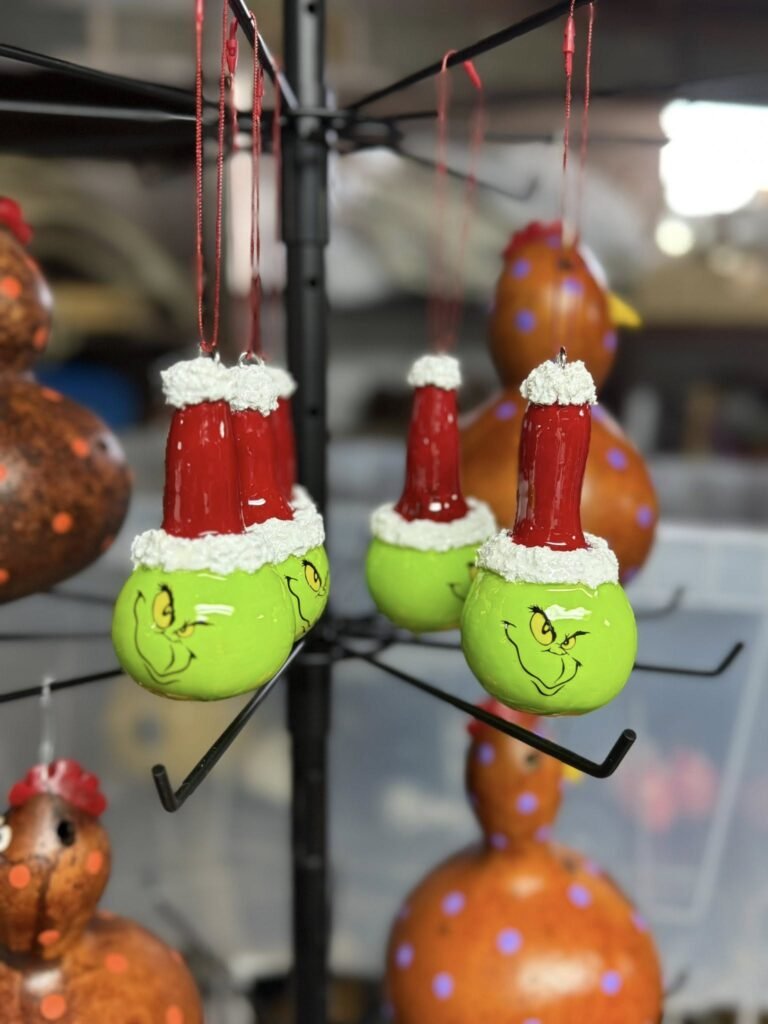
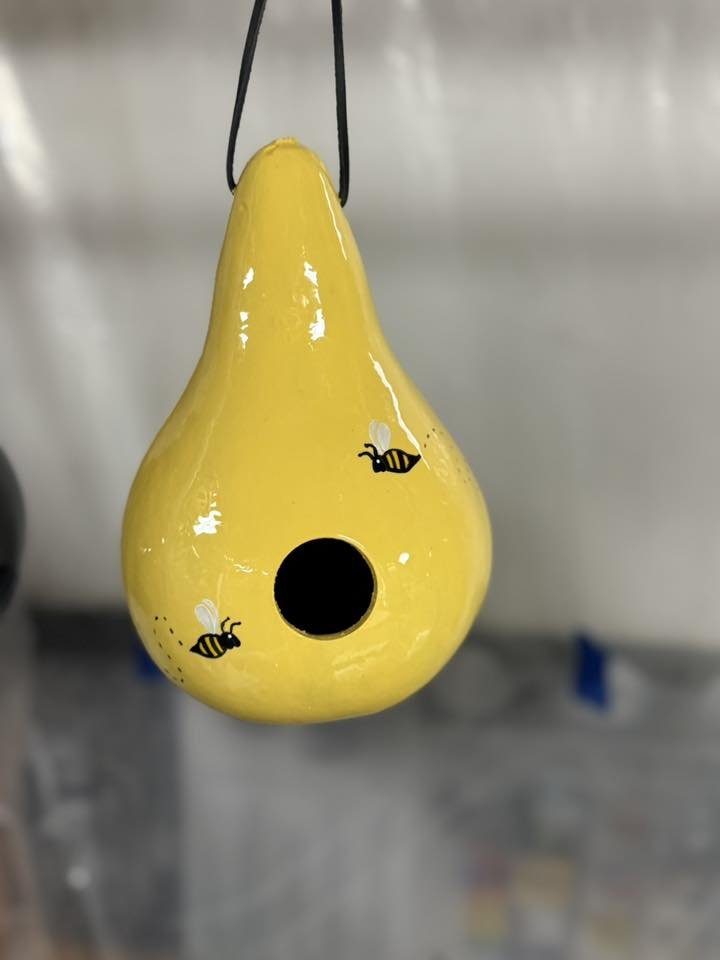

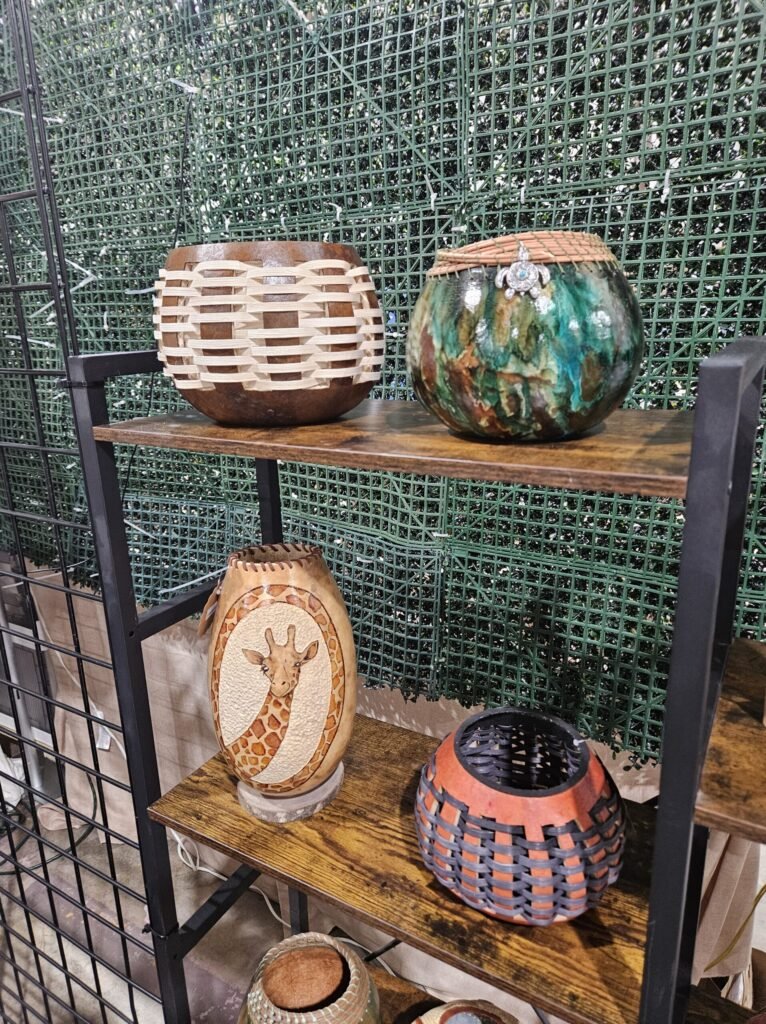
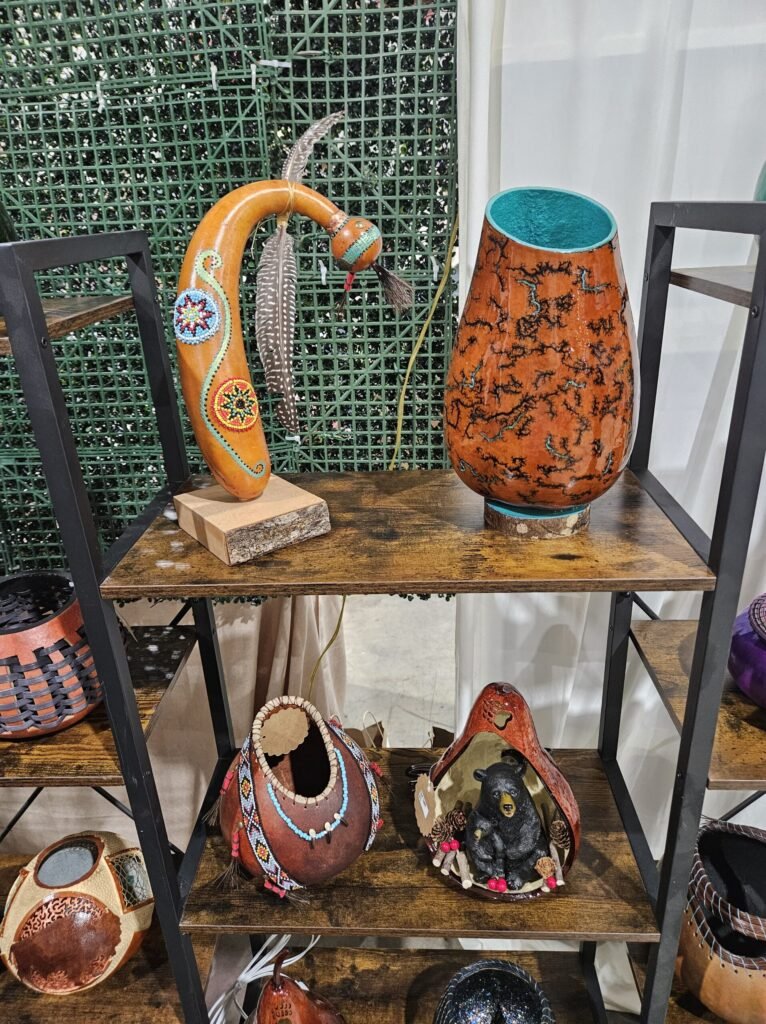
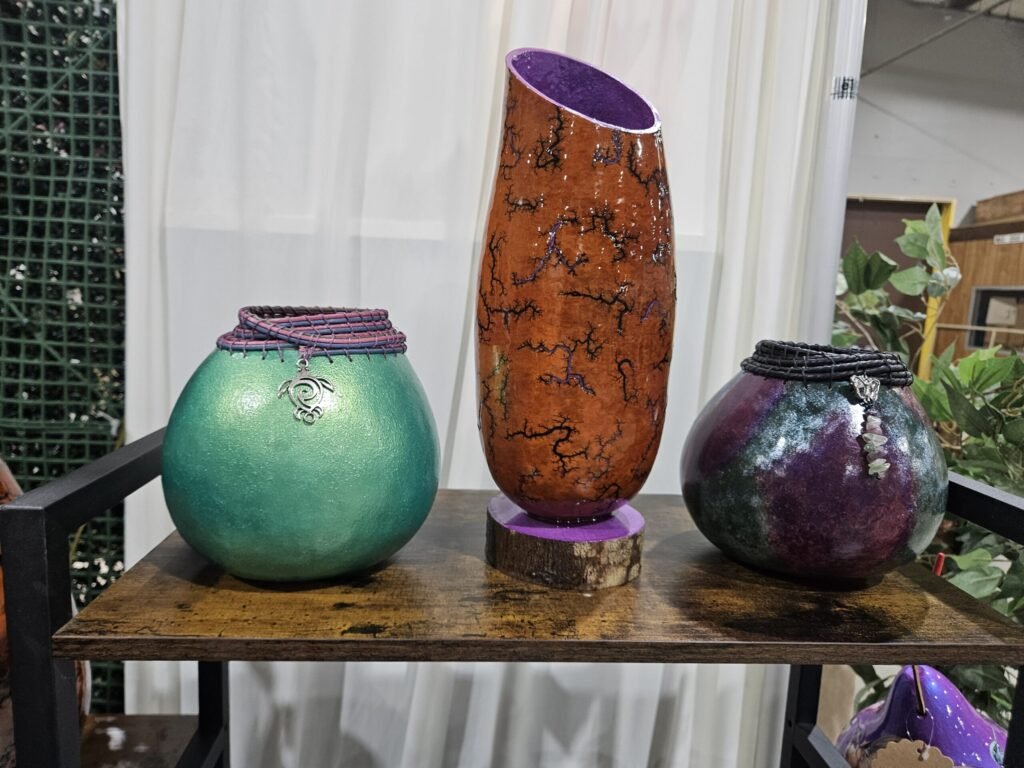
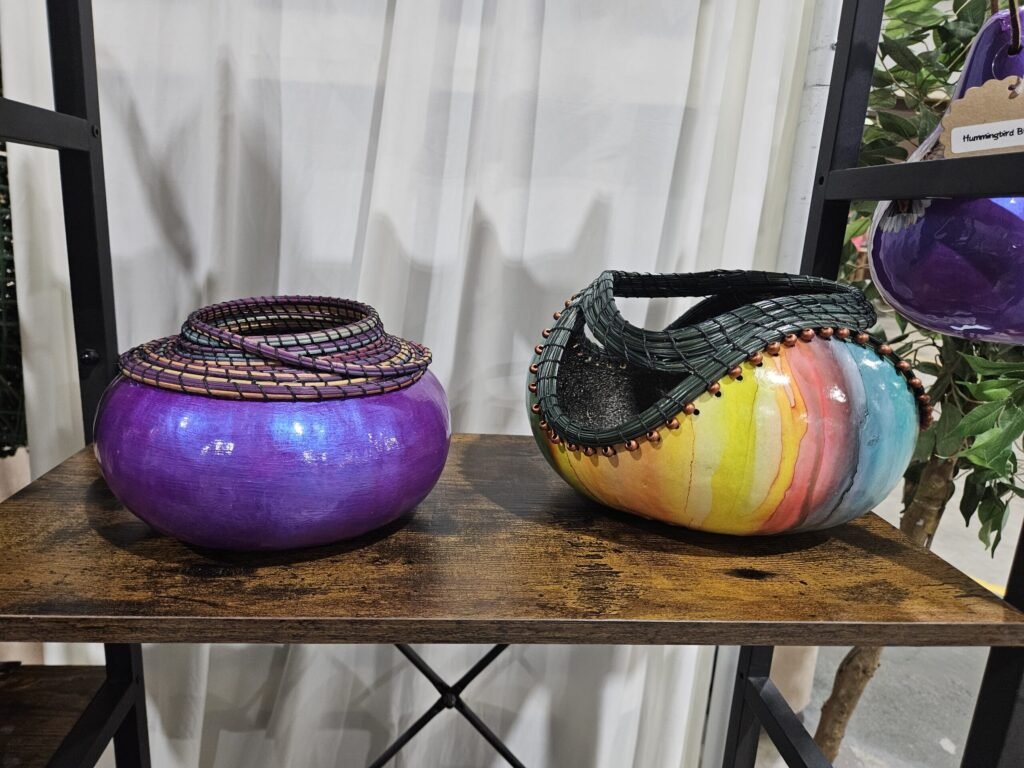
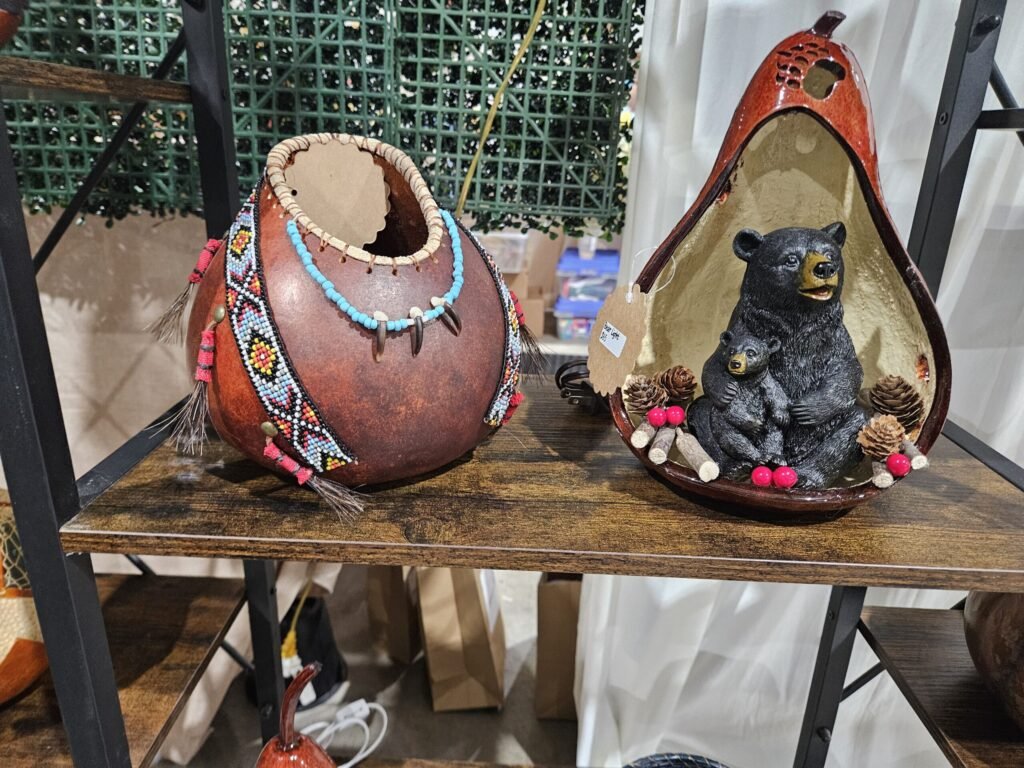
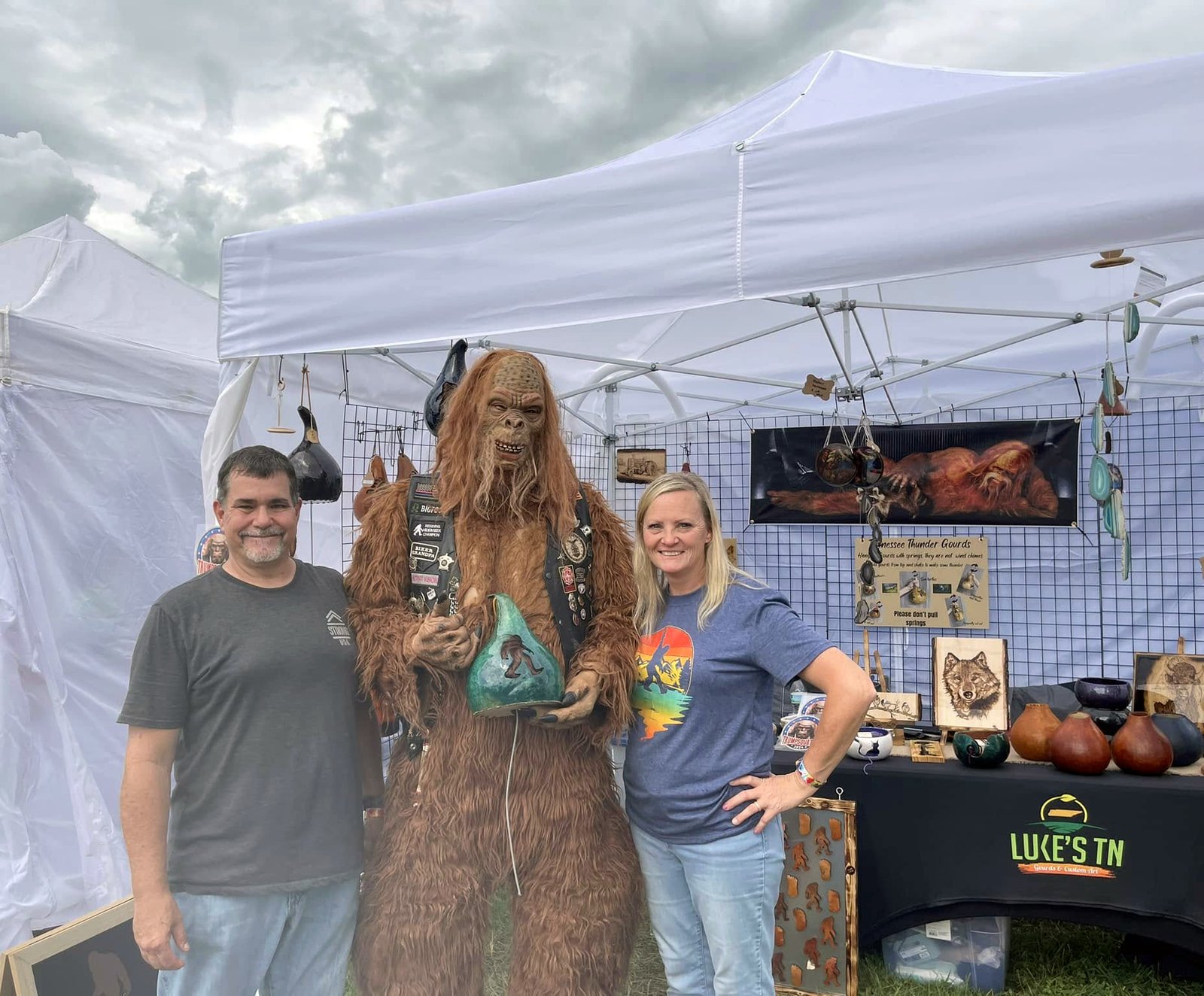
It wasn’t until I moved to the Appalachian Highlands Region that I finally encountered the true artistic potential of this humble plant. At the Vintage Market in Bristol, I met Christina Luke, a professional artist who uses gourds as her primary medium. I was absolutely thrilled to find her and explore the magnificent pieces she had on display.
Christina operates as half of a deeply creative partnership. Her partner, Toby, grows the gourds at their home in Powell, just outside Knoxville, Tennessee. Christina then transforms them into breathtaking works of art.
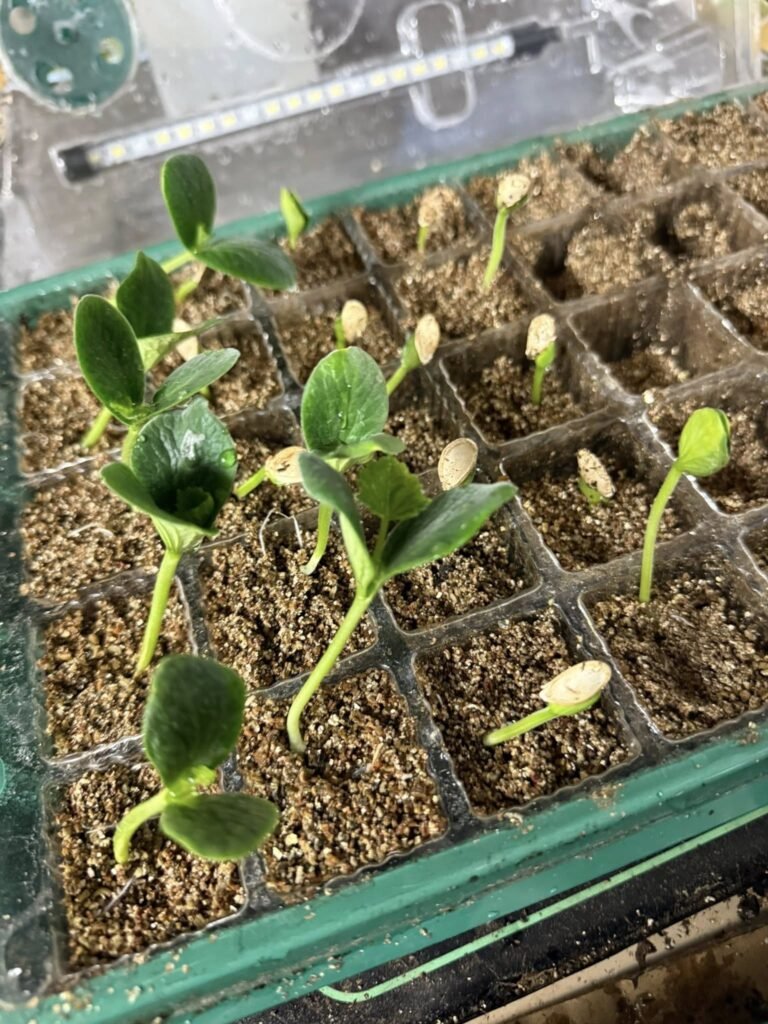
Cultivating the Canvas
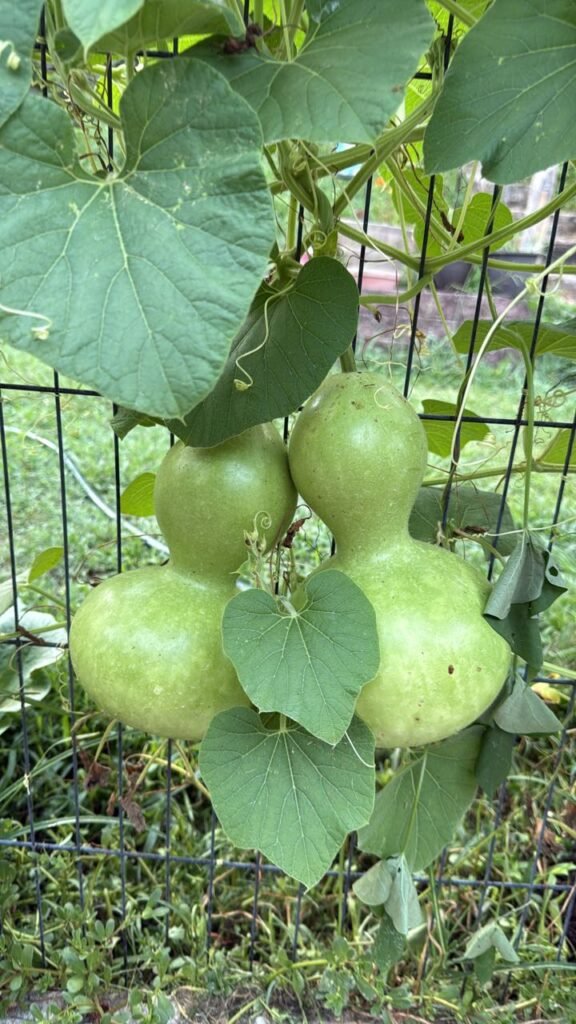
Growing these future canvases is an agricultural art form in itself. Hard-shell gourds demand a long, hot growing season of up to 140 days. When Toby plants the seeds in the spring, he prepares for aggressive, sprawling vines that consume massive amounts of space.
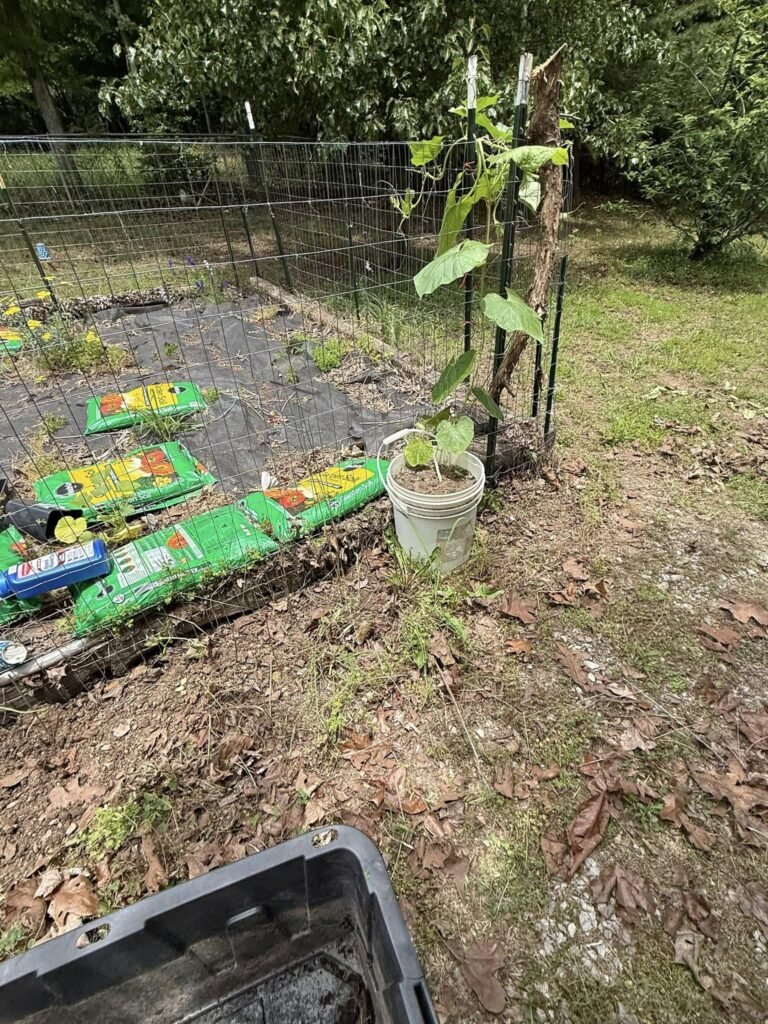
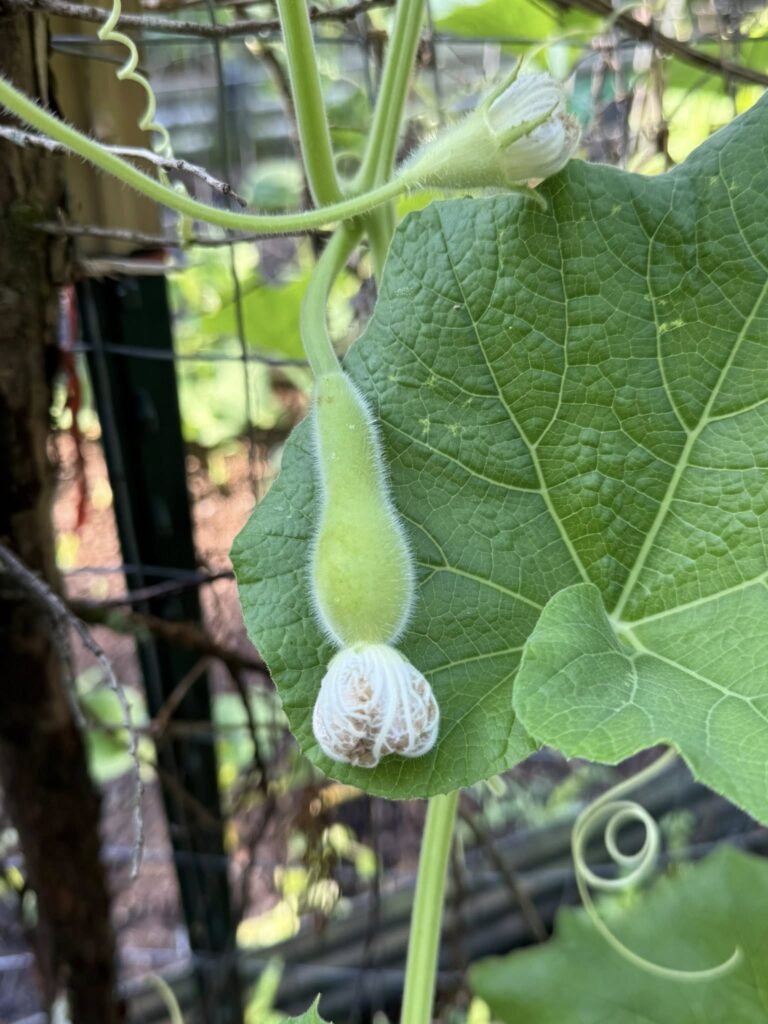
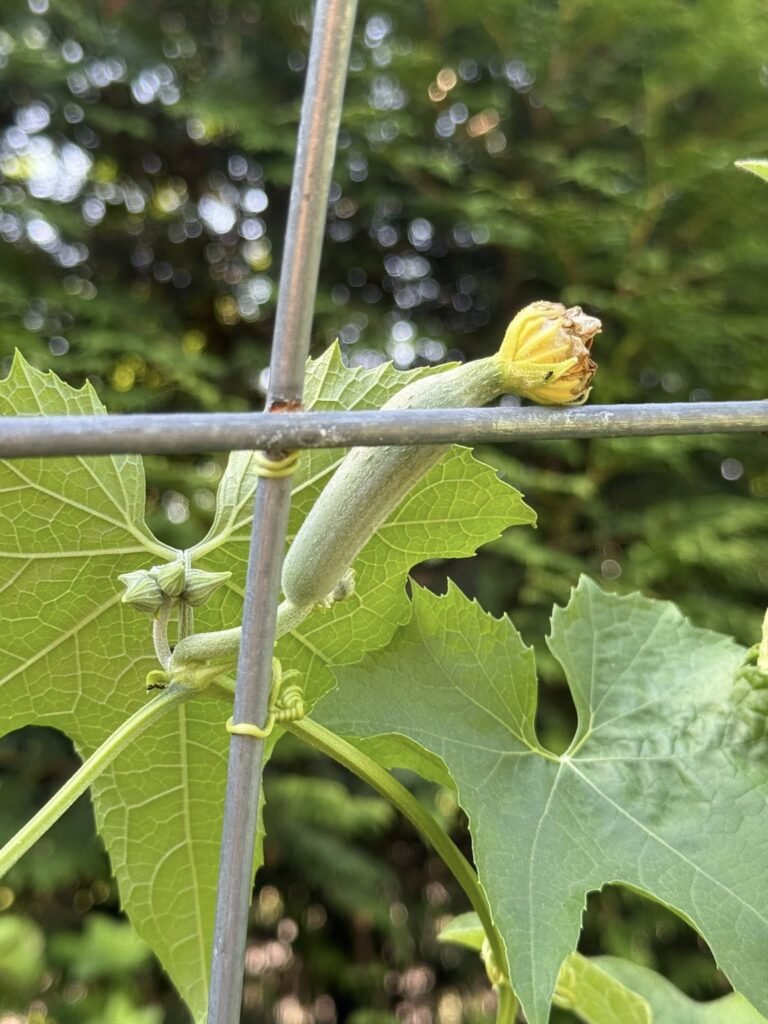
To ensure the gourds do not develop flat, rotted sides from sitting on the damp earth, growers often train the vines up heavy-duty wooden or wire trellises.
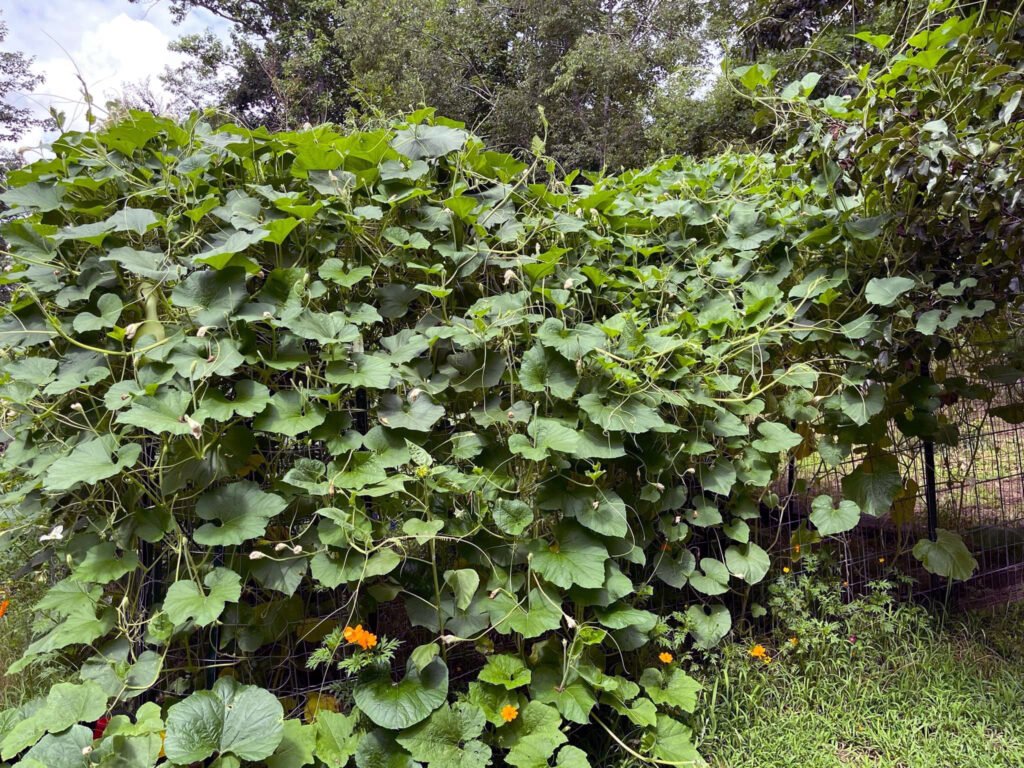
This elevation allows the heavy green fruits to hang freely. As they grow, gravity pulls the gourds into perfectly symmetrical teardrops, bottles, and long-handled dippers. Interestingly, the vines produce striking white blossoms that only open at night, relying entirely on nocturnal moths for pollination.
An Artist’s Journey and Process
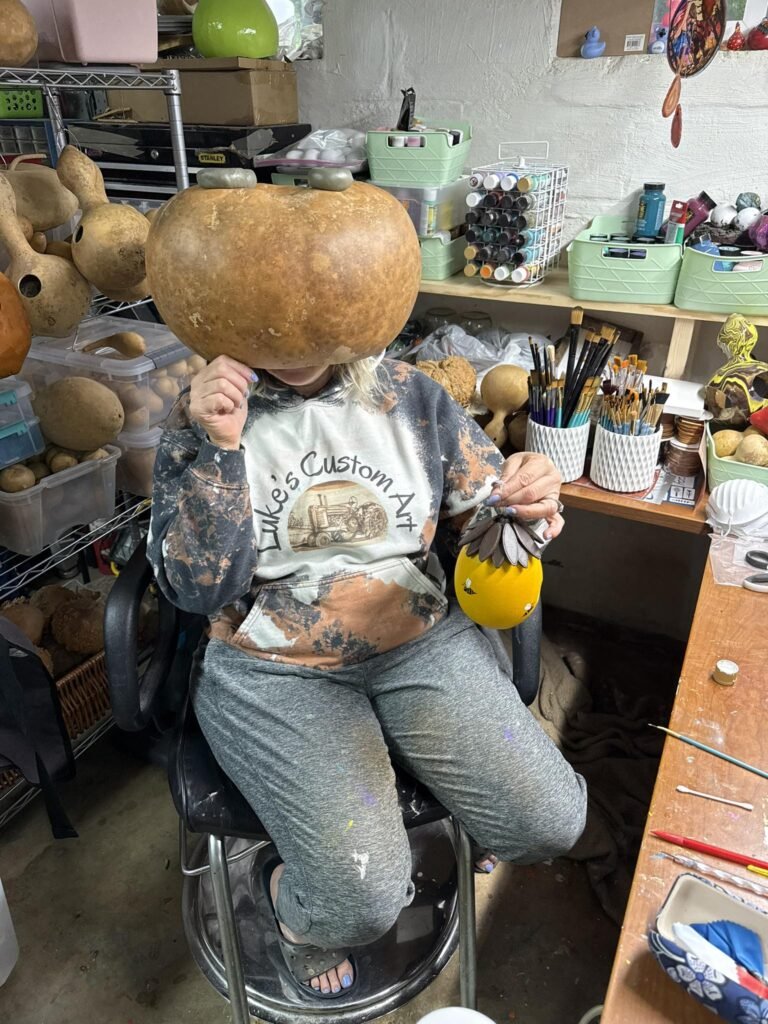
Once the gourds reach full size and the vines die back, Christina’s work begins. “The kids had grown out of the house, and I was bored and needed a hobby,” Christina told me. She initially tried pouring paint on traditional canvases, but the process quickly lost its appeal. “It felt like I was wasting money on my paint. And Toby said, ‘Here, do it on a gourd.’ I tried it and fell in love with it.”
Now, in her third year of using this art form, Christina creates pieces that highlight the shell’s natural, mottled imperfections—a technique that leaves the surface looking remarkably like marbled stone. But her work goes far beyond simple painting.
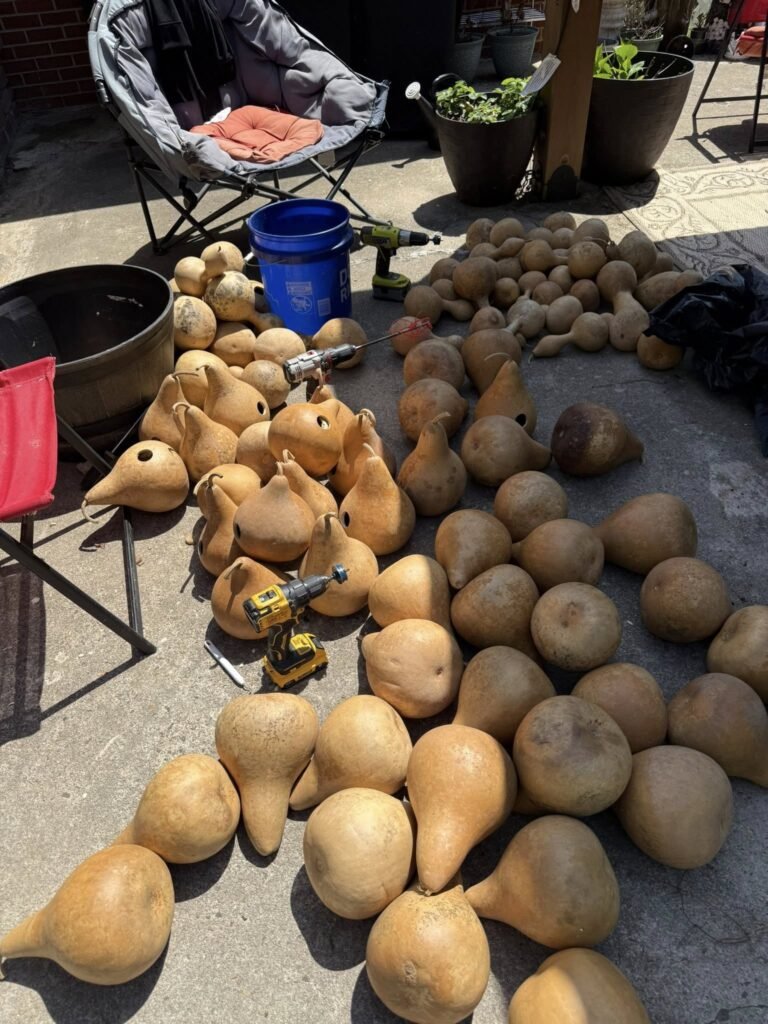
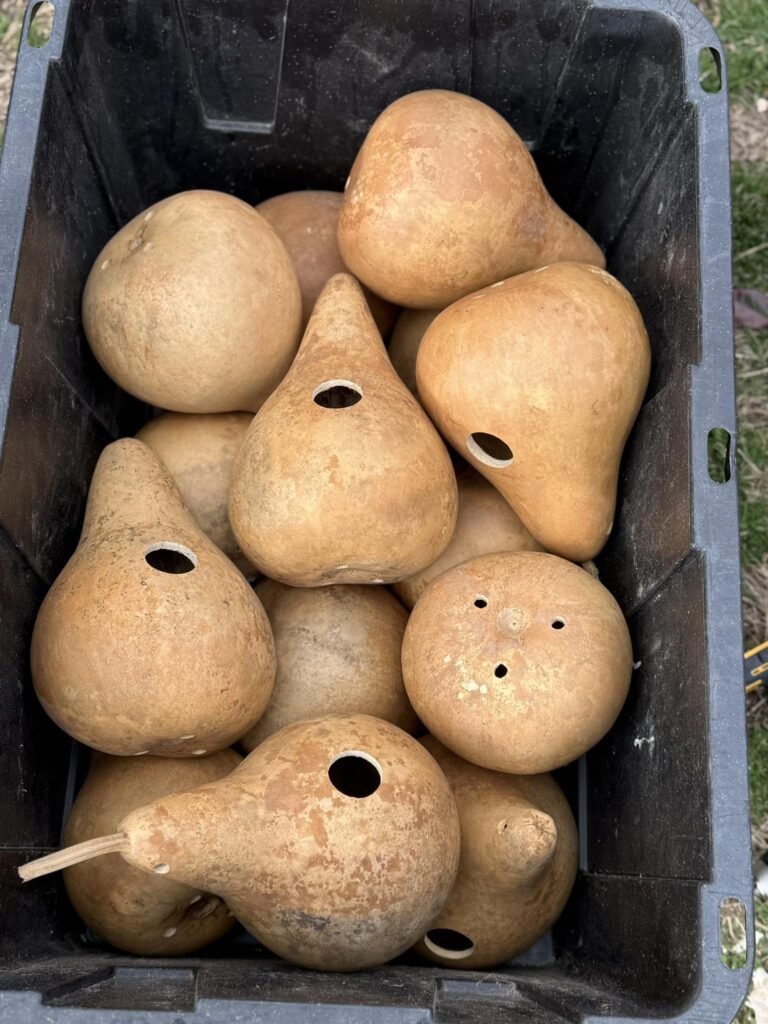
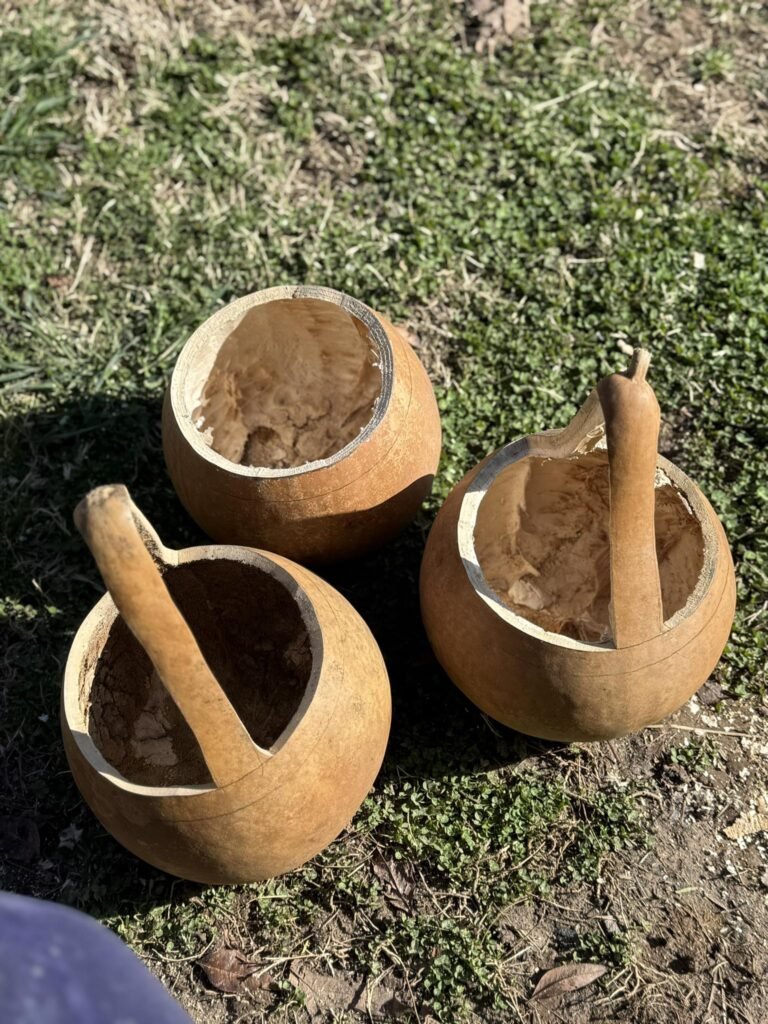
To prepare her canvas, Christina must first conquer the interior. She compares opening a raw gourd to opening a pomegranate. The artist must dig out the seeds—which they save to replant next year’s crop—and scrape away a thick, fibrous skin lining the inside. Once hollowed and cured, the shell becomes a remarkably versatile medium.
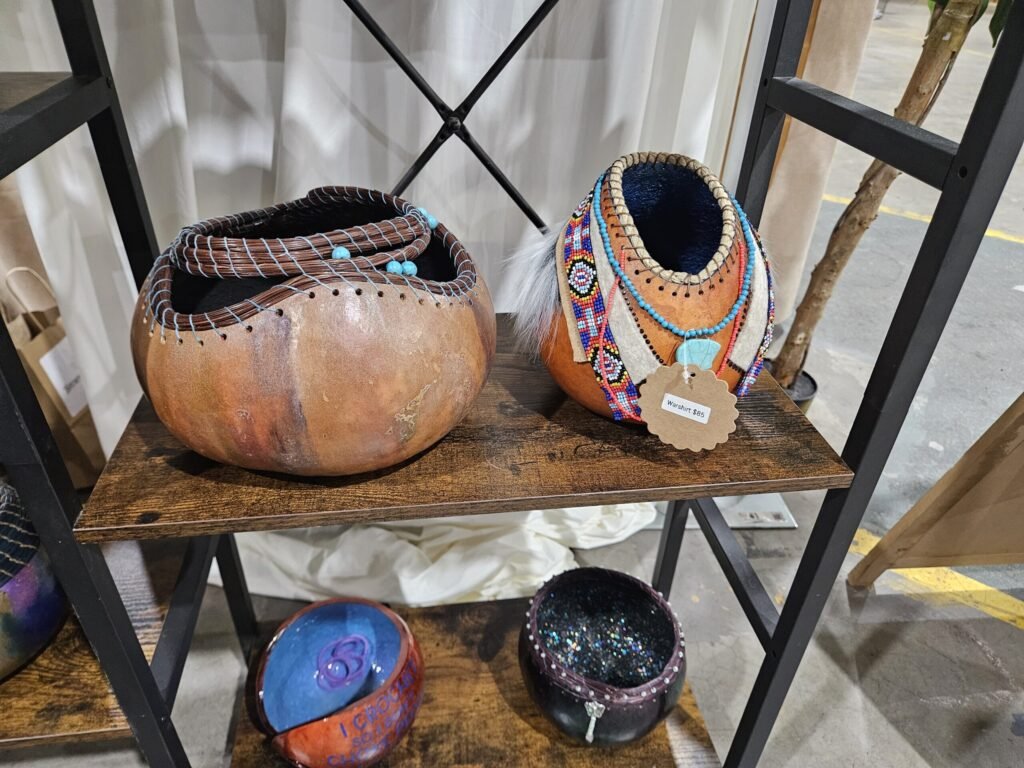
At her market booth, Christina displayed gourds adorned with complex weaving, artificial sinew stitching, and Native American-inspired beadwork. She credits much of her artistic growth to attending “gourd gatherings” in North Carolina and Missouri. At these annual events, artists who have worked with the medium for decades teach specialized classes on sculpting, carving, and dyeing.
The Ancient History of the Gourd
The history of this craft stretches back thousands of years. As Toby pointed out, cultures around the globe, including ancient Egyptians, utilized these plants as water and storage vessels. Here in the Americas, indigenous tribes used them for everything from seed storage to dolls to musical instruments. Enslaved Africans also brought a deep cultural knowledge of gourd crafting to the South, famously creating the hollowed-out gourd ancestors of the modern banjo.
The Rhythms of the Thunder Gourds
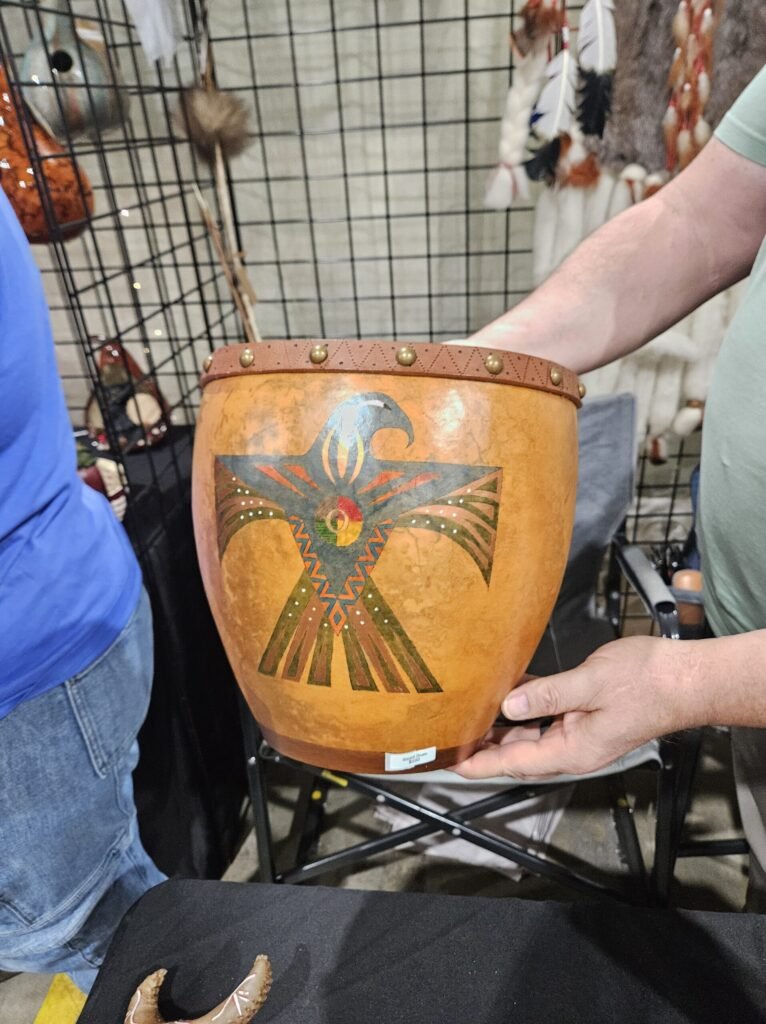
Perhaps the most impressive piece I saw at Christina’s booth was an interactive instrument Toby called the “Thunder Gourd.” Painted to resemble a bird, the gourd had a tightly stretched synthetic mylar membrane at the bottom and a thin, flexible spring hanging down.
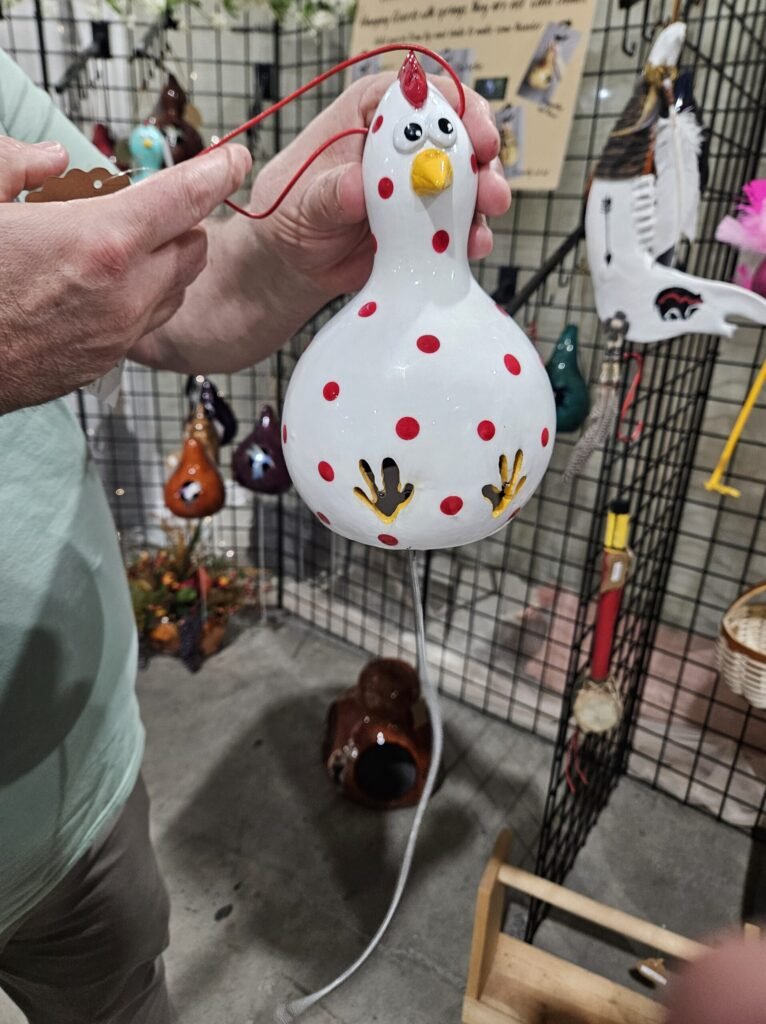

When someone walks by and brushes the spring, it vibrates against the membrane. The hollow gourd amplifies the strike, producing a distinct, meditative drum rhythm that echoes the deep, ancient roots of Appalachian folk music.
Meeting Christina and Toby opened my eyes to a vibrant, thriving subculture. Who would have thought that a simple garden vegetable could produce such thunderous music or hold such breathtaking beauty?