

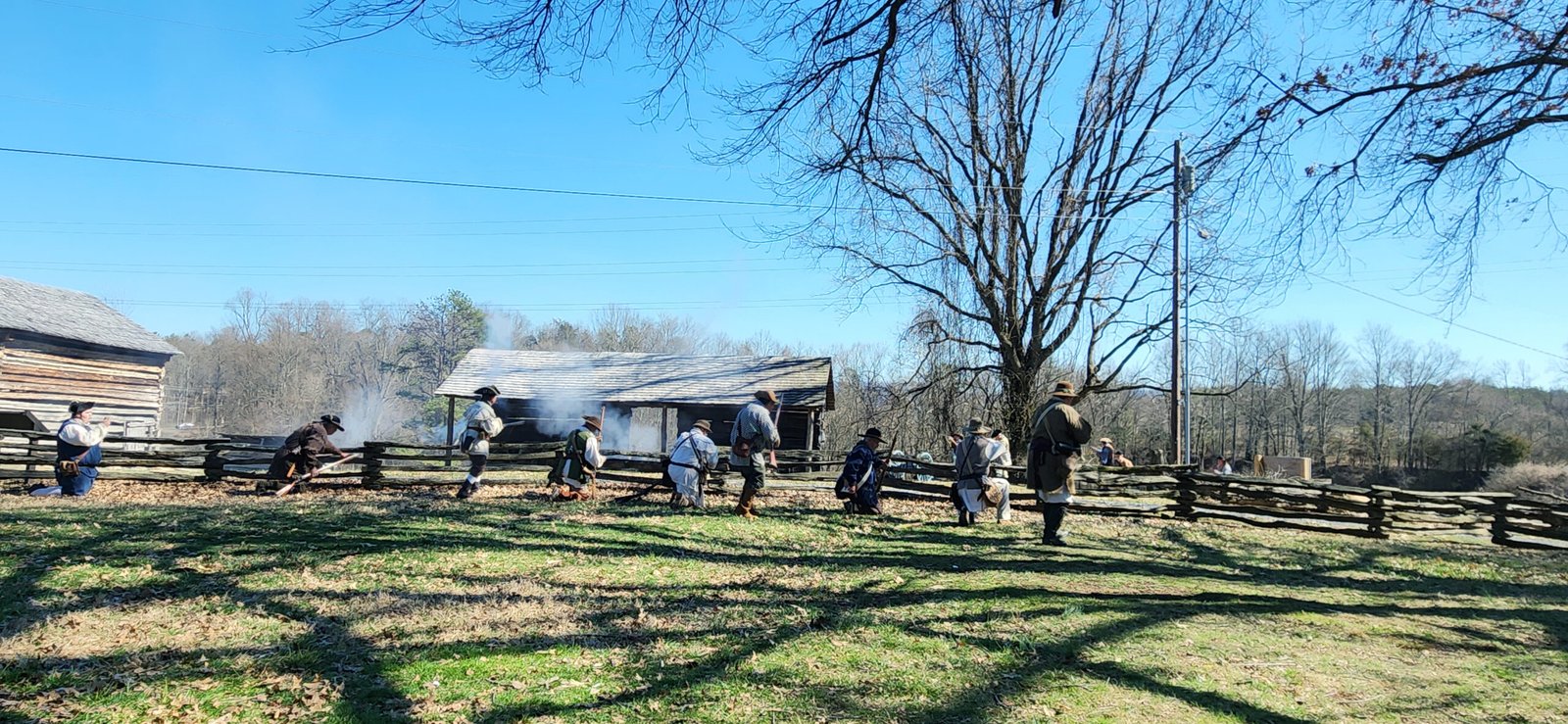
On February 28, 2026, I had the rare chance to step back in time at the Tipton-Haynes State Historic Site. I was there to see the reenactment of the Battle of the State of Franklin, which stands out as one of the most unusual and interesting skirmishes in American history.
The day’s program featured a 20-minute documentary that told the strange story of the two-day siege, which ended in battle on February 29, 1788.
With so many visitors and reenactors in detailed period clothing, I soon saw that this was more than a story about musket fire. It was about a bitter, lifelong feud that helped shape Tennessee.
Exploring the Tipton-Haynes Grounds
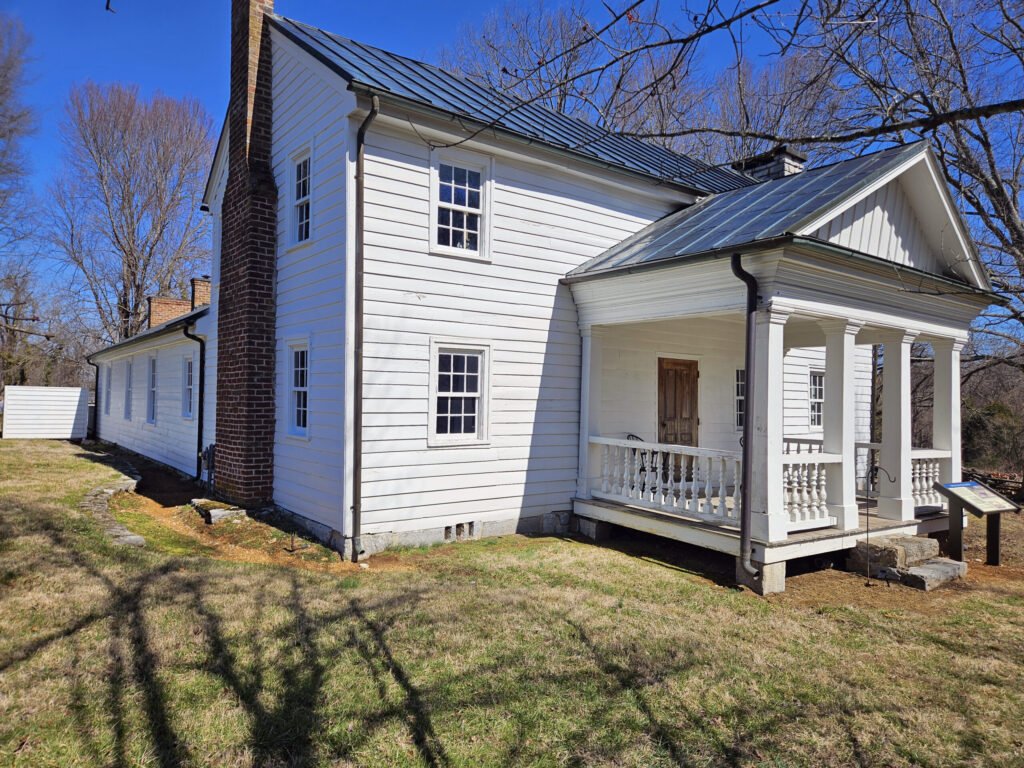
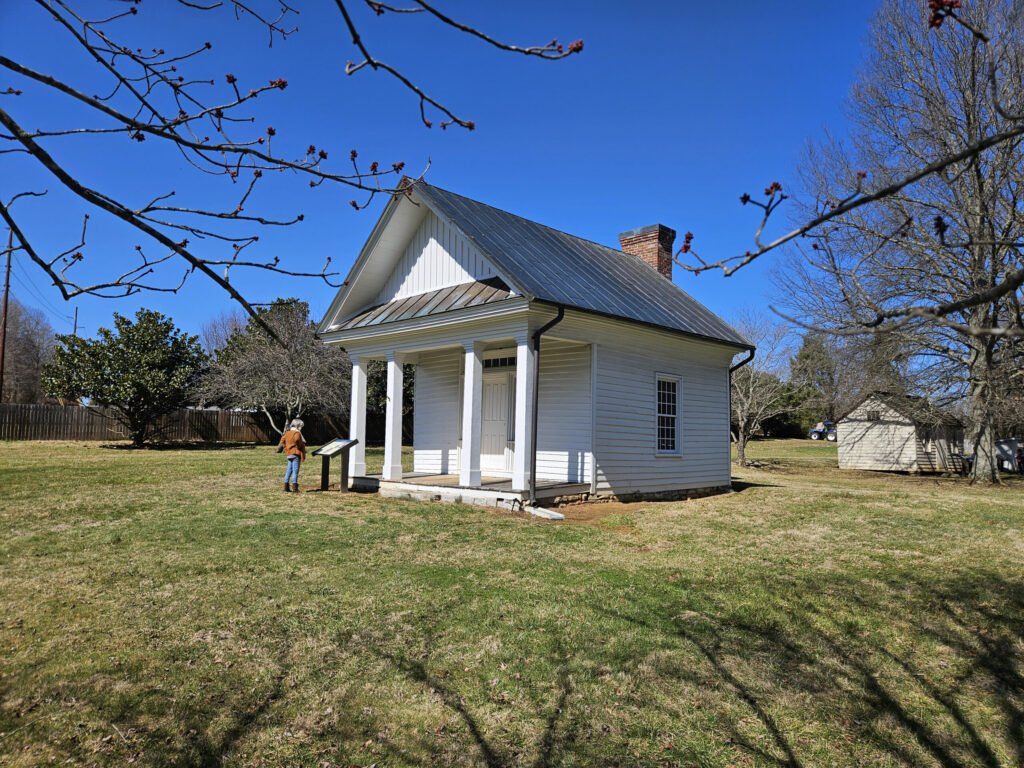
If you have never visited the Tipton-Haynes Historic Site in Johnson City, it is a marvel on any regular day. But seeing it come alive with history makes you appreciate the land even more. The property covers 45 acres of magnificent Appalachian heritage, featuring 11 historic buildings that track the region’s evolution from pre-colonial times through the Civil War.
Jatherine E
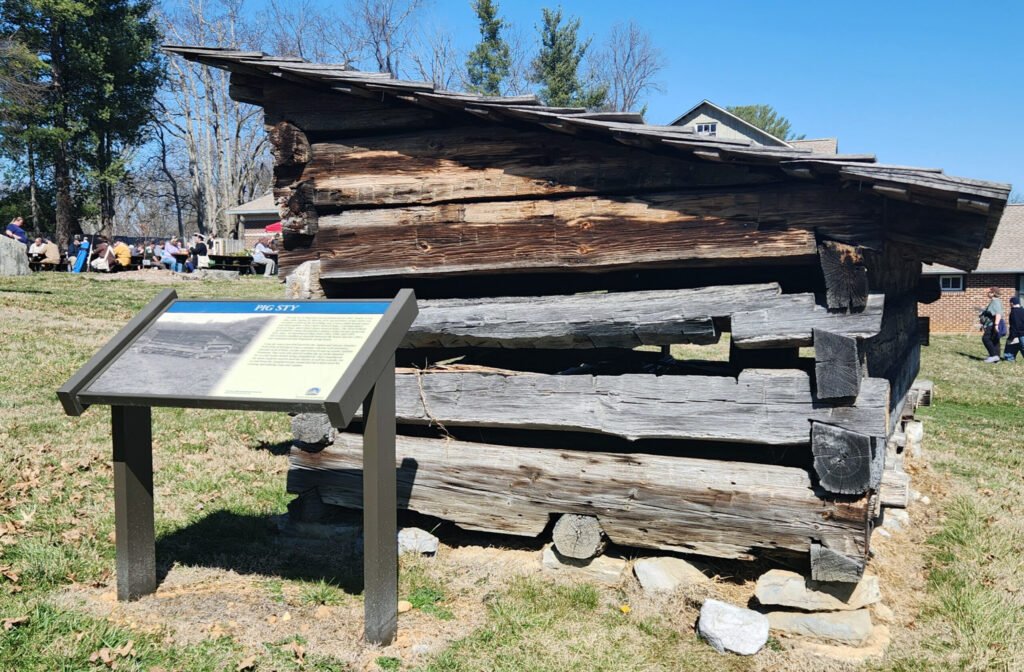
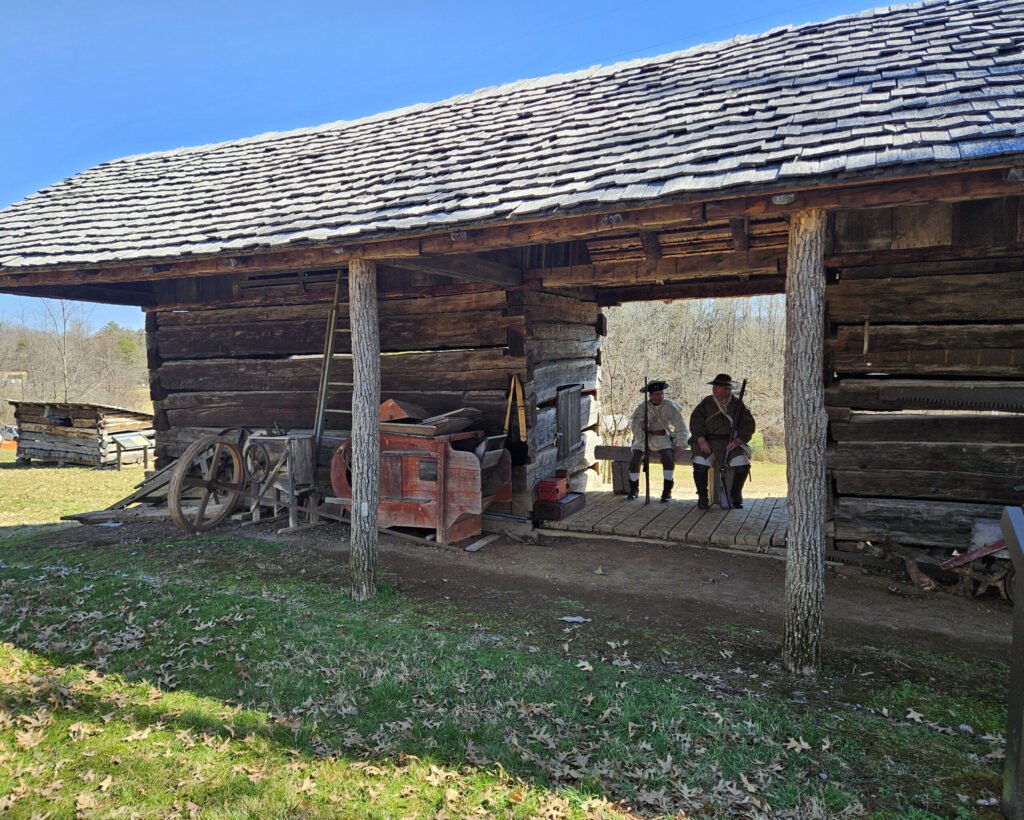
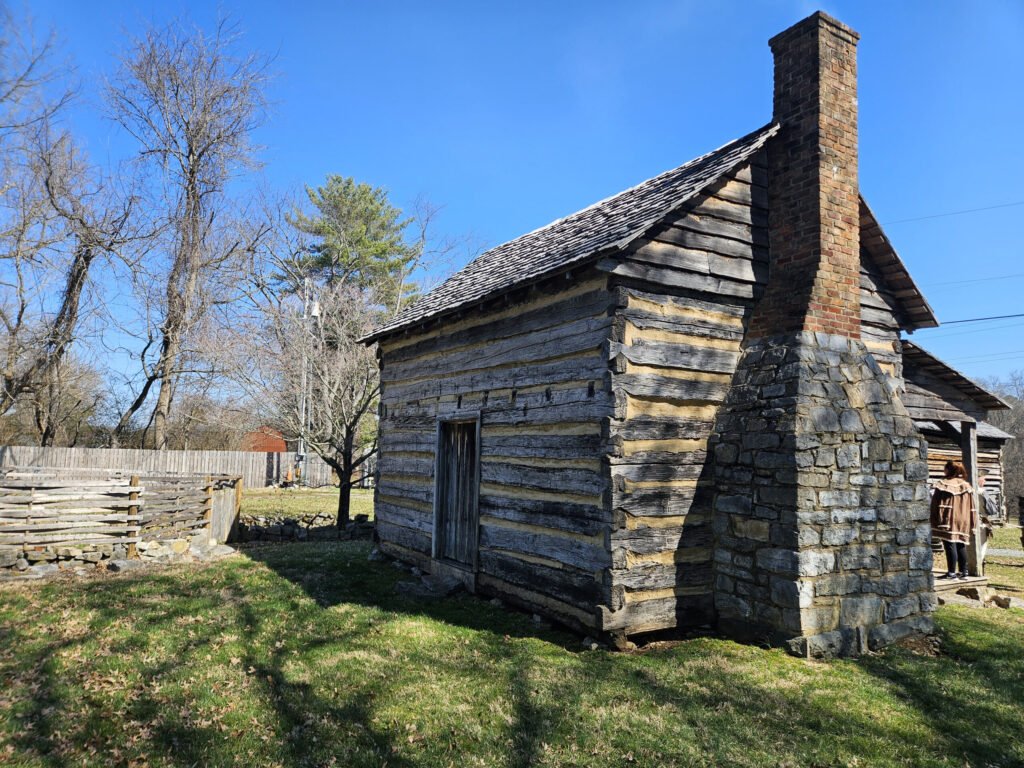
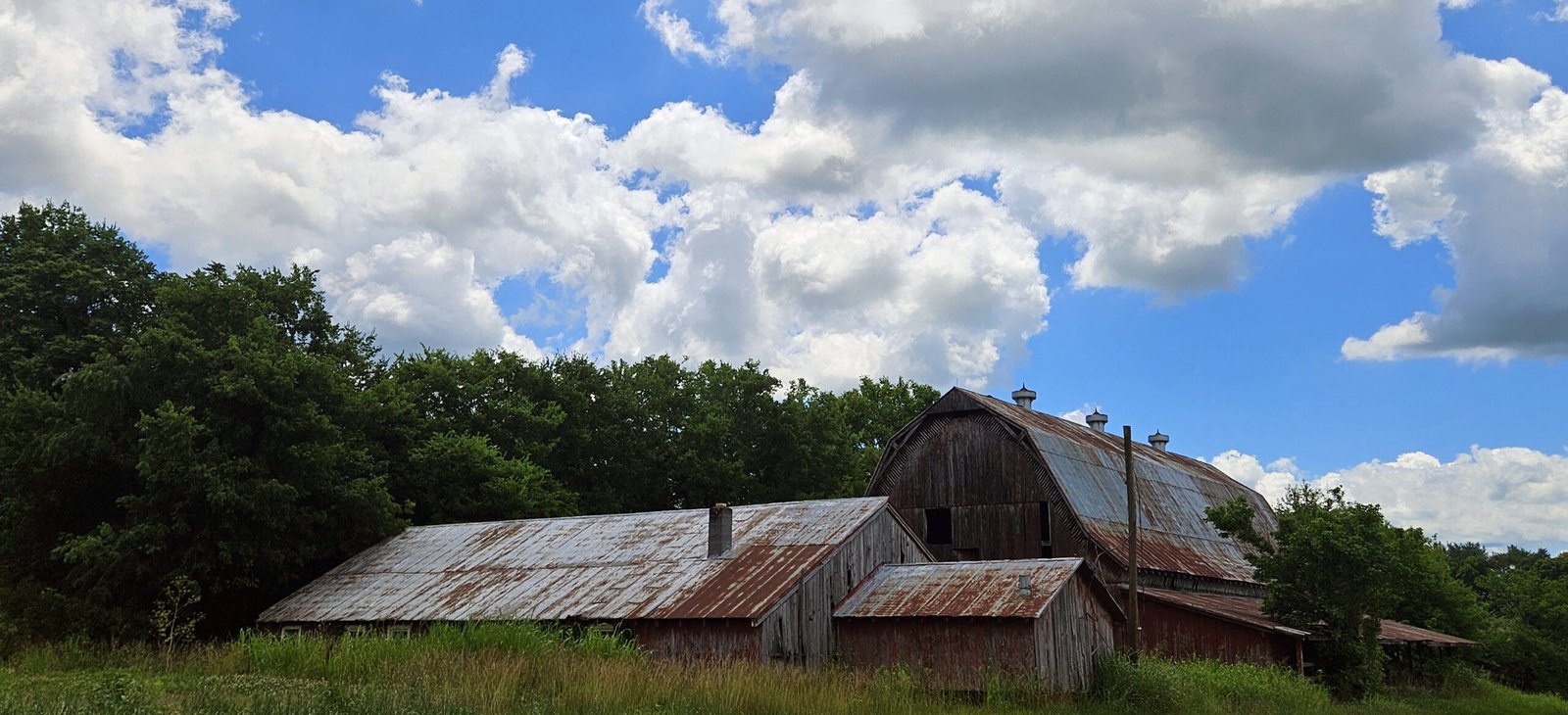
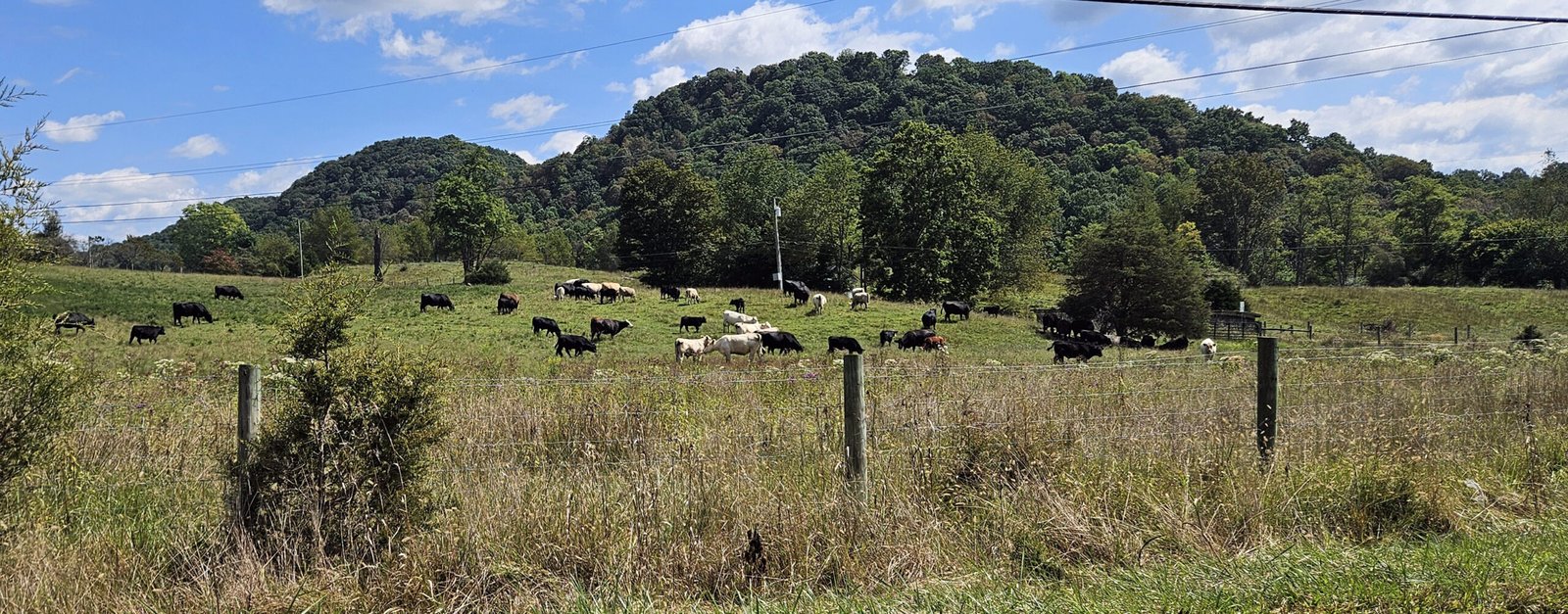
As someone who loves farming, I was drawn to the old outbuildings that show what farm life was like in the 18th and 19th centuries. The site has a loom house, smokehouse, still house, pig sty, and a large dogtrot-style log barn with a corncrib.
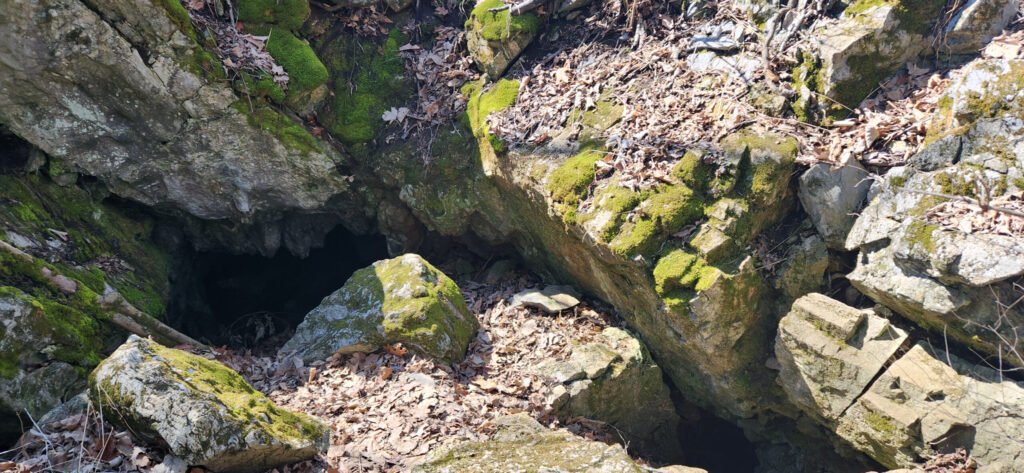
Beyond the buildings, the land itself has its own story to tell:
• The Limestone Cave: A natural karst solution cave. Local legend says Daniel Boone camped here, and early occupants used it as a natural refrigerator to store food. Archaeologists have even unearthed prehistoric fossils inside, including a dire wolf tooth.
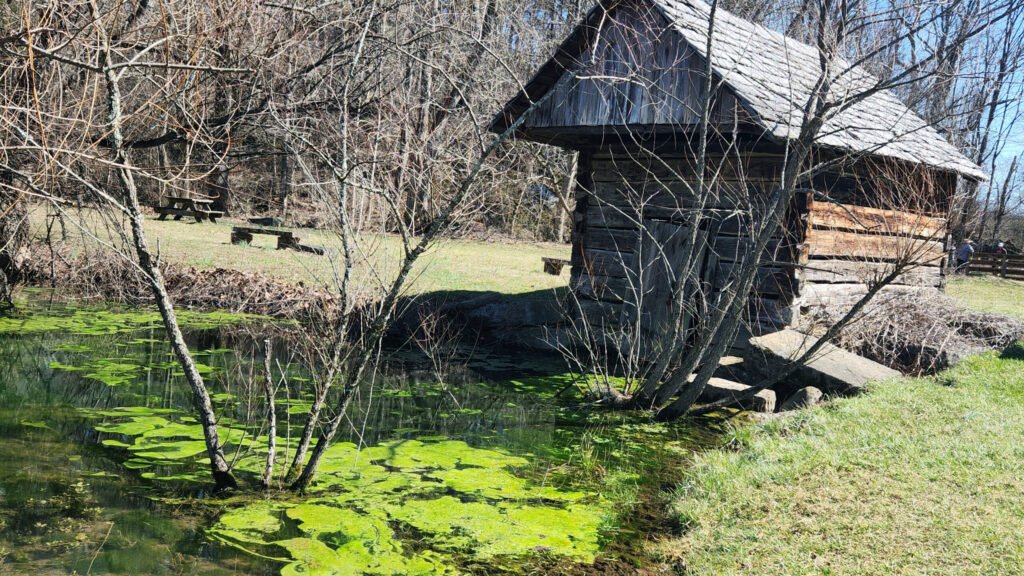
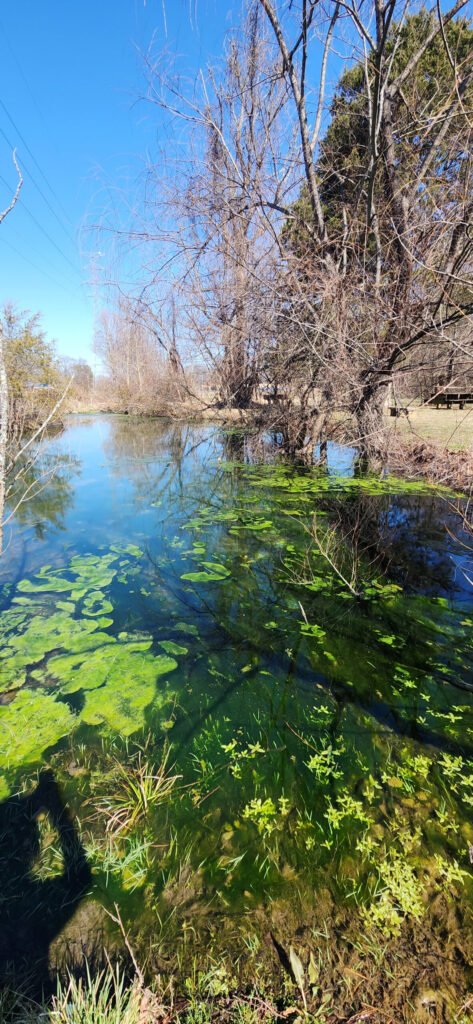
“Bold Spring”: An active spring pond that drew the earliest settlers and supplied essential fresh water.
Buffalo Trace: Remnants of an ancient path forged by migrating buffalo, which eventually became the Great Stage Road connecting Jonesborough, Tennessee, to Morganton, North Carolina.
Main House: The large, white weatherboarded farmhouse you see today actually conceals Colonel John Tipton’s original 25-by-35-foot log cabin, built in 1784.
The Rise and Fall of the “Lost State”
To understand the battle, you need to know about the tough political struggles on the frontier after the Revolution. In 1784, North Carolina gave up its western lands—now East Tennessee—to the federal government to help pay war debts. Feeling left on their own without military protection, the settlers declared independence in Jonesborough.
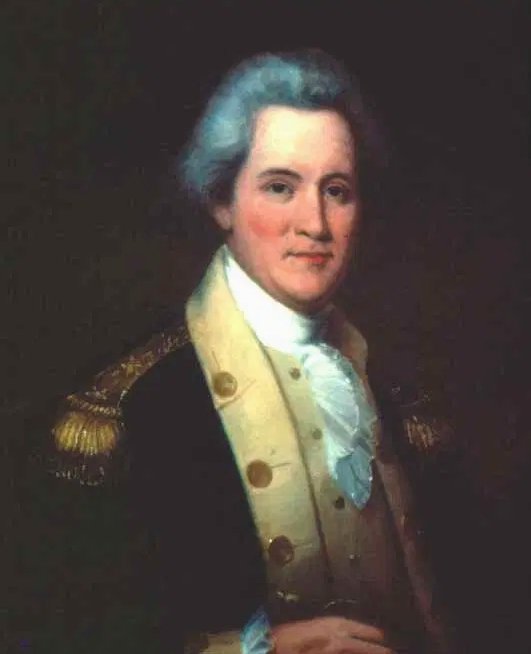
They called their new republic “Franklin” in hopes of winning Benjamin Franklin’s support, though he politely refused to get involved. The settlers chose John Sevier, a popular Revolutionary War hero, as their governor.
Life in the Lost Republic was chaotic. Since North Carolina would not recognize Franklin, two governments formed, each with its own courts and tax collectors.
Without their own money, the legislature allowed people to trade goods instead. Citizens paid taxes with corn, tobacco, and apple brandy, and Governor Sevier’s yearly salary was famously set at 1,000 deer skins.
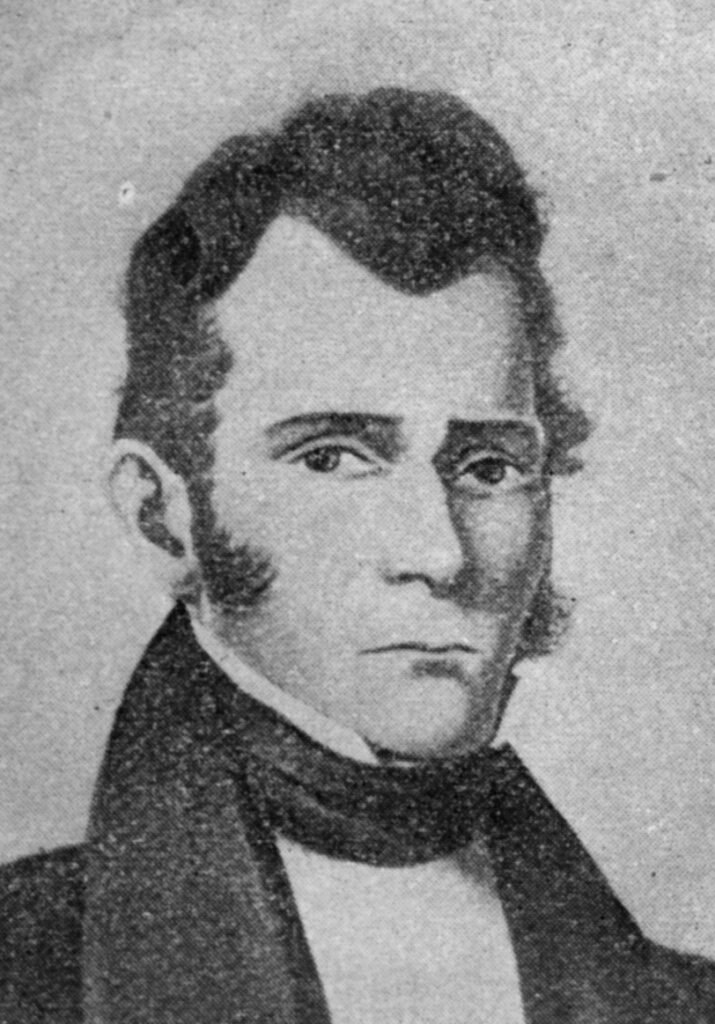
When the federal government refused to admit Franklin as a state, the republic began to fall apart. This set the stage for a violent clash between Governor Sevier and John Tipton, who remained loyal to North Carolina.
Setting the Scene: The Docent’s Tale
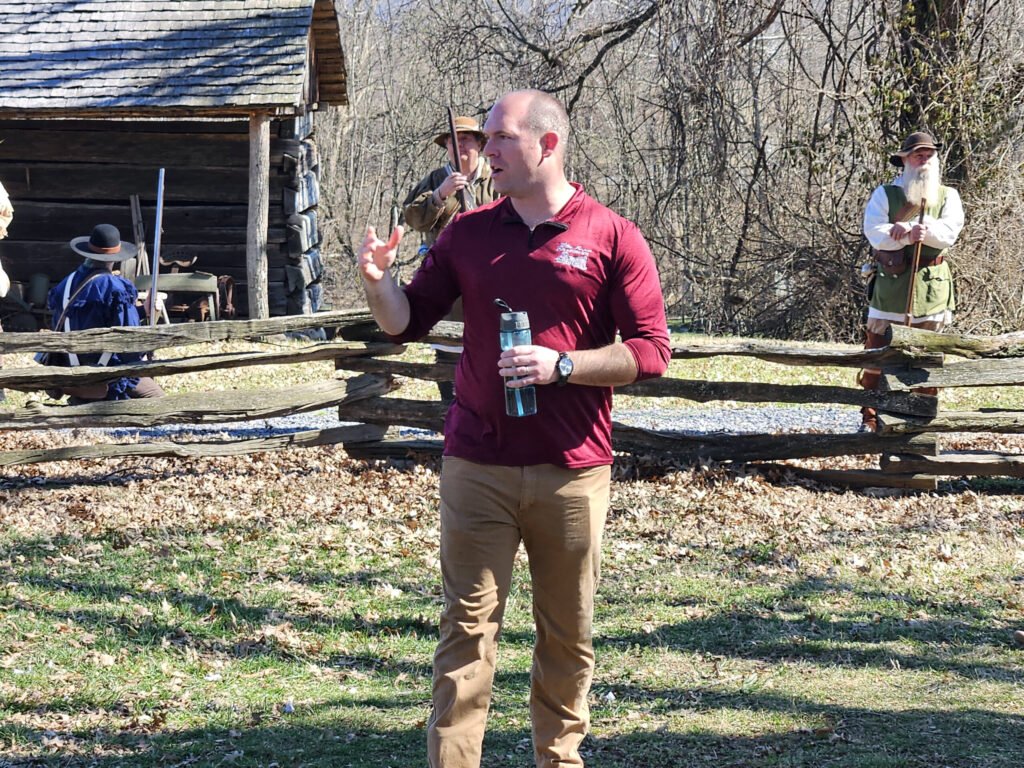
Before the reenactment began, a well-informed docent explained the history to us. In February 1788, a North Carolina sheriff took several enslaved people from John Sevier to pay back taxes. The sheriff brought them to Colonel Tipton’s property and kept them in a small cellar under the house for safekeeping.
Angry, Sevier led 150 men to Tipton’s farm on February 27. The docent described how cold it was that week—so cold that the rivers froze solid. Thankfully, the weather during our reenactment was much milder.
For two days, Sevier surrounded the property. But on February 29, under the cover of a blinding snowstorm, 150 reinforcements from Sullivan County arrived undetected to aid Tipton. As the docent noted, these men were neighbors. They did not want to kill each other, and many purposefully fired their muskets into the air or at the cabin walls.
The actual battle lasted a mere 10 minutes.
The 10-Minute Skirmish: A Dramatic Reenactment
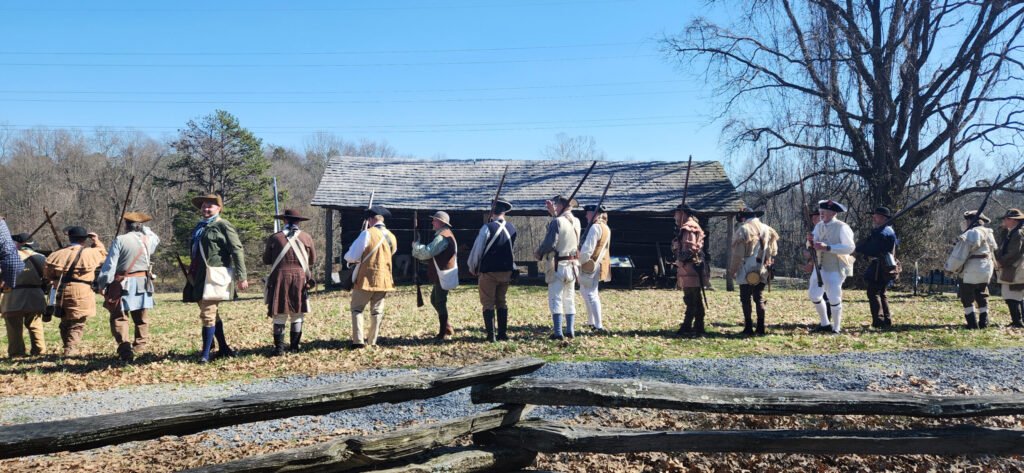
The reenactment we saw brought those 10 minutes to life, showing the events in real time with impressive accuracy.
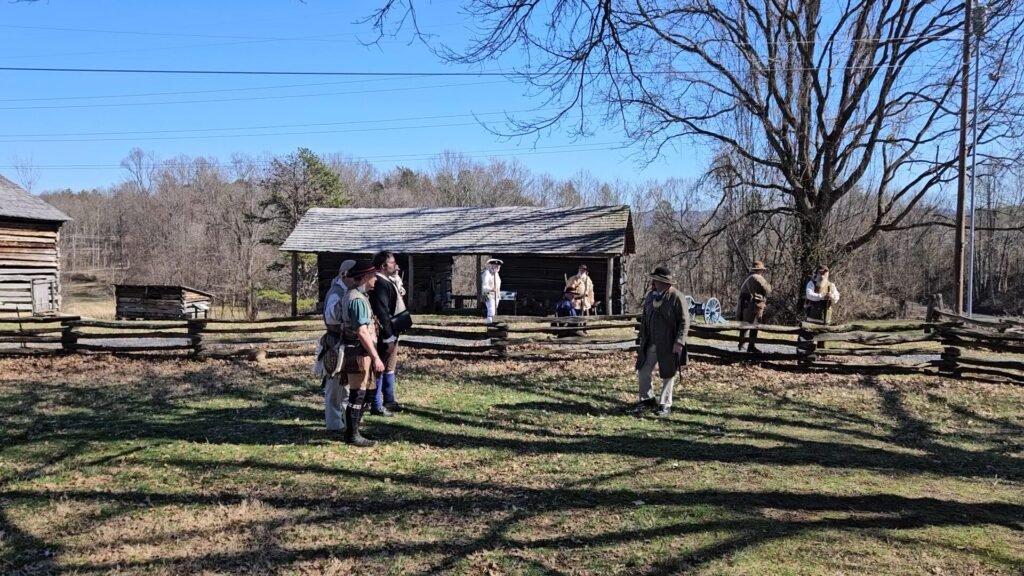
The scene began near the spring. Two women walked up the hill to get water for the Tiptons. In the confusion, Sevier’s militia did not realize they were women and fired, hitting one in the shoulder. The reenactors quickly carried the wounded woman to the safety of the cabin.
Suddenly, Sevier and Tipton met in the common area. The tension was clear. Tipton angrily accused Sevier of being a coward for shooting at women. Sevier argued back, demanding his property and saying he was a proud citizen of the State of Franklin. Tipton kept dismissing this, reminding Sevier that North Carolina had taken the property to pay back taxes.
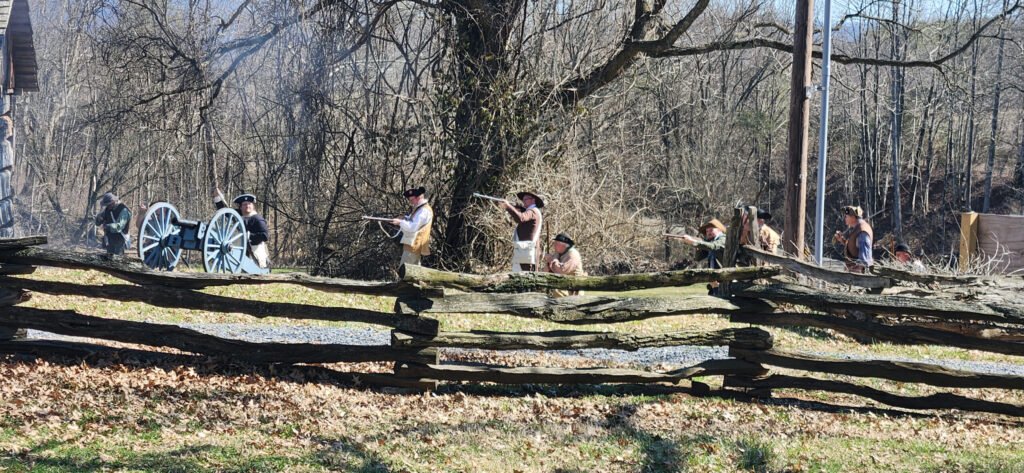
Talks broke down. Sevier went back to his men, and the shooting started. Smoke spread across the farm as both sides fired at each other. Two men were killed in the grass, including the North Carolina Sheriff.
As Tipton’s smaller group started to struggle, reinforcements rushed onto the field. The battle quickly shifted. The new troops pushed back Sevier’s men and captured two prisoners, who turned out to be Sevier’s sons. Defeated, Sevier and his remaining men retreated toward Jonesborough.
The Fate of the Prisoners
At the height of the drama, Tipton brought the two captured sons out in the open. Furious, he told his men to get a strong rope from the barn and quoted scripture: “I believe in the Good Book where it says, an eye for an eye.” He meant to hang them right then. Luckily, one of Tipton’s men stepped in, spoke calmly to him, and convinced him to stop. In the end, the sons were spared.
The reenactors marched back, presented arms, and stood at ease while the crowd cheered loudly.
The Feud Continues: A Reporter’s Epilogue
When the docent came back to give his closing remarks, I realized the story was not finished. What interested me most was what happened to these men after the battle.
Sevier was later arrested for treason and sent to Morganton, North Carolina. By chance, the local jailer had fought with Sevier at the Battle of Kings Mountain. Seeing Sevier as a hero, the jailer let his friends break him out without stopping them.
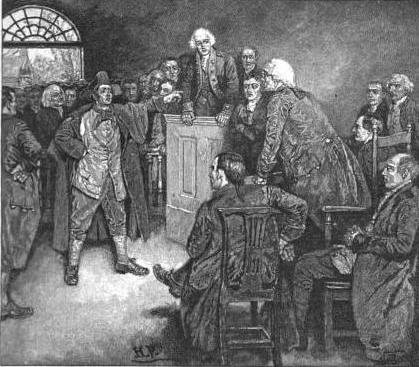
Once Sevier saw that Franklin was finished, he swore loyalty to North Carolina. Thanks to his popularity, he was pardoned and quickly elected to the North Carolina Senate, where he served alongside his old rival, John Tipton.
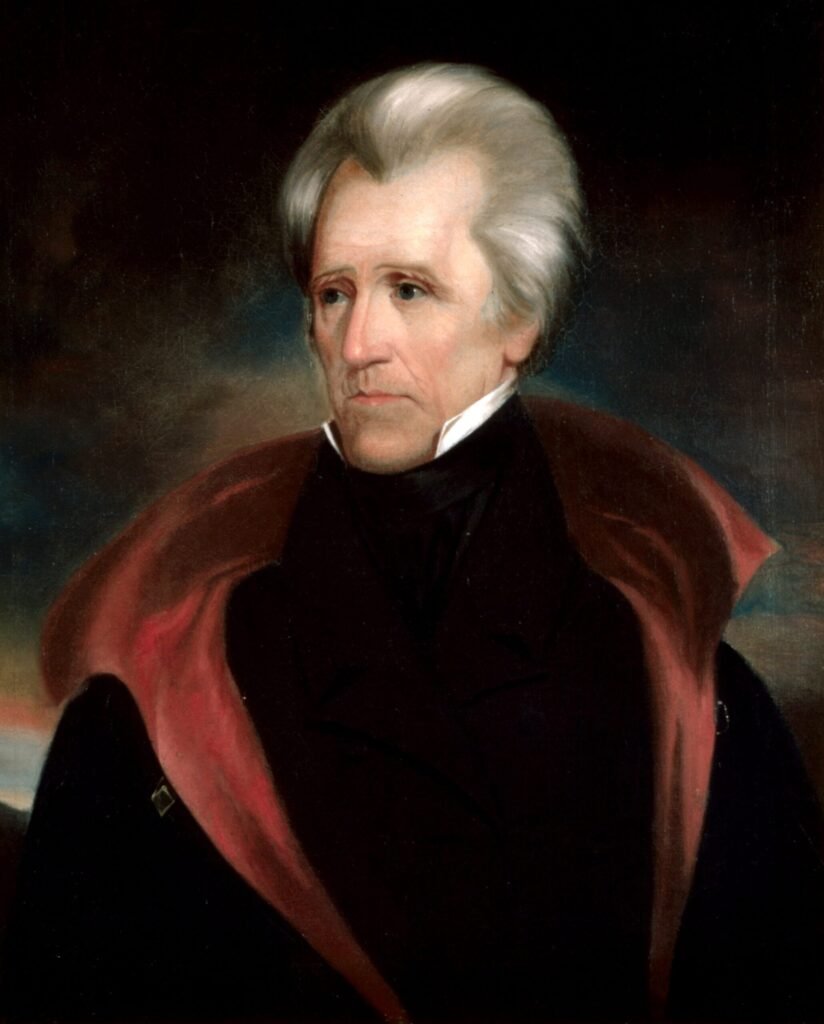
Their rivalry never ended. When Tennessee became a state in 1796, Sevier became its first governor, and Tipton helped write the state constitution. By 1803, Tipton found a new ally who disliked Sevier as much as he did—a young lawyer named Andrew Jackson.
The Glasgow Land Fraud Scheme
Tipton and Jackson launched a big campaign to link Sevier to the “Glasgow Land Fraud” scandal, hoping to end his career. Their feud came to a head on the courthouse steps in Knoxville when Sevier insulted Jackson’s wife. Jackson challenged him to a duel, but it ended in a comical chase through the woods after Sevier’s horse ran off with his pistols.
Sevier survived the scandals and served six terms as governor before going to Congress. Jackson, of course, used his strong reputation to become President. Tipton spent his last years in the state legislature, voting against almost every policy Sevier suggested.
Standing on the quiet grounds of the Tipton-Haynes site today, it is hard to picture the bitter rivalry and gunfire that once marked this beautiful farmland.
Thanks to the dedication of local historians and reenactors, the story of Tennessee’s turbulent beginnings lives on.














Leave a Reply