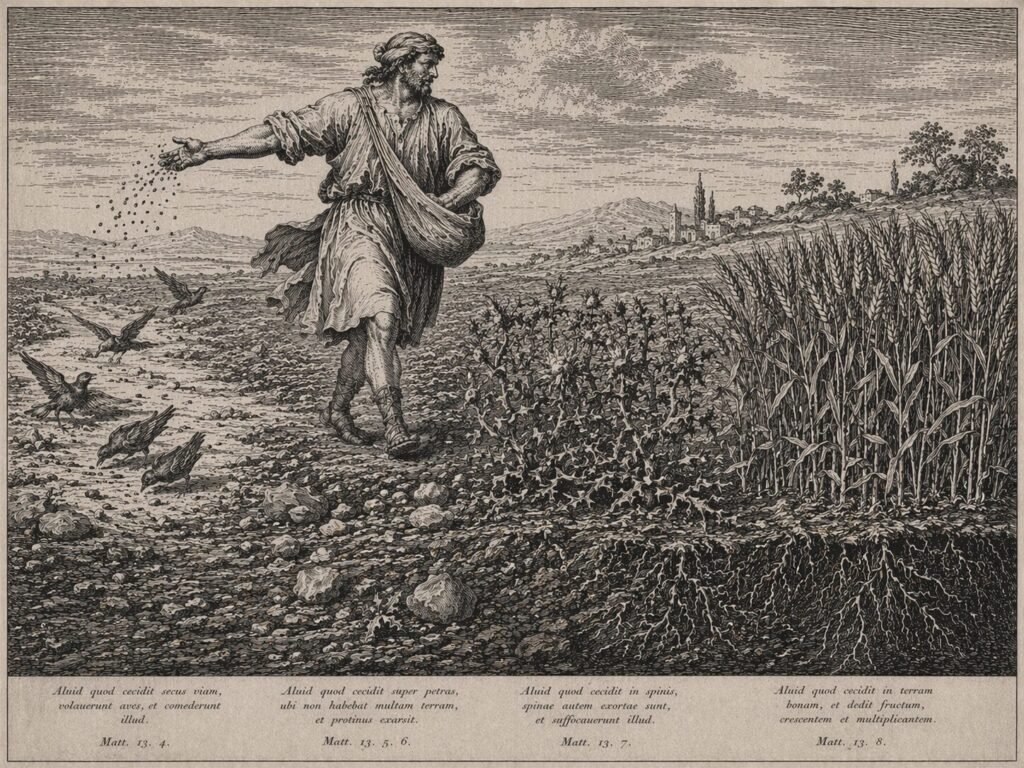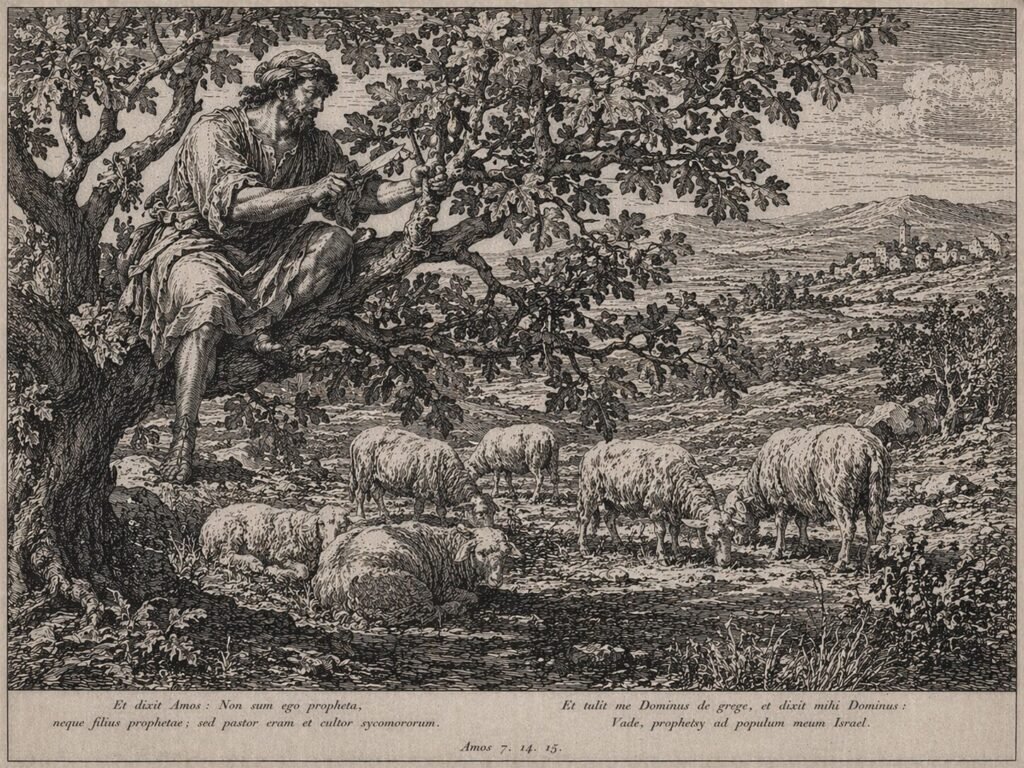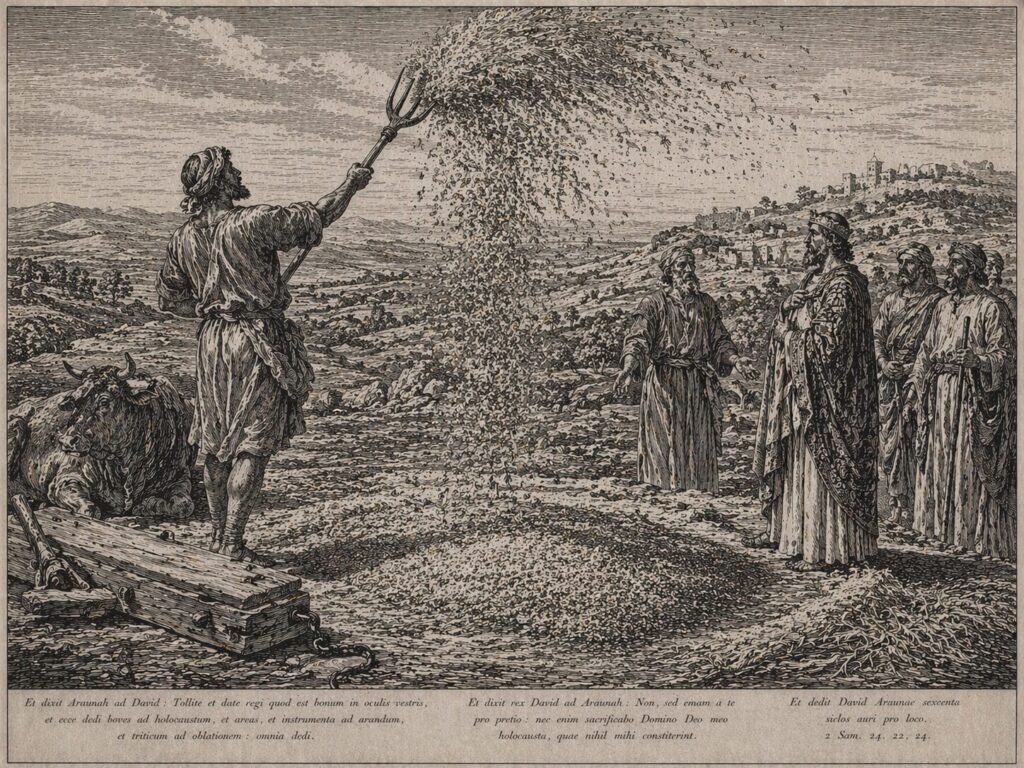
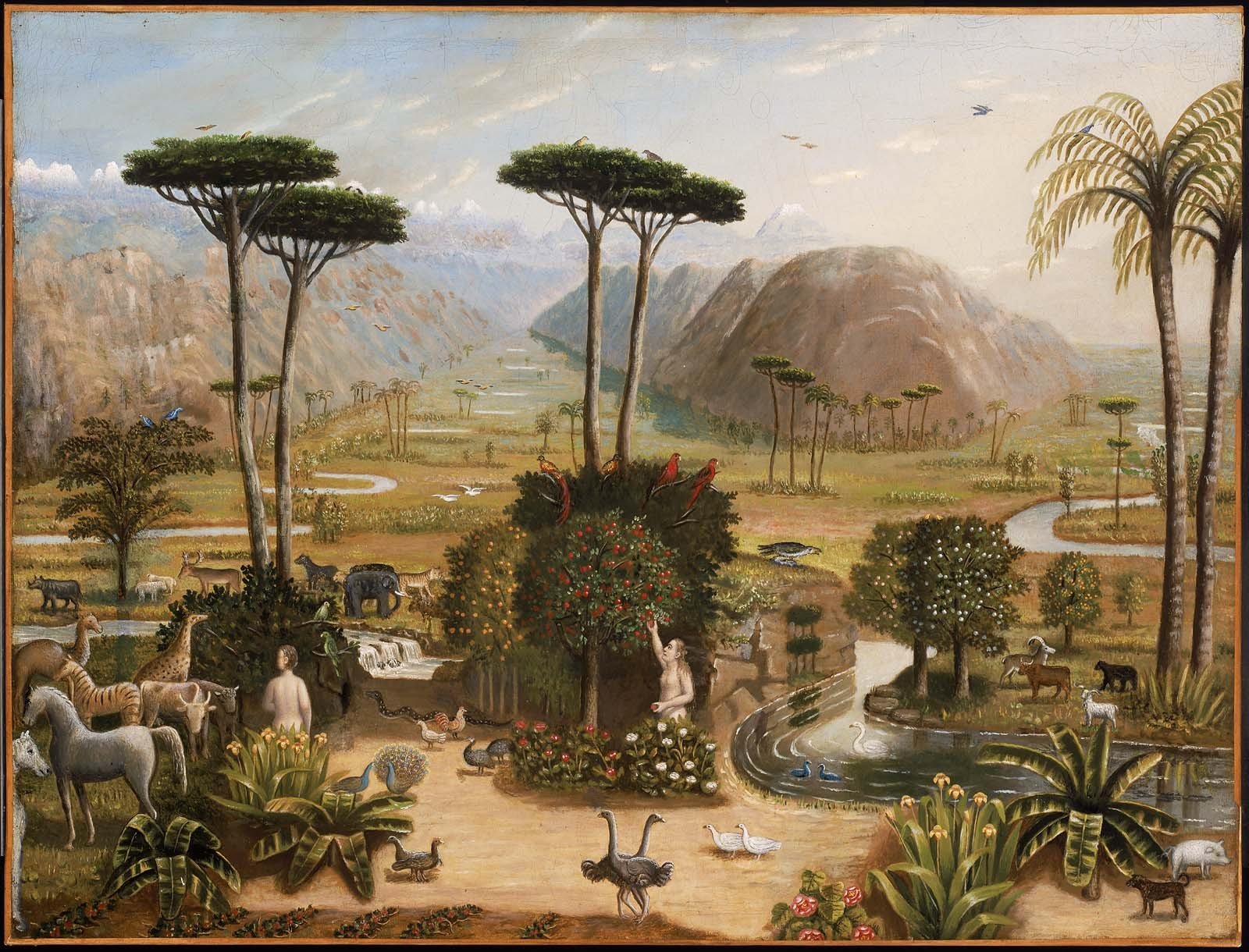
If you observe a modern, large-scale commercial farm today, you will see a wonder of industrial efficiency and productivity. Fields go on for miles in perfect, uniform rows. Synthetic inputs squeeze every possible ounce of yield from the soil, and animals are housed in high-density facilities designed to accelerate growth.
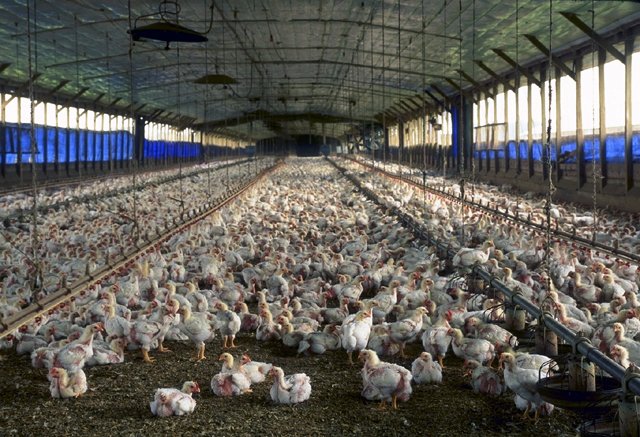
In the modern agricultural practice, the farm is a factory, the animal is a commodity, and the soil is simply a medium for extraction.
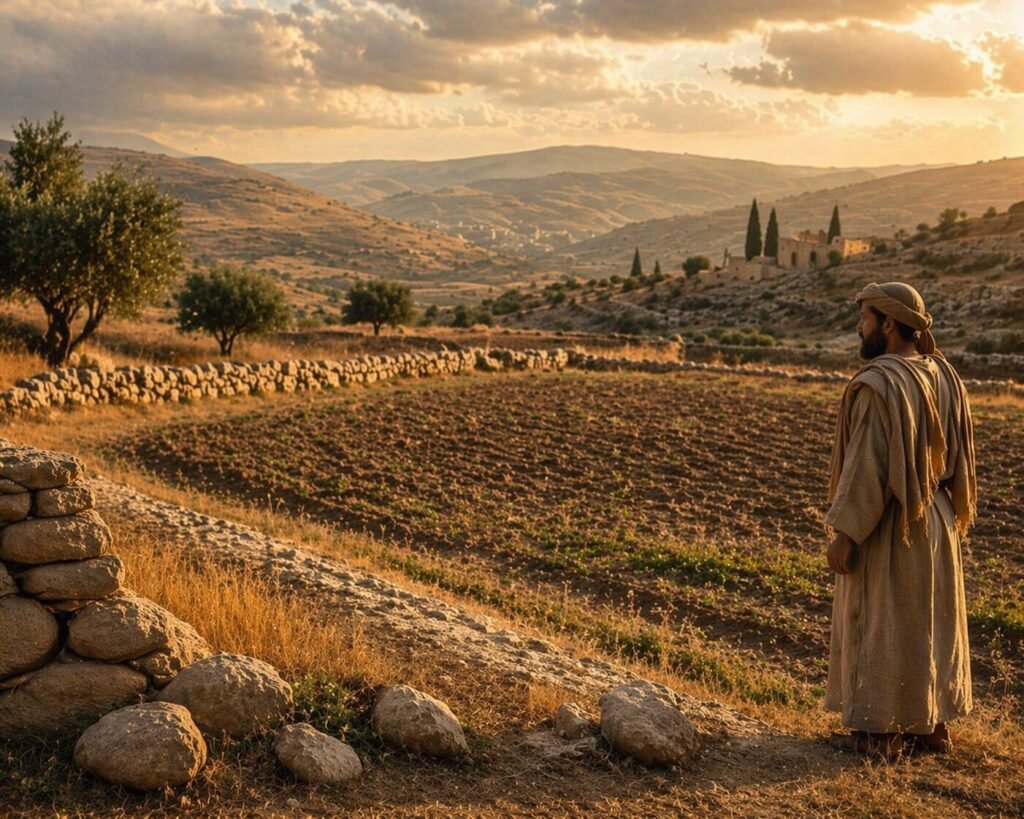
But tucked into the hollers and valleys of the Appalachian Highlands, a different kind of farming is quietly taking root. It isn’t just a pushback against chemicals, nor is it just folks chasing the “local food” trend. For a growing number of farmers, the way they treat their pastures and livestock is a matter of divine obedience.
Welcome to the philosophy of “Christian Agrarianism”—a mindset where agriculture and theology are one and the same.
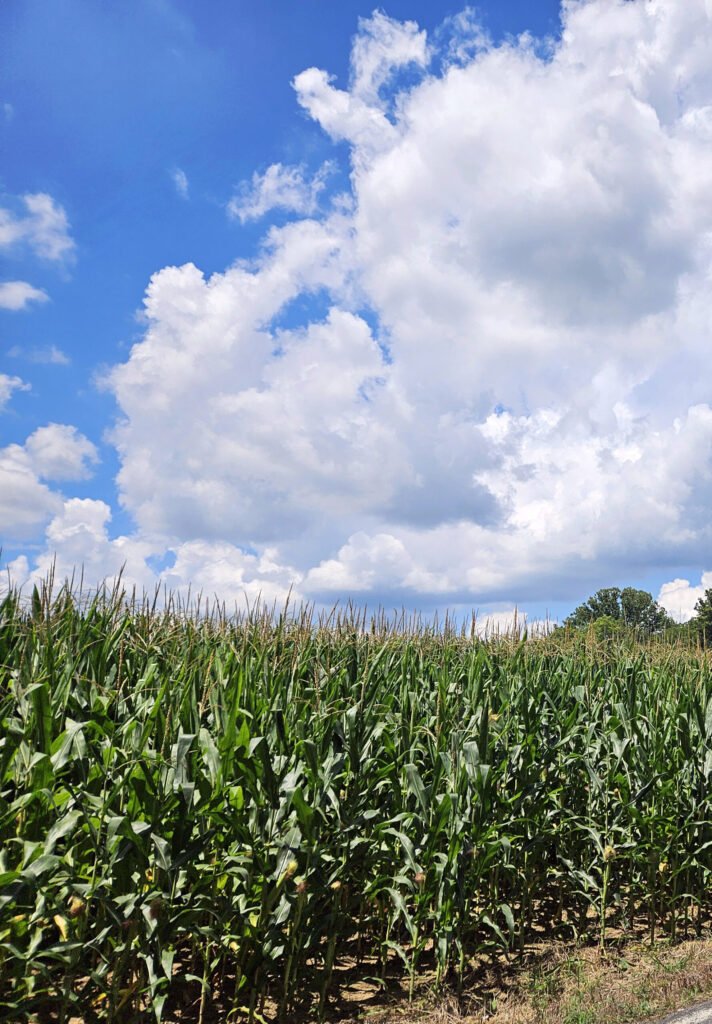
Tenants, Not Owners.
To understand this movement, you don’t have to look far. Just up the road in Elk Garden, Virginia, the McIntyre family operates Goshen Homestead. While they raise grass-finished beef, pasture-based poultry, and run a micro-dairy herdshare, it is the farm’s guiding philosophy that really stands out. They operate under a framework they call “Biblically Principled Sustainability.”
As they note on their website, their mission is to “use the natural systems of creation under prescription of Scripture to build upon the modern trend of organic and sustainable agriculture.” Their goal is to produce food and steward the land exactly as “intended by our Creator.”
This is the beating heart of the biblical farming philosophy: Stewardship over extraction. In ancient scriptures, the essential rule of agriculture is bluntly stated in Leviticus 25:23: “The land must not be sold permanently, because the land is mine and you reside in my land as foreigners and strangers.” Read that again: The land is mine.
According to Scripture, the earth belongs entirely to God (Psalm 24:1 reminds us, “The earth is the Lord’s, and everything in it”). Humans are only tenant farmers, put in the garden to “work it and take care of it” (Genesis 2:15).
This completely shifts how a farmer looks at the dirt under their boots. If you are managing property that belongs to the Creator, depleting the topsoil for a quick profit isn’t just bad business—it is a moral failure. You don’t trash a house you are renting from someone you respect.
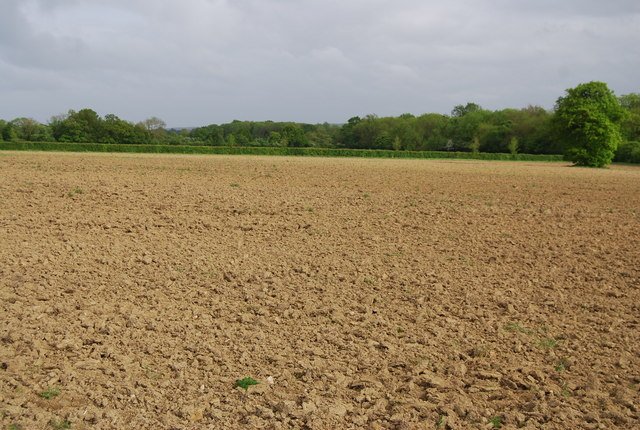
The Sabbath of the Soil
This theology translates directly into practical, dirty-boots farming methods. Take, for example, the biblical concept of the Sabbath. Most of us understand the Sabbath as a mandated day of rest for humans. But in the ancient agrarian laws, that rest extended to the land itself.
Leviticus 25:4 commands: “But in the seventh year the land is to have a year of sabbath rest, a sabbath to the Lord. Do not sow your fields or prune your vineyards.”
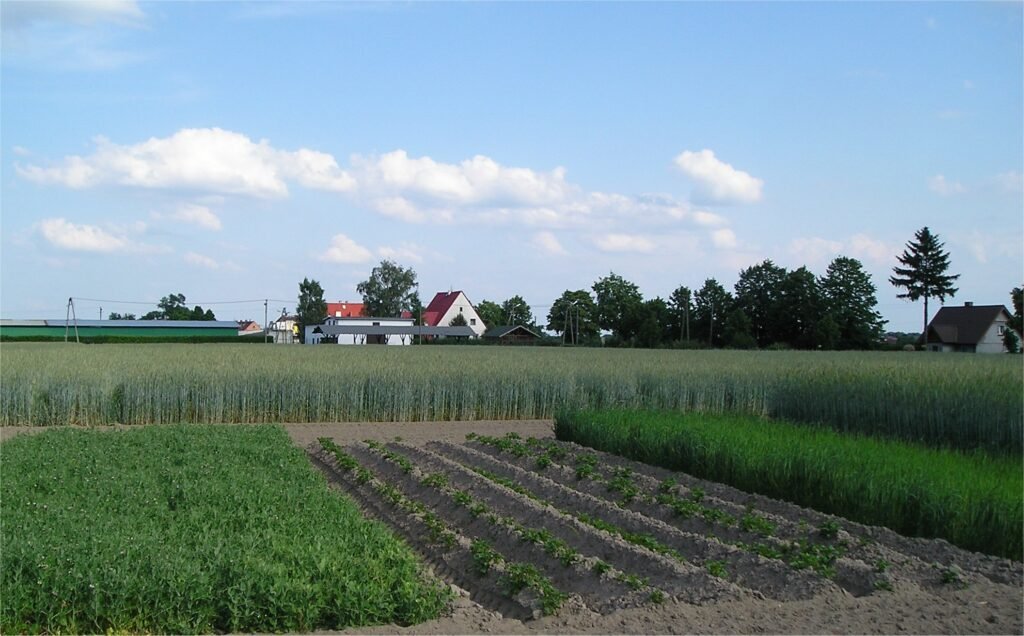
For a modern farmer with mortgages and feed bills, taking a whole year off sounds impossible. But the underlying principle—giving the earth time to breathe, recover, and heal—is the very foundation of what we now call “regenerative agriculture.”
Instead of pumping exhausted dirt full of chemical fertilizers to force another harvest, agrarian farmers utilize rotational grazing, cover crops, and fallow periods. They are mimicking an ancient rhythm of rest. They trust that if they take care of the soil’s health, the soil will take care of them.
Leaving the Edges
Industrial farming asks, “How can we conquer nature to maximize yield and profit as quickly as possible?” Biblical farming asks a different question: How can we partner with creation to ensure the health of our community and generations to come?
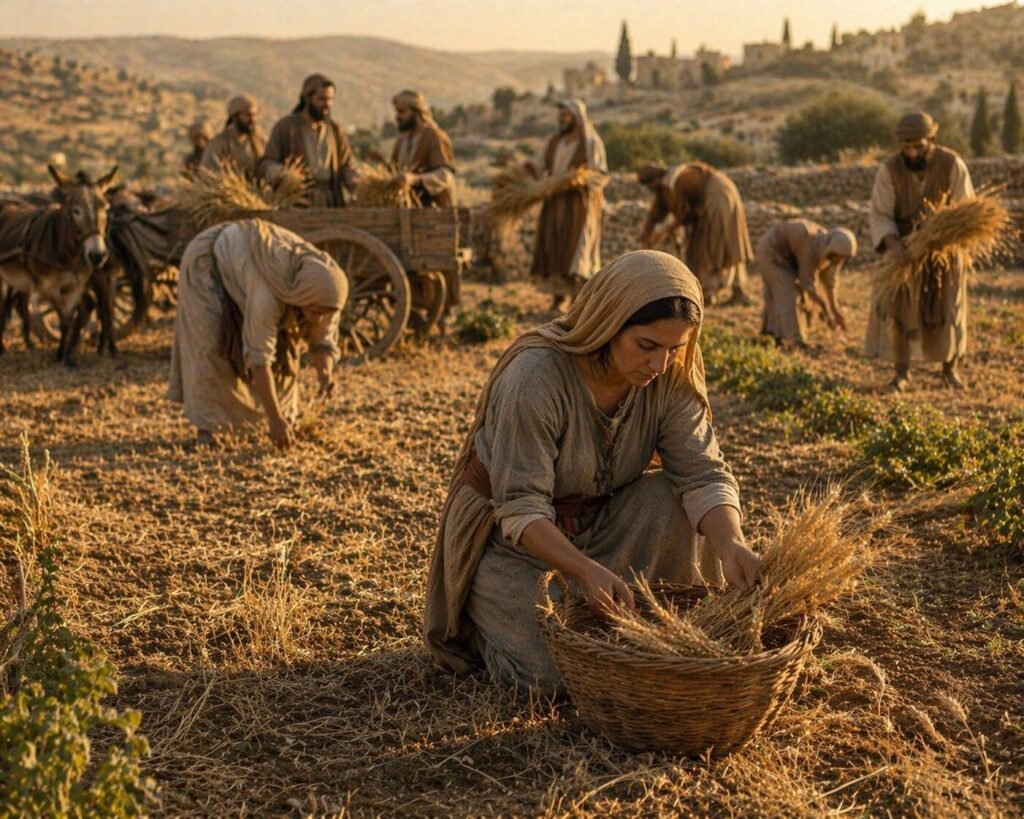
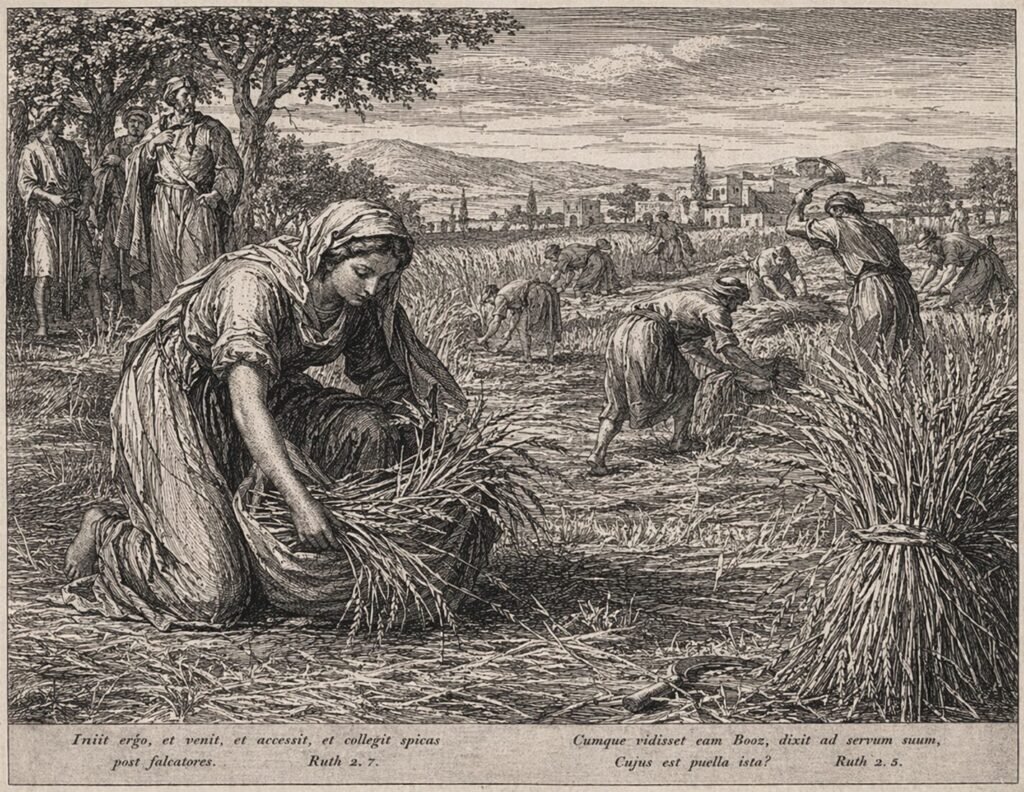
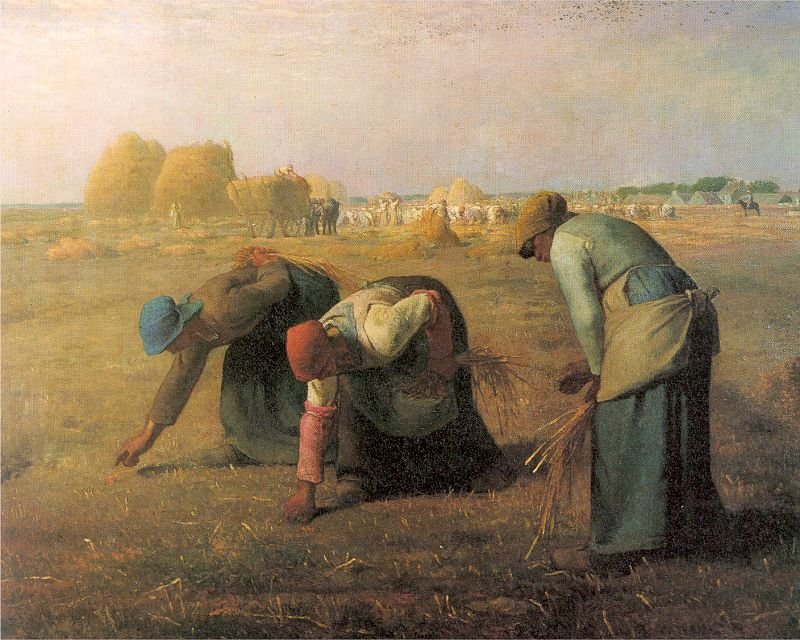
You see this beautifully in the ancient laws of gleaning. Leviticus 19:9-10 tells the ancient farmer: “When you reap the harvest of your land, do not reap to the very edges of your field or gather the gleanings of your harvest… Leave them for the poor and for the foreigner.”
A modern corporate farm would view leaving unharvested crops at the edges of a field as a loss of profit. But the biblical model bakes generosity and community care right into the harvest. Farming wasn’t meant to be an arms race of maximizing every single dime out of an acre. It was meant to sustain the community.
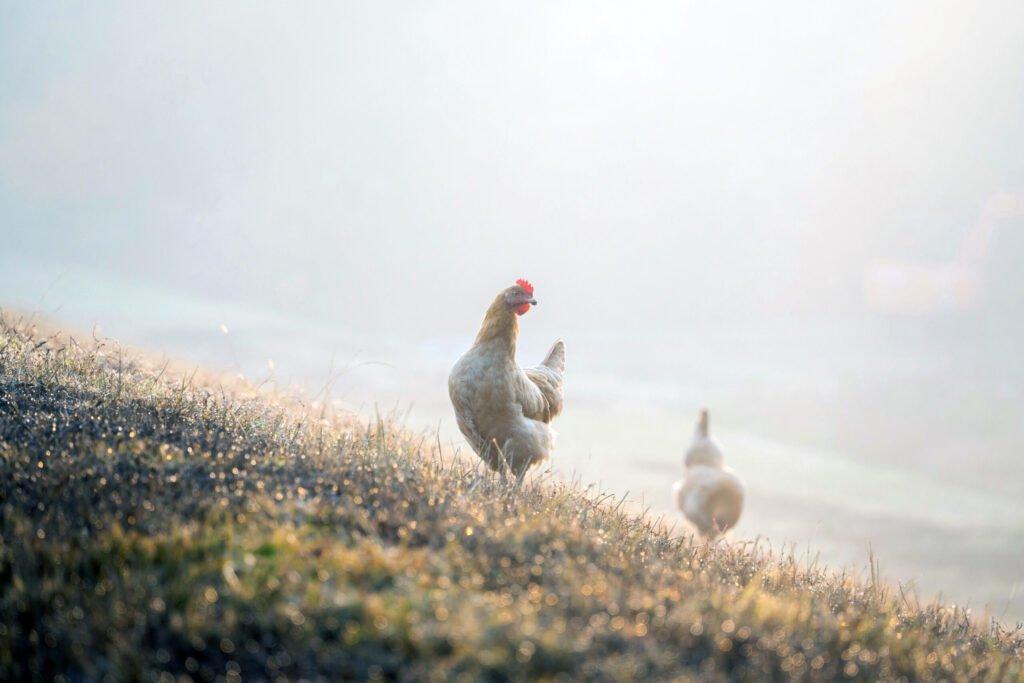
Farmers like the McIntyres at Goshen Homestead are proving that you don’t need a massive, mechanized operation to feed your neighbors. By returning to the philosophy of the field, they are reminding us that the oldest farming manual in the world still yields the best results. We don’t need to invent a new, high-tech way to save our food systems. We just need to remember the old way.
In Part 2 of “Faith in the Soil,” we will explore why the rocky, fiercely independent landscape of the Appalachian Highlands has become the perfect fertile ground for this agricultural revival.