


As the frost melts away and exposes the familiar green of an Appalachian spring, attention turns to the ground beneath our feet. Earth Day 2026 is coming up on April 22, and it is the perfect time to think about the land that feeds us, the water that sustains us, and the air that gives life to our mountains and valleys.
But Earth Day is much more than a date on the calendar; it is a global movement with deeply American roots.

The Seeds of Earth Day: A Grassroots Awakening
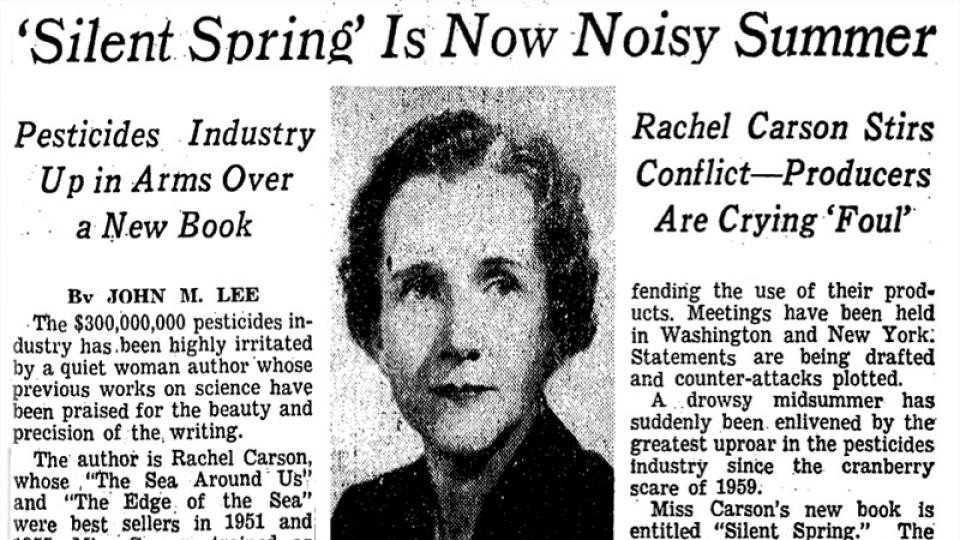
Before 1970, the environmental mindset was not part of the mainstream conversation. The post-war boom brought massive industrialization and, with it, unchecked pollution. Rivers were catching fire, and the air in major cities was saturated with smog and pollutants.

The turning point came in the late 1960s, inspired by Rachel Carson’s book Silent Spring and the devastating 1969 Santa Barbara oil spill. Senator Gaylord Nelson, an ardent conservationist from Wisconsin, saw an opportunity to tap into the energy of the era’s student protest movements and channel it to create an environmental protection movement.
Nelson recruited Denis Hayes, a young activist and Harvard graduate student, to organize a national series of “teach-ins” on college campuses. They intentionally chose April 22—falling neatly between Spring Break and Final Exams—to maximize student participation.
The result was staggering. On the first Earth Day in 1970, 20 million Americans participated on the streets, in parks, and in auditoriums across the country to demonstrate for a sustainable environment. It remains one of the largest single-day protests in history and directly led to the creation of the Environmental Protection Agency (EPA) and the passage of the Clean Air Act, Clean Water Act, and Endangered Species Act.
Why the Ecology of Our Planet Matters
“There is no domestic issue more important to America in the long run than the conservation and proper use of our natural resources, including fresh water, clean air, tillable soil, forests, wilderness, habitat for wildlife, minerals, and recreational assets.”
Senator Gaylord Nelson, Founder of Earth Day
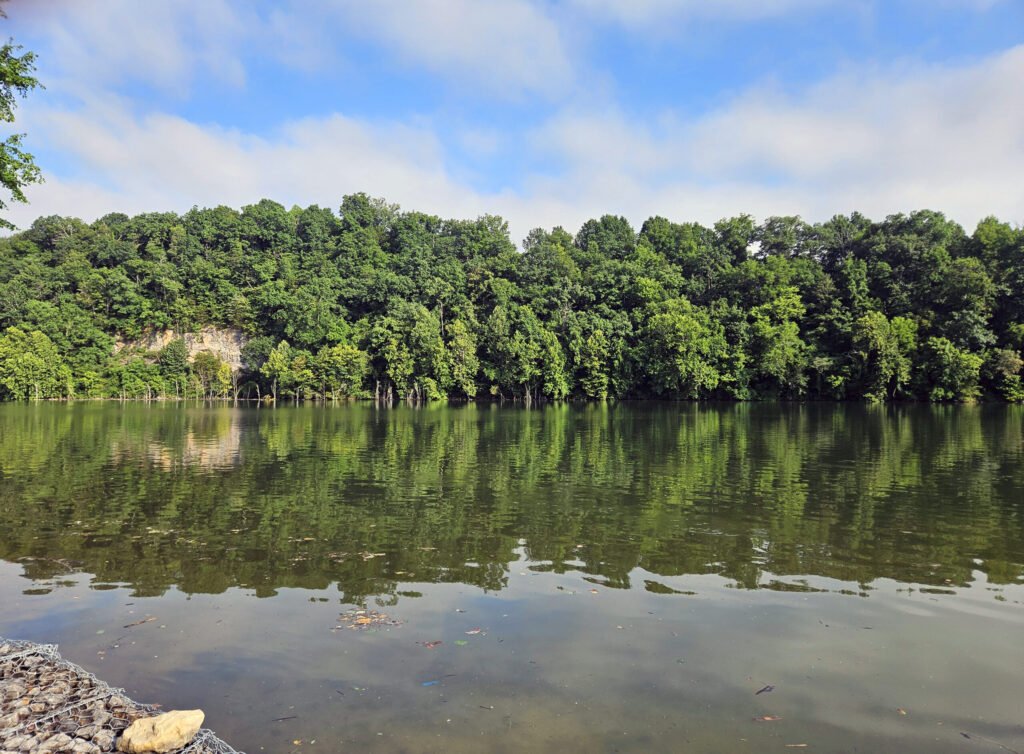
For those of us spanning the Greater Appalachian region—from the vibrant communities of Asheville, North Carolina, stretching north and east to Waynesboro, Virginia, and reaching deep into Western West Virginia and Eastern Kentucky—ecology isn’t an abstract scientific concept; it is our livelihood.
The health of our sprawling regional ecology dictates the success of our harvests, the safety of our mountain watersheds, and the survival of the native pollinators that make our farms viable.
When we ignore the fine balance of our regional ecosystems, we risk topsoil erosion, the depletion of local aquifers, and the loss of the deep biodiversity that makes these ancient mountains so resilient. Protecting the earth is fundamentally about making sure that our children inherit a land that can sustain them.
How Earth Day is Celebrated: Globally and Locally
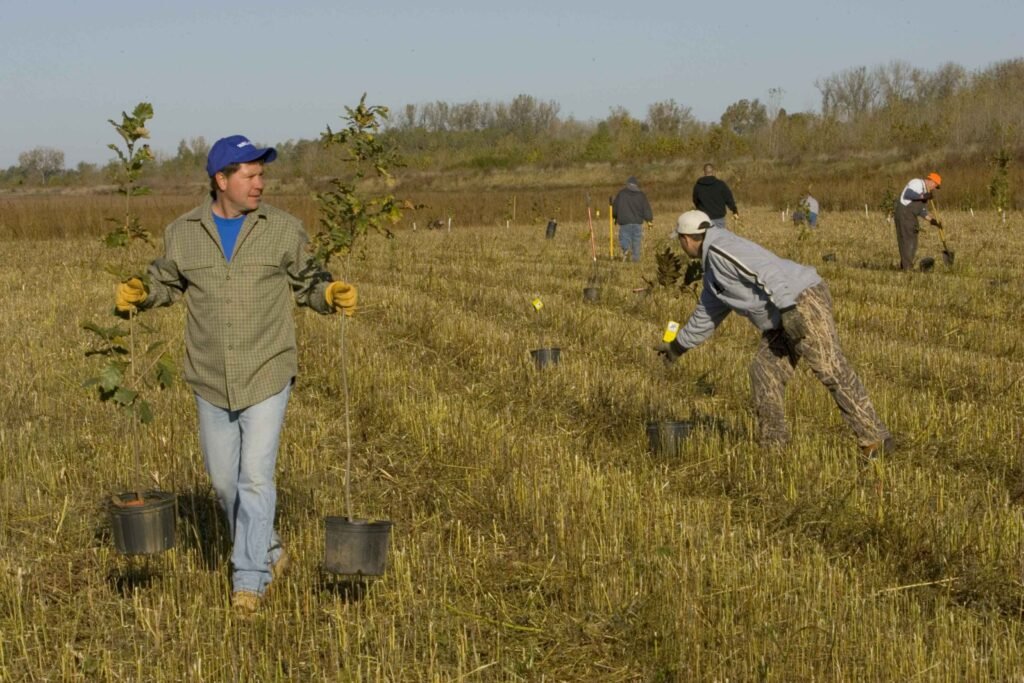
An estimated one billion people across more than 190 countries celebrate Earth Day. Celebrations include everything from large-scale tree-planting campaigns to educational seminars on sustainable agriculture.
However, the most impactful Earth Day actions take place at the local level, with local people. Across our vast coverage area, residents celebrate by pulling tires out of the French Broad River, volunteering at Shenandoah Valley community gardens, supporting regenerative farmers in the Kentucky foothills, and coordinating neighborhood cleanups in West Virginia.
Earth Day 2026: Events Across the Region
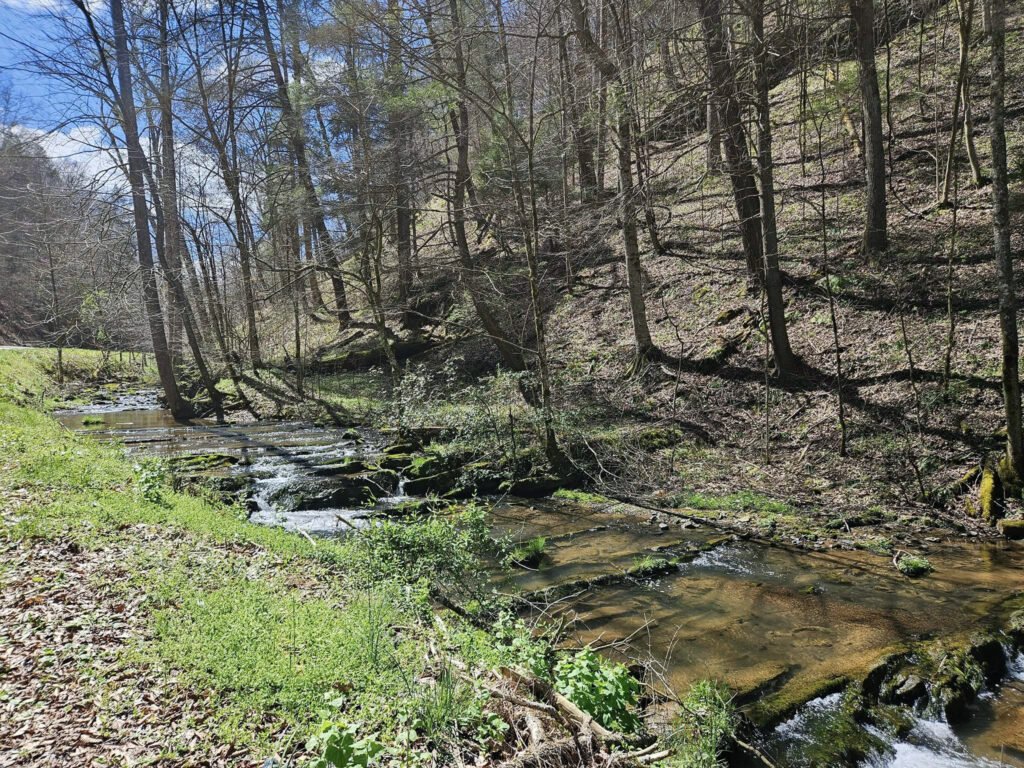
If you are looking to get your hands dirty and make a concrete difference this year, there are incredible events planned in every corner of our region. Here is how you can participate in Earth Day 2026:
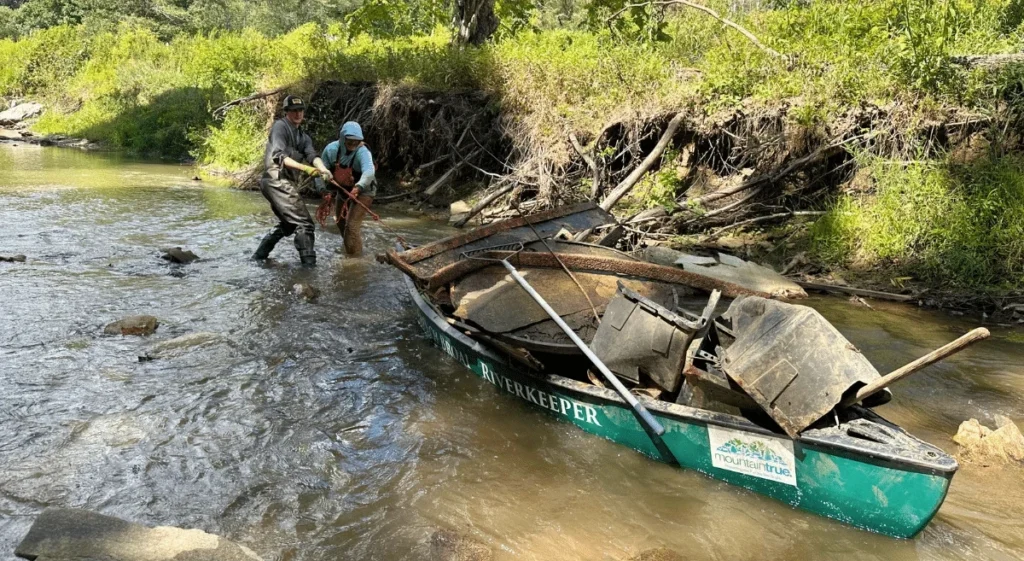
Buncombe County Earth Day River Clean-Up (Asheville, NC)
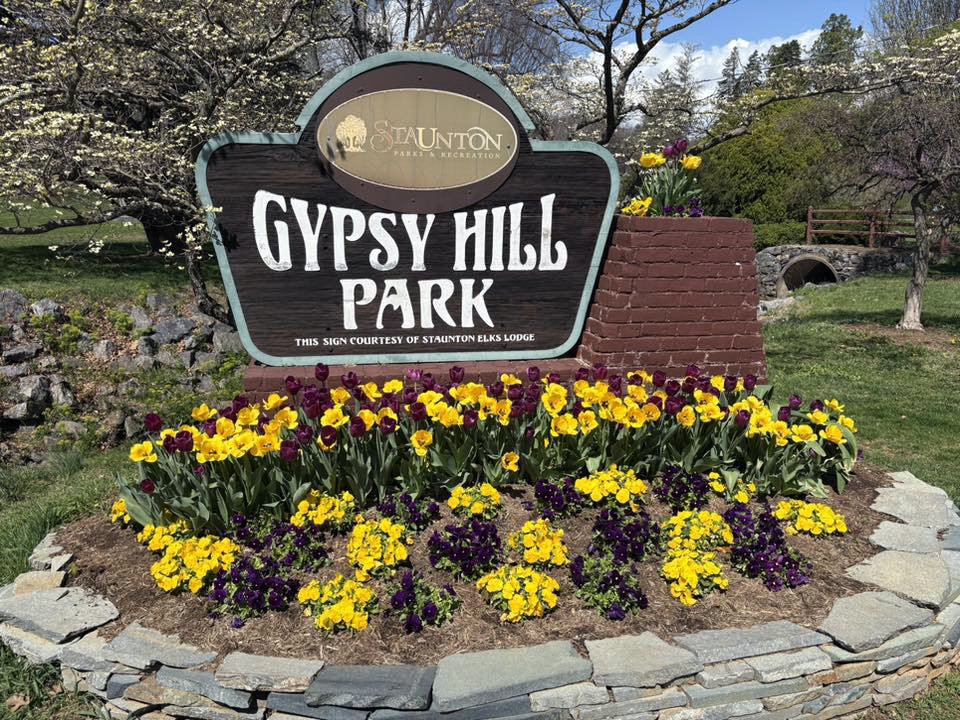
Earth Day Staunton & Spring Clean Up (Waynesboro & Staunton, VA)
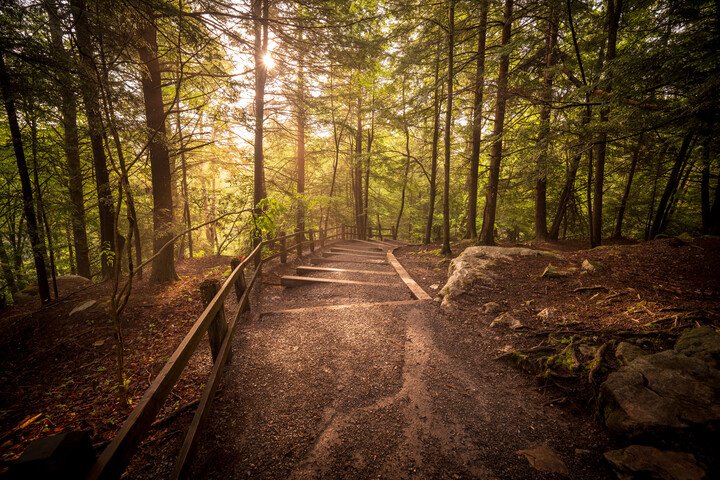
Earth Day Celebration at Cacapon Resort State Park (Berkeley Springs, WV)
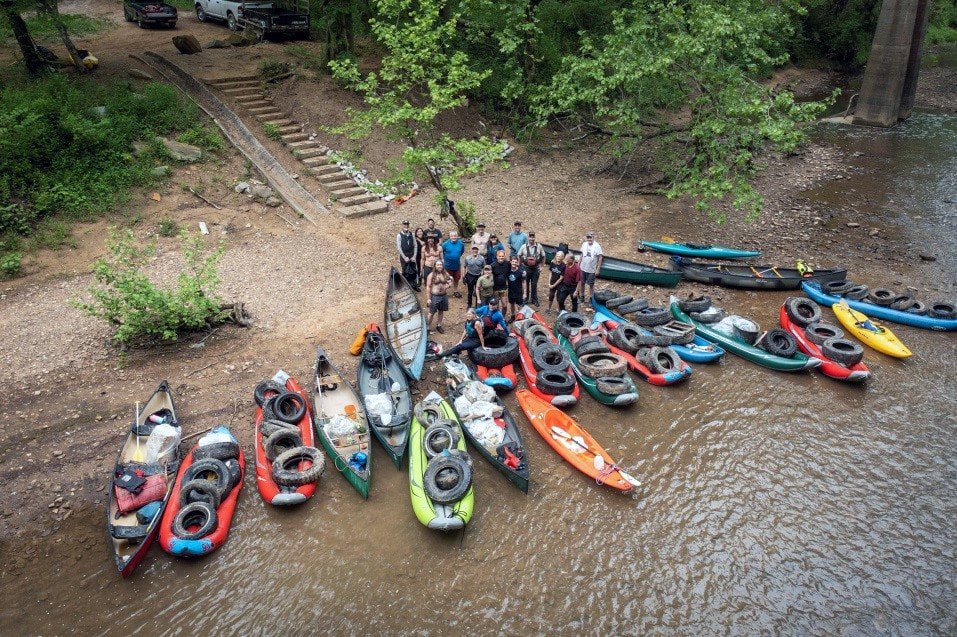
Kentucky Waterways Spring Action (Eastern KY)
This Earth Day, get involved—join an organized event, gather friends for a cleanup, or spend time caring for the land. Whether you are in a city, your backyard, or the mountains, remember: we are all stewards of the planet. Get involved and help care for our common home. Every little action matters—let’s honor the earth all year, not just on Earth Day, by taking care of it.
Keep the Momentum Going All Year
If you are feeling inspired to maintain the momentum even after the Earth Day banners come down, our region is home to several incredible organizations that need year-round help. Here are a few ways to help:
The Appalachian Trail Conservancy (ATC) & Regional Clubs
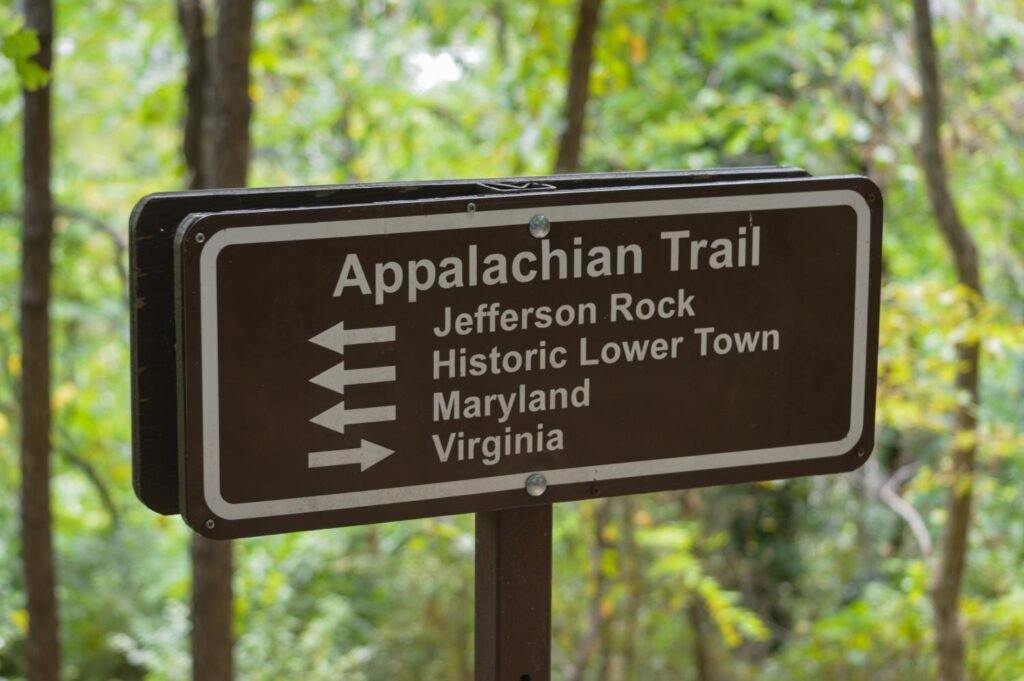
The Appalachian Trail forms the backbone of our coverage area and requires over 200,000 hours of volunteer labor each year. The ATC’s famous Konnarock Trail Crew tackles the rugged terrain in the southern ranges, while groups like the Potomac Appalachian Trail Club (PATC) steward the northern sections near Waynesboro.
How to help: Join a multi-day trail crew (training, tools, and meals are provided) or connect with your local hiking club for day trips to build durable trails, construct rock steps, and clear heavy brush in your specific region.
MountainTrue (North Carolina)
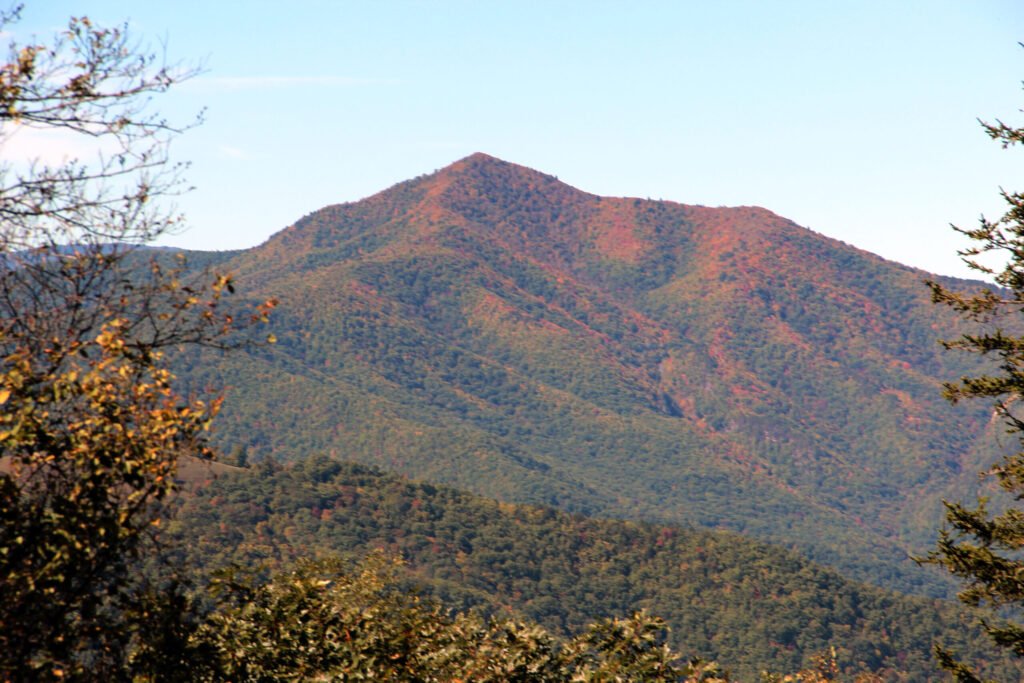
If you are located in the southern part of our coverage area, MountainTrue champions resilient forests, clean waters, and healthy communities in Western North Carolina.
How to help: Volunteer opportunities pop up throughout the seasons, ranging from riverkeeper patrols to planting native species and tackling invasive plants that threaten our native Appalachian ecosystems.
Kentucky Natural Lands Trust (Eastern Kentucky)
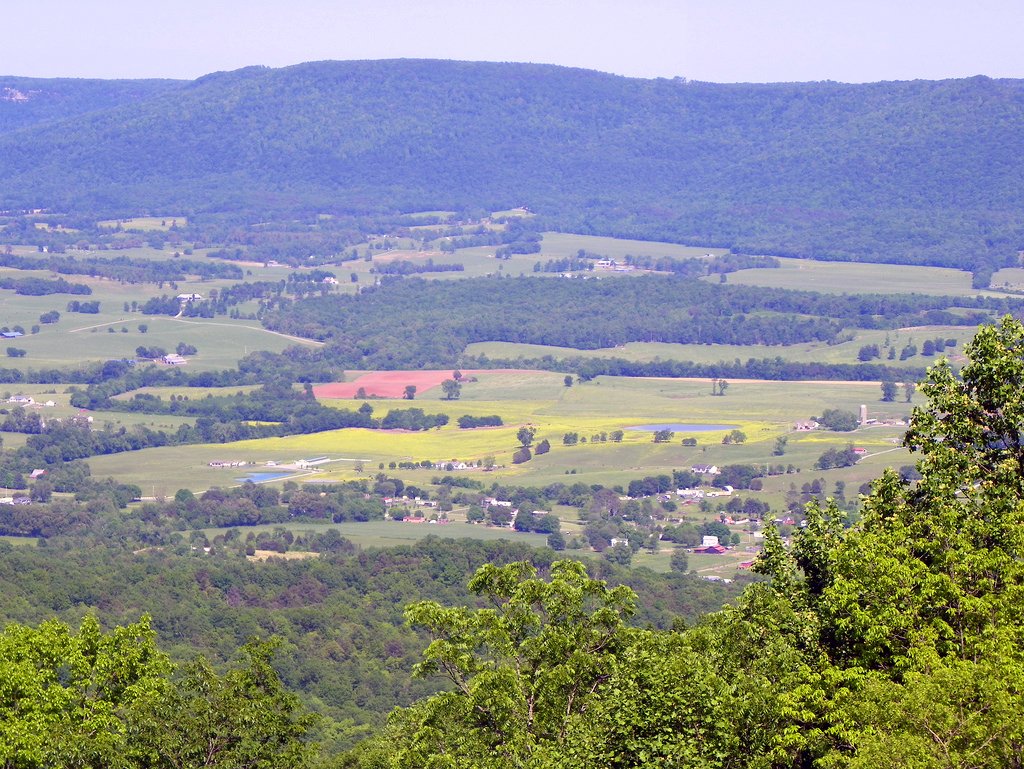
Focused on the ecological treasures of the Cumberland Plateau and beyond, the Kentucky Natural Lands Trust (KNLT) works tirelessly to connect, protect, and restore wildlands.
How to help: Support their ongoing Pine Mountain Wildlands Corridor project, attend local ecology hikes, or volunteer to advocate for the deep biodiversity of Kentucky’s unique forest ecosystems.
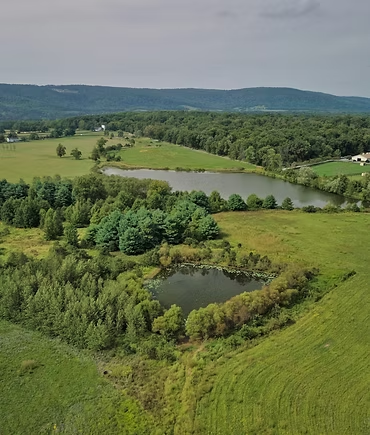
The Land Trust of Virginia (LTV)
Focusing heavily on preserving the state’s rich agricultural heritage, the Land Trust of Virginia partners with private landowners to protect working farmland, forests, and natural landscapes. They are vital to ensuring that open spaces, watersheds, and historic sites remain untouched by unchecked development, keeping the Commonwealth’s farming legacy intact.
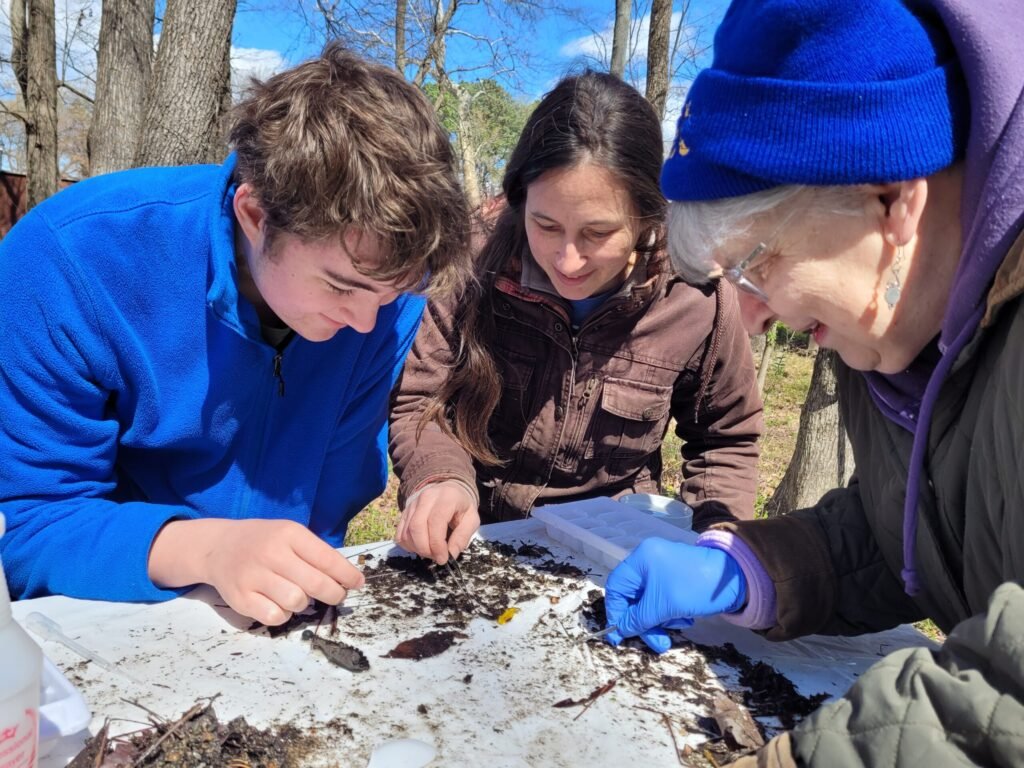
Virginia Master Naturalist Program (VMN)
Operating through the Virginia Cooperative Extension, this statewide corps of volunteers provides crucial education, outreach, and hands-on service dedicated to the beneficial management of natural resources within local communities. Their work directly impacts the health of the state’s soil, native plants, and agricultural viability.
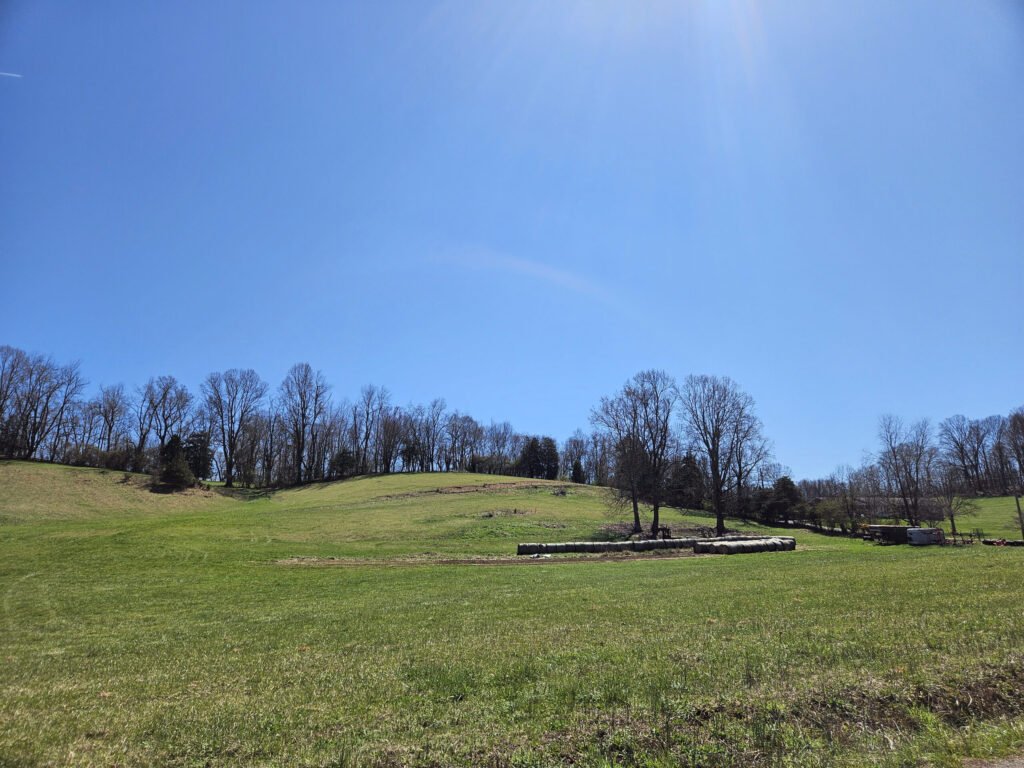
The Land Trust for Tennessee
With a deep commitment to the state’s economic prosperity and natural health, this organization strategically protects special places—from historic family farms to vast mountain forests—across 76 counties. A major hub for their hands-on stewardship efforts is the historic, 64-acre Glen Leven Farm just south of Nashville, which serves as a working educational landscape.
Earth Team Volunteer Program (Tennessee NRCS)
Working alongside the Natural Resources Conservation Service, the Earth Team gets volunteers directly involved in local agricultural conservation. They work hand in hand with professional conservationists, farmers, and private landowners to protect vital soil and water resources, ensuring the long-term resilience of Tennessee’s local food systems.
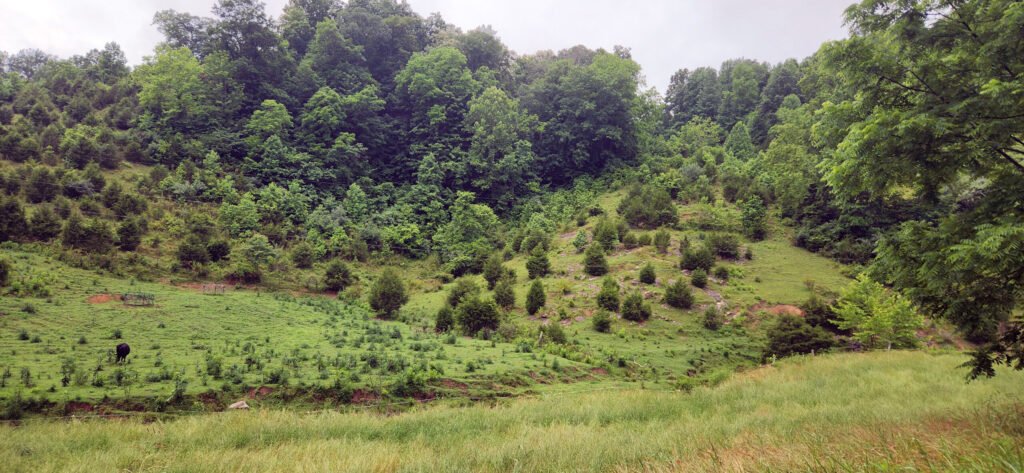
Bottom Line: You don’t need to be a trained ecologist to protect the Greater Appalachian region. Whether you give one Saturday a year or a weekend each month, there’s always a shovel, a trash bag, or a pair of loppers ready for you.










Leave a Reply