

Faith in the Soil, Part 3: Ancient Welfare, Modern Pastures
Stand next to a conventional feedlot and take a deep breath. You’ll smell ammonia, dust—and something harder to ignore: stress.
Modern, high-yield agriculture often treats livestock less like living creatures and more like units in a production system.
Cattle are confined to crowded pens and fed grain that their digestive systems weren’t designed to handle. Chickens are raised in massive, enclosed houses packed tightly together. The goal is simple: maximum weight gain in minimum time.
For Christian agrarian farmers across the Appalachian Highlands, that approach raises deeper concerns than efficiency alone. For many, it comes down to a moral obligation rooted in scripture—one that long predates modern animal welfare debates.
The character of the caretaker
The biblical worldview grants humans dominion over animals. But that authority is never framed as permission to be cruel.
In fact, scripture often ties a person’s character directly to how they treat animals. Proverbs 12:10 states: “The righteous care for the needs of their animals, but the kindest acts of the wicked are cruel.”
That idea shows up repeatedly.
When the prophet Balaam struck his donkey in anger, the Angel of the Lord intervened—not to correct theology, but to rebuke cruelty. In the Book of Jonah, when God spares Nineveh, He explicitly mentions concern not only for its people but also for its animals.
The message is consistent: how we treat animals matters.
Rest, rhythm, and the maternal bond
That concern wasn’t abstract—it was written into law.
The Sabbath applied not just to people, but to working animals. Exodus 23:12 instructs that oxen and donkeys must also be given time to rest.
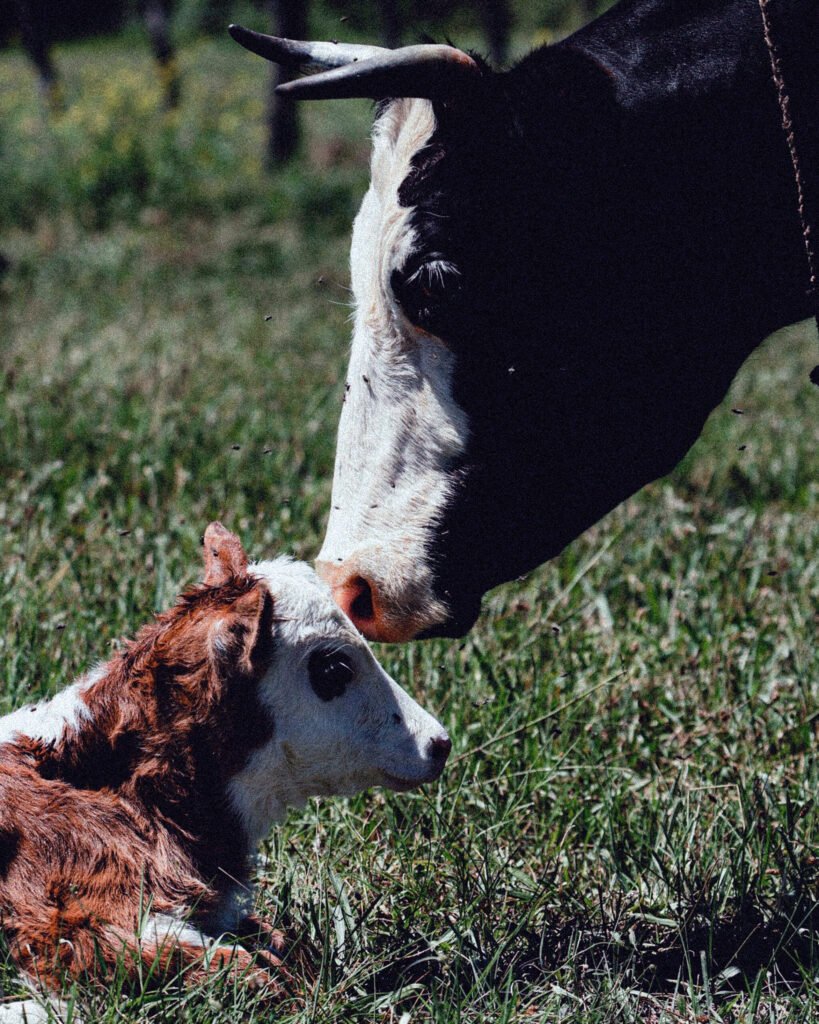
Other laws required farmers to respect the natural bonds within a herd or flock. Levitical law required newborn animals to remain with their mothers for a period of time before being separated. Deuteronomy 22 forbids taking a mother bird along with her young.
These weren’t symbolic rules. They forced farmers to recognize that animals were not simply tools, but living creatures with biological rhythms and relationships.
Honoring the design
So what does that look like on a modern farm?
In many cases, it comes down to working with an animal’s design rather than against it.
Take the command against the “unequal yoke” in Deuteronomy 22:10. Pairing an ox and a donkey for plowing would create strain and injury because of their different size, gait, and strength.
Or consider Deuteronomy 25:4: “Do not muzzle an ox while it is treading out the grain.” A working animal wasn’t to be denied access to the food it helped produce.
Today, many pasture-based farmers apply those same principles in practical ways.
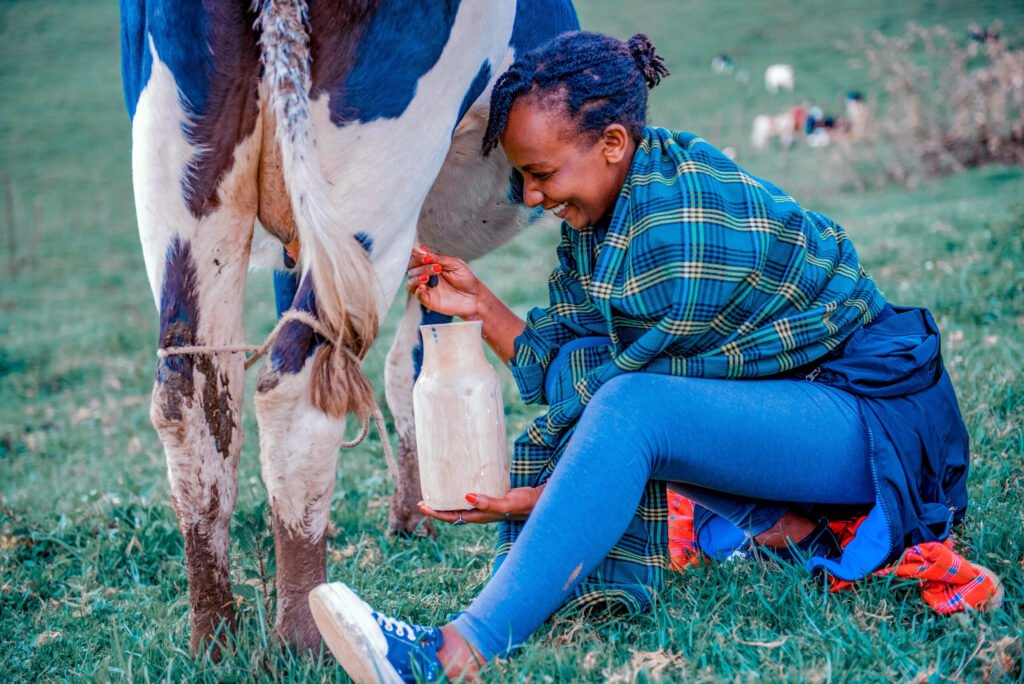
Cattle and sheep are raised on grass, not confined to grain-heavy feedlots. Chickens are moved across pasture in mobile coops, where they can scratch, forage, and spend time in the open air. Pigs are allowed to root and move through wooded areas.
The goal isn’t just productivity—it’s alignment with how the animal was designed to live.
When tradition meets regulation
That approach, however, doesn’t always fit neatly into modern regulatory systems.
Goshen Homestead in Elk Garden, Virginia, offers one example. The farm raises pasture-based poultry and grass-finished beef and operates a Grade A “micro” dairy.
But like many states, Virginia restricts the direct retail sale of raw milk.
To navigate those rules while maintaining their model, the farm relies on a herdshare system.
Instead of selling milk directly, customers purchase a share in the herd itself. The farmers then care for the animals and distribute milk to the shareholders.
It’s a workaround—but one that keeps the farm financially viable while keeping animals on pasture and maintaining its approach.
A different kind of food system
For consumers, the impact shows up in small but meaningful choices.
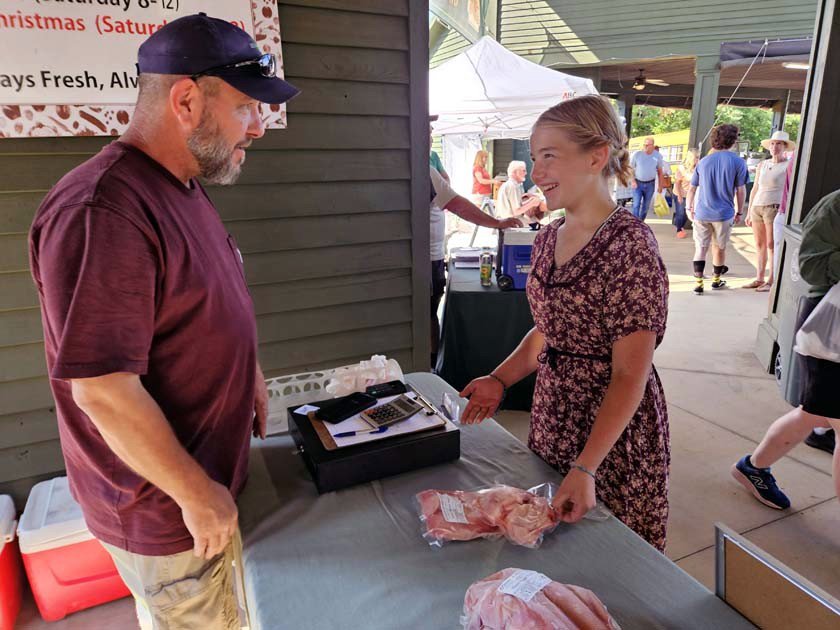
Buying a pasture-raised chicken or participating in a herdshare doesn’t just change what ends up on the table. It supports a system that values animal welfare, land stewardship, and local relationships.
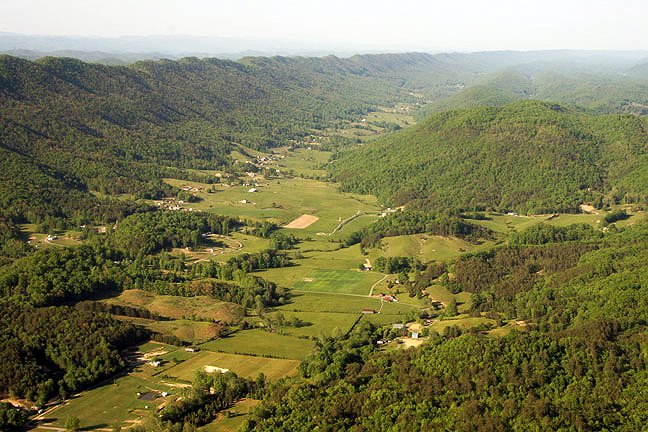
In a region like the Appalachian Highlands—where farming traditions still run deep—that shift carries weight.
It’s not just about food. It’s about the kind of agriculture communities choose to support.
Next in the series: Part 4 explores how faith-based agriculture helped shape the modern local food movement—and what that means for rural communities today.












Leave a Reply