
Tuning in the Loft
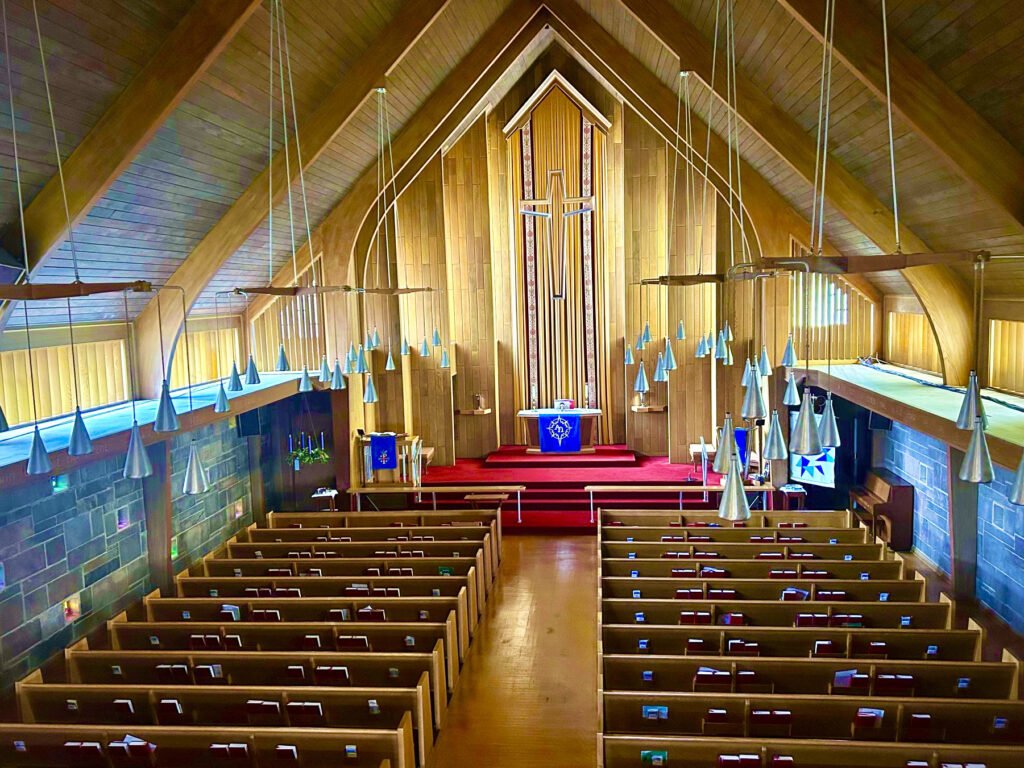
Echoes of 1958
Tales from the Pipes
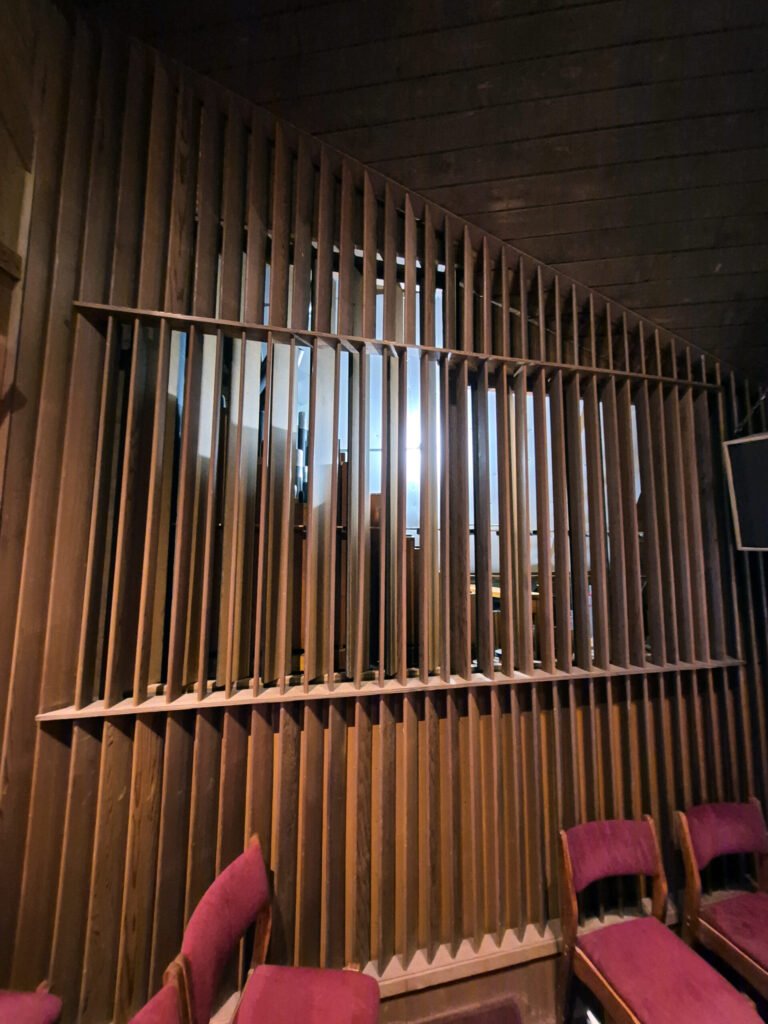
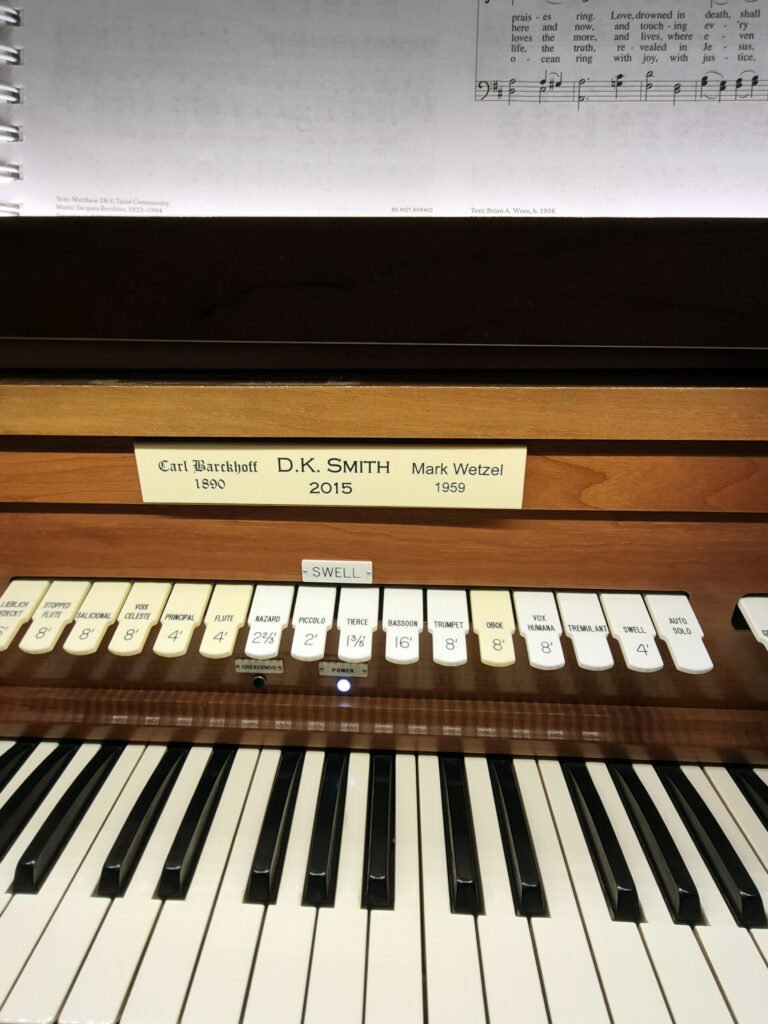
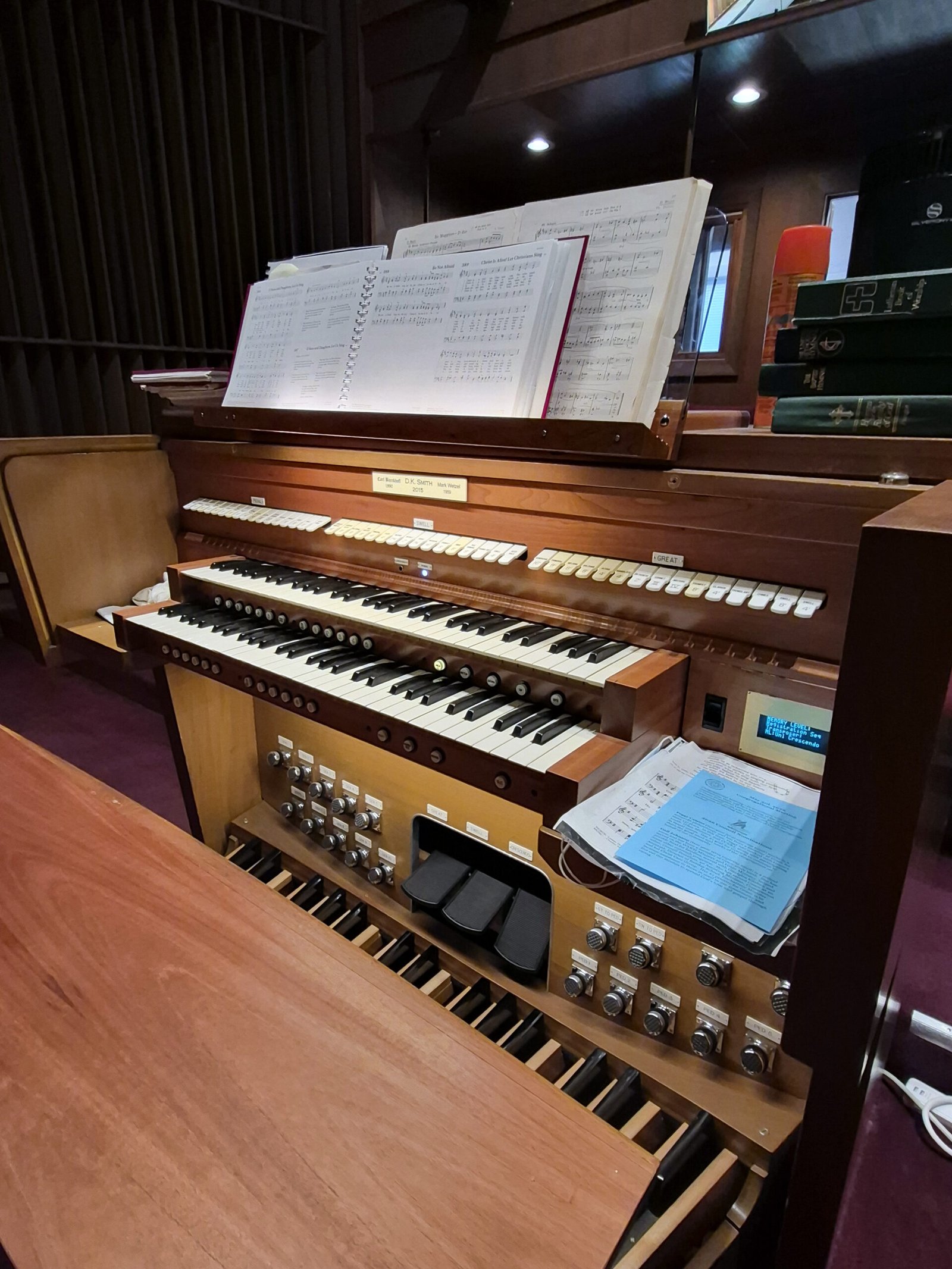
The original organ at Grace Evangelical Lutheran Church was actually the very first pipe organ ever installed in Waynesboro. It was built by Carl Barckhoff, a highly respected organ maker of the era.
To fund this impressive instrument, the congregation actually secured a financial contribution from the famous industrialist and philanthropist Andrew Carnegie!
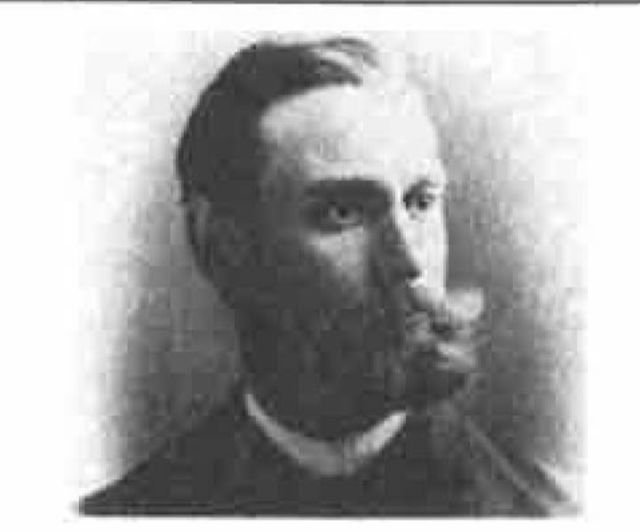
Barckhoff (1849–1919) was born in Westphalia, Germany, and immigrated to the US in 1865. His factories employed dozens of skilled German immigrant craftsmen—cabinet makers, pipe decorators, and voicers—who brought old-world precision to the Appalachian region and beyond.
What makes Barckhoff organs incredibly special today is their robust "tracker action" (the mechanical, non-electric linkage between the keys and the valves). While his own companies suffered devastating fires and floods over the decades, the organs he built were of such high quality—often using high-percentage tin and lead pipes, and solid oak or walnut—that many, like the one at Grace, are still singing a century later.
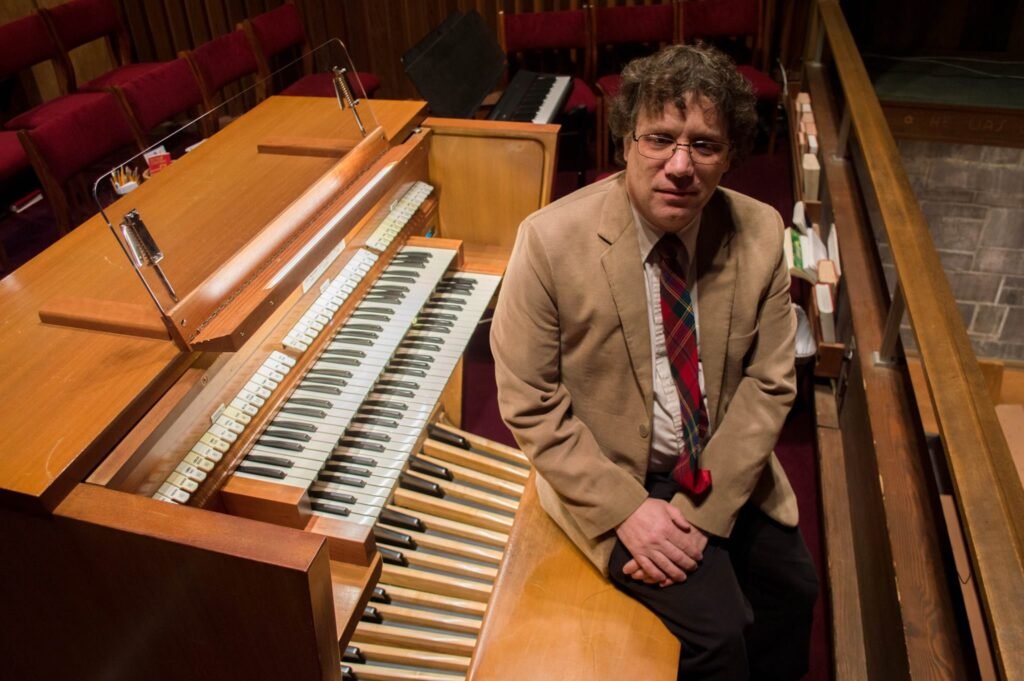
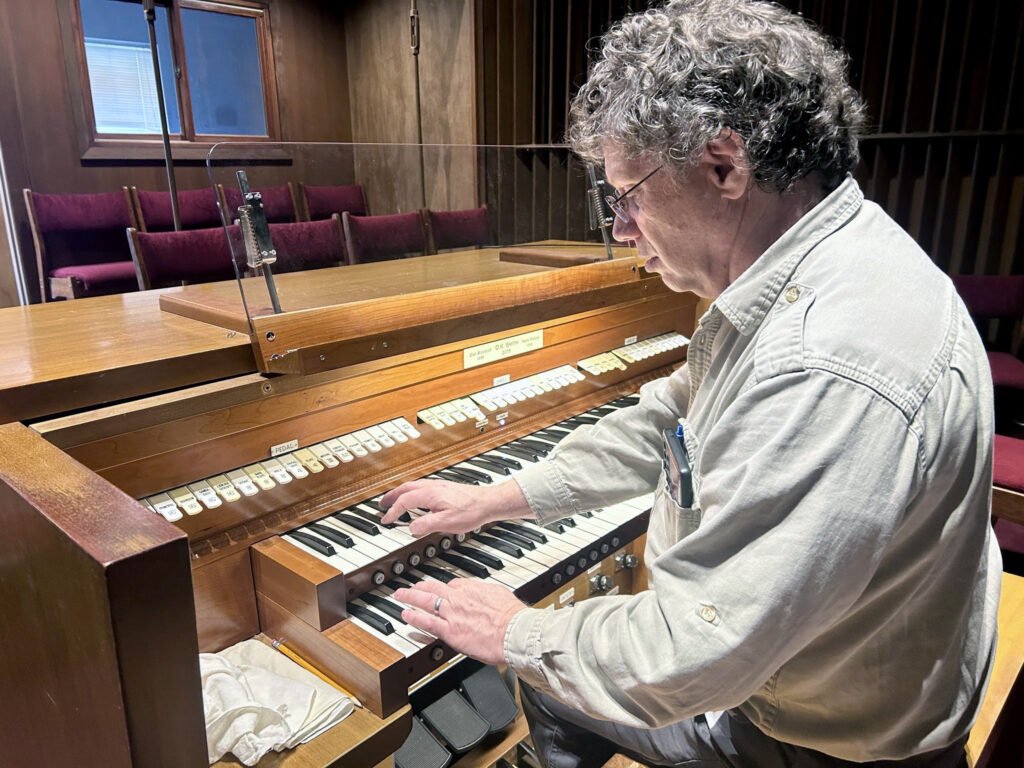
Based just down the road in Crimora, Virginia, Daniel K. Smith has been breathing life into local sanctuaries for over four decades. As the President of D. K. Smith Pipe Organ Services, Dan's expertise bridges the gap between old-world craftsmanship and modern acoustic technology.
While he is highly sought after for meticulously rebuilding and maintaining historic tracker-action organs—such as the 19th-century Barckhoff at Grace—he is equally renowned as a pioneer in custom pipe-and-digital hybrid solutions.
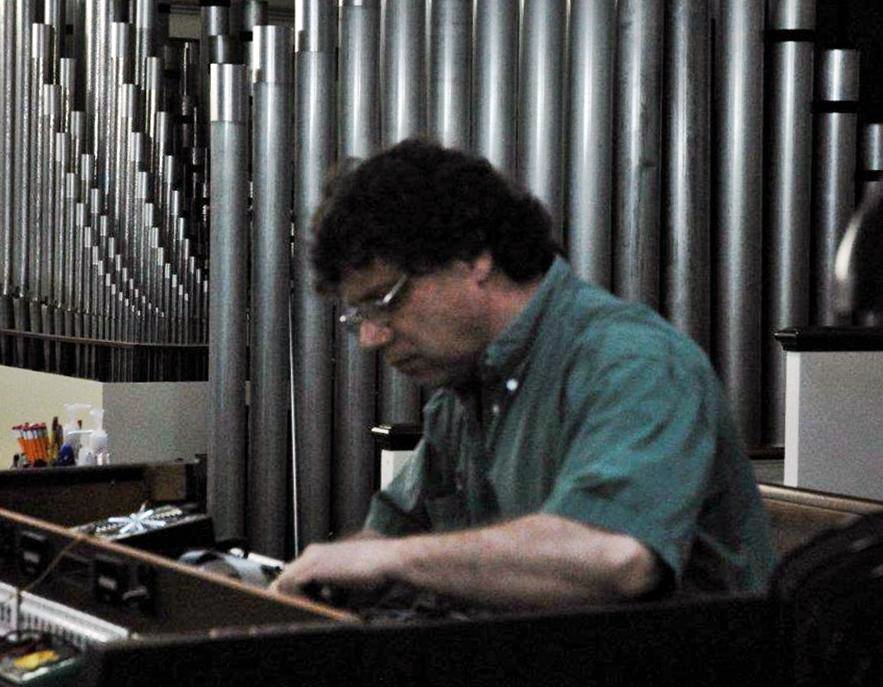
He specializes in seamlessly integrating original historic pipes with state-of-the-art digital consoles to preserve a church's acoustic heritage while expanding its musical capabilities.
Dan isn't just a mechanic behind the slatted walls; he is a celebrated musician in his own right. Known for playing dedication concerts on the instruments he installs, Dan approaches the organ with a distinct philosophy: to make the instrument "people-friendly." Whether he is crawling through the dusty rafters to fix a sticking valve or sitting at the manuals playing a hymn-based arrangement, Dan's mission remains the same—to leave the congregation emotionally impacted by the sheer beauty and color of the pipes.
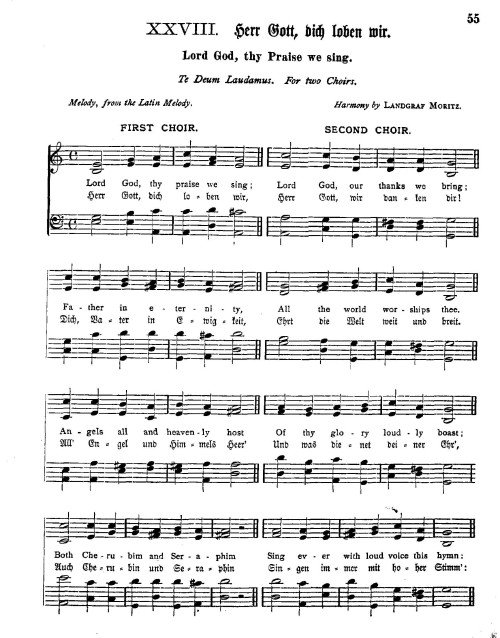
A nice 1884 edition of Luther's hymns with parallel German-English versions and musical scores of some 36 hymns.
Dr. Martin Luther's Deutsche Geistliche Lieder. The Hymns of Martin Luther set to their original Melodies with an English version, ed. Leonard Woolsey Bacon and Nathan H. Allen (London: Hodder and Stoughton, 1884).
Read the Flip Book by clicking here:
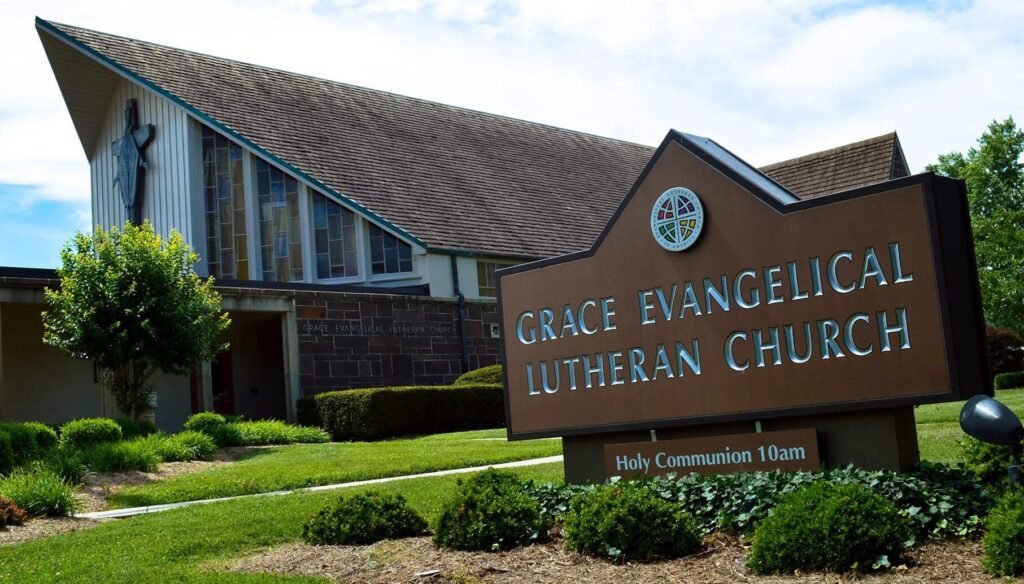
The names recorded in the early registries and etched into the memorial windows of Grace Evangelical Lutheran Church are not just random parishioners; they are the founding pillars of Augusta County." Here is a look at a few of the historic families who built and sustained the church:
The Henkel name is essentially Lutheran royalty in the Shenandoah Valley. Alpheus Girard Henkel, a prominent Waynesboro resident, was a vital early member of Grace Church and donated several beautiful stained-glass windows in memory of his wives, Fannie Killian and Etta Coyner.
Furthermore, the broader Henkel family, headed by Ambrose Henkel, operated the famous Henkel Press in nearby New Market, Virginia. It was their printing presses that published the very bilingual (German and English) hymnals used by the early parishioners!
The Killian family roots run deep in Waynesboro's civic and religious history. Philip Killian served as an active civic leader and election conductor in the region during the tumultuous years following the Civil War. His family's legacy within the church was cemented a generation later: on April 7, 1901, Philip's great-grandson, Harold K. Henkle, made history as the first infant baptized in the newly completed sanctuary of Grace Church.
The "Keiner" name you see in early records is often a variation of "Koiner" or "Coyner" (originating from the patriarch Michael Keinadt). The Koiners were the original pioneers of Lutheranism in the region, having founded "Koiner's Church" (the first Lutheran church in Augusta County) just southwest of Waynesboro in the late 1700s. Generations of Coyners carried this legacy forward, helping to establish Grace Evangelical to ensure their children could learn the tenets of their faith in English rather than the traditional German.
While the Scotch-Irish Waddells were prominent across several denominations in the valley, they were instrumental in documenting the area's history. Figures like Joseph A. Waddell authored the definitive historical texts of Augusta County, preserving the very stories of the lumber yards, mines, and freezing wagon rides that defined the era of Grace Church's founding.