

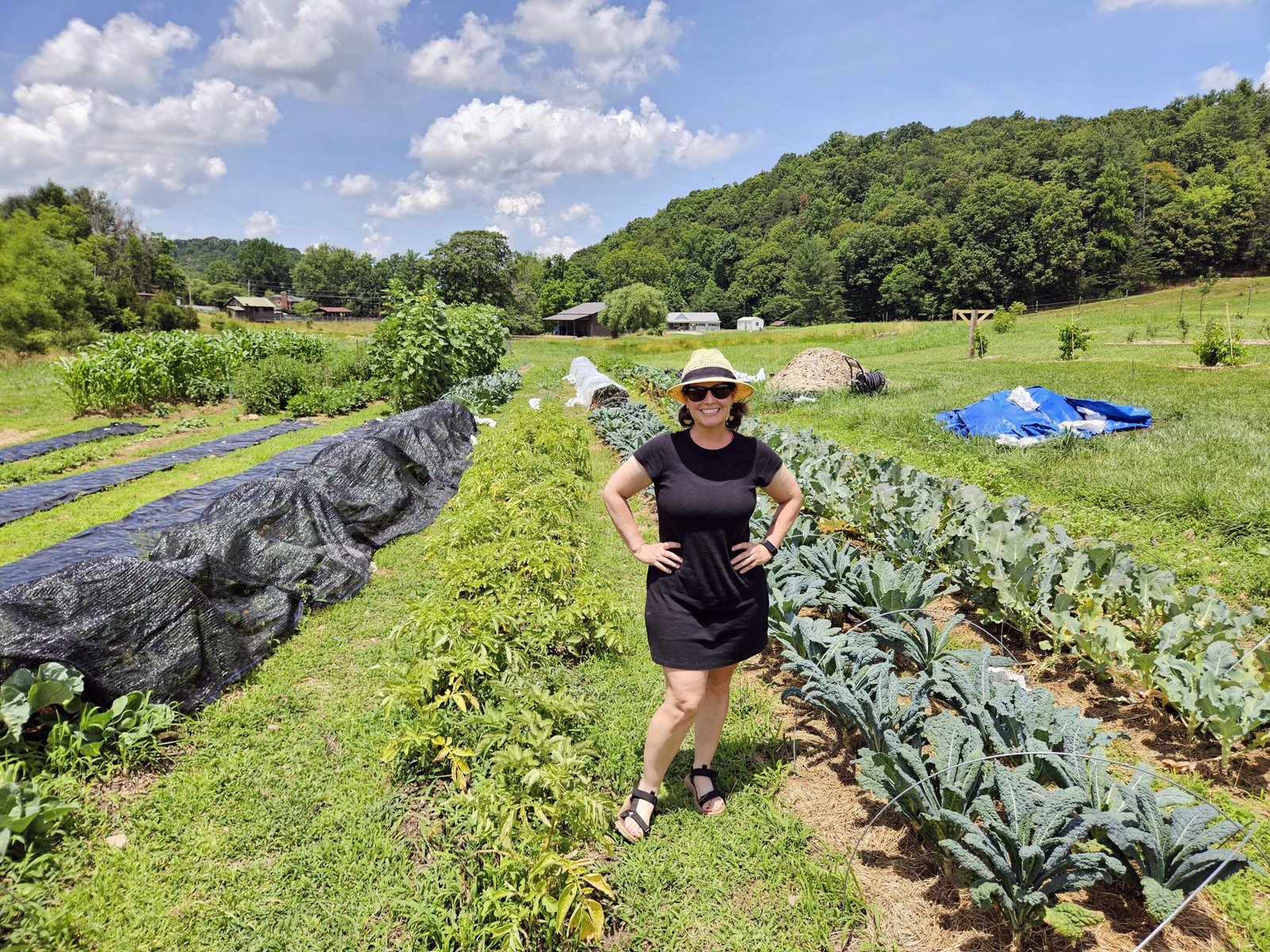
It feels like it was yesterday that I was walking the grounds of Spade & Spoon in Johnson City, admiring the culinary garden and talking with Dr. Sarah Long about her vision for the region’s food system. During that farm tour, she shared a quiet, persistent ambition: to start a local chapter of the international Slow Food movement.
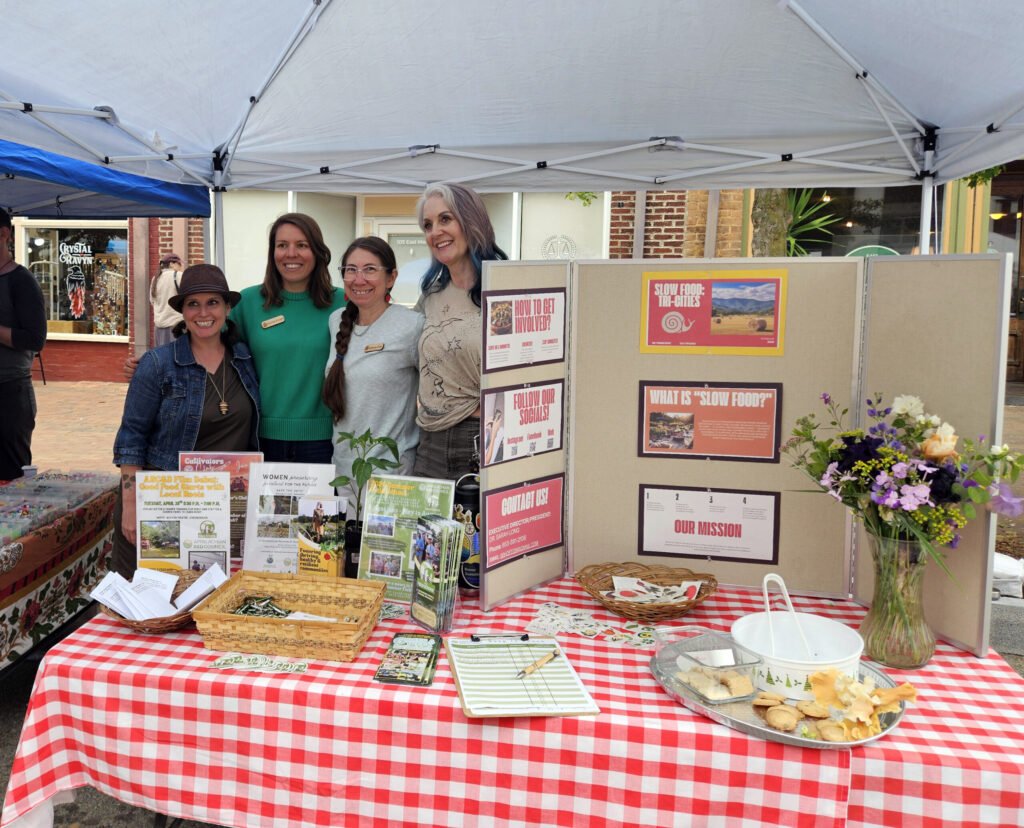
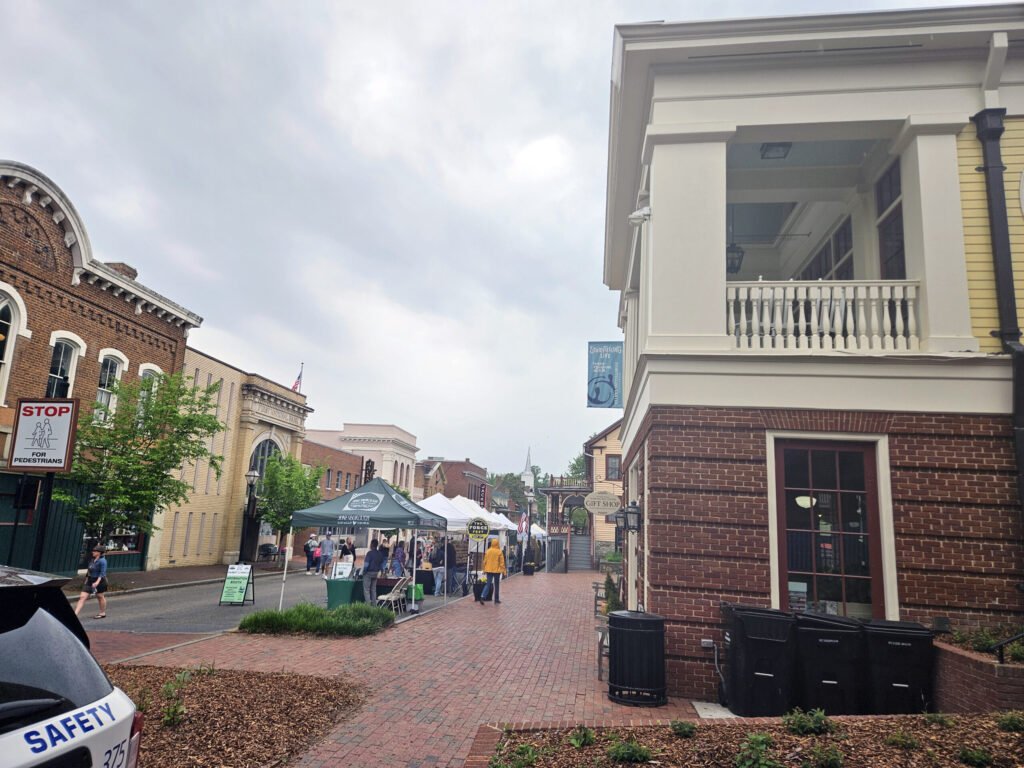
Fast-forward to this year’s Market & Mingle—the busy opening day of the Jonesborough Farmers Market season—and that vision has officially come to life.
At the ARC&D Council booth, I caught up with Sarah, who proudly shared that, as of March, Slow Food Tri-Cities is now an official 501(c)(3) nonprofit. She seemed very excited about the organization’s future.
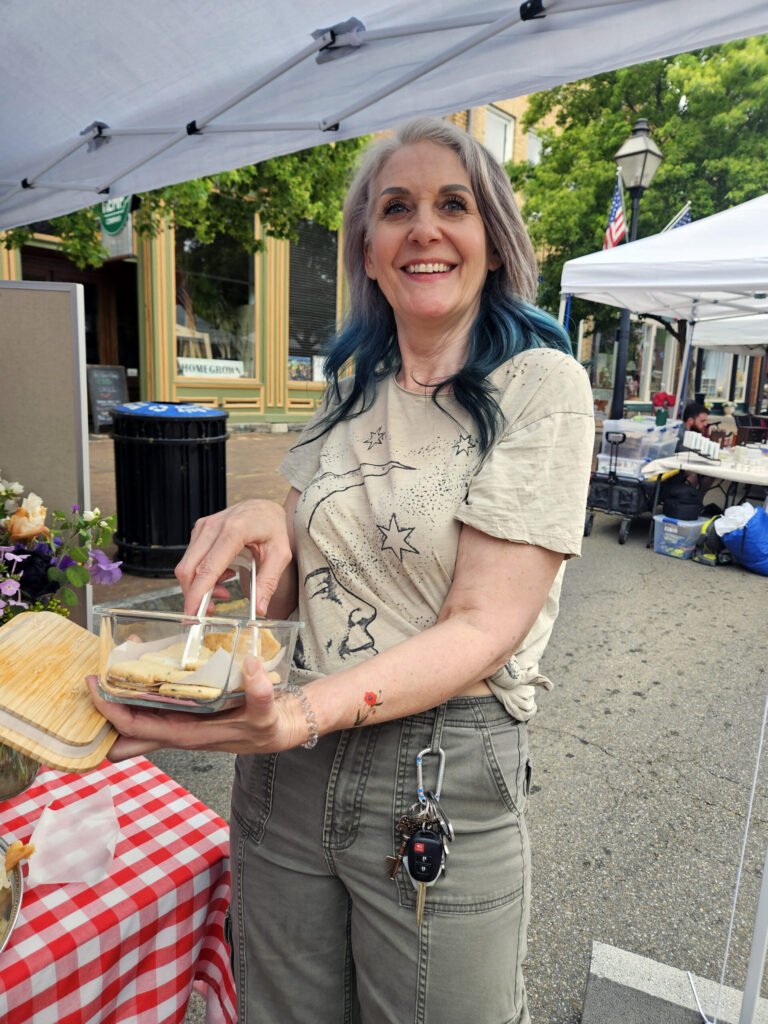
As we chatted, fellow board member Ren Allen passed around plates of scratch-made lavender-and-thyme shortbread. It felt like a fitting edible expression of the organization’s philosophy. If you have never had lavender-flavored shortbread, you need to try it.
It was a gathering of some of the region’s most dedicated agricultural advocates, all uniting under a common mission: to protect and celebrate our Appalachian food heritage.

What is Slow Food?
At its core, the Slow Food movement—which originated in Italy in the 1980s—is a resistance against the industrialized fast-food industry.
“We are all about all things slow,” Sarah explained with a laugh. “Slow tech, slow living, slow food. Just slowing down.”
It is about getting back to a system where food is “Good, Clean, and Fair.” It means championing food that tastes incredible, is grown using methods that protect our mountain ecology, and is produced in a system that ensures fair compensation and dignified access for everyone involved.
The Slow Food Digital Atlas: Connecting the Dots
One of the most ambitious initiatives the new chapter is tackling is the creation of a comprehensive Digital Atlas.
“We’re putting together a digital atlas that is going to connect restaurants, artisans, farmers, and people who like to eat slow food,” Sarah noted. The key, however, is curation. The atlas will exclusively feature those who are “doing it right”—whether that means restaurants diligently sourcing from local growers, or farmers raising heritage crops and ethical proteins.
This atlas will provide a central, searchable information system for consumers and buyers who want to know where their food comes from and who have had difficulty finding information about its sources.
Building a database of this magnitude is a daunting technological feat, but the organization is assembling a multi-talented team to pull it off. They are pursuing partnerships with the GIS department at Quillen, drawing on the expertise of the Appalachian Resource Conservation & Development Council (ARC&D), and working with a dedicated volunteer back-end database manager who also happens to run a horse farm.
Building a Coalition.
You cannot talk about the strength of Slow Food Tri-Cities without looking at the board of directors steering the ship. The board brings together several people already deeply involved in the region’s farming and food systems.
Take Rachel Kinnard, who serves on the Slow Food board and works as the Ag Lands and Business Director for the ARC&D Council. With 15 years of hands-on vegetable farming experience and seven years in food-system non-profits, her involvement was a natural fit.
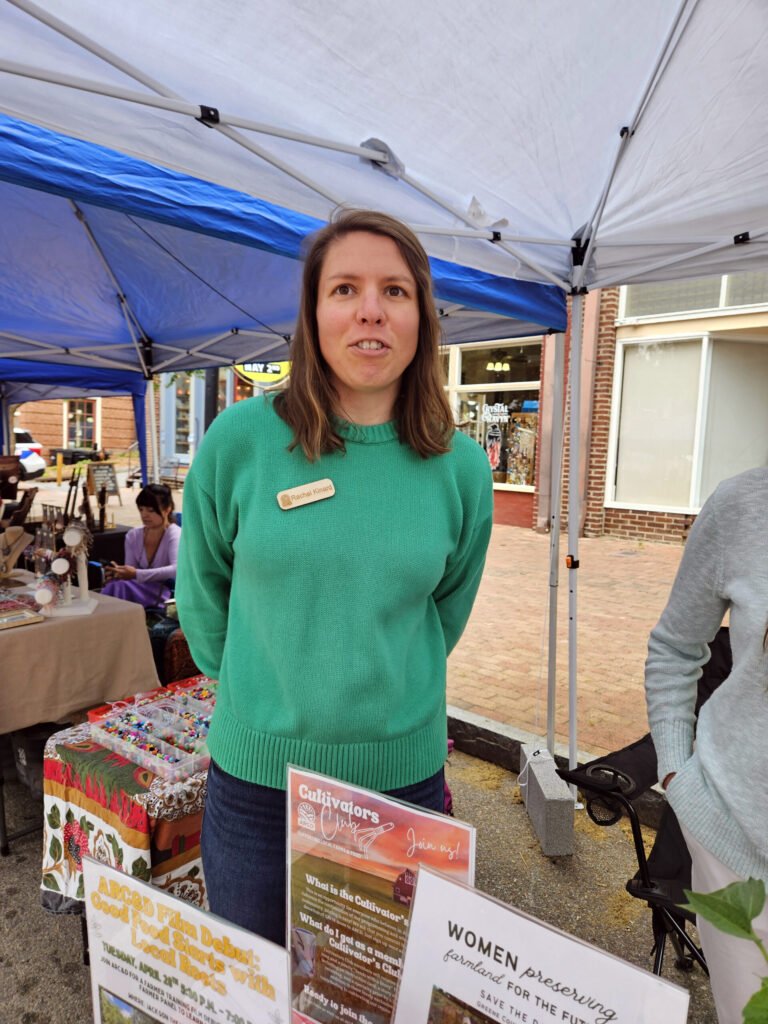
“My friend Sarah Beth was starting up Slow Food, and it just made sense to get involved, because they go hand in hand and are going to be supporting one another,” Rachel told me.
That collaboration is already palpable. ARC&D is already active in the region’s food and farming landscape, with programs that overlap naturally with Slow Food’s mission. Rachel highlighted their upcoming Summer Field School starting in May, as well as a recent video launch party at the Jackson Theater featuring interviews with farmers from across Northeast Tennessee.
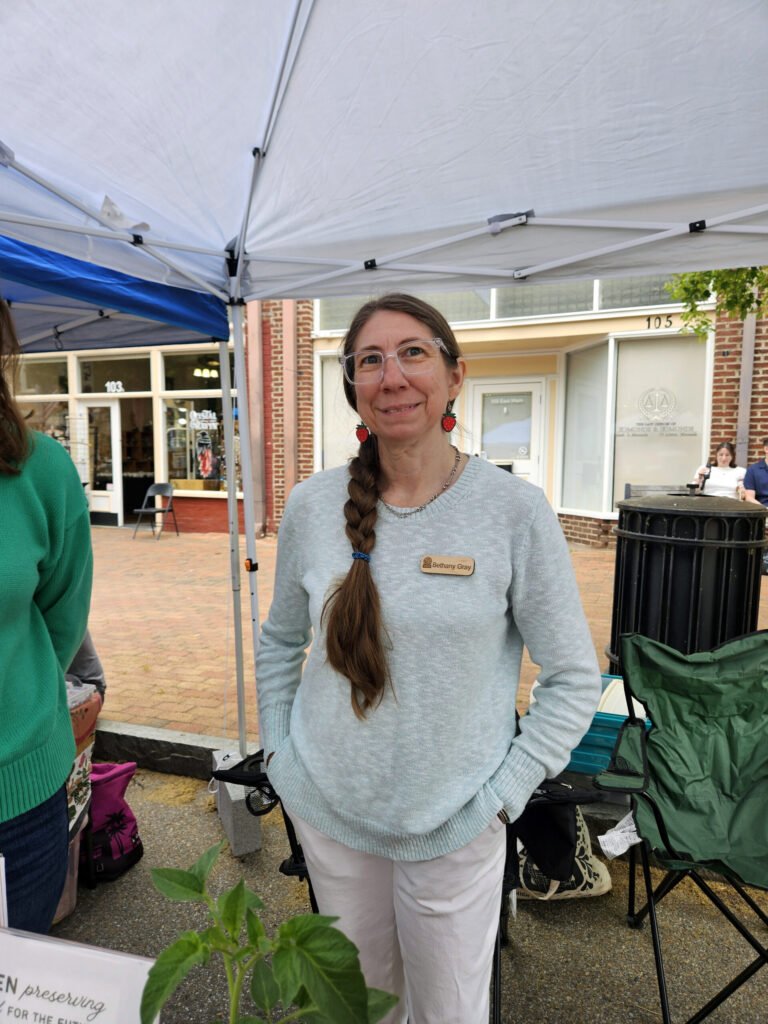
With leaders like Rachel and ARC&D Community Outreach Manager Bethany Gray actively collaborating, the network of support for our local farmers and foodways is growing stronger.
Everyone is Welcome
Slow Food Tri-Cities isn’t simply about building databases; it is about building community. The chapter is planning low-cost cooking classes and community potlucks, and it is also bringing Indigenous chefs to the area to demonstrate heritage foodways.
They are committed to ensuring that everyone can have a stake in it if they wish. “Membership is currently structured on a pay-what-you-can model, ensuring the movement is accessible to the entire community,” Sarah told me. Joining connects you to the network and offers discounted ticket rates for upcoming classes and events.
To fund the heavy lifting for the Digital Atlas, the chapter has launched a “Plant the Seed” fundraising campaign. Because the chapter is an independent, locally governed nonprofit, every dollar raised stays right here in the Appalachian Highlands, contributing to our local economy and our soil.
Whether you are a grower, a chef, or simply someone who believes that a good meal is worth taking your time for, this is a movement worth supporting.
To become a member, learn more about their mission, or get involved, visit slowfoodtricities.org
To make a tax-deductible donation to help build the Digital Atlas, visit their Plant the Seed campaign here: Zeffy Donation Page








Leave a Reply