


Faith in the Soil, Part 4
Modern life has pushed the dinner table to the margins. We eat in cars, at desks, between appointments, or with a screen in front of us. Meals that once brought people together are often treated as interruptions to be gotten through quickly.
That pace did not come from nowhere. Much of the modern food system is built around speed, distance, and convenience. Food is grown, processed, shipped, packaged, and handed through a window with very little connection between the person eating it and the land or labor behind it.
Christian Agrarianism challenges that way of living. If the soil matters, and if animals are to be treated with care, then eating cannot be reduced to a transaction. In the biblical imagination, the meal is not just fuel. It is gratitude, fellowship, memory, and worship.
Bread, Wine, and the Work of the Land
To see how deeply Christianity is tied to agriculture, we can begin with Communion.
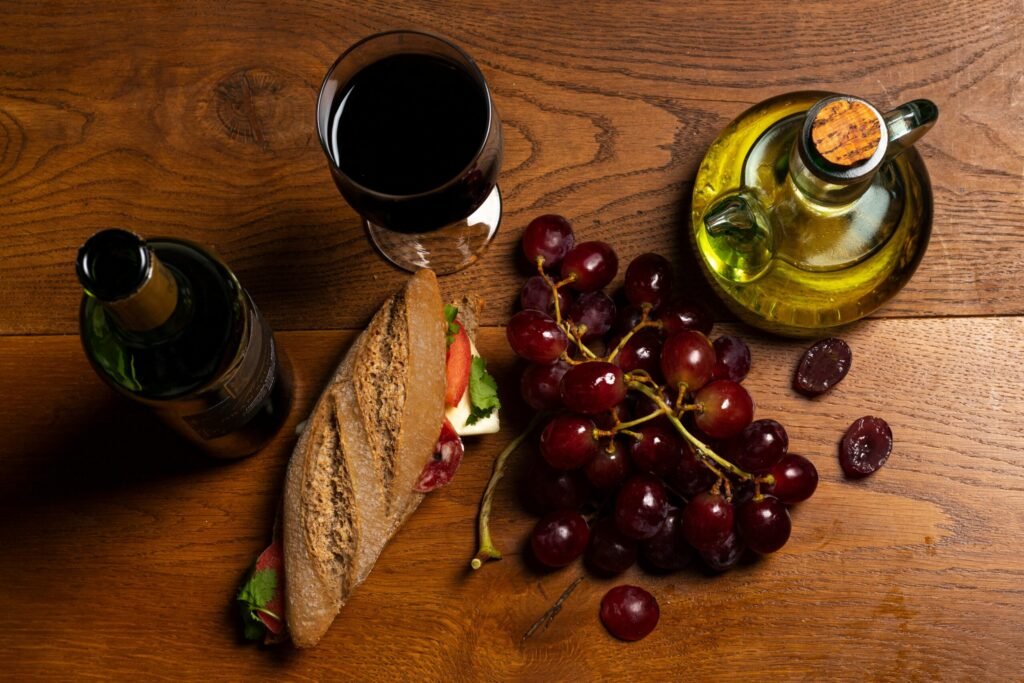
When Jesus gave his followers a way to remember his presence and sacrifice, he used bread and wine. These were not abstract objects. They came from wheat and grapes, from fields and vineyards, from rain, soil, pruning, harvesting, grinding, kneading, pressing, and waiting.
That matters.
The central act of Christian worship is built around food that comes from the land. It reminds the church that grace is not detached from creation. It comes to us through ordinary things: grain, fruit, hands, labor, and the shared table.
Theologian Norman Wirzba, one of the leading voices in modern Christian Agrarian thought, has often written about this connection. For Wirzba, eating is not purely biological. It is spiritual because food is received as a gift. When we eat without thought for the land, the farmer, the animal, or the neighbor, we lose part of the gratitude the meal is meant to teach.
The Communal Harvest
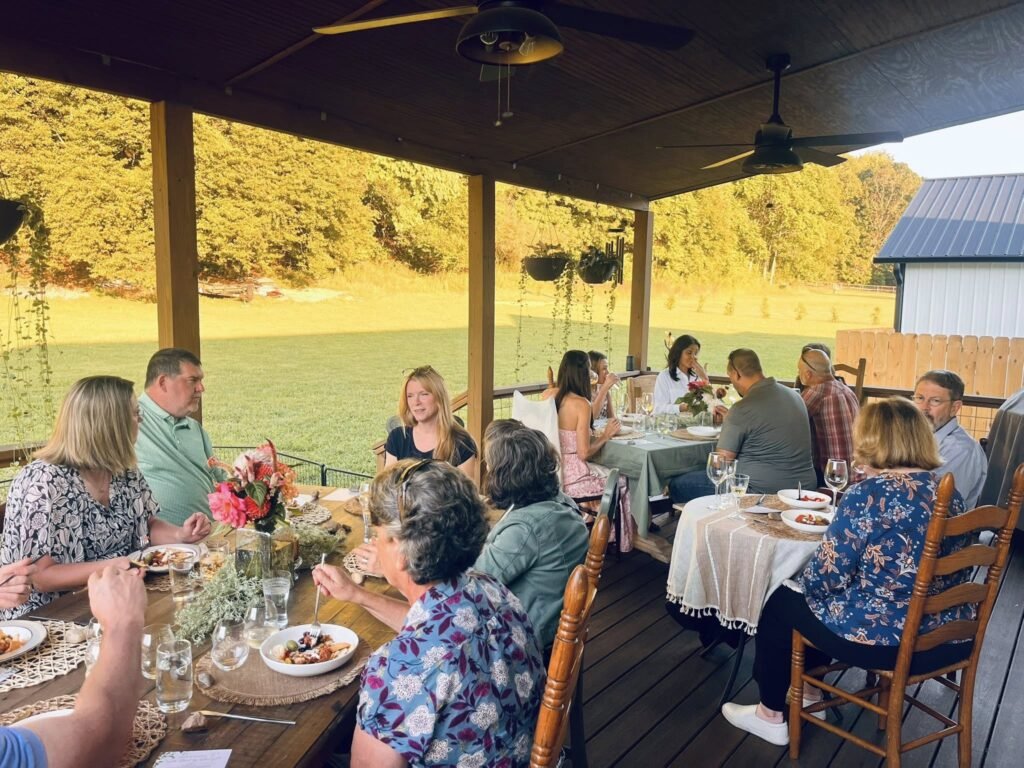
In Scripture, farming was not simply a private business. It was woven into the life of the whole community.
The Law of Gleaning, discussed earlier in this series, required farmers to leave the borders of their fields for the poor, the widow, the orphan, and the stranger. A faithful harvest was not measured only by how much a farmer could store away. It was also measured by whether the vulnerable had enough to eat.
That same spirit appears in Nehemiah 8:10, when the people are told to enjoy choice food and sweet drinks, but also to send portions to those who had nothing prepared. The feast was not complete until others were included.
The biblical table is not closed in on itself. It makes room.
Slow Food and an Older Wisdom
Today, a version of this idea is often described through the Slow Food movement.
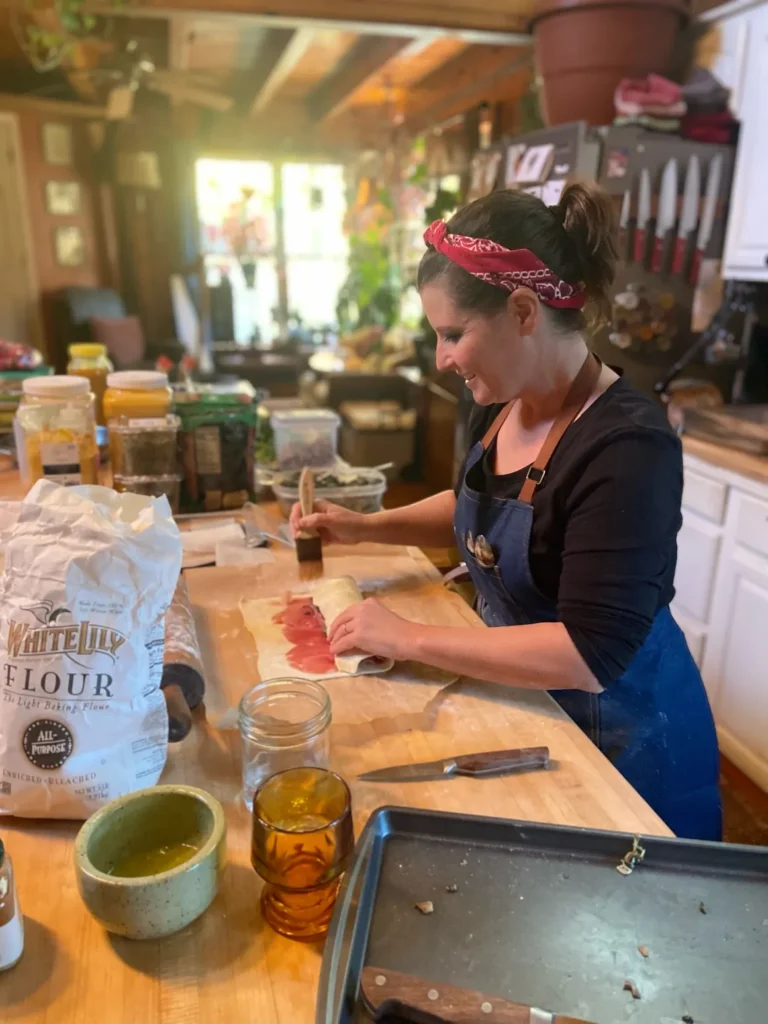
Slow Food began as a response to fast food, but its concerns go deeper than eating slowly. It argues that food should be good, clean, and fair. In other words, it should taste good, be grown or prepared in ways that do not damage the land, and support fair treatment for the people who produce it.
For the Appalachian homesteader and the Christian Agrarian, that language may be modern, but the instinct is old. It is a way of stepping back from a food system built on speed and distance and choosing instead to know where our meals come from.
It asks simple questions that many families used to ask without needing a movement: Who grew this? How was it raised? What kind of land did it come from? Did this meal strengthen the community or weaken it?
The Movement in the Highlands
This way of thinking is not theoretical. It is beginning to take a more organized shape in our region.
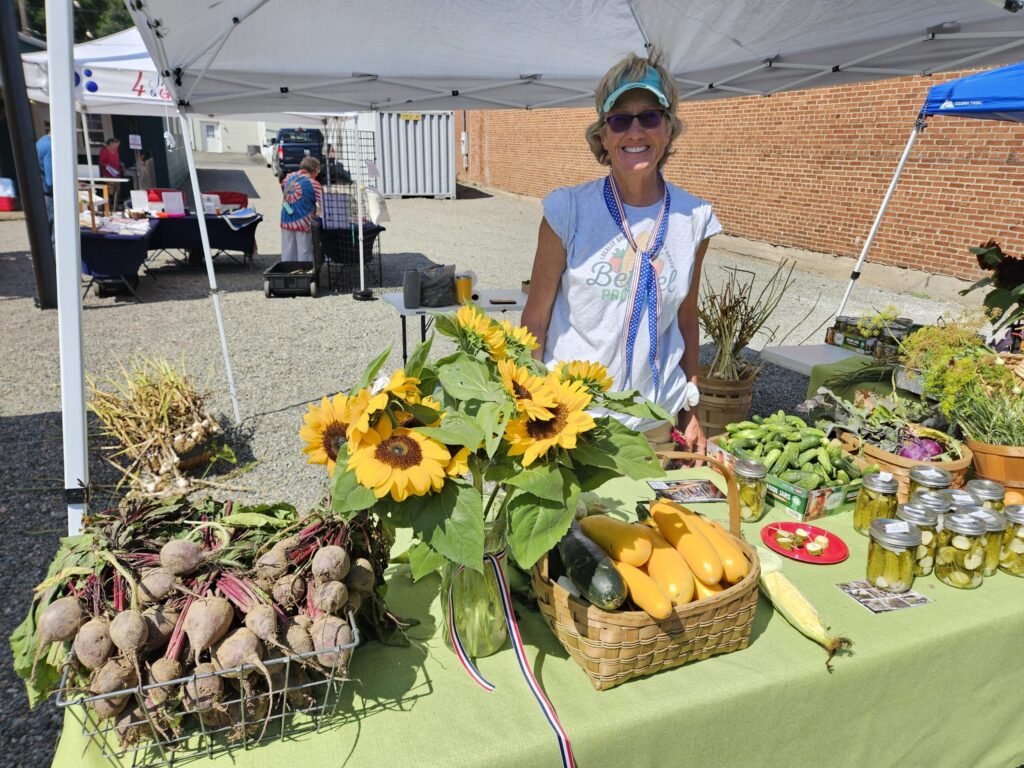
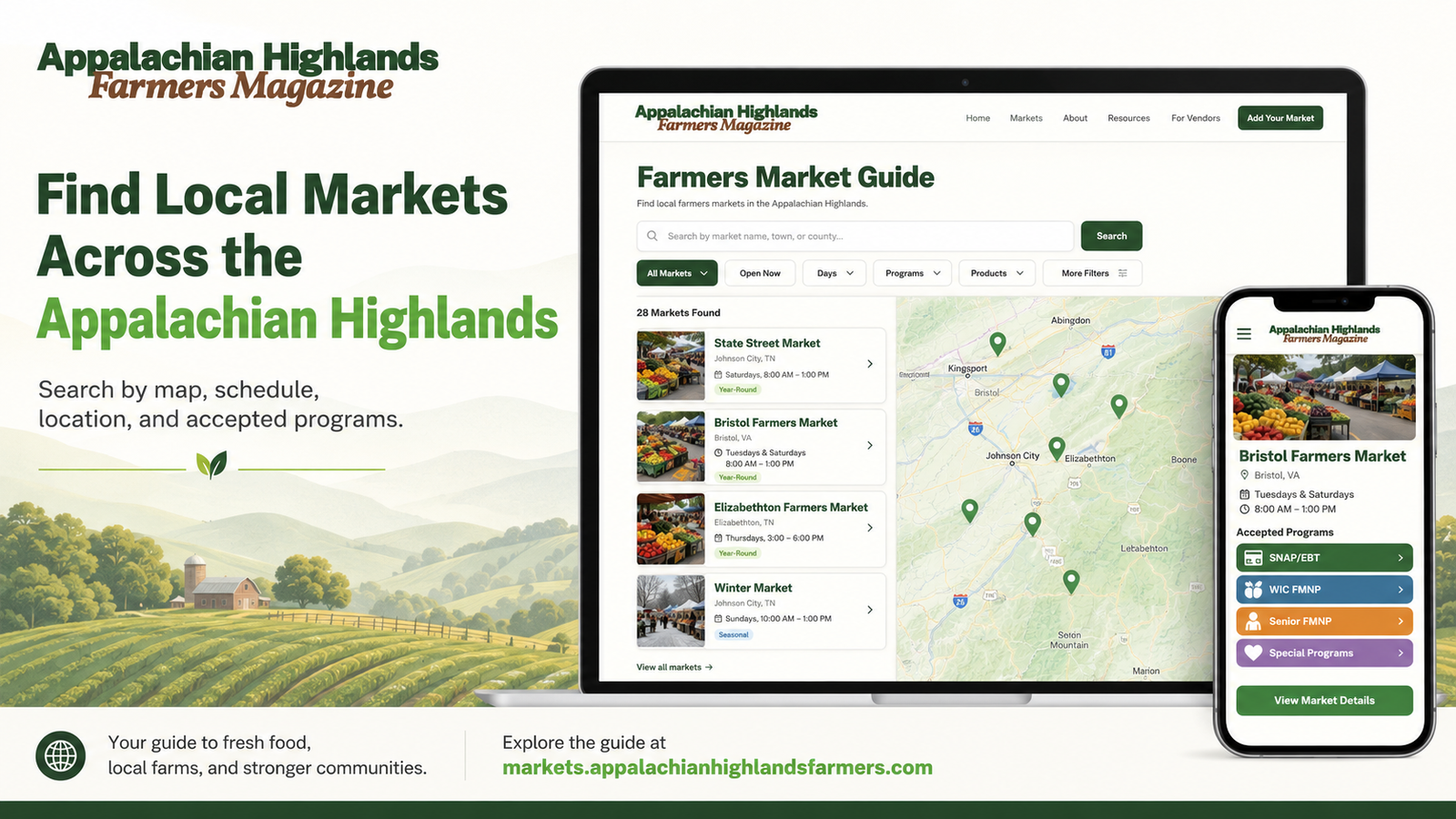
One example is the recent launch of Slow Food Tri-Cities as a nonprofit organization. Its work focuses on preserving regional food heritage and strengthening connections between local growers, markets, and families.
One of its developing projects is a digital atlas of regional foodways. By identifying local growers, heritage foods, and sustainable markets, the project could help families better understand the local food landscape. It could also make it easier for people to support farmers who are already practicing careful stewardship.
That kind of work matters in the Appalachian Highlands, where food traditions have always been tied to place. The hills, valleys, gardens, pastures, kitchens, churches, and markets are all part of the story.
The Final Harvest
Throughout this series, we have followed the roots of a quiet revival.
We have looked at how Appalachian land resists the logic of industrial agriculture. Our steep hillsides and narrow valleys often make large-scale farming difficult, but they also encourage smaller, more careful forms of stewardship.
We have considered how biblical laws, including the command not to muzzle the ox, continue to speak to the treatment of animals. A farm influenced by Christian conviction cannot treat living creatures as machines.
But all of this eventually leads to the table.
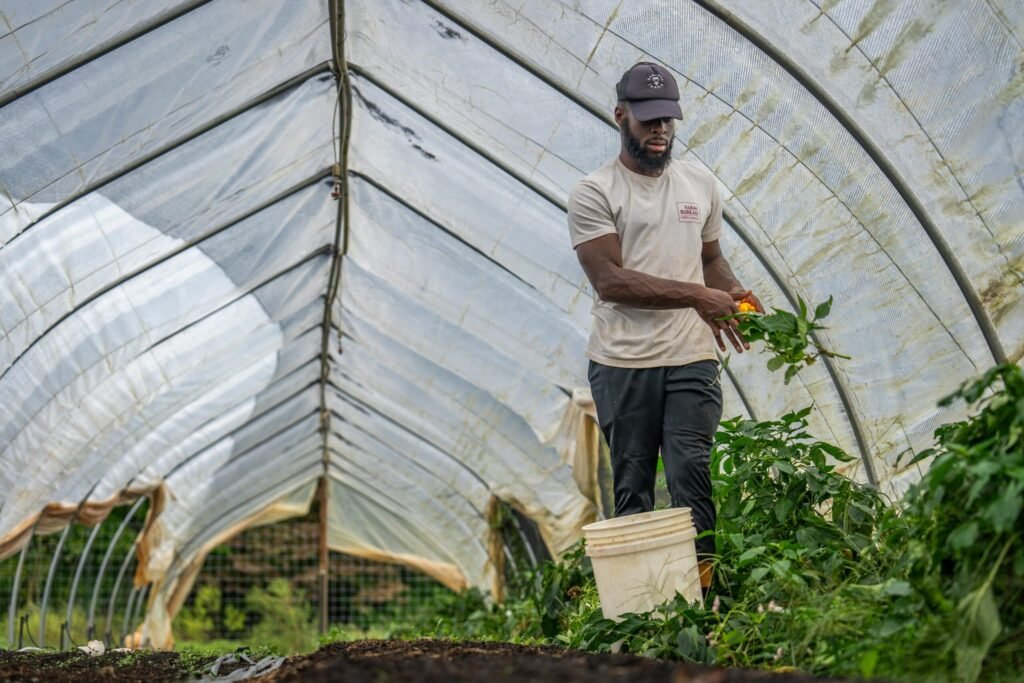
When you buy a CSA share, join a herdshare, shop at the farmers market, or prepare a meal from local food, you are doing more than buying better ingredients. You are joining a chain of relationships. You are supporting a farmer. You are honoring the land. You are choosing a way of eating that remembers the neighbor.
Faith in the soil finally becomes faith at the table.
And that may be where the revival becomes most visible: not only in the field or pasture, but in the breaking of bread.
Dig Deeper: Reading for the Table

Making Peace with the Land by Fred Bahnson and Norman Wirzba:
A highly practical, inspiring guide showing how local agriculture—from church community gardens to small-scale CSAs—can actively heal broken communities and restore our relationship with the land.
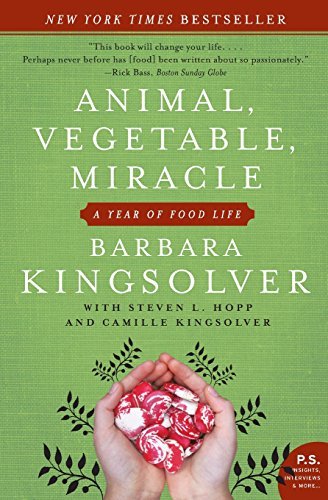
Animal, Vegetable, Miracle by Barbara Kingsolver:
A beautiful, real-world narrative. Kingsolver and her family move to an Appalachian farm and commit to spending one entire year eating only food they grow themselves or source from local neighbors, discovering the deep joys and challenges of a truly local food system.









Leave a Reply