

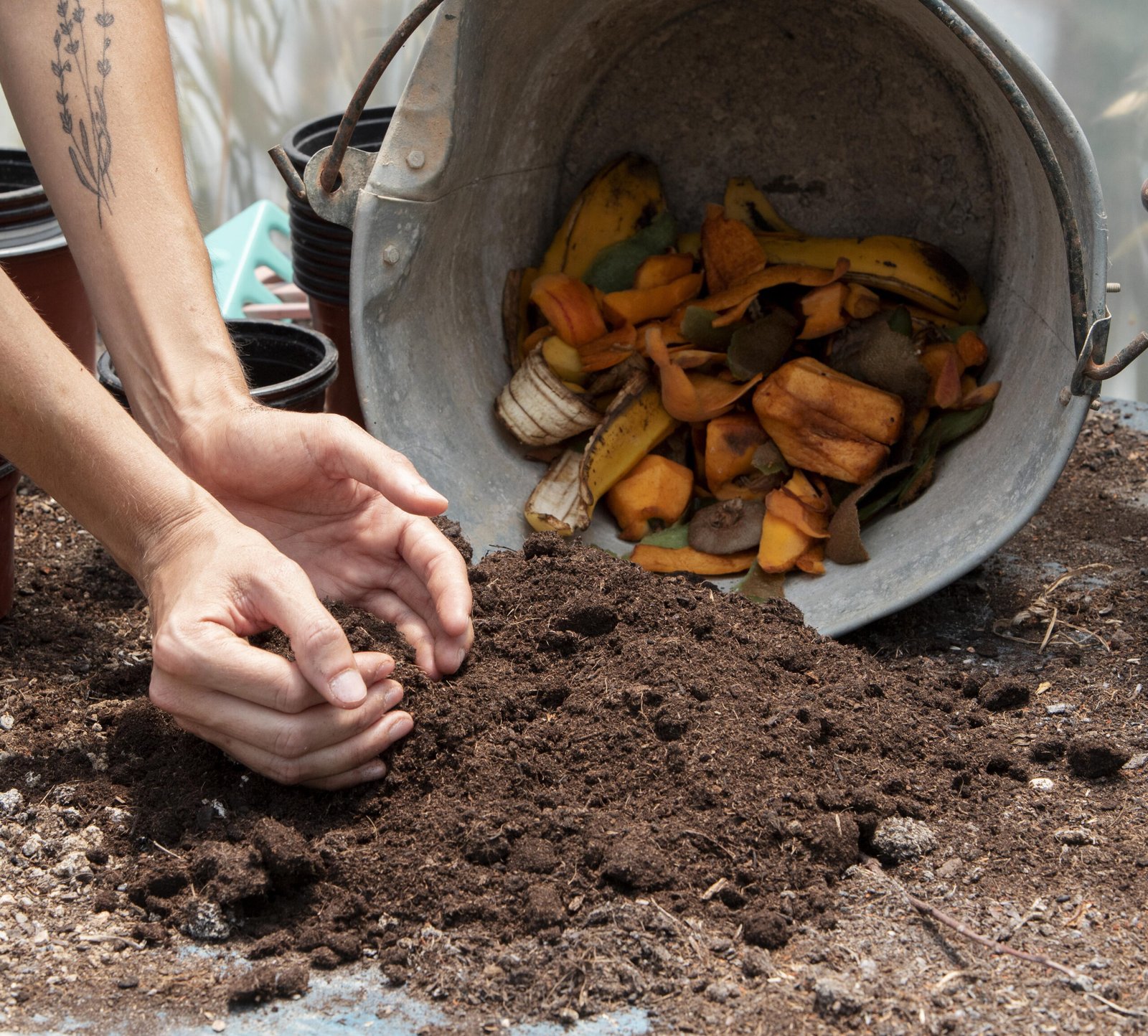
BLACKSBURG, Va. — The Virginia Department of Environmental Quality has committed nearly $8 million to something most people don’t think about much—at least not until it smells: food waste and the methane it produces in landfills.
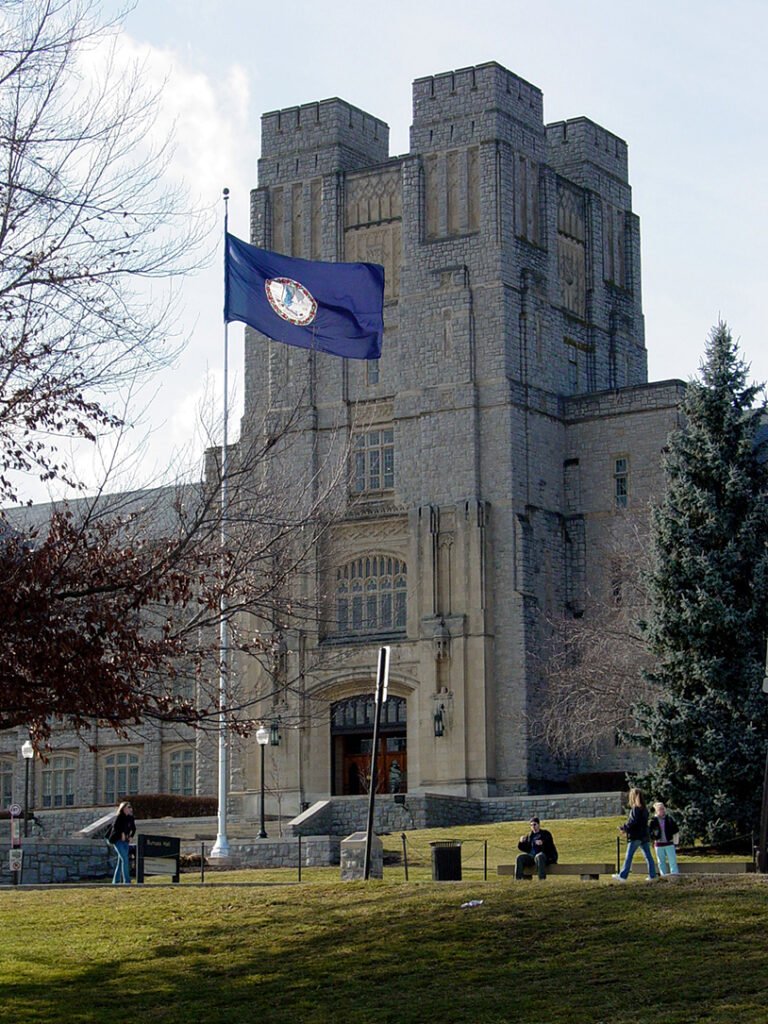
On April 20, 12 colleges and universities secured EPA-backed Climate Pollution Reduction Grants to expand food rescue efforts and build large-scale composting systems.
For farmers and community advocates across the Appalachian Highlands, the impact goes beyond reducing landfill use. The funding represents a growing investment in food access and soil health.
James Madison University, Radford University, Washington and Lee University, and Virginia Tech are among the schools receiving funds to build infrastructure that supports both.
Feeding people first
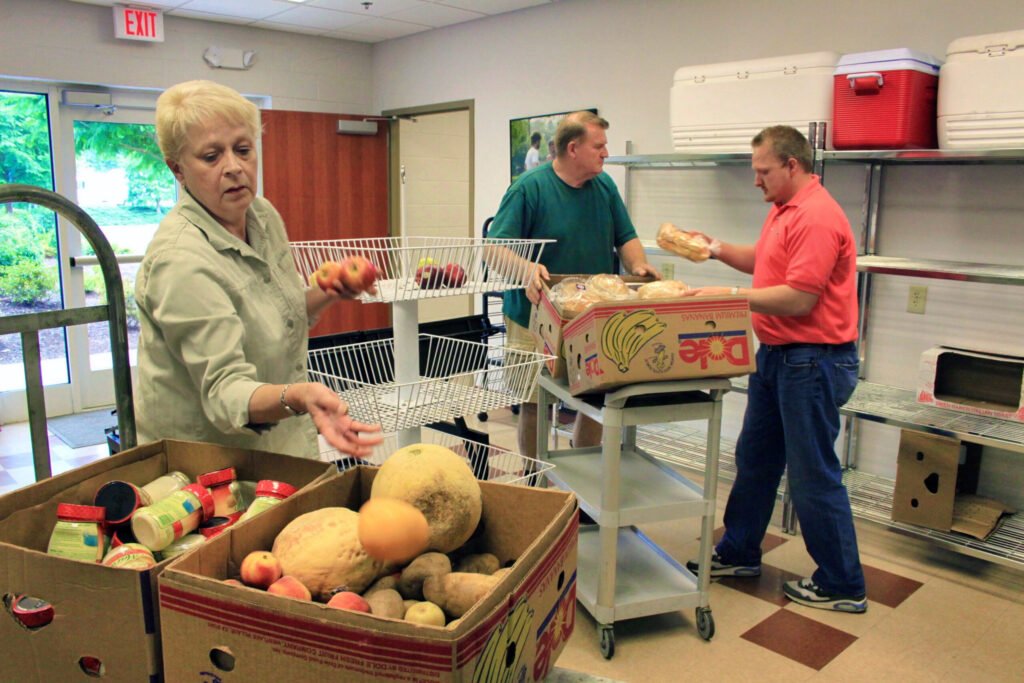
Long before food waste ever reaches a compost pile, the idea is simple: feed people first.
It’s something farmers have lived with for generations. The old practice of gleaning—leaving the edges of fields unharvested—helped ensure that those in need could still gather food.
Universities are now applying that principle in a more structured way. With state funding in place, schools are building dedicated food-rescue networks rather than focusing solely on disposal or composting.
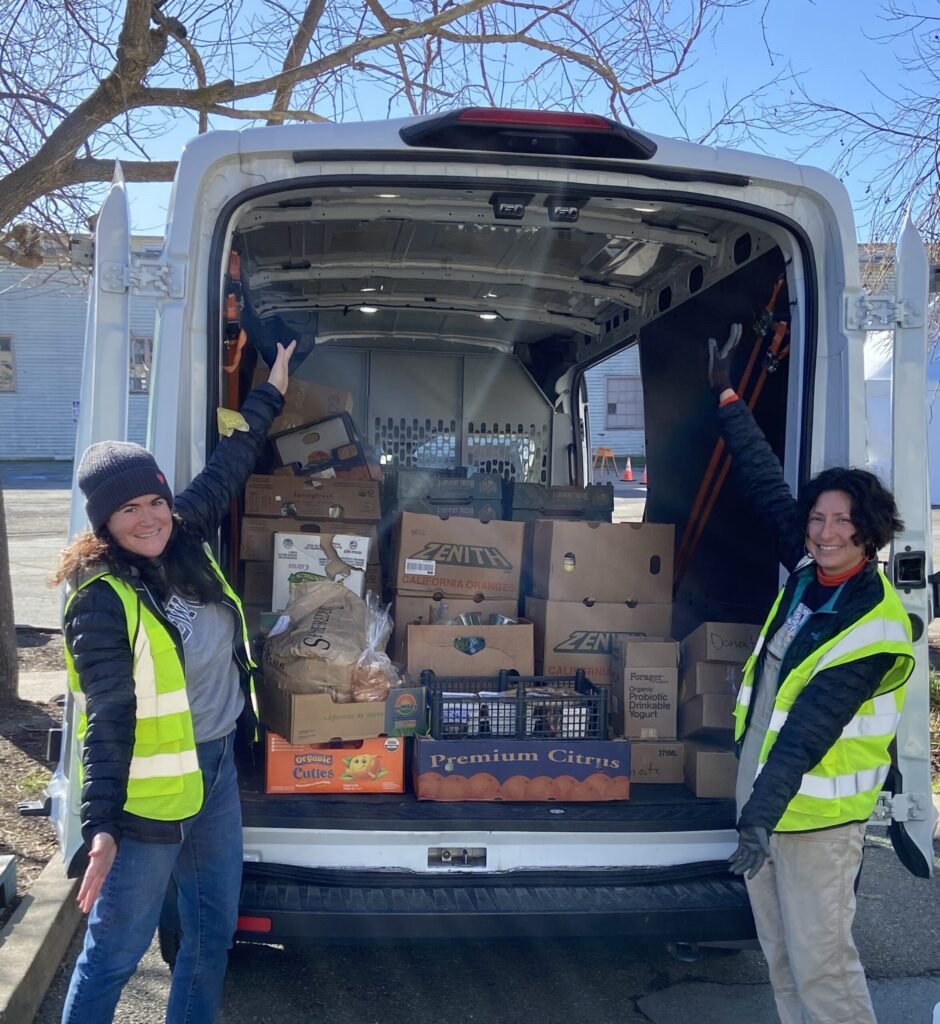
James Madison University received $243,387 to expand collection efforts, purchase a recovery vehicle, and support student interns. Radford University will use its $203,000 to hire and train students. Washington and Lee University secured $324,829 to expand its rescue capacity and train event hosts on waste diversion.
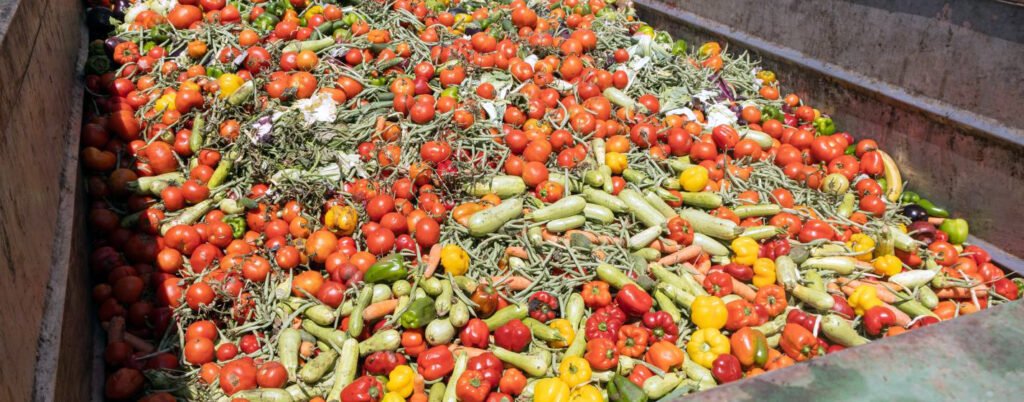
In practice, that means trays of untouched catering food and extra pans from dining halls—items that would have been discarded—are rerouted to local food banks and shelters.
“A lot of this food is perfectly good—it just never made it onto a plate,” said one regional food bank coordinator familiar with university partnerships. “Once you have a system to move it quickly, it’s not waste anymore—it’s a resource.”
In other words, less food ends up in the trash, and more of it reaches people who need it.
Composting at scale in Blacksburg
When food can’t be redirected for human use, it has to go somewhere else.
Virginia Tech is taking on the largest share of that next step.
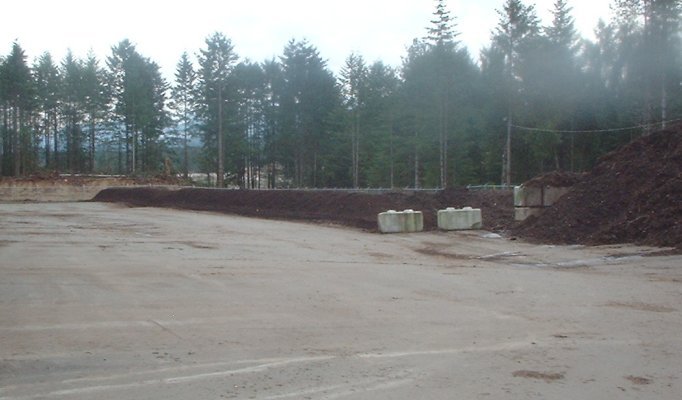
The university received $3.53 million to construct an industrial-scale composting facility capable of processing 2,700 tons of material each year. The system will handle campus food waste while also improving manure management practices.
The approach reflects a broader shift in how institutions think about waste.
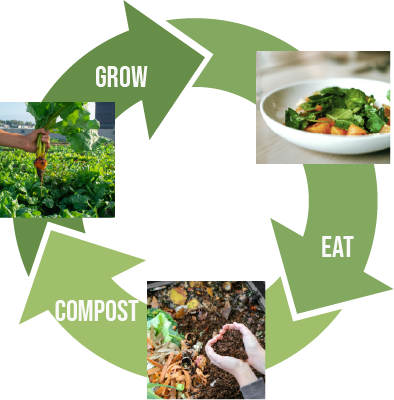
“Food comes out of the ground, we eat it, we process it, we throw it away, we compost it, and then we return it to the ground,” said Sam Crowl, director of sustainability at Ohio University. “It’s a very circular process.”
That scale matters to local agriculture.
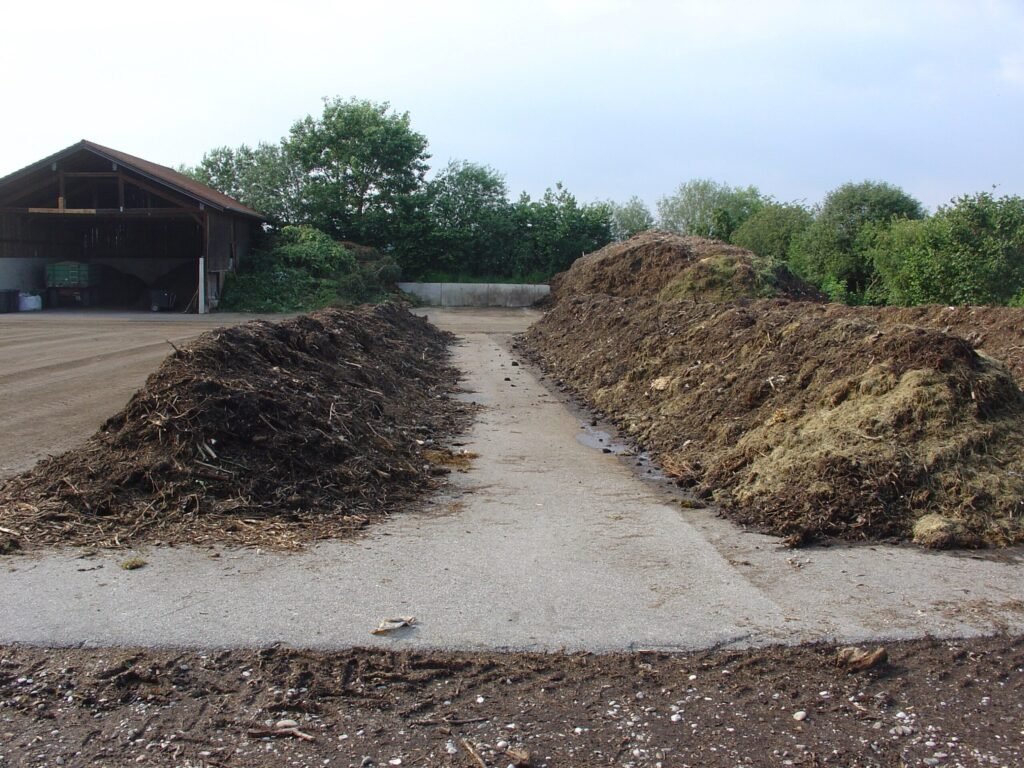
Farmers across Southwest Virginia face ongoing challenges with nutrient runoff and manure storage regulations. Virginia Tech’s facility is expected to serve as a demonstration site, showing how to manage carbon-to-nitrogen ratios and convert organic waste into stable, usable compost.
For producers watching closely, the outcome could influence future adoption.
“If they can show this working at scale—and keep contamination under control—that’s when farmers really start paying attention,” said a local extension agent familiar with manure management challenges in the region.
Turning waste into a market
Composting at this scale also changes the economics.
What once cost money to haul away could become something farmers are willing to pay for.
By diverting large volumes of food waste and manure from landfills, universities can avoid steep tipping fees. Producing compost on-site also reduces spending on synthetic fertilizers and commercial mulch.
If production exceeds campus needs, that material enters the local market.
Appalachian Highlands farmers—whether managing cattle pasture in Washington County or working to improve thinner hillside soils—are constantly looking for ways to build organic matter and retain moisture, especially during dry periods.
A consistent, local supply of compost from a trusted institution could quickly become a valuable resource.
Lessons from Yellowstone
Still, success is far from guaranteed.
Turning a cafeteria waste stream into a safe, usable agricultural product requires strict quality control—and that’s where projects often run into trouble.
The risks aren’t theoretical.
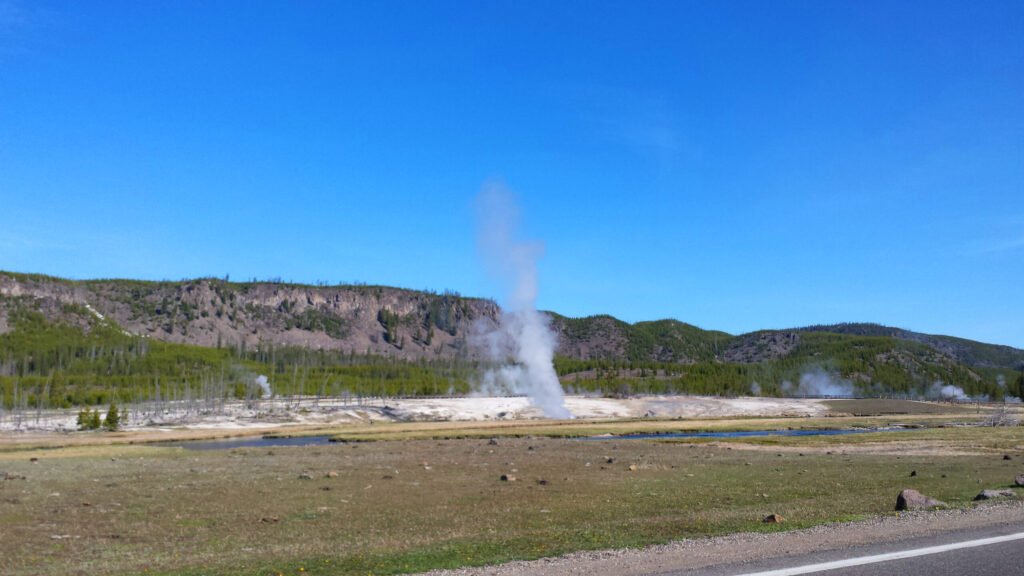
From 2015 to 2019, I worked in Yellowstone National Park, where large-scale composting efforts were used to reduce landfill waste. As part of that work, I helped report on sustainability initiatives and train managers with Xanterra Parks and Resorts, the company that operates the park’s hotels and restaurants.
For nearly two decades, the West Yellowstone Compost Facility processed food waste from millions of visitors and local businesses. But in 2021, the facility shut down.
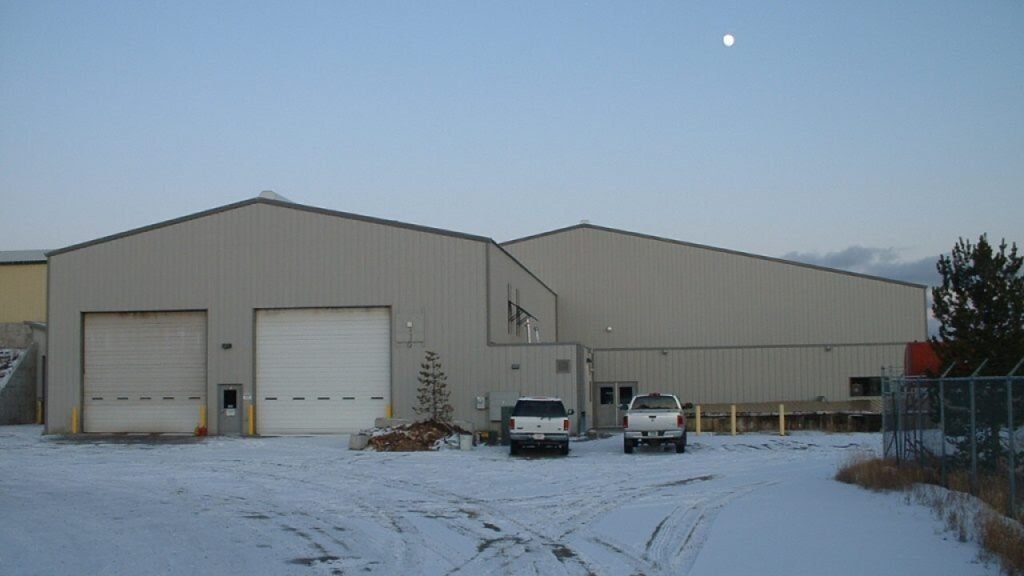
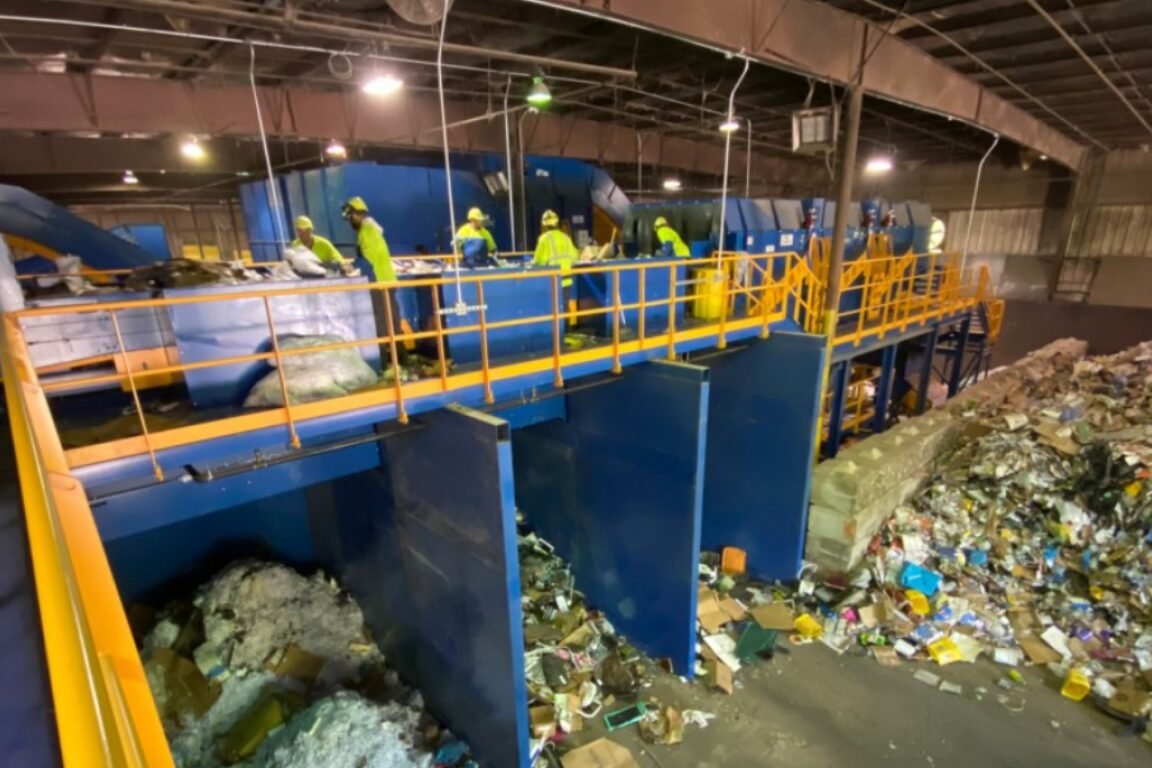
Contamination proved too difficult to manage. The incoming waste stream included plastic utensils, condiment packets, coffee cup lids, and torn packaging materials that don’t break down.
Removing those contaminants required extensive screening, which consumed time, energy, and money. In the end, local officials determined that the process created a larger carbon footprint—and higher costs—than simply sending the waste to a landfill.
Execution will decide the outcome
For Virginia Tech, Radford, James Madison, and Washington and Lee, long-term success will depend on execution.
Producing compost that is safe for crops and pastures requires more than equipment and funding. It depends on consistent sorting at the source—before contamination becomes a problem.
If universities can maintain that level of control, the impact could extend well beyond campus.
The effort could reshape how food waste is handled across the Appalachian Highlands—and push local governments to ask a new question:
Could we do this too—or at least try?








Leave a Reply