Home / Government / U.S. Government Set to Aid Farmers

U.S. Government Set to Aid Farmers

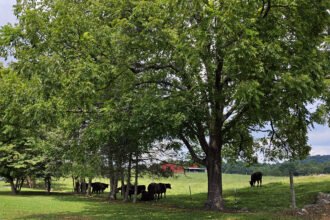
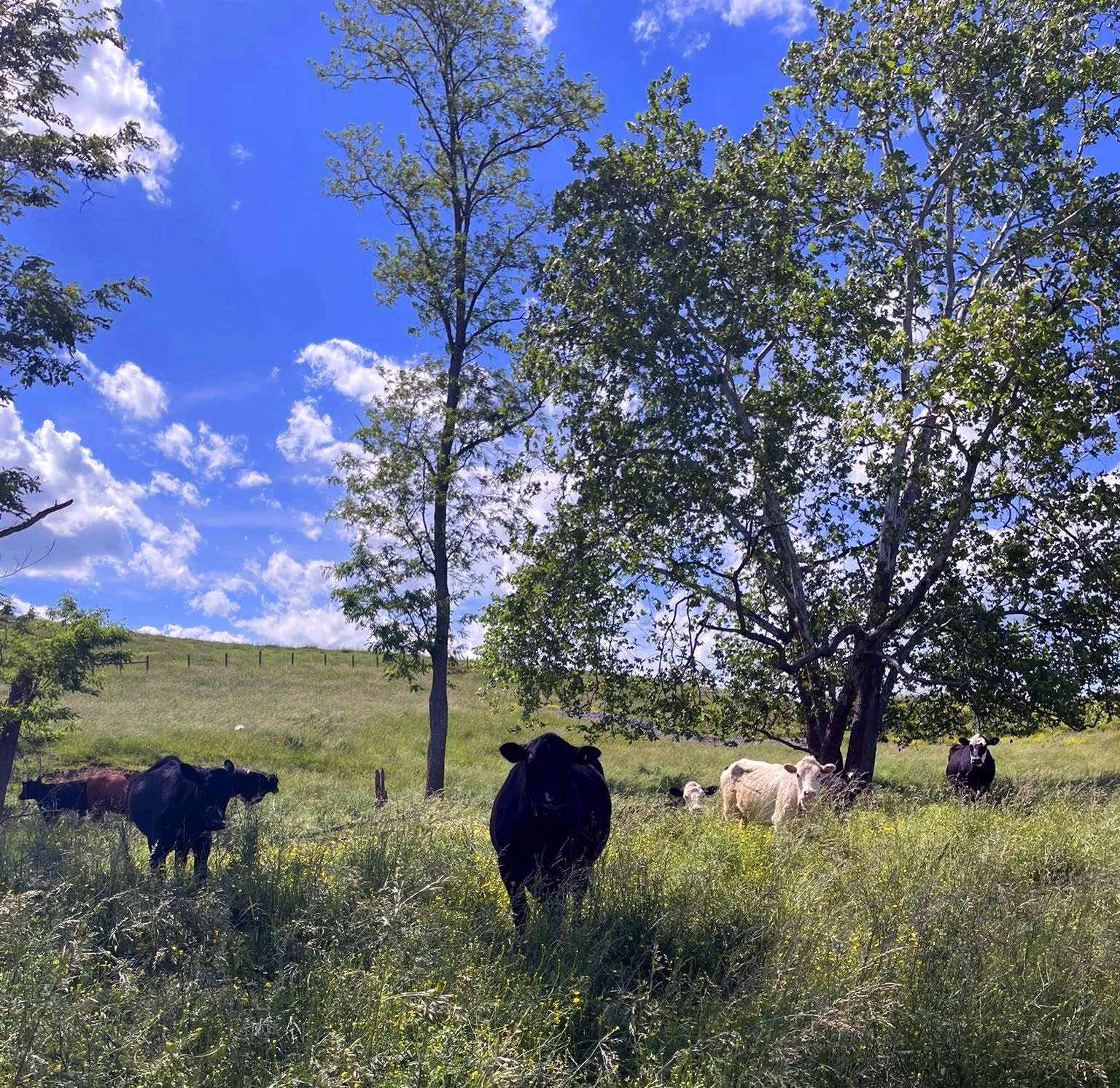
Cows in the field in the shade

The U.S. government is actively implementing various programs and initiatives to bolster the agricultural sector, focusing on financial relief, risk management, and fostering sustainable practices. A significant effort underway involves the distribution of disaster and economic relief aid to farmers and ranchers facing challenges like increased input costs and natural disasters.

The U.S. Department of Agriculture (USDA) is currently expediting nearly $31 billion in total disaster and emergency relief, appropriated by Congress through measures like the American Relief Act of 2025. This includes specific programs like the Emergency Commodity Assistance Program (ECAP), which aims to provide direct payments to producers for the 2024 crop year, and the Emergency Livestock Relief Program (ELRP) to cover grazing losses due to drought or wildfire.
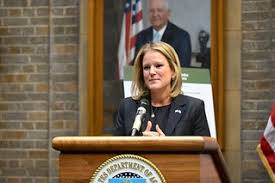
Appleton
USDA Deputy Undersecretary Brooke Appleton

Brooke Appleton, USDA Deputy Undersecretary, emphasized the administration’s commitment to swift action, stating, “We want to make sure as soon as the assistance is ready to go, we are getting it out and we’re getting it to the folks who need it.” She also noted the strategic decision to issue payments in phases to ensure immediate support, rather than a single, delayed distribution.

Beyond direct payments, the USDA offers a suite of programs designed to mitigate risk, such as Federal Crop Insurance and the Dairy Margin Coverage (DMC) program, which provides a safety net for dairy producers when milk and feed price margins fall. Additionally, the government is investing in climate-smart agriculture through initiatives like the Conservation Stewardship Program (CSP) and the Environmental Quality Incentive Program (EQIP), utilizing funds from the Inflation Reduction Act to support water-saving, soil-protecting, and carbon-storing practices.

Rollins
Secretary of Agriculture Brooke Rollins

Secretary of Agriculture Brooke Rollins highlighted the importance of these programs, stating, “Producers are facing higher costs and market uncertainty, and the [administration] is ensuring they get the support they need without delay.” The USDA also provides critical support for small and mid-sized farmers, urban agriculture, and new farmers through loans, grants, and technical assistance, underscoring a broad commitment to the resilience and long-term viability of American agriculture


author avatar
Hiram Jensen
Iowa State Agronomy graduate Hiram Jensen pivoted from farming to journalism to address the industry's information gap. He now equips farmers with data-driven insights on markets, climate, and policy to help them thrive in a complex landscape.

Leave a Reply

Your email address will not be published. Required fields are marked *

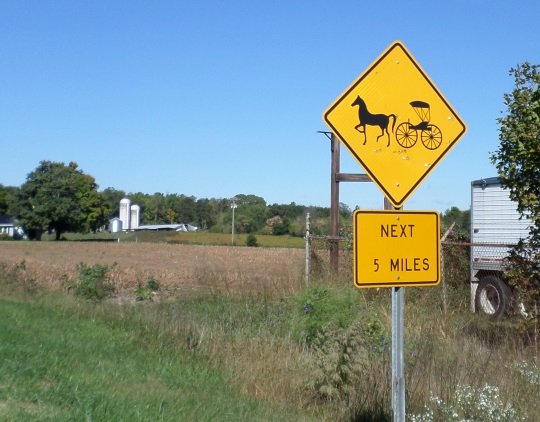
Buggy Crossing in Amish Country in NC

A Taste of the Simple Life — The Story Behind the Dutch Kettle

Pick up Pickled Bologna or Apple Butter at the Big Red Apple Shed and take home more than a pantry staple—a taste of a unique agrarian community.

The Dutch Kettle runs out of Hamptonville, North Carolina, at the heart of the Union Grove Amish settlement. Union Grove, established in the 1980s, is North Carolina’s oldest and longest-surviving Amish community.

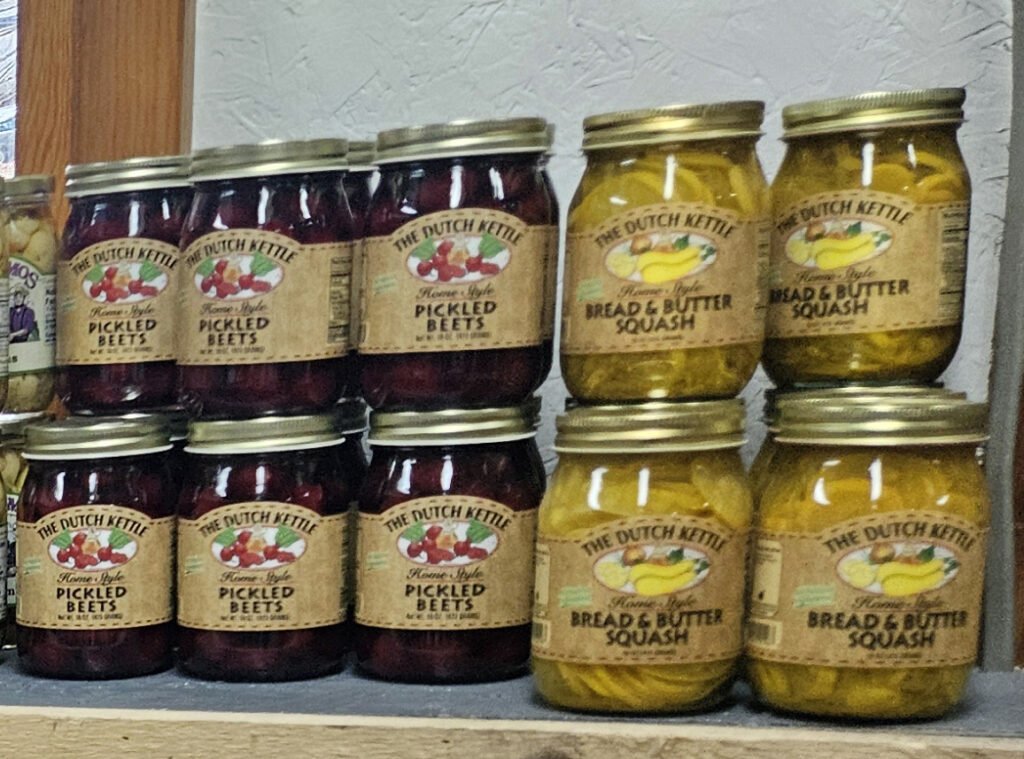
Dutch Kettle Pickled Products

So, what makes this community—and their food—so special?

The Union Grove settlers are a small group of "New Order" Amish. While you will see them traveling the back roads of North Carolina by horse and buggy and speaking Pennsylvania Dutch, they are best known for installing public electricity in their homes and workplaces. This mix of historic artisan skill and modern pragmatism lets businesses like The Dutch Kettle produce quality, homestyle canned goods on a larger scale without losing their handcrafted touch.

Opening a Dutch Kettle product means tasting a devotion to the simple life. They never use preservatives. They only choose all-natural, non-GMO ingredients cooked the old-fashioned way. Whether it’s famous jams, jellies, or Appalachian pickled snacks, these Amish artisans preserve the harvest with methods passed down for generations.

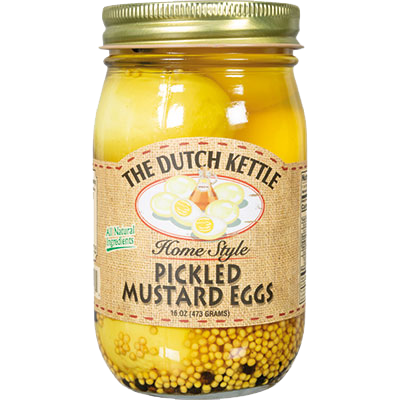
Pickled Mustard Eggs

Next time you come to The Big Red Apples Shed, take a close look at the jar goods aisle—and consider taking home a Dutch Kettle product. It connects you directly to the hardworking farmers and makers just over the state line.

HAMPTONVILLE WEATHER

Amish America

RSS Error: https://amishamerica.com/feed/ is invalid XML, likely due to invalid characters. XML error: Reserved XML Name at line 2, column 39