Home / Series / Faith in the Soil: The Biblical Agrarian Movement / Sowing Seeds of Faith: The Mountain Sanctuary

Sowing Seeds of Faith: The Mountain Sanctuary

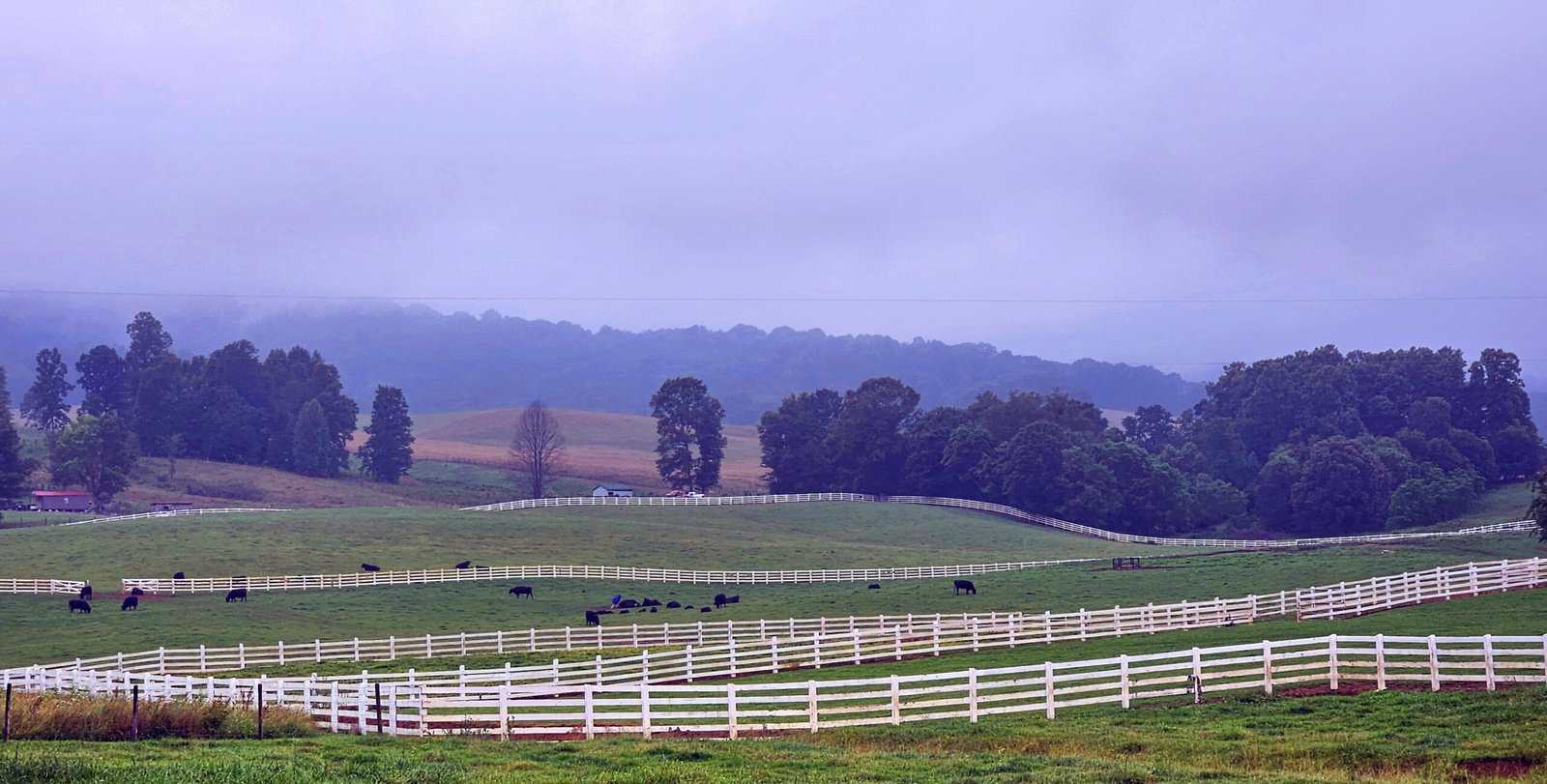
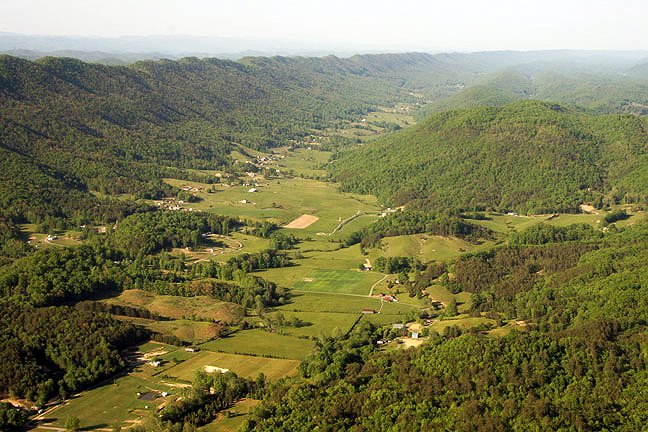
View of a valley with patchwork fields, scattered farmhouses, and forested hills.

Faith in the Soil: The Biblical Agrarian Movement, Part 2

If you stand on a ridge in the Appalachian Highlands and look down into the valleys, you won’t see what you see in the Midwest. There are no thousand-acre, perfectly flat squares of genetically modified corn stretching to the horizon. Instead, you see a patchwork of steep pastures, tight hollers, twisting creeks, and dense timber.

It is an incredibly tough country for a combine tractor to operate in. Yet, the same challenging terrain that fends off large machines also invites a different worldview—one deeply rooted in faith.

In Part 1 of this series, we explored “Christian Agrarianism”—the belief that the land belongs to God, and farmers are called to be gentle stewards rather than industrial extractors. But there is a very specific reason this ancient, faith-based approach to agriculture isn’t just surviving in the Appalachian Highlands; it is thriving here.

The mountains themselves demand it.
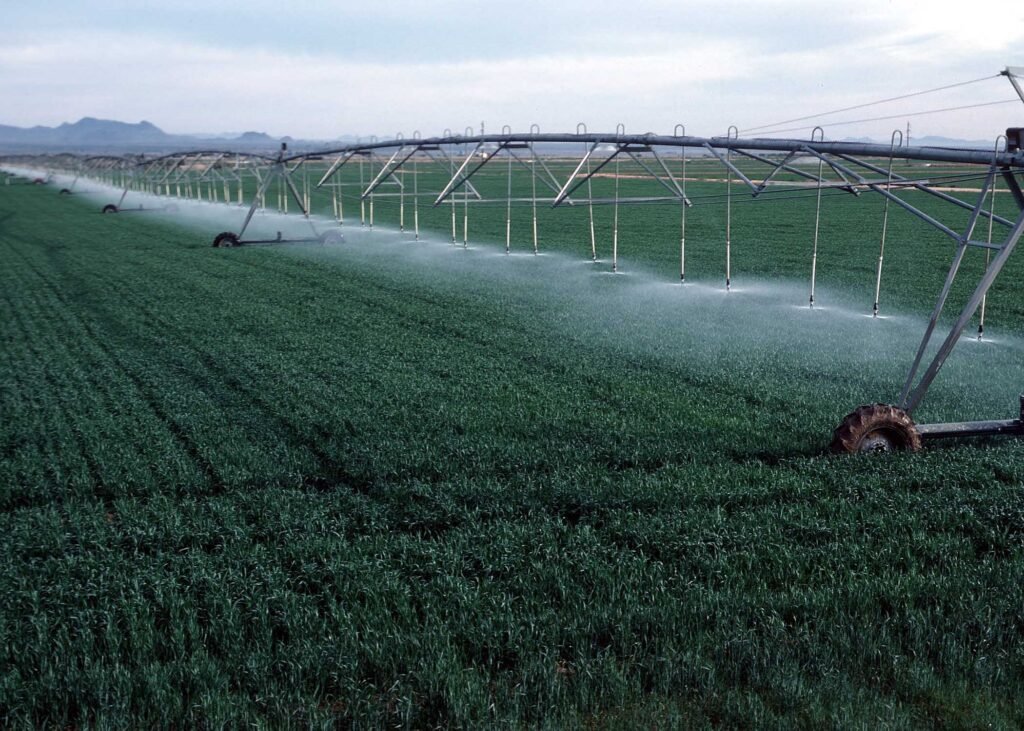
Center-pivot irrigation system watering a green field with mist along a long metal arm and wheels extending across farmland
Center pivot irrigation system watering a green field with mist along a long metal arm and wheels extending across farmland Laura Wilson Farm Photo by USDA Natural Resources Conservation Service

The Land That Resists the Machine

Modern, industrial agriculture—often called “Big Ag”—depends on having a blank, uniform canvas. It requires massive, million-dollar machines, synthetic fertilizers, and chemical sprayers, all designed to operate best on endless, flat land to achieve high-speed, high-yield efficiency. This approach seeks uniformity and predictability at every turn, in direct contrast to Appalachian farming.
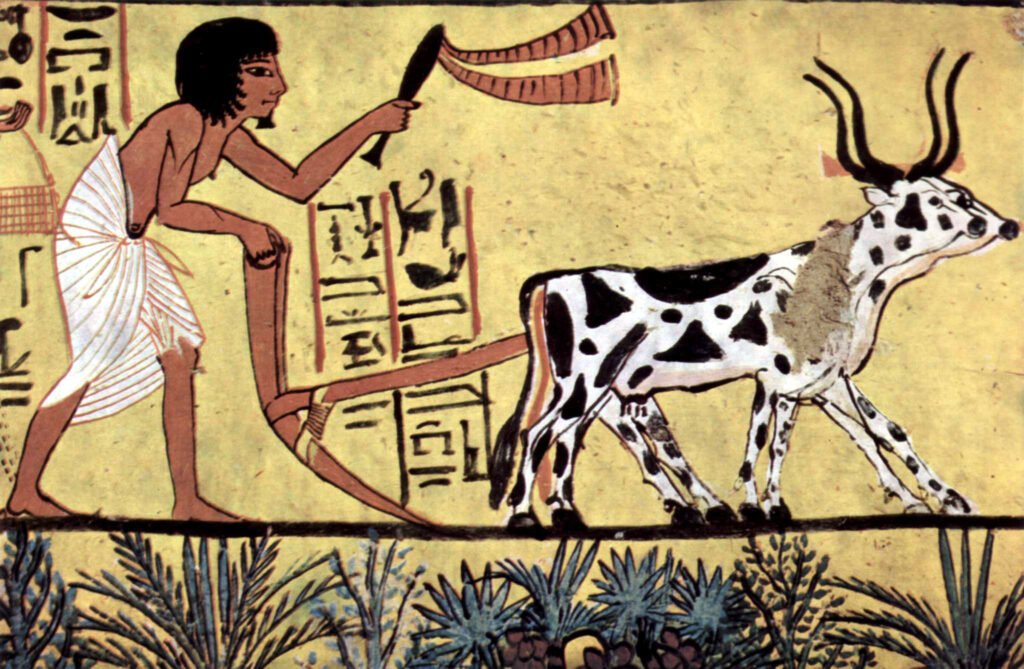
Ancient Egyptian wall painting of a man with a curved blade pursuing a horned, spotted animal along a line of text panels in a desert scene.
Ancient Egyptian wall painting of a man with a plow being pulled by spotted cattle

Interestingly, ancient scripture addresses this exact contrast. In the biblical world, Egypt was clearly the ultimate example of the “Big Ag” of its time. It was flat, predictable, and watered by the heavily engineered irrigation of the Nile River, and while they didn’t have heavy machinery, they had an endless supply of labor.
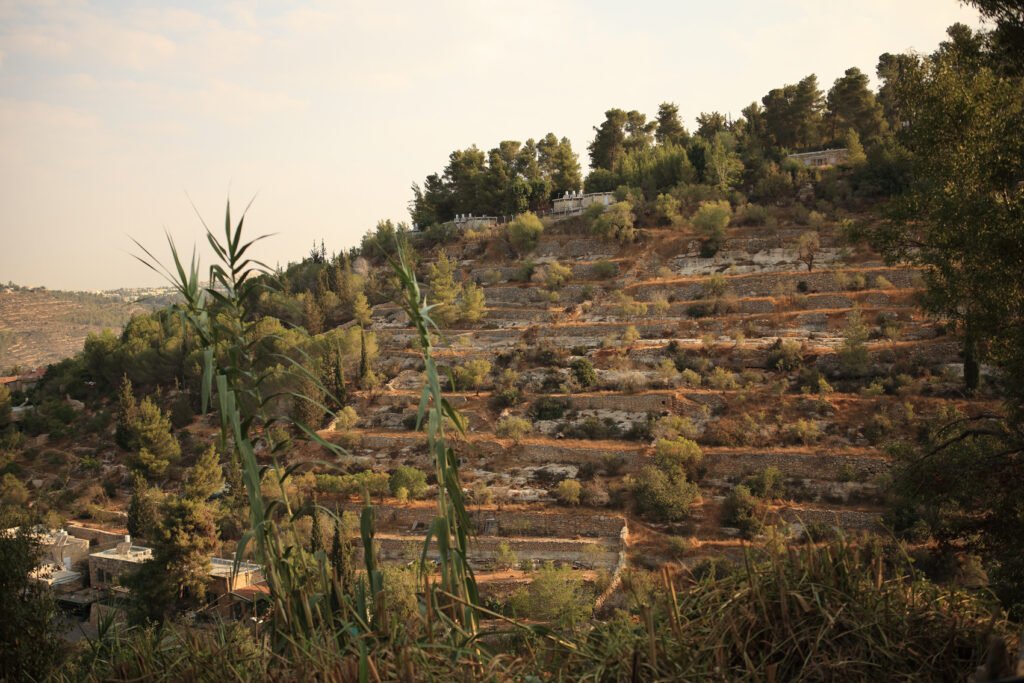
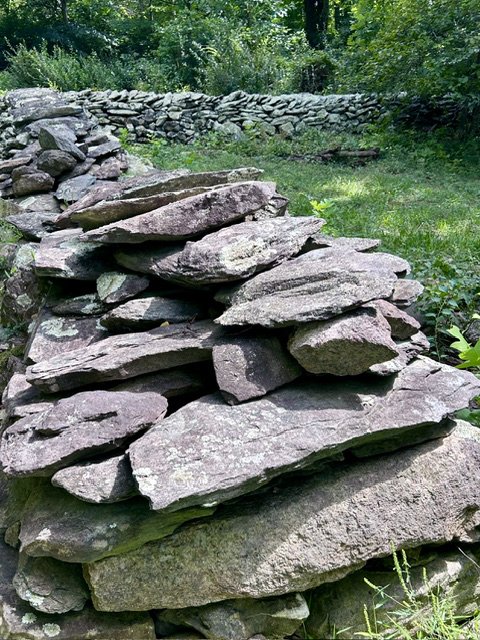
Terraced hillside Near Jerusalem with stone walls and olive trees under a pale sky, viewed from a foreground of grasses. Photo by Zeevveez via Wikimedia Commons
Terraced hillside near Jerusalem with stone walls and olive trees under a pale sky viewed from a foreground of grasses
Photo by Zeevveez via Wikimedia Commons

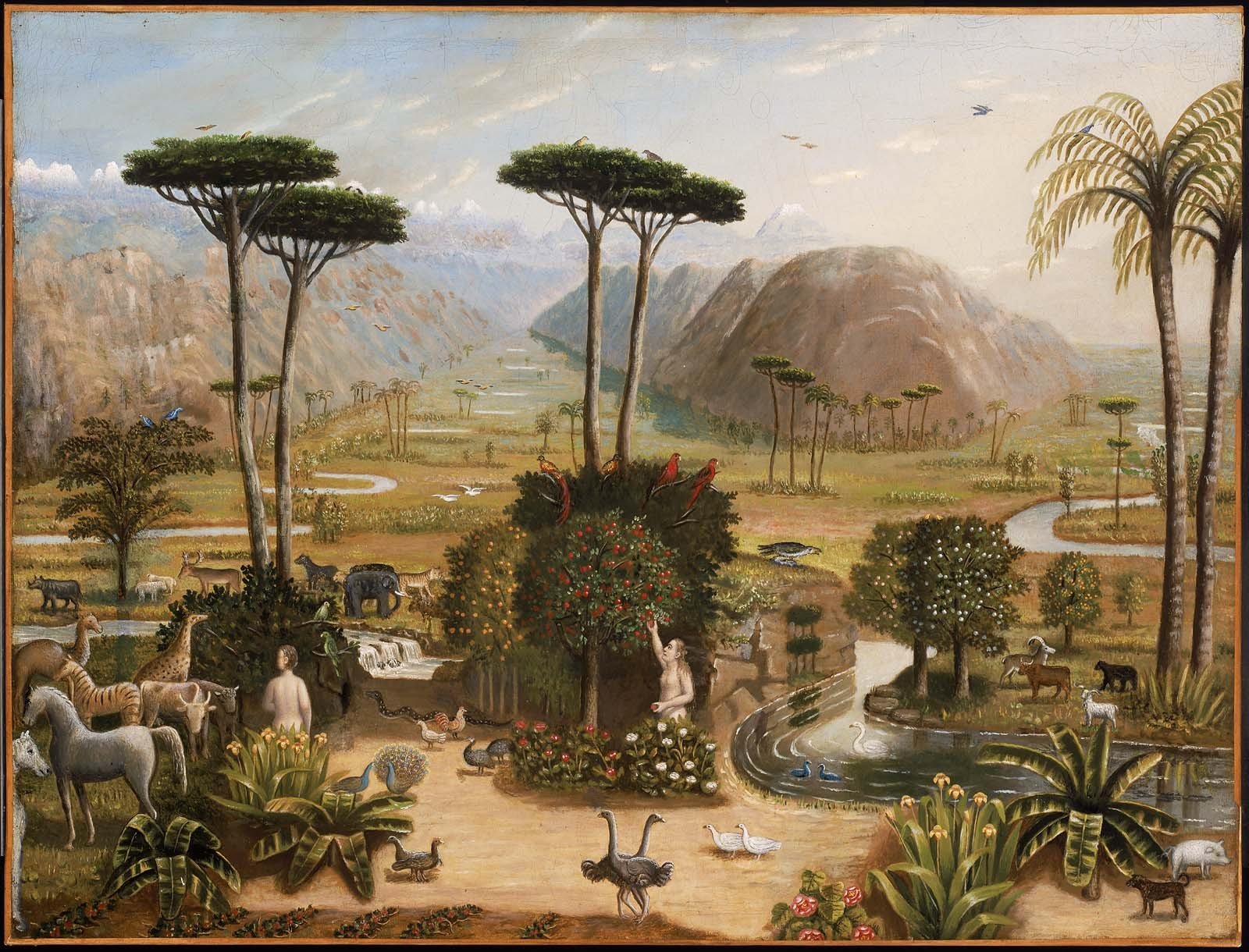
When the Israelites were led to their new home, their agricultural experience changed fundamentally. Deuteronomy 11 describes the Promised Land as a “land of mountains and valleys that drinks rain from heaven”—a rugged, unpredictable place that demanded active stewardship and faith, not just mechanical efficiency. This contrasts sharply with the engineered reliability found in Egypt.

Similar to that ancient land, Appalachia inherently rejects uniformity. Its rocky, uneven topography naturally resists industrial-scale, monoculture farming. In the Appalachian Highlands, unlike the Midwest, you simply cannot run massive, mechanized operations on steep mountainsides.
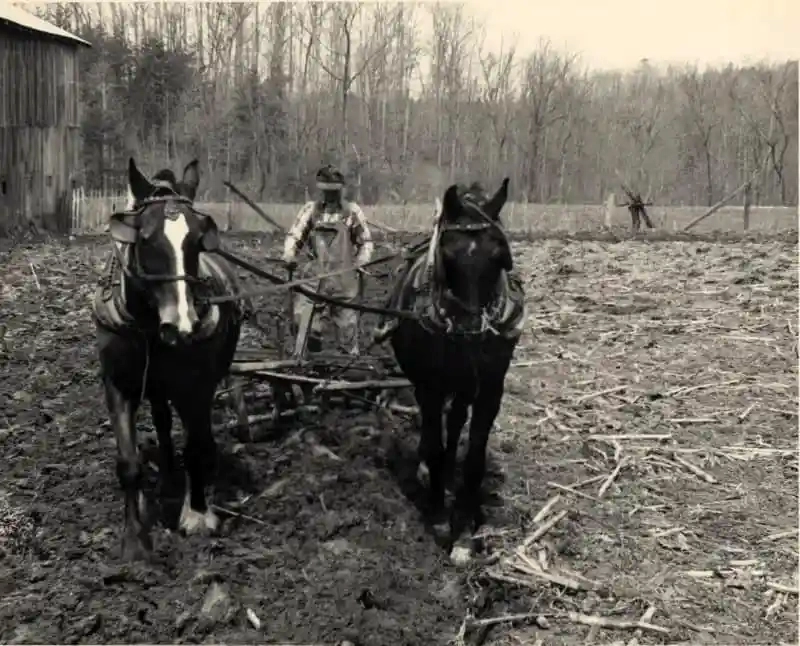
Plowing a field using mules 1937
Appalachian Man Plowing a field using mules 1937 Public Domain

The Cultural DNA of the Highlands

But it isn’t just the dirt that makes our region the epicenter of this agricultural revival; it is the people.

Appalachia has always been defined by a unique cultural DNA: a fierce independence interwoven with deep-rooted Christian faith. Historically, this region was home to subsistence farmers. Our great-grandparents didn’t farm for export or shareholders. They farmed to fill the root cellar, to feed the family, and to make sure the widow down the road had enough to get through the winter.

For the modern Appalachian farmer, adopting the “slow food” or “local food” movement isn’t about chasing a fad. It is a homecoming—actively reclaiming ancestors’ ways, endorsed by their Bibles.
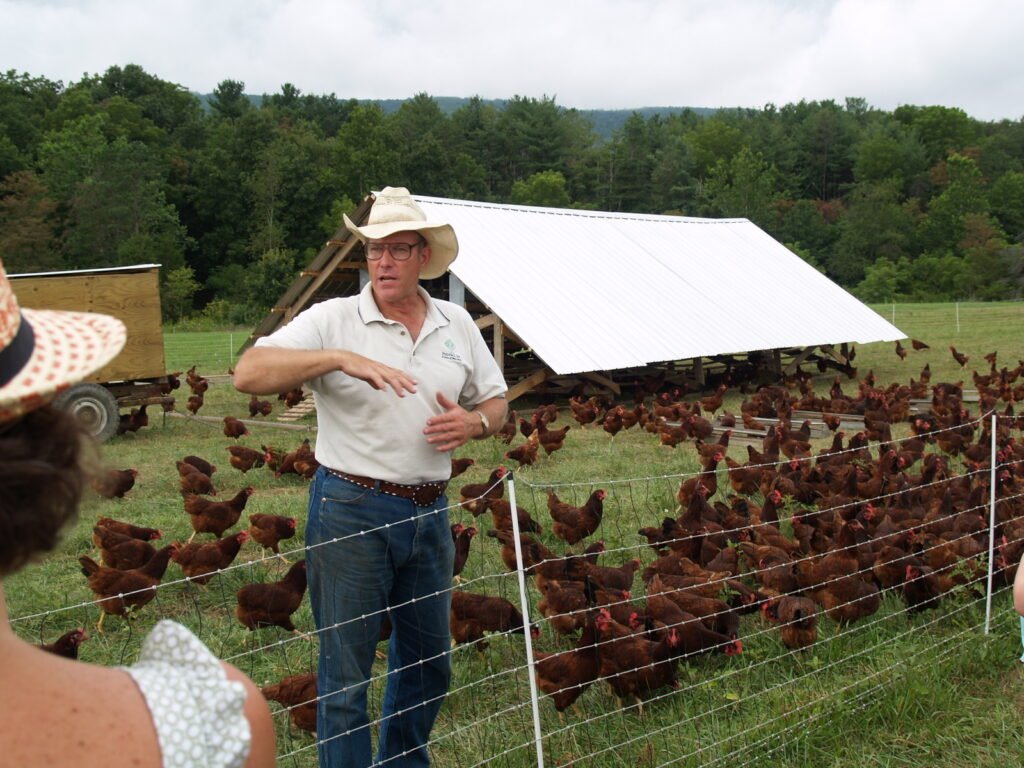
Joel Salatin explains farm practices to visitors near a large coop with many brown chickens inside a fenced yard.  - Photo by Nick V from Washington dc, CC BY-SA 2.0 Via Wikimedia Commons
Joel Salatin explains farm practices to visitors near a large coop with many brown chickens inside a fenced yard Photo by Nick V from Washington DC CC BY SA 20 Via Wikimedia Commons

The Voices of the Revival

This region has actually produced the most famous voices of the Christian Agrarian movement. Just north of us in Virginia’s Shenandoah Valley, Joel Salatin operates Polyface Farm. Salatin, arguably the most famous regenerative farmer in the world, openly bases his farming model on honoring the Creator’s design—respecting the “pigness of the pig” and the “chickenness of the chicken” by allowing them to live on pasture as God intended, rather than in crowded, indoor cages.
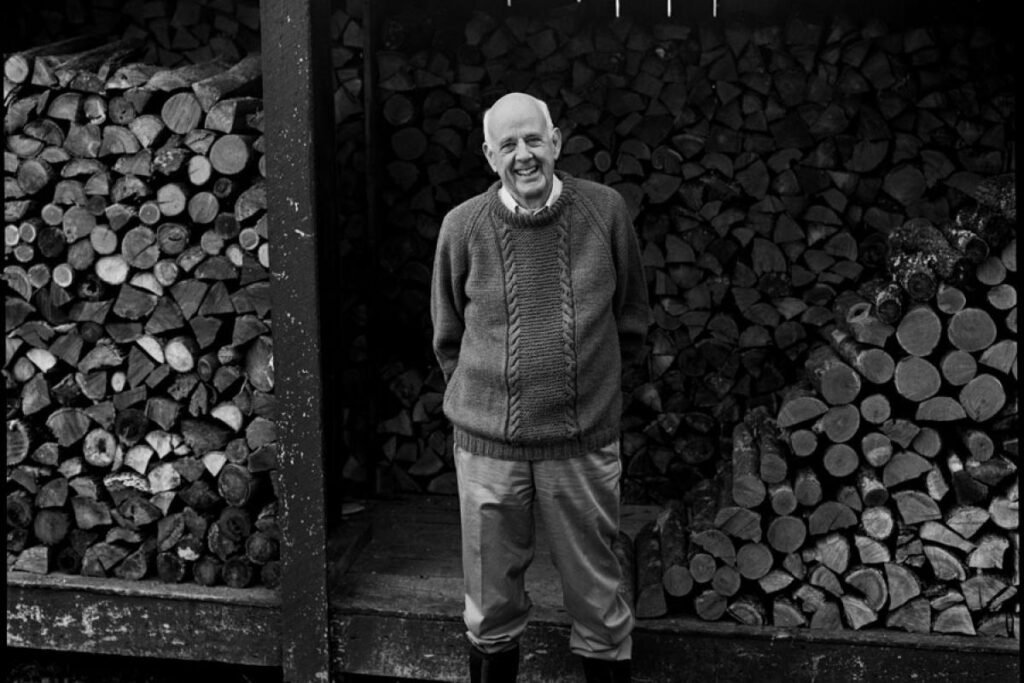
Wendell Berry by Guy Mendes

Over in rural Kentucky, Wendell Berry—the philosophical godfather of this movement—has spent decades writing about the sanctity of the topsoil. He famously argues that caring for God’s creation isn’t a political issue; it is a profound spiritual duty. Eating locally and farming gently, Berry suggests, are acts of worship.

These men didn’t invent a new way to farm. They simply gave a theological vocabulary to what mountain folks have known in their bones for generations.

The Appalachian Highlands are a sanctuary for biblical farming because the land keeps people humble, and its history keeps them grounded. We are learning that the best way to feed the future is to look to the past, put our hands in the dirt, and trust the original blueprint.

As mentioned earlier, this movement has been championed for decades by farmers and writers who have dedicated their lives to exploring the sacred connection between our faith and our soil. Below, we have included videos from two of the most influential voices in the Christian Agrarian movement: Kentucky farmer-poet Wendell Berry and Virginia’s own Joel Salatin.

Dig Deeper: Essential Reading

If the perspectives in this article—and the videos above—have sparked a desire to look at our regional landscape a little differently, here are two foundational books by these men to continue your journey:

The Art of the Commonplace: The Agrarian Essays by Wendell Berry: If you were moved by the idea of farming to support a local community rather than a global corporation, this is your next read. Berry beautifully outlines why true stewardship requires us to reject industrial food chains and remain deeply rooted in our regional, Appalachian ecosystems.

The Marvelous Pigness of Pigs: Respecting and Caring for All God’s Creation by Joel Salatin: Salatin directly challenges readers to extend their faith to their food choices, emphasizing the moral obligation to honor the Creator by allowing animals to live as they were uniquely designed to live.

    Speaking of how animals are uniquely designed to live, join us next time for Part 3 of “Faith in the Soil,” where we will dive into the barns and pastures to explore what ancient biblical animal welfare laws look like in the 21st century.

    Tagged:

    Leave a Reply

    Your email address will not be published. Required fields are marked *

    The Appalachian Agrarian Guidebook

    The Appalachian Agrarian Guidebook

    The Theology of the Mountains

    While modern farming manuals are often written for the flat acreage of the Midwest, the biblical texts are surprisingly mountain-centric. For the modern Christian Agrarian, ancient scripture perfectly captures the spirit of the Appalachian homesteader:

    The Pushback on Monoculture

    The Pushback on Monoculture

    "When he has leveled the surface, does he not sow caraway and scatter cumin? Does he not plant wheat in its place, barley in its plot... His God instructs him and teaches him the right way." (Isaiah 28:25-26). True biblical farming requires deep, localized diversity, not endless fields of a single crop.

    The Interconnected Holler

    The Interconnected Holler

    "He makes springs pour water into the ravines; it flows between the mountains... He makes grass grow for the cattle, and plants for people to cultivate." (Psalm 104:10, 14). The mountains aren't an obstacle to farming; they are a perfectly designed ecosystem meant to support livestock, wildlife, and humanity together.

    The Independent Homesteader

    The Independent Homesteader

    "Everyone will sit under their own vine and under their own fig tree, and no one will make them afraid." (Micah 4:4). The ultimate biblical vision of peace isn't a massive corporate farm—it is the independent family homestead.

    Agrarian Bookshelf

    Dig Deeper: The Agrarian Bookshelf

    Want to explore how this theology shapes modern farming in our region? Here is a starter reading list for the aspiring Christian Agrarian:

    Unsettling of America by Wendell Berry

    The Unsettling of America by Wendell Berry: The definitive, foundational critique of industrial agriculture by Kentucky’s most famous farmer-poet. Berry argues that modern "agribusiness" hasn't just damaged the soil—it has actively dismantled rural communities and severed our spiritual connection to the land. This book is a must-read for understanding why true stewardship requires us to remain deeply rooted in our local culture.

    Blue cover of Scripture, Culture, and Agriculture featuring a white ornate tree illustration and author Ellen F. Davis on a solid blue background.

    Scripture, Culture, and Agriculture: An Agrarian Reading of the Bible by Ellen F. Davis: A detailed theological text examining the Old Testament as a fundamental manual for sustainable land stewardship. Davis, a brilliant theologian, reveals how the biblical writers were profoundly agrarian. She argues that they were writing to a people whose physical survival and spiritual health depended entirely on how gently they treated their God-given soil.

    Two hands slice a melon with a knife in front of a blue book cover that reads 'Soil and Sacrament' by Fred Bahnson.

    Soil and Sacrament: A Spiritual Memoir of Food and Faith by Fred Bahnson: A boots-on-the-ground narrative exploring how getting our hands in the dirt connects us directly to the Creator and heals communities. Bahnson travels across the country to visit different faith-based agricultural projects—from Protestant community gardens to Catholic monasteries—proving that the simple act of growing food together is a profound spiritual practice.

    Food and Faith

    Food and Faith: A Theology of Eating by Norman Wirzba: A profound look at how the physical act of eating and growing food connects us directly to our local soil. Wirzba argues that eating is essentially a spiritual act, and he challenges readers to move away from thoughtless, fast-food consumption toward a lifestyle of deep gratitude that honors the life, labor, and divine grace required to put a meal on the table.

    Faithful Farmer

    Building a Farm with Strong Faith and Community Connections

    Learn how one farm is strengthening their faith and fostering meaningful community connections. Discover the inspiring story behind their journey of building a thriving agricultural operation. The post Building a [...]

    What Role Does Faith Play in Receiving Abundant Blessings in Agriculture?

    Explore the role of faith in receiving abundant blessings in agriculture. Learn how faith can impact farming success and lead to a more bountiful harvest. The post What Role Does [...]

    How Does Faith Influence Farming Practices?

    Explore how faith and spiritual beliefs shape farming practices and decision-making. Learn about the role of spiritual coaching in supporting farmers. The post How Does Faith Influence Farming Practices? appeared [...]

    How Can Spiritual Coaching Help in Balancing Farm Life?

    Learn how spiritual coaching can help bring balance and fulfillment to the unique challenges of farm life. Explore the benefits of incorporating spiritual practices into your daily routine. The post [...]

    Are you dreaming of hosting a farm camp—but quietly wondering, “What if no one signs up?” You’re not alone. Many women farmers feel called to teach kids about farm life [...]

    Are you dreaming of hosting a farm camp—but quietly wondering, “What if no one signs up?” You’re not alone. Many women farmers feel called to teach kids about farm life [...]

    How Do I Recognize Abundant Blessings in My Daily Farm Life?

    Learn to recognize the abundant blessings in your daily farm life. Discover gratitude and appreciation for the simple joys and wonders of rural living. The post How Do I Recognize [...]

    Building Your Farm and Faith Connection: Essential Tips for Christian Women

    Strengthen your faith connection with essential tips for Christian women in our blog 'Building Your Farm and Faith Connection'. The post Building Your Farm and Faith Connection: Essential Tips for [...]