

By Caleb Musser
The picturesque Appalachian Highlands, spanning parts of Virginia, Tennessee, and North Carolina, are increasingly turning to agritourism (also known as agrotourism) as a vital engine for rural economic development. This burgeoning sector offers farmers diversified income streams and provides visitors with authentic, immersive experiences, bridging the gap between urban life and agricultural heritage.
Economic Benefits and Farmer Demographics
Agritourism has demonstrably positive economic impacts. Across the Southern United States, agritourism and recreational services contributed approximately 35% of the total U.S. agritourism income in 2022. Tennessee, for example, saw an estimated total industry output of $119 million, driven by $65 million in direct spending on agritourism farms. Virginia’s agritourism sector had an economic impact of $2.2 billion in 2015, supporting 22,000 jobs and contributing $840 million in income. These figures underscore the importance of agritourism as a crucial diversification strategy for farms, helping to mitigate risks associated with traditional agricultural revenues and enhancing overall rural economies.

Farmers engaged in agritourism in the Appalachian Highlands often operate smaller-scale farms, with an average size of around 59 acres in parts of North Carolina. Many are relatively new to farming, with a significant number having less than ten years of experience in the field. Interestingly, a growing percentage of farm operators are female, as seen in Morgan County, Tennessee, where females operate 34% of farms. The primary motivations for farmers engaging in agritourism are to generate additional income, market their farm products directly to consumers, and share their unique lifestyle with others.
Activities and Accommodations for Agritourists
Agritourists, often seeking to reconnect with nature, learn about food origins, and enjoy family-friendly activities, can expect a wide array of experiences in the Appalachian Highlands. Common activities include:
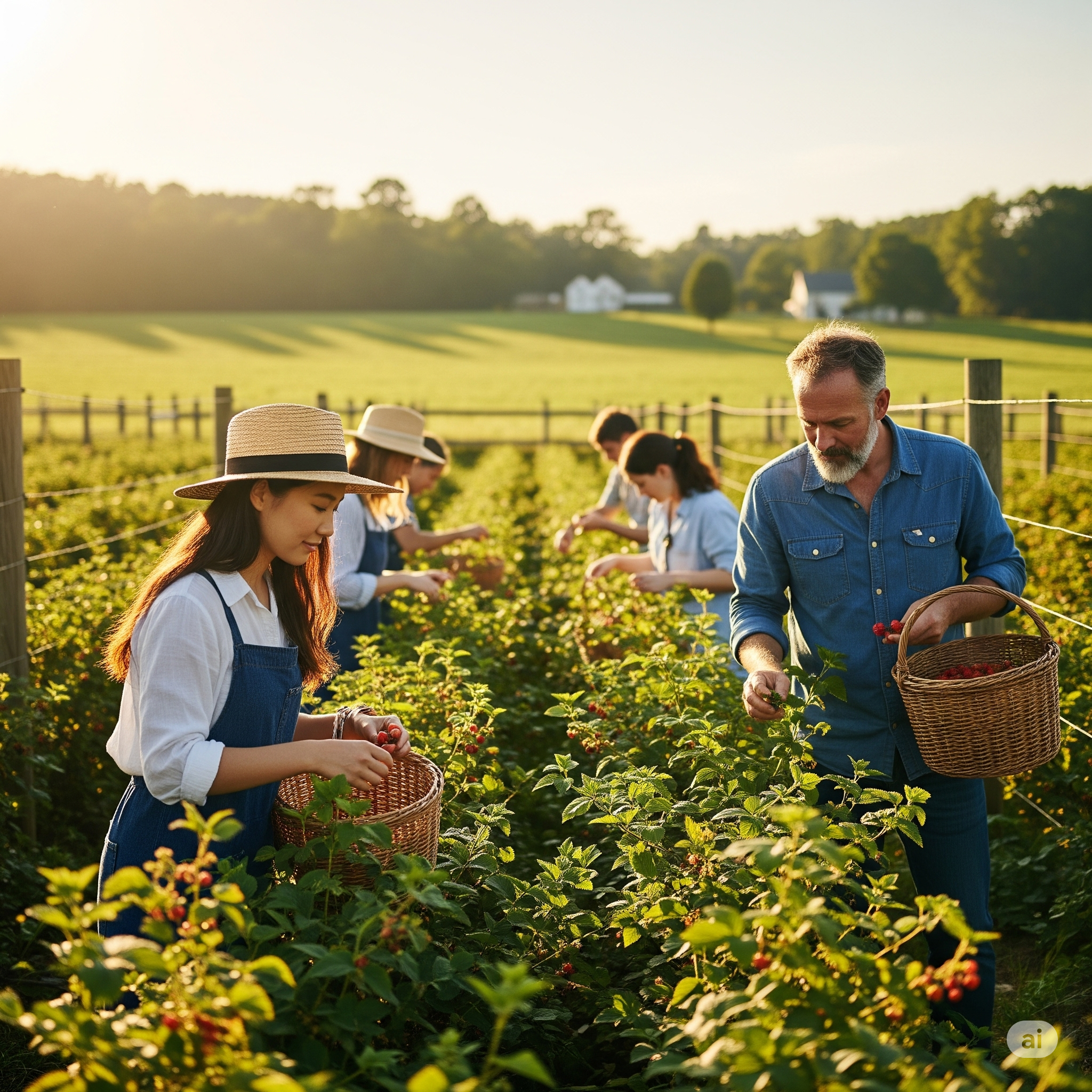
- “Pick-your-own” operations: From strawberries and blueberries to apples and pumpkins, visitors can harvest their own fresh produce.
- Farm tours and educational workshops: These provide insights into farm practices, animal husbandry, and even crafts like watercolor painting or wreath-making.
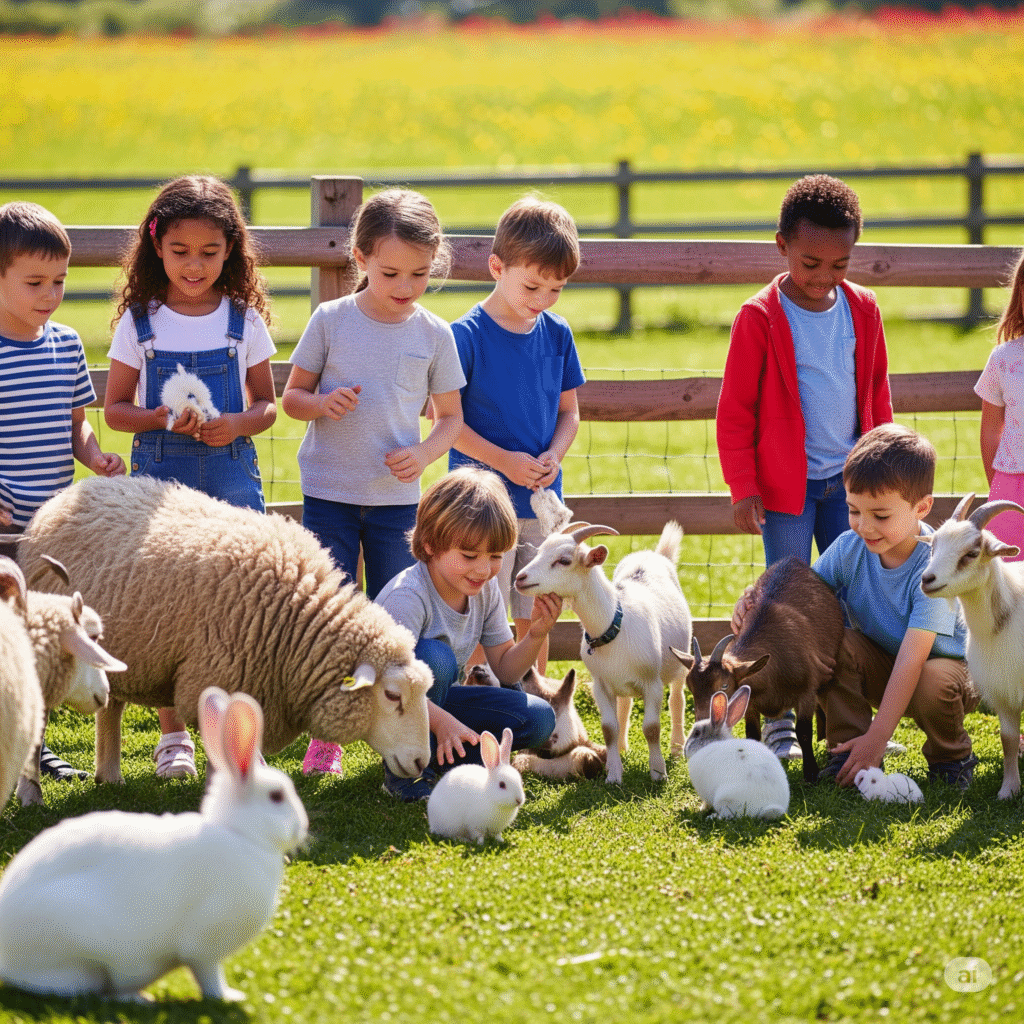
- Animal encounters: Petting zoos, feeding livestock, or simply observing farm animals offer engaging experiences for all ages.
- Seasonal festivals and events: Corn mazes, hayrides, farm trains, and special holiday events like “Barn & Treat” for Halloween are popular attractions.
- Farm-to-table dining experiences: Showcasing local produce and meats, these events connect visitors directly to the source of their food.
- Local beverage tastings: Wineries, breweries, and cideries often located on or near farms, provide opportunities to sample regional artisanal products.

When it comes to accommodations, agritourists have a diverse range of options. Many choose to stay directly on farms, with offerings ranging from cozy cabins and charming bed-and-breakfasts to rustic farmhouses. Beyond farmstays, the region also offers traditional lodging options, including hotels, motels, and vacation rentals, which often highlight their proximity to agritourism destinations. This blend of authentic farm experiences and comfortable accommodations ensures that visitors can fully immerse themselves in the agricultural charm of the Appalachian Highlands.
Sources: Virginia Tech, PVCase, Appalachian Voices, North Carolina State University, Fivable, Blue Mountain Brewery, Airbnb














Leave a Reply