
Asian Longhorned Tick Webinar for Kentucky Livestock Producers
October 1 @ 6:00 pm - 7:00 pm
Learn to Recognize an Emerging Livestock Threat
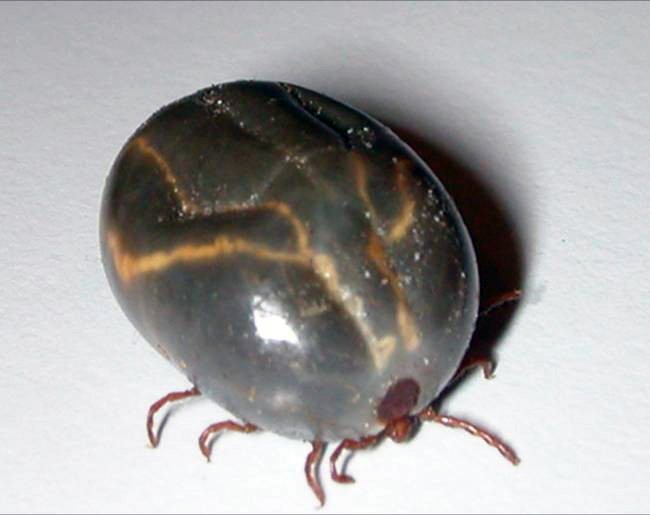
University of Kentucky Extension specialists will host an online webinar for livestock producers on October 1, focused on Asian longhorned ticks and the risks they can pose to cattle herds. The program will run from 6 to 7 p.m. Eastern and will help farmers recognize the invasive tick, understand the diseases it can transmit, and take practical steps to reduce risk on their farms.
Asian longhorned ticks are a growing concern for livestock producers in Kentucky and across the region. Heavy infestations can stress cattle and contribute to blood loss, poor performance, and anemia. The ticks can also transmit bovine theileriosis, a disease that damages red blood cells and may lead to weakness, abortions, reduced productivity, and, in severe cases, death.
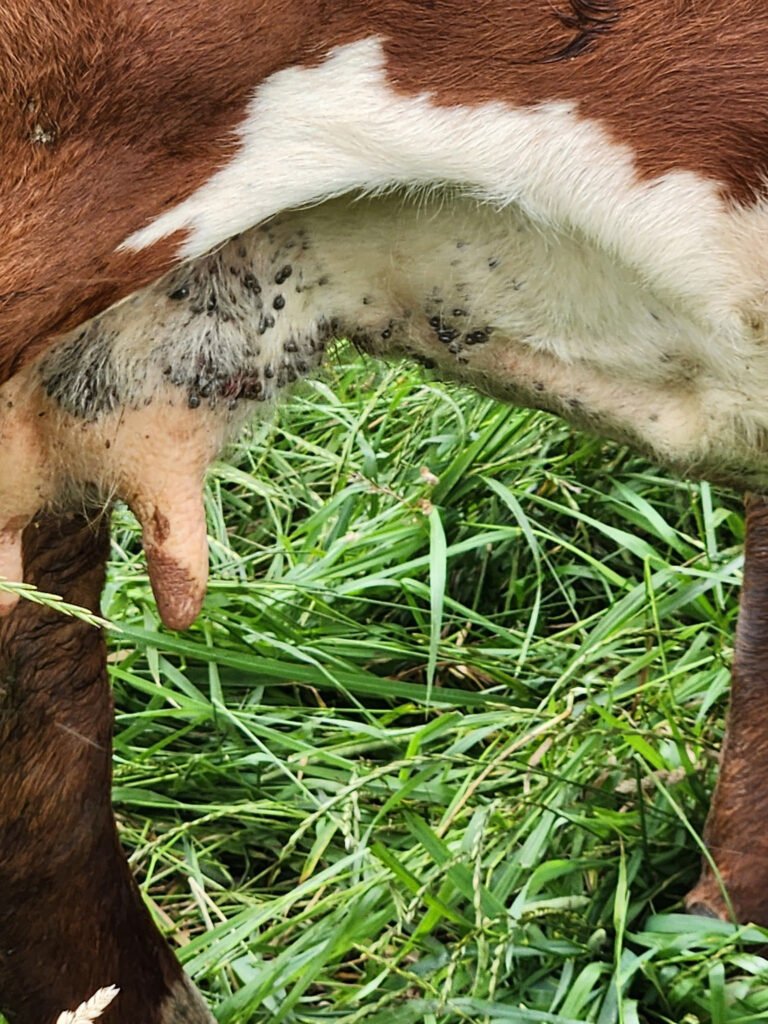
Photo courtesy of Cassandra Olds, Kansas State University
Identification, Monitoring and Prevention
The webinar will cover how to identify Asian longhorned ticks, how producers can submit tick samples for identification, what farmers need to know about theileriosis, how to monitor a herd for possible problems, and what management practices may help reduce exposure. Presenters include University of Kentucky Extension veterinary specialists and other animal-health and entomology experts.
This program aims to give cattle owners practical information they can use before an infestation or disease problem becomes severe. Producers who notice cattle that appear weak, lethargic, or unthrifty should examine animals closely for ticks. If you suspect disease, consult a veterinarian.
Prevention Takes on Greater Importance
The University of Kentucky Extension notes that no vaccine exists for bovine theileriosis and no reliable treatment is available for infected cattle. That makes prevention, early awareness, and routine herd observation particularly important. Management may include regular cattle checks. Inspecting and treating new animals before joining a herd helps prevent introduction. It also covers overgrown pastures, wooded edges, and tick-control products used as directed on the label.
The webinar is online. The University of Kentucky Extension urges producers to check with their county Extension office. They should confirm whether a local watch party is offered. You can register through the official University of Kentucky event page.
Read our full-length articles about educational opportunities here!