

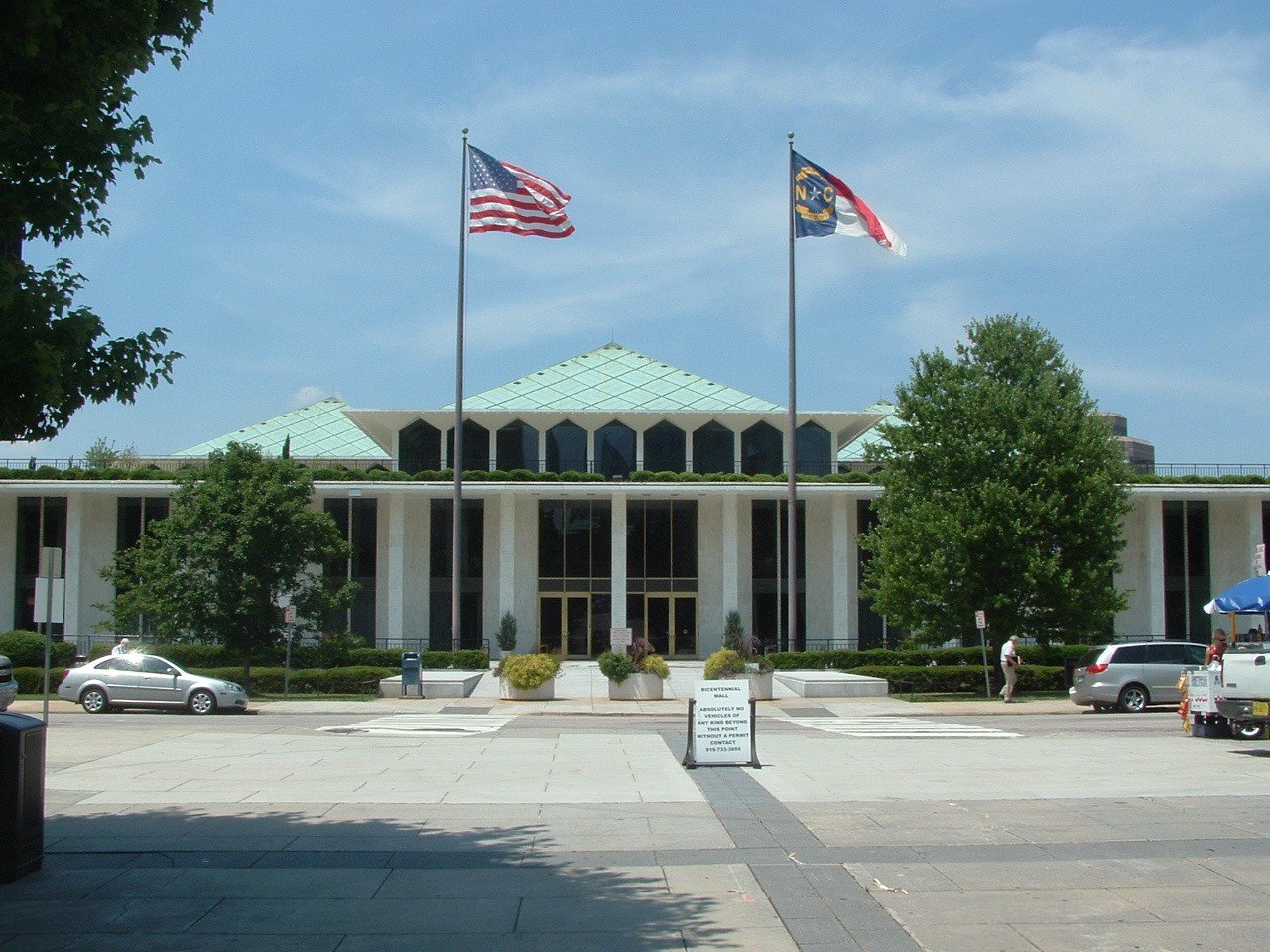
A Bipartisan North Carolina bill would put $6 million into local food purchasing, farmers markets, and nutrition programs. Lawmakers across party lines supported it this spring, and it cleared its first House committee without debate.
Then it stopped.
House Bill 1154 received a favorable report from the House Agriculture and Environment Committee May 13 and moved to the House Appropriations Committee. More than three months later, the North Carolina General Assembly still lists that referral as the bill’s most recent action.
The delay matters more now that lawmakers have concluded regular legislative business for the year. The General Assembly adjourned August 6 and will reconvene several times before December, but lawmakers limited those sessions to specific categories of legislation and other business. HB 1154 does not appear to fit any of those categories in its present form.
That leaves an unusual situation: lawmakers from both parties found common ground on a proposal intended to put money into North Carolina farms and expand access to locally grown food, but they did not fund it before regular business ended.


Bipartisan Support Builds Around HB 1154
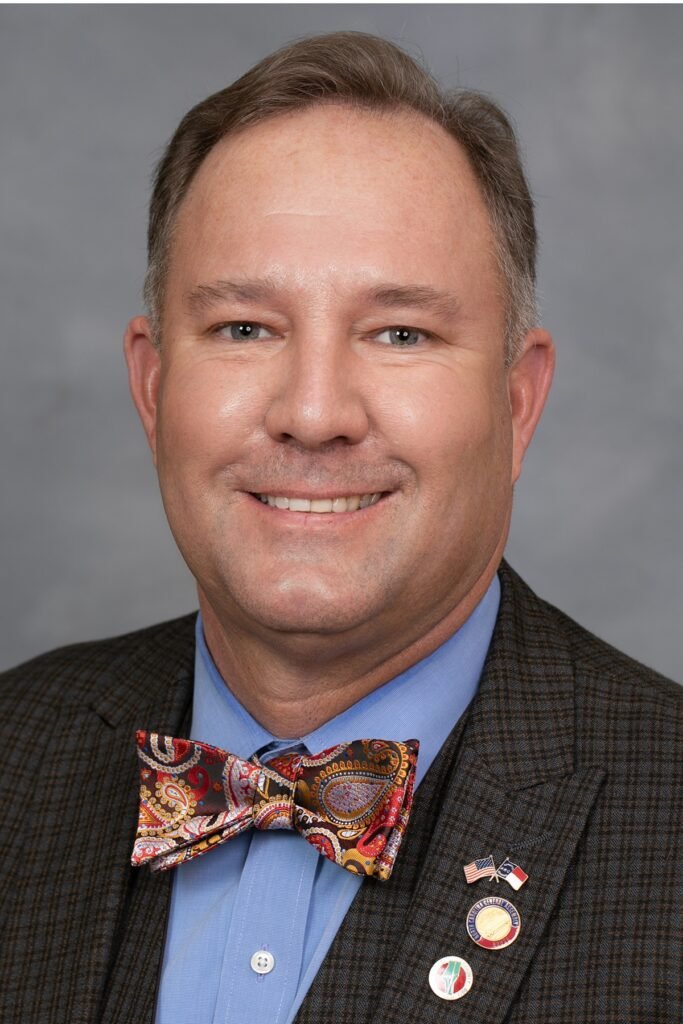
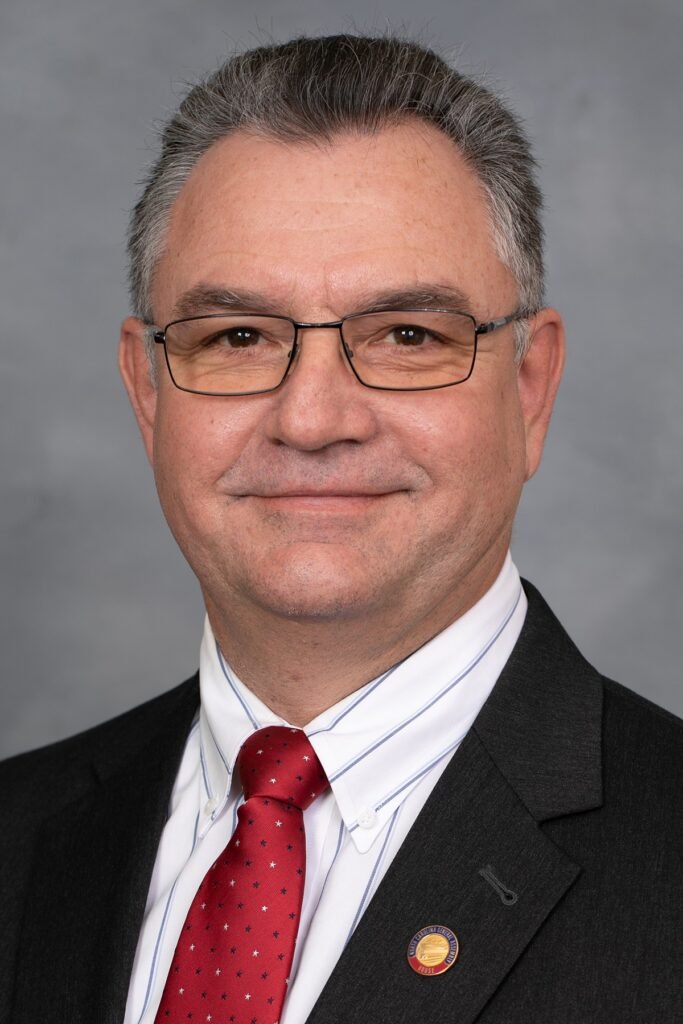
Republican Reps. Jeffrey McNeely, Howard Penny Jr., Karl Gillespie and Jonathan Almond are the primary sponsors of HB 1154. The General Assembly lists dozens of additional sponsors.
Those additional sponsors include Democrats from both urban and rural districts, including Eric Ager of Buncombe County, Lindsey Prather of Buncombe County, Renée Price of Orange and Caswell counties, Carolyn Logan of Mecklenburg County and others. Republican lawmakers from across the state also joined the bill.
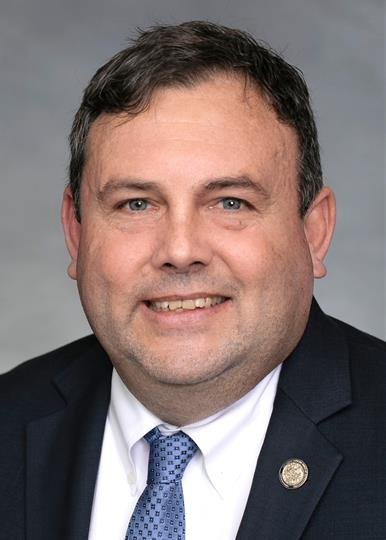

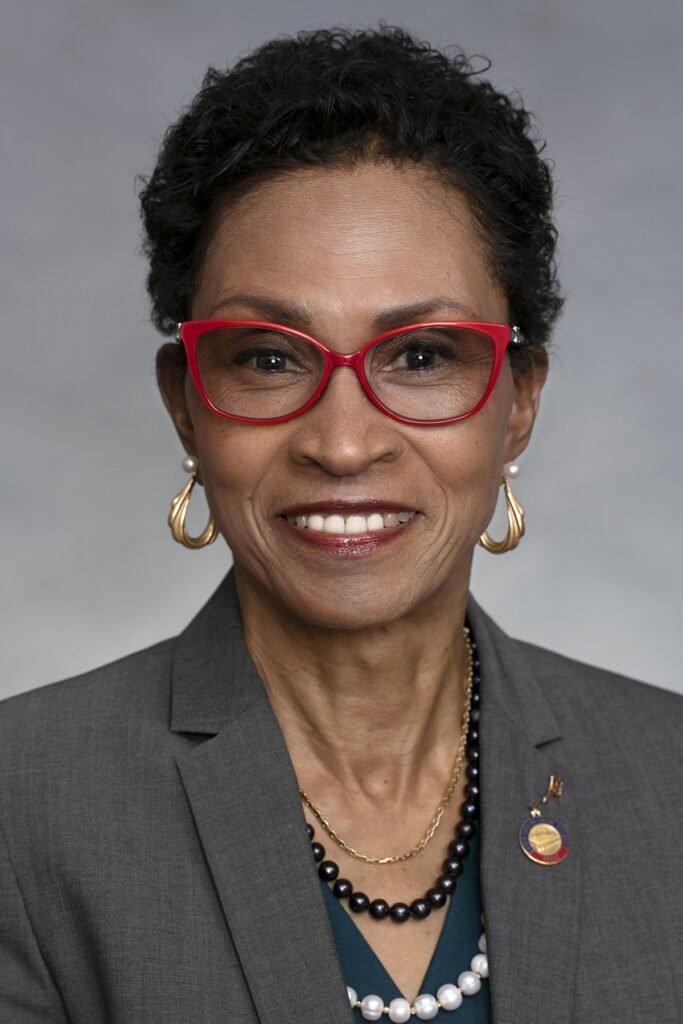

Gillespie presented the legislation to the House Agriculture and Environment Committee May 13.
“This legislation keeps tax dollars circulating within the North Carolina agriculture economy,” Gillespie told committee members, according to the Carolina Journal.
Gillespie said he knew of no opposition to HB 1154. The committee moved the bill forward without debate or discussion, the newspaper reported. General Assembly records a favorable committee report but no recorded roll-call vote.
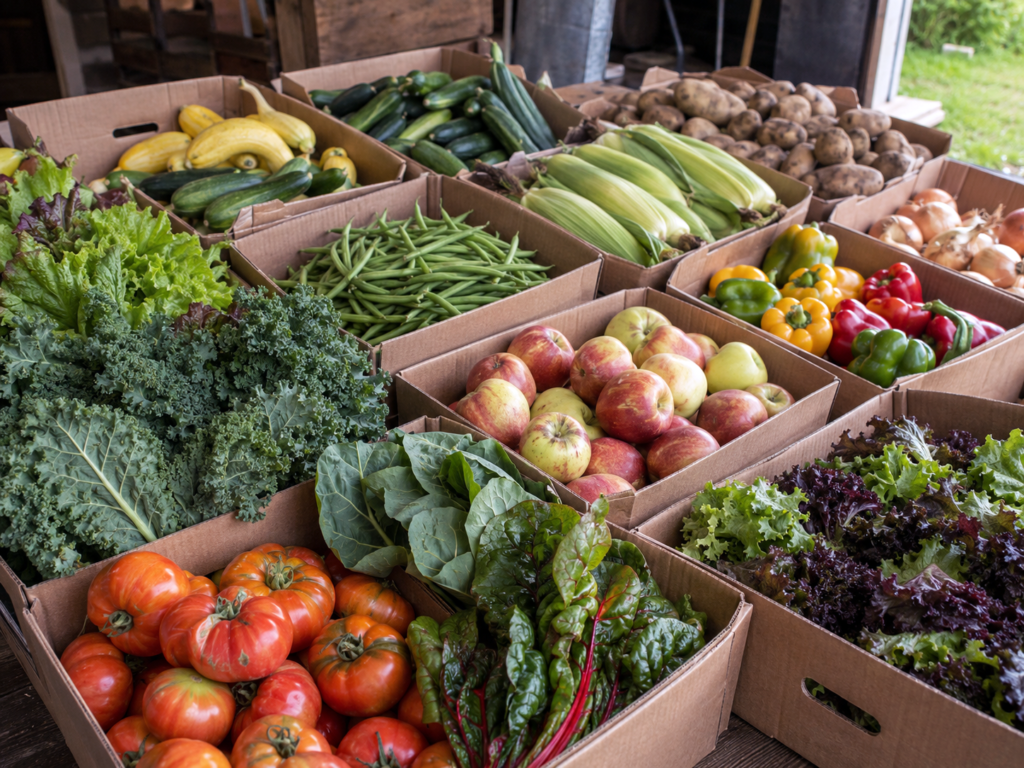
What HB 1154 Would Fund
The bill divides its proposed $6 million appropriation between two existing programs.
It would provide $4 million in nonrecurring funds through the North Carolina Department of Agriculture and Consumer Services to the Carolina Farm Stewardship Association for its FarmsSHARE program.
Another $2 million would go through the department to the North Carolina Farmers Market Network for Double Up Food Bucks. All of the money would come from the state’s General Fund for the 2026-27 fiscal year.
The bill describes two different approaches to a similar goal.
FarmsSHARE works through food hubs that purchase locally grown food and distribute it through community organizations to households experiencing food insecurity.
Double Up Food Bucks increases the purchasing power of people receiving nutrition assistance when they buy eligible fruits and vegetables at farmers markets, food hubs, and other direct agricultural retail outlets.
Both programs direct money toward food assistance while creating sales opportunities for farmers.
How FarmsSHARE Works
FarmsSHARE began in 2020 as restaurants and other food-service businesses shut down during the COVID-19 pandemic. Small farms that depended on those customers suddenly lost established markets.
The Carolina Farm Stewardship Association used public and private funding to connect farmers with food hubs. The hubs buy produce, dairy products, and eggs from local farms, assemble food boxes, and work with community organizations to distribute them at no charge to participating households.
FarmsSHARE has continued beyond its original pandemic response.
CFSA reports that FarmsSHARE now works through 18 food hubs and has purchased food from more than 300 farmers. Its Western North Carolina partners have included High Country Food Hub in Boone, TRACTOR Food & Farms in Spruce Pine, Foothills Food Hub in Marion, and WNC From the Ground Up in Sylvia.
Those hubs give farmers another way to sell products beyond farmers markets, restaurants, and traditional wholesale channels.
That matters in Western North Carolina, according to the Appalachian Sustainable Agriculture Project, or ASAP.
ASAP told Appalachian Highlands Farmers Magazine that food hubs have become an important market outlet for small and mid-sized mountain farms. Because many operate as non-profit, however, their purchasing ability often depends on grant funding and other outside support.
According to ASAP, adding food hubs to a farm’s customer mix can help growers spread risk across several market types.
Double SNAP Turns Food Assistance Into Farm Sales
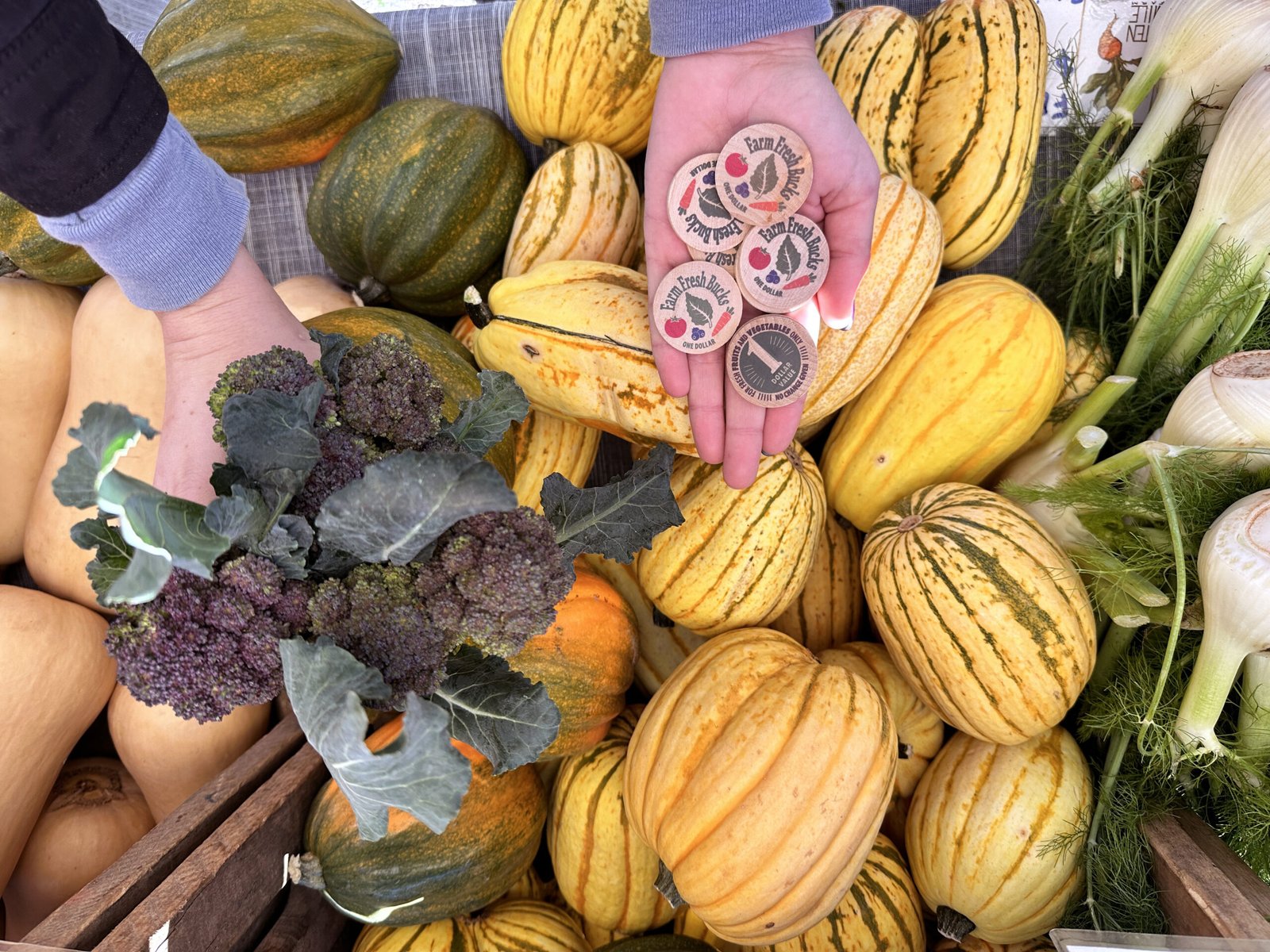
ASAP administers a regional Double SNAP program in Western North Carolina and provided the magazine with figures showing how nutrition benefits translate into purchases from local farms.
From January 1 through September 15, 2024, shoppers made 13,760 SNAP transactions across 27 participating markets, farm stands and other outlets.
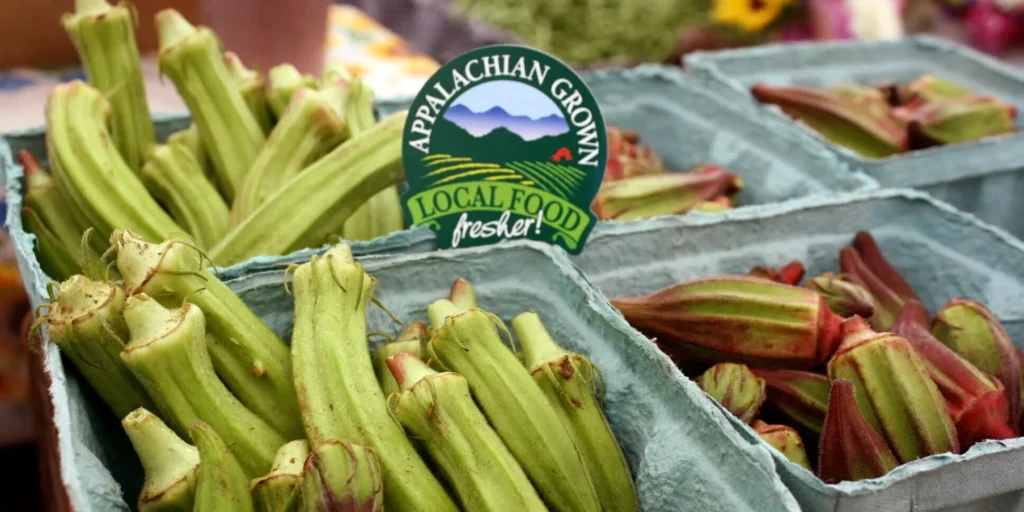
Those transactions accounted for nearly $295,000 in SNAP spending. The program added roughly $140,000 in fruit and vegetable incentives, giving participants approximately $435,000 to spend on food from more than 200 local farmers during the period.
For many of those farms, even relatively small changes in direct sales can matter.
Farms in ASAP’s Appalachian Grown network reported an average of 47.2 acres in production in 2025. More than half of the farms responding to ASAP’s survey reported less than $40,000 in annual gross sales, and 60% of respondents identified as new and beginning farmers.
ASAP said direct sales provide the primary income source for most of those farms.
One farmer interviewed through ASAP’s research described what increased participation meant at the farm level.
“We love the program for so many reasons: more shoppers at our established sales venues means we have less waste on our farm, selling to a diverse population gives our work meaning, and increased sales means that we can pay our staff and ourselves more of a livable wage,” the farmer said.
One Program, Very Different Markets
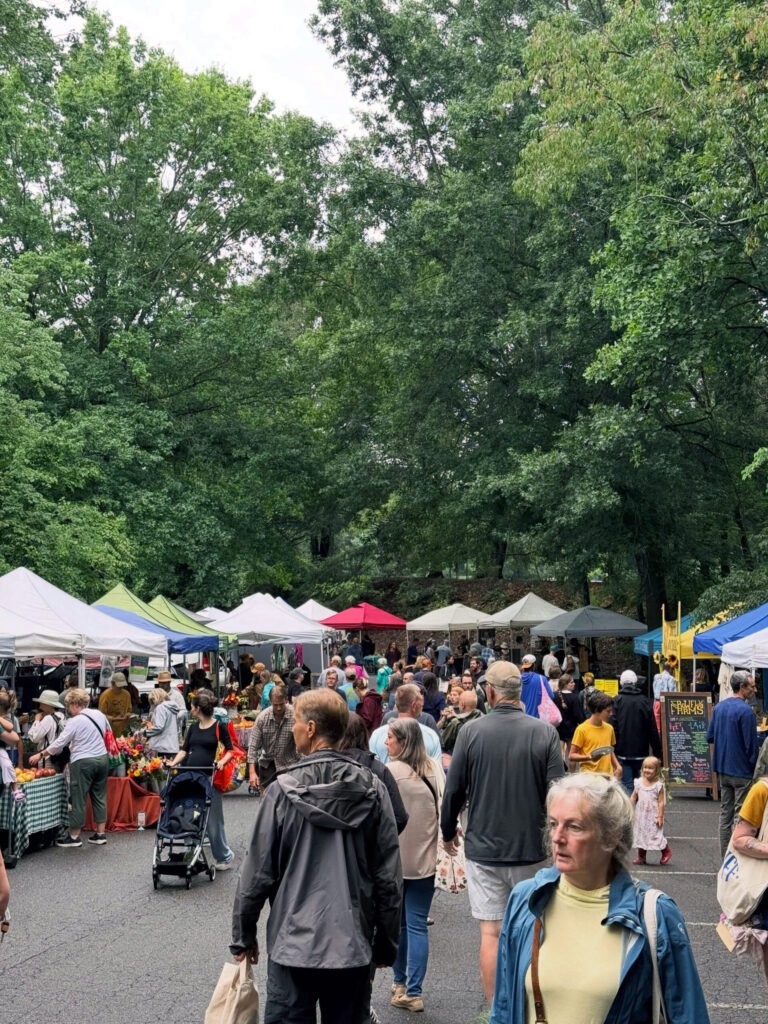
Participation varies considerably from market to market.
North Asheville Tailgate Market operates year-round and averages 16 fruit and vegetable vendors. During the first nine months of the 2024 program year, customers there made 1,716 SNAP transactions.
The market distributed more than $46,000 in SNAP tokens and approximately $30,000 in matching fruit and vegetable incentives. ASAP reported about 50 program participants per week.
The numbers looked very different at Ashe County Farmers Market in Jefferson.
That seasonal market averaged nine fruit and vegetable vendors and recorded 20 SNAP transactions during the same program year. It distributed $370 in SNAP tokens and another $340 in matching incentives. ASAP reported an average of about one program participant per week.
ASAP said differences in population, market size, staffing, years in operation, and promotional capacity all affect participation.
A larger market may have paid managers who can devote time to advertising and program administration. Smaller rural markets often operate with fewer resources.
Matching Money Is Only Part of the Cost
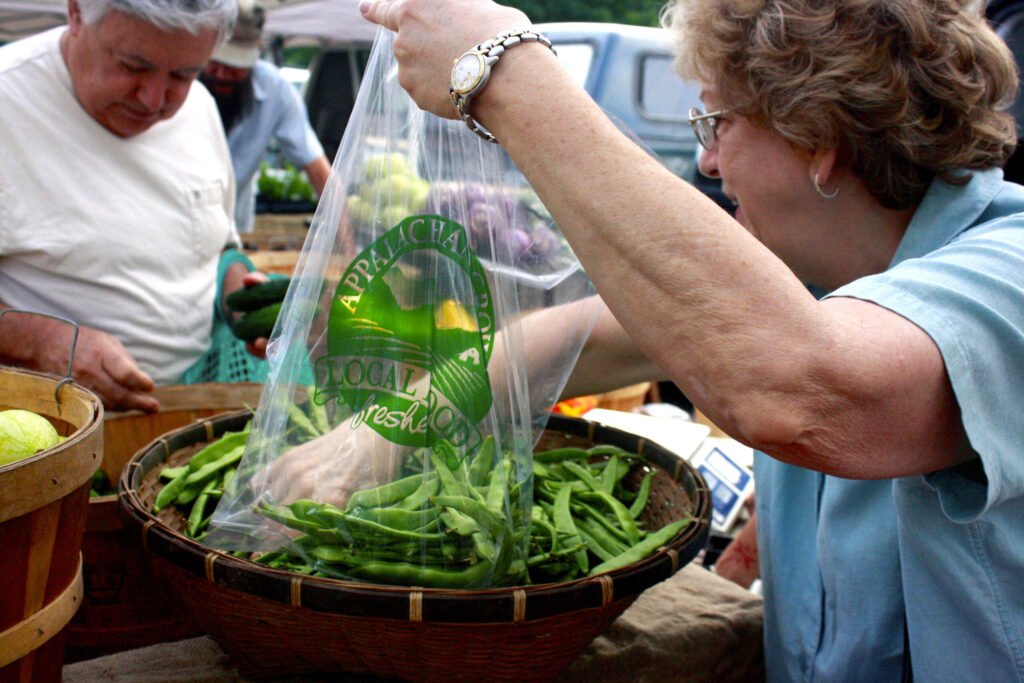
HB 1154’s $2 million appropriation could increase the amount of money available to match nutrition benefits, but ASAP said operating these programs requires more than matching funds.
Markets must handle outreach, promotion, equipment and the systems required to process benefits. Established programs also require training, technical assistance, data management and oversight.
ASAP said matching funds generally do not pay the full cost of administering the programs. At the same time, a shortage of matching money can prevent an established program from expanding or continuing.
Western North Carolina already has much of that infrastructure in place.
ASAP currently supports its Double SNAP program with a combination of federal and private money. Those funding sources are scheduled to expire in fall 2027.
The organization said it could incorporate state funding into the existing program immediately, allowing it to add sites, increase outreach, and sustain the program after the current funding expires.
The Bill Includes Accountability Requirements
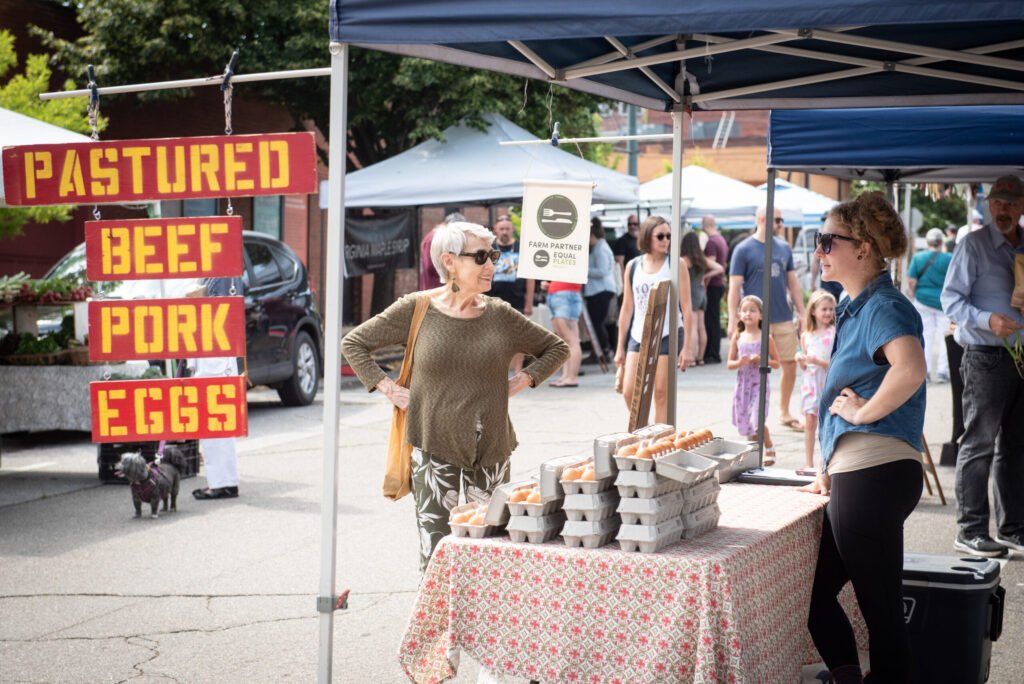
HB 1154 also requires both programs to report how they spend the money.
For FarmsSHARE, the Department of Agriculture and Consumer Services would report annually on the number of participating farmers, food hub and community organization locations, and the amount of food distributed.
For Double Up Food Bucks, annual reports would include the number of nutrition-assistance participants and farmers involved, participating locations, the value of benefits redeemed, and the redemption rate.
Those requirements would give lawmakers data to evaluate what the programs accomplished with the one-time appropriation.
But first, lawmakers would have to appropriate the money.

Bipartisan Farm Bill Misses the State Budget
While HB 1154 remained in House Appropriations, lawmakers completed work on the state’s 2026 appropriations act.
The General Assembly ratified Senate Bill 257 on July 2. Gov. Josh Stein signed it July 7 as the Current Operations Appropriations Act of 2026. The law establishes appropriations for state departments, agencies and institutions for the 2026-27 fiscal year.
Lawmakers approved the 2026 budget in a Bipartisan move while HB 1154 was still sitting in House Appropriations. The final spending plan left out the bill’s $6 million request for FarmsSHARE and Double Up Food Bucks.
The public legislative record does not explain why HB 1154 received no further consideration. No committee recorded rejection of the bill, and no public opposition emerged as it moved through its first committee. Its official history simply stops with the May 13 referral to House Appropriations.
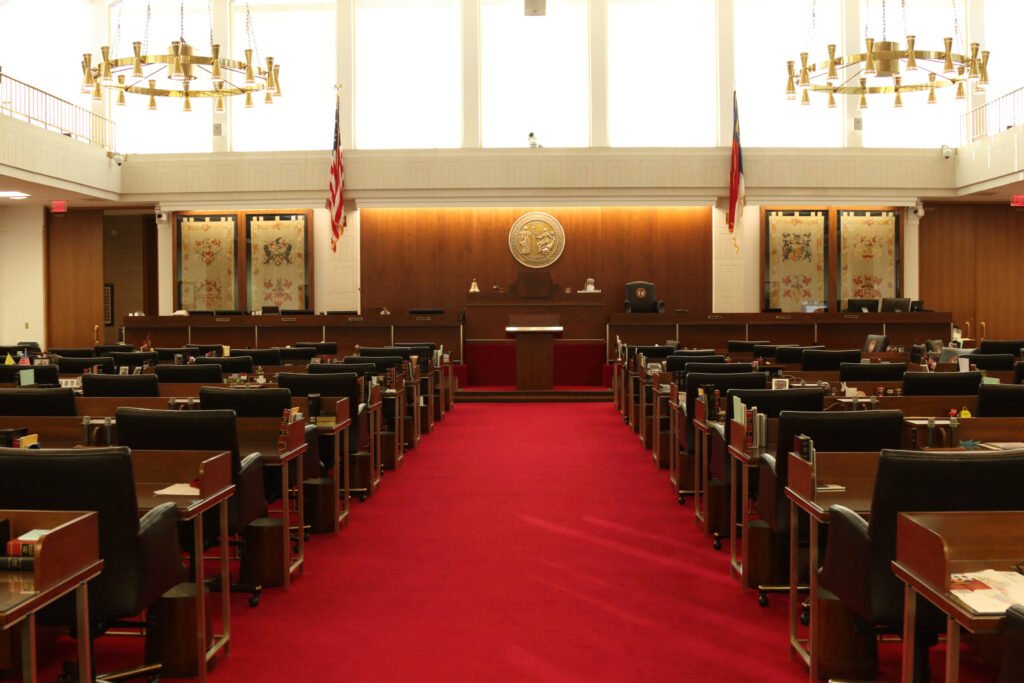
A Narrow Path Remains
Lawmakers concluded regular legislative business August 6. They are scheduled to return August 31-September 2, September 28-30, October 26-28, November 16-19, and November 30-December 18.
Resolution 2026-6 sharply narrows what lawmakers can do when they return. They can address vetoes, certain appointments, and a limited range of election and constitutional matters. The resolution also allows work to continue on conference reports that were already in progress before the August adjournment.
HB 1154 itself has no clear path to a vote under those restrictions in its current form.
The funding proposal is not necessarily out of reach, however. Resolution 2026-6 allows House and Senate leaders to authorize committees to meet between sessions to review the 2025-27 state budget and prepare revised budget proposals. It also allows lawmakers to amend the resolution governing what they may consider during the remaining sessions.
That leaves open the possibility that some or all of the $6 million could return through later budget action or another legislative vehicle, even if HB 1154 does not resume its normal path through the House.
The public record shows no indication that legislative leaders plan to do so.
The 2025-26 General Assembly is scheduled to adjourn for good on December 18.
For now, HB 1154 remains where lawmakers left it May 13.
Its history makes for an unusual legislative story. Four Republican primary sponsors introduced the measure. Democrats and Republicans from around the state added their names. Its first committee moved it forward without public opposition or debate.
The disagreement that often stops legislation never materialized.
The money did not, either.










Leave a Reply