


Free pasture webinars from NC State Extension will give livestock producers practical guidance on adding clover, establishing native warm-season grasses, and exploring financial support for pasture improvements. Scheduled for October 21 and November 18, the sessions will help farmers weigh forage options and plan changes to their tall fescue pastures.
Livestock producers who want more from their tall fescue pastures have two opportunities this fall to learn how to add clover, grow native warm-season grasses, and find financial help to put those practices to work.

Farmers interested in adding clover to their tall fescue pastures can learn more during a free October 21 webinar offered through NC State Extension’s Grassland Partnership. A second webinar, scheduled for November 18, will look at establishing native warm-season grasses alongside fescue. Both sessions are scheduled from noon to 1 p.m. Eastern.
The sessions will also explain how to access financial support for implementing the practices, with on-farm work expected to begin in late January 2027, according to Extension’s announcement.
For farmers in the Appalachian Highlands, these are practical questions. Tall fescue dominates many pastures across the region, particularly in North Carolina’s mountains and Piedmont.
Adding clover or native warm-season grasses gives producers options to improve existing forage and manage summer grazing.
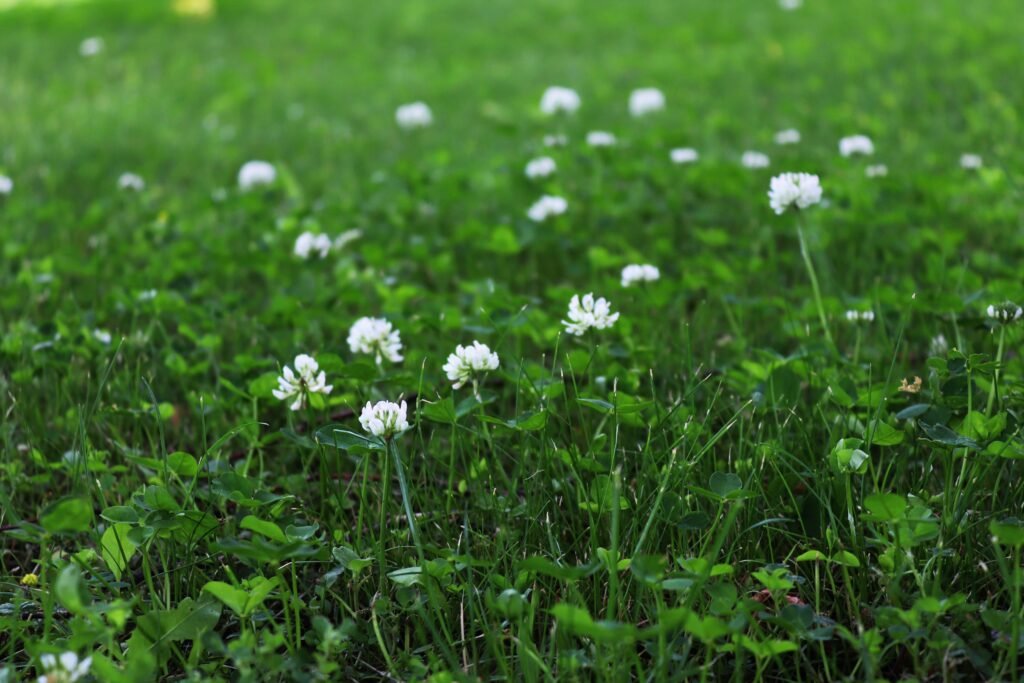
Getting Clover Established in Fescue Pastures
NC State grassland scientist Miquel Castillo has studied how farmers can introduce legumes into established pastures. Clover can improve forage quality and supply nitrogen through biological fixation, potentially reducing fertilizer costs. It may also help offset some of the problems associated with grazing tall fescue.
The nitrogen benefit begins with the plant’s association with bacteria that fix atmospheric nitrogen. This is one reason a grass-clover pasture can offer advantages over a grass-only stand.
But a successful stand requires more than buying seed.

Photo courtesy of NC State University
NC State’s frost-seeding guidance recommends evaluating soil fertility and weed pressure well ahead of planting, ideally a year in advance. Soil testing gives farmers time to correct acidity and address other deficiencies. The publication identifies a soil pH of 6 to 6.5 as important for legumes and nitrogen fixation.
Farmers can frost-seed clover during winter, when freezing and thawing help work the seed into the soil. Rainfall also helps. But timing matters, and conditions can vary considerably across North Carolina. A planting date that works in the Piedmont might be too early or too late for a mountain farm.
An Extension article from Lee County also highlights seed inoculation and herbicide history as factors to consider. Some weed-control products can damage clover, and residual activity can interfere with establishment. Farmers need to consider those factors when planning to add a legume.
Castillo emphasized the role of evidence in a February 2026 NC State Extension article about pasture research and drone seeding.
“We have a responsibility to make sure that our recommendations are backed by research, and that they actually work,” he said.
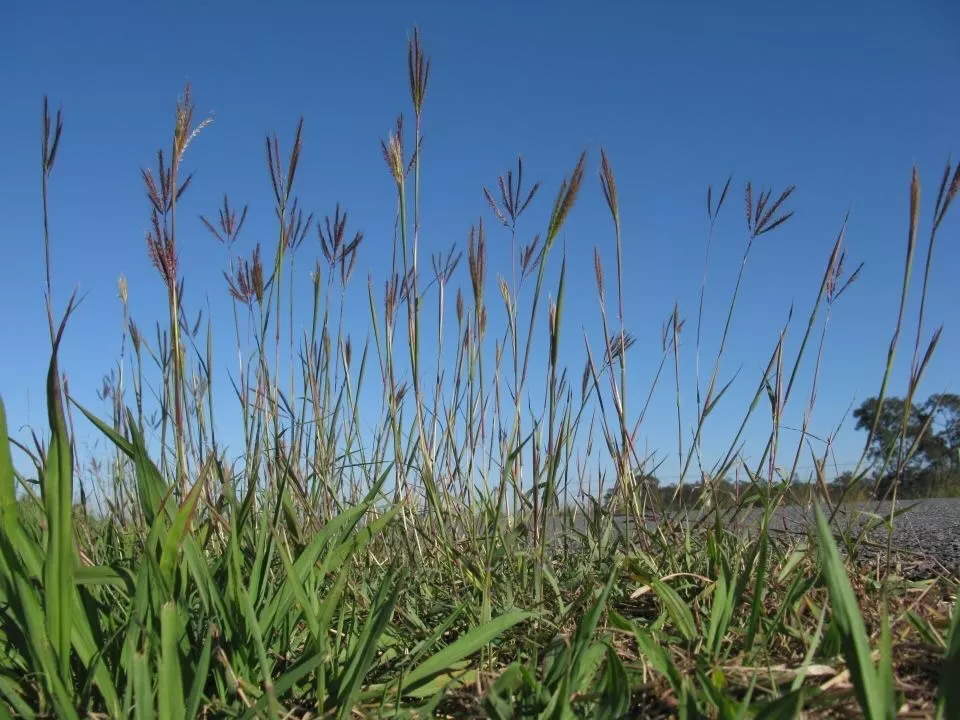
A Different Grass for the Summer Season
The November webinar addresses another part of the forage calendar: summer growth.
University of Tennessee Extension guidance explains that cool-season grasses such as tall fescue and orchardgrass produce much of their forage during cooler weather. Native warm-season grasses can complement those pastures because they are adapted to hot, dry summer conditions.
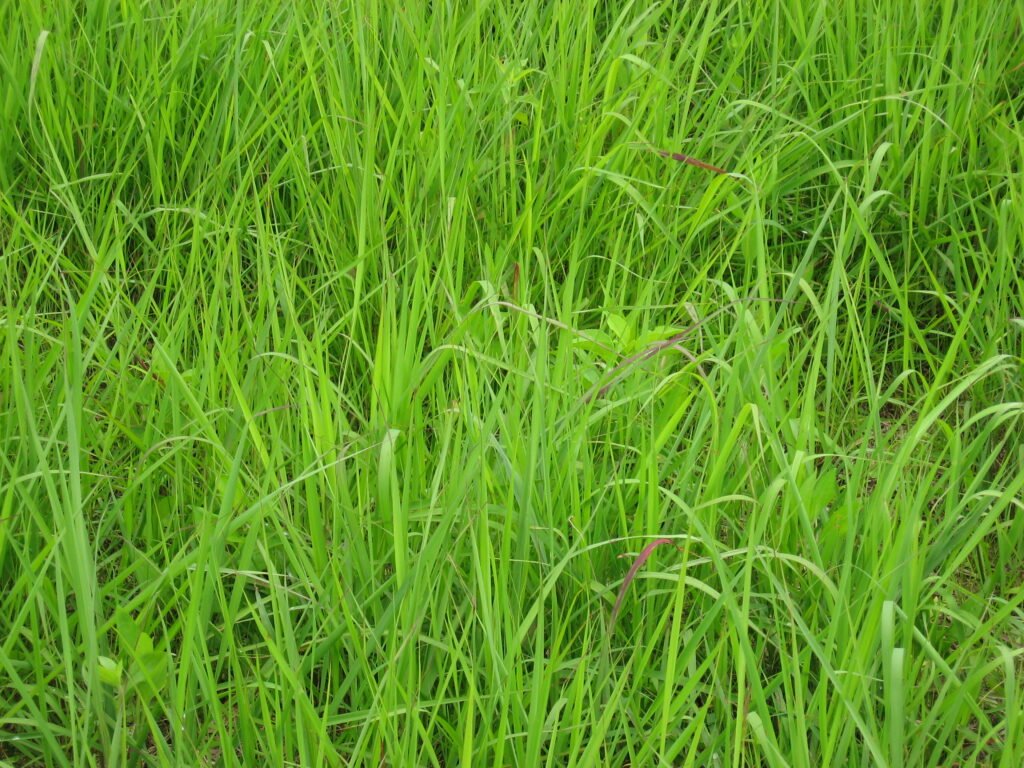
Mid-South forage species include big bluestem, Indiangrass, switchgrass, and eastern gamagrass. They add another seasonal forage source to an operation’s existing system.
Establishment takes planning. UT’s guidance notes that native grasses can germinate slowly and produce small seedlings that are vulnerable to competition. Site preparation and weed management therefore deserve attention before planting.
Those differences make the November session useful for producers weighing whether native grasses fit their land and grazing plans. Adding clover to an existing fescue pasture and establishing a native grass pasture are separate decisions, each with its own management needs.

Cost-Share Funding: Details Still to Come
NC State Extension beef specialist Felipe Silva mentioned a cost-share funding opportunity in his October 10 announcement about the webinars. Farmers interested in financial assistance may want to attend the final session, when organizers plan to explain how to apply. For now, the announcement leaves some important questions unanswered, including how much assistance is available and which farms qualify.
Farmers should use the sessions to learn which operations qualify, what expenses the program covers, and what participation requires before budgeting around assistance.
Registration links for both free webinars appear in NC State Extension’s Grassland Partnership announcement. Producers considering changes can also speak with their local Extension office about soil tests, forage choices, and field conditions before making a planting plan.
Webinar information and registration:
https://forages.ces.ncsu.edu/news/grassland-partnership-webinars
Front Page






Leave a Reply