Home / Government / How the New Farm Bill Alters Local Food System Funding

How the New Farm Bill Alters Local Food System Funding

U.S. Capitol building with its white dome against a clear blue sky and manicured grounds in front

When the House of Representatives passed the Farm, Food, and National Security Act of 2026 (H.R. 7567) in May, much of the debate in Washington focused on overall agricultural output. However, for farmers and market managers in the Appalachian Highlands, the legislation’s fine print reveals a clear division in how resources are allocated.

The bill appears to strengthen commodity-scale production, while pushing the financial costs of local food access and soil conservation onto state governments and smaller operations.
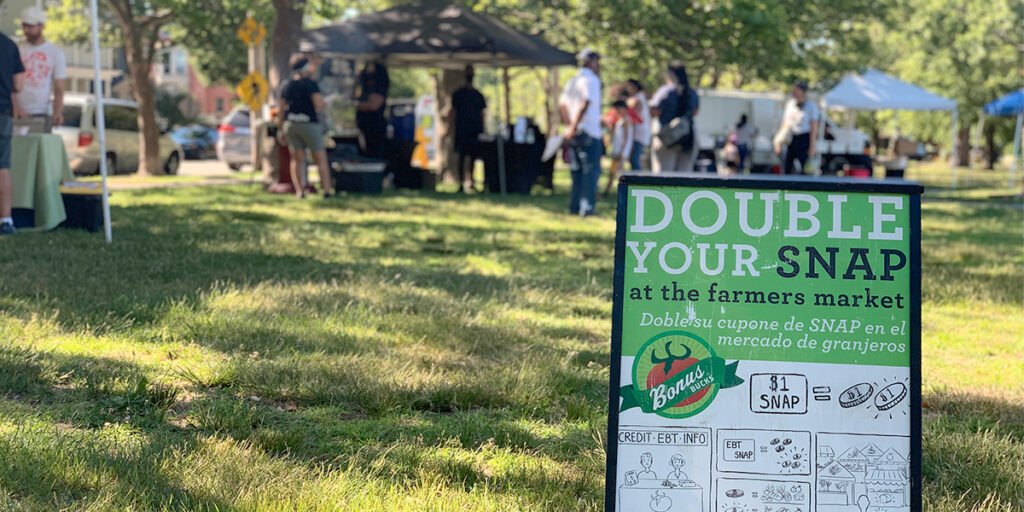
Outdoor farmers market scene with a large green promotional sign in the foreground that reads 'DOUBLE YOUR SNAP at the farmers market,' shoppers and stalls visible under tents in a sunny park setting.

The Fiscal Burden of SNAP and Farm Market Access

Under the 2018 Farm Bill framework, the federal government split the administrative costs of the Supplemental Nutrition Assistance Program (SNAP) equally with the states. Section 4012 of the 2026 bill changes this formula, requiring states to cover 75% of administrative expenses by 2027.

For state capitals like Richmond, Charleston, and Frankfort, this represents a substantial unfunded mandate. The National Conference of State Legislatures (NCSL) recently calculated the scope of this burden, warning Congress that the combination of previous benefit changes and this new requirement means “states face an average cost shift of $218 million, with some exceeding $1 billion.” Beginning in FY 2027, the NCSL noted, the administrative cost shift alone will result in “an average increase of $67 million per state.”
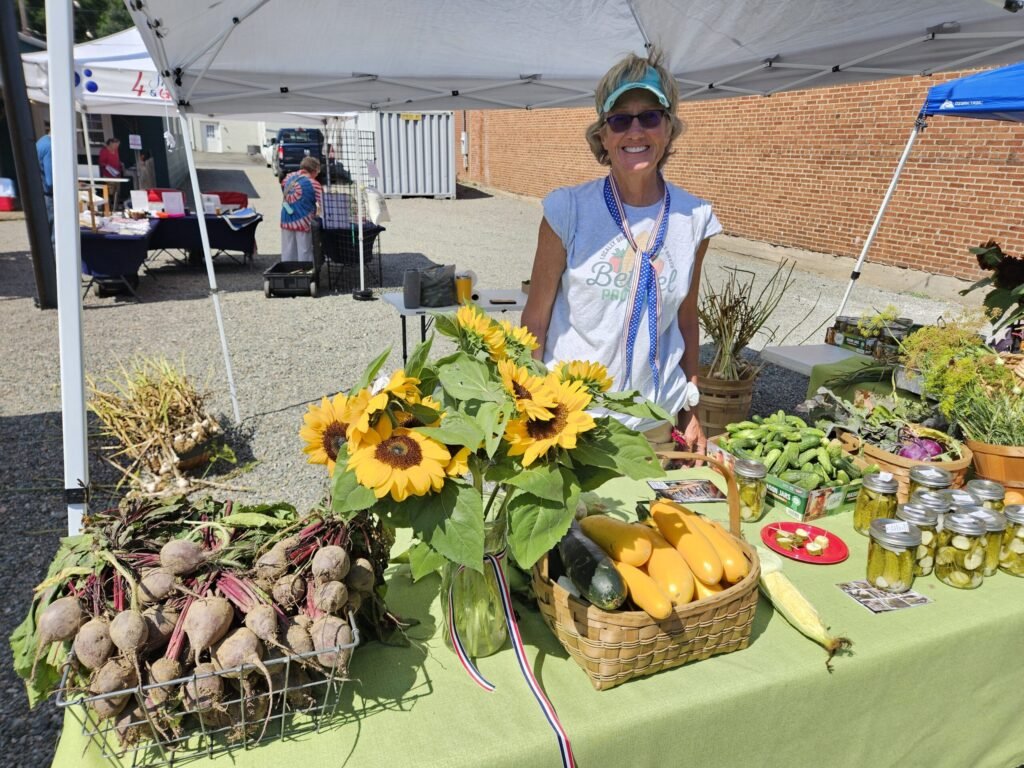
Smiling woman at a vendor table with sunflowers and fresh produce at an outdoor market under white canopies.

Faced with these deficits, state agencies are often forced to reduce the outreach staff that helps local farmers’ markets manage EBT terminals. Nationally, SNAP recipients spent roughly $70 million directly at farmers’ markets in 2023.

If states scale back administrative support to balance budgets, the infrastructure for programs like Double Up Food Bucks—which allows families in the Appalachian Highlands to stretch their food dollars on regional produce—could see a significant contraction.

Compounding this is the USDA’s May 7, 2026, final rule on stocking standards. The rule requires SNAP retailers to carry seven varieties of food in four staple categories. While a corporate grocery chain can easily meet these requirements, a seasonal farm stand or a hyper-regional market specializing in Appalachian heirloom crops may find the administrative red tape of proving compliance too high a barrier to remain in the program.
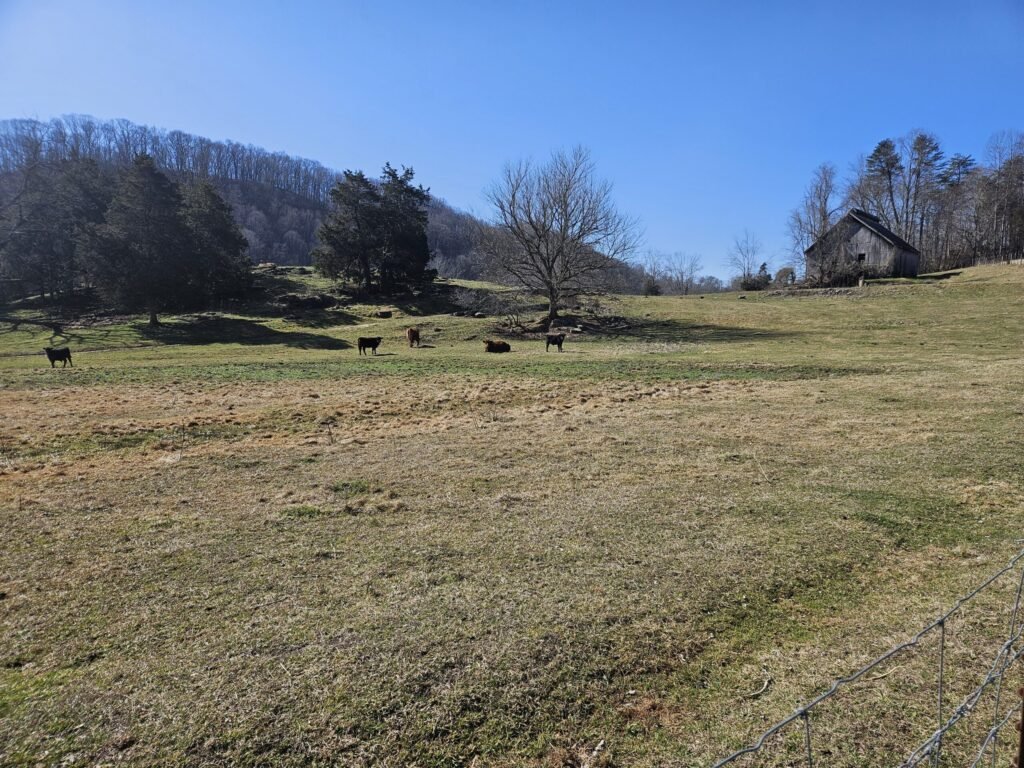
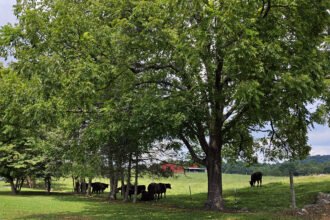
Open grassy hillside with scattered cows and a weathered barn on the right under a clear blue sky, a fence in the foreground

Credit Caps and the Price of Farm Land

The bill expands access to credit in ways most useful to larger operations. By raising USDA-guaranteed farm ownership loan caps from $2 million to $3.5 million, the legislation addresses rising costs for equipment and land. However, the USDA Economic Research Service (ERS) 2025 Land Values report noted that land prices in the Southeast have risen by an average of 8% annually. In land markets already under pressure, higher federal loan caps can become a new benchmark for what larger buyers are able to pay.

For a beginning farmer in Southwest Virginia or Western North Carolina, these higher caps can inadvertently fuel land-price inflation, making it harder to compete for acreage against larger, more capitalized operations that are better positioned to utilize the expanded credit lines. The legislation stabilizes the current industrial footprint but does little to lower the barriers for the next generation of small-scale producers.
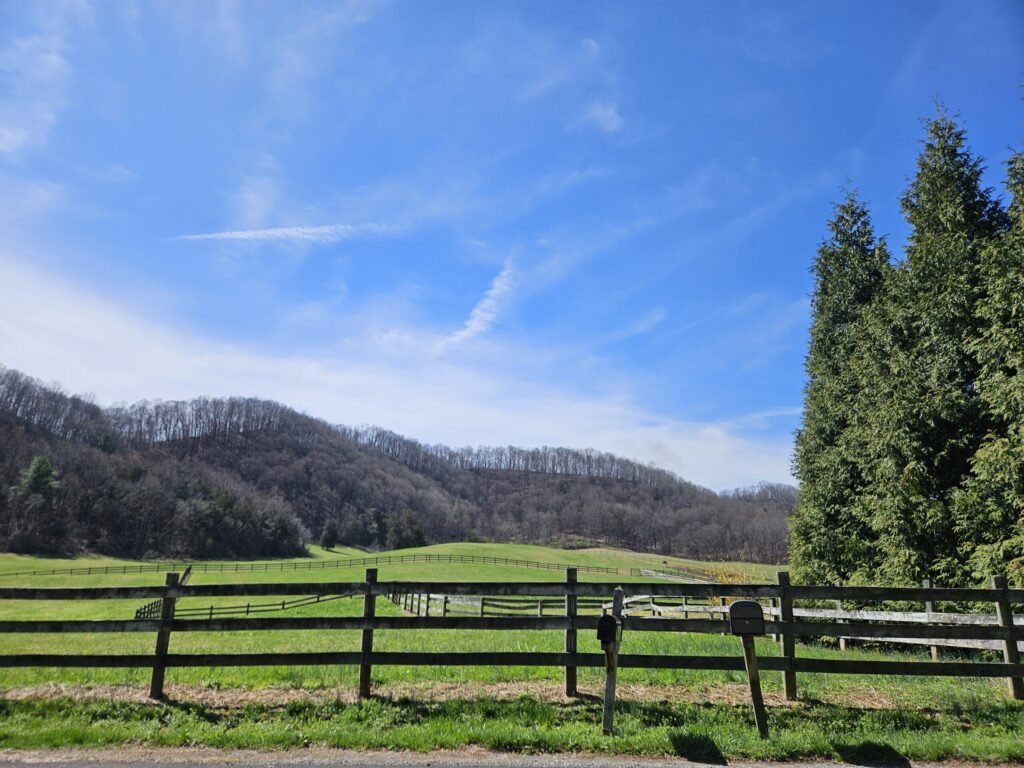
Wide rural scene featuring a split-rail fence in the foreground, green fields, and a tall evergreen on the right under a clear blue sky with distant leafless hills.

The Reallocation of Conservation Capital

One of the most significant budgetary maneuvers in H.R. 7567 is the redirection of $1 billion away from the Environmental Quality Incentives Program (EQIP) and the Conservation Stewardship Program (CSP).

In the mountainous terrain of the Appalachian Highlands, these programs are the primary funding sources for practical farm infrastructure. Farmers use EQIP grants to pay for fencing that keeps cattle out of local watersheds and to build high tunnels that extend the growing season for specialized crops.

By shifting this billion-dollar pool toward commodity-focused titles, the bill reduces the available cost-sharing for producers attempting to implement regenerative practices. Without these federal offsets, the financial risk of transitioning to soil-health-focused farming falls entirely on the individual producer.
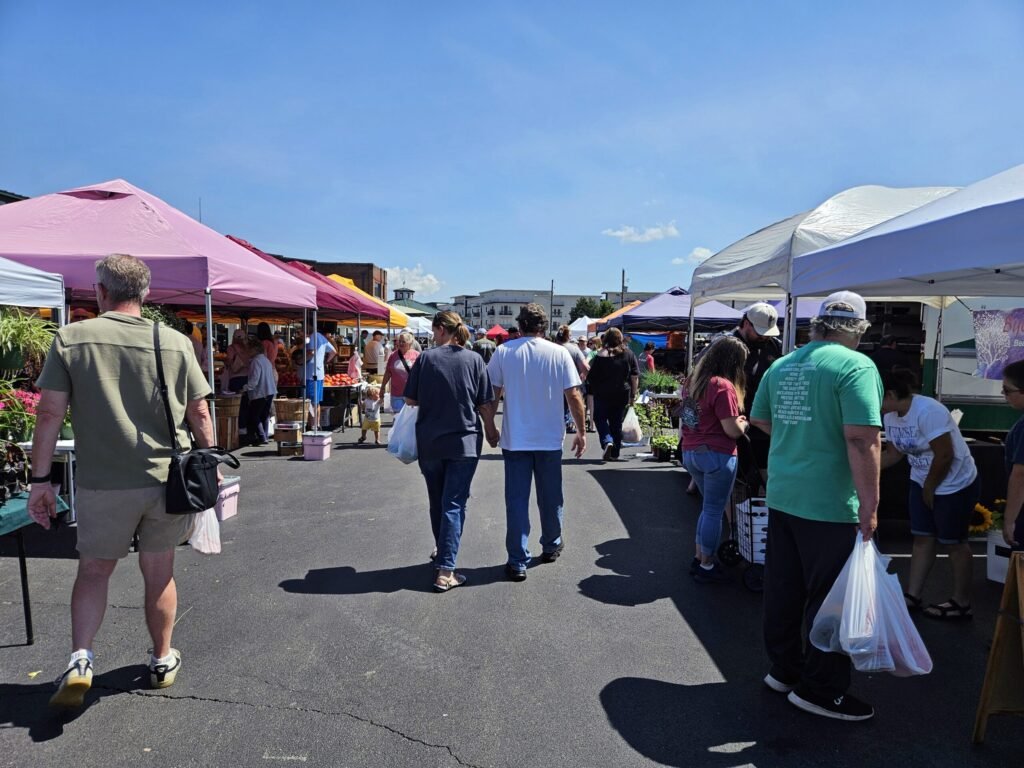
Outdoor market with colorful tents and shoppers walking along a sunny street. Scroll of stalls on both sides under pink, purple, and white canopies.

Conclusion: A Choice of Scale

Ultimately, the 2026 Farm Bill prioritizes national production volume and large-scale agricultural stability. By reinforcing the commodity safety net and shifting the costs of local food access and conservation to the states, the legislation appears to favor a high-output, industrial model.

For the Appalachian Highlands, where the agricultural economy relies heavily on diversity and smaller-scale stewardship, local governments, nonprofits, and producer networks may need to find replacement funding to bridge the gaps left by this federal shift.


Tagged:

Leave a Reply

Your email address will not be published. Required fields are marked *

The "New Math" of the 2026 Farm Bill

ProvisionCurrent Law (2018 Bill)Proposed Bill (H.R. 7567)
SNAP Admin Costs50% Federal / 50% State25% Federal / 75% State
Farm Loan Caps$2.14 Million (Guaranteed)$3.5 Million
Conservation FundsFully Funded (IRA + Farm Bill)$1 Billion Redirection
SNAP Stocking3 varieties per category7 varieties per category
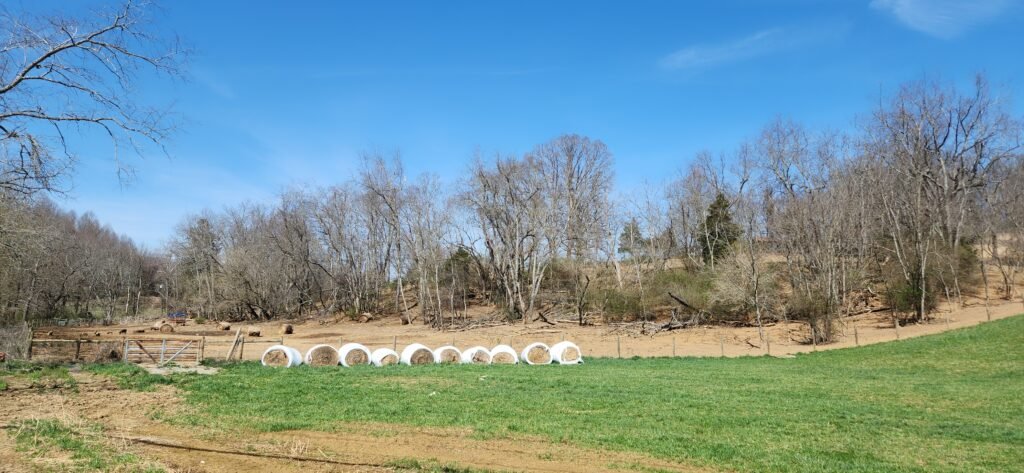
Farm scene with hay bails in the distance

Jargon Buster: Navigating "Ag-Speak"

EQIP (Environmental Quality Incentives Program): A voluntary program that provides financial and technical assistance to farmers to plan and implement conservation practices on working lands.

CSP (Conservation Stewardship Program): The largest conservation program in the U.S., designed to help farmers maintain and improve their existing conservation systems.

ERS (Economic Research Service): The USDA’s primary source of economic information and research.

H.R. 7567: The official designation for the "Farm, Food, and National Security Act of 2026."

Unfunded Mandate: A statute or regulation that requires a state or local government to perform certain actions, but provides no money for fulfilling those requirements.

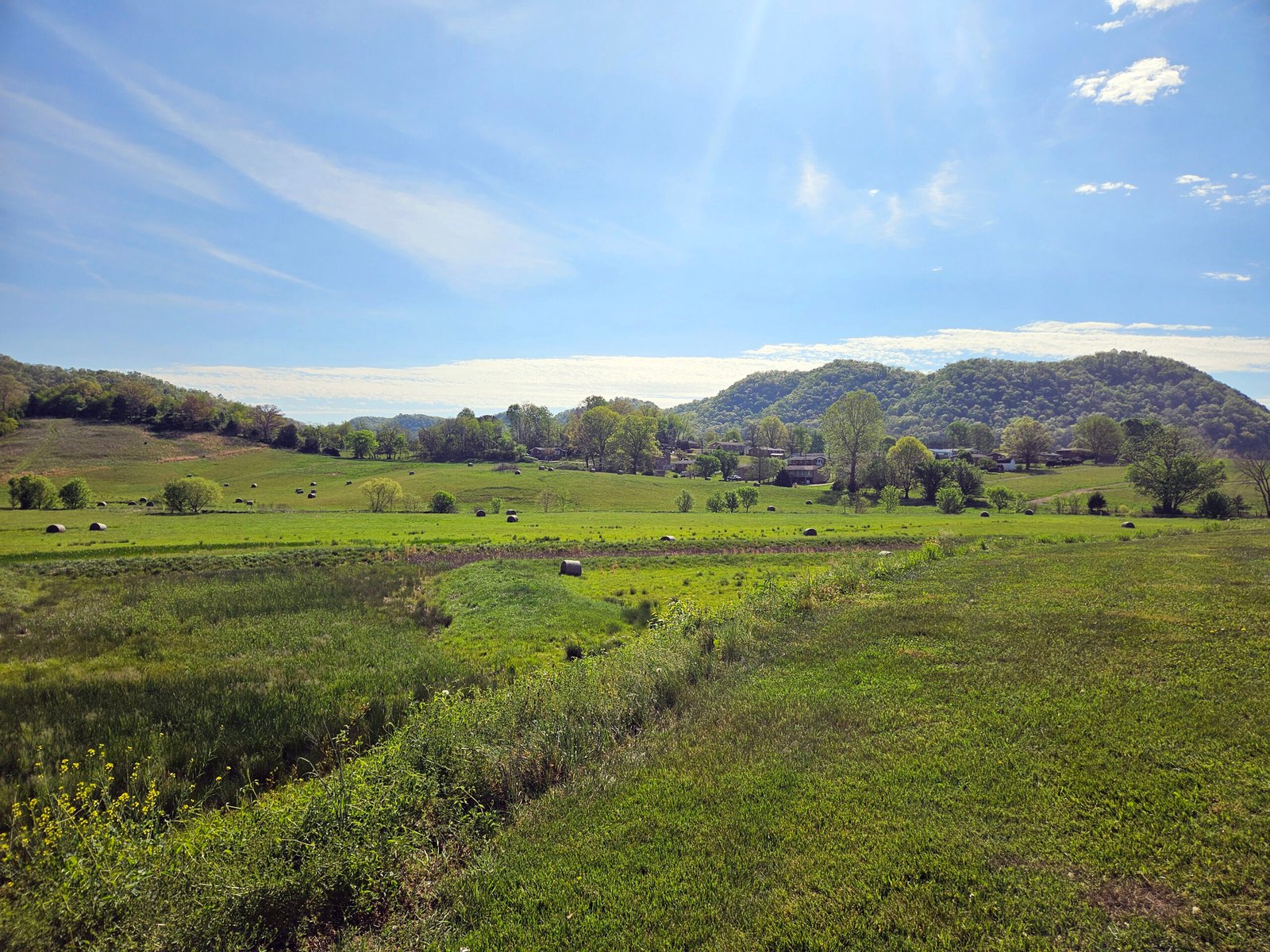
Bails of hay and animals from a distance

Regional Spotlight: The Appalachian Highlands

Land Value Pressure: Land prices in the Southeast are rising at an average annual rate of 8%, making any increase in federal loan caps a double-edged sword for beginning farmers.

The SNAP Connection: In 2023, SNAP recipients spent $70 million at farmers' markets nationwide. In Appalachia, these dollars are vital for "Double Up Food Bucks" programs that support regional fruit and vegetable growers.

Infrastructure at Risk: Programs like EQIP have historically funded fencing, high-tunnels, and watershed protection in the Highlands. A $1 billion national cut directly impacts the availability of these grants for mountainous, small-acreage farms.

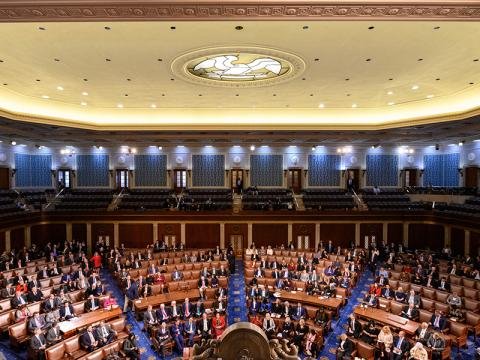
Large legislative chamber filled with delegates seated in rows around a central podium/dais.

What Happens Next?

The passage of H.R. 7567 in the House is only the first step. Here is the road ahead for the Farm Bill:

  1. Senate Markup: The Senate Agriculture Committee is expected to release its own version of the bill in late May or June 2026.
  2. Chamber Vote: The full Senate must debate and pass its version.
  3. Conference Committee: Because the House and Senate versions are expected to differ significantly on SNAP and conservation, members from both chambers will meet to "reconcile" the two bills into one.
  4. Final Passage: Both the House and Senate must vote again on the compromise version.
  5. Presidential Action: The President will either sign the bill into law or veto it.

Category List

ReImagine Appalachia

The Flawed Scientific Rationale behind Revoking the Endangerment Finding

Image shows a traffic jam. The air is thick with gas representing the invisible greenhouse gases The post The Flawed Scientific Rationale behind Revoking the Endangerment Finding appeared first on [...]

Local Government Resources regarding Data Centers

Thursday, May 7 12:00 PM ET via Zoom - Policy in our nation has been slow to catch up to the data center boom, however, advocates are working to create [...]

Modernizing and Growing Appalachian Manufacturing: Securing Federal Investments and Better Policy

Tuesday, May 5, 2026 12:00 PM -  1:00 PM ET via Zoom - We explored the development of a federal Appalachian manufacturing policy strategy. We were joined by experts from [...]

May Day: Reflecting on the Paint Creek-Cabin Creek Strikes and the start of the West Virginia Mine Wars

The West Virginia Mine Wars were a series of labor strikes that occurred throughout the early twentieth century in response to dangerous and unjust working conditions in the region’s coal... [...]

An Asian-Applachian Story: Pittsburgh’s Forgotten Chinatown 

May 1, 2026 By Anastasia Harouse – Policy & Research Intern Anastasia Harouse is a graduate student at Carnegie Mellon University, pursuing a Master’s in Public Policy & Management –... [...]

The Appalachian Mountains: A Wildlife Highway

The Appalachian Mountains are more than a scenic backdrop, they are a living network of mountains, valleys, and rivers that sustains wildlife and communities alike. Keeping this landscape connected means [...]

REIMAGINE APPALACHIA CELEBRATES 2026 RISE PA RECIPIENTS AND ADVANCEMENTS IN CLIMATE ACTION

APPALACHIA— ReImagine Appalachia applauds the 2026 recipients of the Reducing Industrial Sector Emissions Pennsylvania (RISE PA) program, an investment that will create and sustain family-sustaining jobs, improve public health in [...]

The conversation around data centers is buzzing – this conversation took a few steps back to examine the basics – what are they? How do they work? What are aspects [...]