

When the House of Representatives passed the Farm, Food, and National Security Act of 2026 (H.R. 7567) in May, much of the debate in Washington focused on overall agricultural output. However, for farmers and market managers in the Appalachian Highlands, the legislation\’s fine print reveals a clear division in how resources are allocated.
The bill appears to strengthen commodity-scale production, while pushing the financial costs of local food access and soil conservation onto state governments and smaller operations.

The Fiscal Burden of SNAP and Farm Market Access
Under the 2018 Farm Bill framework, the federal government split the administrative costs of the Supplemental Nutrition Assistance Program (SNAP) equally with the states. Section 4012 of the 2026 bill changes this formula, requiring states to cover 75% of administrative expenses by 2027.
For state capitals like Richmond, Charleston, and Frankfort, this represents a substantial unfunded mandate. The National Conference of State Legislatures (NCSL) recently calculated the scope of this burden, warning Congress that the combination of previous benefit changes and this new requirement means \”states face an average cost shift of $218 million, with some exceeding $1 billion.\” Beginning in FY 2027, the NCSL noted, the administrative cost shift alone will result in \”an average increase of $67 million per state.\”

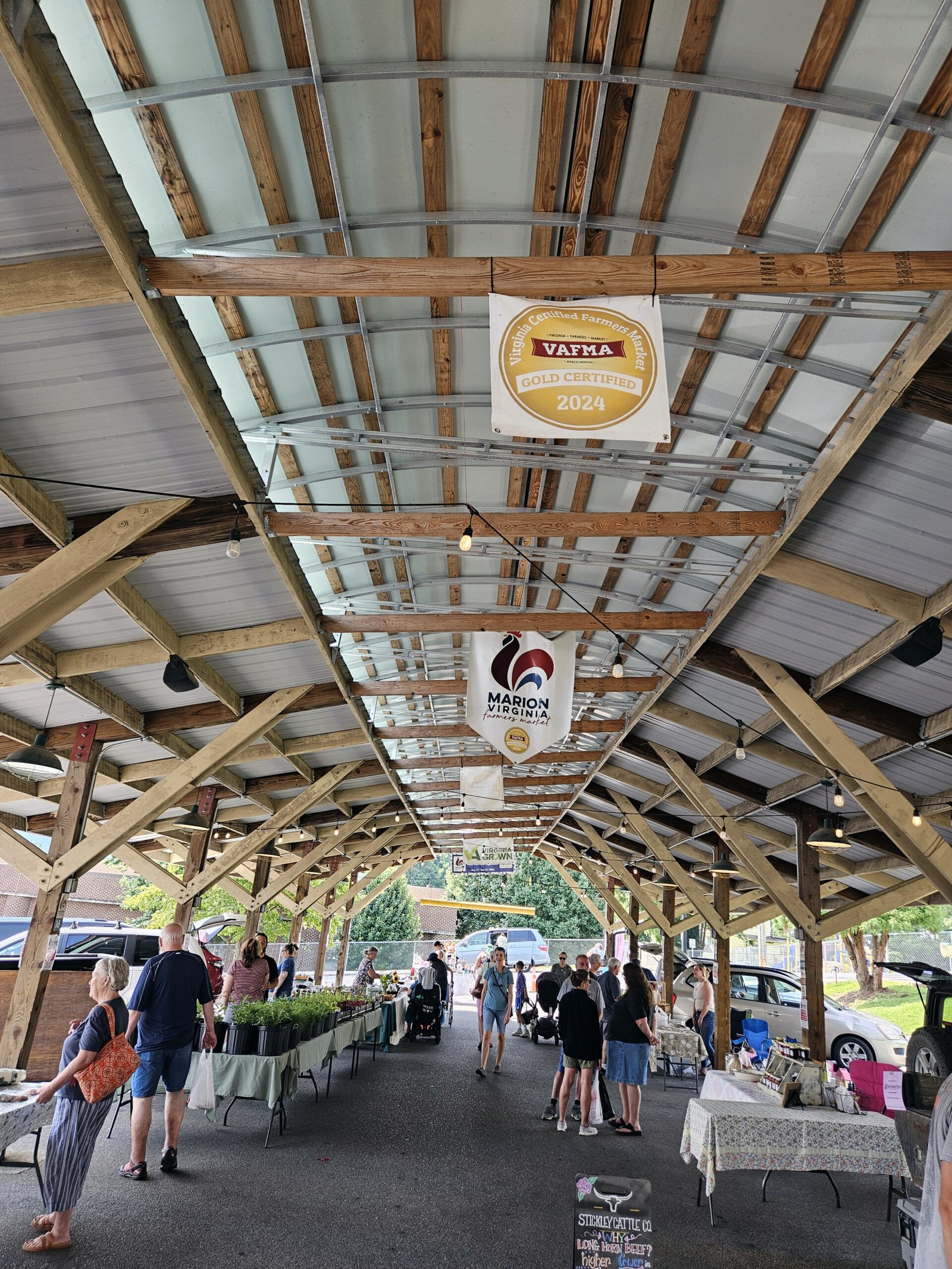
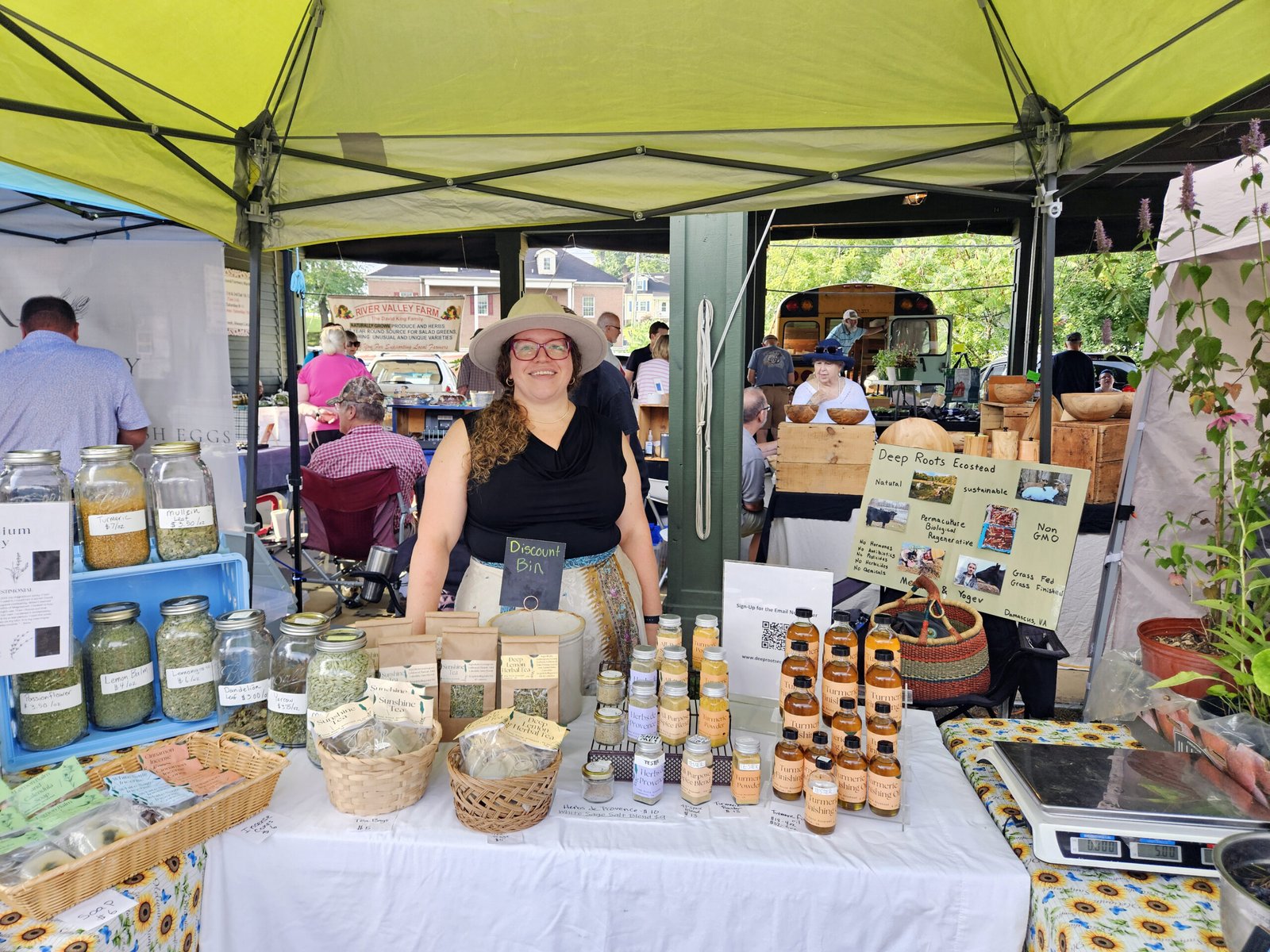
Faced with these deficits, state agencies are often forced to reduce the outreach staff that helps local farmers\’ markets manage EBT terminals. Nationally, SNAP recipients spent roughly $70 million directly at farmers\’ markets in 2023.
If states scale back administrative support to balance budgets, the infrastructure for programs like Double Up Food Bucks—which allows families in the Appalachian Highlands to stretch their food dollars on regional produce—could see a significant contraction.
Compounding this is the USDA\’s May 7, 2026, final rule on stocking standards. The rule requires SNAP retailers to carry seven varieties of food in four staple categories. While a corporate grocery chain can easily meet these requirements, a seasonal farm stand or a hyper-regional market specializing in Appalachian heirloom crops may find the administrative red tape of proving compliance too high a barrier to remain in the program.

Credit Caps and the Price of Farm Land
The bill expands access to credit in ways most useful to larger operations. By raising USDA-guaranteed farm ownership loan caps from $2 million to $3.5 million, the legislation addresses rising costs for equipment and land. However, the USDA Economic Research Service (ERS) 2025 Land Values report noted that land prices in the Southeast have risen by an average of 8% annually. In land markets already under pressure, higher federal loan caps can become a new benchmark for what larger buyers are able to pay.
For a beginning farmer in Southwest Virginia or Western North Carolina, these higher caps can inadvertently fuel land-price inflation, making it harder to compete for acreage against larger, more capitalized operations that are better positioned to utilize the expanded credit lines. The legislation stabilizes the current industrial footprint but does little to lower the barriers for the next generation of small-scale producers.

The Reallocation of Conservation Capital
One of the most significant budgetary maneuvers in H.R. 7567 is the redirection of $1 billion away from the Environmental Quality Incentives Program (EQIP) and the Conservation Stewardship Program (CSP).
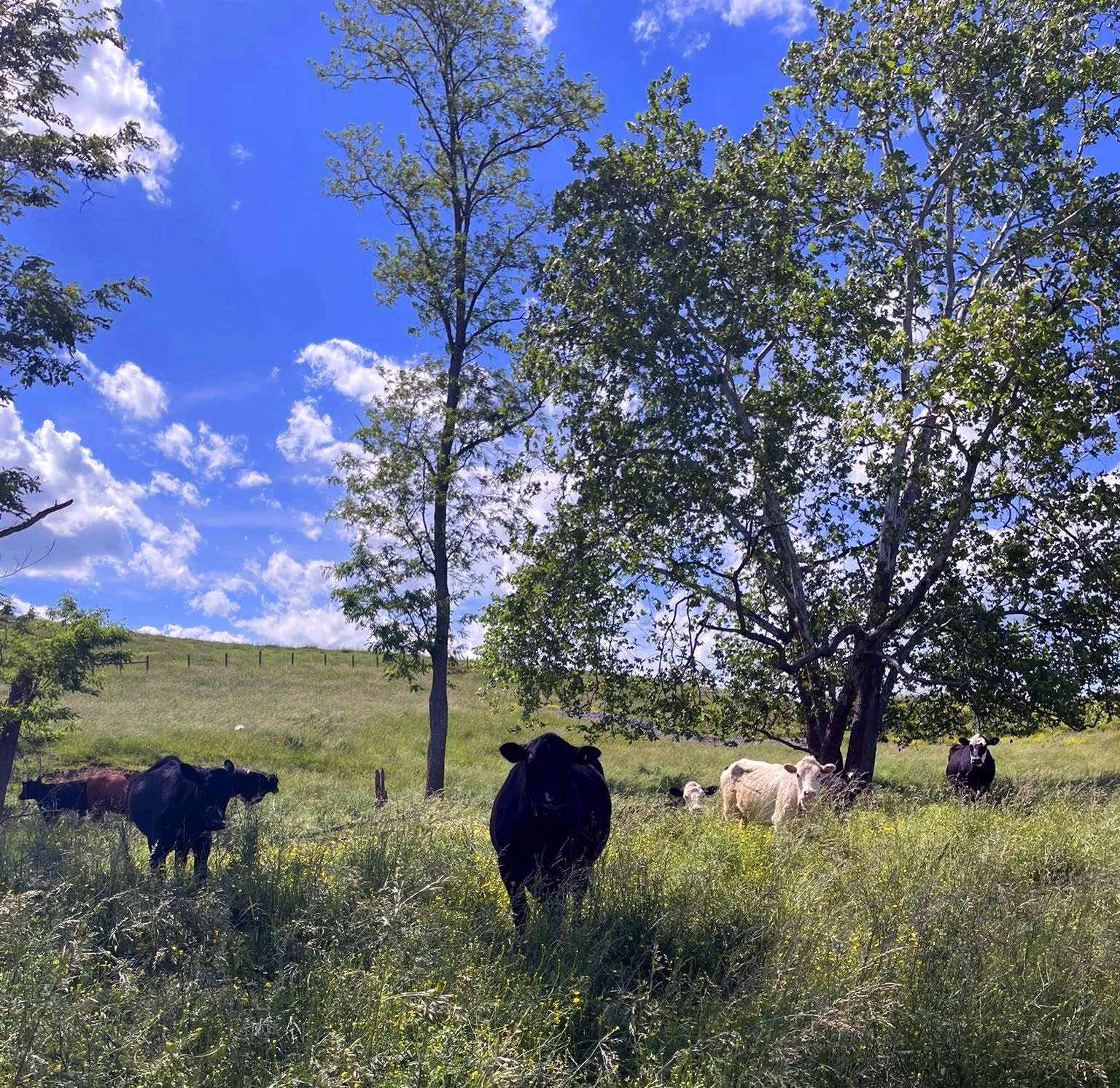
In the mountainous terrain of the Appalachian Highlands, these programs are the primary funding sources for practical farm infrastructure. Farmers use EQIP grants to pay for fencing that keeps cattle out of local watersheds and to build high tunnels that extend the growing season for specialized crops.
By shifting this billion-dollar pool toward commodity-focused titles, the bill reduces the available cost-sharing for producers attempting to implement regenerative practices. Without these federal offsets, the financial risk of transitioning to soil-health-focused farming falls entirely on the individual producer.

Conclusion: A Choice of Scale
Ultimately, the 2026 Farm Bill prioritizes national production volume and large-scale agricultural stability. By reinforcing the commodity safety net and shifting the costs of local food access and conservation to the states, the legislation appears to favor a high-output, industrial model.
For the Appalachian Highlands, where the agricultural economy relies heavily on diversity and smaller-scale stewardship, local governments, nonprofits, and producer networks may need to find replacement funding to bridge the gaps left by this federal shift.













Leave a Reply