

The Appalachian Resource Conservation & Development Council submitted this article
Photos by Graham Yelton
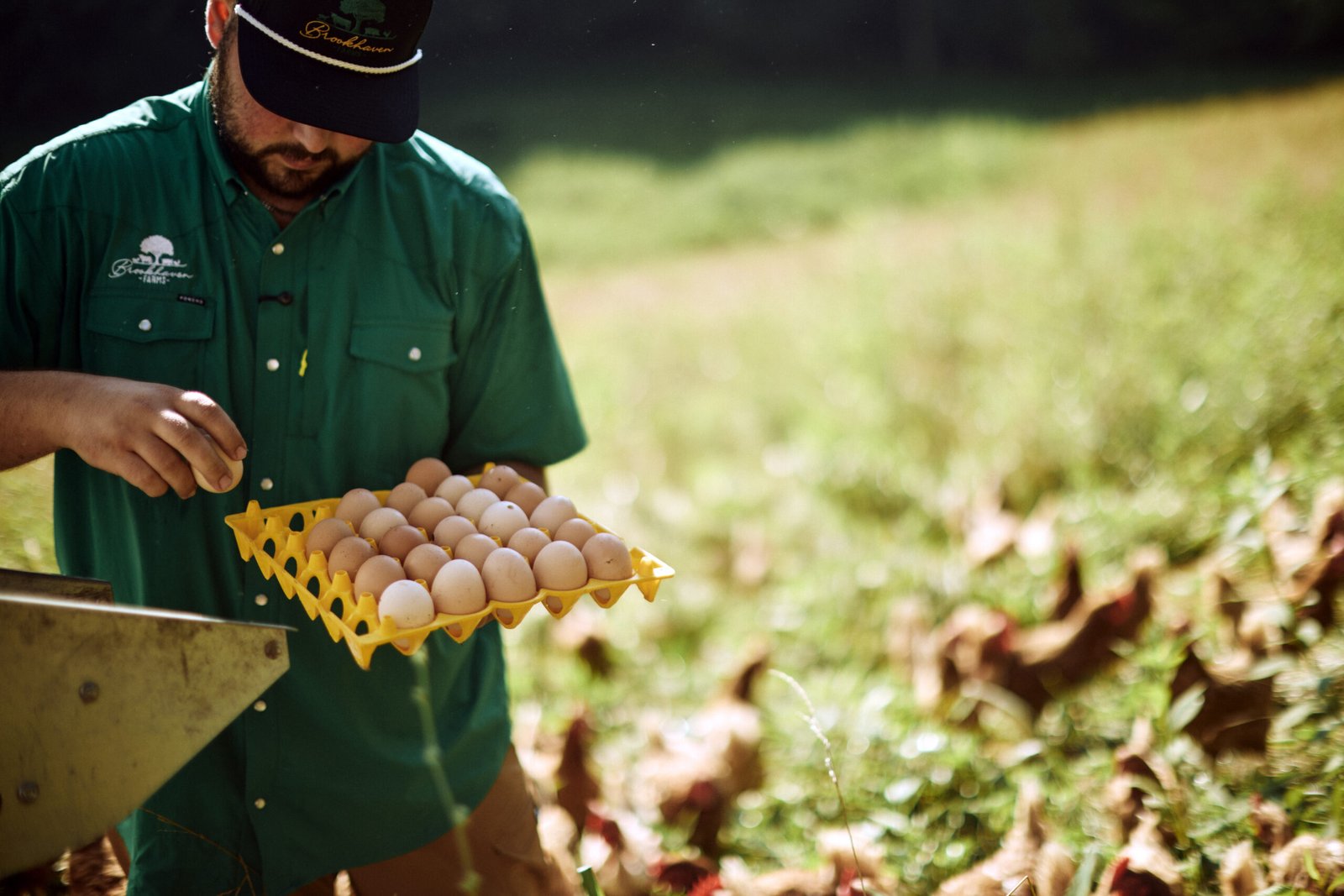
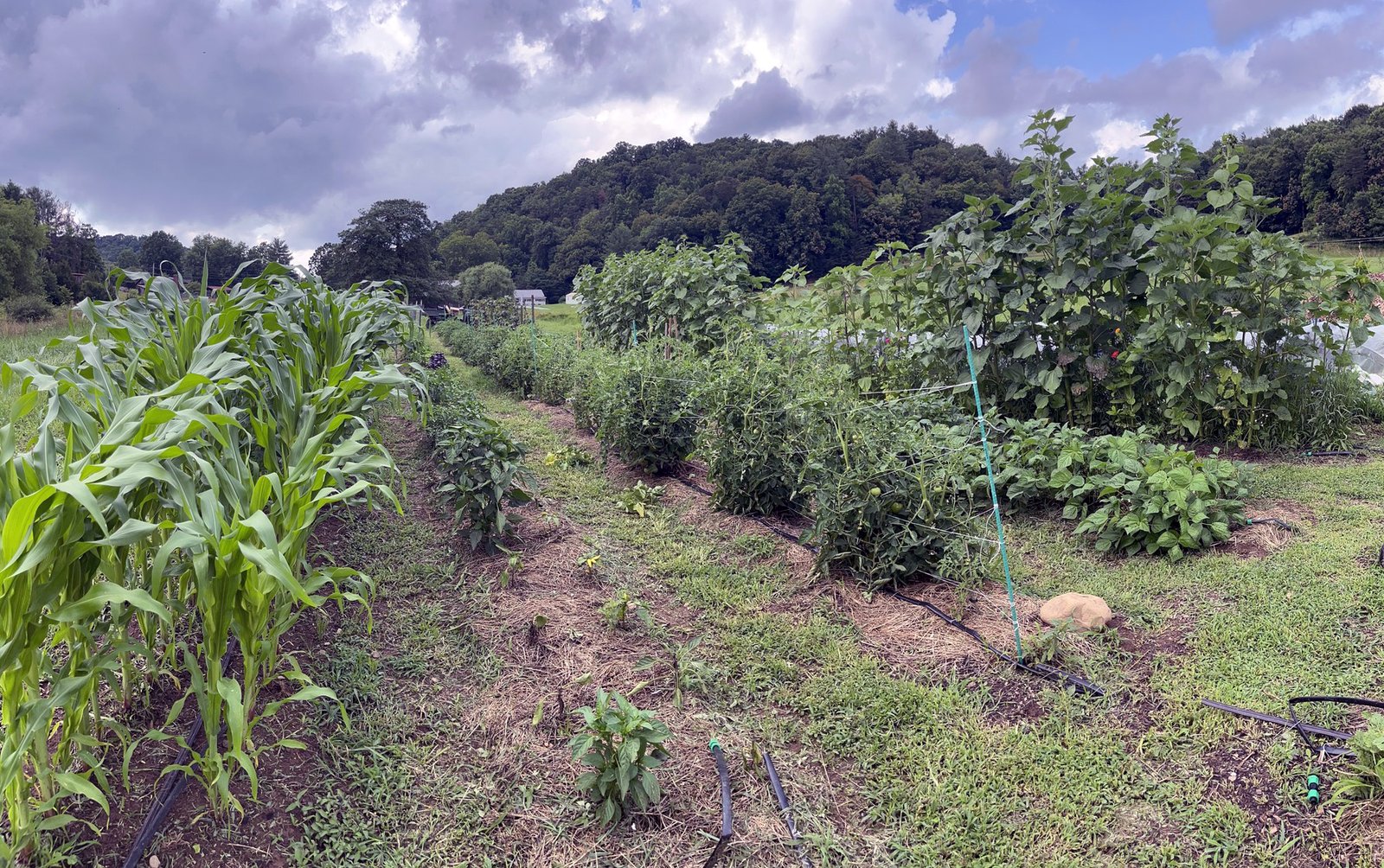
In the Appalachian Highlands, farming knowledge has rarely lived in textbooks alone. It’s passed across tailgates, at livestock auctions, through conversations in feed stores, and over long afternoons spent repairing fences or walking fields with neighbors. It’s the kind of wisdom earned through seasons of success, failure, weather, persistence, and community.
That spirit of shared learning is what inspired Appalachian RC&D (ARCD) Council’s new Field School e-Course, a collection of educational videos designed to help beginning and growing farmers turn agricultural dreams into sustainable realities.
Bridging the Gap for Rural Producers
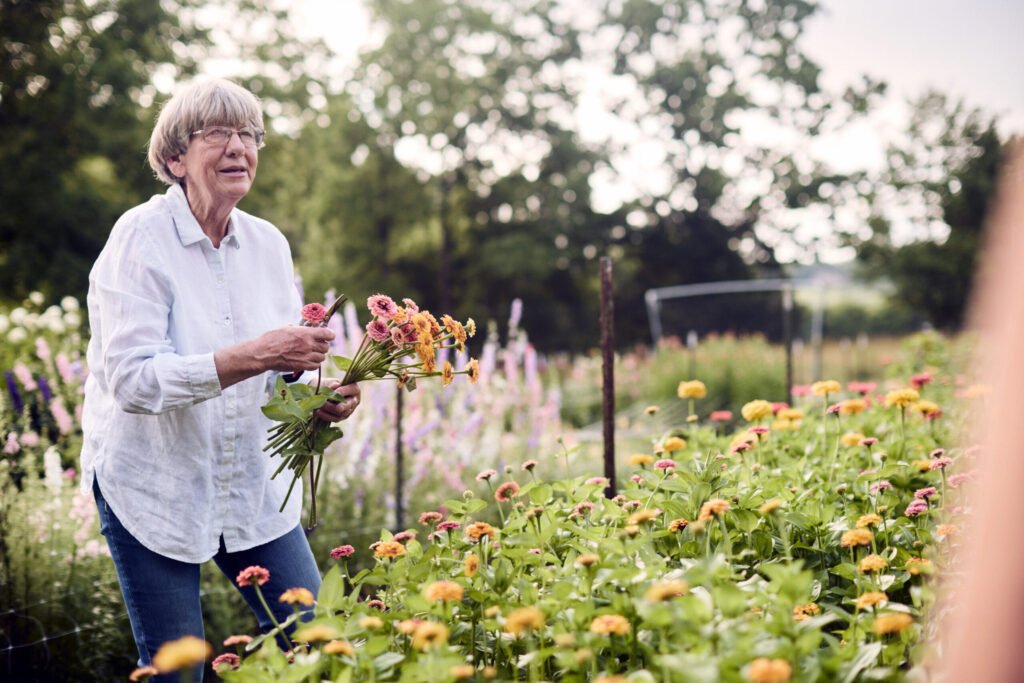
The project grew out of ARCD’s Winter Field School program, where aspiring farmers gather each year to learn from experienced producers, agricultural professionals, and one another. Over time, organizers noticed a common challenge: many people interested in farming simply couldn’t attend every workshop, access hands-on instruction regularly, or connect with experienced mentors when they needed guidance most.
At the same time, local farmers kept sharing stories that deserved to be heard—not polished success stories alone, but honest accounts of what it actually takes to make a farm business work in today’s Appalachian economy.
The result is a video series that blends practical instruction with authentic local voices. Across the series, viewers hear directly from farmers navigating everything from soil health and water management to marketing, infrastructure, finances, and the emotional realities of building a life tied to the land.
The Realities of Mountain Agriculture
Rather than presenting agriculture as either romantic or hopeless, the videos aim for something more useful: honesty.
“There’s a lot of information online about farming,” said one participant involved in the project, “but not always from people farming in places like this.”
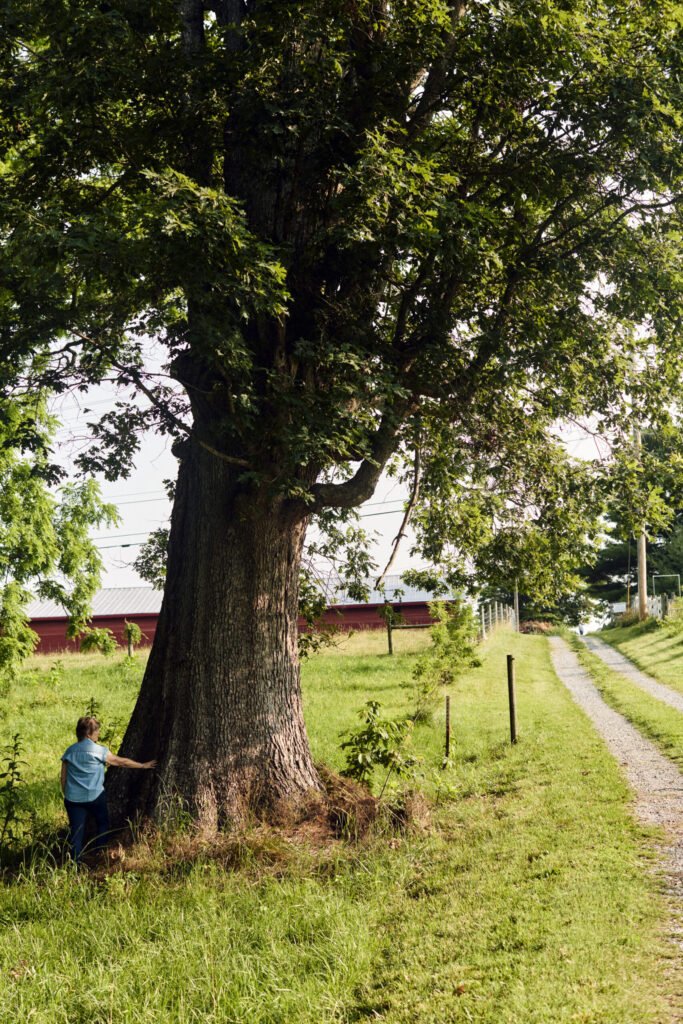
That distinction matters in the Appalachian Highlands, where steep terrain, changing weather patterns, small acreage, and limited infrastructure create challenges very different from those found in large-scale agricultural regions. Success here often depends not only on technical skills, but also on adaptability, creativity, and community relationships.
Lowering the Barriers to Entry
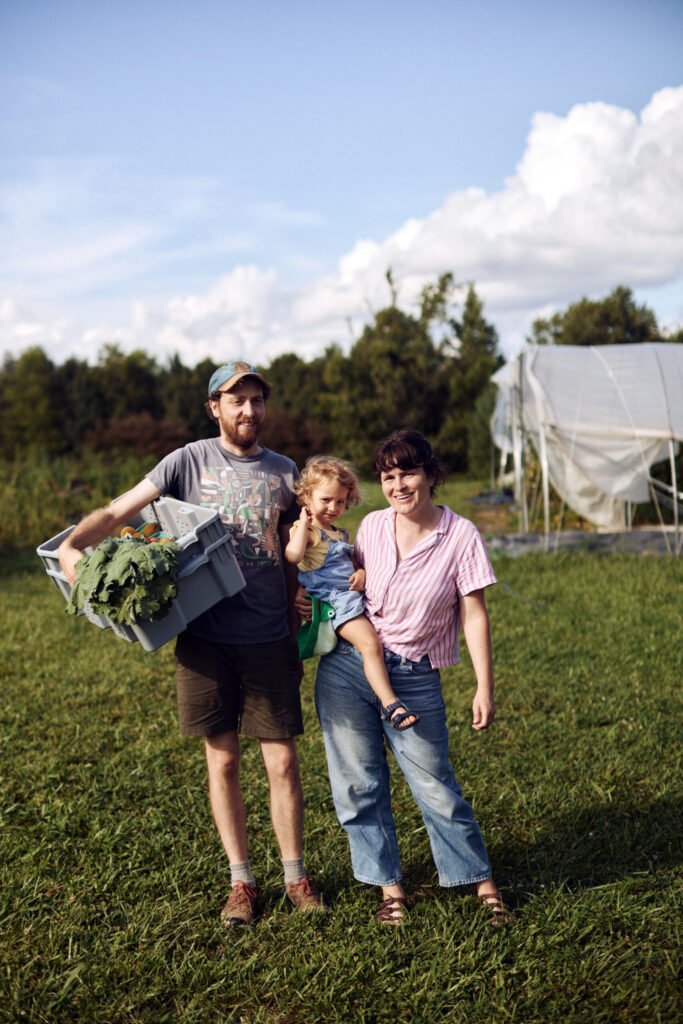
The videos also reflect a broader shift happening across the Appalachian region. In recent years, more people have shown interest in farming, gardening, homesteading, and local food systems. Some are first-generation farmers looking for a career with purpose. Others are returning to family land or searching for a stronger connection to food and community. For all, getting started can feel overwhelming, especially when mistakes can carry serious financial consequences.
ARCD hopes the series can help lower some of those barriers.
ARCD’s Business Development Manager Rachel Kinard says, “The goal is not to replace hands-on learning, but to create an accessible starting point, something a new farmer can watch after work, revisit during planting season, or share with a neighbor considering their first market garden.”
Preserving Regional Wisdom
Just as importantly, the project aims to preserve and amplify regional agricultural knowledge at a time when many rural communities are changing rapidly. The lessons shared in the Field School e-Course are rooted in lived experiences from the Appalachian Highlands itself, shaped by the people who continue to work its hillsides, valleys, and river bottoms every day.
For ARCD, the project ultimately comes back to its mission of supporting the agricultural community: neighbors teaching neighbors, farmers supporting farmers, and hard-earned knowledge being shared generously rather than guarded closely.
In a region where resilience has always depended on people working together, that may be the most valuable crop of all.







Leave a Reply