

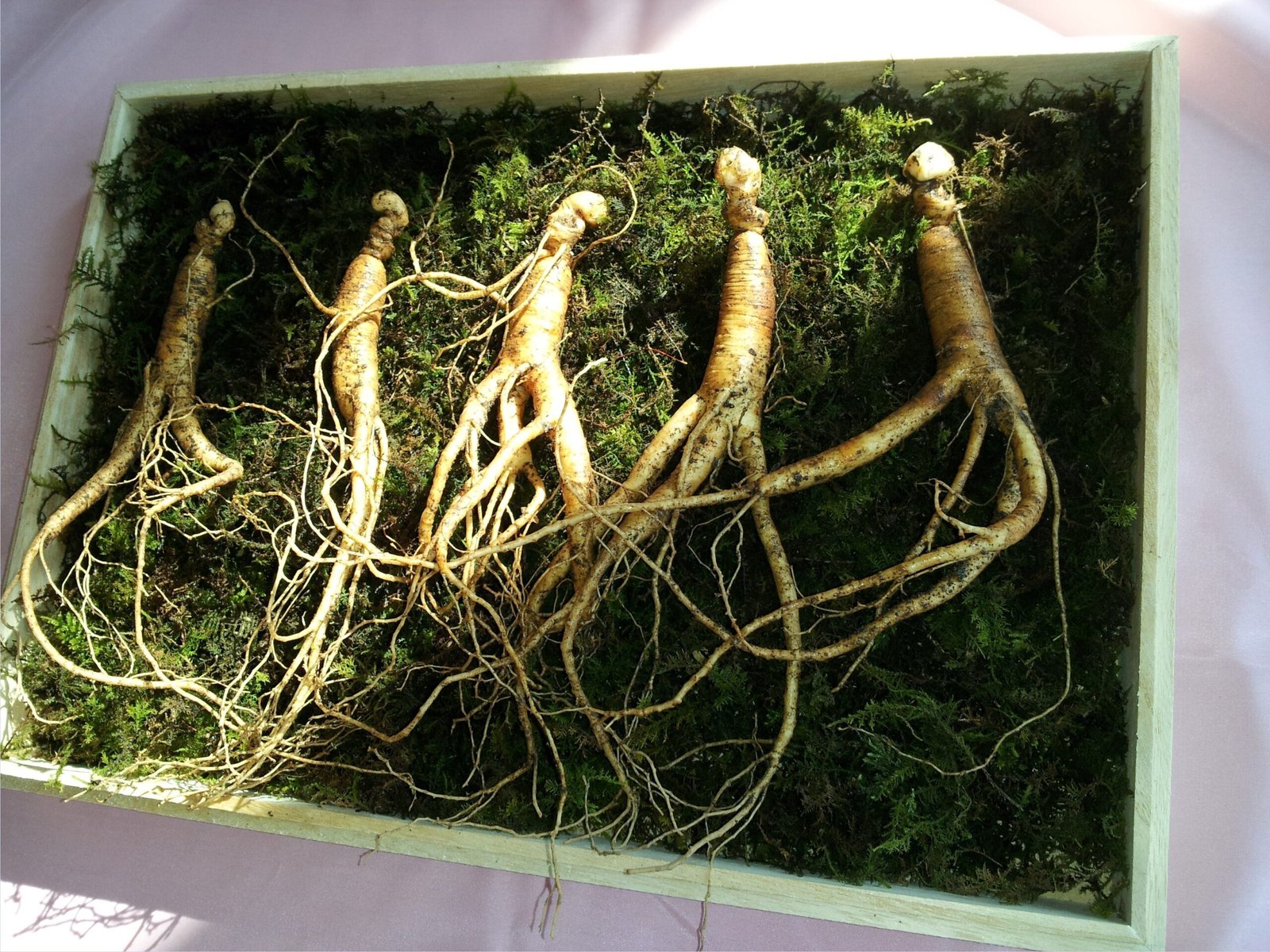
Betsy Calloway dug ginseng in the mountains around Foscoe, North Carolina, sometimes with a child strapped to her back. When it came time to sell, she carried the roots to buyers in Abingdon, Virginia, and Blountville, Tennessee.
The work helped support her children. Ginseng brought 10 cents a pound, according to historical research prepared for a North Carolina highway marker commemorating the trade.
Calloway’s roots grew into a business that stretched from mountain hollows to China. The money she earned paid for needs much closer to home.

and granddaughter Natalie
Three generations of Sang diggers
Across the region, families bought shoes, salt, and clothing with the proceeds from ginseng — the woodland plant mountain people call sang.
On West Virginia’s Coal River, Shelby Estep remembered her grandmother gathering it to clothe a large family.
“She had twelve,” Estep recalled in a Library of Congress-preserved history.
But money explains only part of ginseng’s hold on the mountains. Its forked roots could resemble a little person. Stories gave it the power to hide, bring good fortune, or cry out when pulled from the earth.

An Old Plant Finds a New Market
American ginseng, Panax quinquefolius, grows naturally in the shaded forests of central and eastern North America. Its Asian relative, Panax ginseng, had long held an honored place in Chinese medicine.

Indigenous peoples already knew the American plant when European traders learned what it might be worth overseas.
In 1716, French Jesuit Joseph-François Lafitau found ginseng near Montreal after studying descriptions of the Asian plant. A Mohawk woman helping him recognized it immediately as a plant her people used.
Lafitau published his report in 1718. Traders bought ginseng from gatherers around Montreal and shipped it to France, then on to China. The journey took more than eight months. Chinese buyers wanted the root for medicine, and the prices they paid made the long trip worthwhile.
American merchants soon pursued the same customers. In 1784, the Empress of China left New York for China carrying a large cargo of American ginseng.
Mountain gatherers were supplying customers they would never meet, in a country most would never see.
Daniel Boone’s Cargo of Roots
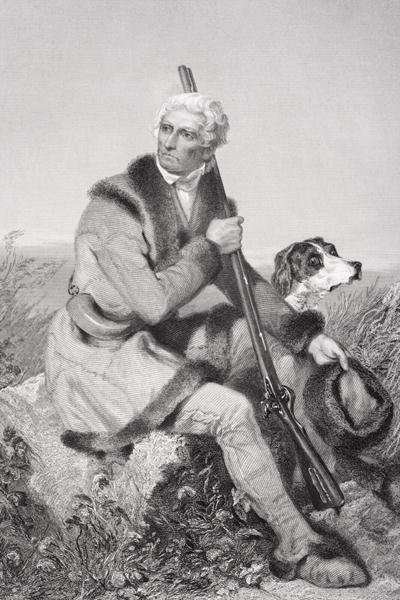
In the late 1780s, while based at Limestone—now Maysville, Kentucky—Boone hired workers to gather ginseng and bought additional roots to ship to eastern markets.
His son Nathan later recalled camping in the hills to help dig. Eventually, the family loaded the accumulated roots onto a keelboat bound up the Ohio River, with Philadelphia as the intended market.
Near present-day Point Pleasant, West Virginia, the venture went wrong. Nathan’s account says the boat caught on driftwood and filled with water. The family survived, but the cargo got wet.
For a trader carrying carefully dried roots, that was a costly accident.
Accounts differ about the shipment’s size and what followed. The family recollection nevertheless places Boone in a business familiar to generations of mountain people: gathering roots, buying from other diggers and trying to get the crop to market in good condition.
The famous hunter and explorer also worked as a ginseng merchant.
Betsy Calloway’s mountain livelihood
For Calloway, gathering roots helped keep the household together.
John Preston Arthur’s 1915 A History of Watauga County recounts her relationship with James Aldridge, a hunter who came to the Watauga country and fathered seven children with her. Years into their life together, another woman arrived claiming to be his wife.
According to Arthur’s account, Aldridge had concealed his earlier marriage. Calloway ended their relationship, though she initially remained in the household to raise her children.
She earned money digging roots, making maple sugar and working for other families.
Arthur described her taking ginseng to Abingdon and Blountville. As nearby roots became harder to find, she also traveled to the Big Sandy country to gather them.
Her livelihood followed the seasons and what the mountains offered. Maple sap provided sugar and syrup; the forest floor yielded roots merchants bought.
Calloway’s story gives the trade a name and a route. Ginseng gathered around the upper Watauga could become cash in a Sullivan County or Washington County market.
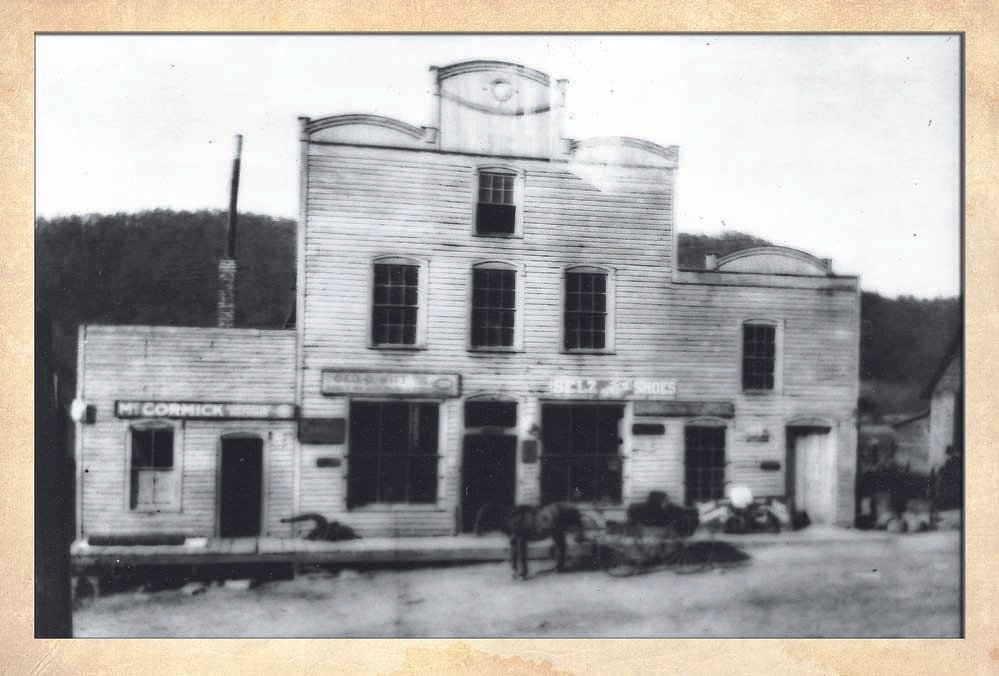
What the Country Store Would Take
Ginseng was one of several woodland plants that could settle a store account.
Historian Luke Manget’s research follows Henry Webb, a laborer gathering medicinal roots around Valle Crucis in the 1870s. Webb brought them to Henry Taylor’s store in the Watauga Valley.
Ginseng commanded a better price, but it was becoming harder to find. Webb also gathered mayapple, bloodroot, and other plants that brought less money.
On West Virginia’s Dry Creek, R. E. Barrett began trading merchandise for ginseng in 1871. His descendants recalled people arriving from the hollows with roots and leaving with shoes, salt, and other staples.
Barrett sold the ginseng through brokers and exporters, bringing cash back into his store.
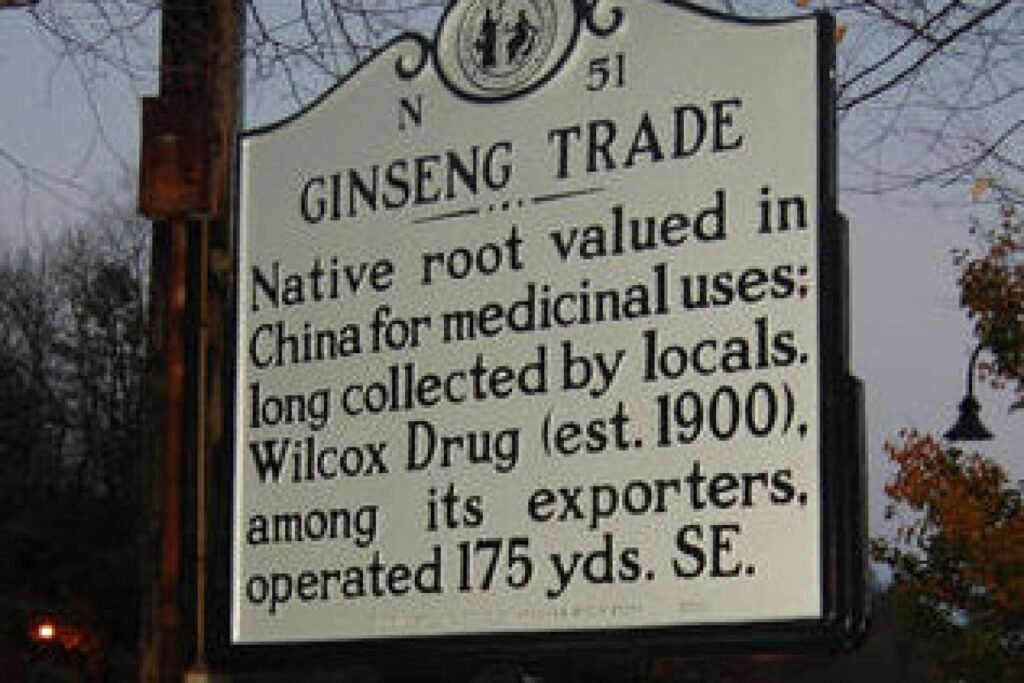
Native root valued in China for medicinal uses long collected by locals with Wilcox Drug est 1900
By 1900, Grant Wilcox was building a botanical business in Boone, North Carolina. Wilcox Drug Company bought roots and herbs from families and country stores in Watauga and surrounding counties.
A historical marker at West King and Water streets now commemorates Boone’s part in the trade.
Abingdon remained a buying center much later. In a 2022 article for The American Scholar, writer Matthew Denton-Edmundson described visiting Mary Lawson’s scrap-metal and medicinal-root business near town.
A handwritten list gave prices for metals and woodland plants. Beside ginseng, it said simply, “Ask.”
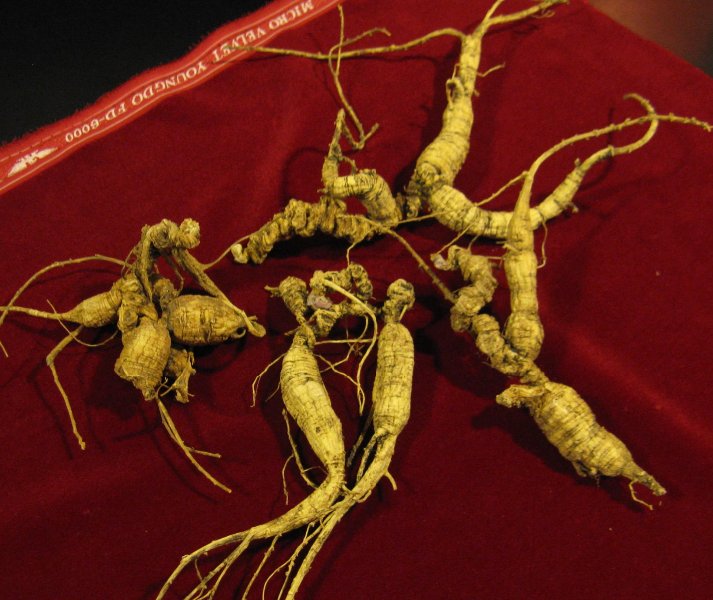

The Little Man in the Woods
Ginseng’s shape invited people to see something of themselves in it.
In Myths of the Cherokee, published in 1900, ethnologist James Mooney recorded the plant’s sacred name: “Little Man.” He described a belief that ginseng could make itself invisible to someone unworthy to gather it.
Finding it required more than sharp eyes.
In the harvesting practice Mooney documented, the gatherer passed over the first three plants, approached the fourth with prayer, and left a bead in the hole as payment for the root.
A later Smithsonian account carries that sense of obligation into a few plain words. Ethnobotanist David Cozzo described a Cherokee harvesting prayer addressed to the mountain:
“I’m just taking a little piece of flesh from your side.”
The prayer recognizes that taking a root means taking something from the mountain itself.
A root that cried
Another tale gave the root a voice.
In a February 22, 1903, article in The Atlanta Constitution, correspondent Clifford Smyth described meeting an eastern Kentucky woman he called Aunt Marthy. According to his account, she said ginseng dug on the evening of a new moon would moan and leave blood in the earth.
Manget, author of Ginseng Diggers, discusses the story alongside European legends about mandrake, another root whose human-like shape inspired tales of dangerous powers.
The resemblance is striking: a plant shaped like a person protests when someone tears it from the ground.
Manget cautions that Smyth’s reporting leaned on stereotypes about mountain people. Even so, the account preserves a memorable example of the lore that gathered around sang — and the fascination it held for outsiders.
Ginseng also appears in African American Hoodoo traditions. Smithsonian writer Asia Smith describes associations with strength, vitality, and good fortune, including its use in mojo bags.
The root’s resemblance to a walking person also figures in those traditions.
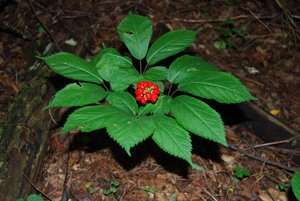
Learning to See Sang.
For a digger, the first challenge is recognizing what grows above the root.
A single upright stem carries compound leaves spreading near the top. Diggers call those leaves prongs. Each typically has five toothed leaflets, and a cluster of red berries can help the plant stand out. In autumn, the foliage turns yellow.
Learning that pattern is part of learning to find sang among the other plants on a wooded slope.
The work continues below ground. Diggers carefully lift roots, keeping the neck and fine rootlets intact, then clean and dry them. Rough handling can spoil years of growth.
Once a root is dug, that plant is gone. A patch’s future depends on what stays in the woods: young plants, older plants left to bear seed, and ripe seeds planted near where they grew.
Diggers must also follow state harvest rules and obtain any required permission. National parks prohibit ginseng collection.
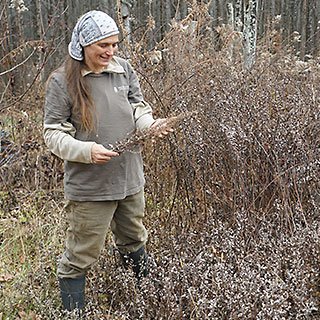
From Poacher to Steward
A Diggers Journey With the Plants
A digger’s change of course
For Laurie Quesinberry’s family in Southwest Virginia, woodland plants helped pay for everyday necessities.
In “From Poacher to Steward: A Digger’s Journey With the Plants,” an essay excerpted in the 2018 herbal publication Herbaria, she recounted a family saying, “God gave them the strength to climb the mountain, and the mountain gave them ginseng to build their home.”
Quesinberry learned from her husband’s family, drawing on seven generations of woodland knowledge. In a Smithsonian interview, she recalled another lesson:
“Granny always said that the ginseng leaves were medicine and the roots were money.”
Her work eventually took her back into the woods to save plants ahead of bulldozers.
Writing for United Plant Savers in 2018, Quesinberry described digging Solomon’s seal from frozen ground where a U.S. 58 widening project threatened the plants. She brought the roots home and established planting beds around her house.
Rather than sell everything she gathered to a broker, she hoped to raise plants she could harvest and replenish.
“But I’m not a farmer; I’m a digger,” she wrote.
She was learning to make that change with a shovel, a bucket, and less than an acre of yard.
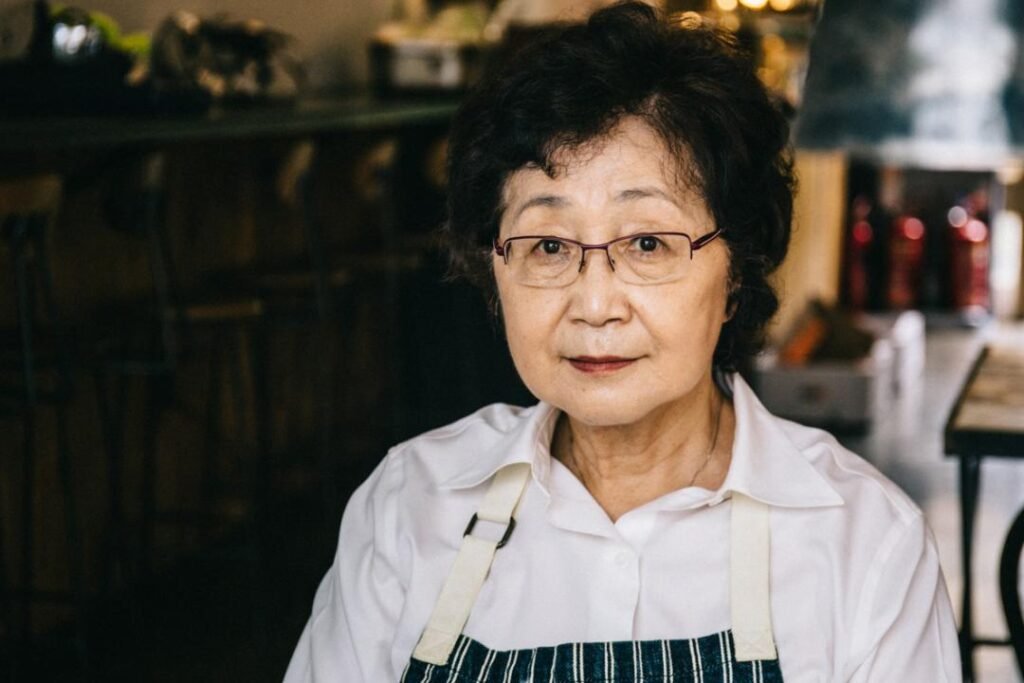
A mountain root in the kitchen
Historical accounts describe Appalachian preparations of ginseng tea as a tonic. Much of the valuable root, however, went elsewhere, into medicinal and culinary traditions far from the mountains where it grew.
For chef Yesoon Lee, ginseng was an ingredient in the chicken soup she made for her children when they were sick.
Born in Korea, Lee raised her family in Vienna, Virginia, and opened Washington’s Mandu restaurant with her son Danny in 2006.
In a 2012 interview with NPR reporter Nancy Shute, Lee described a soup built around a whole Cornish hen stuffed with sweet rice. Garlic, ginger, dried dates, and a little ginseng flavored the broth. She served the bird whole, with the softened rice tucked inside.
Lee also told the Smithsonian that she sometimes flattens leftover ginseng root, dips it in egg batter, and cooks it into jeon, a Korean fritter or pancake.
What a mountain digger carefully dried for sale could become part of a meal, carrying its own stories.
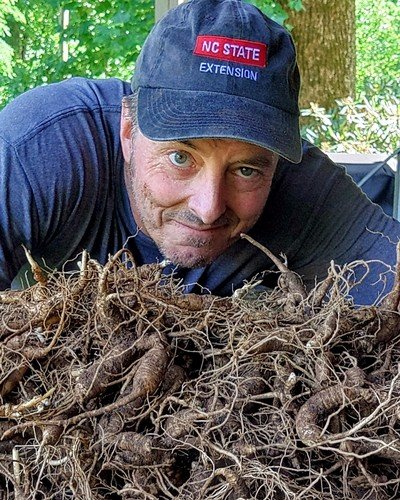
The Next Generation of Ginseng Diggers
Today, forest farmers are planting ginseng beneath hardwood trees, raising a woodland crop that demands years of attention.
Wilkes County Cooperative Extension says roots can take eight to 10 years to reach the size Asian export markets favor. Growers must contend with deer, pests, and poaching, along with the long wait.
Jim Hamilton will teach a free workshop November 6 in Wilkesboro, North Carolina, covering site selection, planting, production problems, and markets. The program includes field demonstrations of planting and cultivating wild-simulated ginseng.
For families considering the crop, the work begins years before anything is ready to sell.
Betsy Calloway carried her harvest to Abingdon and Blountville. Boone loaded his onto a riverboat. Country merchants weighed roots against the cost of shoes and salt.
The next harvest begins beneath the trees, where someone leaves a plant to grow or puts a seed back in the ground.
Ginseng production workshop: Nov. 6, 2–4 p.m., Wilkes County Agricultural Center, 416 Executive Drive, Wilkesboro. Attendance is free; advance registration is required, and space is limited. Contact Matthew Clay at 336-651-7333 or mhclay@ncsu.edu.
Front Page










Leave a Reply