

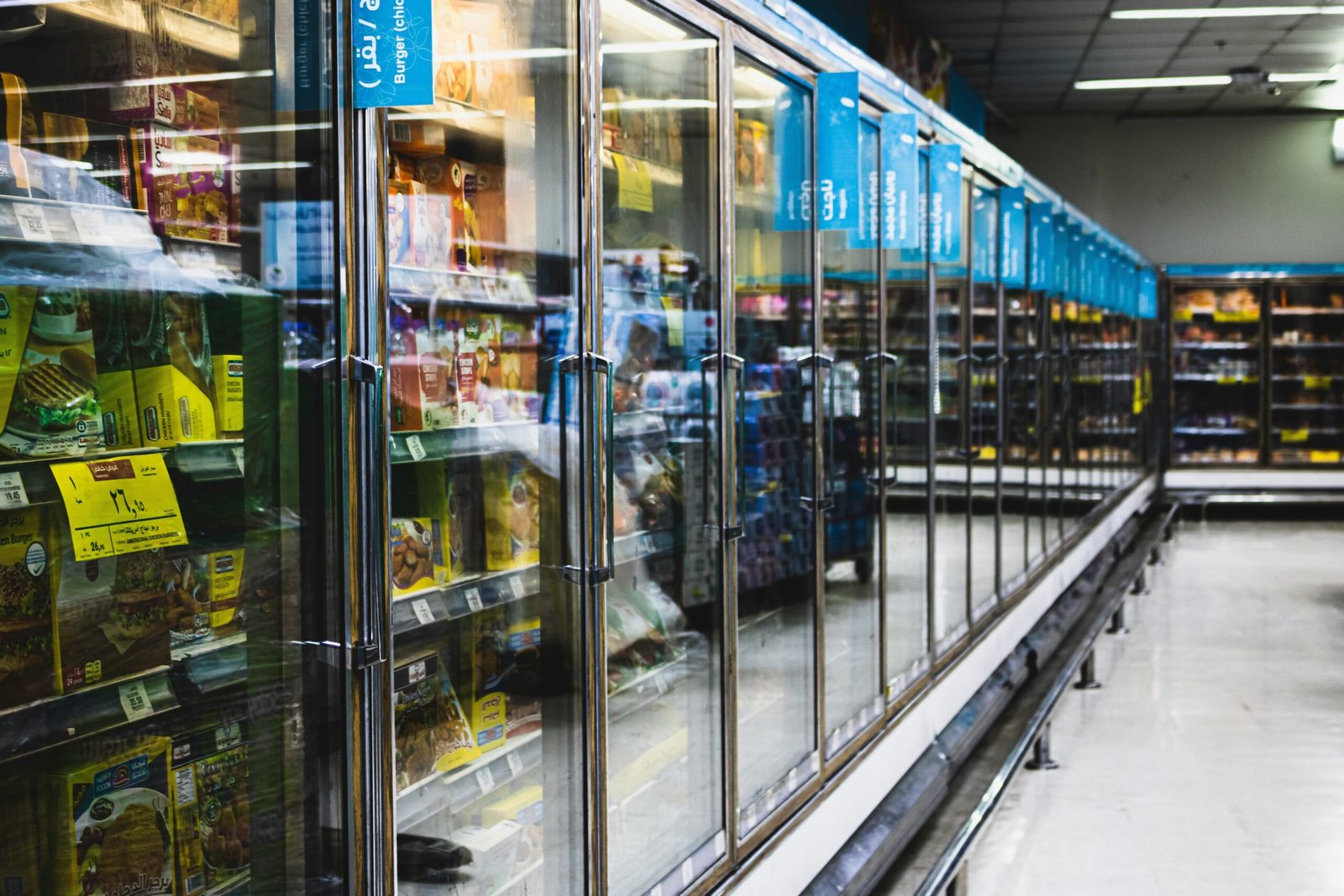
New USDA grants aim to help food banks and pantries handle more meat, dairy, eggs, produce, and other perishable foods—but the first round of funding targets organizations that can run a nationwide or regional subaward program.
WASHINGTON, D.C. — August 17, 2026 — For food banks and community food programs, obtaining fresh food is only part of the challenge. The other is having enough refrigerators, freezers, refrigerated trucks and related equipment to keep that food safe until it reaches families.
The U.S. Department of Agriculture is putting $7.5 million toward that problem through a new Cold Chain Grants for Emergency Food Assistance (CCG) program announced Monday.
Administered by USDA’s Agricultural Marketing Service, the one-time program is designed to expand the ability of food banks, food pantries, faith-based organizations, and other nonprofit food-assistance providers to receive, store, package, and distribute perishable foods, including meat, eggs, seafood, dairy products, fruits, and vegetables. USDA says the investment is also intended to reduce food waste and strengthen the food supply chain.
USDA is tying the new grant program to the Trump administration’s “Real Food” initiative, which favors whole and minimally processed foods over highly processed products. The 2025–2030 Dietary Guidelines for Americans follow the same approach, emphasizing foods such as meat, dairy, vegetables, fruit, healthy fats and whole grains while recommending that Americans cut back on heavily processed foods.
“The Trump Administration continues to prioritize providing Real Food for Americans,” Agriculture Secretary Brooke L. Rollins said in announcing the funding. She said the grants would increase cold-storage infrastructure needed to handle domestically produced proteins.
Health and Human Services Secretary Robert F. Kennedy Jr. similarly described the grants as a way to enable food banks to distribute more meat, eggs, dairy and produce from U.S. farms and ranches.
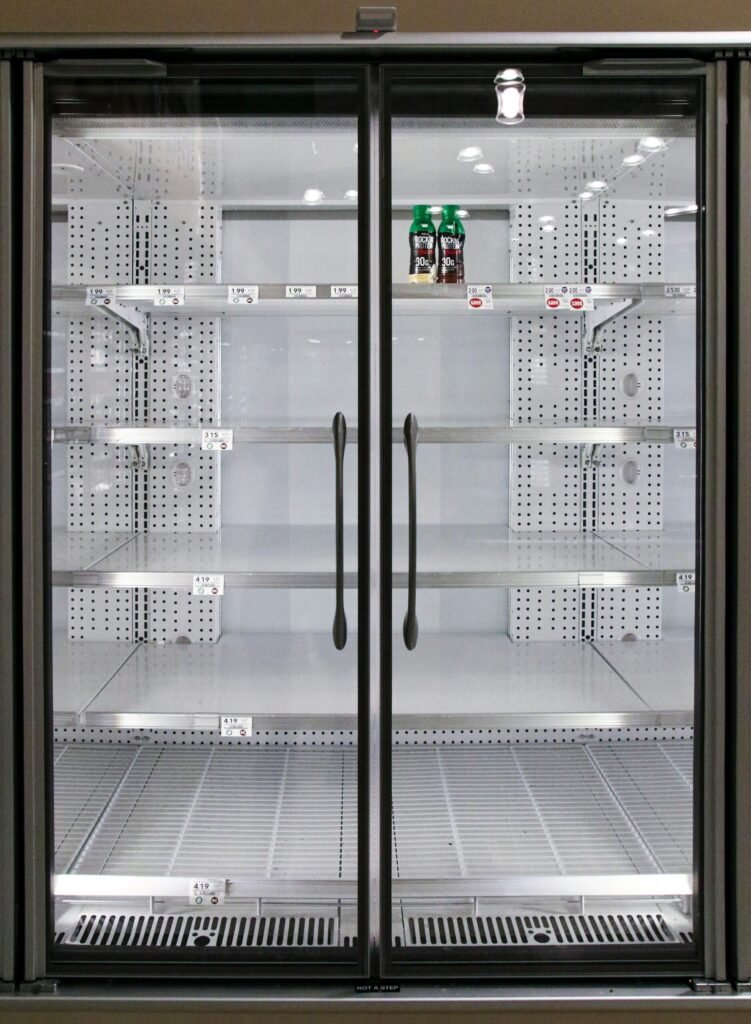
Cold storage can determine what a pantry can offer.
The practical issue behind the announcement is straightforward: perishable food requires infrastructure that shelf-stable products do not.
Food banks can readily store canned vegetables, rice, beans and other nonperishable products without refrigeration. Fresh produce, dairy and meat are different. Feeding America notes that some food banks and pantries cannot accept refrigerated foods simply because they lack enough refrigerator or freezer space.
That limitation can become a bottleneck between farms, food businesses and people facing food insecurity. Food banks routinely work with farmers, manufacturers, retailers and government agencies to recover food and move it through warehouses to local pantries and meal programs. If the receiving organization lacks refrigerated storage or transportation, however, the amount and types of food it can safely handle are constrained.
The issue comes against a backdrop of persistent food insecurity. USDA’s latest national household food-security report found that 13.7 percent of U.S. households—18.3 million households—experienced food insecurity at some point during 2024. About 47.9 million people lived in food-insecure households that year.
Cold-chain capacity also has implications beyond hunger relief. USDA estimates that between 30 and 40 percent of the U.S. food supply is lost or wasted, and the agency identifies improved storage and recovery of wholesome surplus food for donation as tools for reducing that waste.
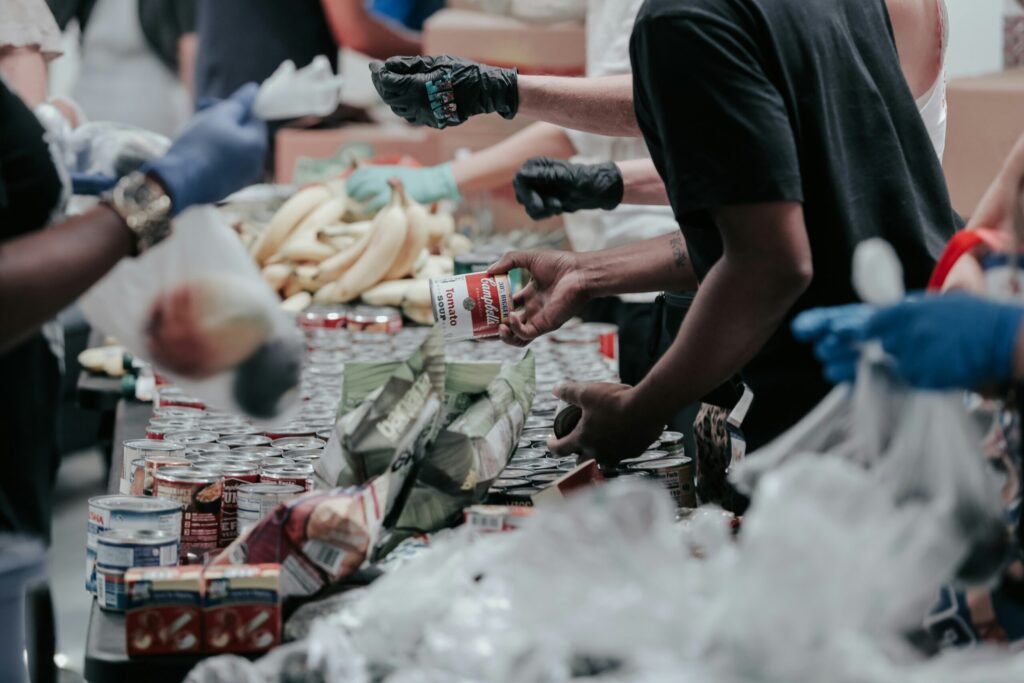
How the new grant program will work
One important detail for local food banks and pantries is that they are not applying directly to USDA in the current funding round.
Instead, USDA expects to make between one and four primary grants to nonprofit organizations that can design and administer a competitive subaward program across a broad geographic area. Those organizations must demonstrate experience managing grants, as well as expertise in cold-chain coordination and food-assistance distribution. USDA anticipates primary awards of $2 million to $7.5 million, with projects operating for about two years.
Once USDA selects those organizations, they will launch separate competitions through which individual food banks, pantries, faith-based organizations, and other qualifying non-profit can seek money for equipment.
At least 80 percent of each primary grant must be passed through as competitive subawards, according to the funding notice. Individual subawards will range from $10,000 to $200,000 and may last up to 12 months. USDA says it will release information for organizations interested in those future subawards after selecting the primary grant recipients.
Eligible subaward applicants generally need to have operated for at least two years, have an existing facility with the infrastructure needed to operate the requested equipment, and demonstrate the ability to continue staffing and operating the equipment after the grant ends.
Subrecipients must also contribute a 10 percent cash match based on the amount of federal funding requested. The contribution cannot simply be the value of volunteer time or donated labor; it must be documented cash from allowable nonfederal sources.
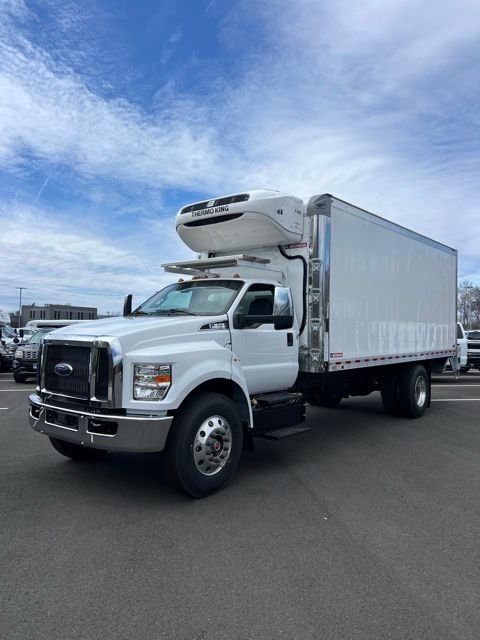
Refrigerators, freezers—and refrigerated trucks
The grant’s definition of cold-chain infrastructure is broader than simply purchasing another refrigerator.
USDA lists eligible investments including walk-in coolers and freezers, commercial chest freezers, combination refrigerator-freezer units, refrigerated vehicles, mobile cooling trailers and remote cooling units. Grants may also cover essential equipment used alongside those systems, including shelving, pallet jacks, forklifts, backup generators or battery systems, temperature-monitoring devices, insulated containers, stainless-steel work tables, scales and certain packaging and labeling equipment.
One example included in USDA’s funding notice describes a food-assistance organization purchasing a refrigerated vehicle and pallet jack to handle large quantities of donated food. Another involves a mobile cooling unit and ethylene scrubber intended to slow the ripening and spoilage of fruits and vegetables. Other examples pair walk-in freezers with tables and packaging equipment so staff can safely divide food into household-sized quantities.
The program is specifically an equipment program; however, it is not a general-purpose capital or operating grant.
Funding cannot be used to buy land or buildings, construct new facilities, make major structural changes, pay normal staffing and operating expenses, or purchase food for distribution. Projects requiring new concrete pads, major construction, or other ground-disturbing work are also generally ineligible. Organizations seeking equipment that requires plumbing, electricity, permitting or similar infrastructure are expected to have those resources in place before applying for a subaward.
That requirement may favor established organizations that already have adequate facilities but lack the refrigeration, transportation or handling equipment needed to expand their perishable-food programs.
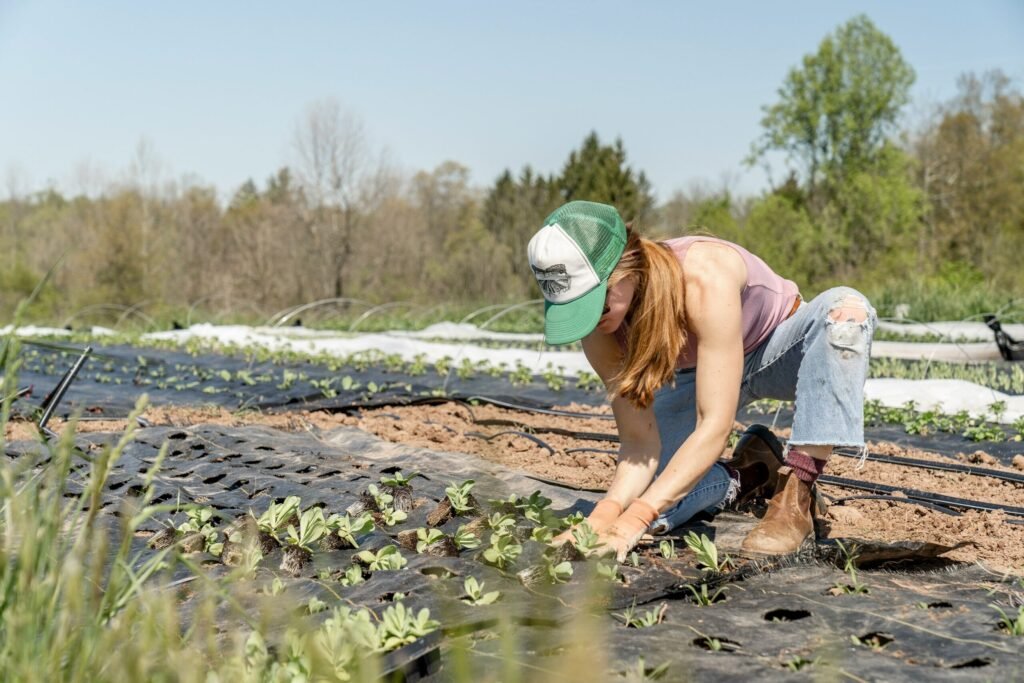
A link between agricultural supply and food access
The Cold Chain Grants program is funded through the American Rescue Plan Act of 2021, which authorized USDA funding for projects intended to maintain and improve food and agricultural supply-chain resilience.
The structure resembles other recent USDA efforts to strengthen the “middle” of the food supply chain—the storage, aggregation, processing, and distribution systems that connect agricultural production with consumers. USDA has previously used American Rescue Plan funding for programs supporting regional food-system infrastructure, including refrigerated transportation and cold-storage projects intended to reduce spoilage and expand market access.
The new program differs in one significant way: its endpoint is the emergency food system.
For farmers, ranchers and food businesses, more refrigerated capacity among charitable food organizations could create additional destinations for wholesome surplus products that might otherwise be difficult to donate. For food banks and pantries, it could mean accepting larger quantities—and a wider variety—of perishable foods rather than relying as heavily on products that can sit safely on a shelf.
And for families using emergency food programs, the most visible result could be much simpler: more fresh produce, dairy products, eggs, meat and other foods available alongside traditional pantry staples.
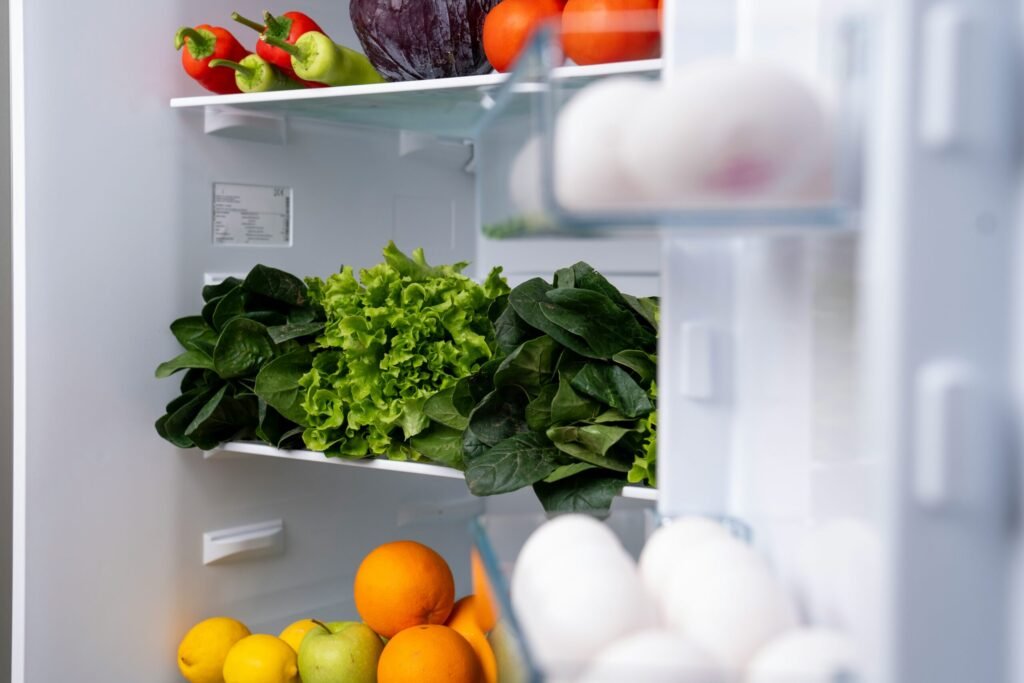
Application information:
If you plan to apply, don’t leave the paperwork until October. USDA has set October 1, 2026, as the deadline, with Grants.gov accepting submissions until 11:59 p.m. Eastern.
Groups that still need to register with SAM.gov should allow extra time, since that process can take several weeks.
The Agricultural Marketing Service says it will also hold a webinar for prospective applicants. Additional information, including the full Notice of Funding Opportunity and future details for food banks and other organizations interested in the eventual equipment subawards, is available through USDA’s Cold Chain Grants for Emergency Food Assistance program.
The $7.5 million will not go far against hunger nationwide, but at the local level, the equipment it buys can matter. A walk-in cooler, freezer, or refrigerated truck can determine whether a food pantry can accept a shipment of produce, dairy, or meat. The grants are intended to fill those gaps and keep more donated food from spoiling before it reaches families.








Leave a Reply