

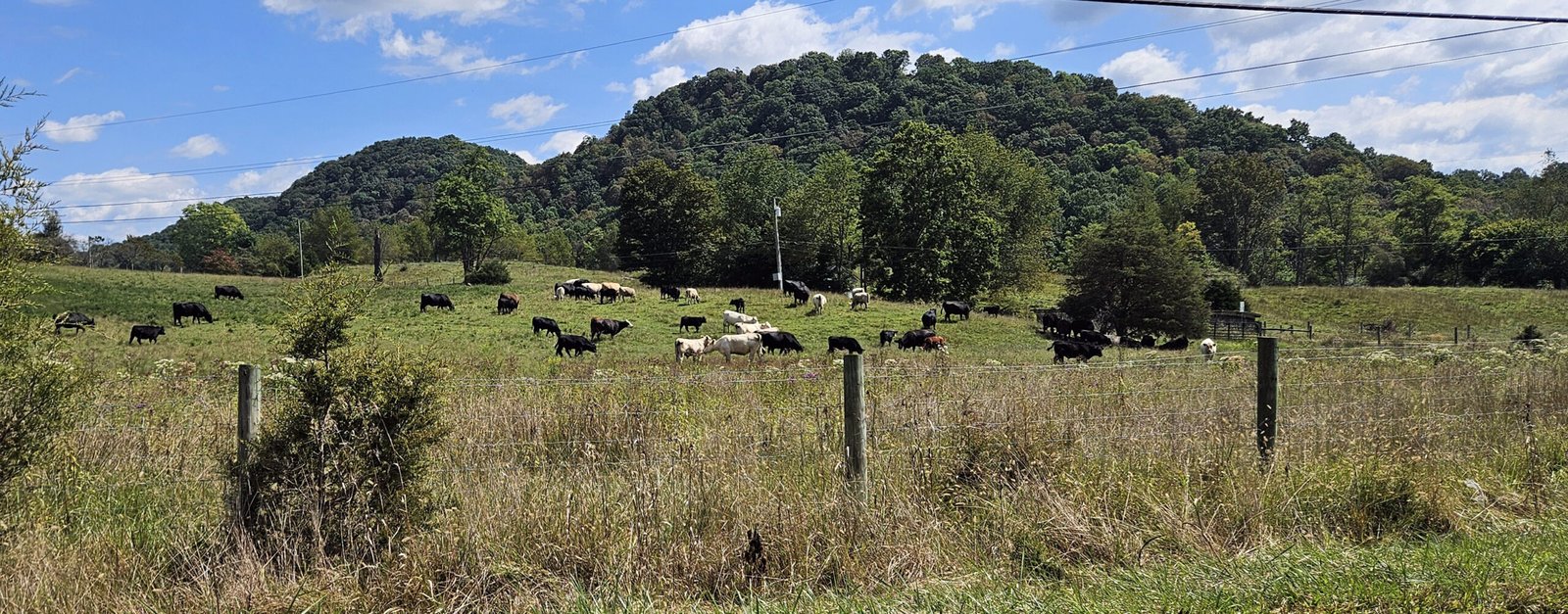
Ranchers could gain new tools to rebuild the nation’s cattle herd, support regional meat processing, and reduce some of the financial risk of retaining breeding heifers under USDA’s new Ranchers First Initiative.
Agriculture Secretary Brooke Rollins announced the Ranchers First Initiative as the national cattle inventory remains near historic lows. USDA counted 86.2 million cattle and calves on U.S. farms as of January 1, down slightly from the previous year. The agency’s Economic Research Service says the national cattle inventory has contracted for seven consecutive years.
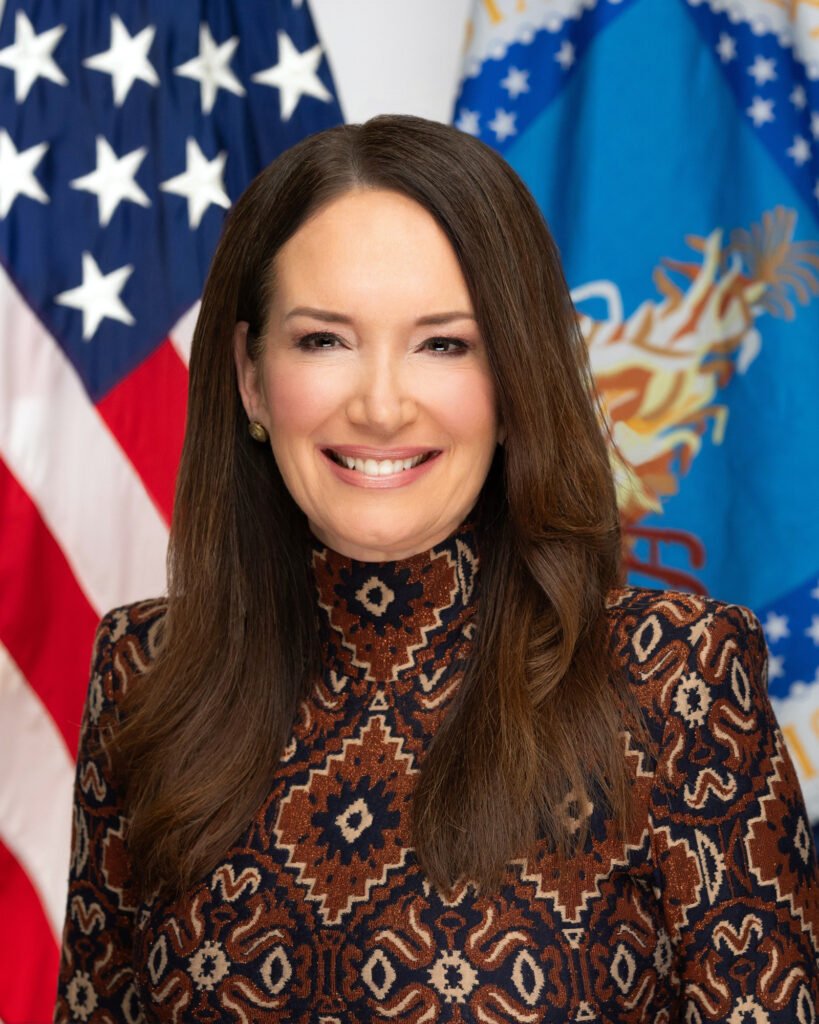
USDA described the Ranchers First Initiative as part of a broader effort to reverse that decline. Rollins said the administration wants to give producers “the risk management tools they need” while supporting smaller and independent operations.
However, USDA announced the initiative during a contentious debate over another administration policy: a temporary increase in lower-tariff beef imports intended to reduce prices for consumers.
Cattle Numbers Fall as Beef Prices Rise
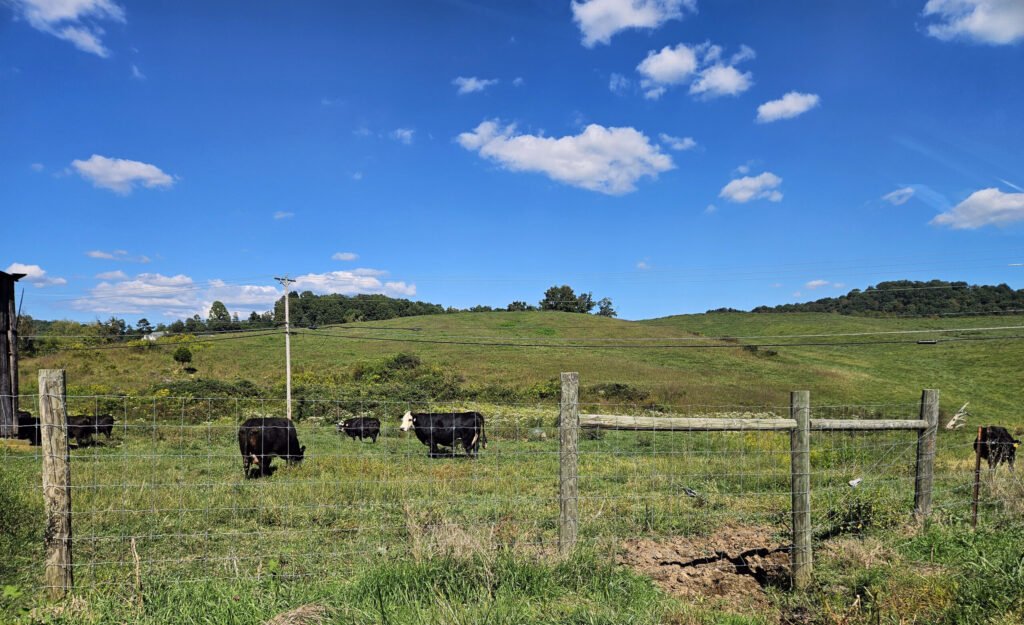
The January 1 cattle inventory included 27.6 million beef cows, 1% fewer than a year earlier. USDA economists say cattle prices, production costs, weather and the long biological cycle involved in raising cattle all influence herd expansion and contraction.
Drought has also played a role. When dry conditions reduce available forage, producers may have to buy additional feed or reduce herd sizes. USDA researchers have repeatedly identified drought, feed and forage costs, weather and the normal cattle cycle as factors affecting herd numbers.
Shoppers are still paying more for beef. The U.S. Bureau of Labor Statistics put the July national average for 100% ground beef at about $6.89 a pound, nearly 10% higher than in July 2025.
Against that backdrop, the Trump administration has turned to imports as a short-term attempt to increase the supply of ground beef.
A 90-Day Increase in Beef Imports
President Donald Trump first announced the new import plan on August 21 and formally implemented it through a presidential proclamation on August 26.
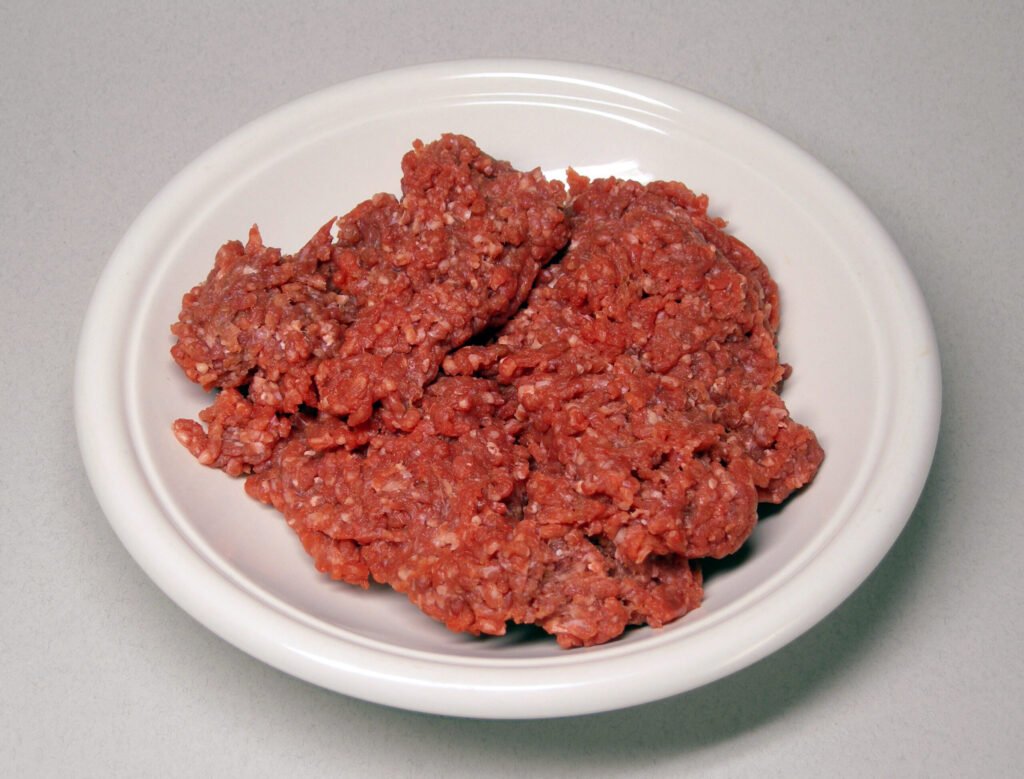
The proclamation temporarily increases by 300,000 metric tons the amount of lean beef trimmings eligible to enter the United States under the lower, in-quota tariff rate. The additional quota applies specifically to lean beef trimmings used in ground beef rather than steaks or the broader beef market.
The government will divide the additional imports into three 100,000-metric-ton periods. The first runs from September 1 through September 30, the second from October 1 through October 30, and the final period begins October 31 and ends when the quota fills or on November 30, whichever comes first.
The proclamation also directs federal officials to monitor whether the imported trimmings sell for 25% below the prevailing market price. Trump said the government could terminate the remaining additional quota if that price reduction does not occur.
Foreign beef still faces tariffs. The proclamation raises the quota for qualifying lean beef trimmings that can enter at the lower in-quota rate.
Tennessee Ranchers Question the Import Plan
Cattle organizations in Tennessee were among those criticizing the decision.
The Tennessee Farm Bureau Federation described the import increase as a short-term response to a long-term challenge. The organization warned that adding foreign supply while producers decide whether to retain heifers could discourage the investment needed to expand the domestic herd.
That question matters because rebuilding a cattle herd takes years. A producer who keeps a heifer for breeding gives up the opportunity to sell that animal now, and the resulting calf requires additional time before entering the beef supply.

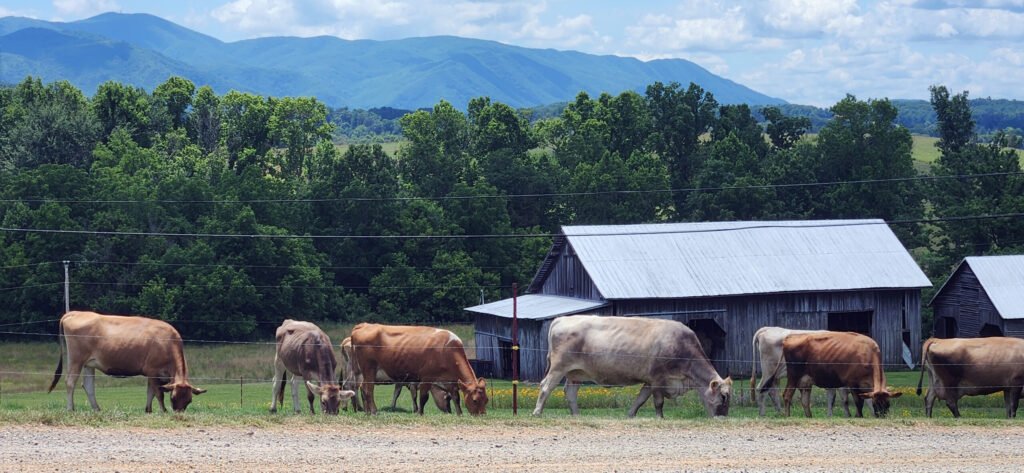
Photo courtesy of the Tennessee Cattlemens Association
The Tennessee Cattlemen’s Association expressed similar concerns.
“Increasing imports of government-subsidized below-market beef risks weakening producer confidence at the very time we need cattlemen investing in herd expansion,” Executive Vice President Dale Parker said in a statement reported by The Tennessean.
Parker said cattle producers support keeping beef affordable for consumers but questioned whether increased imports offer the best long-term solution.
Agricultural economist Charley Martinez also said the additional supply could put downward pressure on cattle prices as East Tennessee moves toward its fall cattle run.
“In the short run, we’re probably going to see some lower prices in East Tennessee,” Martinez said in an interview reported by Yahoo Finance.
For producers preparing to sell calves this fall, even a temporary shift in cattle prices could affect farm income. Lower retail prices, meanwhile, could offer some relief to consumers who have watched beef prices climb.
That tension — between short-term consumer prices and the financial incentive producers need to rebuild herds — lies at the center of the debate.
USDA Proposes Insurance for Retained Heifers
Meanwhile, the Ranchers First Initiative directly addresses one challenge in herd rebuilding: the financial risk a producer assumes by keeping a heifer rather than selling her.
USDA announced plans for a new Beef Retention and National Development, or BRAND, endorsement under the Livestock Risk Protection program.
Under USDA’s proposal, the endorsement would protect the economic value of retaining a heifer for breeding over two years. USDA would establish a protected value based on the animal’s expected slaughter value when the producer enrolls her.
If the heifer’s projected or realized slaughter value later exceeds the economic value of retaining her for breeding, the policy would compensate the producer for the difference.
In practical terms, BRAND is intended to reduce some of the financial risk producers face when deciding whether to keep replacement females when cattle prices are high.
USDA has not yet said when producers can enroll in BRAND, what premiums will cost, or who will qualify. Those details will help ranchers decide whether the coverage makes sense for their operations.
More Support for Regional Meat Processing
USDA has not yet released application dates, loan terms, or eligibility requirements for the new processing programs.
The department said it is creating a SPUR Guaranteed Loan Program to support regional processors, including processor cooperatives, small-business expansions, and facilities seeking to process a wider variety of livestock.
The guaranteed-loan program follows USDA’s existing Strengthening Processing for U.S. Ranchers, or SPUR, program. In June, the department announced up to $500 million through SPUR for independent and regional beef slaughter facilities.
USDA also announced a Regional Processor Continuity Effort intended to strengthen regional processing capacity and help independent facilities remain in business.
For Appalachian Highlands producers, additional regional slaughter and processing capacity could be important. Small beef operations and direct-market producers often depend on local or regional processors rather than the large packing plants that dominate national beef processing.
However, USDA announced the new programs without providing the application dates, loan terms, or eligibility requirements producers and processors need before applying.
USDA Wants Government Buyers to Purchase More U.S. Beef
The Ranchers First Initiative also calls for increased government purchasing of locally processed American beef.
USDA said it plans to encourage federal and state institutions, including hospitals and correctional facilities, to buy more domestically raised and locally processed beef. The department said it will also work with other federal agencies on food purchasing.
The policy follows USDA’s Harvest to Hallways initiative, announced earlier in August, which seeks to increase the amount of locally produced food, including American-raised beef, served through school meal programs.
By expanding institutional demand, USDA hopes to create additional markets for U.S. cattle producers and regional processors.
Beginning Farmers and Ranchers, Veterans and Disaster Recovery
The initiative also includes measures that extend beyond beef prices.
USDA said beginning farmers and ranchers can receive expanded assistance during their first 10 years in business, including increased premium assistance for some risk-management programs. The department also plans to establish an initiative focused on beginning farmers, ranchers and veterans.
In addition, USDA plans to work with federal veterans and military-transition programs to encourage service members leaving the military to consider careers in farming and ranching.
The department also announced that producers may use the Emergency Conservation Program on Grassland Conservation Reserve Program acres to repair infrastructure following wildfires and other natural disasters.
The change could help cattle operations restore fences, water systems and other essential infrastructure more quickly after disasters.
Two Policies Move Forward at the Same Time
For cattle producers in the Appalachian Highlands, the administration is now pursuing two policies with very different short-term effects.
Beginning September 1, the federal government will allow substantially more imported lean beef trimmings to enter under the lower tariff-rate quota to help ease ground beef prices. At the same time, USDA is encouraging American ranchers to keep more heifers, expand the breeding herd and invest in additional domestic production.
Those goals are not necessarily incompatible. Imports can supplement a tight domestic supply while producers rebuild the herd.
However, cattle organizations argue that rebuilding becomes more difficult if additional imports push cattle prices low enough to discourage producers from keeping breeding stock.
That concern is particularly relevant in East Tennessee, where Martinez expects some short-term downward pressure on cattle prices as producers enter the fall marketing season.
Whether consumers will see a meaningful reduction at the grocery store is another unanswered question. The temporary import increase lasts only through November 30, while rebuilding the U.S. cattle herd will take considerably longer.
USDA’s Ranchers First Initiative attempts to address that longer-term challenge through heifer-retention insurance, processing investments, government purchasing and other producer support.
For Appalachian Highlands cattle producers, however, many of the details still matter. USDA has announced the direction of several new programs. Still, producers will need to see the final rules, eligibility requirements, costs and enrollment dates before they can determine how much help the initiative will provide.









Leave a Reply