

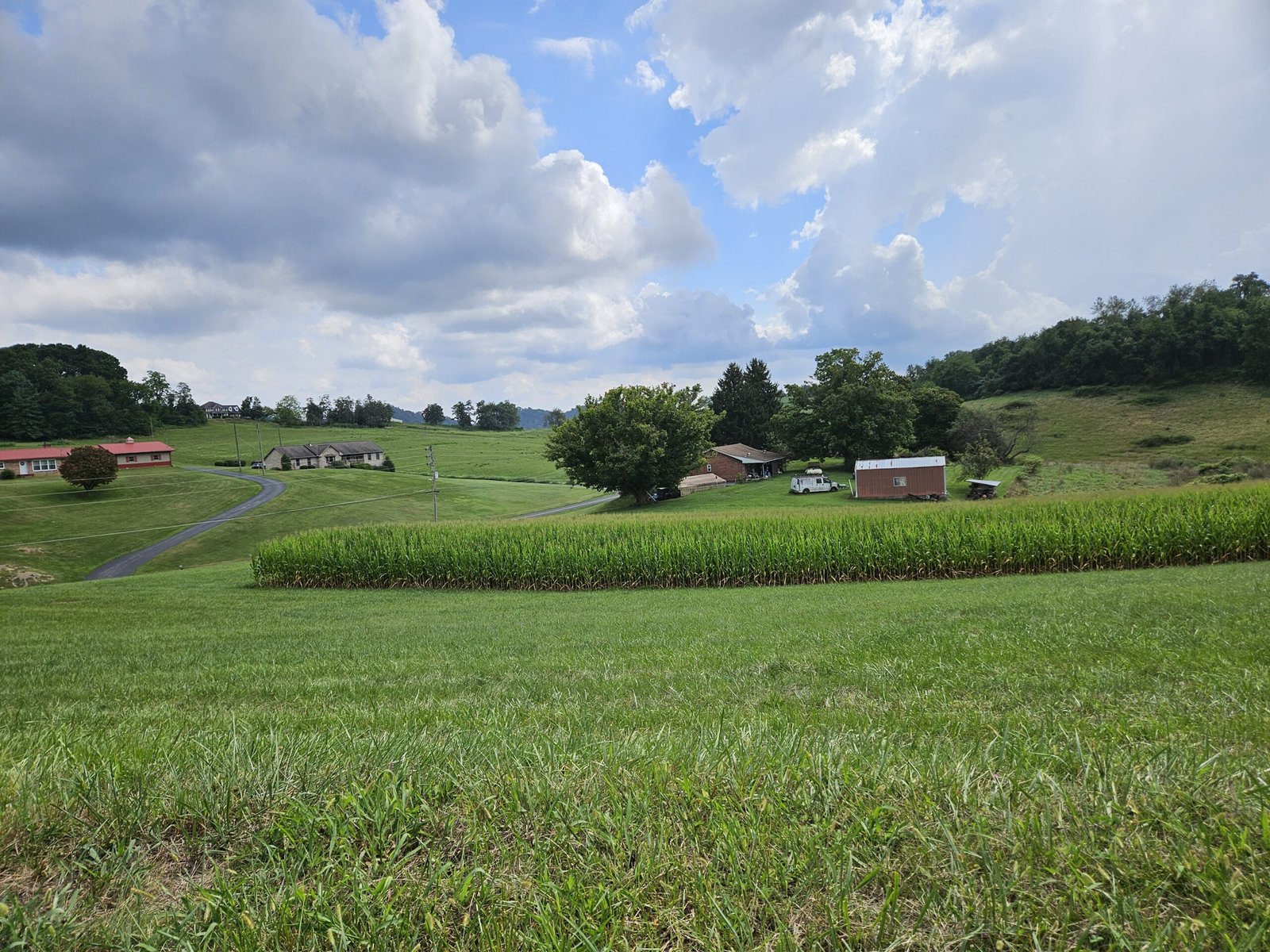
The Appalachian Highlands have some of the nation’s richest biodiversity and most productive agricultural landscapes. However, a quiet siege constantly threatens our timber stands, orchards, and pastures. Consequently, National Invasive Species Awareness Week (NISAW) works as a key annual reminder: farmers must keep vigilant to defend against non-native ecological threats.

The Origins of the Fight Against Invasive Species: NISAW
Launched in 2010, NISAW began when agricultural companies, the Weed Science Society of America, and the Entomological Society of America recognized a dangerous disconnect between scientific studies and public policy. Today, the North American Invasive Species Management Association (NAISMA) leads the charge.
Their goal is simple: bridge that gap and protect our economy and ecology. Furthermore, throughout the week, federal agencies and local chapters host congressional briefings, distribute prevention procedures and protocols, and organize hands-on community action, such as weed pulls and biological field surveys. For Appalachian farmers, this week signals the time to engage in community-wide agricultural defense.
The Invaders at Our Gates
Our regional biodiversity makes the Highlands highly vulnerable to aggressive non-native species. These pests often arrive through global trade. They hitch rides on wooden shipping pallets or on imported nursery stock before spreading rapidly along travel corridors.
Specifically, these main threats target our local ecosystem:
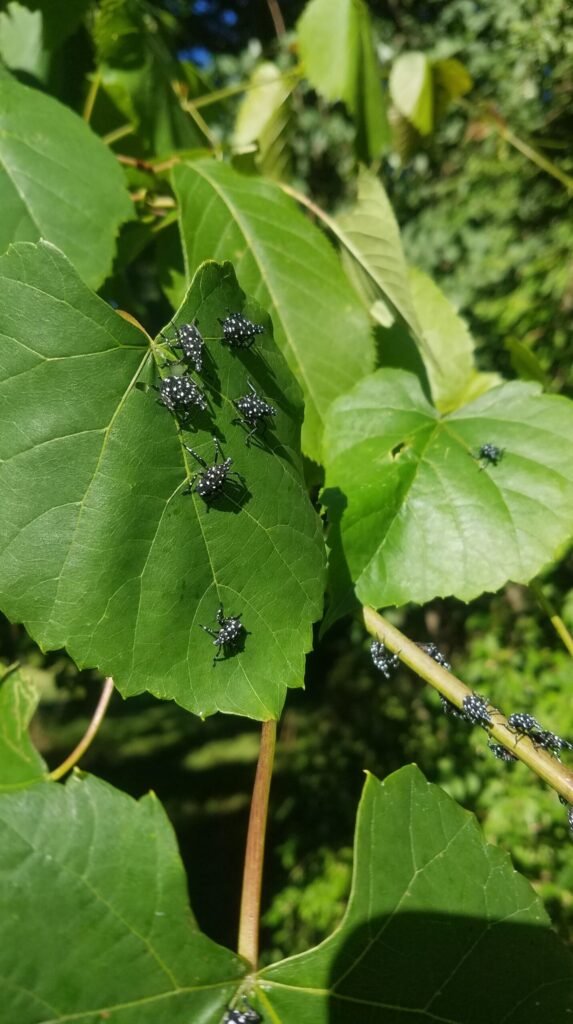
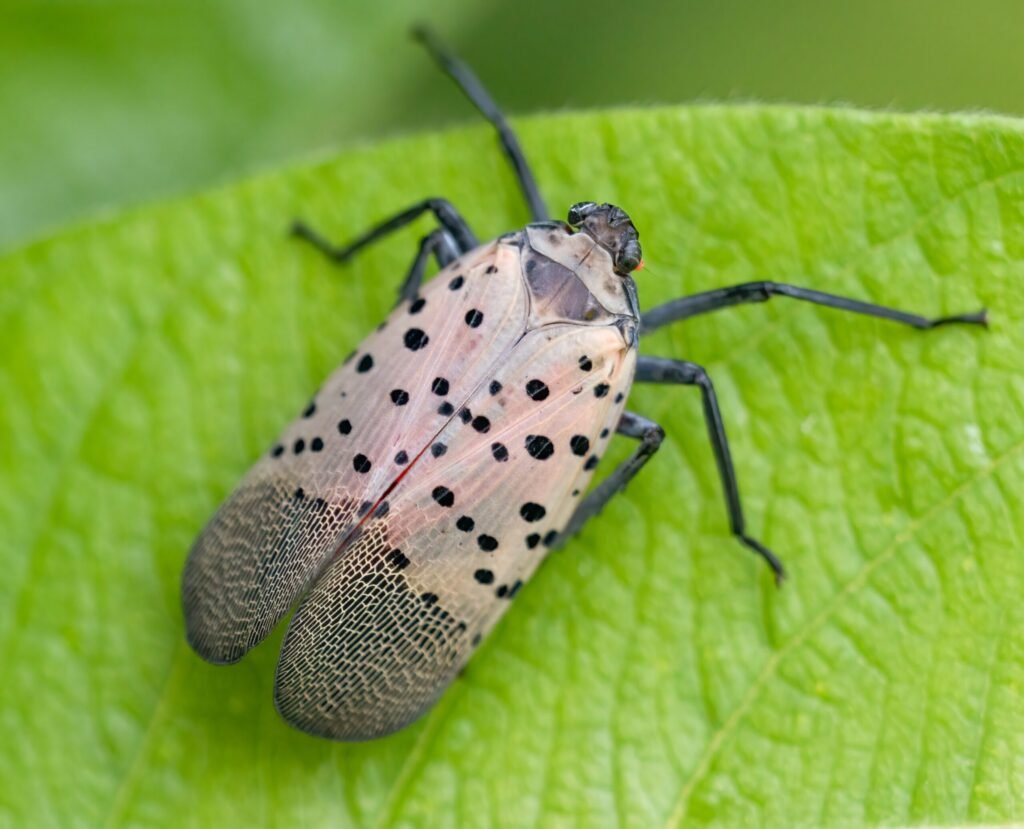
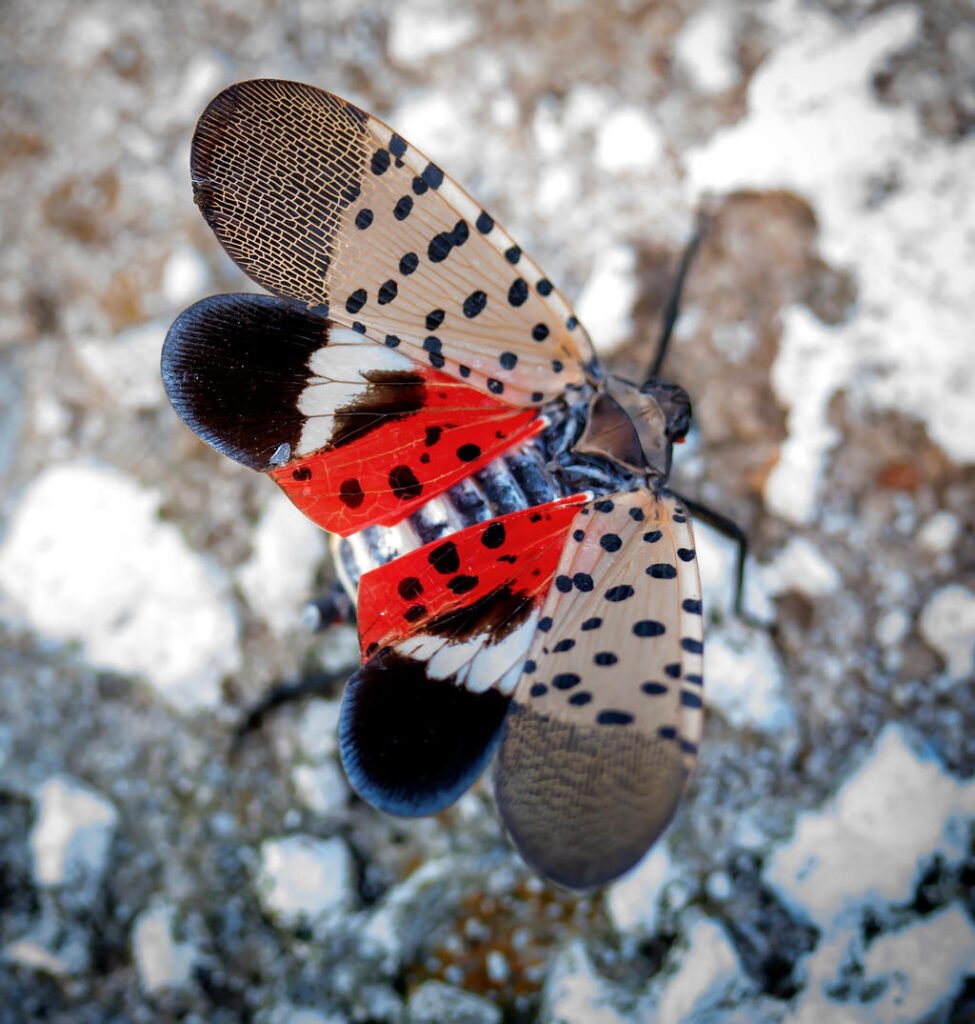
Spotted Lanternfly:
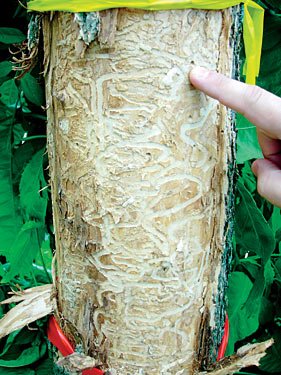
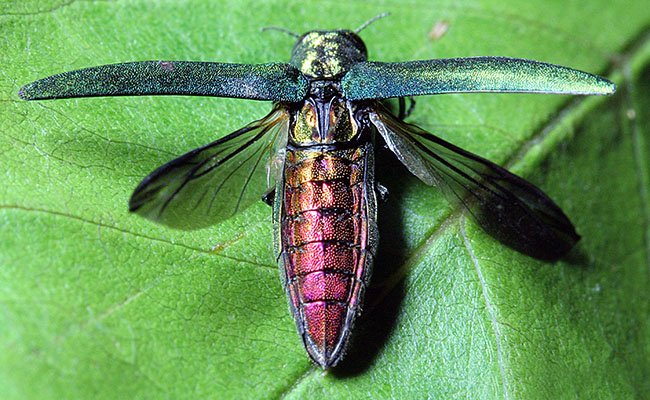
Emerald Ash Borer (EAB):
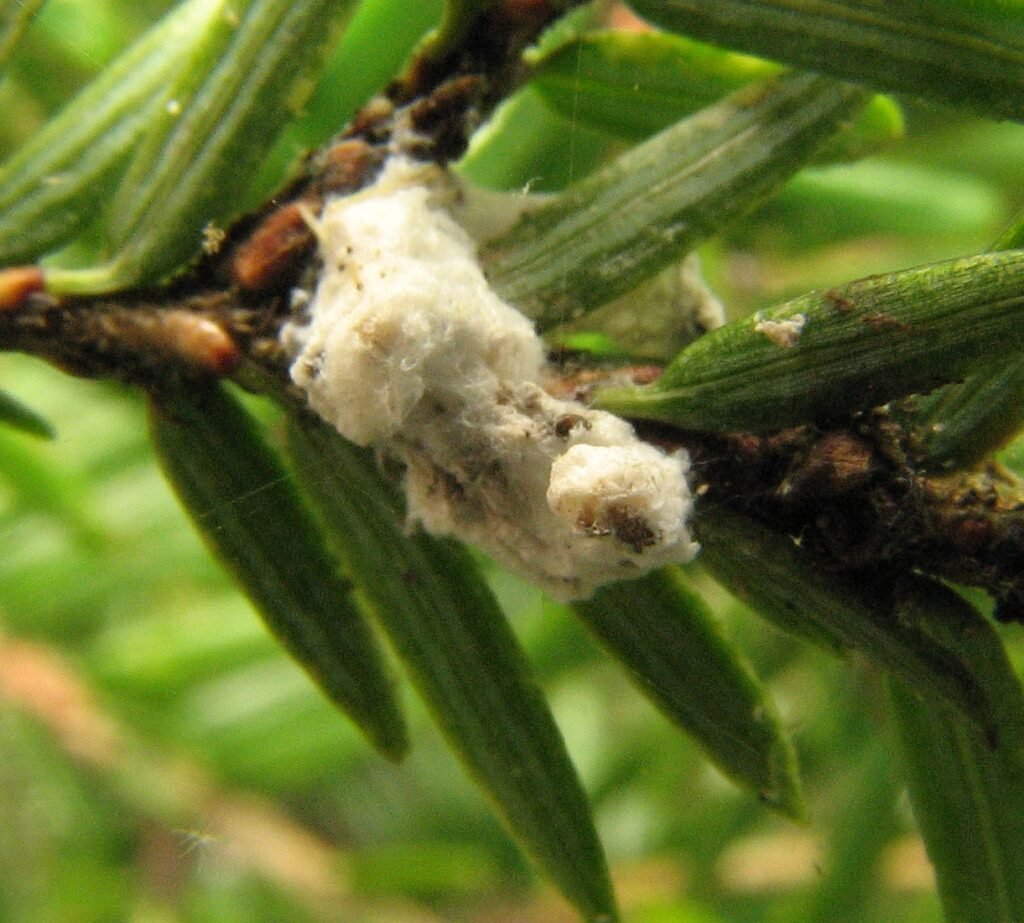
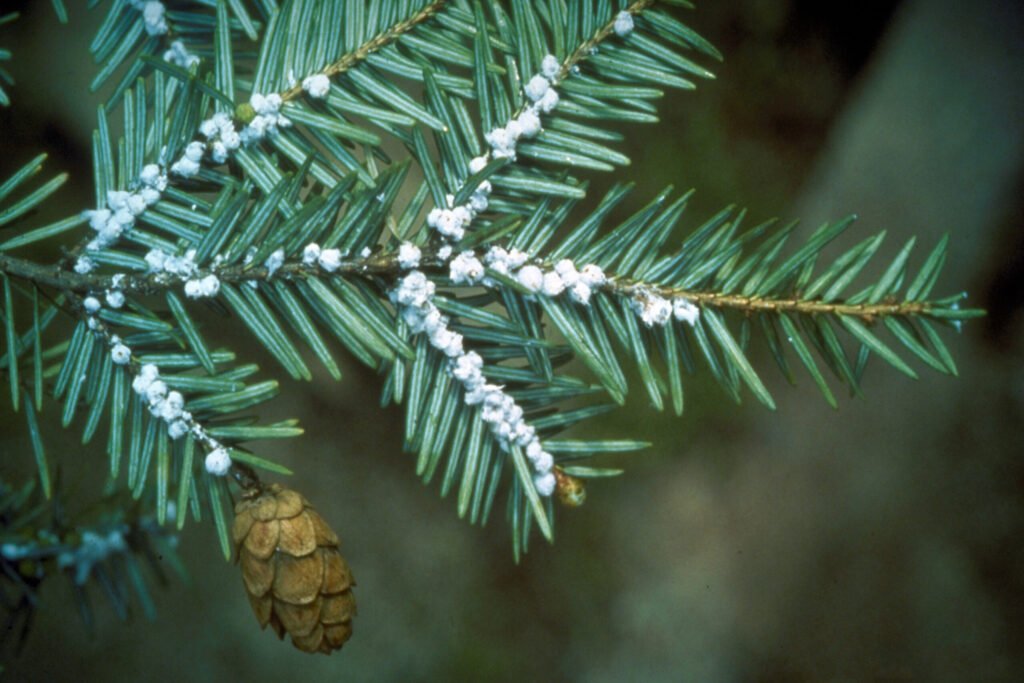
Hemlock Woolly Adelgid (HWA):
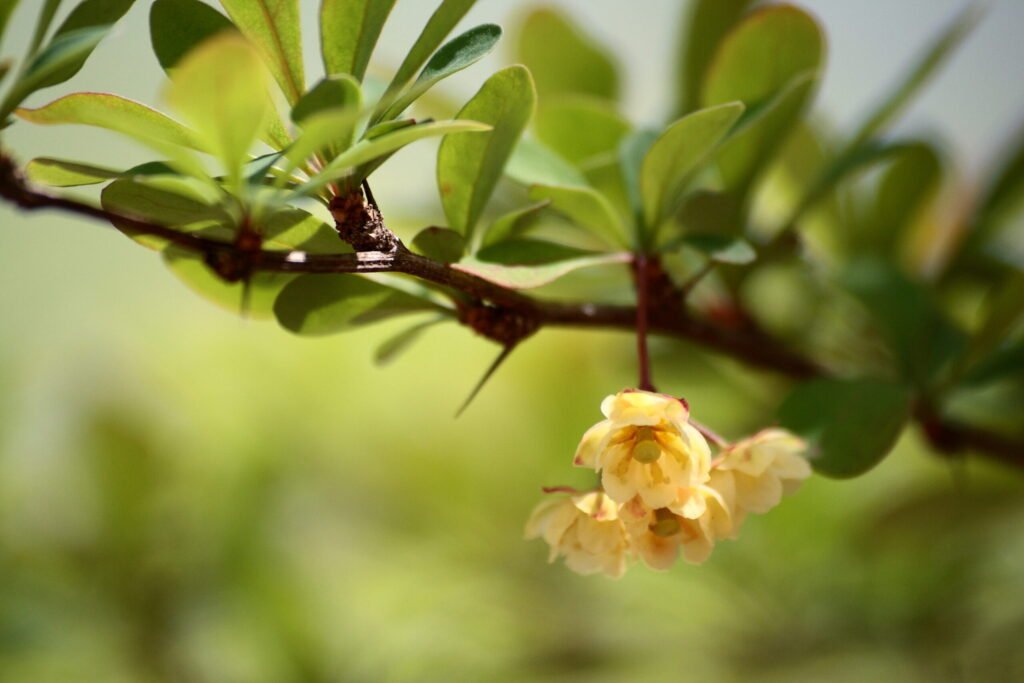
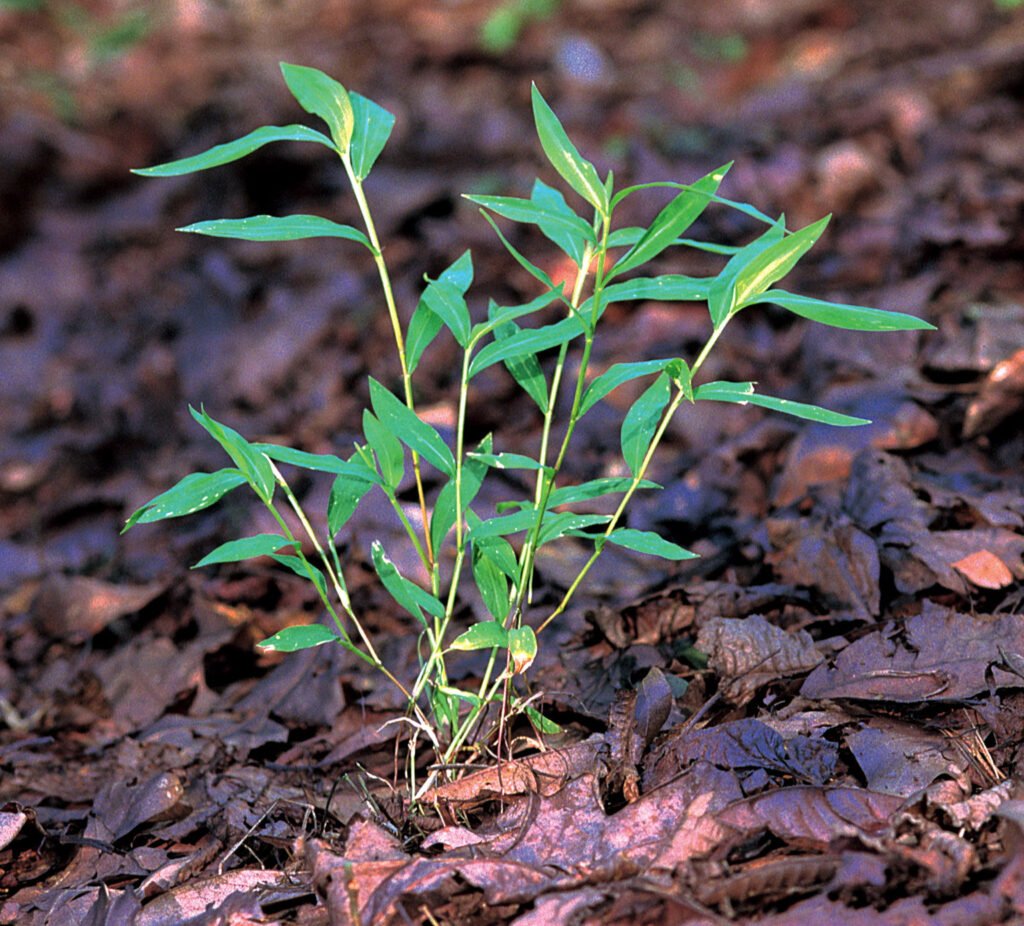
Japanese Stiltgrass & Japanese Barberry:
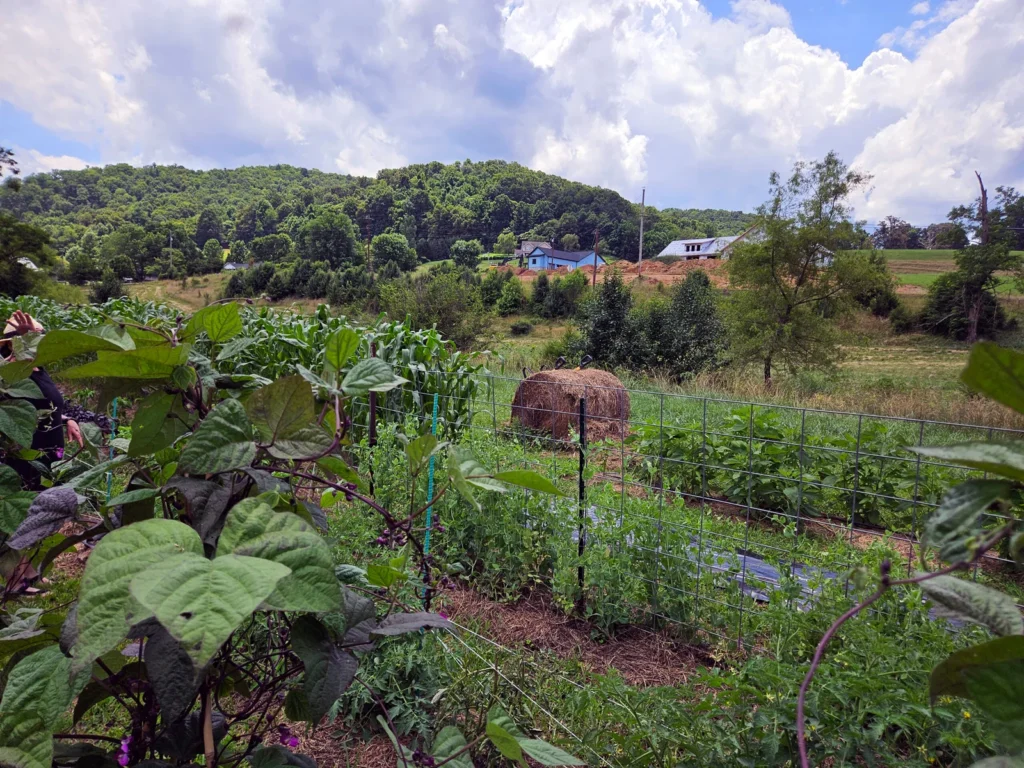
Invasive Species Mitigation: Protecting Your Land
Farmers and landowners stand on the front lines of this ecological battle. Therefore, you must employ proactive measures to reduce the spread:
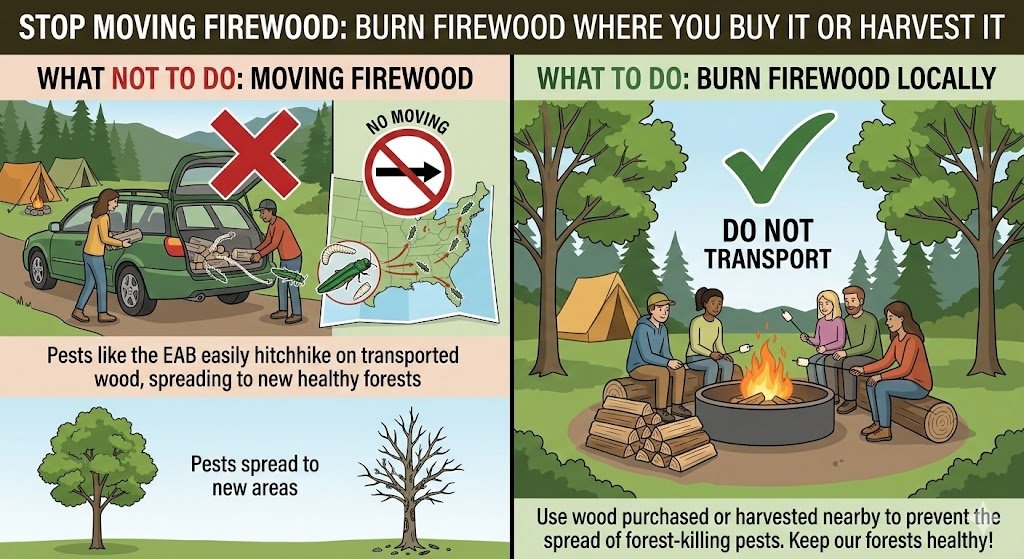
Stop Moving Firewood:
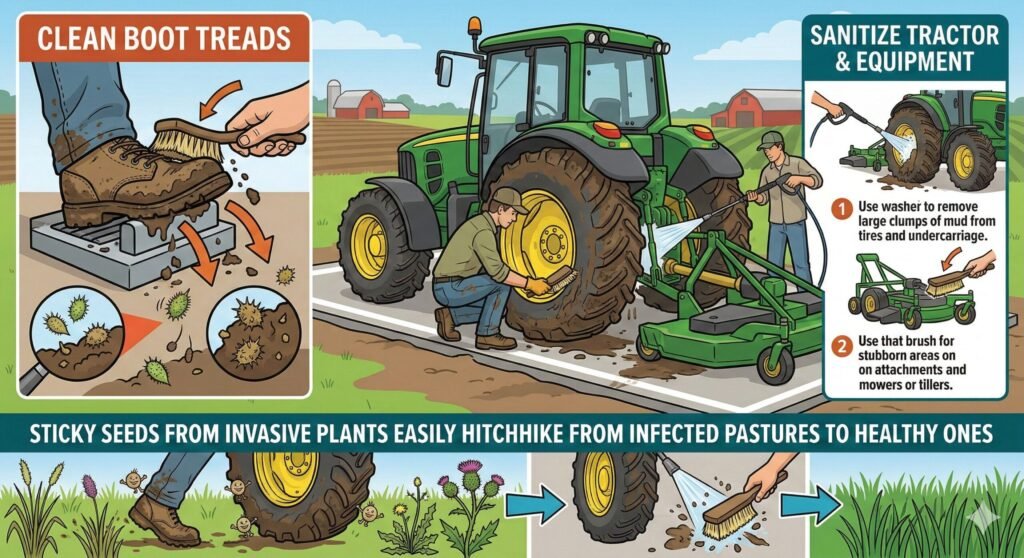
Sanitize Equipment:
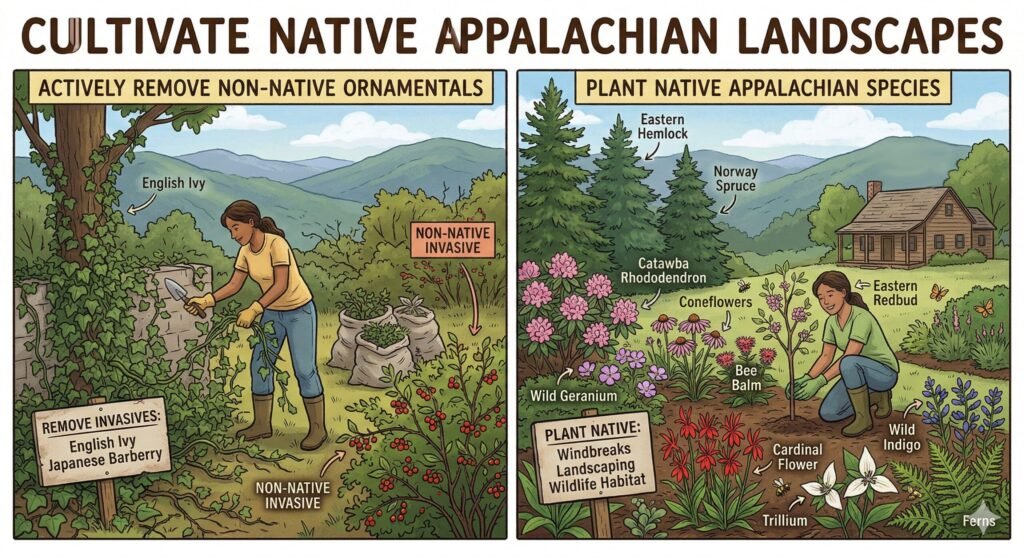
Cultivate Native Landscapes:
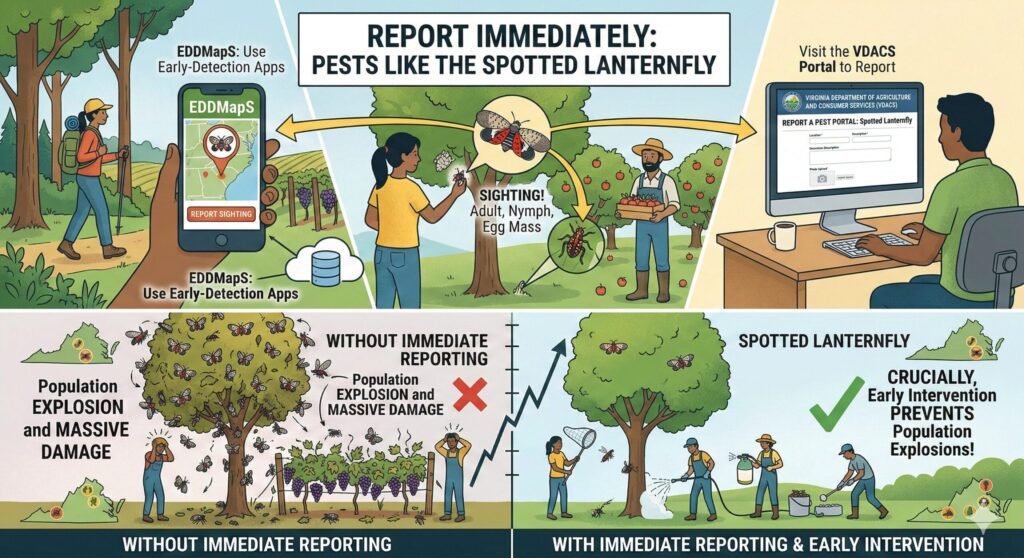
Report Immediately:
You do not have to fight this battle alone. Across the Appalachian Highlands—from Asheville, North Carolina, to Wytheville, Virginia, and stretching into West Virginia and southern Kentucky—dedicated organizations actively assist farmers with conservation and native plant restoration:
State Cooperative Extensions (Master Gardeners):
Regional Master Naturalists:
The Nature Conservancy (Appalachian Programs):
Blue Ridge Discovery Center:
Wild Ones Appalachian Highlands Chapter:
Ultimately, when Appalachian farmers understand the threats and utilize local resources, they actively preserve the health, profitability, and natural heritage of our land.









Leave a Reply