

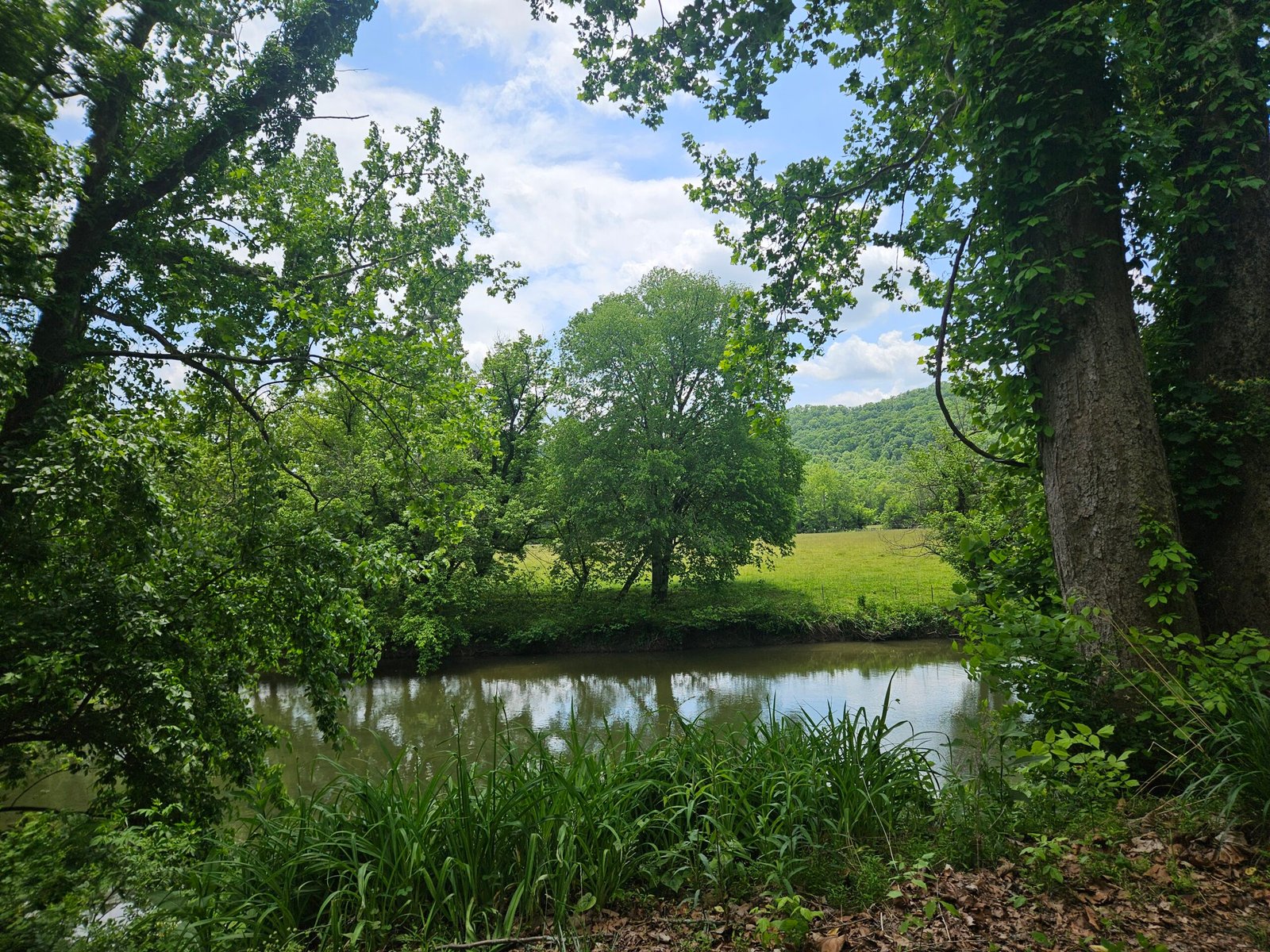
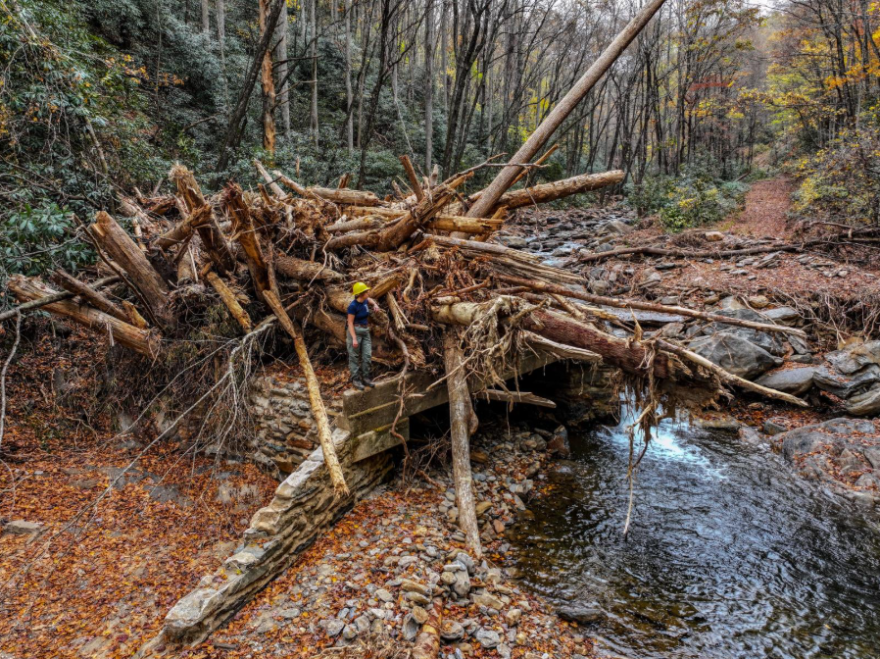
The federal conservation project will focus on repairing streambanks, restoring soils, and helping Northeast Tennessee farms recover from Hurricane Helene.
Farmers in Northeast Tennessee are among the intended beneficiaries of a new $9.7 million federal conservation project designed to address damage left by Hurricane Helene.
The funding is part of a $325 million national investment announced October 26 by the U.S. Department of Agriculture through its Regional Conservation Partnership Program.
The Northeast Tennessee Headwaters Restoration Partnership will work with an estimated 60 to 75 farms, according to USDA’s list of selected projects.
The effort will focus on rebuilding streambanks, restoring vegetation along waterways, reclaiming damaged soils, and improving wildlife habitat.
The Appalachian Resource Conservation & Development Council is listed as the project’s lead partner.
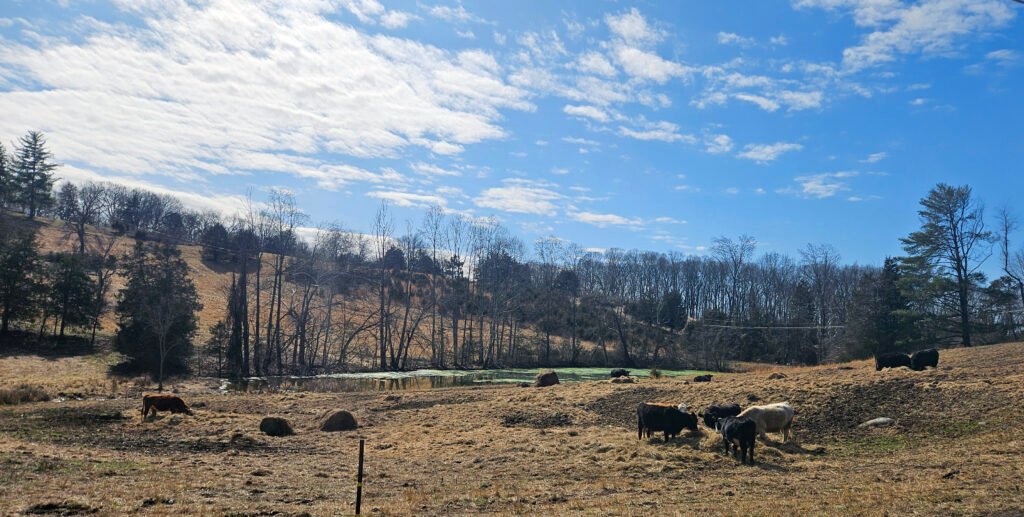
Restoring Helene Damaged Farmland Along Rivers and Creeks
For farmers whose fields border rivers and creeks, damage from Helene may still be affecting how they use their land. The new funding will help restore those areas and reduce erosion risk during future storms.
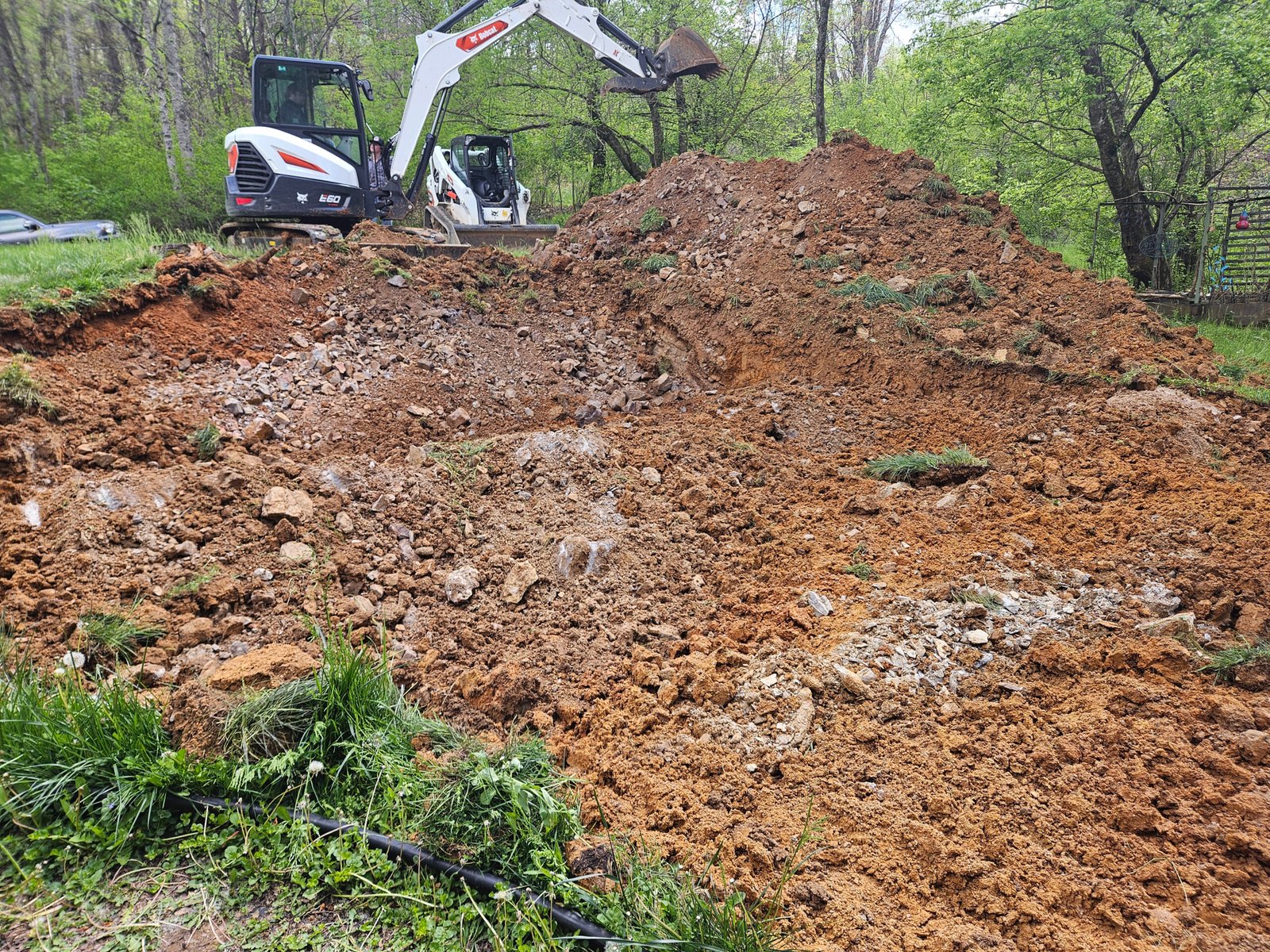
The new conservation partnership will focus on those problems, including stabilizing streambanks, restoring vegetation along waterways, and rehabilitating damaged soils.
USDA says the project also includes community training, volunteer participation, and selected conservation easements.
The published project description does not identify the farms that will participate or provide a county-by-county funding breakdown.
A Partnership Approach
USDA’s Regional Conservation Partnership Program works through organizations that coordinate conservation activities with farmers and other landowners.
Rather than simply distributing an equal payment to every farm, the program finances projects designed to address identified natural resource problems.
Participating producers may receive technical assistance, help designing conservation practices, or financial support for approved work.
In Northeast Tennessee, the planned work includes restoring riparian buffers—areas of trees, shrubs, and other vegetation along streams.
Those buffers can help stabilize streambanks, reduce sediment entering waterways, and provide habitat for wildlife.
Restoring damaged soil can also improve the condition of flood-affected agricultural land.
The results will depend on individual site conditions and the conservation practices ultimately selected for participating farms.

Part of a Larger Federal Investment
USDA announced more than $325 million for 42 Regional Conservation Partnership Program projects nationwide.
The selected projects address issues ranging from soil conservation and grazing management to water quality and farmland protection.
Agriculture Secretary Brooke Rollins said in the October announcement that the program combines federal resources with private investment to help agricultural producers improve their operations.
The department said approximately 75% of the announced funding will go directly to farmers or toward implementing conservation practices.
That national percentage does not establish the exact distribution of spending within the Northeast Tennessee project.
Individual projects have different budgets, partners, and objectives.
Another Project Targets Virginia Farmland
The same federal announcement includes a separate $6.4 million project led by the Alliance for the Shenandoah Valley.
This initiative aims to protect about 2,500 acres of farmland through conservation easements and related practices.
Its goals include preserving agricultural land, supporting generational farm transfers, and improving soil and water resources.
The project illustrates another approach to agricultural conservation: protecting working farms from conversion to other uses.
The Northeast Tennessee project has a more direct connection to Helene recovery.
Together, they show how the federal partnership program meets different agricultural conservation needs across the broader Appalachian region.

What Farmers Should Know
USDA’s published project description establishes the $9.7 million selection and the intended number of participating farms.
It does not yet provide an enrollment schedule, application deadline, or specific eligibility requirements for individual Northeast Tennessee producers.
Farmers should not assume a national funding announcement means applications are accepted right away.
Producers interested in participating can seek information through the Appalachian Resource Conservation & Development Council or their local USDA Natural Resources Conservation Service office.
For farms still dealing with damaged waterways and agricultural land two years after Helene, the new partnership represents a significant planned investment in long-term recovery.
Its effectiveness depends on how quickly we develop projects, which farms qualify, and how much restoration work the available funding can support.
Front Page










Leave a Reply