

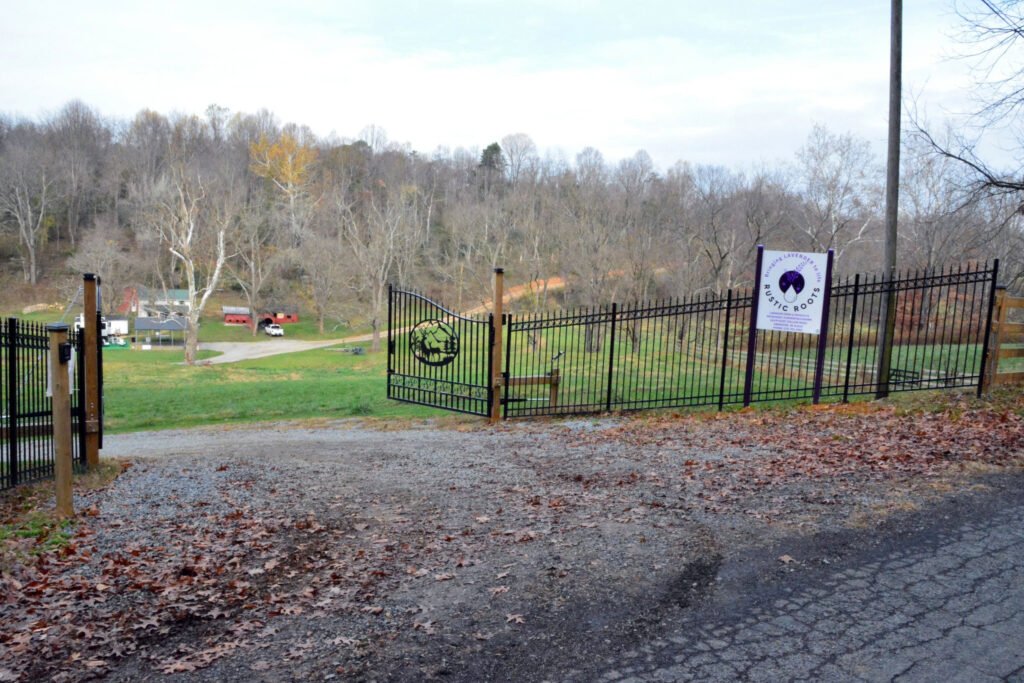
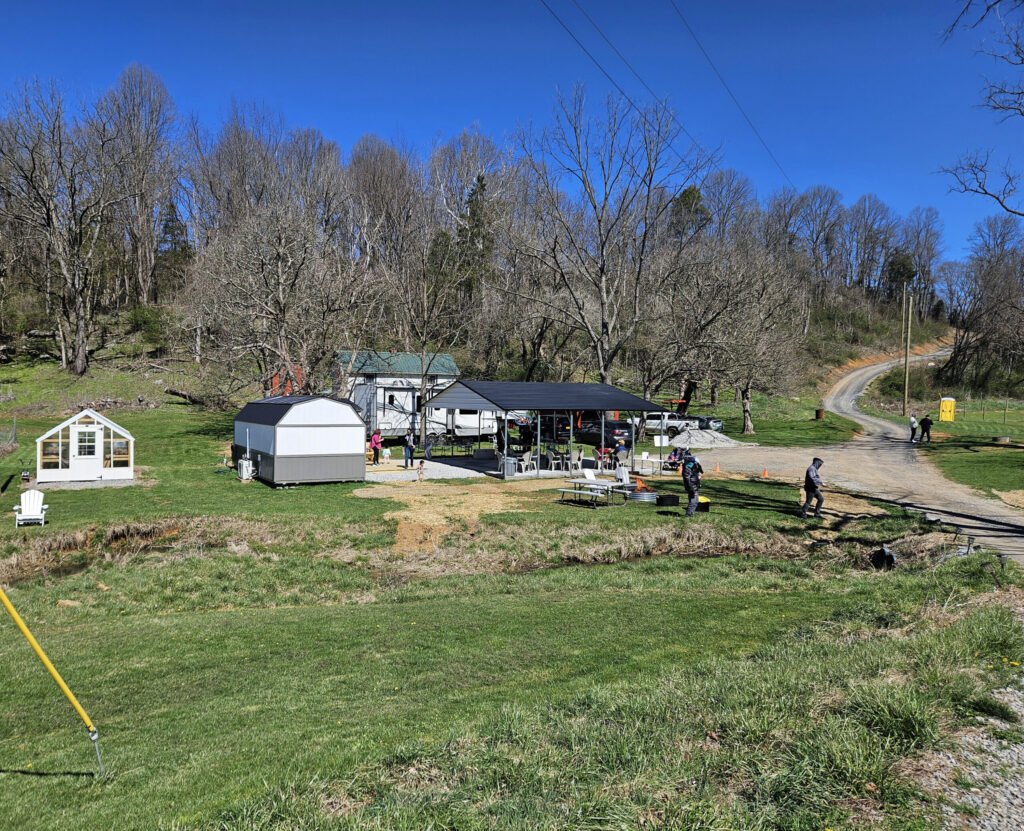
You immediately feel the contrast between the sharp, cold spring wind and the warm, lively activity of the farm’s seasonal reopening when driving through the front gate and heading down the narrow gravel road into Fleming Fields Farm. A fire pit is burning, serving as a gathering spot for visitors and setting a hospitable tone for the day.
Located in Abingdon, Virginia, this 60-acre property is a case study in agritourism driven by relentless planning and execution. Meeting with owner Glenda Fleming makes it clear that this farm operates on a simple but effective philosophy: generate an idea, figure out the logistics, and build it.
From Pasture to a Planned Destination
The timeline of Fleming Fields Farm is notably brief. Just three years ago, the destination did not exist.
“Totally undeveloped,” Glenda recalls, looking out over the property. “No roads, just cattle pasture. The fences that were up all were falling down.”
Glenda, a former mental health therapist with a degree in business, grew up on a farm in nearby Lebanon. Her husband, Sean, an engineer, was raised on a 5,000-acre cucumber, beet, and cabbage farm in Michigan.
Recognizing the land’s potential, they purchased the 60 acres and moved into a massive RV on the property. For two years, they lived on-site while methodically building the infrastructure—roads, fences, outbuildings, and eventually a house on the hill—from the ground up.
When asked how they managed such a massive pivot without prior experience in this specific type of farming, Glenda’s answer is pragmatic. “It just comes, and I tell Sean, ‘Hey, I want to do this.’ Or he’ll think of something… And we just do it. If we don’t know how to do it, we learn how to do it.”
That practical drive is evident across the property. With dedicated research, Glenda taught herself to distill lavender in less than three years. Even after being sidelined in bed for three days with a severe bout of pneumonia and bronchitis just weeks before opening day, she bounced back the moment she was no longer contagious, finishing and bottling her product lines for the crowds.
Sean’s engineering background is evident in the rapid development of the farm’s infrastructure, including a newly poured concrete pad and a carport destined to become an outdoor classroom.
A Calendar of Agritourism
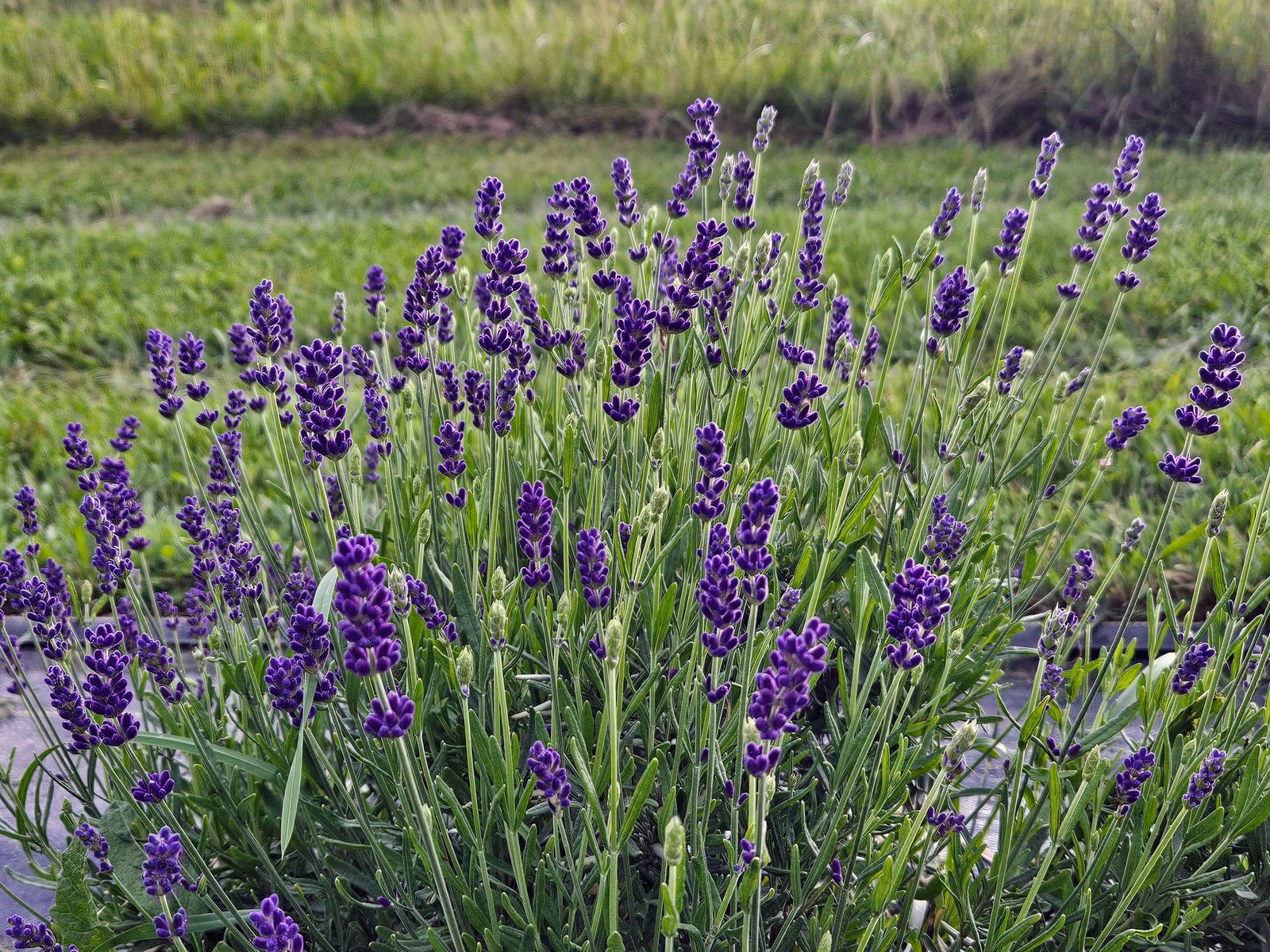
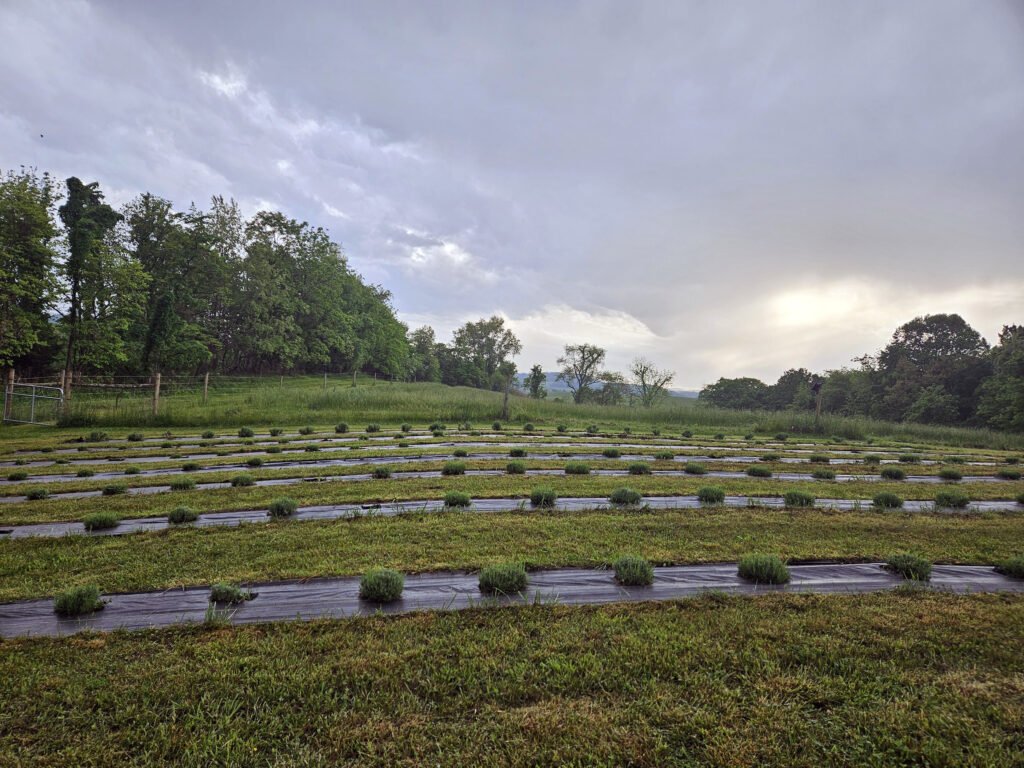
For the Flemings, the land is a multi-use asset designed to engage the community year-round. While their 600 to 700 lavender plants are currently dormant—waiting for Glenda to safely prune and propagate them after the region’s final mid-May frost—the farm’s event calendar and agricultural footprint are actively expanding.
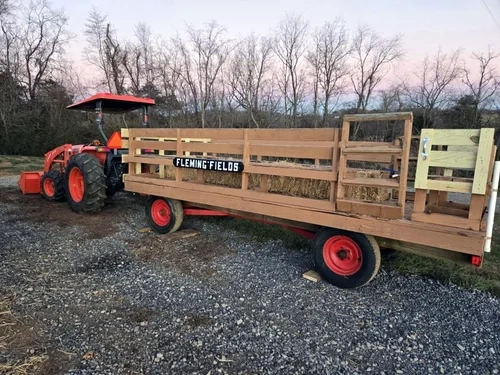
In the summer, the farm features four acres of beautiful sunflowers. The Flemings coordinate wagon rides to transport guests up the hill so they can wander the fields. They do the same during the lavender harvest, allowing visitors to cut their own fresh botanical bundles.
Expanding their harvest beyond floral crops, the Flemings have also cultivated a diverse orchard of nuts and fruits. The property now boasts 20 Dunstan chestnut trees alongside approximately 20 fruit trees that produce a seasonal bounty of apples, peaches, and plums. To help pollinate these growing crops and support the local ecosystem, they also maintain an active apiary on the farm.
They have also engineered a successful seasonal trail through a quarter-mile stretch of their timberland. In October, it operates as a Halloween event they call “Terror in the Timber,” featuring actors and 25 large animatronics—an event that drew 250 people in a single night last year. By December, that same path is repurposed into a “Christmas Trail to the North Pole,” ending with a visit to Santa Claus. That winter event brought in over 600 visitors across three Saturdays.
Going forward, Glenda outlined their next expansion into the hospitality sector. They are preparing to move their fifth-wheel RV to a newly sectioned area of the land to serve as an Airbnb, with plans to renovate the main farmhouse for guest lodging in the long term.
Partnerships and Pancakes
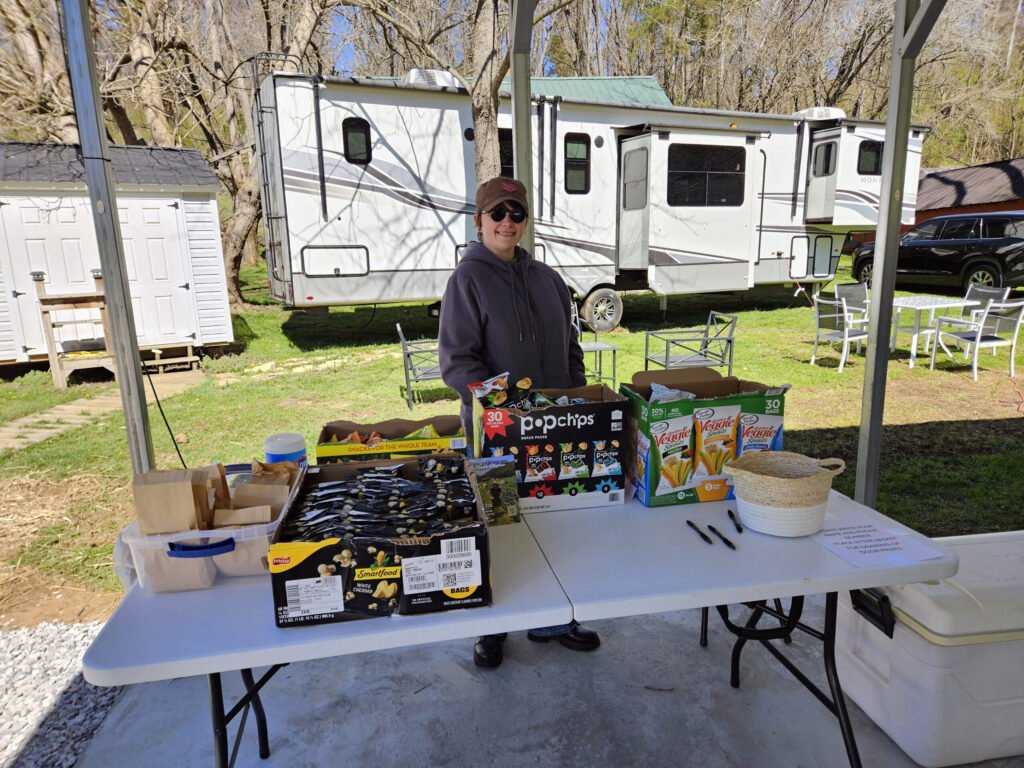
Despite their rapid internal growth, the Flemings actively integrate other local businesses into their events. Under the new carport’s shelter, neighbor Heather Carrothers volunteered her Saturday to greet guests and distribute complimentary feed for the farm’s animals.
Nearby, Marissa Neece, the owner of Mini Food World, managed a steady line of customers. She prepared batches of original, buttermilk, and gluten-free miniature pancakes, providing an interactive setup where guests could customize their orders with gummy worms, Oreos, and warm apple pie filling.
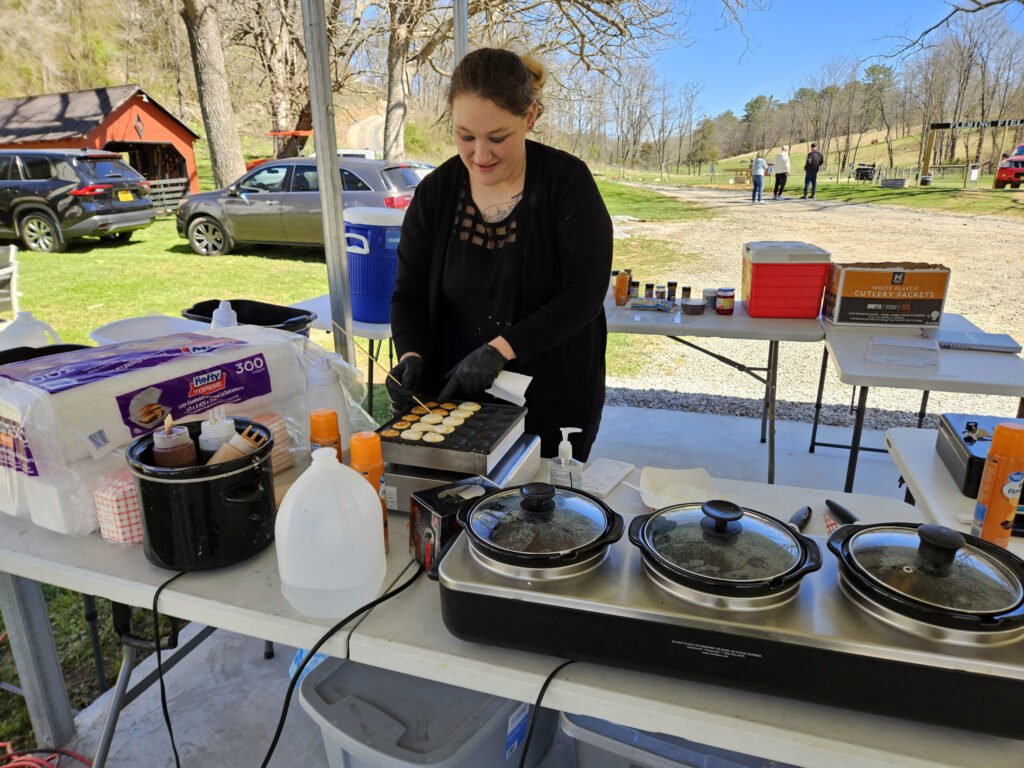
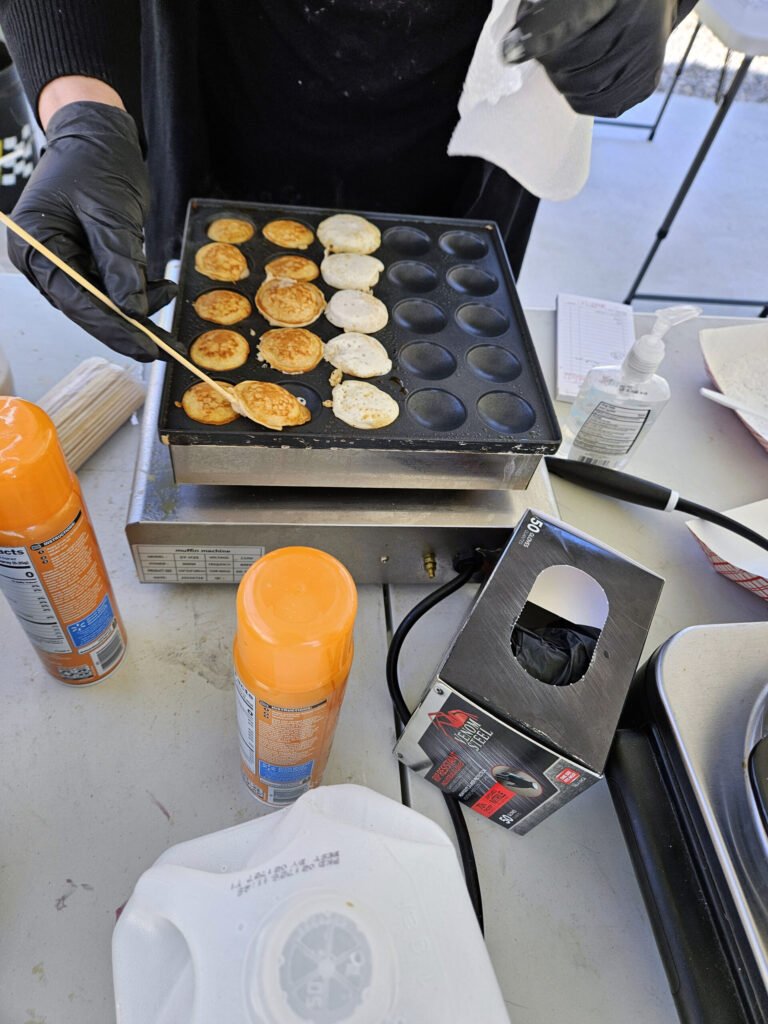
The community ambiance was further highlighted by a surprise visit from Glenda’s sister, Deborah, who traveled from Nellysford to celebrate her birthday.
Guests equipped with treats from Heather gathered at the large corral to view the farm’s miniature animals. The Flemings currently manage seven Nigerian Dwarf goats, two babydoll sheep, a miniature horse, and two highly sought-after miniature Holland cows.
Sean plans to turn these enclosures into an educational asset this summer by launching the “Wrangler Club.” The program will bring children into the pens to learn about the realities and responsibilities of animal care, and award them badges for their participation.
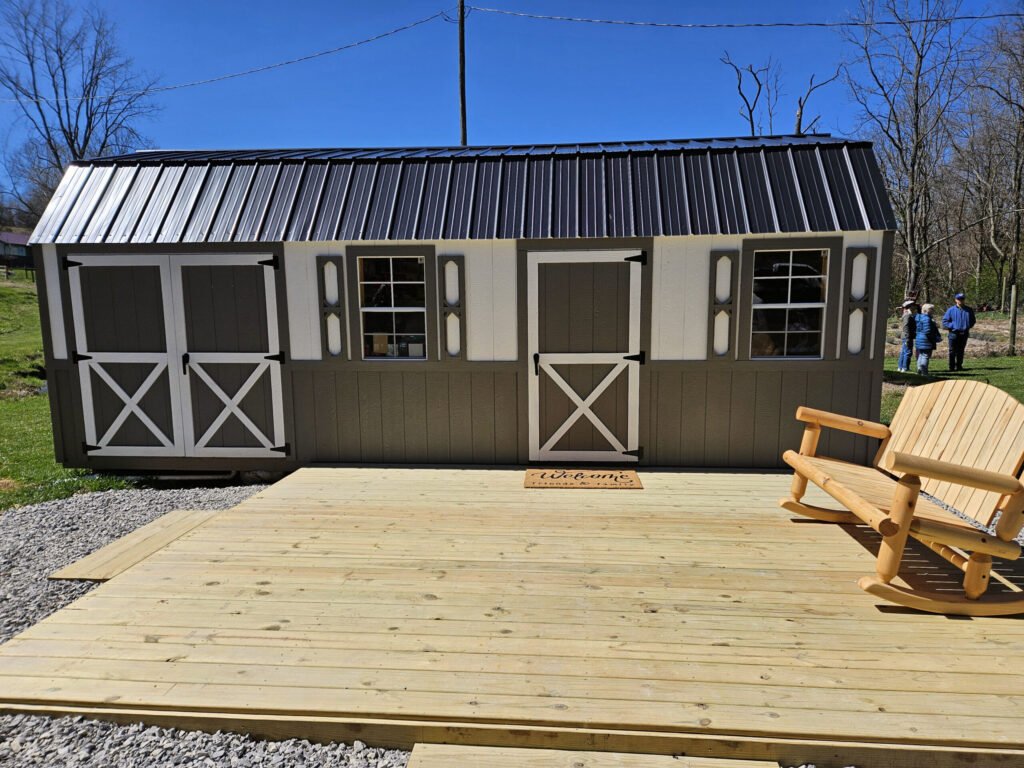
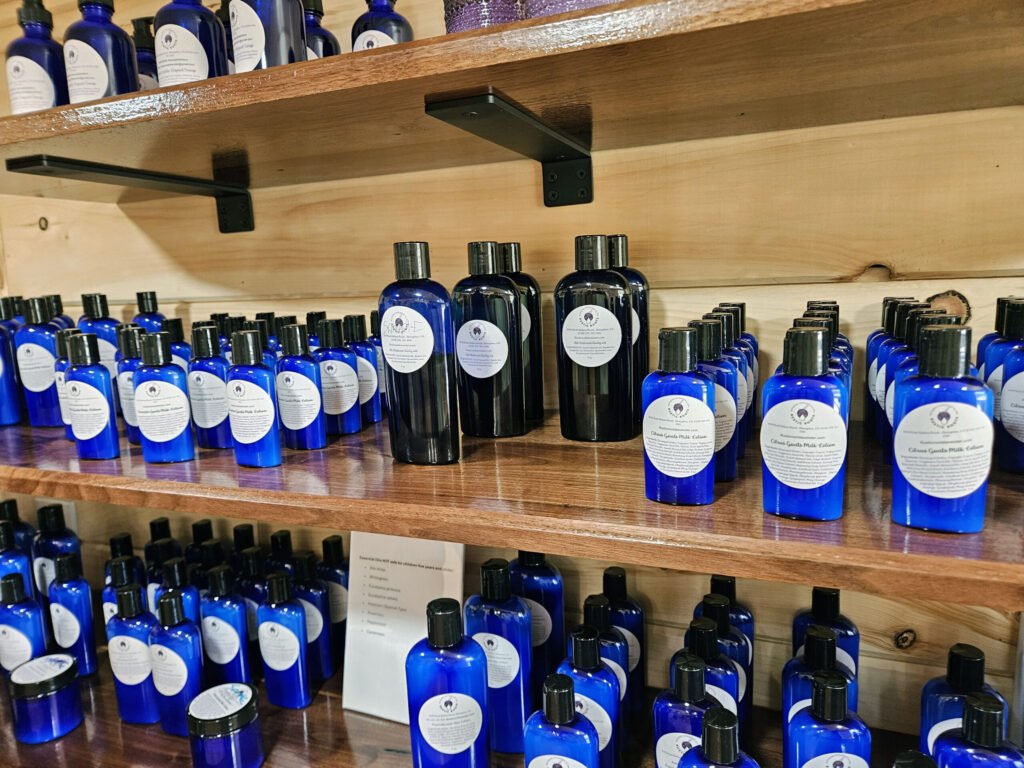
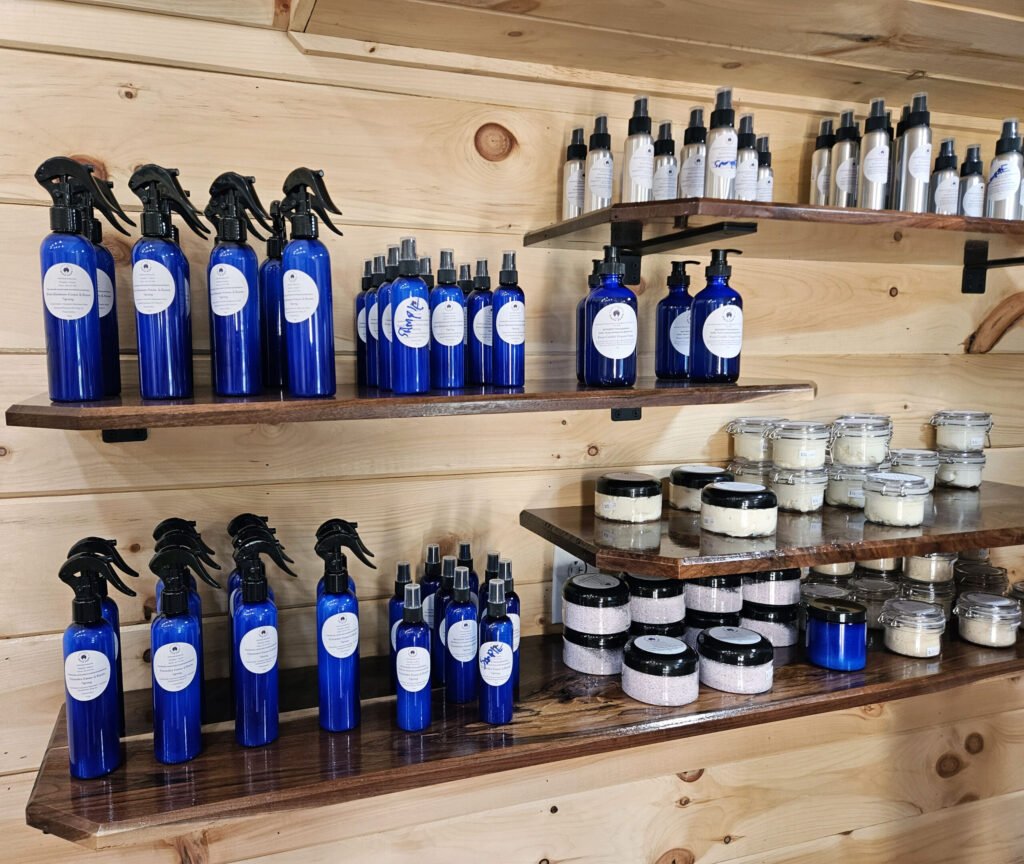
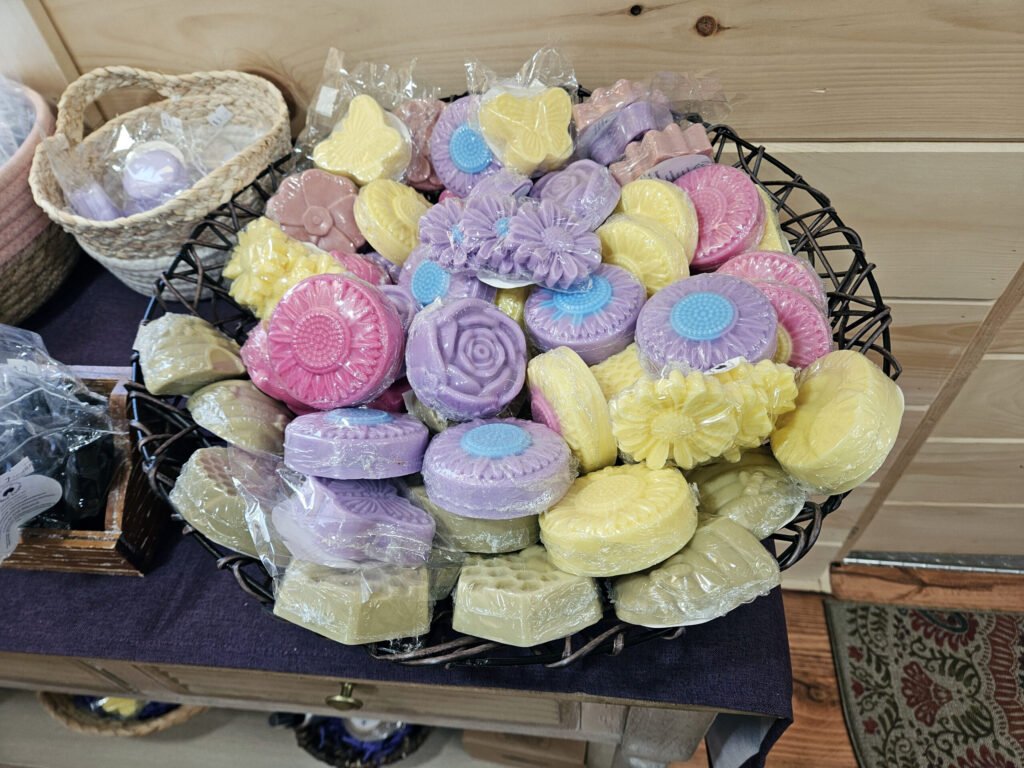
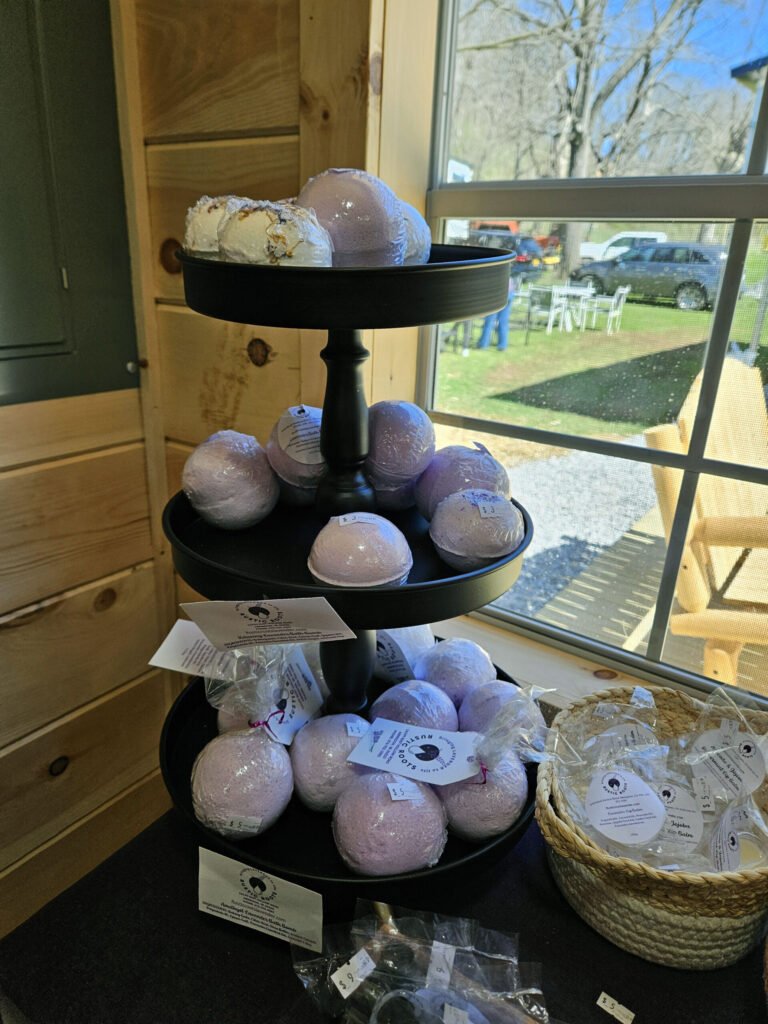
The Rustic Roots Apothecary
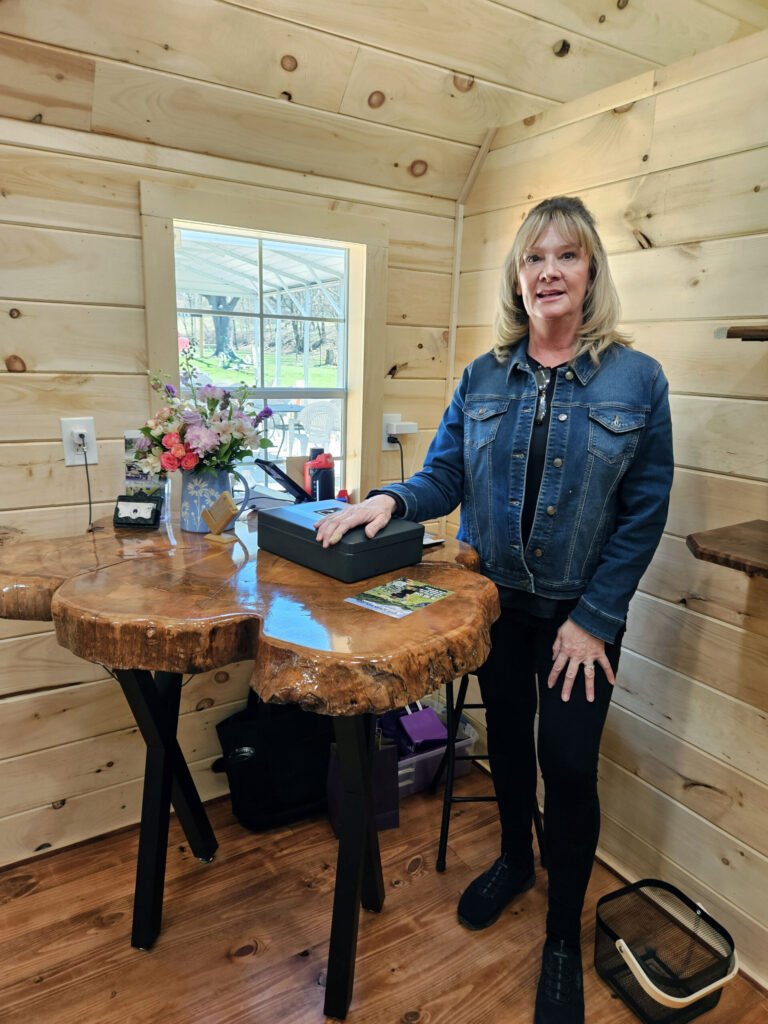
Inside a newly constructed building, the Rustic Roots Lavender Shop sits. A rustic desk that Sean hand-sanded and built from 109-year-old wood slabs salvaged from a local lumberyard anchors the space.
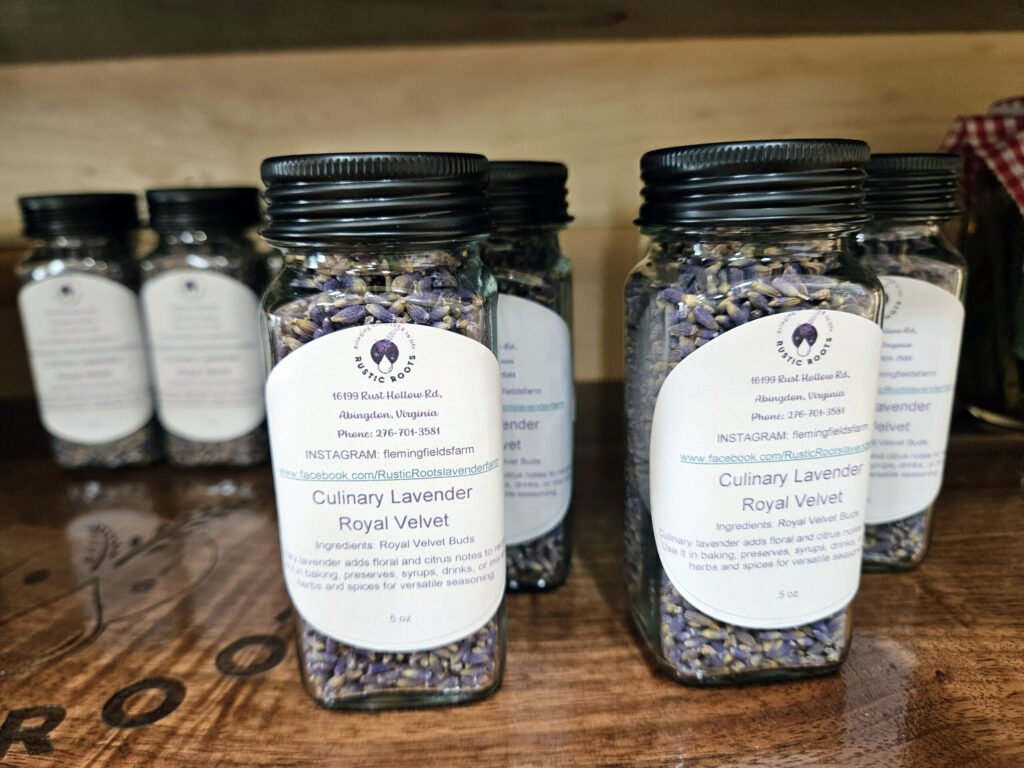
The shop serves as the retail front for Glenda’s extensive product development. Utilizing an in-house distillation process—currently operating out of a restored 1946 building up the hill—she extracts pure hydrosols and essential oils directly from her crops. She plans to eventually move her distillation equipment down to the carport to host live demonstrations and classes on making roller bottles and pour soaps.
The Product Line
The resulting product line is broad and distinctly focused on botanical wellness. The shop’s current catalog includes:
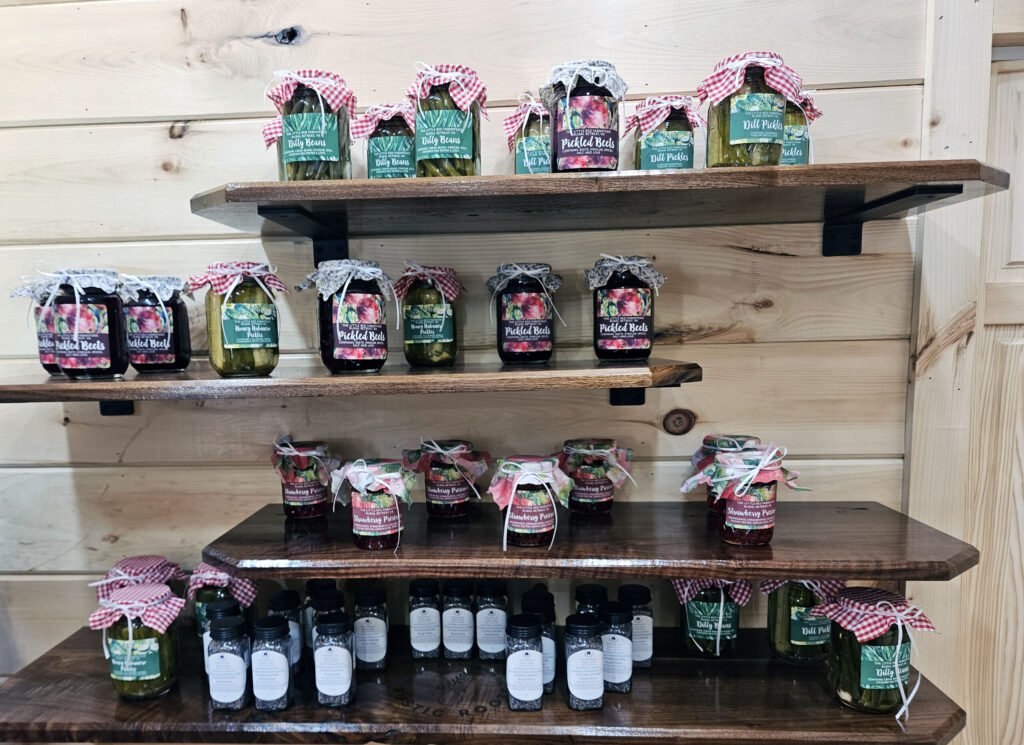
The shop also operates as a cooperative retail space. The shelves currently stock jars of pickles from the Little Red Farmstead in Rural Retreat, VA. In return, the Farmstead will soon supply Glenda with organic cornmeal and flour, and they plan to stock Rustic Roots products when their own shop opens in April.
Leaving the farm and heading back up the hill, the takeaway is clear. Fleming Fields Farm is not simply a scenic plot of land; it is a carefully managed, rapidly growing enterprise driven by a family that knows how to turn ambitious ideas into reality.








Leave a Reply