


The Miracle, The Monster, The Meal: Rethinking Kudzu in the Appalachian Highlands
Few plants are more associated with the modern South than kudzu.
If you have driven along the winding roads of the Appalachian Highlands in mid-summer, you have seen it: a blanket of green climbing over fences, utility poles, abandoned barns, and whatever else stays still long enough. For decades, kudzu has been known as “the vine that ate the South.”
But after decades of spraying, burning, and cursing the stuff, a fair question remains: are we ignoring a plant with real agricultural, culinary, and medicinal value?
A History of Good Intentions
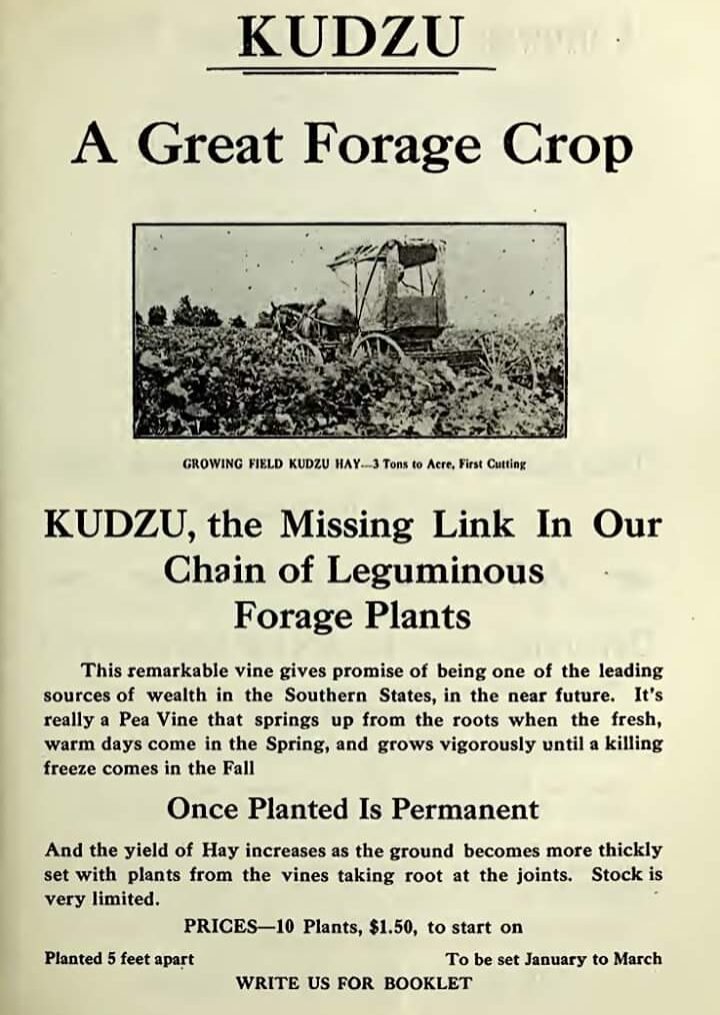
Kudzu is not native to American soil. Originally from East Asia, it was introduced to the United States at the 1876 Centennial Exposition in Philadelphia, where it was promoted as an ornamental vine with fragrant blossoms and rapid growth.
Its spread across the South was not accidental. During the Great Depression, aggressive logging and poor farming practices had left large parts of the Appalachian Highlands and the Southern Piedmont heavily eroded. In the 1930s, the Soil Conservation Service promoted kudzu as a solution to stabilize hillsides and prevent further soil loss. Farmers were paid roughly $8 an acre to plant it, while the Civilian Conservation Corps distributed millions of seedlings across the region.
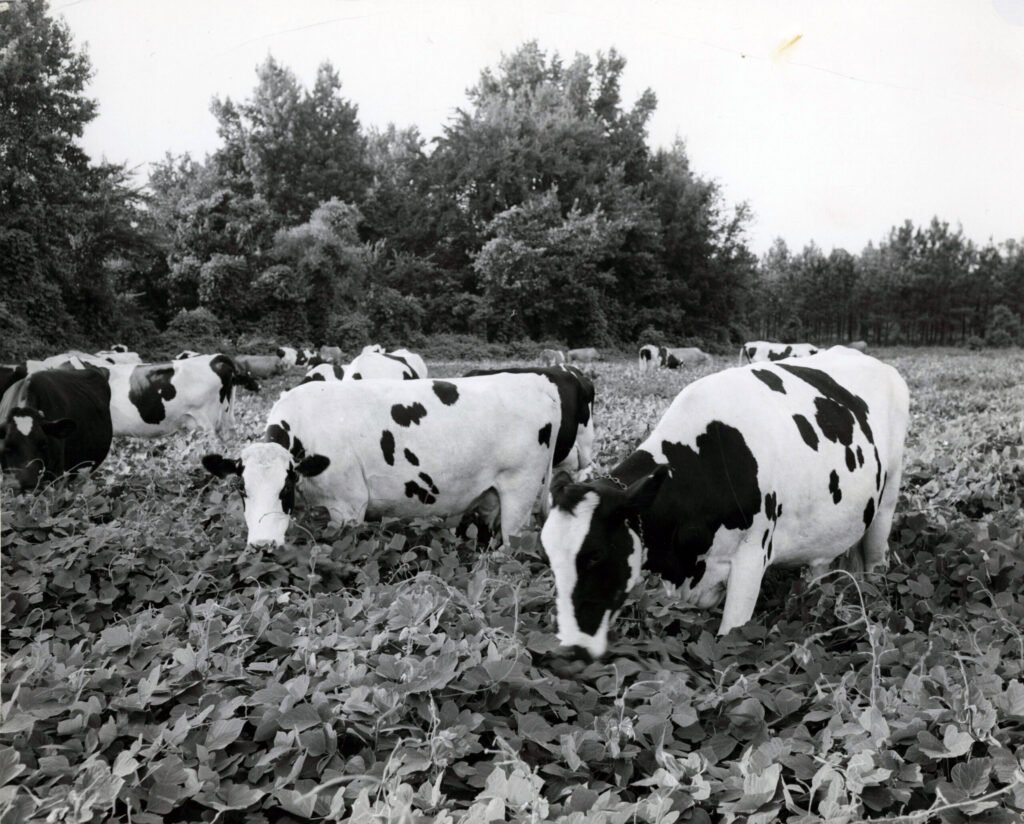
The problem was that the South’s climate suited kudzu almost perfectly. Long, humid summers, mild winters, and the absence of natural predators allowed the vine to spread far beyond anyone’s expectations. By the 1950s, the “miracle vine” had become a serious ecological problem, and in 1970, the USDA officially classified it as a noxious weed.

Why Kudzu Behaves Differently in Asia
In Japan, China, and Korea, kudzu is not viewed as an invasive nightmare. It is simply another useful part of the landscape. A number of factors keep it under control there, factors largely absent in the Appalachian Highlands.
- Natural Predators: In its native range, insects and fungal diseases regularly feed on kudzu, limiting its growth and weakening mature patches over time.
- Constant Harvesting: Kudzu is actively used in many parts of Asia. The roots are processed into starch, the fibers are woven into textiles, and the leaves are used as livestock feed. Continuous harvesting prevents the plant from taking over entire landscapes.
- Ecological Competition: Asian forests evolved together with kudzu and compete with it more effectively. Many Southern forests, especially disturbed areas around old farmland and logging sites, are much easier for the vine to overwhelm.
Where Kudzu Thrives in the Appalachian Highlands
While kudzu can now be found from New York to Texas, some of the heaviest concentrations still exist across the Deep South, especially in Georgia, Alabama, and Mississippi.
For readers in the Appalachian Highlands, the vine is especially common in disturbed terrain tied to roads, utilities, and abandoned farmland.
- Mountain Foothills: Large patches can still be found throughout the foothills surrounding the Smokies, including areas near Gatlinburg, Cherokee, and western North Carolina.
- Edges and Roadcuts: Kudzu thrives where soil has been disturbed, and sunlight is abundant. Highway embankments, timber harvest edges, fence rows, and neglected pastures are prime territory.
- A Critical Safety Warning: Never forage kudzu near highways, utility corridors, or public rights-of-way. Because the vine threatens infrastructure, these areas are frequently treated with long-lasting herbicides. Anyone who has spent time around rural backroads in late summer has probably seen entire hillsides suddenly turn brown after a county spray run. Safe foraging generally means private land, well away from roadsides and power lines, and always with the landowner’s permission.

Why Nobody Harvests It at Scale
Given how abundant kudzu is, people often ask why nobody has turned it into a major commercial crop. The answer mostly comes down to logistics.
Kudzu does not grow in neat agricultural rows. It sprawls across steep hillsides, rocky ravines, creek banks, and tangled forest edges. Standard harvesting equipment struggles to move through it without clogging or becoming entangled.
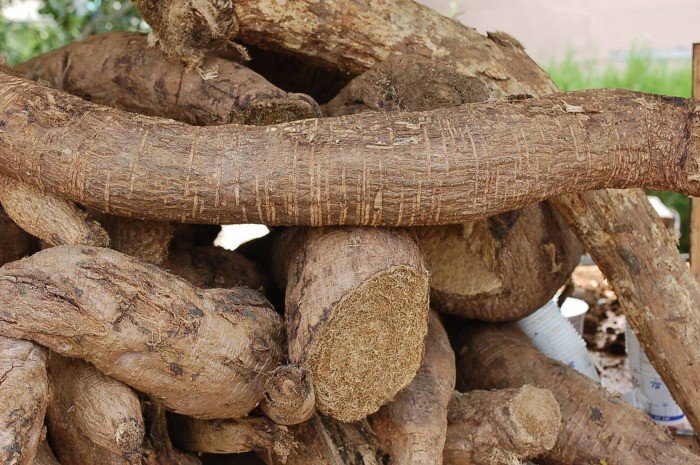
The roots present an even bigger challenge. Mature roots can grow several feet into dense clay soils and weigh hundreds of pounds. Digging them out is physically exhausting and difficult to mechanize, especially in the rough terrain common throughout Appalachia.
For now, harvesting kudzu at an industrial scale remains far more labor-intensive than most conventional crops.
Medical Research and Agricultural Uses
Despite the challenges, researchers and entrepreneurs continue to find practical uses for the plant.
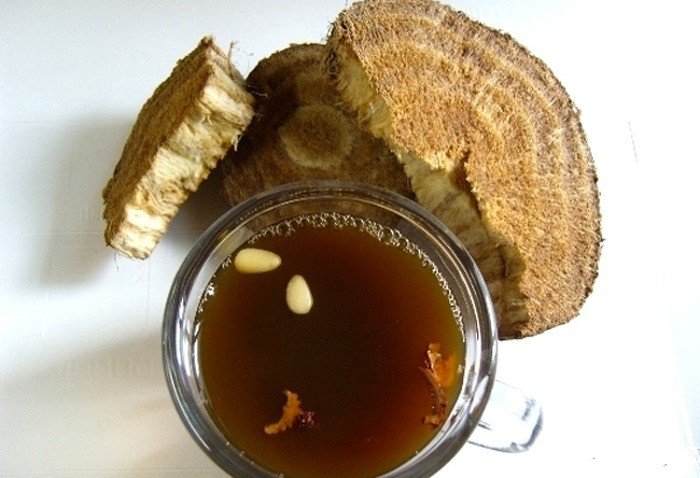
- Medical Research: Some clinical studies have suggested compounds found in kudzu root, particularly puerarin, may help reduce binge drinking and alcohol cravings. Researchers, including teams at Harvard Medical School, have studied the plant for decades as a possible treatment for alcohol use disorders.
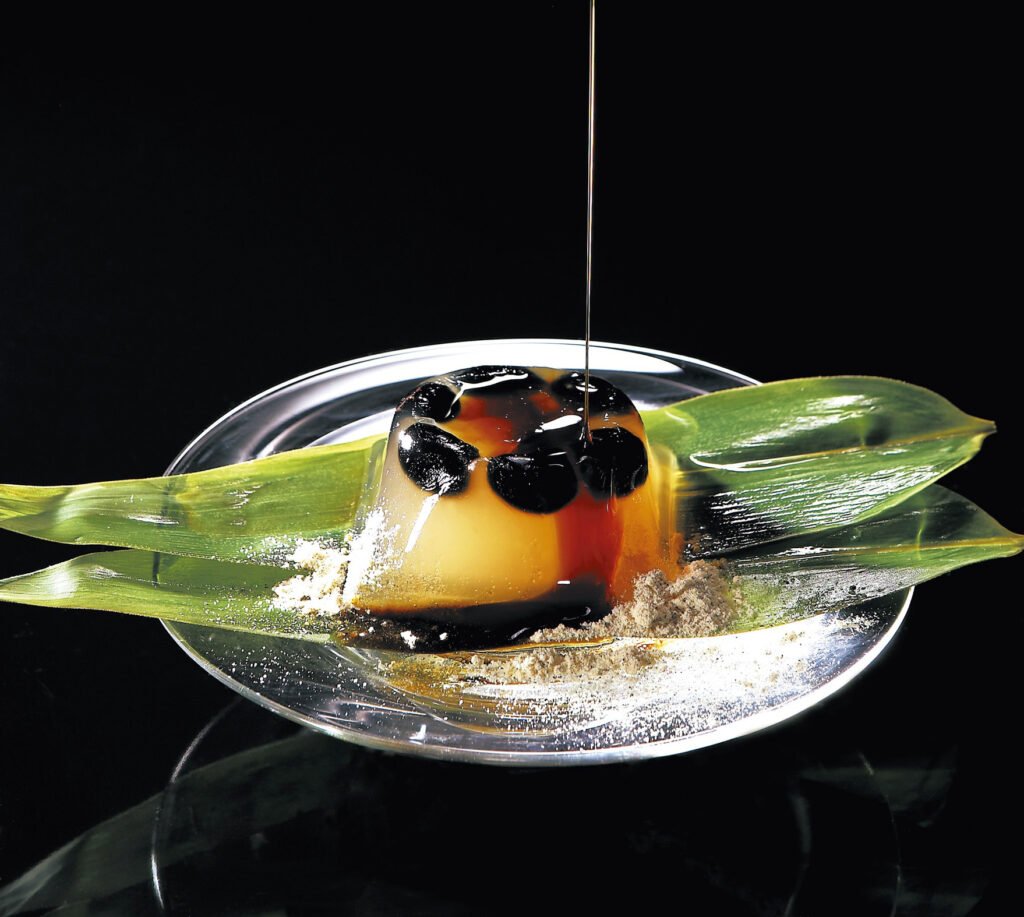
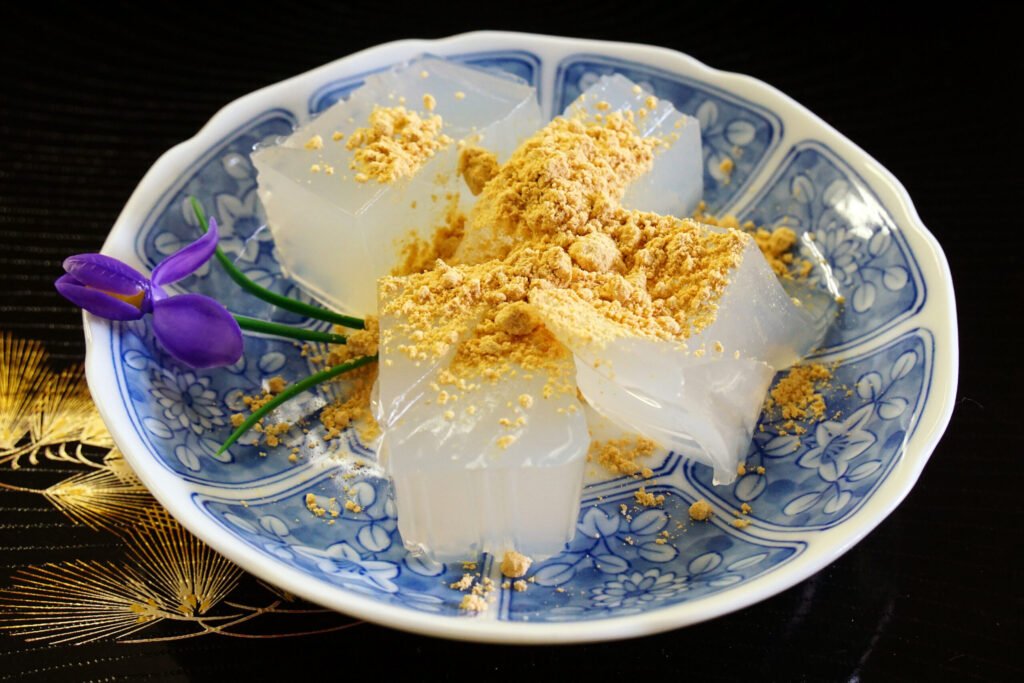
- Exported Kudzu Starch: In 1990, the Japanese company Inoue Tengyokudo purchased acreage in Alabama to harvest wild American kudzu roots. The large roots found in the South can produce significant quantities of starch, much of which is exported back to Japan for culinary use.
- Goat Grazing Programs: Researchers at Tuskegee University have demonstrated that goats can effectively manage kudzu infestations without herbicides. The leaves are rich in protein, and managed grazing can turn overgrown land into productive pasture.
- Biofuel Research: USDA studies have also examined kudzu as a potential ethanol feedstock because of its rapid growth and high carbohydrate content.
From Vine to Table
For adventurous cooks and homesteaders, much of the plant is edible, particularly the leaves, blossoms, and roots. The vines themselves are too fibrous to eat, and the seed pods are generally avoided. Here are a couple of recipes to get you started.
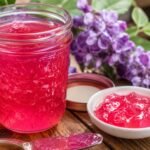
Appalachian Kudzu Blossom Jelly
Equipment
- 1 Fine Seive
- 1 Large Pot
- 1 Heat Proof Bowl
Ingredients
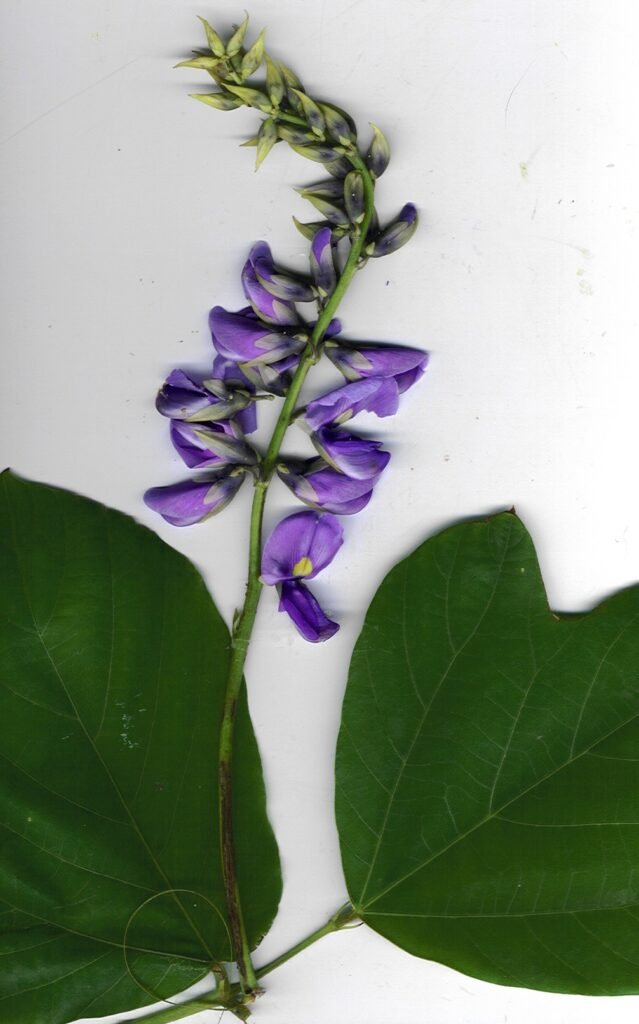
- 4 Cups freshly picked kudzu blossoms (purple petals only, washed)
- 4 Cups boiling water
- 1 .75 oz powdered fruit pectin
- 1 tbsp Lemon Juice
Instructions
- Pour boiling water over the blossoms in a heat-proof bowl. Cover andrefrigerate for 12–24 hours.
- Strain the liquid through a fine sieve and discard the petals.
- Stir in the lemon juice, and watch the liquid shift from grayish-purpleto a bright pink.
- Pour into a large pot, whisk in the pectin, and bring to a rolling boil.
- Add the sugar all at once. Return to a hard boil and cook for exactly 1minute, stirring constantly.
- Remove from heat, skim off any foam, and pour into sterilized jars.Process in a water bath for 10 minutes.
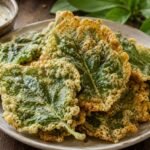
Crispy Fried Kudzu Leaves
Equipment
- 1 Cast Iron Skillet
- 1 Mixing Bowl
Ingredients
- 20-30 young, light-green kudzu leaves
- 1 cup all-purpose flour (or flour and cornmeal mixed together)
- 1 tsp salt
- 1/2 tsp black pepper
- 1/2 tsp smoked paprika
- 1 cup buttermilk
- Oil for frying
Instructions
- Wash the leaves thoroughly and pat dry.
- Heat about an inch of oil in a cast-iron skilletto 350°F.
- Combine the dry ingredients in one bowl and pour the buttermilk intoanother.
- Dip each leaf into the buttermilk, then coat lightly in the flourmixture.
- Fry for 15–30 seconds per side until golden andcrisp. Drain and serve immediately
References
Baker, I. E., & Way, A. (2024). The Introduction and Spread of Kudzu in Georgia. The Kennesaw Journal of Undergraduate Research, 11. https://doi.org/10.62915/2474-4921.1320
Frye, M. J., Hough-Goldstein, J., & Kidd, K. A. (2012). Response of Kudzu (Pueraria montana var. lobata) Seedlings and Naturalized Plants to Simulated Herbivory. Invasive Plant Science and Management, 5, 417-426. https://doi.org/10.1614/ipsm-d-12-00001.1
Keung, W. M., Klyosov, A. A., & Vallee, B. L. (1997). Daidzin inhibits mitochondrial aldehyde dehydrogenase and suppresses ethanol intake of Syrian golden hamsters. Proceedings of the National Academy of Sciences, 94, 1675-1679. https://doi.org/10.1073/pnas.94.5.1675
Penetar, D. M., Toto, L. H., Lee, D. Y.-W., & Lukas, S. E. (2015). A single dose of kudzu extract reduces alcohol consumption in a binge drinking paradigm. Drug and Alcohol Dependence, 153, 194-200. https://doi.org/10.1016/j.drugalcdep.2015.05.025
Sage, R. F., Coiner, H. A., Way, D. A., Brett Runion, G., Prior, S. A., Allen Torbert, H., Sicher, R., & Ziska, L. (2009). Kudzu [Pueraria montana (Lour.) Merr. Variety lobata]: A new source of carbohydrate for bioethanol production. Biomass and Bioenergy, 33, 57-61. https://doi.org/10.1016/j.biombioe.2008.04.011













Leave a Reply