


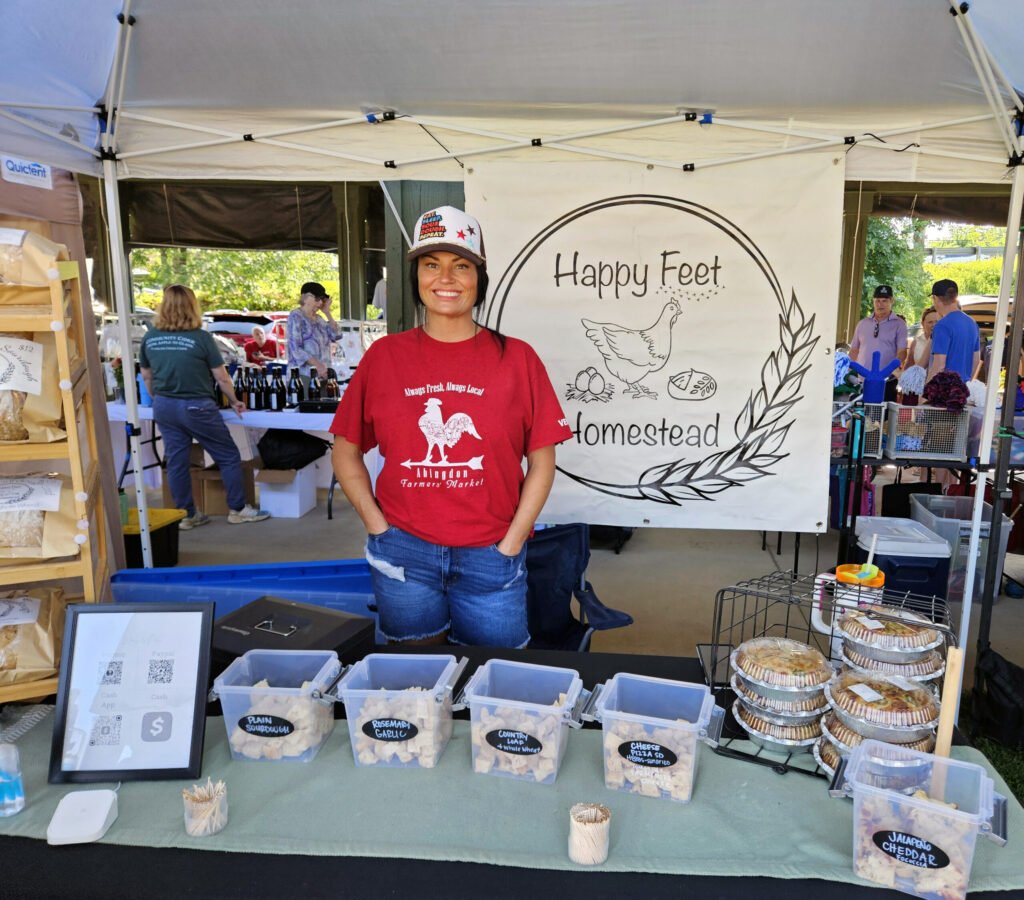
Virginia home bakers, jam makers, and other small food producers will soon have more room to sell beyond the farmers market table.
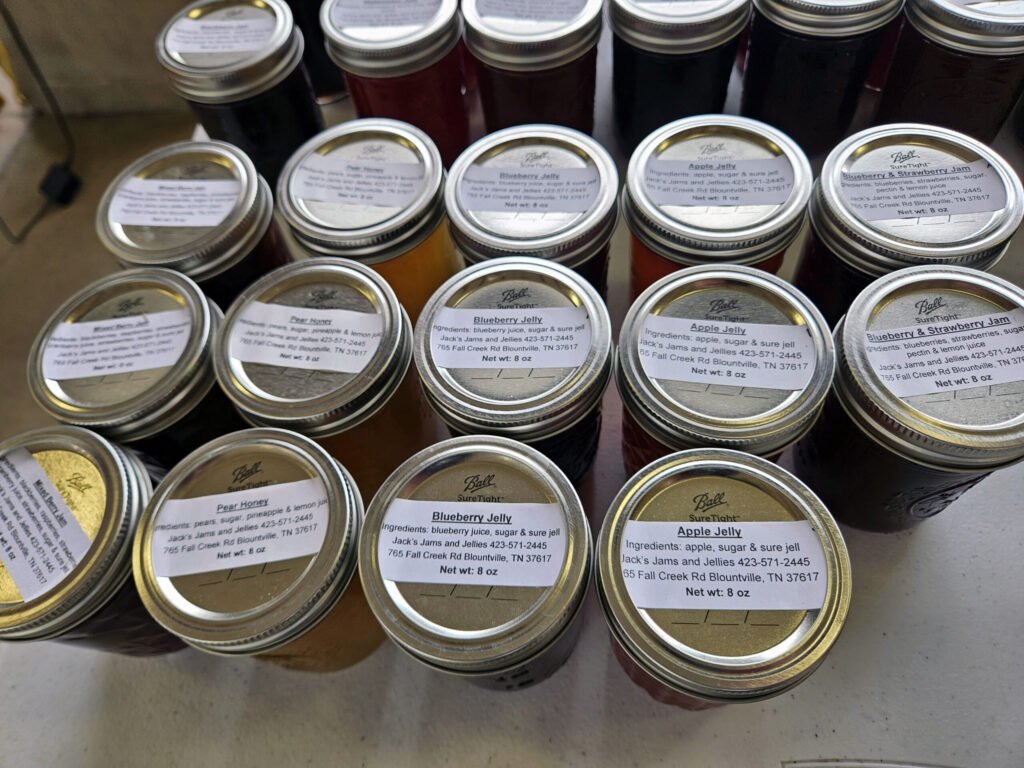
HB 402, approved April 13 and effective July 1, updates Virginia’s cottage food rules by allowing qualifying home-produced foods to be sold at any location, through the internet, or by phone. Products may be delivered in person, by mail, or through a delivery service to customers in Virginia. The law applies to certain foods prepared in private homes that are exempt from routine state inspection, including many shelf-stable baked goods, candies, jams, dried herbs, dry mixes, nuts, granola, and similar products. It also covers pickles and other acidified vegetables that meet the law’s pH and sales-limit requirements.
The change is practical, not symbolic. Under Virginia’s current cottage food rules, sales have been limited to in-person transactions at a private home, a temporary event, or a farmers market. Producers could advertise online, but the law still tied the actual sale to a narrower set of physical locations.
HB 402 changes that. A cottage food operator who once had to wait for market day can now take an order online or by phone and deliver a qualifying product directly to a Virginia customer. For small producers, that could mean taking pre-orders, serving repeat customers who cannot make it to a weekend stand, or reaching buyers outside their immediate neighborhood.
The bill was sponsored by Delegates Katrina Callsen, Atoosa Reaser, and Michael Webert. It passed the House 98–0 and the Senate 39–0 before being approved by the governor as Chapter 605.
What the law changes
The most immediate change is sales flexibility. Qualifying cottage food products may now be sold at any location, online or by phone, as long as the buyer is an individual in Virginia purchasing the food for personal consumption. Delivery may be made in person, by mail, or through a delivery service.
The law also allows producers to include privacy information on labels. Instead of requiring only a physical home address, the chaptered text allows either a physical address or a post office box number, along with the producer’s name, telephone number, processing date, and the required disclaimer.
Just as important are the limits that remain. The final version of HB 402 does not open the door to wholesale or consignment sales. Products covered by these exemptions must still be sold to individuals for their own consumption and not for resale or consignment. They also may not be offered for use or consumption in retail food establishments.
That means the new law does not let a home baker automatically place cottage food products in grocery stores, coffee shops, or restaurants for resale. It also does not turn a home kitchen into a full commercial food operation.
What has not changed
Virginia’s cottage food exemption still focuses on lower-risk foods. For the general list of covered products, the food must not require time or temperature control after preparation. That keeps items such as cream pies, custard fillings, and many dairy-based products outside the cottage food category.
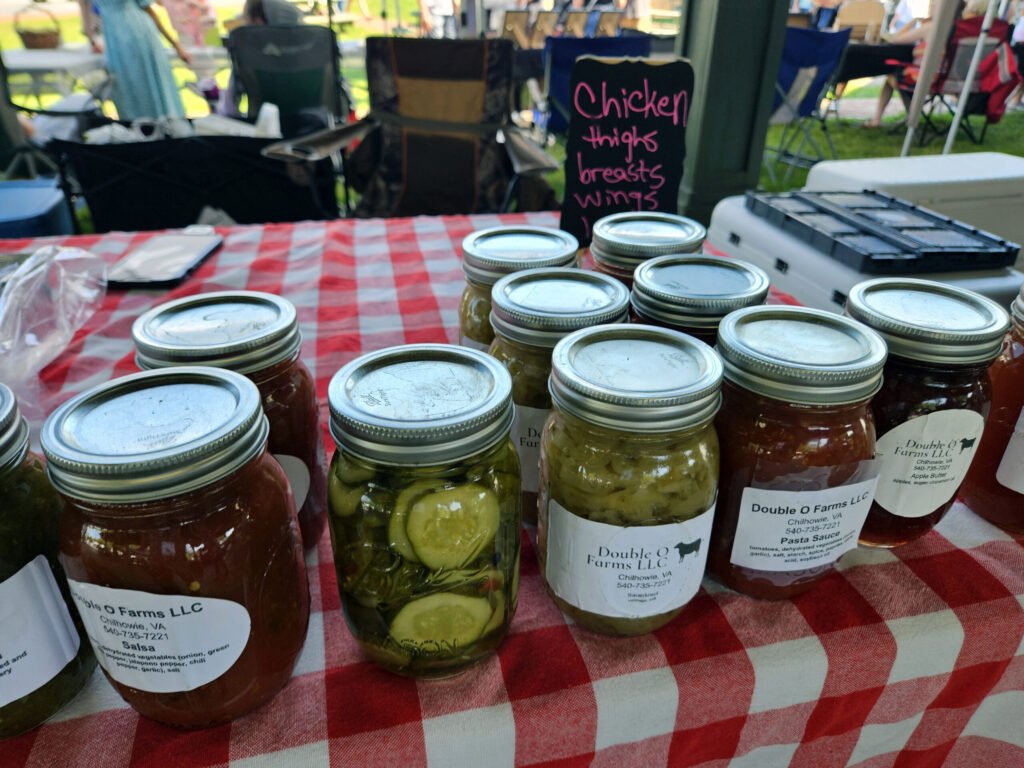
Pickles and other acidified vegetables are treated separately. They must have an equilibrium pH of 4.6 or lower, and the law maintains a $9,000 annual gross sales limit for that category.
State oversight also has not disappeared. Private homes that qualify for the exemption remain outside the regular permit and inspection process, but the Department of Agriculture and Consumer Services may still inspect a private home if it receives a consumer complaint.
Those guardrails matter because the bill sits at the center of a familiar debate: how much room should home-based food businesses have before they are treated like commercial food establishments?
What it means for small producers
For home producers, the law’s biggest impact may be time. Farmers’ markets and pop-up events can be valuable, but they also require a producer to be in one place at one time. Online ordering and delivery make it easier to plan production around real demand instead of guessing what will sell on a given Saturday.
J & J Homestead, a farmstand and cottage food producer near Fredericksburg, described the change as timely in an April 17 post about the new law. The business said the update could allow it to accept orders outside farmstand hours, offer pre-orders for baked goods, explore shipping select items, and connect with a wider community beyond Fredericksburg.
That is the kind of small adjustment that can make a difference for a home business. A producer may not be trying to become a commercial bakery. They may simply want a legal way to sell a few more loaves, jars, or baked goods to customers who already know their work.
The safety question
HB 402 does not settle every argument over cottage food regulation. Commercial kitchens, restaurants, and licensed food businesses still operate under different rules, often with higher costs for permits, inspections, equipment, and facilities. Some will see that as an uneven playing field.
The law’s answer is to keep the exemption narrow. Covered products remain limited. Labels must disclose that the food was processed and prepared without state inspection. Resale and consignment are not allowed. Complaint-based inspections remain available.
The General Assembly also left part of the question for further review. HB 402 directs the Department of Agriculture and Consumer Services to convene a Home Food Processing Operator Work Group to examine structural, equipment, and facility standards for private homes producing products that do not meet the current cottage food exemptions. The work group must conclude its meetings by November 1, 2026, and report its findings by the first day of the 2027 regular session.
That provision may be the most important part of the law for future debates. It gives Virginia a way to study whether additional home food categories should be handled differently without expanding them all at once.
What comes next
For now, the practical effect is straightforward: a Virginia cottage food producer who once relied on in-person sales can now accept online or phone orders and deliver qualifying products directly to customers in the Commonwealth.
That will not erase every barrier for home food businesses. It will not allow wholesale sales under the cottage food exemption. It will not cover higher-risk foods that need refrigeration for safety. And it will not remove labeling or complaint-inspection requirements.
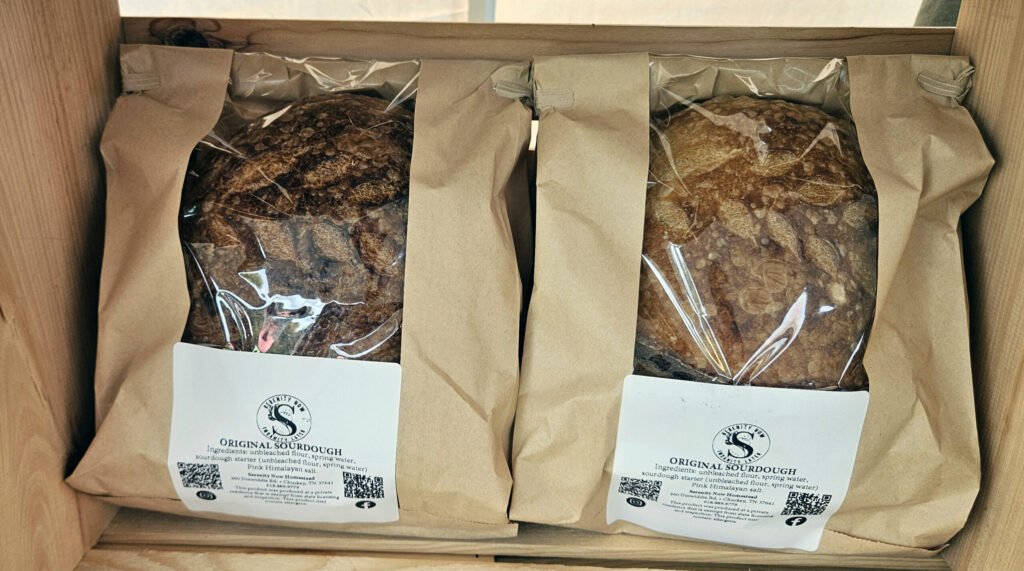
But it does bring Virginia’s cottage food rules closer to how small businesses already operate. For producers who sell bread, jams, candies, dry mixes, granola, or other qualifying foods, HB 402 creates a clearer path from the home kitchen to the customer — without requiring every small seller to become a commercial food establishment first.









Leave a Reply