

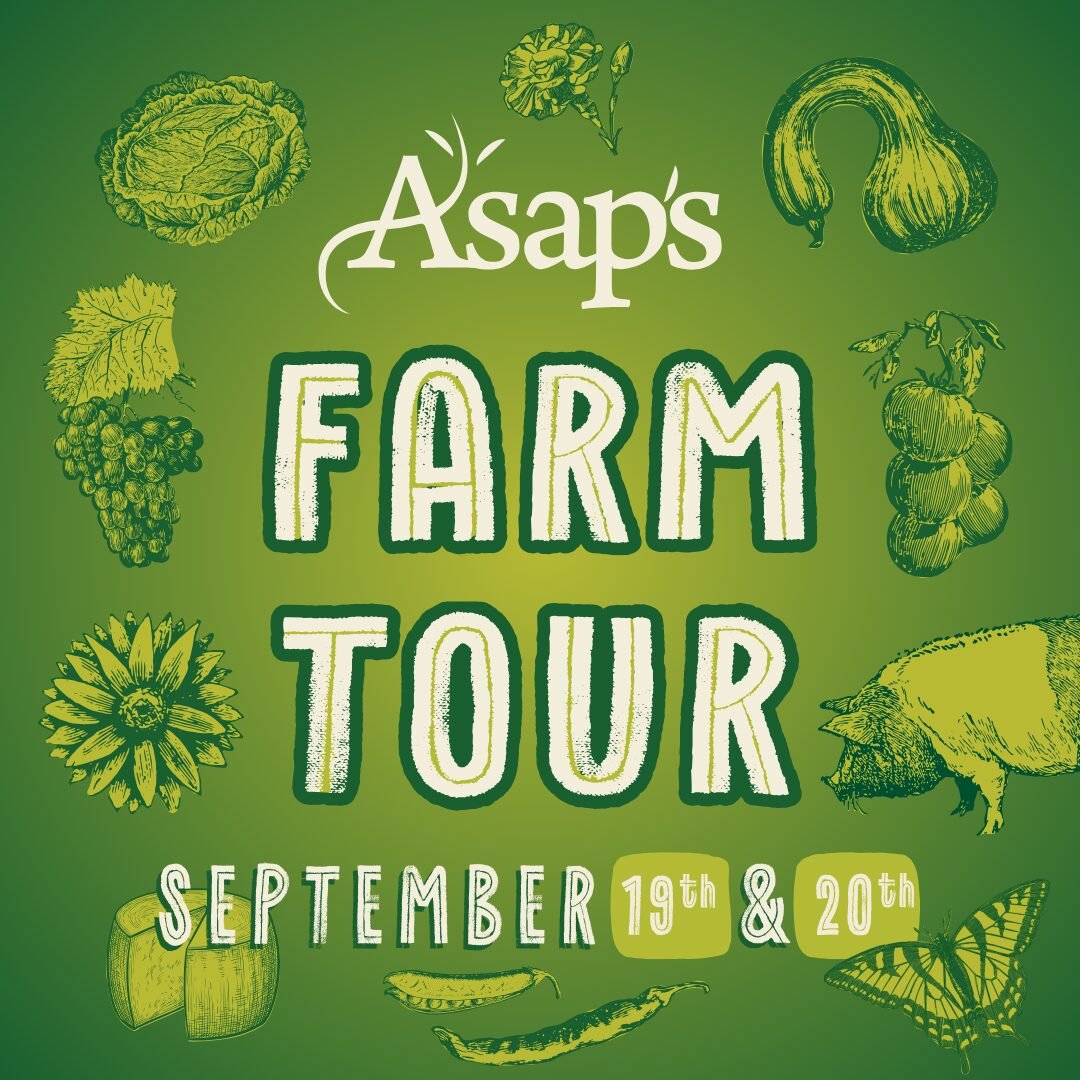
The September ASAP event will feature rice fields, bison, vineyards, and farms still rebuilding after Hurricane Helene.
Visitors to the 2026 ASAP Farm Tour can travel in a single weekend from heirloom rice fields and bison pastures to vineyards, berry patches, flower farms, and small-scale vegetable operations.
At some stops, they will also see the slower work of rebuilding after Hurricane Helene.
The Appalachian Sustainable Agriculture Project will hold its annual Farm Tour from noon to 5 p.m. Saturday and Sunday, Sept. 19-20. Following several last-minute changes, 19 farms within about an hour of Asheville are scheduled to participate.
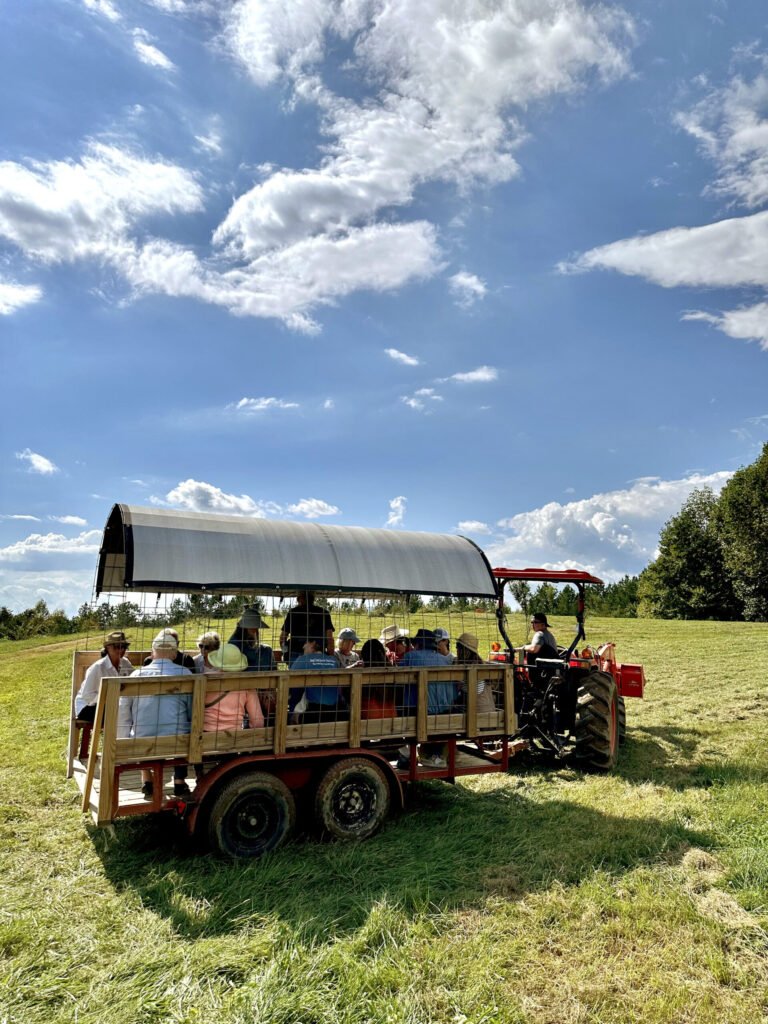
Depending on the farm, visitors can take guided or self-guided tours, watch production demonstrations, interact with farm animals, pick fruit or flowers, and sample locally produced food and beverages. Spanish-language tours will be available at several locations.
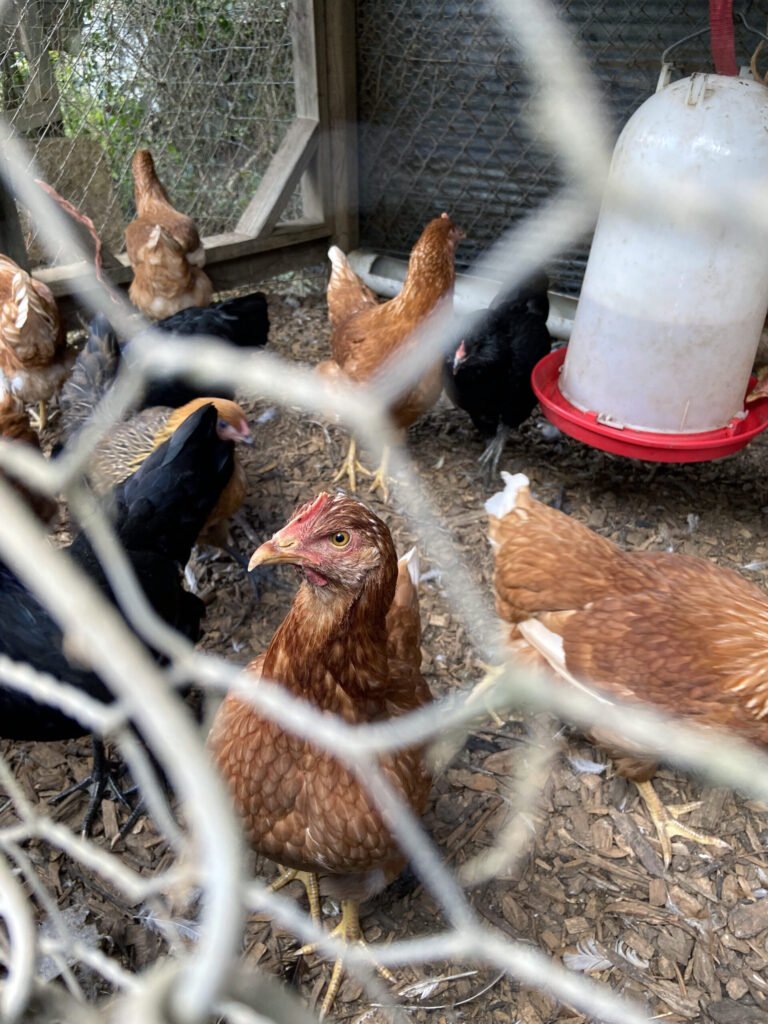
Farms Reopen After Helene
The recovery story is not the same at every stop, but Hurricane Helene remains part of the landscape for several farms connected to this year’s event.
Two Trees Farm/Sustainabillies in the Leicester cluster is returning after sitting out last year’s tour because the farm could not safely accommodate a crowd.
A landslide buried roughly half of the farm beneath several feet of mud, while overflowing creeks washed out other usable areas. Crops were lost, productive ground had to be excavated and stabilized, and damaged infrastructure had to be repaired before the property could again host large groups of visitors.
The recovery has included clearing debris, rebuilding growing areas, stabilizing streambanks, and restoring the terraces used to grow crops on the farm’s steep terrain. Visitors will see a working farm that has been put back into production but is still healing from the storm.
“We are excited to be back on ASAP’s Farm Tour after a challenging two years of recovery,” Sara Martin of Two Trees Farm/Sustainabillies said in the tour announcement.
Martin said the event has long provided the farm with an opportunity to develop relationships with customers and help visitors understand small-scale, sustainable agriculture.
“It was a hard choice to pass on participating last year, but the farm wasn’t able to sustain a crowd,” she said. “We are so proud of all of the work we have done to rebuild after Helene.”
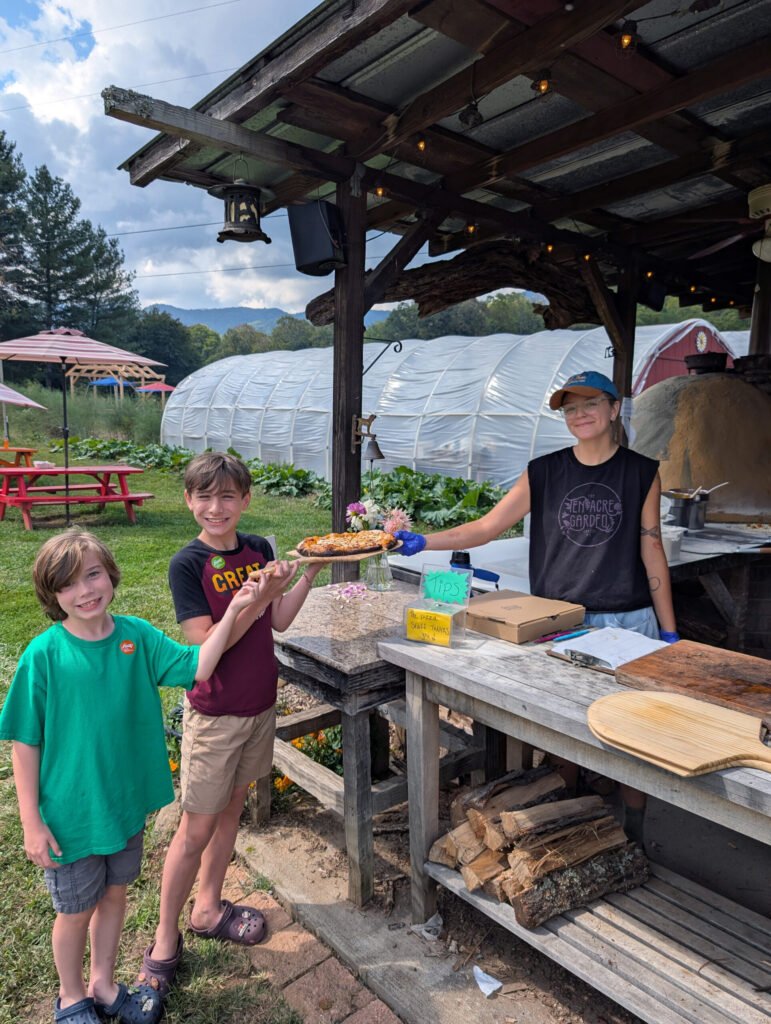
A Strawberry Patch Replanted
The Ten Acre Garden in Canton offers another example of the relationship between agritourism and disaster recovery.
Floodwaters destroyed the farm’s entire strawberry patch. When owners Morgan and Mark Davies asked for assistance, community members responded with donated money and volunteer workdays that helped the farm clean up and replant.
The owners have not released a total for the number of volunteers or the amount contributed, but the work allowed strawberry picking to resume, along with the pizza nights, live music and other activities that bring visitors to the farm.
For a u-pick operation, reopening to the public was an important part of restoring the business.
Agritourism can include farm tours, pick-your-own crops, workshops, tastings, meals, festivals and other activities that bring customers directly onto agricultural properties. Those visits can generate immediate sales while also introducing farms to customers who may later seek out their products at markets, stores or restaurants.
ASAP does not maintain a single, exact attendance total for the Farm Tour because one pass admits an entire carload. The organization estimates that the event generally attracts about 2,000 participants annually.
The ASAP Farm Tour is More Than a Weekend Outing
Oakley Brewer, ASAP’s communications and engagement manager and Farm Tour coordinator, said bringing people onto working farms can strengthen their connection to the regional food system.
“Creating connections and experiences for people to get closer to where their food comes from is a big part of Farm Tour,” Brewer told Appalachian Highlands Farmers Magazine. “These tours create opportunities for the public to actively participate in their food system, and hopefully it encourages some long-term shift in habits.”
Brewer said the event can be particularly valuable following Helene because it draws attention back to local food production and brings customers directly to farms.
“With that comes the positive economic impact,” she said.
The benefits are not limited to consumer education or weekend sales. Brewer said prospective farmers and people who have recently entered agriculture also attend the tour to study how established farms operate.
They can see equipment, production systems, marketing strategies and land-management practices in use, while asking farmers specific questions about their businesses.
“Many consumers purchase food without understanding how it is produced, processed or distributed,” Brewer said. “By visiting farms, the public can gain firsthand experience of agricultural practices, the challenges farmers face and the importance of supporting local producers.”
Those conversations can also build trust, she said, by giving consumers an opportunity to meet the people who produce food for their communities.
Nineteen Farms in Five Clusters
The farms are divided into five geographic clusters—Haywood, Leicester, Barnardsville, Morganton and Polk—to reduce driving time and help visitors plan their routes.
The Polk cluster replaces the Foothills cluster listed in the original tour announcement. Encompass Farm withdrew from the event, while Melvin Hill Meats and TK Family Farm were added. The two farms are located near each other, allowing organizers to add them to the route without substantially changing travel plans.
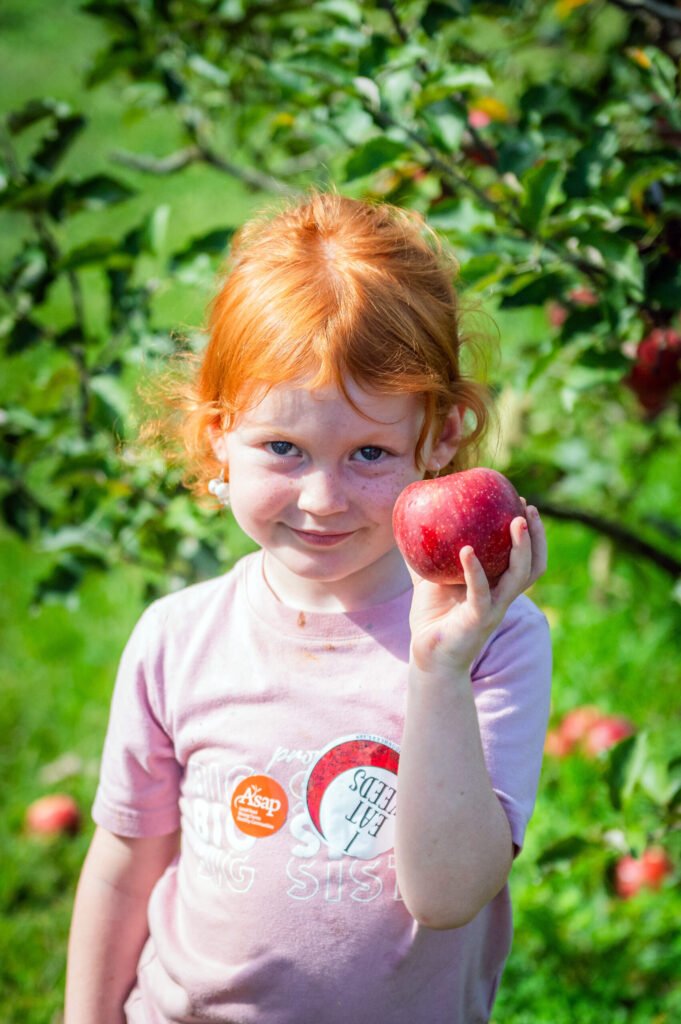
The Haywood cluster includes The Ten Acre Garden, KT’s Orchard and Apiary, and Trinity Bison Ranch.
The Leicester cluster includes Durrant Farms Estate, Addison Farms Vineyard, Good Wheel Farm, Black Thorn Farm & Kitchen, and Two Trees Farm/Sustainabillies.
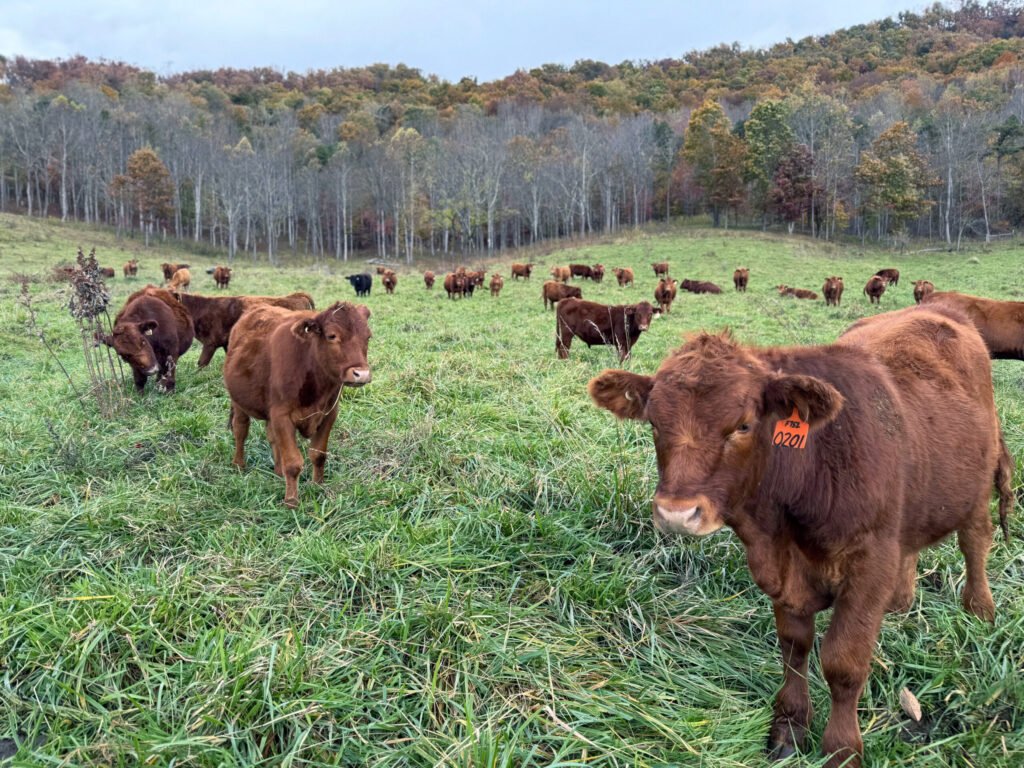
In Barnardsville, visitors can choose among Burley Stick Farm, The Never Ending Flower Farm, and Big Ivy Beef Cattle Co.
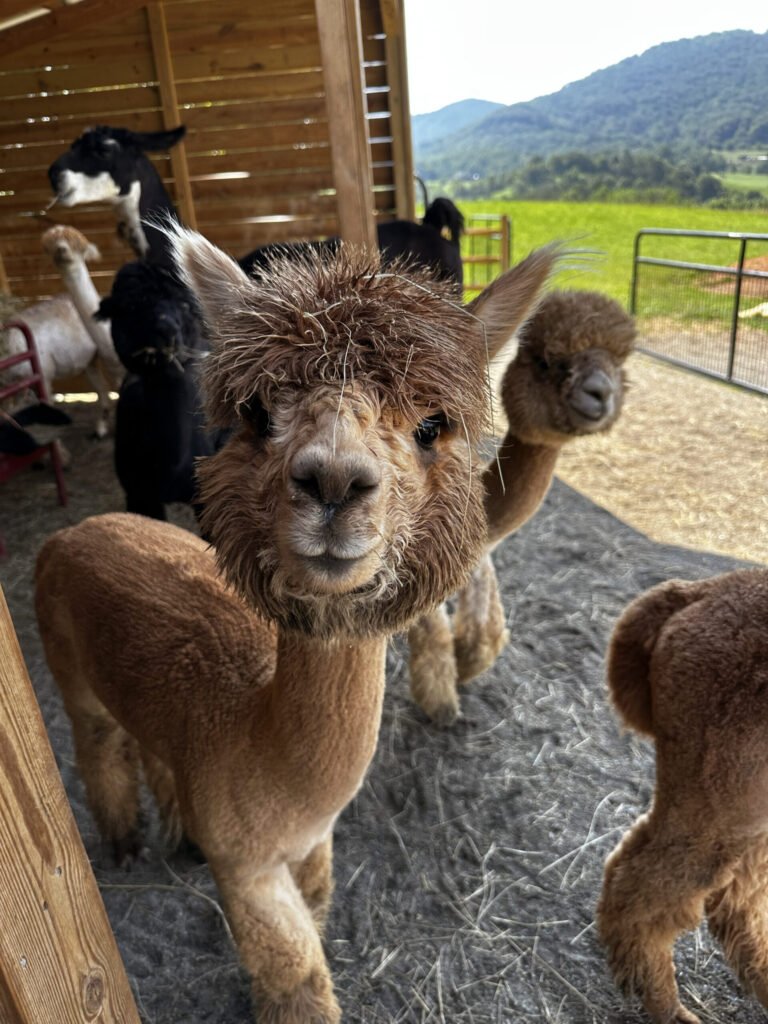
The Morganton cluster includes Pick Dee’s Berries, Lee’s One Fortune Farm, Smallholding Farm, and Perry’s Berry’s Vineyard & Winery.
The Polk cluster includes Moonchild Farm, Overmountain Vineyards, Melvin Hill Meats, and TK Family Farm.
Participating farms apply through ASAP’s Appalachian Grown program. Farms generally must be located within about an hour of Asheville, and the organization rotates counties and locations from year to year to represent different agricultural communities and types of production.
Rice Farming and Hmong Agricultural Traditions
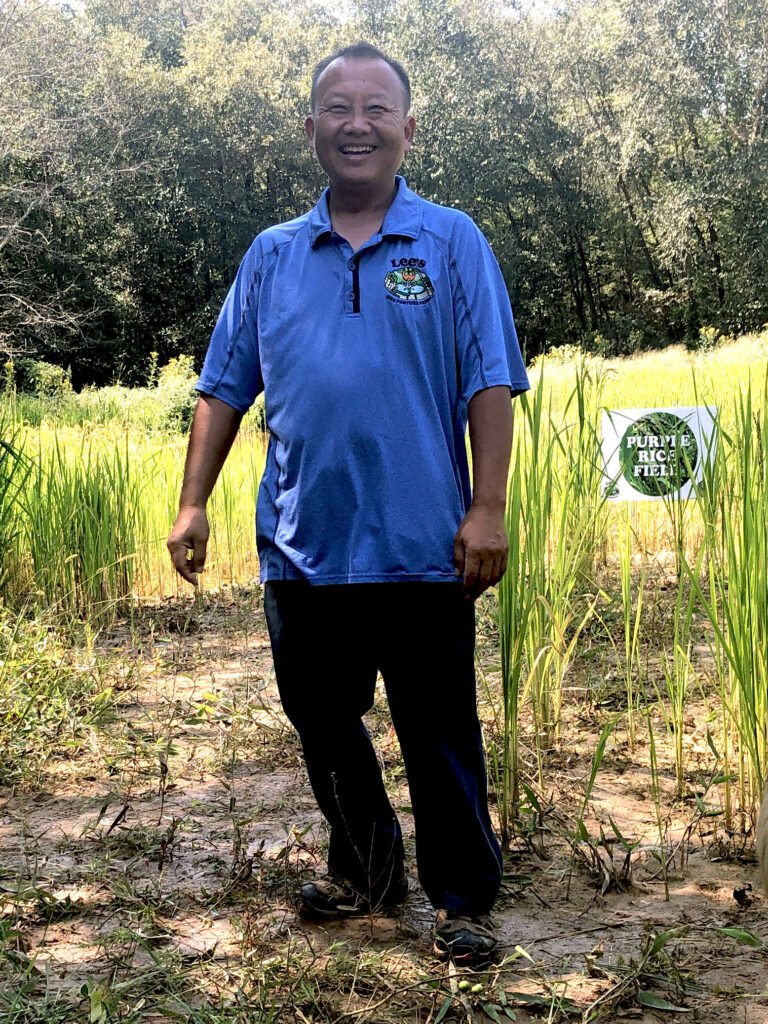
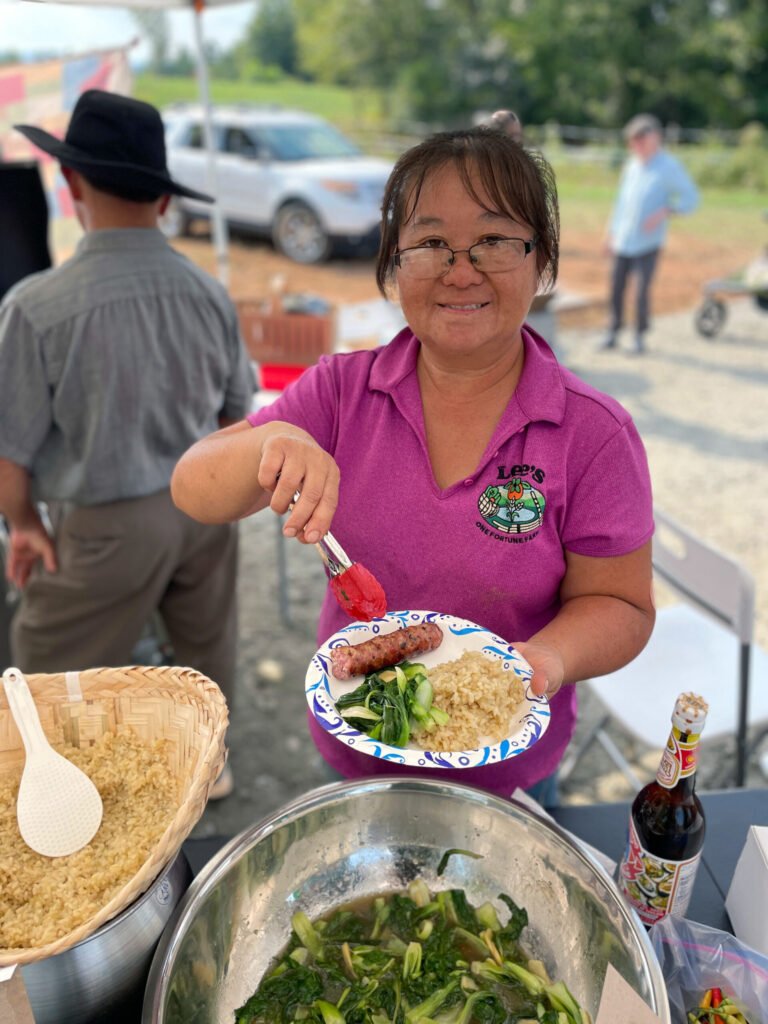
At Lee’s One Fortune Farm, owners Chue and Tou Lee will share farming practices rooted in the family’s Hmong heritage.
The family grows several heirloom rice varieties descended from seed preserved and shared among Hmong families with ties to Laos. The farm’s varieties include sweet sticky rice and purple rice.
Visitors can see portions of the harvesting and processing work and learn how the family adapted its rice-growing traditions to Western North Carolina. Chue and Tou Lee are expected to participate in the demonstrations with members of their extended family.
The farm’s story is not only about preserving unusual crops. It demonstrates how seeds, farming knowledge, and food traditions can continue across generations and migration.
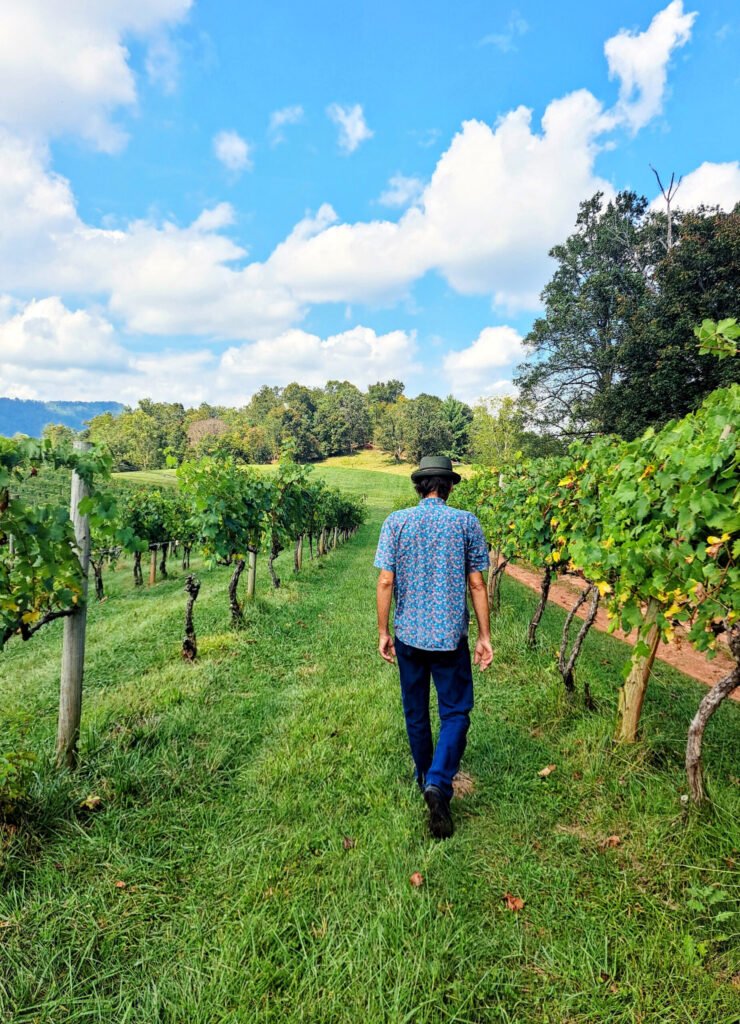
Stops on the ASAP Tour provide different views of regional agriculture.
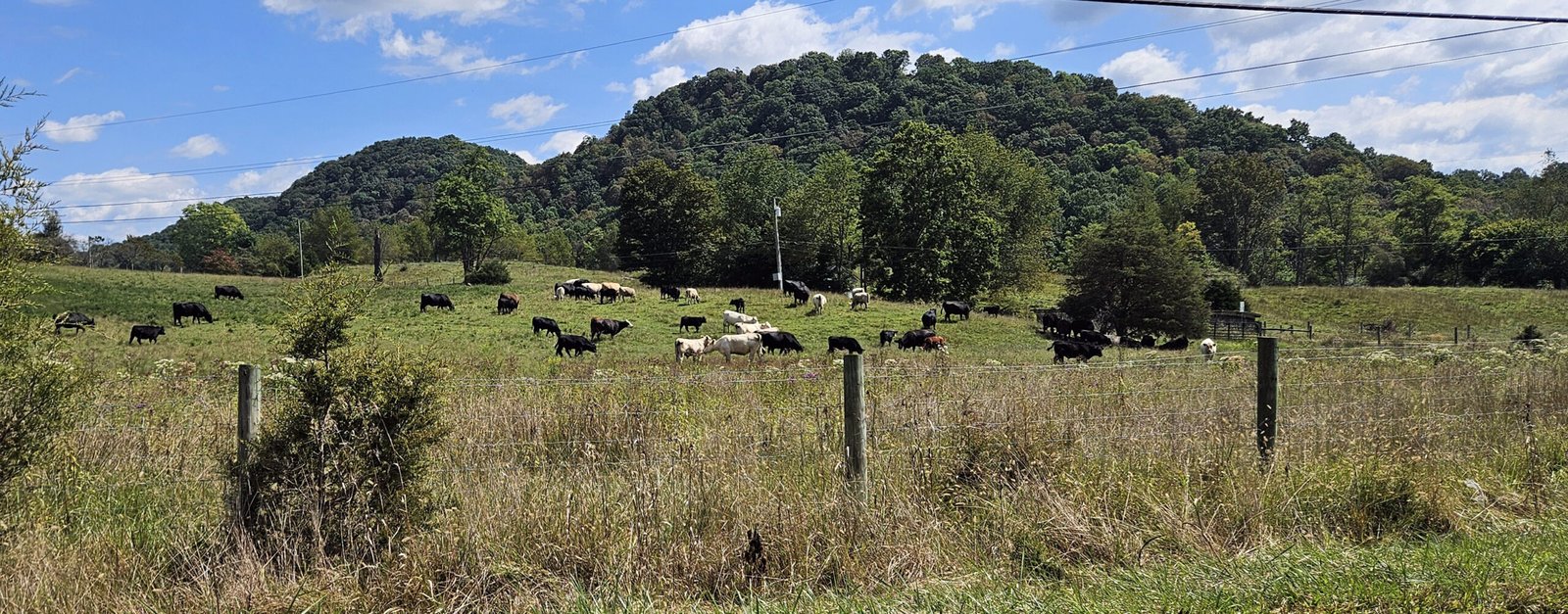
Addison Farms Vineyard represents the growth of Appalachian grape production and winemaking, while Trinity Bison Ranch gives visitors an opportunity to see an uncommon form of livestock farming. Flower farms, orchards, vegetable operations, cattle farms and homesteads round out a tour designed to show that Western North Carolina agriculture extends beyond any single crop or production system.
A Rare Look Behind the Farm Gate
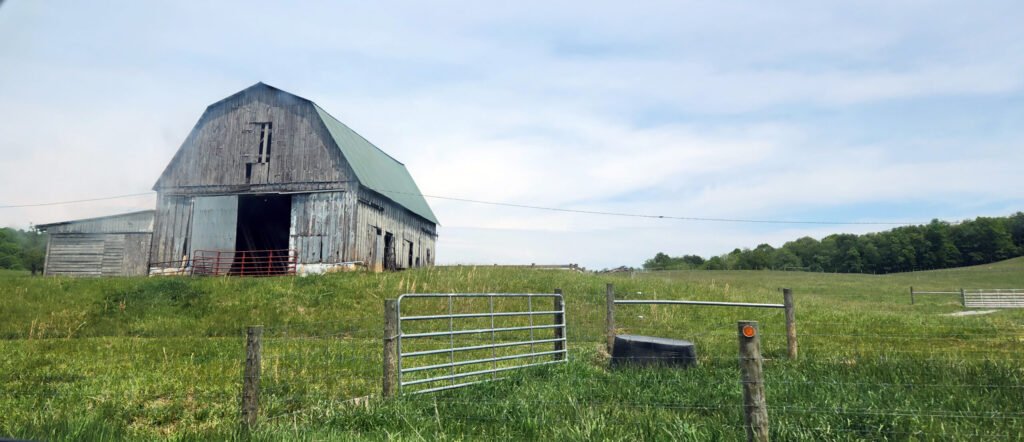
Some participating farms welcome customers throughout the year or during particular seasons, such as apple, berry or flower-picking periods. Others are not normally open to the public.
For those farms, the tour offers visitors a rare look at daily production beyond the farmers market stand or finished package.
“Most of the time, farmers are bringing their products out into the world, so to have people meet them where they are can be worthwhile and fulfilling,” Brewer said.
She said farmers invest considerable time and attention in developing their operations, and many value the opportunity to explain their work directly to visitors.
The experience may also complicate assumptions about farming and open eyes. Visitors can see the labor, infrastructure and planning required before food reaches a market, restaurant or family table.
Tours Based on Visitors’ Interests
ASAP has organized suggested routes around particular interests.
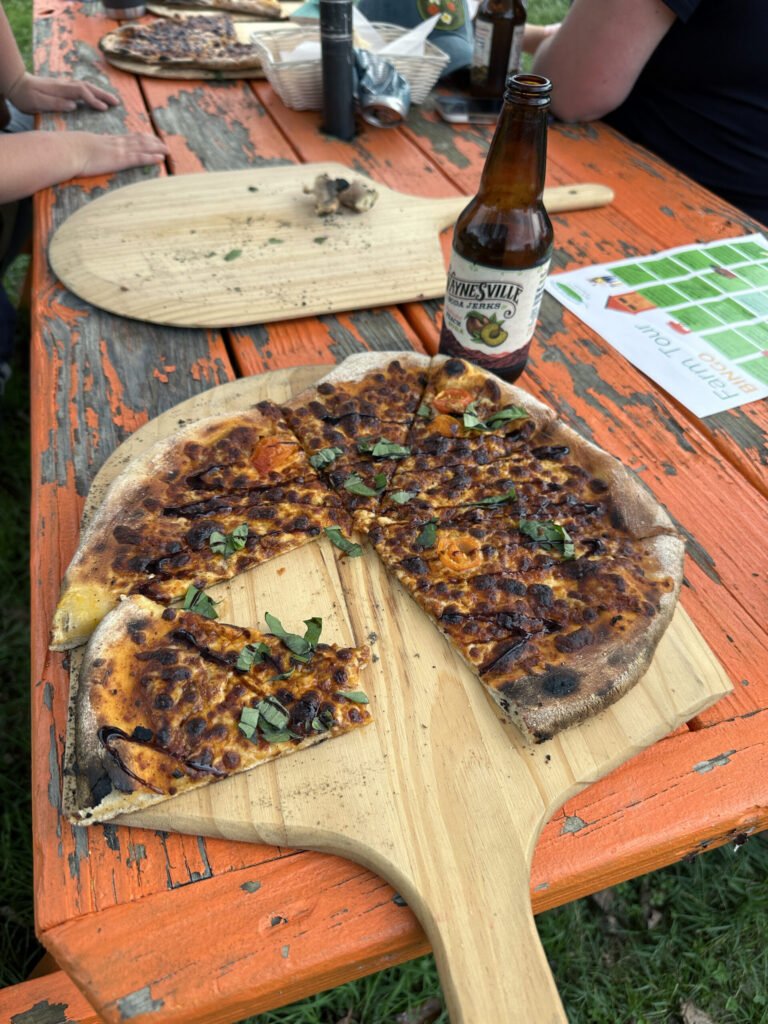
The Tasty Tour highlights farms offering food or beverages to sample. The “Show Me How It’s Done” Tour focuses on demonstrations, production methods, and skills visitors can use to grow or prepare food themselves.
The Foodtopia Tour includes farms that supply restaurants in Buncombe County, while the Kids Tour identifies stops with activities intended for younger visitors.
Brewer encouraged visitors to select farms and plan their routes before leaving home.
“It’s nearly impossible to get to every farm,” she said.
The themed routes are intended to help visitors identify stops matching their interests rather than trying to cover all 19 farms in two afternoons.
ASAP recommends choosing two to four farms each day and allowing approximately an hour at each stop. Staying within one cluster can reduce driving time and leave more time for tours, demonstrations, and conversations with farmers.
Spanish-language options will be available at several farms, although the level of interpretation may vary by location. Visitors seeking a Spanish-language tour should consult the final farm guide and schedule before choosing a route.
Accessibility can also differ from farm to farm. The event takes place on working agricultural properties, where visitors may encounter uneven ground, steep grades, gravel roads, and farm buildings that were not constructed as public facilities. Families and visitors with mobility concerns should review individual farm descriptions before finalizing their plans.
Planning the Weekend
Advance passes cost $35 and admit one carload to all participating farms on both days. Passes purchased during the tour weekend will cost $45, subject to availability.
ASAP is also recruiting volunteers. Those who work one day of the event may attend the tour free on the other day.
Maps, driving directions, individual farm descriptions, and tour tips will be available through ASAP. Because rural cellular and GPS service can be unreliable, visitors should review directions and save or print the information they need before starting their route.
The Farm Tour offers a chance to see agricultural production before it becomes a display at a market or an ingredient on a restaurant menu. At farms such as Two Trees and The Ten Acre Garden, it will also provide a close look at what recovery means after the emergency crews, television cameras, and immediate disaster response have moved on.
For farmers, the weekend reverses the ordinary relationship between producer and customer. Instead of carrying food away from the farm in search of buyers, they can invite the public onto the land where the work begins.
Purchase Your ASAP Farm Tour Pass!
For more information on this event, to make a donation, become a sponsor, or purchase your pass:












Leave a Reply