

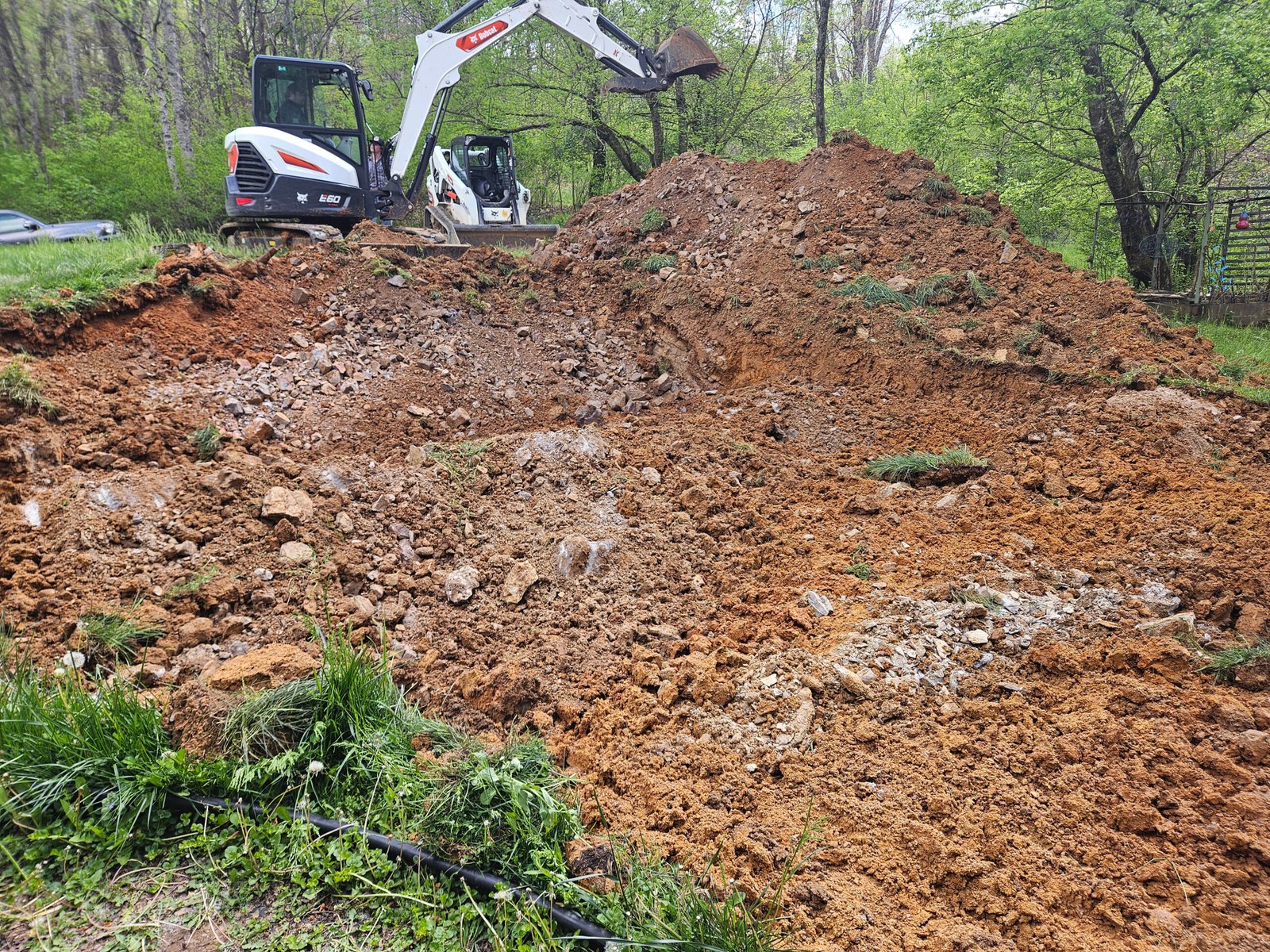
NRCS is giving North Carolina farmers until October 30 to apply for fiscal 2027 conservation funding that can support work involving soil health, grazing, water quality, erosion control, and other farm resource needs.
North Carolina farmers planning conservation work next year should keep an October 30 deadline in mind.
Applications received by then will be considered for fiscal 2027 funding through the USDA Natural Resources Conservation Service. The agency offers several programs to help farmers address soil erosion, pasture problems, water quality, forest management, and other conservation needs.
NRCS accepts applications throughout the year. The October 30 date matters because it determines which applications will be considered in the upcoming North Carolina funding round.
For farmers who have been putting off a conservation project, the next several weeks are a good time to talk with their local NRCS office.
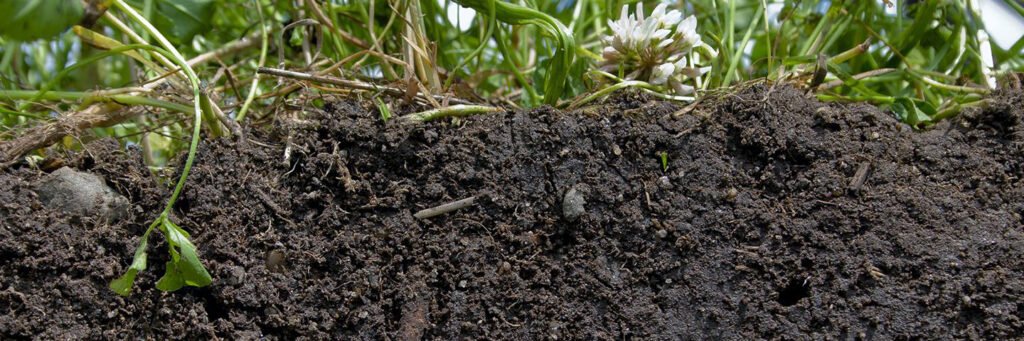
EQIP Can Help Pay for Conservation Work
The Environmental Quality Incentives Program, better known as EQIP, is one of the agency’s largest conservation programs.
A farmer might turn to EQIP to improve soil health, control erosion, protect water quality, improve grazing management, or address another resource problem on the farm.
The process usually starts with a conversation.
NRCS staff work with the producer to review the property, identify the problem, and decide which conservation practices make sense for that operation.
If the application receives funding, the approved work becomes part of an NRCS contract.
This differs from receiving a general-purpose farm grant. Farmers cannot simply use the money wherever they choose. The assistance is tied to specific conservation practices approved through the program.
For that reason, farmers do not need to walk into the NRCS office already knowing exactly which program or practice they need. It can be more useful to start by explaining the problem.
NRCS staff can help determine what options are available.
Maybe a pasture is washing away after heavy rain. Maybe cattle need a better watering system. Perhaps a stream crossing is causing trouble, or the farm needs a better grazing plan.
CSP Helps Farmers Build on Work Already Started
Another program, the Conservation Stewardship Program, targets farmers who already have conservation practices in place.
CSP can help producers improve or expand work they are already doing on cropland, pasture, grassland, or nonindustrial private forestland.
A farmer who has already made changes to improve grazing, soil health, or nutrient management, for example, may be able to use CSP to take those efforts further.
The program focuses on continued improvement rather than fixing one isolated problem.
That makes it a different fit from EQIP for some farms.
NRCS accepts CSP applications year-round, but North Carolina producers who want to be considered in the current fiscal 2027 funding cycle must meet the October 30 cutoff.
Easements Offer Another Way to Protect Farmland
Some farmers care less about installing a conservation practice than about what will happen to the land itself.
That is where the Agricultural Conservation Easement Program, or ACEP, comes in.
One part of the program works with eligible partners to help protect agricultural land from development. Another focuses on restoring and protecting wetlands.
For farm families in areas facing development pressure, an agricultural easement can help keep land available for farming over the long term.
That can be especially important in parts of Appalachia where farmland sits close to rapidly growing towns or along corridors where land values keep rising.
Easements come with their own rules and eligibility requirements, however, so they require more planning than a typical conservation-practice application.
Landowners interested in that option should begin talking with NRCS and an eligible easement partner as early as possible.
NRCS New Pilot Looks at the Whole Farm
Farmers interested in regenerative agriculture may also encounter a newer NRCS option.
The agency’s Regenerative Pilot Program uses EQIP and CSP to support a whole-farm approach to conservation.
Instead of looking at one problem in isolation, the pilot encourages farmers to consider how soil, water, plants, and other resources interact across the operation.
NRCS says the program can include whole-farm assessments, regenerative management practices, and soil-health testing.
The pilot does not replace EQIP or CSP. It uses those programs as the financial and technical foundation for a broader conservation approach.
For farmers already experimenting with cover crops, rotational grazing, reduced disturbance, or other soil-building practices, the pilot may be worth asking about.
October 30 Is a Funding Cutoff for NRCS Funding, Not the End of the Road
NRCS deadlines can be confusing.
The agency accepts applications year-round.
So October 30 isn’t the last day a North Carolina farmer can apply. A producer can still walk into an NRCS office after that date and begin the process.
The difference is timing.
Applications submitted by October 30 can compete for money in the current fiscal 2027 funding cycle. Applications submitted later move into a future funding period.
That makes the deadline important for farmers who hope to begin conservation work next year.
Waiting until the final few days can also make the process harder than it needs to be.
NRCS staff may need time to visit the farm, assess the resource problem, develop a conservation plan, and make sure the producer meets program requirements.
Submitting an application does not guarantee funding. Eligible applications are ranked, and available money is limited.

Farmers Can Start With the Problem
Federal conservation programs come with plenty of acronyms, rules, and practice codes.
Farmers do not have to learn all of them before asking for help.
The easiest place to start is often the local USDA Service Center.
A farmer can explain what is happening on the property and what they want to improve. NRCS staff can then help identify the programs and conservation practices that may fit.
That might mean EQIP. It could mean CSP. For another landowner, an easement program or a regenerative option might make more sense.
The key is to start the conversation before the funding cutoff arrives.
NRCS Deadlines Differ Across State Lines
Farmers in the Appalachian Highlands should also pay attention to which state’s deadline they are looking at.
The October 30 deadline applies to North Carolina’s fiscal 2027 funding cycle.
Virginia NRCS has also announced an October 30 deadline for producers seeking consideration for fiscal 2027 funding through programs that include EQIP, CSP, and ACEP.
West Virginia is working on a different schedule. Its NRCS office has set an October 16 cutoff for the current fiscal 2027 funding cycle.
That difference matters in a region where farms, families, and agricultural businesses often operate across state lines.
A farmer should check with the NRCS office serving the state where the land is located rather than assuming one deadline applies across the region.
Conservation Problems Hit Close to Home
For Appalachian farmers, conservation is rarely just an abstract environmental issue.
Steep slopes, heavy rainfall, stream crossings, grazing pressure, and soil loss can all affect how well a farm works.
A washed-out section of pasture costs money. So does losing soil from a field, hauling water because cattle cannot reach a reliable source, or repeatedly repairing an unstable farm road.
Good conservation work can protect natural resources, but it can also solve practical problems farmers face every day.
That is where NRCS programs can be useful.
The agency can provide technical help to figure out what will work, and successful applicants may receive financial assistance to put those practices in place.
North Carolina farmers considering conservation work in 2027 should circle October 30.
The first step doesn’t require a stack of paperwork or detailed knowledge of federal programs.
It can start with something much simpler:
Tell the local NRCS office what is happening on the farm and ask what can be done about it.
Front Page










Leave a Reply