

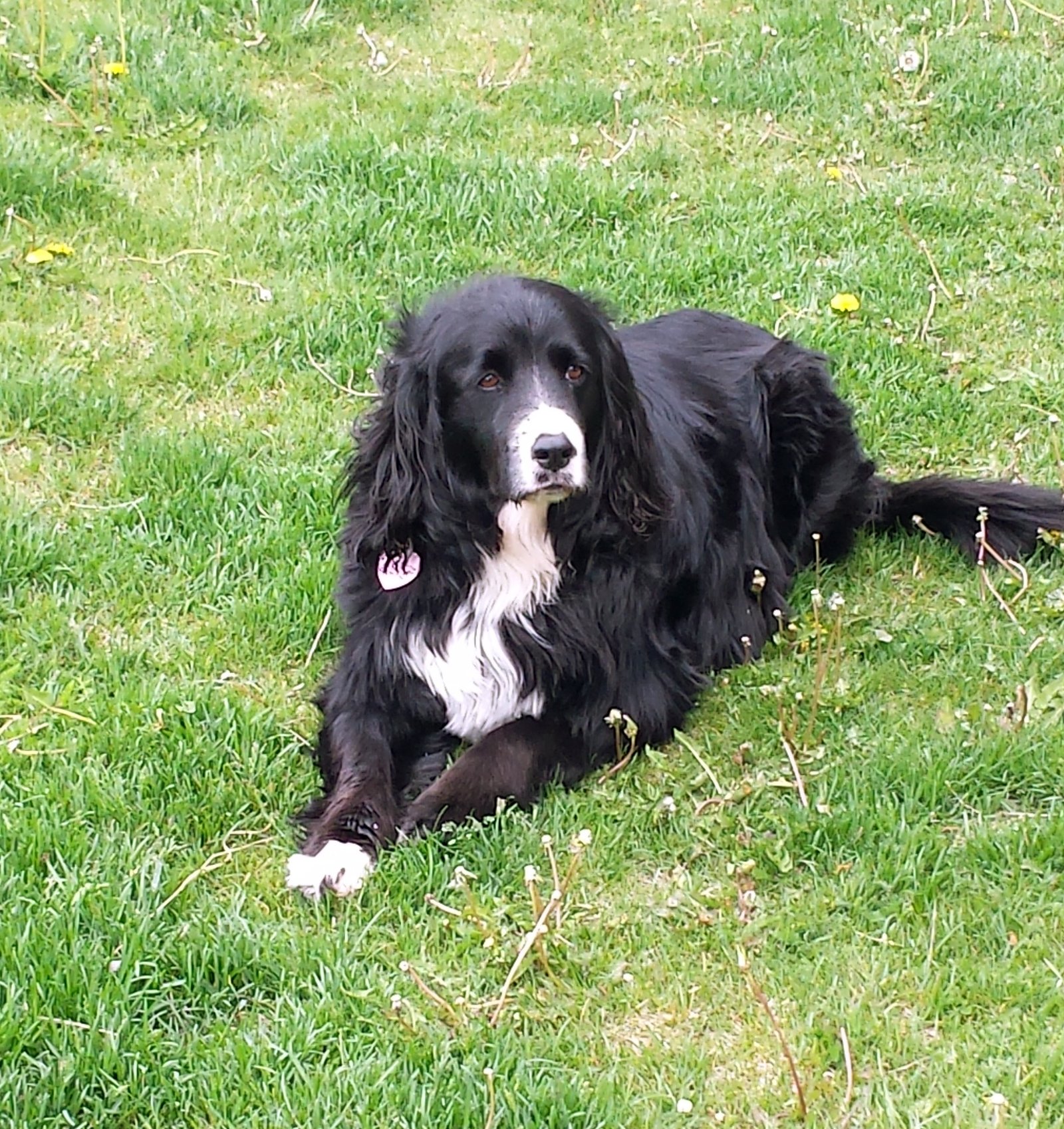
An FDA emergency authorization gives veterinarians another treatment option. Animal health officials respond to screwworm detections in Texas and New Mexico.
The FDA granted approval on Thursday for veterinarians to use Simparica TRIO, adding another treatment option. It treats New World screwworm infestations in dogs and puppies and helps contain the parasite in the United States.
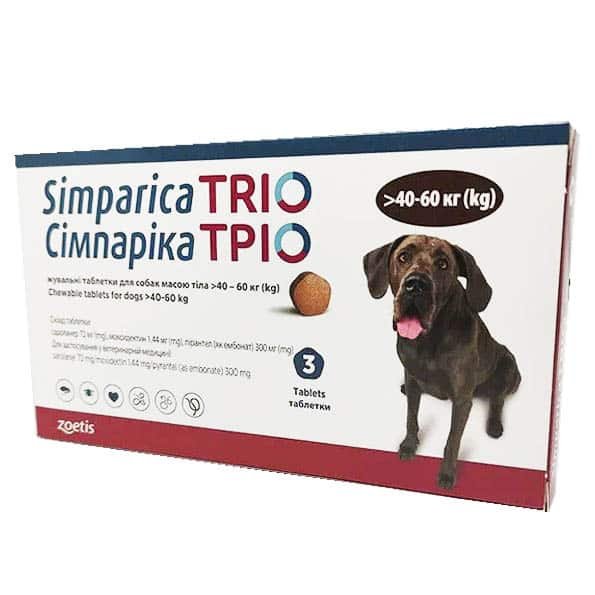
The emergency use authorization, issued August 13, covers Simparica TRIO, a prescription chewable medication containing sarolaner, moxidectin and pyrantel. The drug is already FDA-approved for several other parasitic conditions in dogs, including heartworm disease and flea and tick infestations. Still, its use against New World screwworm is authorized only under the emergency declaration.
The FDA says most dogs in the United States remain at low risk because of where they live. Dogs that live in, travel to, or return from places where screwworm has been detected face a greater risk and should be watched closely for signs of infestation. The agency says U.S. detections are currently limited to parts of Texas and New Mexico.
“We want dog owners to be informed, not alarmed,” said Timothy Schell, director of the FDA’s Center for Veterinary Medicine.
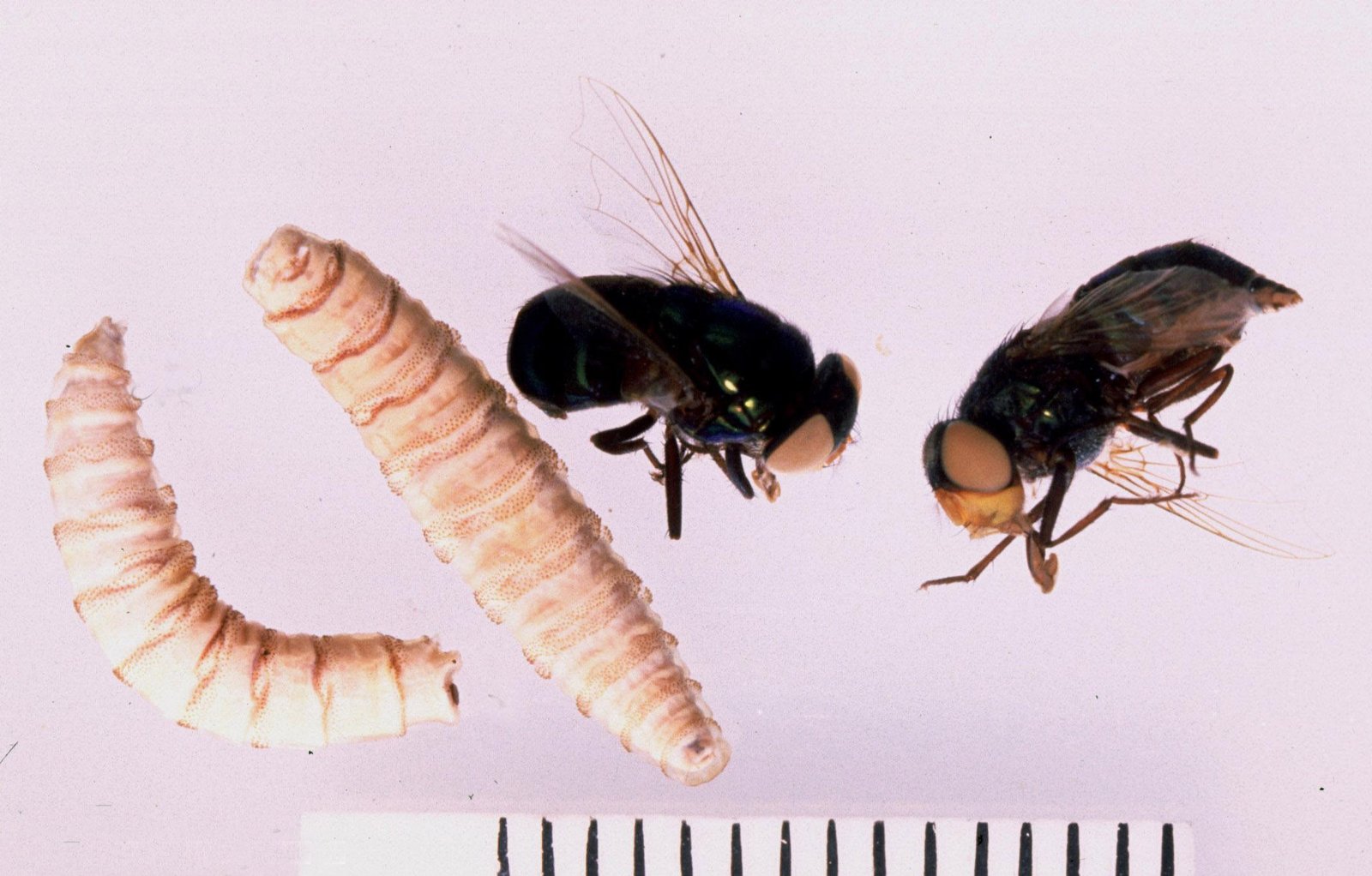
A parasite that feeds on living tissue
New World screwworm is a parasitic fly whose larvae feed on the living tissue of warm-blooded animals. According to the Centers for Disease Control and Prevention, female flies lay eggs in wounds and body openings such as the eyes, ears, nose, and mouth. Once the eggs hatch, the larvae burrow into living flesh.
The result can be a wound that quickly becomes larger.
It is painful and foul-smelling.
Additionally, other warning signs include bleeding and visible or moving maggots.
Most infestations occur in livestock, pets and wildlife, although people can also become infested.
The CDC advises anyone who finds maggots in a wound to seek medical care.
FDA guidelines also emphasize timely care.
New World screwworm is not new to the United States. The U.S. Department of Agriculture says the country eradicated the parasite in 1966 using the sterile insect technique, which relies on releasing large numbers of sterile flies to disrupt reproduction. The same approach helped eliminate a smaller outbreak in the Florida Keys in 2017.
Screwworm began showing up outside South America in 2023, the CDC says. From there, cases were reported in Central America and Mexico before the parasite was detected in the United States.
Texas confirmed its first case of the current outbreak on June 3 in a calf in Zavala County. The Texas Animal Health Commission reported 15 counties and 35 premises with confirmed cases as of August 13. Individual animal detections are tracked through USDA’s New World screwworm dashboard.

What the authorization means for dogs
Simparica TRIO has been available for dogs since 2020, but the new authorization does not amount to full FDA approval of the drug for screwworm. An emergency use authorization allows an already approved product to be used for an additional purpose when specific legal and scientific requirements are met.
The FDA said the available evidence gives the agency reasonable grounds to believe Simparica TRIO may be effective against screwworm and that its potential benefits outweigh its known and potential risks when used as authorized.
The authorization is for treatment, not prevention. Dogs can become reinfested after treatment if they remain exposed to screwworm flies, according to the FDA’s fact sheet for veterinarians. The agency also stresses that medication alone is not the entire treatment. Veterinarians must remove the larvae, and dogs may also need wound cleaning, surgical removal of damaged tissue, and pain management.
Veterinarians are also expected to consider a dog’s other medications and medical history before prescribing the drug. Sarolaner, one of Simparica TRIO’s active ingredients, belongs to the isoxazoline class of antiparasitic drugs. The FDA says drugs in that class have been associated with neurological reactions, including tremors, loss of coordination and seizures, even in some dogs without a previous seizure history. The agency advises caution in dogs with a history of seizures or other neurological disorders.
The FDA fact sheet also says the safety and effectiveness of Simparica TRIO have not been tested in puppies younger than 8 weeks or weighing less than 2.8 pounds. The drug remains available only by prescription.
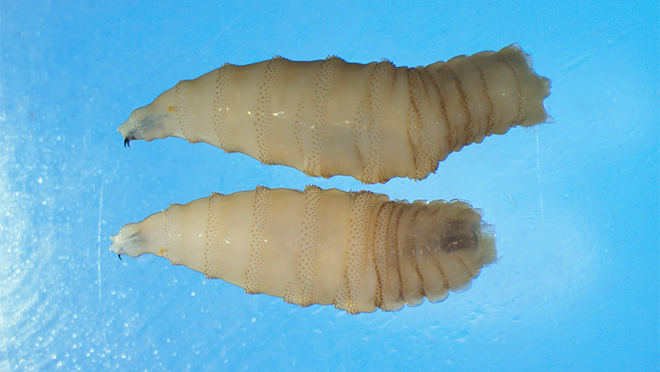
A small study helped support the decision.
The FDA cited a 2025 laboratory study in Brazil as part of the evidence supporting the authorization. Researchers studied 12 dogs that had been experimentally infested with New World screwworm larvae. Six received Simparica TRIO, while six served as untreated controls.
During the 24 hours after treatment, researchers monitored larvae leaving the wounds. At the 24-hour examination, no live larvae were recovered from the wounds of dogs treated with Simparica TRIO. All six untreated dogs still had live larvae in their wounds. The FDA said the findings supported its conclusion that the drug “may be effective,” the standard used for an emergency authorization.
The study was small and conducted under controlled laboratory conditions rather than in a large group of dogs with naturally occurring infestations. The FDA fact sheet notes that one treated dog vomited about three hours after receiving the medication.
One piece of a broader response
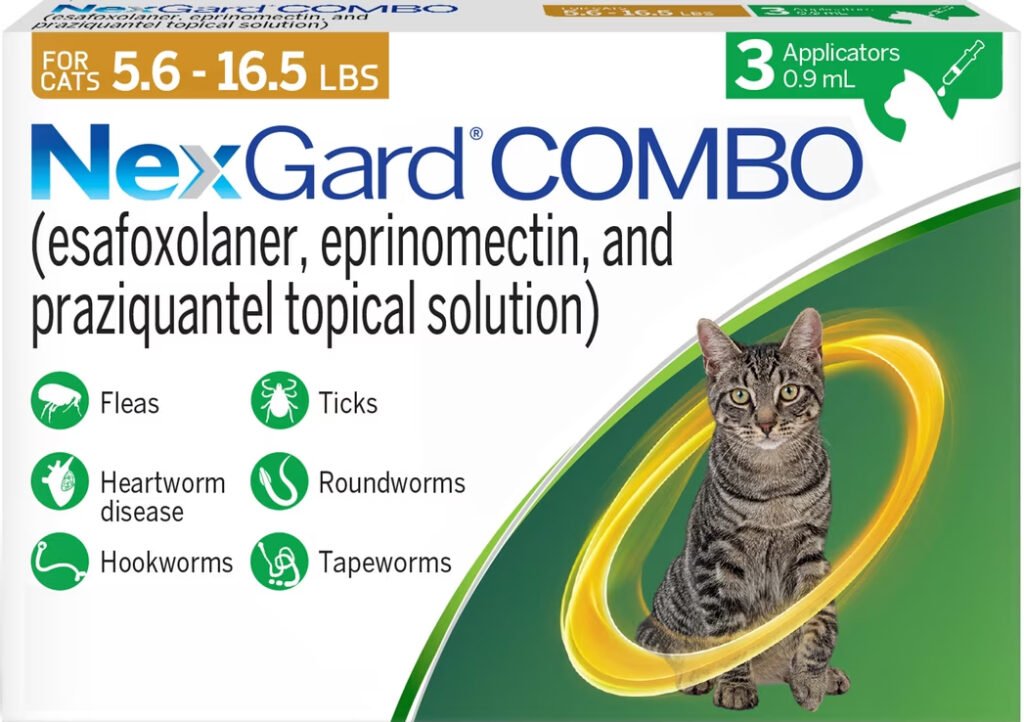
Simparica TRIO is not the first pet medication the FDA has authorized for screwworm this year. In February, the agency authorized NexGard for treatment in dogs and NexGard COMBO for treatment in cats. In June, it authorized generic nitenpyram tablets for certain dogs and puppies, and for cats and kittens.
Those drug authorizations are one part of a much larger federal campaign. USDA continues to rely heavily on sterile flies, a method that helped eradicate screwworm from the United States decades ago.
USDA says a facility in Panama is producing about 100 million sterile flies per week. A renovated plant in Metapa, Mexico, is ramping up toward a capacity of 100 million per week. In Texas, USDA is building a sterile-fly production facility at Moore Air Base with a projected capacity of 300 million flies per week. A separate dispersal facility there can already release up to 100 million sterile flies weekly.
The sterile flies are released in and around affected areas so they mate with wild screwworm flies and eventually drive down the reproducing population. USDA adjusts release areas as new detections occur.
What dog owners should watch for
For pet owners, federal officials say the most important steps are awareness and quick action. Dogs that have been in areas with confirmed screwworm activity should be checked regularly, especially if they have cuts, surgical wounds, or other breaks in the skin.
The FDA advises owners to watch for visible maggots and foul odors coming from wounds or body openings. The CDC lists rapidly worsening wounds, pain, and bleeding among other possible signs of infestation. Anyone who suspects screwworm in a dog should contact a veterinarian promptly rather than attempting to treat the infestation at home.
The new authorization does not mean dogs should receive Simparica TRIO specifically for screwworm without veterinary direction, and routine use of the medication does not mean a dog is protected against infestation. Instead, the FDA action gives veterinarians another tool to use when screwworm is diagnosed.
For most U.S. dog owners, the FDA says the risk remains low. But with confirmed detections in Texas and New Mexico and the parasite still circulating to the south, animal health officials are urging owners and veterinarians to recognize the warning signs and report suspected cases quickly.



















Leave a Reply