


A new federal rule promoted as a market-based boost for regenerative agriculture could eventually create premiums for some farmers growing crops for biofuel. However, for many Appalachian Highlands producers, the first question may be more basic: Does this apply to farms like mine?
For now, the answer depends heavily on what a farm grows, where it sells, and whether it connects to a biofuel supply chain.
President Donald Trump signed an executive order on June 25 titled “Advancing Regenerative Agriculture and Strengthening American Farm Resilience.” According to the White House, the order directs federal agencies to support regenerative agriculture, expand public-private partnerships, review certain chemical-labeling issues, and speed research into cumulative chemical exposure in the food supply. The White House framed the action as part of the administration’s Make America Healthy Again agenda and as a way to help farmers lower input costs, improve soil health, and reach new markets.

Photo courtesy of the USDA
On the same day, U.S. Agriculture Secretary Brooke Rollins announced USDA’s final Regenerative Feedstock Rule. In a June 25 news release, USDA described the rule as a way to connect regenerative agriculture practices to biofuel markets for corn, soybeans, sorghum, and spring canola. The agency said the framework includes requirements for carbon-intensity quantification, mass-balance chain-of-custody standards, traceability, recordkeeping, auditing, and verification.
The rule ties into the 45Z Clean Fuel Production Credit, a federal tax credit for cleaner transportation fuels. USDA also announced an updated Feedstock Carbon Intensity Calculator, known as the USDA FD-CIC, to help producers quantify the carbon intensity of practices such as cover crops, improved nutrient management, conservation tillage, no-till, and reduced tillage.
The Credit Is Not Available Yet
Despite the national rollout, USDA says farmers should not assume the regenerative feedstock portion of the credit is available immediately.
“It’s important to note that the regenerative feedstock component of the 45Z tax credit is not currently available,” a USDA spokesperson said in response to questions from Appalachian Highlands Farmers Magazine. “Finalizing USDA’s rule was the first step in this process.”
According to the USDA spokesperson, two more federal steps must be taken before the credit becomes available. First, the Department of Energy must incorporate USDA FD-CIC into 45Z CF-GREET. Then, the Department of the Treasury must issue rules for 45Z compliance.
That clarification matters for farmers trying to understand whether the federal announcement creates a near-term income opportunity or a policy framework still waiting on additional federal action.

A Narrower Path Than the Word ‘Regenerative’ Suggests
The word “regenerative” carries a broad meaning in agriculture. Farmers often use it to describe soil-building practices such as rotational grazing, cover cropping, reduced tillage, composting, diverse rotations, riparian protection, and keeping living roots in the soil.
USDA’s Regenerative Feedstock Rule, however, uses a narrower framework. It focuses on specific biofuel feedstocks.
Asked what percentage of local producers are positioned to participate in a mass-balance supply chain for biofuel feedstocks under the new guidelines, the USDA spokesperson did not provide a regional estimate.
“Producers in the supply shed of a biofuel refiner, who are growing corn, soy, sorghum, or spring canola as biofuel feedstocks, will be able to participate through the USDA’s rules regarding mass balance,” the spokesperson said.
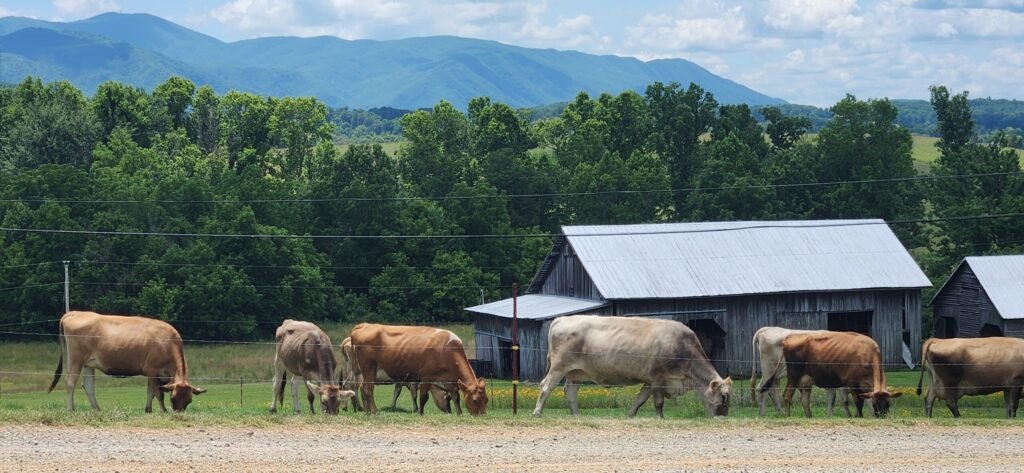
That answer points to the central Appalachian Highlands question. Many farms in the region use soil-health practices. Yet not all of them operate as row-crop farms. Much of the region’s agricultural identity is tied to cattle, hay, pasture, dairy, specialty crops, small produce farms, direct-market operations, and diversified family farms.
As a result, many producers may recognize the language of regenerative agriculture without fitting the first version of the rule. The financial benefits appear likely to flow first through biofuel supply chains.
Big Numbers, Specific Crops
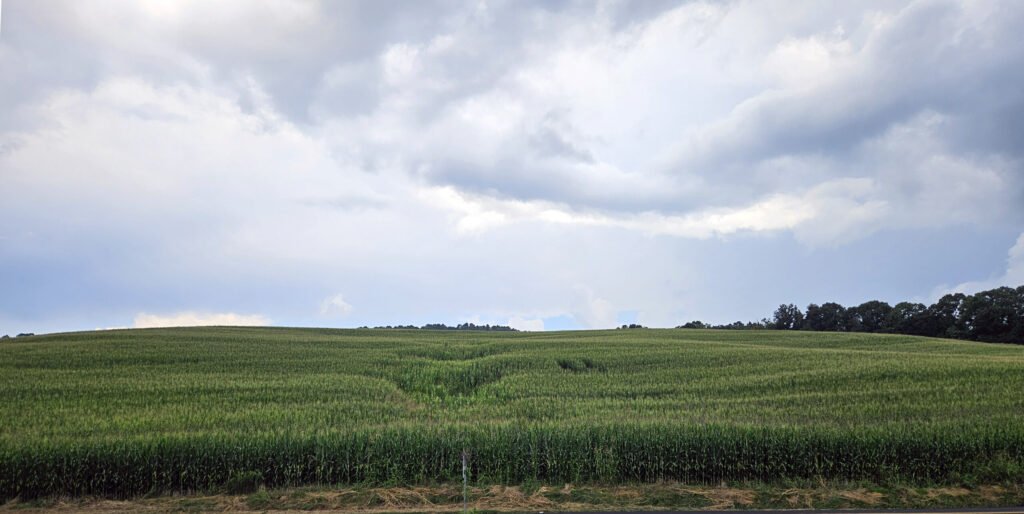
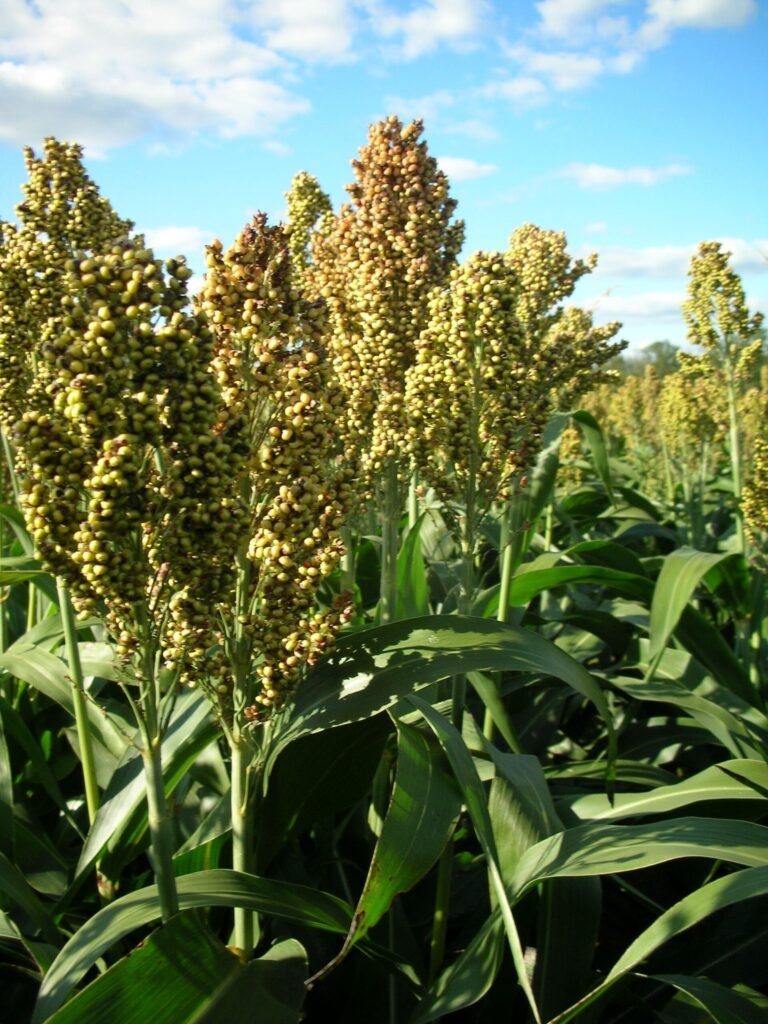
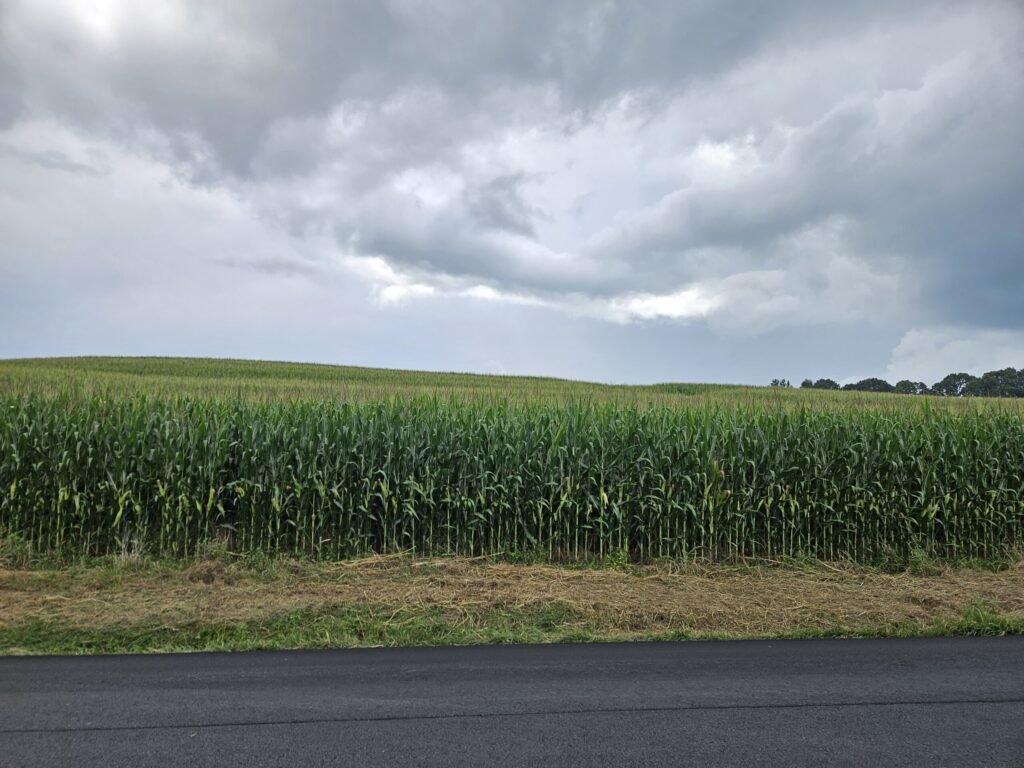
USDA’s June 25 announcement highlighted the potential scale for major biofuel crops. According to the agency, American farmers produce about 6 billion bushels of corn used annually for ethanol and about 1.8 billion bushels of soybeans for biofuel production. USDA also said 68% of corn farmers and 70% of soybean farmers already use at least one regenerative practice.
Those numbers help explain why the administration sees biofuels as a major market. However, they also show why the rule may fit some regions and farm types better than others.
For farmers outside those crop and market channels, the connection is less direct.

Asked what advice a local cattleman or specialty crop grower should receive to capitalize on the rule, the USDA spokesperson said the crops currently eligible are corn, soy, sorghum, and spring canola grown as biofuel feedstocks.
“USDA may consider amending the rule to add additional biofuel feedstocks in the future,” the spokesperson said.
A Possible Manure Connection
The rule may create one indirect connection for livestock producers.
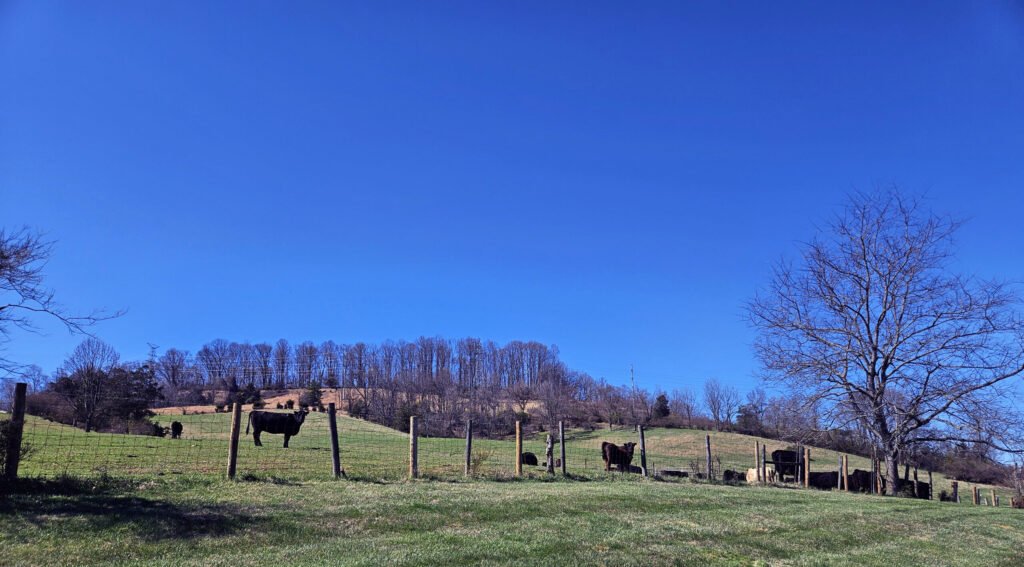
The USDA spokesperson said manure application is an eligible form of nitrogen under the rule, which “may apply to cattleman looking to sell manure to biofuel feedstock producers.”
That could create a limited opportunity for some livestock farms. Still, it is not the same as a direct incentive for pasture-based or rotational livestock systems.
‘It Doesn’t Help Us’
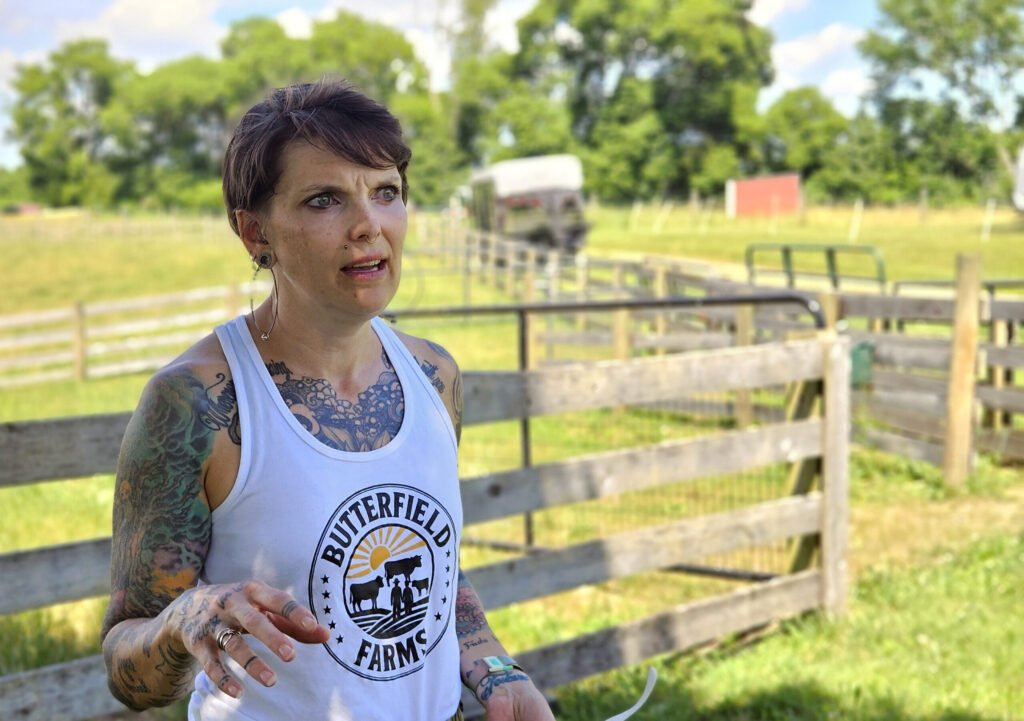
For Abby Terhune, owner of the regenerative farm Butterfield Farms, the new rule does not appear to fit her operation.
“This doesn’t impact our operation as we are using rotational grazing practices with livestock to improve soil health,” Terhune said. “The above directive doesn’t help us, and we don’t know yet if it will hurt us.”
Terhune said the federal language raises questions about what the government means by the term “regenerative.”
“The wording of this directive is so vague, there is really no way of knowing what they mean when they use the term, ‘regenerative,'” she said.
Her concern reflects a larger debate in agriculture. For some commodity producers, regenerative practices may mean measurable field-level changes such as cover cropping, reduced tillage, and nutrient management that can be attached to a carbon-intensity score. For many small livestock or diversified farms, regenerative stewardship may mean something broader: soil biology, pasture rotation, animal impact, fertility cycling, water protection, and local food production.
Carbon Scores and Small Farms
Terhune said the federal approach does not match how she thinks about regenerative farming on her land.
“No, the science behind carbon scores heavily favors Big Ag and is going to prove impossible for the small farmer,” she said. “We also find it hilarious that they are discussing taking out the bureaucrats from the equation, while this new framework will require more of those same bureaucrats.”
USDA’s own description of the rule makes clear that documentation will be part of the process. In its June 25 news release, the agency said the framework includes requirements for traceability, recordkeeping, auditing, and verification, as well as field-level quantification of carbon intensity.
Farms already plugged into commodity and biofuel markets may be better positioned to manage those requirements. By contrast, smaller farms may face a harder question: whether the paperwork, verification, and supply-chain requirements are worth the potential return.
The Livestock Question
Terhune said she would rather see federal support aimed at rotational livestock systems and local food production.
“This biofuel-focused rule only applies to row crop farmers, who, in our opinion, are depleting the soil and require some form of input to replenish what has been taken,” she said. “Why not give an incentive to rotational livestock farmers to produce manure that can be used for fuel instead? If this is about making America healthy again, then why not encourage rotational livestock for nutrient-dense food?”
That criticism gets to the heart of the Appalachian Highlands issue. In mountain and foothill farming systems, soil health often begins with grass, hay, cattle, sheep, goats, dairy animals, and carefully managed pasture. On those farms, farmers build fertility through manure, grazing pressure, rest periods, root growth, and perennial cover.
USDA’s current rule does not ignore manure. However, the agency’s manure connection links manure to nitrogen use in the production of eligible biofuel feedstocks. It does not create a broad payment for rotational grazing or pasture-based livestock systems.
For a cattle producer, therefore, the rule may help only under specific conditions. The farmer would need a nearby biofuel feedstock grower who wants manure, a practical way to transport it, and a supply-chain structure that recognizes its value.
Crop Chemicals and Cost Questions
The executive order also addresses crop-protection tools. According to the White House, it directs the EPA to prioritize registration actions for substances that can serve as alternatives to older active ingredients, while remaining within existing law. In addition, it directs federal agencies to develop a research framework for cumulative chemical exposure in the food supply and calls for a National Institutes of Health Grand Prize Challenge related to exposure, diagnosis, and treatment.
Asked what chemical-input challenges regional growers face and whether expedited alternatives would lower costs, the USDA spokesperson pointed to pesticide resistance, new invasive pest species, and changing pest populations driven by weather.
“In general, having more tools available helps growers manage problems with a single application, reducing the need for multiple treatments and lowering the risk of costly reapplications,” the spokesperson said. “That’s why growers prefer to have the largest set of options for addressing weeds, plant diseases, and other pest challenges.”
At the same time, USDA cautioned against promising lower costs in every case.
“Specific costs can vary widely depending on the product and situation,” the spokesperson said.
Therefore, the cost question remains unsettled. More pest-management tools could help growers facing resistance or invasive species. However, the actual savings will depend on the crop, pest, product, timing, and whether alternatives are affordable and available.
A Policy Still Taking Shape
For now, the administration’s regenerative agriculture push appears both significant and limited.
It is significant because it creates a federal framework for linking soil health practices, carbon intensity scoring, and biofuel markets. For growers of corn, soybeans, sorghum, and spring canola who connect to participating biofuel supply chains, the rule could eventually create new market opportunities.
However, it is limited because the 45Z regenerative feedstock component is not yet available, according to the USDA. It is also limited because the first version of the rule focuses on biofuel feedstocks rather than the full range of farms that use regenerative practices.
For the Appalachian Highlands, the unresolved question is not whether farmers care about soil health. Many already do.
Instead, the question is whether federal regenerative agriculture policy will eventually recognize the kinds of soil-building systems common across the region — rotational livestock, hay and pasture management, diversified produce farms, small dairies, specialty crops, and local food production — or whether the first wave of incentives will mostly reward producers already tied to commodity biofuel markets.













Leave a Reply