



A Family Story Wrapped in Phyllo Dough
Long chose it partly for that reason.
She said the region’s food culture is more diverse than outsiders — and sometimes residents — recognize, with Lebanese, Greek, Turkish, and other Middle Eastern influences alongside traditions more commonly associated with Appalachia.
But her choice of baklava is also personal.
Long grew up in Florida. Her mother attended night school near Tarpon Springs and helped pay for it by working in a Greek bakery, where she learned to make baklava. She brought that knowledge home, and baklava became part of the family’s Christmas table.
Long grew up making it beside her mother.
“Baklava is slow food in the truest sense,” she said. The making of baklava requires time, needs more than one pair of hands, and rarely involves a single person.
She remembers the process as something communal — one person brushing butter, another laying sheets of phyllo dough, someone else chopping nuts while conversation continues around the kitchen.
“Food is the oldest technology we have for turning strangers into neighbors,” Long said.
That idea gets surprisingly close to the origins of Slow Food itself.
The movement began in Italy in 1986 amid opposition to the spread of fast-food culture and became an international movement in 1989. Today, Slow Food operates in more than 160 countries. Its central principle is that Food should be good, clean, and fair — good to eat, produced without depleting the environment, and part of a food economy that treats people fairly.
Slow Food Tri-Cities often adds another word to its own description: joyful.
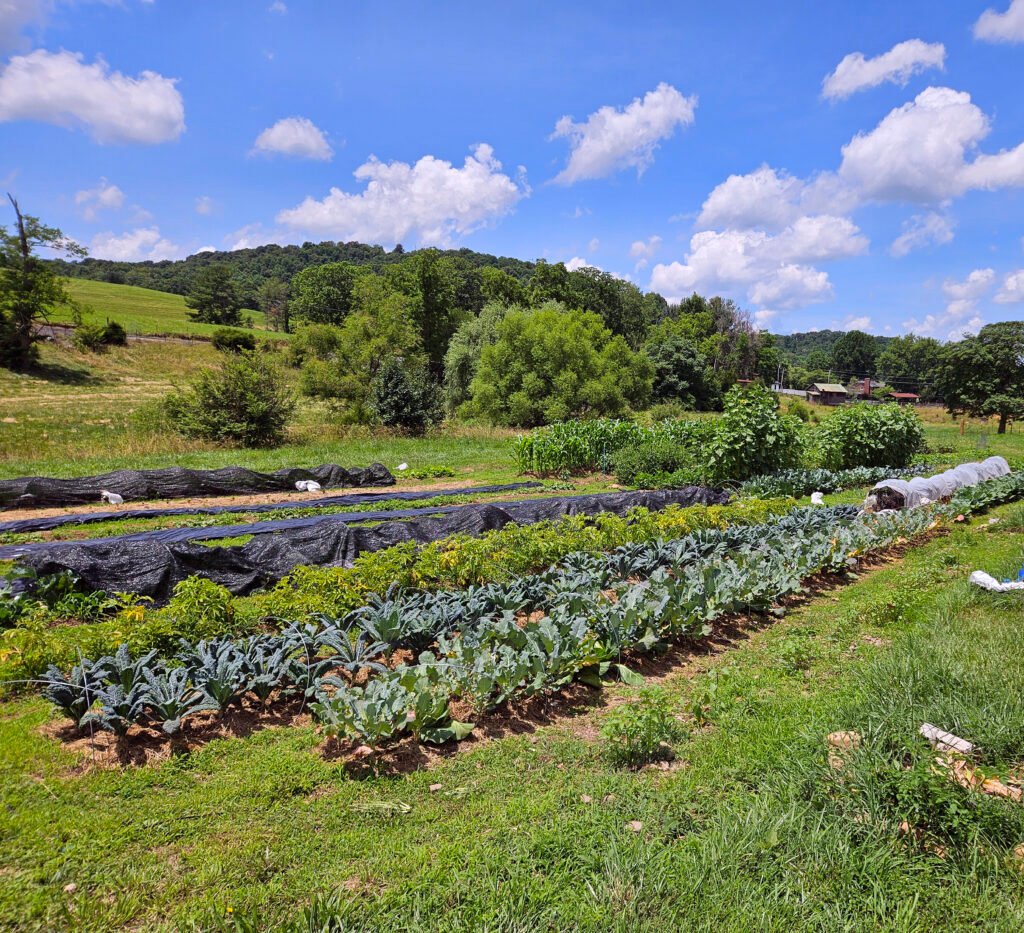
Beeswax, Herbs and Food From Nearby
Before the baklava demonstration, guests will get another kind of hands-on lesson.
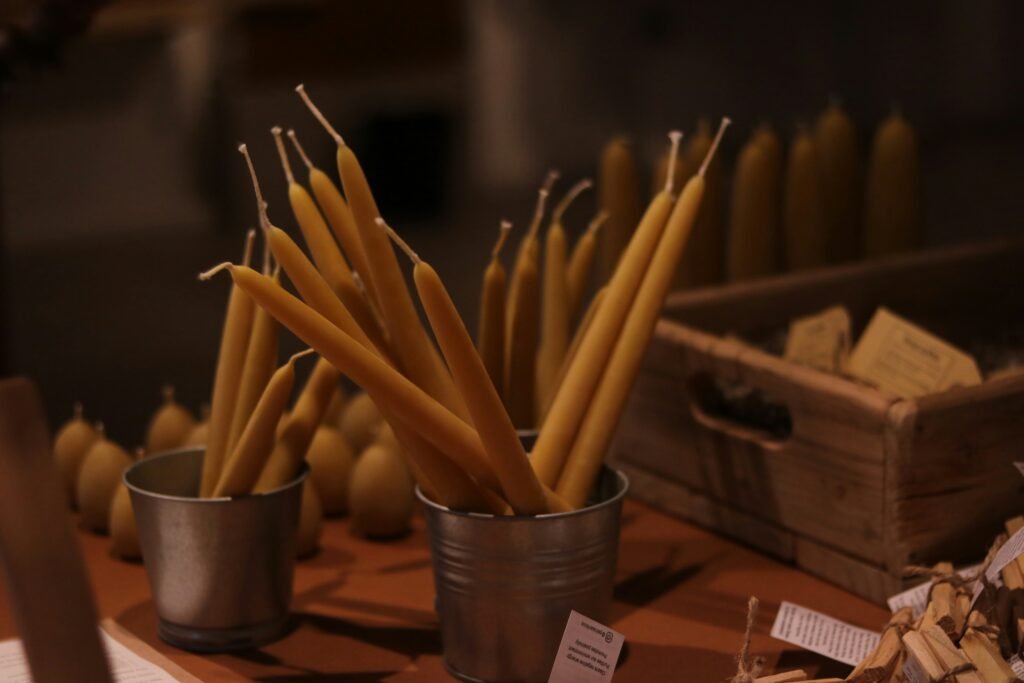
Long plans to show participants how to make holiday candles using beeswax from the Spade & Spoon apiary and flowers and herbs grown and dried on the farm, including lavender and calendula.
For Long, candle-making fits the evening for much the same reason as cooking. It is a skill that once would have seemed ordinary rather than specialized — something that can still be done at home with relatively little equipment.
The Food for the evening is still being assembled. Long said the final list of participating farms and producers was not complete when she spoke with Appalachian Highlands Farmers, so she was reluctant to announce names prematurely.
She could confirm that Knob Creek Winery had donated wine for a holiday sangria and that Twisted Fork had also contributed to the event.
Long described the menu as substantial seasonal appetizers rather than a formal dinner: leek and Gruyère puff-pastry bites, jalapeño cornbread with hot honey from Spade & Spoon’s hives, charcuterie, locally sourced spiced nuts and a coffee-and-tea bar.
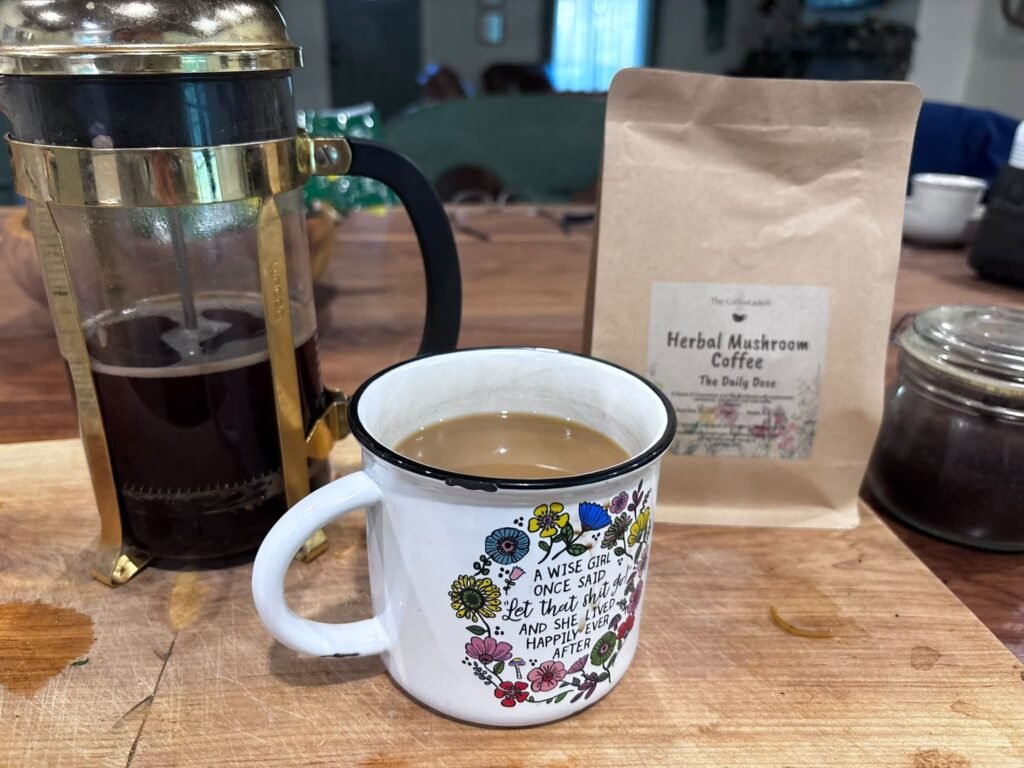
She is particularly excited about the latter. Long said the bar will include herbal and mushroom blends from Black women farmers and herbalists in the region, including a mushroom-cardamom coffee from The Coffey Lady.
“We want people to taste the region,” she said. “Every bite on that table should make you want to go find the person who grew it.”
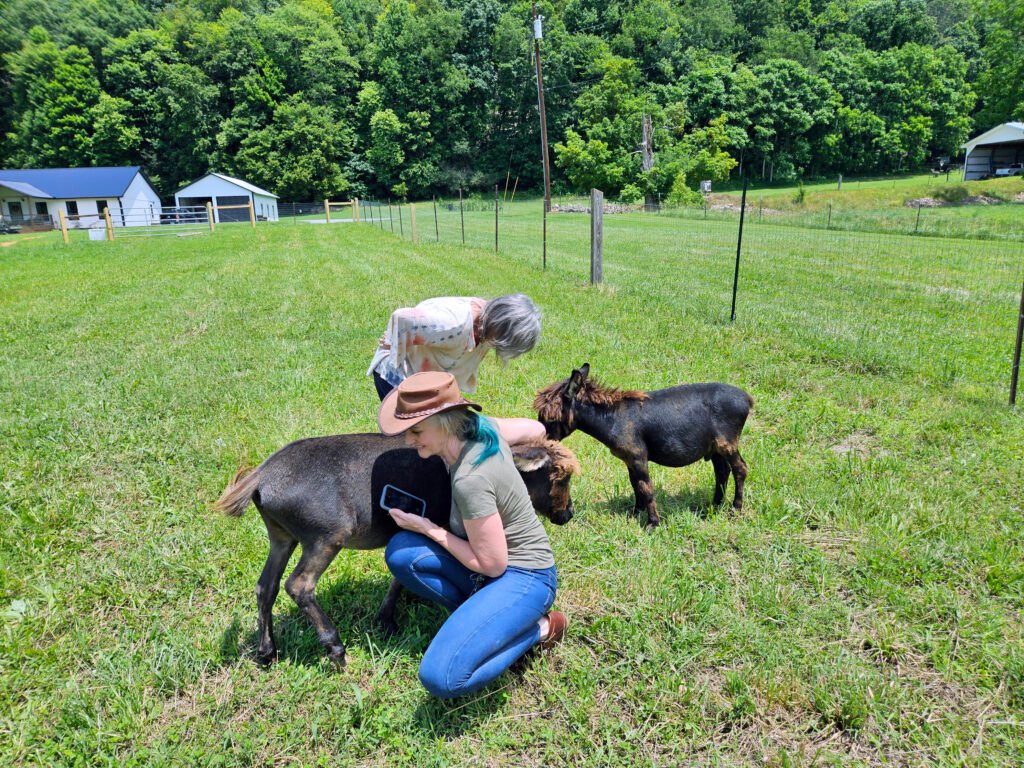
Slowing Down — Even at the Silent Auction
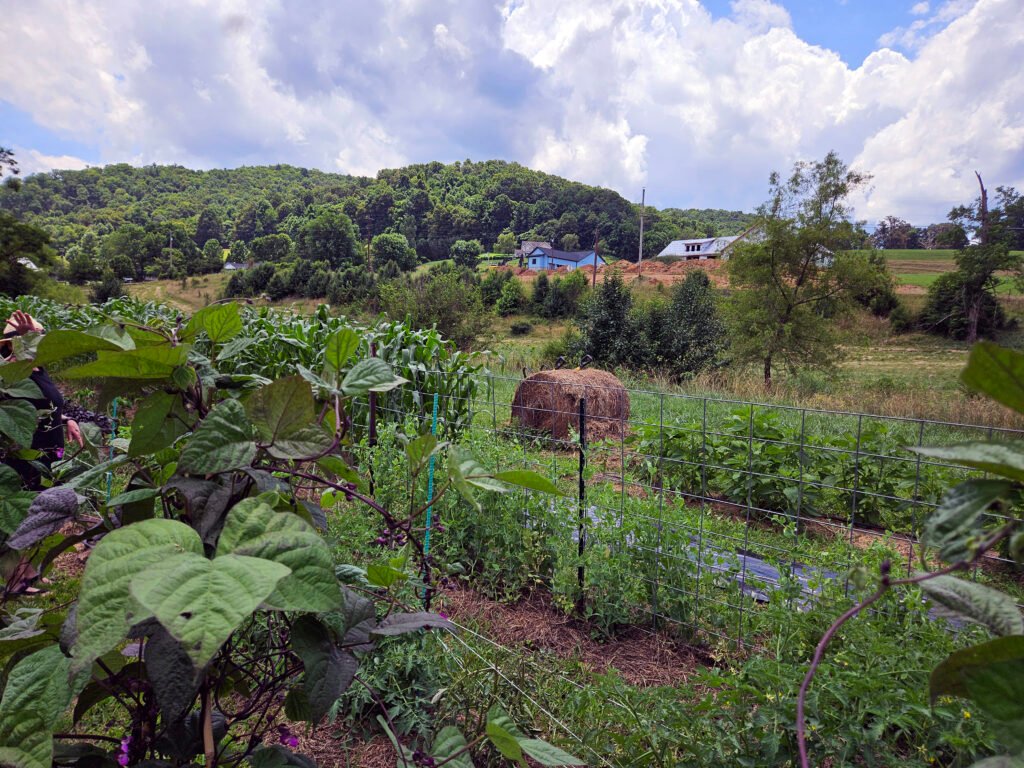
The Bigger Question: How Do You Help a Farmer?
Long is careful not to oversell the answer.
“We are not a food bank or an extension office,” she said. “We are a community of farmers, cooks, and eaters.”
She said such a group can help people find farmers, buy from them, and show up when they need support.
“The single most powerful thing you can do for a farmer is give them a customer,” Long said.
Among the chapter’s major efforts to do that, Rooted: A Living Atlas of the Tri-Cities Foodshed leads the charge.
The digital project is being designed to help people find farms, CSAs, markets, seed keepers, artisan food producers and other parts of the local food system across Northeast Tennessee and Southwest Virginia.
Long said the project is being developed with Project MANNA and will put particular effort into documenting producers who historically have been easier to overlook, including Black Appalachian farmers, Indigenous tradition keepers, immigrant growers, and small rural producers.
The organization is also holding cooking demonstrations and community potlucks and maintains a members’ tool library at Shakti in the Mountains. Long said the library includes equipment such as large tarps, drip line and flame weeders — useful tools that a gardener or small producer may need occasionally without wanting to purchase outright.
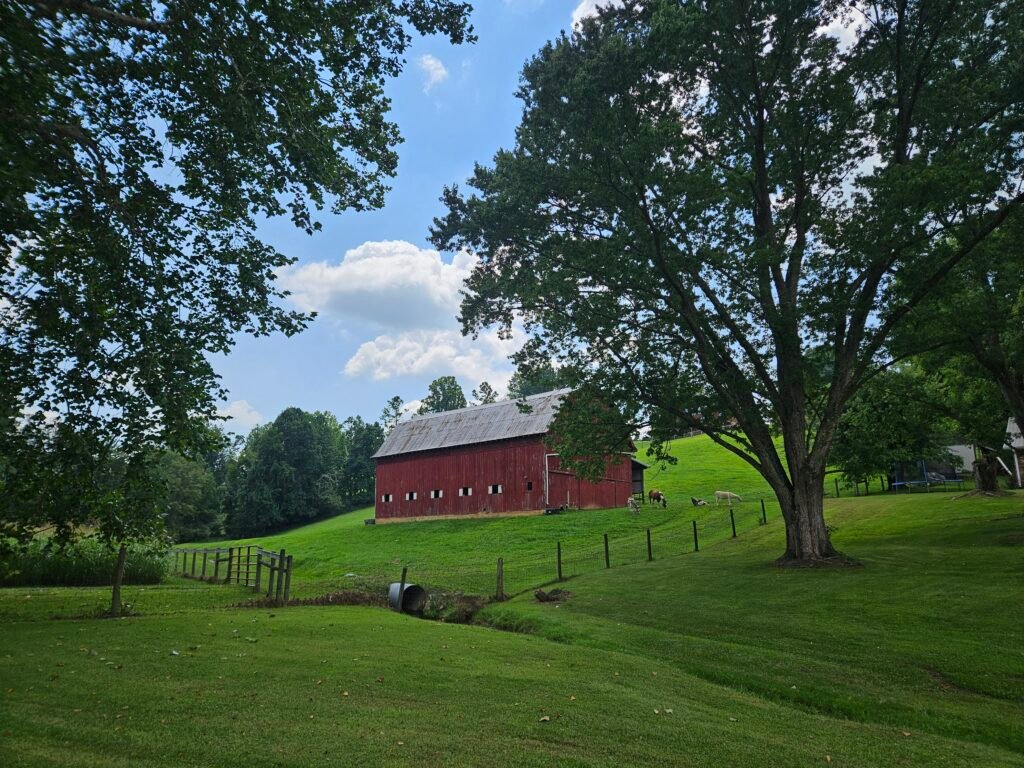
Farmland Is Disappearing
The effort comes as Tennessee agriculture faces pressures that extend far beyond marketing.
University of Tennessee data show the state has been losing agricultural land at an extraordinary pace. UT researchers have estimated the loss at more than 200 acres per day since 2017 as farms and forestland are converted to other uses.
The number of Tennessee farms also fell 10% between the 2017 and 2022 federal agricultural censuses, from 69,983 to 63,105. The 2022 Census of Agriculture put average net cash farm income in Tennessee at about $17,000 per farm.
Northeast Tennessee is also still dealing with the effects of Hurricane Helene.
The Tennessee Department of Agriculture has estimated that Helene caused between $547 million and $1.8 billion in damage to farmers and forestland owners across more than 150,000 acres in nine upper East Tennessee counties.
Fuel costs have added another burden. As of October 7, AAA put the national average for diesel at about $6.30 a gallon, compared with about $3.68 a year earlier.
Those costs ripple through the food system.
That gap is one reason Long keeps returning to direct connections between farmers and customers. USDA’s 2024 Food Dollar data put the farm share of each dollar spent on domestically produced Food at 11.8 cents. The rest went to the steps between the farm and the checkout line — processing, packaging, transportation, wholesaling and retailing.
Long does not suggest Slow Food Tri-Cities can solve those problems.
“We cannot fix commodity prices or land costs,” she said.
What the organization can do, she said, is introduce more people to the farmer down the road.
Saving Food Before It Disappears
Connecting customers with farmers is only part of the chapter’s work.
Slow Food Tri-Cities is also beginning to document foods and traditions that could disappear if people stop growing, saving, or preparing them.
That work is tied to Slow Food’s Ark of Taste, an international catalog of culturally significant foods at risk of being lost.
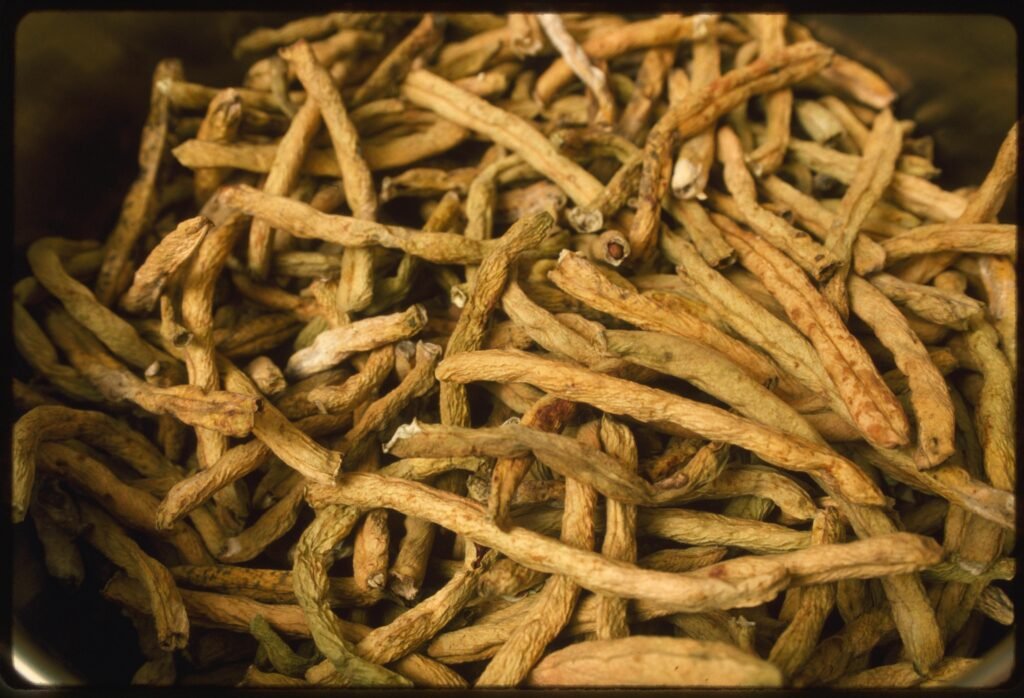
Long mentioned heirloom beans, heritage livestock, wild foods, Sorghum, and leather britches as examples of Appalachian foods and traditions worth documenting. The chapter is still developing its own regional Ark work rather than claiming an established list of Tri-Cities foods.
In 2027, Start With Dinner
Rooted will continue. The cooking demonstrations will continue. So will the potlucks and tool library.
“We eat together. We show up when someone needs hands. And we send people to the farmers,” Long said.
The strategy isn’t particularly complicated.
That may be the point.
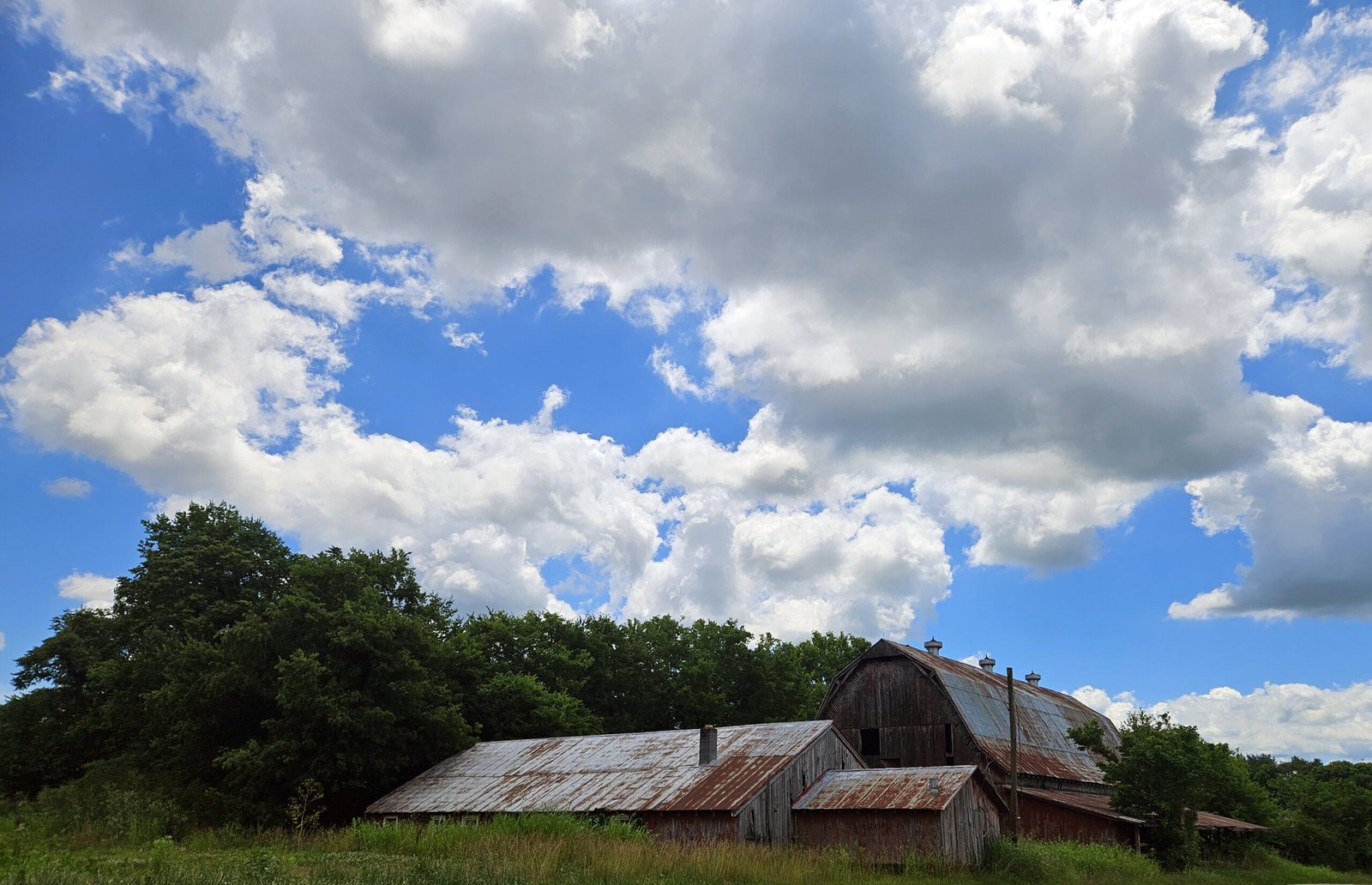
Slow Food began as a reaction to a food culture increasingly built around speed. Nearly four decades later, Long is bringing the same argument down to a much smaller scale: a garden in Johnson City, a farmer looking for another customer, a family recipe passed from mother to daughter, or 20 people meeting over dinner in somebody’s barn.
The Slow Holiday Fundraiser will be held November 7 from 5:30 to 8 p.m. at Spade & Spoon Farm, 711 Laurels Road, Johnson City. Tickets are $50. Additional information and ticket details are available from Slow Food Tri-Cities.
Buy Tickets Here!Front Page







Leave a Reply