

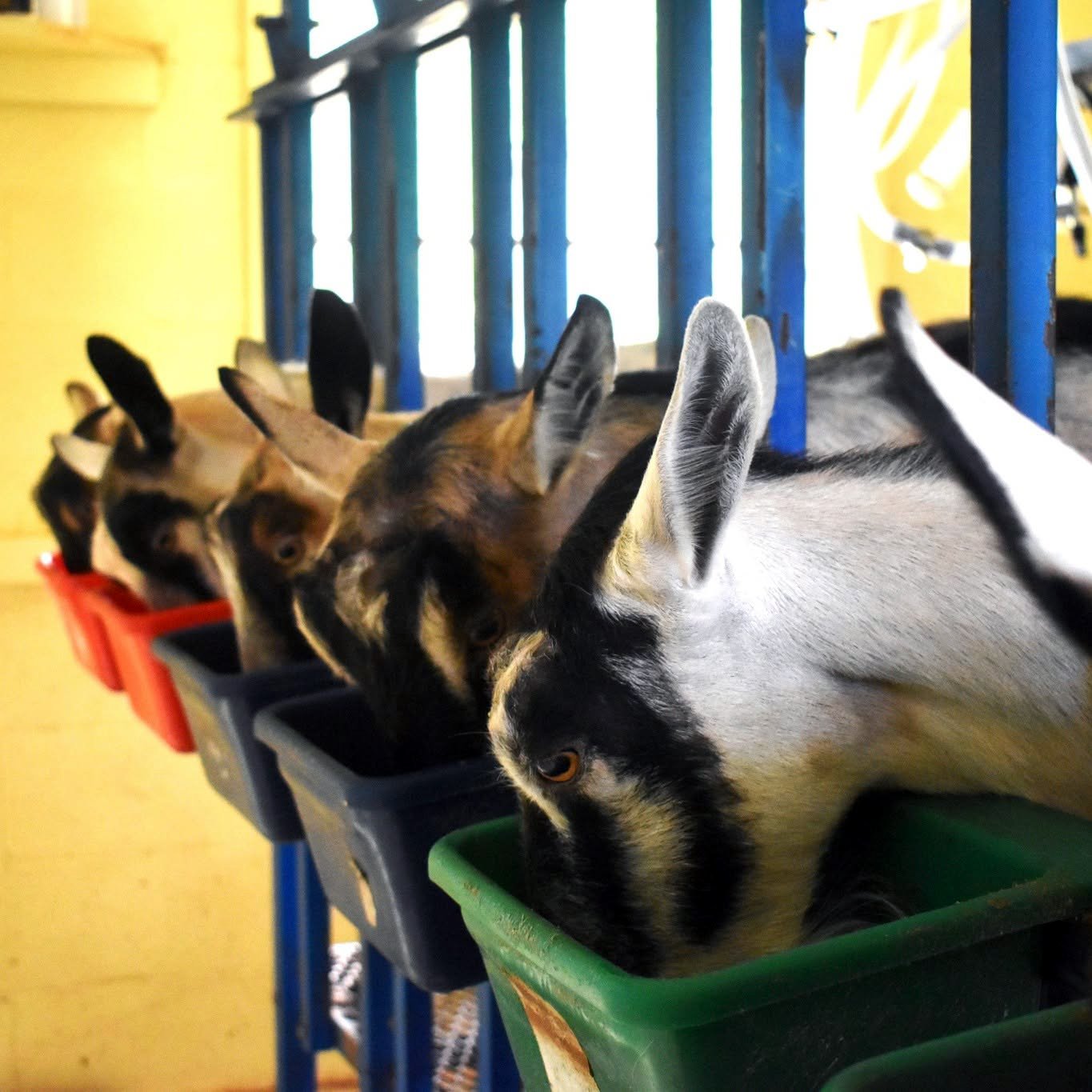
On Possum Creek near Gate City, John and Andrea Woodworth have spent decades building a market for small-batch goat cheese made from their own Alpine herd.
On Possum Creek near Gate City, the name Ziegenwald carries the farm’s story in miniature. “Ziegenwald” means “goat woods,” Andrea Woodworth told host Missy Wolff Fraley in an episode of PBS Appalachia’s “French Magnolia Cooks” — Ziegen for goats, Wald for woods, and a nod to the Woodworth family name. The farm sits on about 80 acres in Scott County, Virginia, where John and Andrea Woodworth raise Alpine dairy goats and make farmstead cheese from the milk of their own animals.
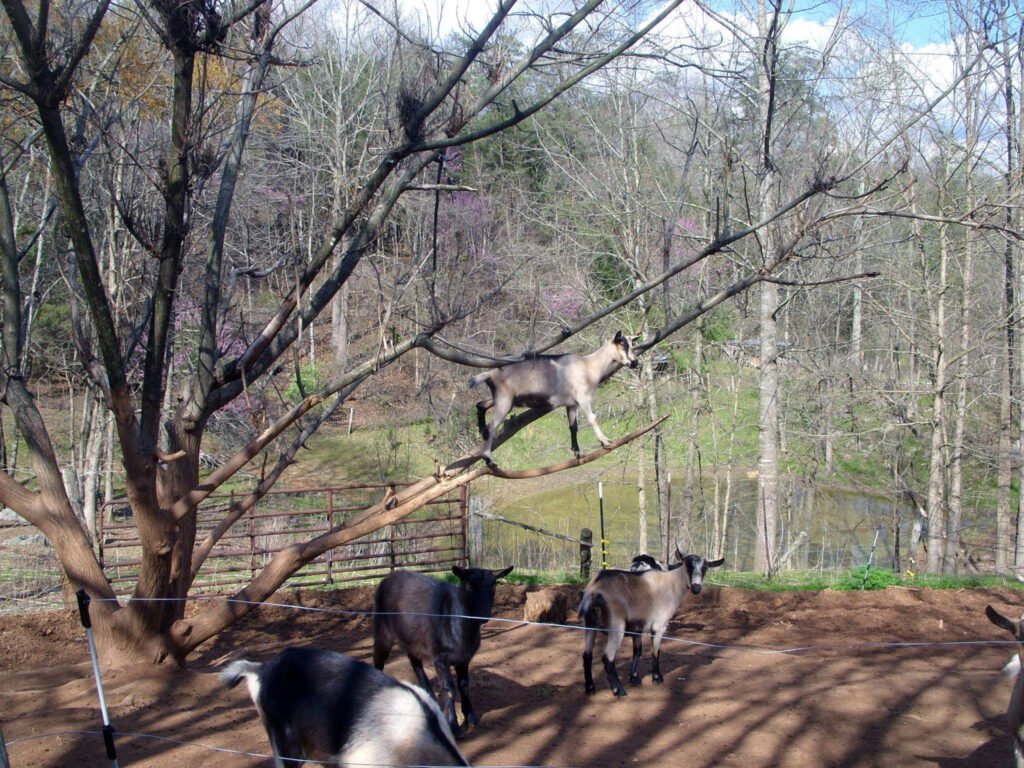
The goats arrived almost by accident. Woodworth told Fraley that the family had planned to look at cashmere goats, but when that visit fell through, their children still wanted to see goats. A stop with an Alpine breeder led to two adult does and two bucks. After one doe had quadruplets and the other had twins, Andrea had learned to milk, and the family had a herd. Asked how many goats it takes to make a herd, she joked, “Apparently just two.”
Decades later, the Woodworths describe Ziegenwald Dairy as the oldest established Grade A goat milk dairy in Southwest Virginia. They moved to the area in December 1993, bought their first goats in spring 1994, and attained their Grade A Dairy license in 2008, allowing them to process milk and sell homestead cheese. They make their cheese only from the milk of their own animals.
Building a Market for Goat Cheese Where None Existed
When Ziegenwald began, John Woodworth said there were no other goat dairies in the area. Their dairy inspector at the time “had more questions than answers,” he wrote, and state agriculture officials visited the farm to help determine what would be required for the Woodworths to become a Grade A dairy.
Once licensed, they moved quickly. John said that Ziegenwald was licensed on a Thursday and was selling in Jonesborough the following Saturday. They visited restaurants and stores, contacted farmers markets, sold cheese through a CSA John was managing, and offered samples wherever they thought people might be interested.
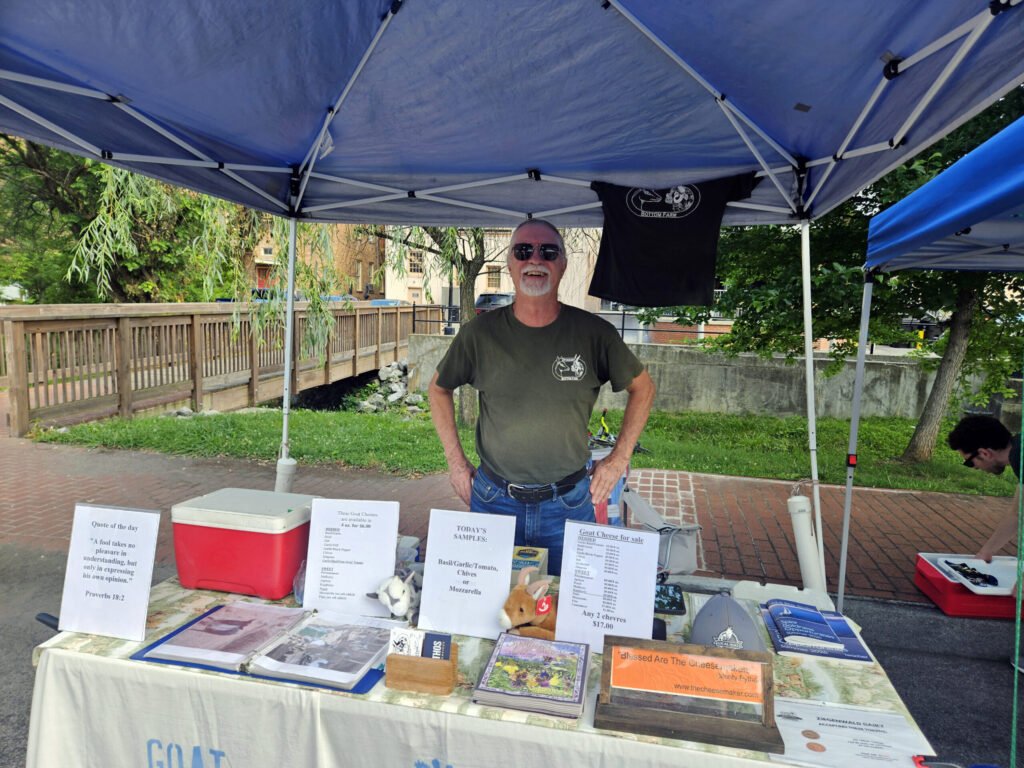
That early work still shapes the business. Most of Ziegenwald’s cheese is sold directly to customers at farmers markets and festivals, with some restaurant and store deliveries handled by John or Andrea. Samples remain part of the sales process because many customers need to taste small-batch goat cheese before they understand what makes it different from commercial cheese.
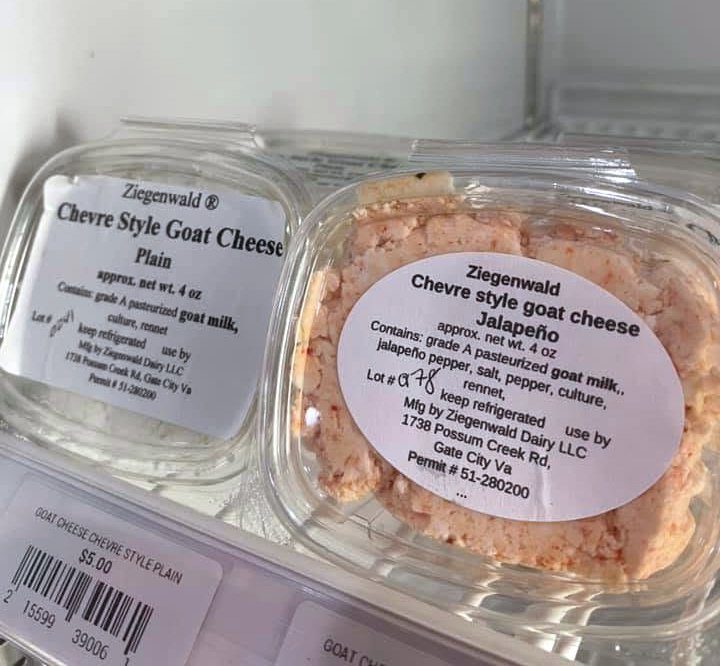
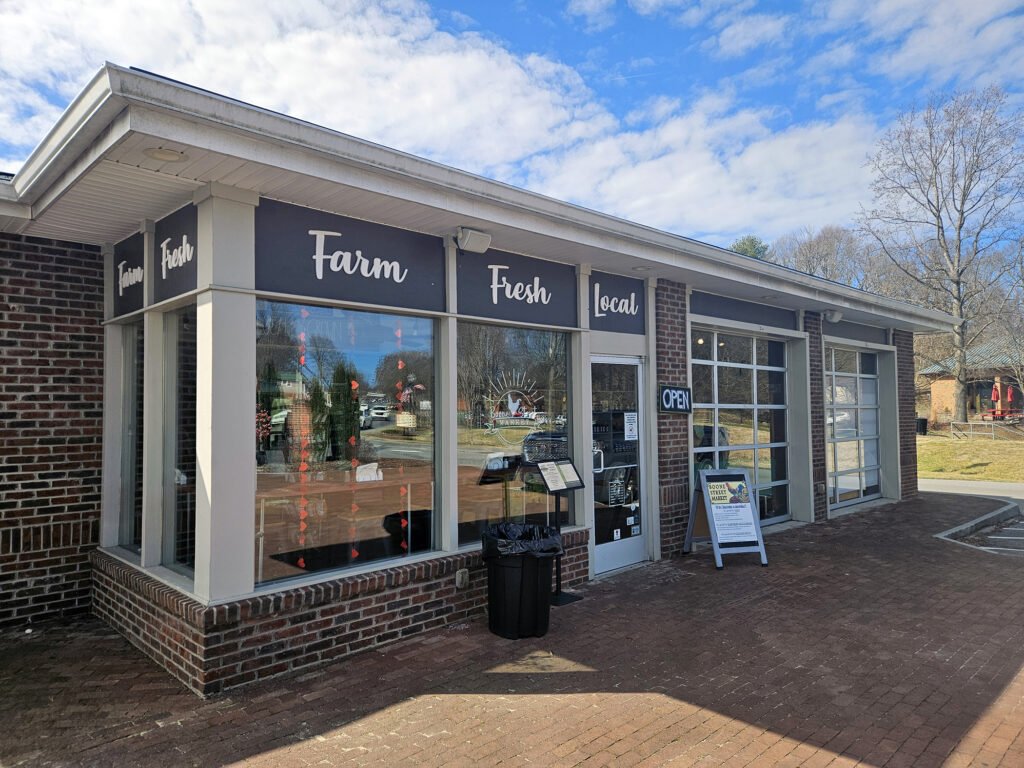
Ziegenwald also sells through Boone Street Market in Jonesborough, Tennessee. A Boone Street Market product listing provided for this article prices Ziegenwald Dairy goat cheese at $6, with most varieties packaged in 4-ounce portions and feta in a 6-ounce portion. The listing includes plain cheese as well as flavored options such as basil, chives, garlic, and black pepper; garlic, basil, and tomato; raspberry, peach, jalapeño, and apricot; and Colby, mozzarella, and feta.
Watch: A Visit to Ziegenwald Dairy
In this companion segment from PBS Appalachia’s “French Magnolia Cooks,” host Missy Wolff Fraley visits Andrea Woodworth at Ziegenwald Dairy before cooking with the farm’s goat cheese.
The Work Behind the Cheese
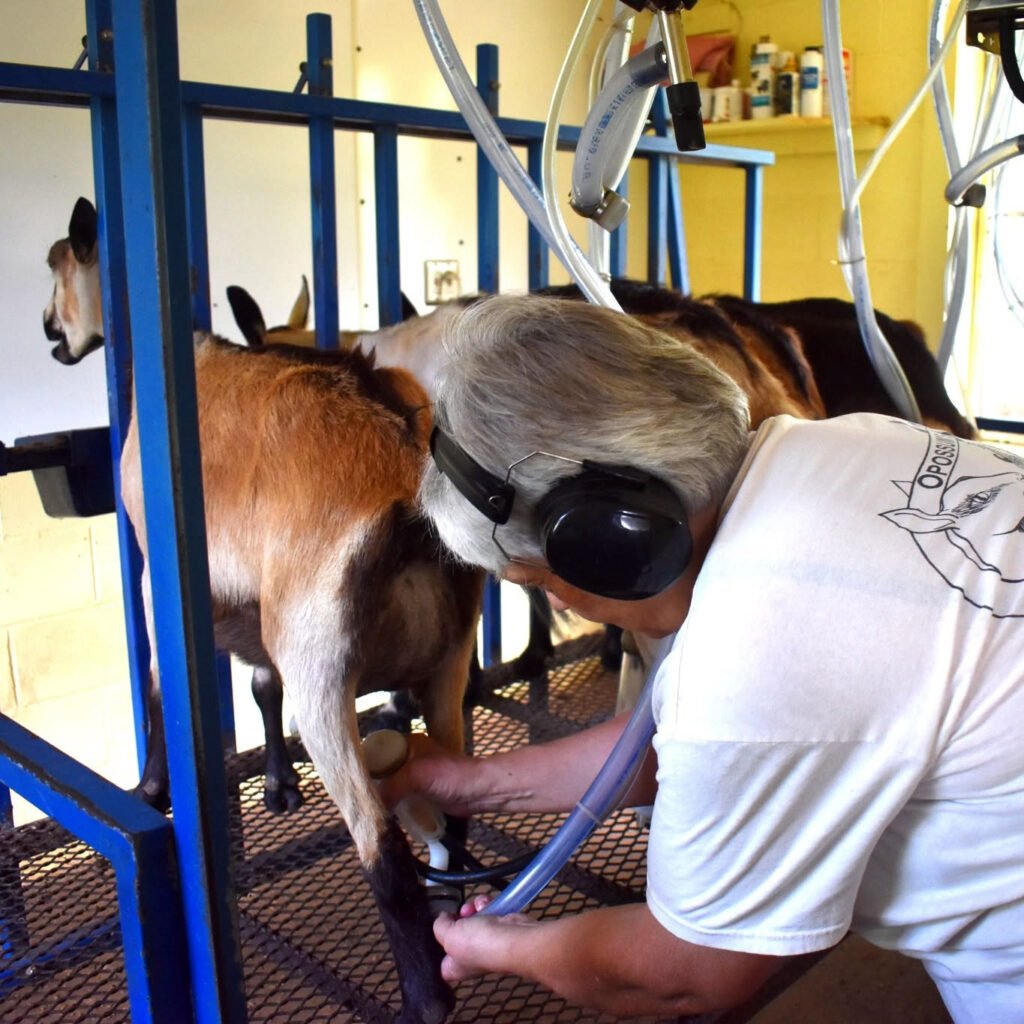
Andrea speaks about the goats with obvious affection. Asked by Fraley about her favorite thing about farming, Andrea said, “My goats.” But affection does not make the chores disappear. There are hooves to trim, babies to bottle-feed, and animals to handle every day. Because Ziegenwald is a dairy, Andrea told Fraley that the babies come off their mothers when they are born, receive colostrum, and are bottle-fed milk, which also makes them easier to handle as they grow.
John describes Ziegenwald as a “Mom and Pop” dairy that still has to meet the demands placed on larger commercial operations. From February through October, milking happens twice daily. Around that rhythm come feed runs, bottle-feeding, pasteurization, equipment upkeep, fencing, cheesemaking, packaging, labeling, and farmers markets.
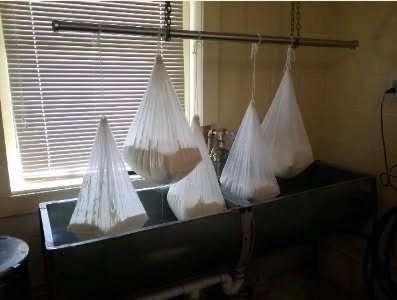
Early in the season, much of the pasteurized milk does not go into cheese at all. It goes back to the farm’s young animals. In one recent season, John wrote, Ziegenwald had 83 kids to raise, tattoo, worm, and vaccinate. Unlike larger dairies that may sell milk in bulk for pickup, Ziegenwald processes its milk in-house, either for feeding babies or for cheesemaking. Milk that spoils or fails to meet standards goes to the pigs.
Fresh chèvre at Ziegenwald is a lesson in patience. In the episode, Andrea described a batch of about 40 pounds, hung two days earlier, and taken down that morning. The milk ripens in the pasteurizer after culture and rennet are added; the whey is then ladled off, and the curd is scooped into bags and hung to drain. The process depends on careful temperature control. Overheated milk, Andrea said, becomes “expensive pig food.”
That one line says a lot about small-scale cheesemaking. The process may look simple from the outside, but every batch represents milk, labor, timing, equipment, and animals. A mistake is not theoretical. It has a cost.
The Goat Cheeses
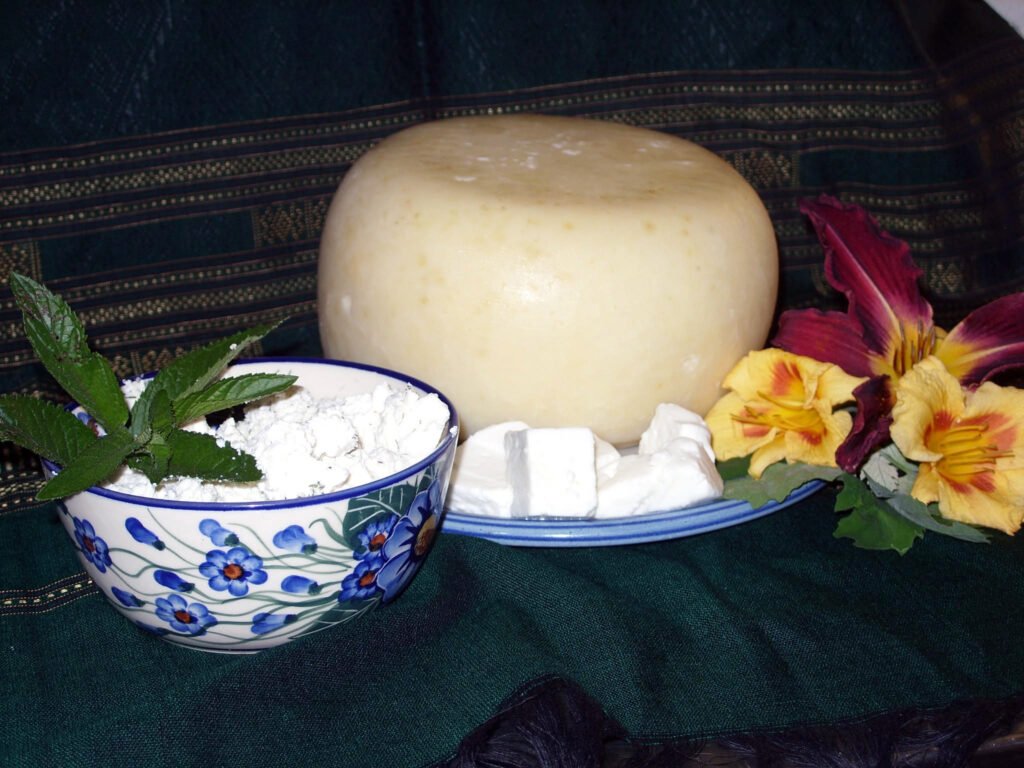
Ziegenwald produces chèvre, sold plain or with natural flavors, as well as Colby-style cheese and mozzarella. Feta was added in 2011. Camembert is seasonal and sold at farmers markets or by special order because of its short shelf life. In 2017, the Woodworths added a Swiss-style cheese they call Appalachian Lace.
The Boone Street Market listing keeps the ingredient language simple: Grade A pasteurized goat milk and rennet form the base, with culture, salt, herbs, garlic, pepper, fruit, or other flavorings added depending on the variety. That plain ingredient list supports the farm’s own emphasis on cheese made from its own animals without chemical preservatives or artificial color.
The farm’s production philosophy is direct and specific. The Woodworths say they do not use hormones or antibiotics to increase milk production, and they do not add chemical preservatives or artificial color to their products.
John is also careful not to overstate the romance of place. Asked whether Scott County’s environment affects the cheese’s final flavor, he said, “I don’t know that the local environment has any specific impact on our cheeses.” Cultures are added according to the type of cheese being made; hard and semi-hard cheeses age in a designated refrigerator, “unlike the caves of France”; soft cheeses are stored in a freezer; and feta is kept in brine.
Still, the animals’ diet matters. John said the farm is careful about what milking does are fed because certain plants can affect the flavor of the milk and therefore the cheese.
A Chef’s View
Fraley gives Ziegenwald’s cheese a cook’s vocabulary. In the episode, she described handmade goat cheese as having an “unapologetic, almost irritatingly perfect tanginess,” the kind of flavor that brightens garlic, pepper, lemon, and fresh herbs.
That tang is part of what makes fresh goat cheese useful beyond a cheese board. In the companion cooking segment, Fraley used Ziegenwald’s garlic-and-black-pepper chèvre, which many cooks might reach for instead of mayonnaise, folding it into Maine-style lobster rolls. The pairing is unexpected but practical: a soft, seasoned cheese brings creaminess, acidity, and flavor at once.
The same idea applies at home. Plain chèvre can be spread on toast with herbs or honey, folded into warm potatoes, tucked into omelets, or served with roasted vegetables. Garlic-and-black-pepper chèvre can stand in for cream cheese or mayonnaise in savory dishes. Ziegenwald’s mozzarella curds give customers another hands-on option: the chance to stretch their own mozzarella at home.
Andrea also gave Fraley a practical storage note for fresh chevre. She usually freezes it, so it can keep for about six months. Once thawed, Ziegenwald recommends using it within two to three weeks.
The Price of Staying Small
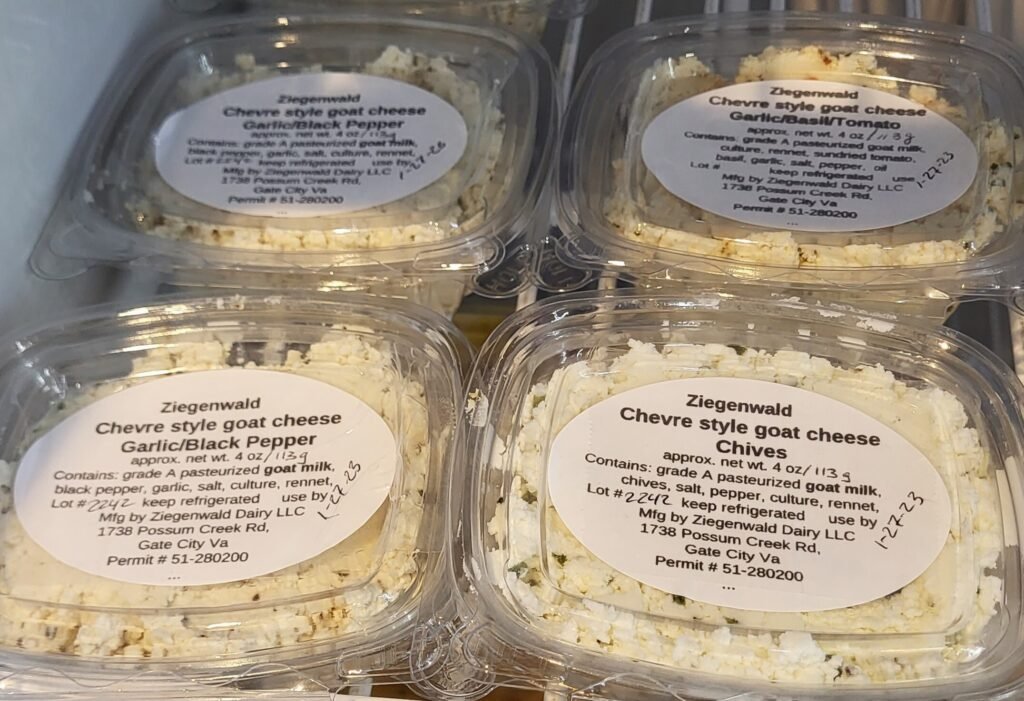
The economics behind a small dairy are less visible than the cheese itself. At Boone Street Market in Jonesborough, Tennessee, a product listing provided for this article prices Ziegenwald Dairy goat cheese at $6, with most varieties sold in 4-ounce portions and feta in a 6-ounce portion. That price puts John Woodworth’s comment about the “4 oz. or 8 oz. container” into practical terms: the container may be small, but the work behind it is not.
Feed, fuel, cultures, rennet, packaging, delivery gas, and market fees all add up. The weather affects the work. Animals get sick. Replacement animals cost more and may be farther away. Chefs move from one restaurant to another. John said that the Woodworths have raised the price of their cheese only once since 2008.
“I don’t think many people realize all that goes into that 4 oz. or 8 oz. container that they buy at the market,” John said. Ziegenwald raises its own milking does, which means feeding animals for almost two years before they begin producing milk for cheese.
That commitment shapes the family’s life as much as the farm’s products. John said they are “tied to the farm” at least twice daily for feeding, milking, and watering. “Vacations together are a thing of the past.”
That may be the clearest way to understand Ziegenwald Dairy. The name means goat woods. The cheese comes from the Woodworths’ own Alpine herd. The work begins before the customer ever sees the container and continues long after the market table is packed away. By the time the chèvre reaches the table — whether spread on bread, folded into a recipe or sampled at market — it carries with it the daily weight of animals, milk, weather, equipment, markets and two people who have built a life around staying close to the source.
Author’s Note: Tasting the Cheese
Why I Waited
Writing this article made me realize the piece still needed one more kind of research: tasting the cheese myself. So I delayed publication, went to Boone Street Market in Jonesborough, and picked up two of Ziegenwald Dairy’s chèvre-style cheeses: garlic and black pepper, and basil and garlic.
Garlic and Black Pepper
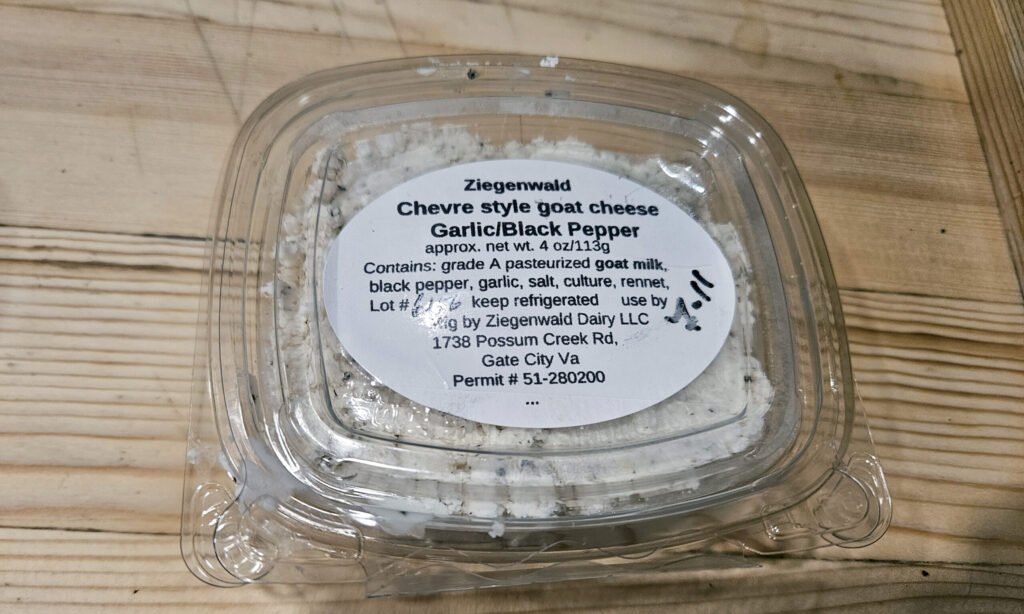
I started with the garlic and black pepper. As soon as I opened the package, the scent was promising. Instead of the sharper aroma I associate with stronger goat cheeses, this had a sweet, clean, cream-like smell.
On a cracker, the texture was flaky and buttery, soft but not loose. The first flavor was cool and creamy, followed by a strong garlic note, a clear tang from the goat cheese, and a light heat from the black pepper.
This one immediately made sense as an ingredient. I could see it with charcuterie, spread on warm bread, folded into potatoes, or used in a dish that wants creaminess but also brightness. It would be refreshing with Sauvignon Blanc or Viognier. And while it may not be the obvious pairing, I was surprised by how well it worked with a good blended Scotch.
Basil and Garlic
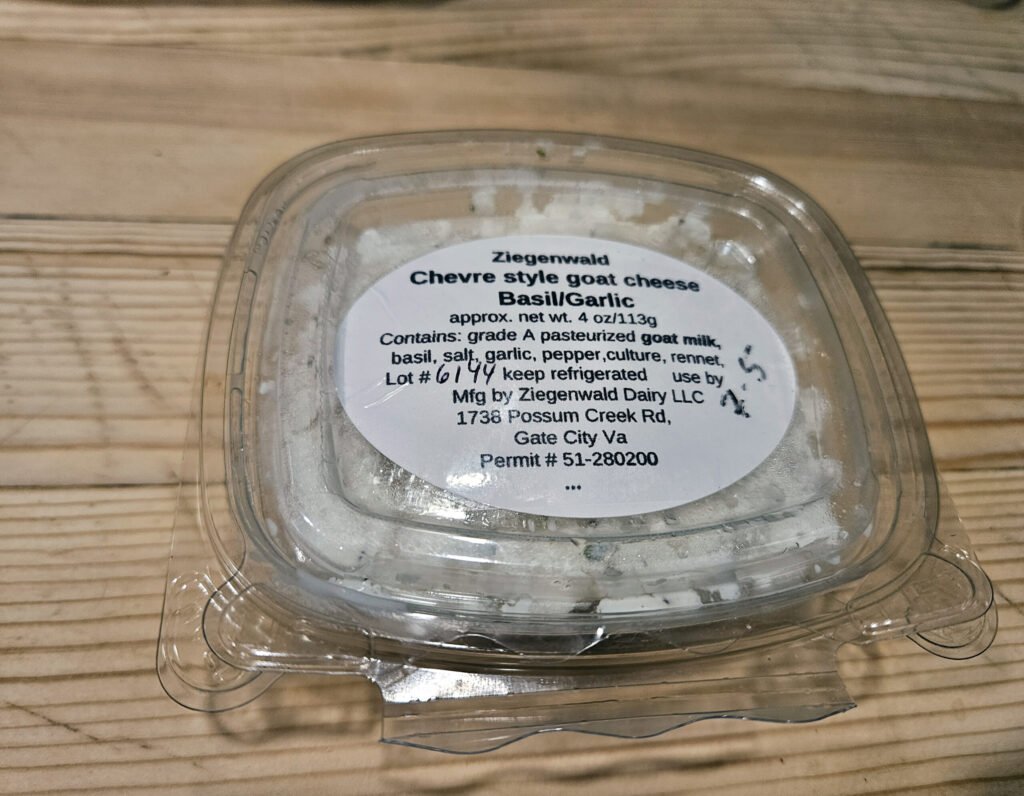
Next was the basil and garlic, and I should admit that I am already partial to basil. Right away, the herb came through in the aroma, mixing with the same creamy scent I noticed in the first cheese. The texture was similar, though a little moister.
The flavor stopped me for a second. The basil was fresh and front and center, followed almost immediately by the familiar tang of the goat cheese. Without the pepper finish, this one ended more gently, with a sweet cream note that lingered.
Something about it reminded me of a flavor I loved when I was younger, though I could not quite place it. The basil’s freshness and the cheese’s lightness made this my favorite of the two.
A Few Pairing Thoughts
For pairings, I would go in a slightly different direction. A dry white wine would work, but this also made me think of white port, or even ruby port for contrast. That surprised me, but the more I tasted it, the more sense it made: the cheese is light and tangy, but the basil gives it enough depth to stand up to something richer.
What Tasting Added
I am glad I waited to publish until I had tasted the cheese. Reporting can explain the work behind a product, but tasting it adds another kind of understanding. In this case, the cheese matched the story behind it: simple ingredients, careful handling, and a lot more complexity than the small container suggests.
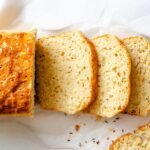
Chèvre Goat Cheese Dill Bread
Equipment
- Measuring Cups and Spoons for accurate dry and liquid measurements.
- 1 Box Grater or Microplane to finely grate the tablespoon of onion.
- 1 Small Saucepan to gently warm the Chèvre on the stovetop.
- 1 Small Bowl for proofing the yeast and warm water.
- 1 Large Mixing Bowl for combining the ingredients andhousing the dough during its first rise.
- 1 Sturdy Wooden Spoon or Electric Mixer a hand mixer or a stand mixer fitted with a paddle attachment works well for the initial beating. (If using a stand mixer, switch to the dough hook for the 6-minute kneading step).
- Cling Wrap to trap moisture and warmth in the bowl during the 1-hour rise. (A damp, clean kitchen towel can also work).
- 1 StandardLoaf Pan (9×5-inch) for baking the loaf.
- 1 Wire Cooling Rack essential for allowing steam to escape from the bottom of the hot pan and loaf so the crust doesn't become soggy as it cools.
Ingredients
- 1 package active dry yeast
- 1/4 cup warm water
- 1 cup soft chèvre goat cheese
- 2 tbsp melted butter
- 1 tsp salt
- 2 tsp dill seeds
- 1 tbsp grated onion
- 1 egg
- 2 1/2 cups flour
- 1/4 tsp baking soda
Instructions
- Pour the lukewarm water into a bowl and add a pinch of sugar.
- Sprinkle the yeast on top and set aside.
- In a saucepan, heat the goat cheese on low till lukewarm.
- In a bowl, combine the cheese, sugar, melted butter, salt, dill seeds, onion, and eggs, then beat everything together till well mixed.
- Add the yeast, flour, and baking soda, then continue mixing.
- Knead the dough for 6 minutes.
- Place in a greased bowl and cover with cling wrap for 1 hour.
- Shape the dough and place it into a large greased pan.
- Cover and allow to rise again for 40 minutes.
- Place the bread in a preheated 350-degree oven for 40-45minutes.
- Cool on a wire rack.
Notes










Leave a Reply