

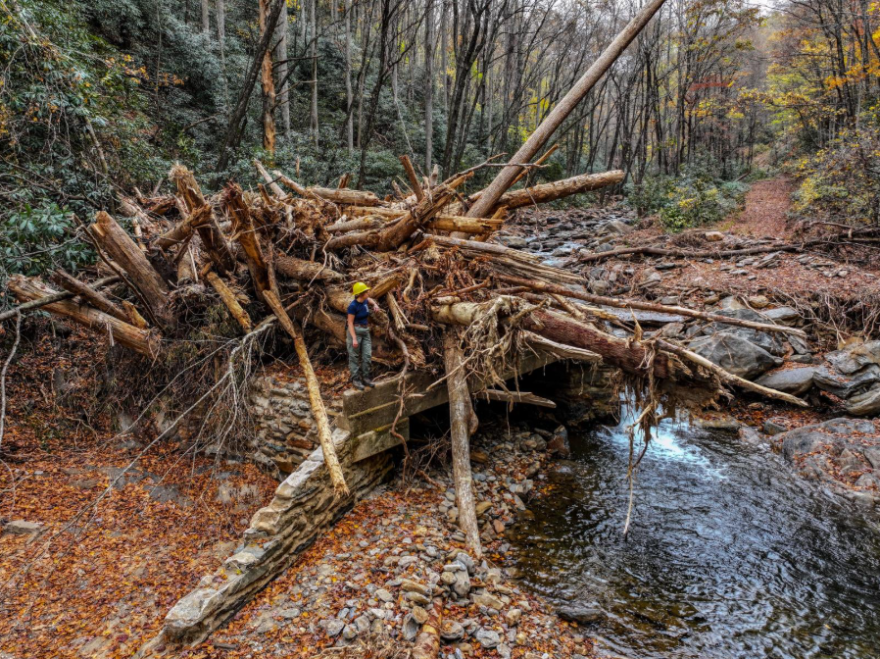
Western North Carolina faces three problems that, at first glance, have little in common: farmland damaged by Hurricane Helene, enormous quantities of fallen timber, and a struggling market for low-grade wood.
State agriculture officials believe a charcoal-like soil amendment could help address all three.
The North Carolina Department of Agriculture and Consumer Services has launched a $12.8 million biochar program designed to help farmers improve their soil while creating new uses for wood and other organic materials.
Over the next three years, the program is expected to reach at least 400 farmers and treat 6,500 acres statewide. The department has designated about $10.9 million for direct farmer incentive payments.
How Storm Damage and a Mill Closure Shaped the Program
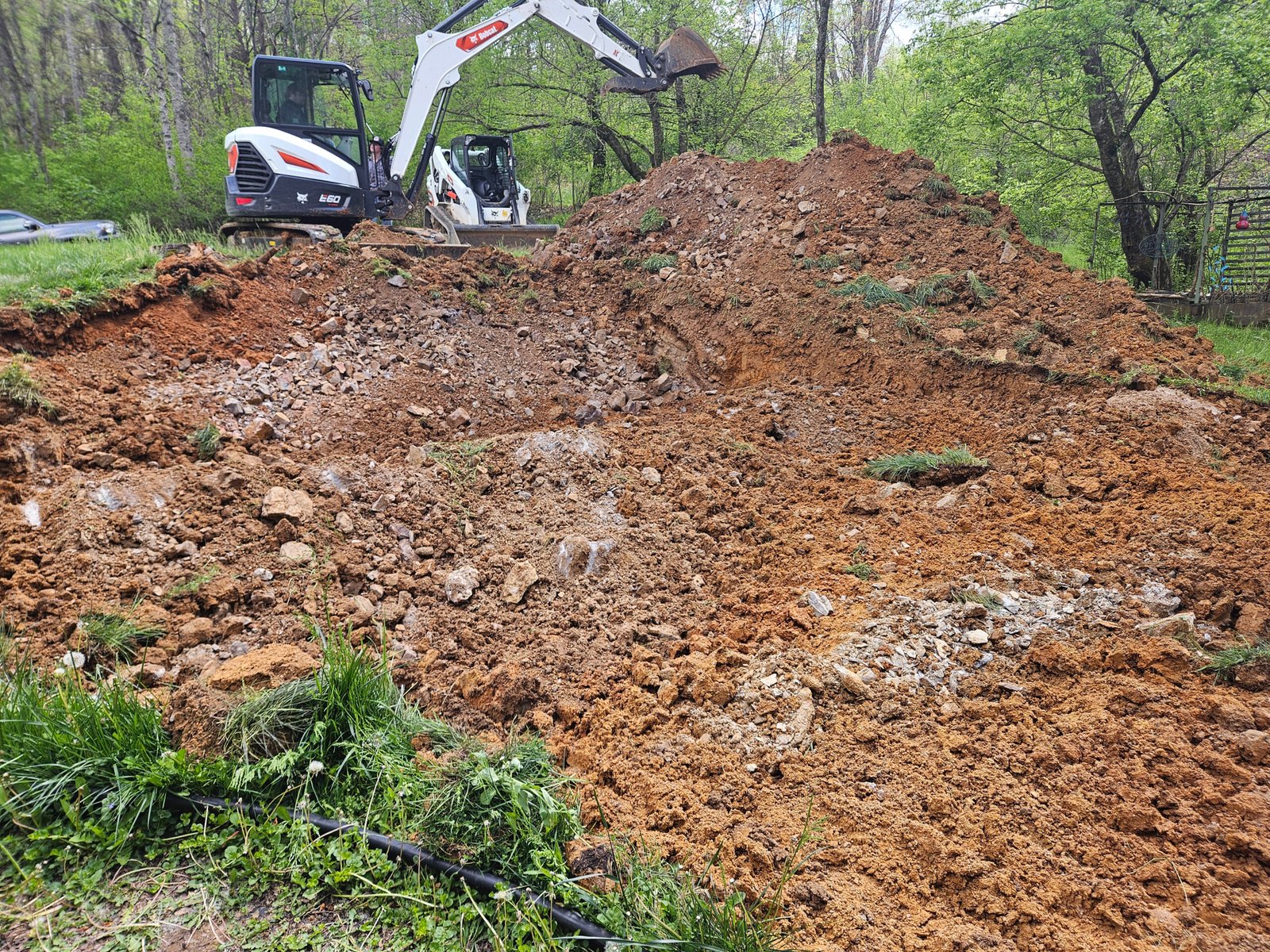
Hurricane Helene’s flooding left some mountain farms with badly damaged fields. In places, floodwaters stripped away topsoil. Elsewhere, they left deposits of mud and debris that farmers had to contend with before planting again.
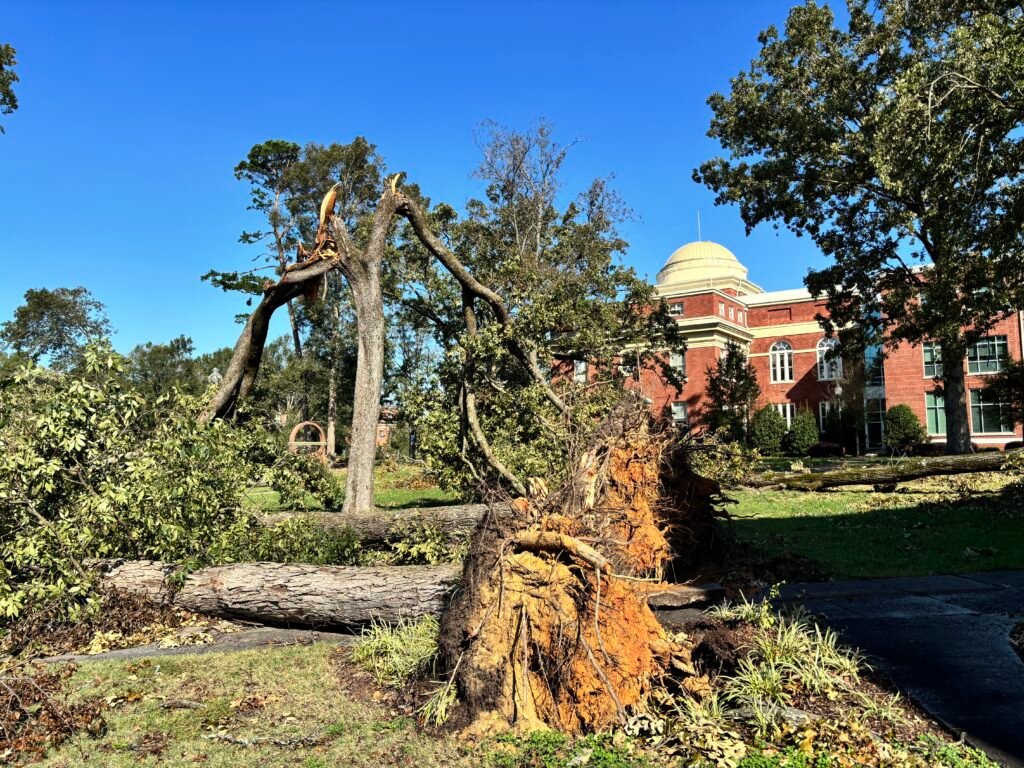
The storm also left enormous amounts of fallen trees and woody debris across Western North Carolina.
Meanwhile, the Canton mill’s closure had eliminated an important buyer of pulpwood, the smaller or lower-value timber often removed during forest management.
Without a dependable market for that wood, thinning forests can cost landowners more.
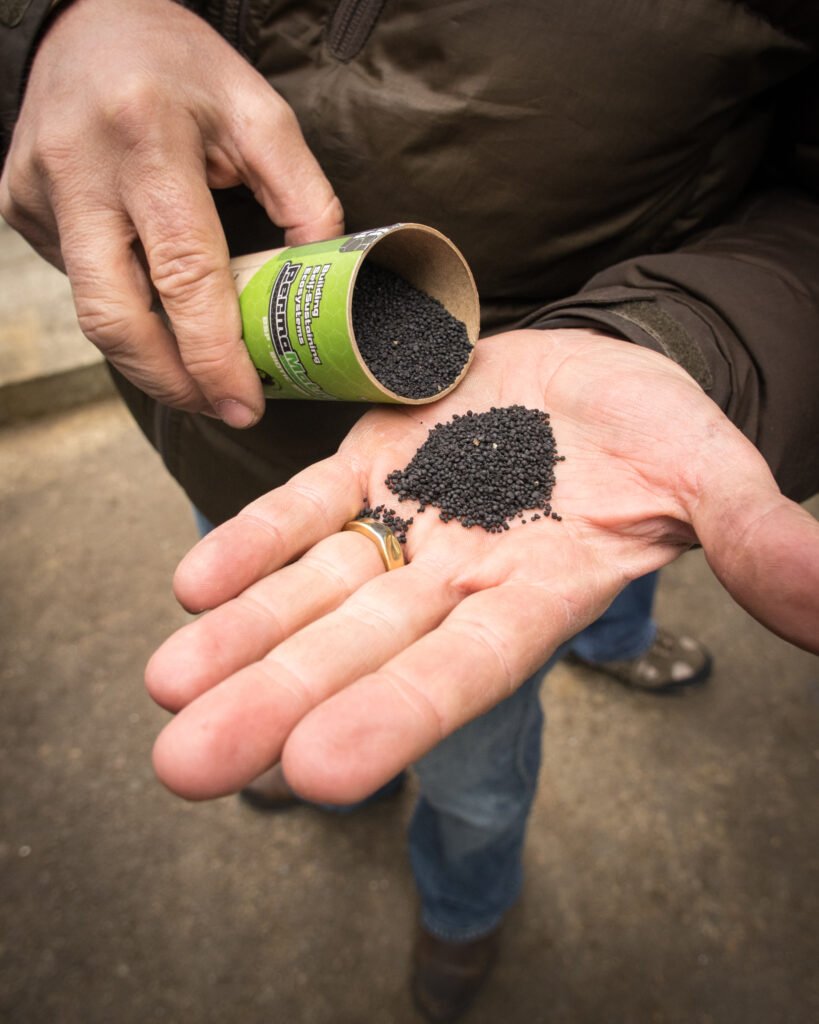
Biochar could create another use for some of the material.
Dalton Buchanan, a soil scientist with the state’s Division of Soil and Water Conservation, explained the process in a September article published by the Department of Agriculture.
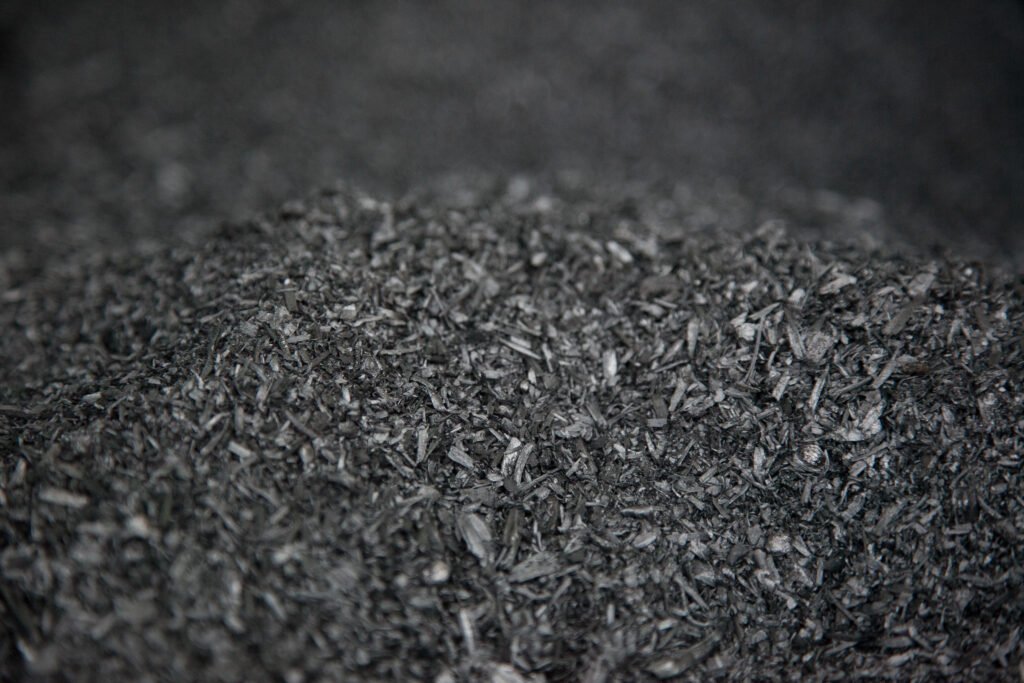
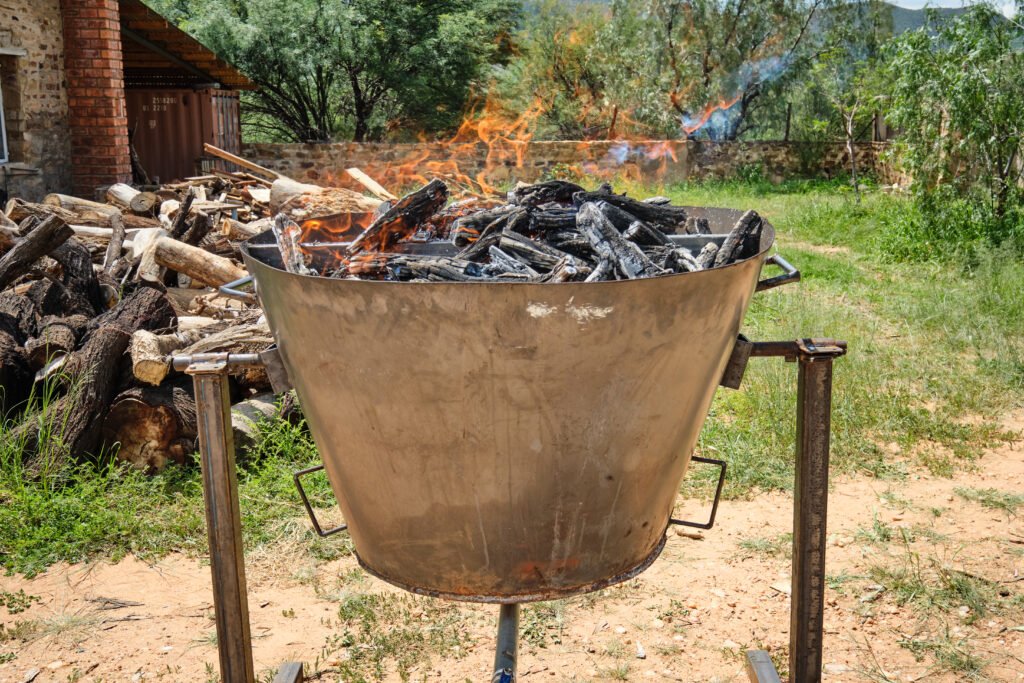
Organic material such as wood is heated in an environment with very little oxygen. The process, called pyrolysis, produces a carbon-rich material that resembles charcoal.
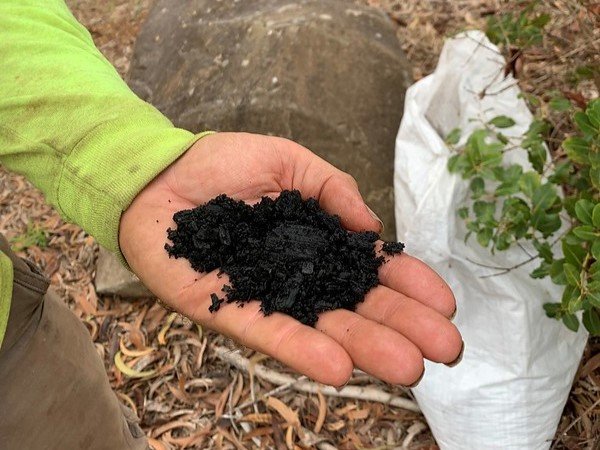
Unlike ordinary wood ash, biochar retains a porous structure and relatively stable carbon.
Farmers can incorporate it into agricultural soil, where its properties may help retain water and nutrients.
What Biochar Can Do for Soil
Biochar is not a conventional fertilizer. Its value largely depends on how it changes soil’s physical and chemical properties.
The material’s porous structure can help certain soils retain moisture. It can also provide surfaces that hold nutrients and support soil microorganisms.
Those properties make it worth investigating in mountain farming areas where heavy rainfall, erosion, and variable soil conditions can complicate production.
Joshua Vetter, chief of the department’s Soil and Water Conservation Division Environmental Services Section, described the intended benefits in the September announcement.
“You’re talking soil health,” Vetter said.
He explained that improving nutrient retention and water infiltration may help reduce runoff while supporting agricultural production.
The benefits are not automatic. Biochar made from different raw materials can have different properties, and results depend on the existing soil, application rate, and crop.
Farmers should therefore consider soil testing and technical guidance before deciding whether biochar suits their fields.
The program helps establish that guidance.
Building on Earlier Research
USDA’s Natural Resources Conservation Service previously conducted a $300,000 pilot effort examining biochar applications on farms affected by Helene.
The new program expands that work considerably.
Its $12.8 million grant comes through the National Association of Conservation Districts, with funding originating from NRCS.
The Department of Agriculture plans to develop North Carolina-specific best management practices for biochar and train conservation district personnel to help farmers use the material appropriately.
That work is important because biochar remains unfamiliar to many agricultural producers.
When you use biochar, examine the source material, how it was produced, and the soil conditions where you apply it.
The state will also require biochar suppliers to meet testing standards to prevent contaminated material from being applied to farmland.

How Farmers Can Participate
According to the Agriculture Department, farmers will work through their local Soil and Water Conservation District to determine whether biochar is an appropriate conservation practice.
After an application receives approval, the farmer can purchase qualified biochar and arrange for its application.
The program then reimburses the producer according to the approved payment arrangement.
That means farmers should not assume they can purchase biochar independently and receive reimbursement afterward. Approval and eligibility requirements matter.
The department is working to make biochar a recognized statewide conservation cost-share practice beyond the initial three-year grant period.
The longer-term goal is to make the program available through the same local conservation network farmers already use for other soil and water management practices.

Could Biochar Create a New Wood Market?
The program may also affect the region’s forestry industry.
The closure of the Canton paper mill affected demand for pulpwood in Western North Carolina. Helene subsequently added enormous quantities of downed timber and damaged woody material.
Biochar production could provide an alternative outlet for some of that material.
The department does not intend to limit the program to wood collected after Helene. Future supplies could come from forestry operations, agricultural residues, and other qualified organic materials.
That flexibility could help sustain demand once we have cleared storm-related debris.
However, creating a viable market will depend on processing costs, transportation, supply reliability, and the price farmers are willing to pay after incentives are considered.
Those economics have not yet been established across the region.
What Happens Next
North Carolina’s biochar initiative is unusual because it brings agricultural conservation, forestry economics, and disaster recovery into the same program.
Its stated goals are ambitious, but the results will depend on how well the material performs under different farm conditions and whether farmers find the practice economically useful.
For growers in Western North Carolina, the immediate opportunity is access to technical guidance and financial assistance for testing a soil amendment that could become part of their long-term conservation plans.
The program may also help determine whether material left behind by one of the region’s most destructive storms can become a useful agricultural resource.
Farmers interested in participating should contact their county Soil and Water Conservation District for information about eligibility, approved materials, and the application process.
Front Page













Leave a Reply