Home / Science & Tech / How to Spot and Stop Invasive Pests in the Highlands

How to Spot and Stop Invasive Pests in the Highlands

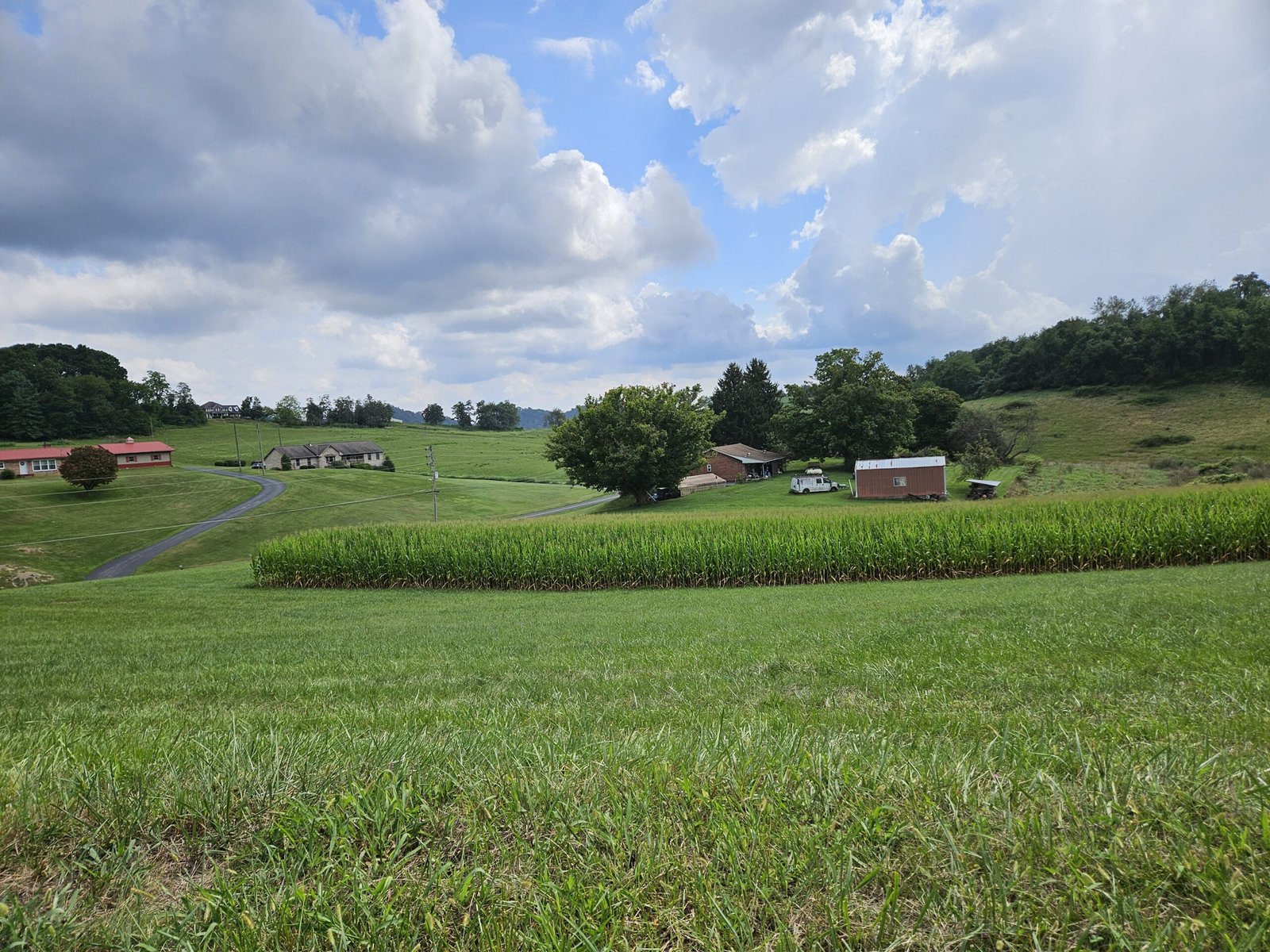
Beautiful Farm Scene

The Appalachian Highlands have some of the nation’s richest biodiversity and most productive agricultural landscapes. However, a quiet siege constantly threatens our timber stands, orchards, and pastures. Consequently, National Invasive Species Awareness Week (NISAW) works as a key annual reminder: farmers must keep vigilant to defend against non-native ecological threats.

National Invasive Species Awareness Week NAISMA

The Origins of the Fight Against Invasive Species: NISAW

Launched in 2010, NISAW began when agricultural companies, the Weed Science Society of America, and the Entomological Society of America recognized a dangerous disconnect between scientific studies and public policy. Today, the North American Invasive Species Management Association (NAISMA) leads the charge.

Their goal is simple: bridge that gap and protect our economy and ecology. Furthermore, throughout the week, federal agencies and local chapters host congressional briefings, distribute prevention procedures and protocols, and organize hands-on community action, such as weed pulls and biological field surveys. For Appalachian farmers, this week signals the time to engage in community-wide agricultural defense.


The Invaders at Our Gates

Our regional biodiversity makes the Highlands highly vulnerable to aggressive non-native species. These pests often arrive through global trade. They hitch rides on wooden shipping pallets or on imported nursery stock before spreading rapidly along travel corridors.

Specifically, these main threats target our local ecosystem:
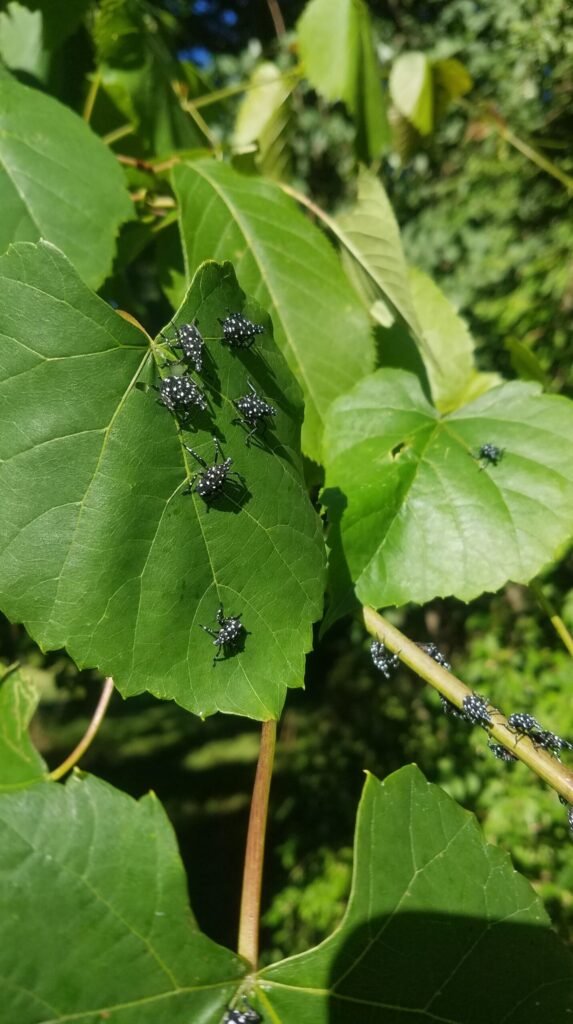
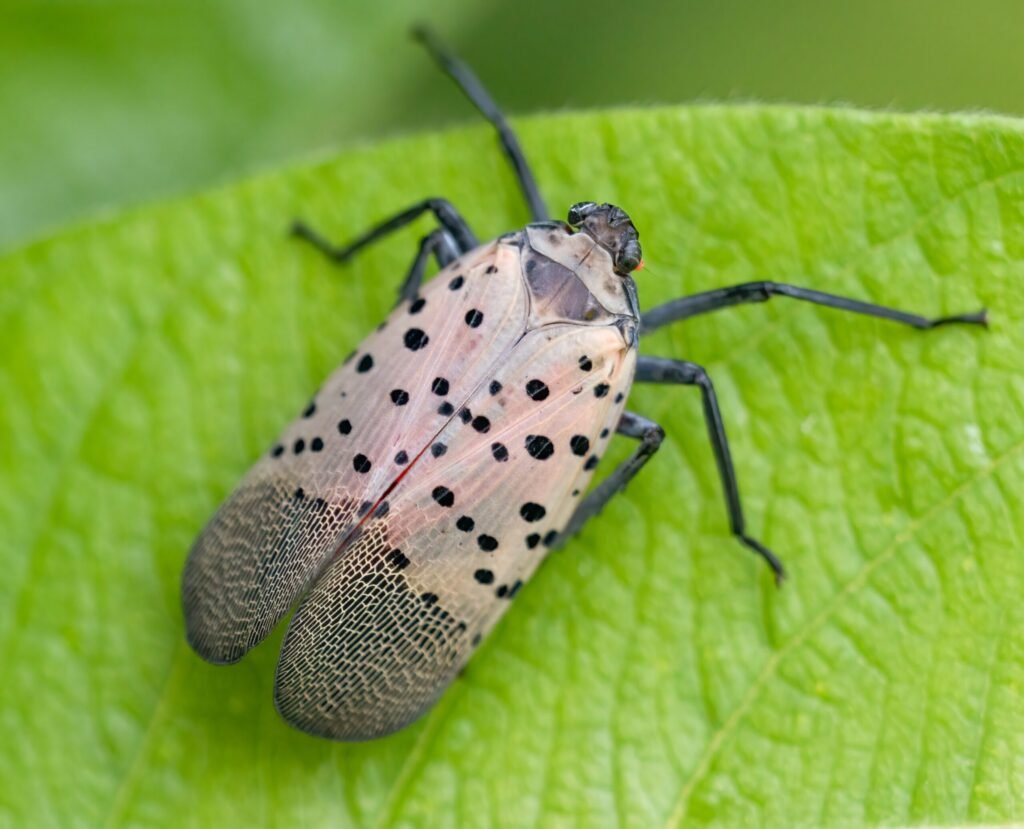
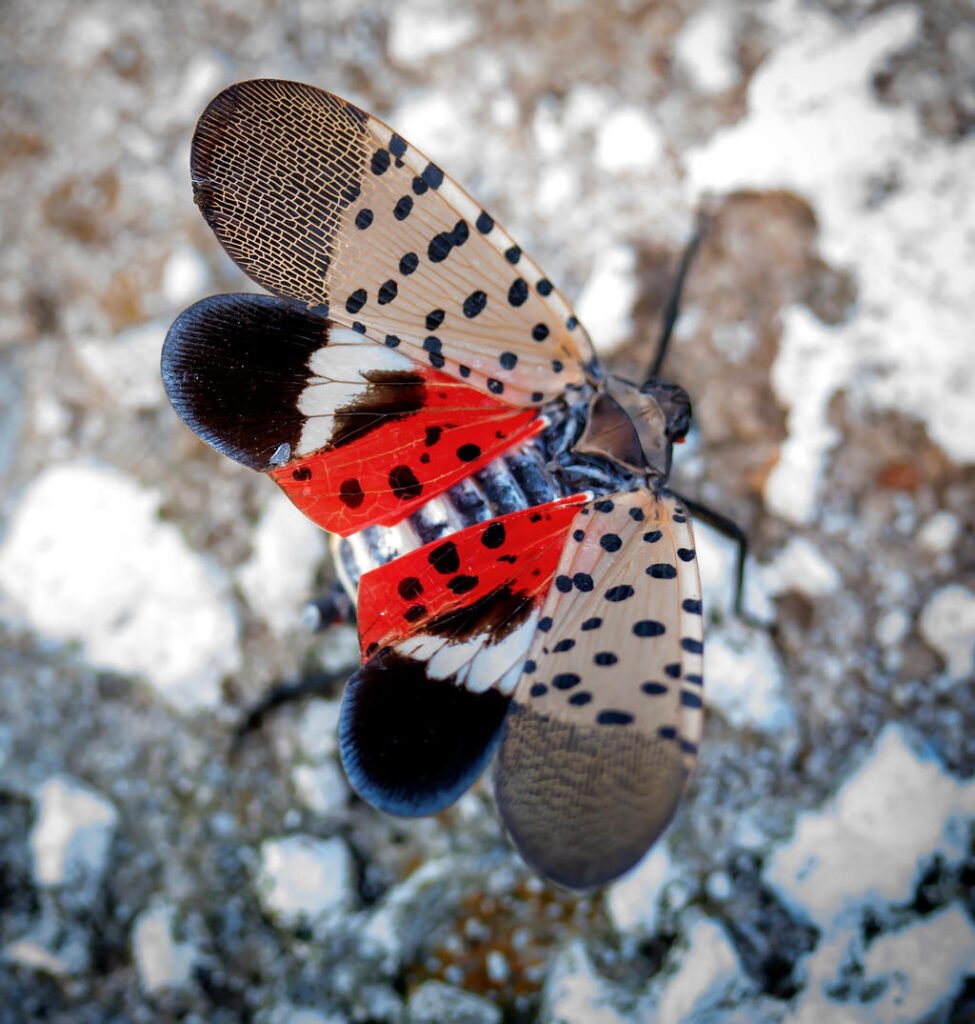
Spotted Lanternfly:
  • This rapidly spreading leafhopper poses a direct threat to local agriculture. It actively feeds on the sap of important crops, fruit trees, and grapevines.

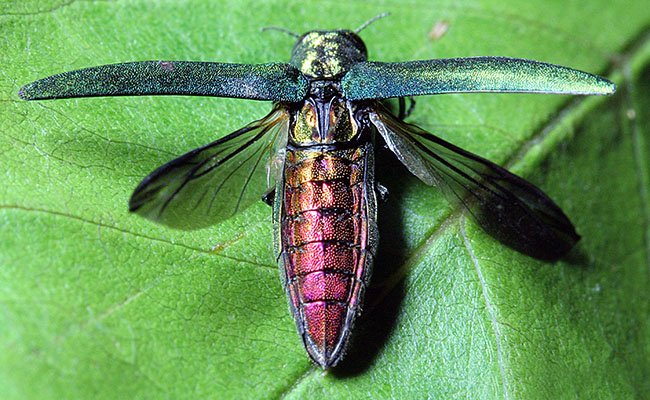
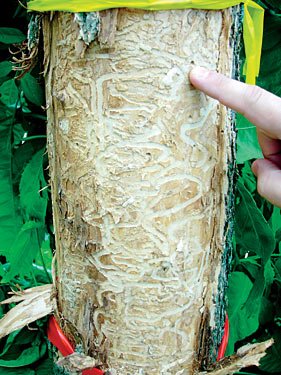
Emerald Ash Borer (EAB):

  • This metallic green beetle specifically targets ash trees. The EAB kills infected trees within two years, destroys valuable farm timber, and alters shaded stream habitats necessary for local water quality.

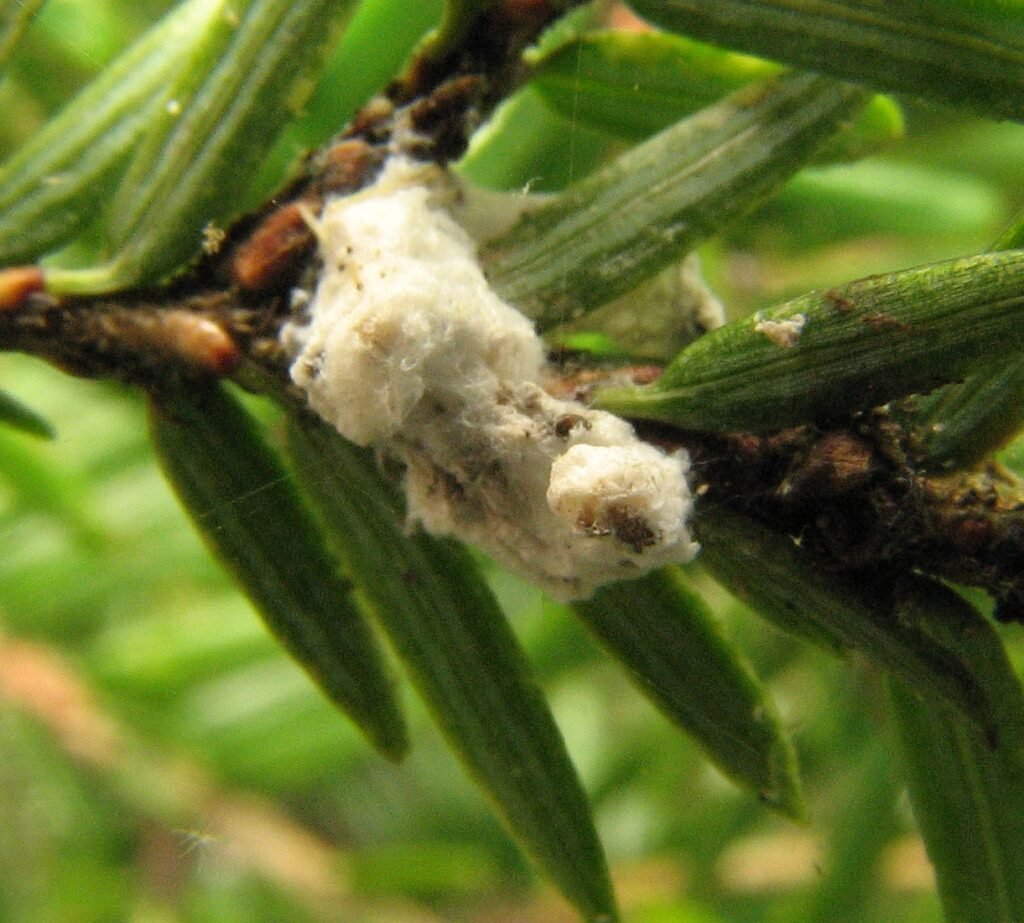
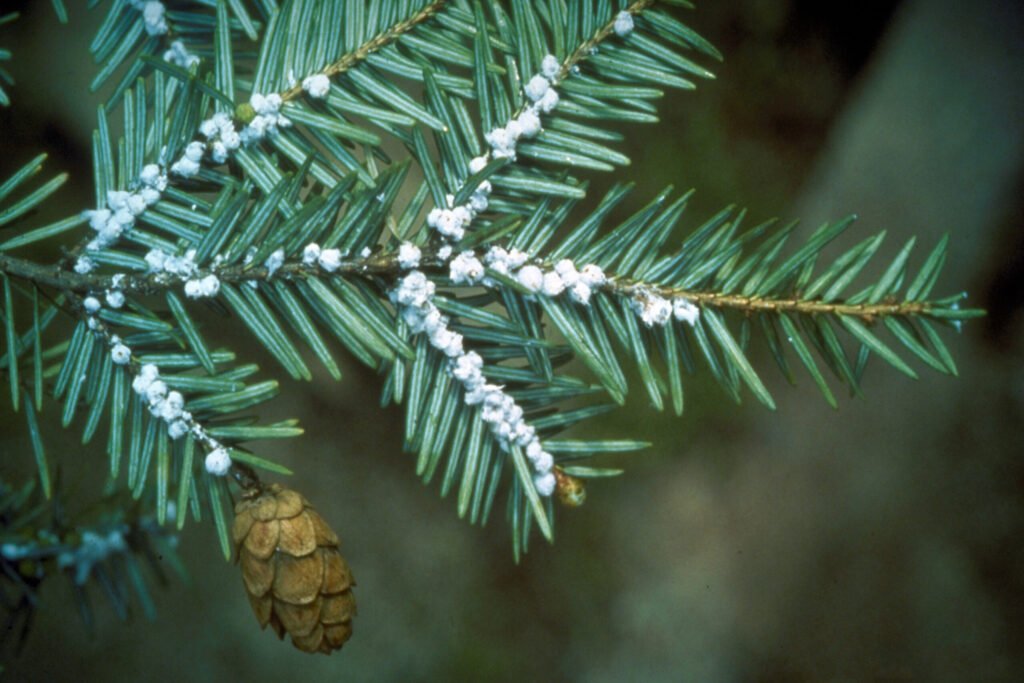
Hemlock Woolly Adelgid (HWA):

  • This tiny, aphid-like insect feeds on the sap of Eastern hemlocks. It slowly suffocates the trees over several years and devastates our forest canopies.

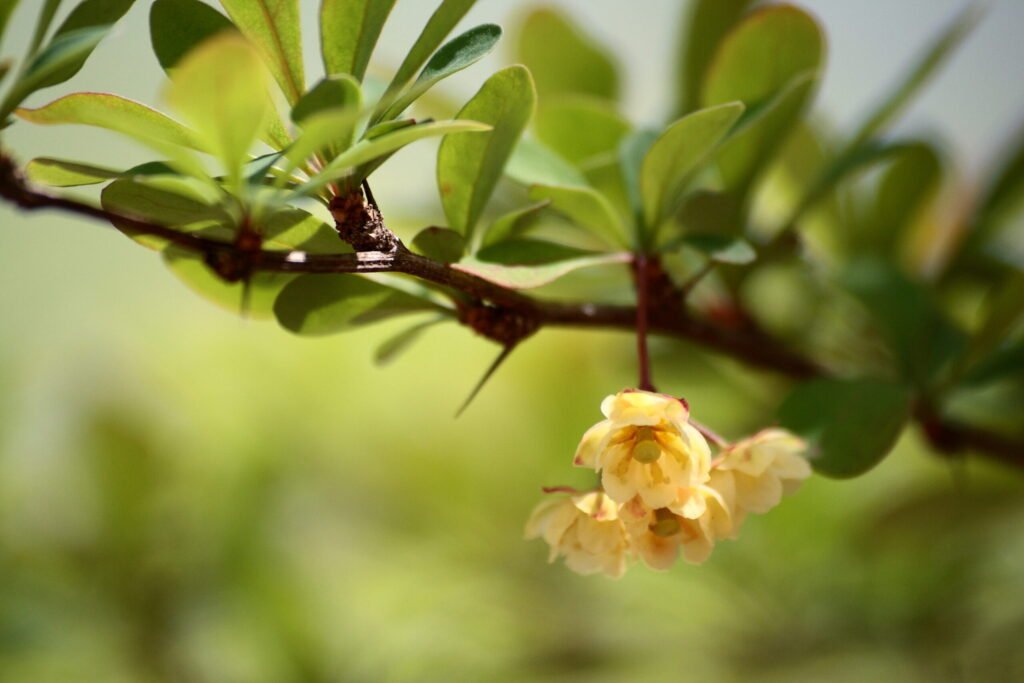
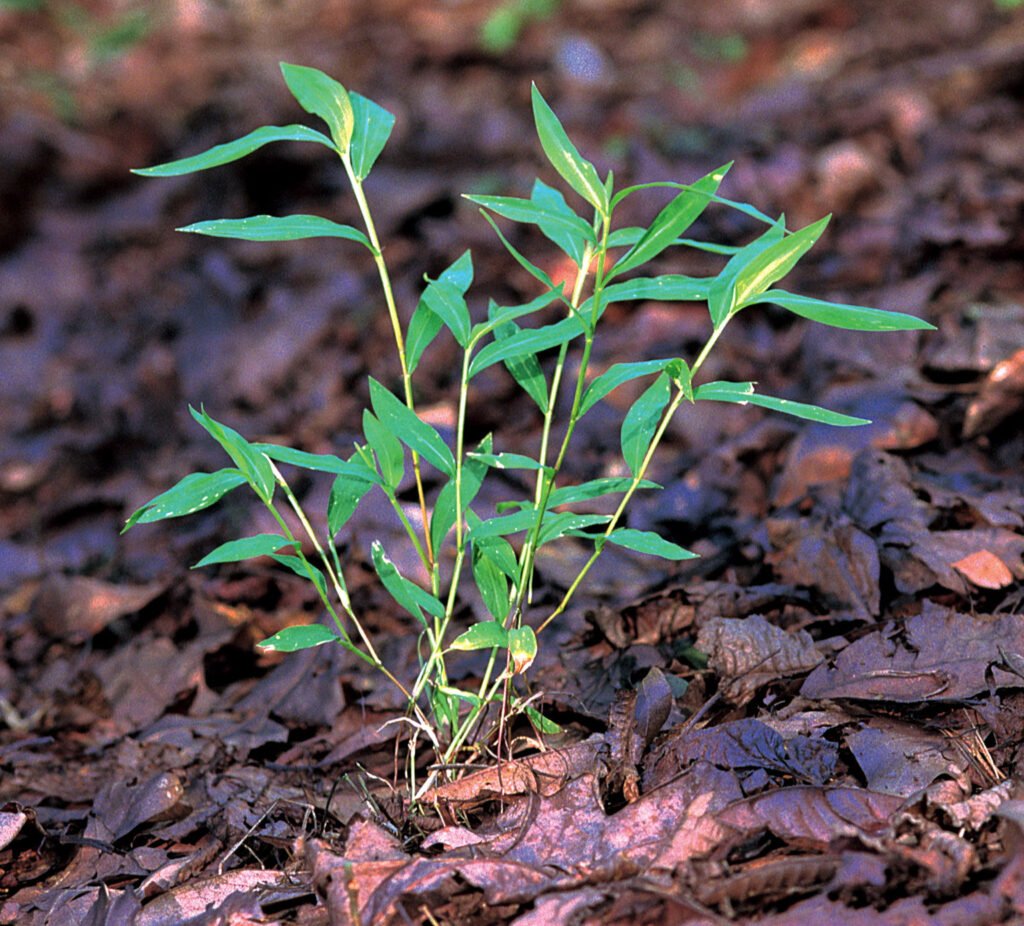
Japanese Stiltgrass & Japanese Barberry:
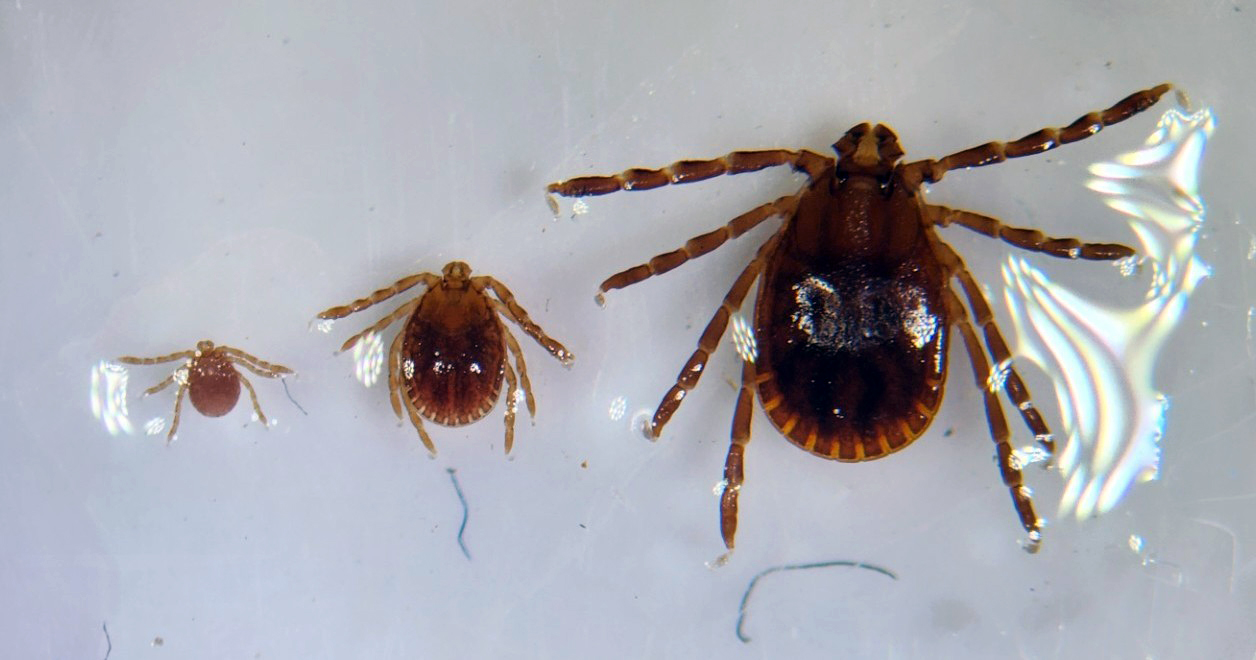
  • Landscapers originally introduced these plants as ornamentals, or they arrived as accidental hitchhikers. Now, they adjust and flourish in forest thickets and pasture edges. Stiltgrass chokes out native saplings. Meanwhile, Barberry creates a humid microclimate that supports deer ticks, increasing the risk of Lyme disease for farmworkers and livestock.

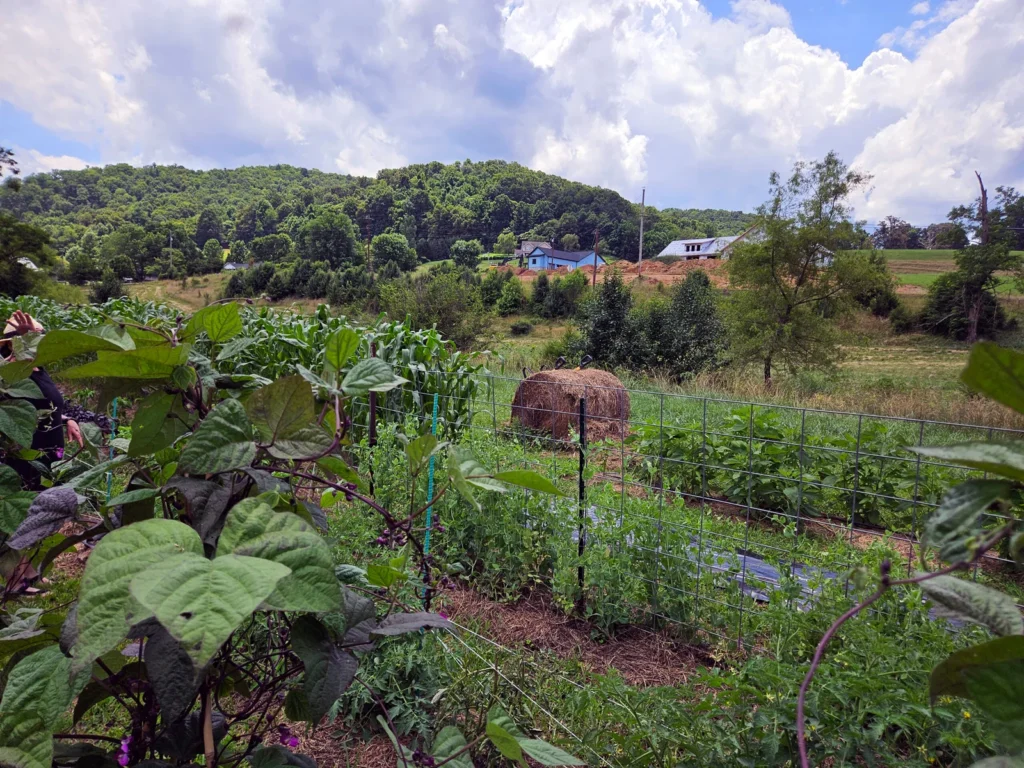
Spade and Spoon Farm

Invasive Species Mitigation: Protecting Your Land

Farmers and landowners stand on the front lines of this ecological battle. Therefore, you must employ proactive measures to reduce the spread:
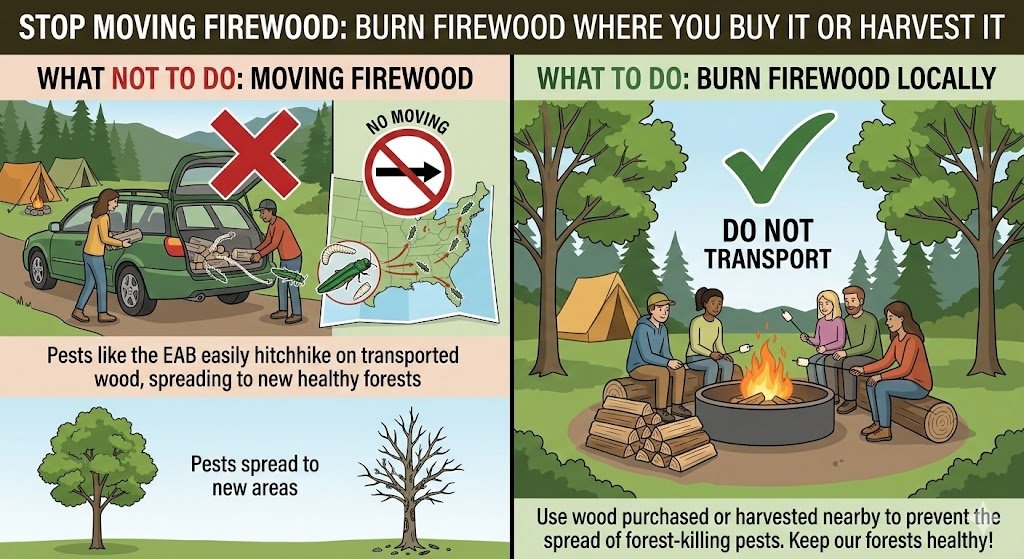
Stop Moving Firewood

Stop Moving Firewood:

  • Burn firewood where you buy it or harvest it. Destructive pests like the EAB primarily breach new territories when people transport timber.
Clean and sanitize

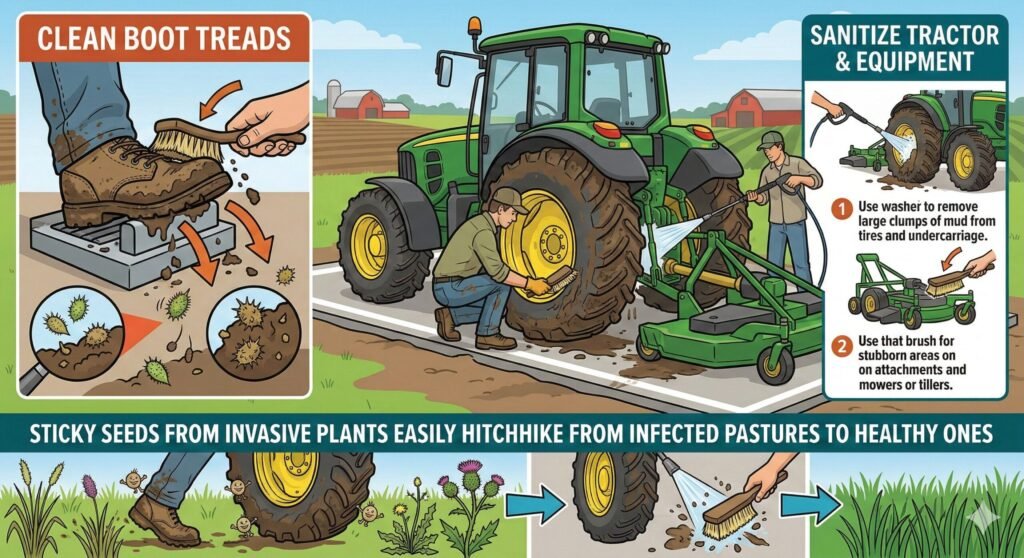
Sanitize Equipment:

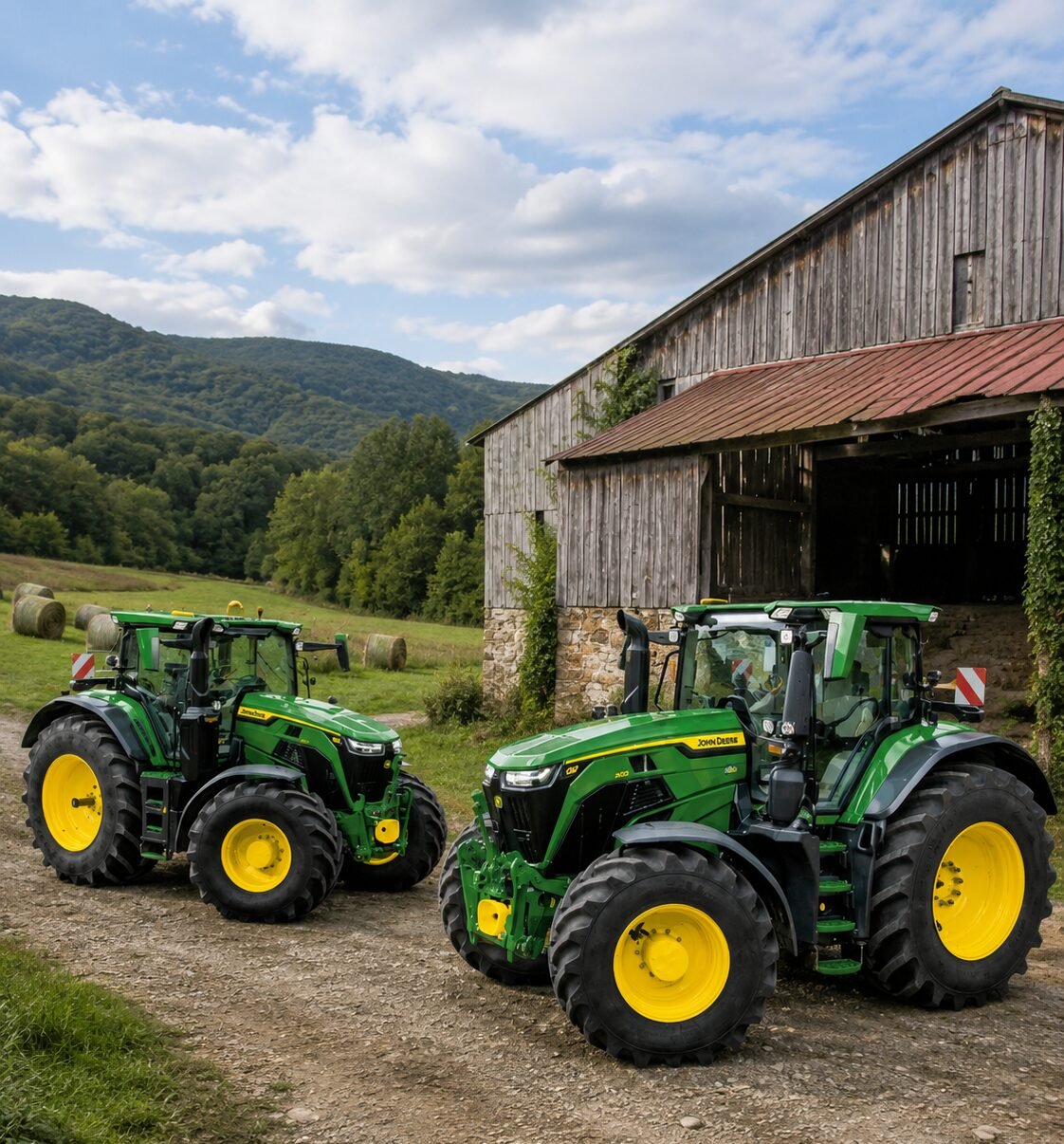
  • Aggressively clean tractor tires, boot treads, and farm equipment. Sticky seeds from invasive plants easily hitchhike from infected pastures to healthy ones.
Native planting

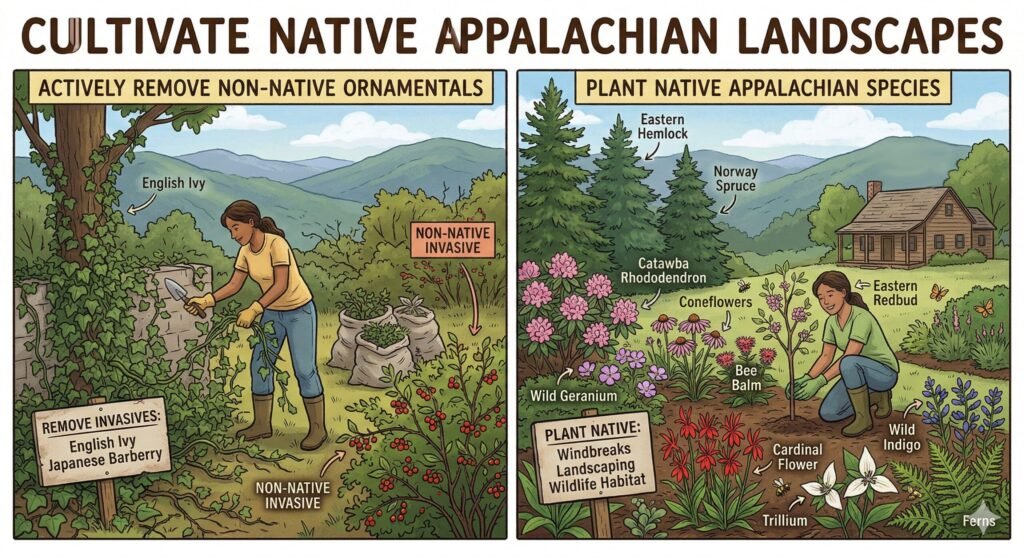
Cultivate Native Landscapes:

  • Plant native Appalachian species for windbreaks and landscaping. Furthermore, actively remove non-native ornamentals such as English Ivy or Japanese Barberry from your property.
Report

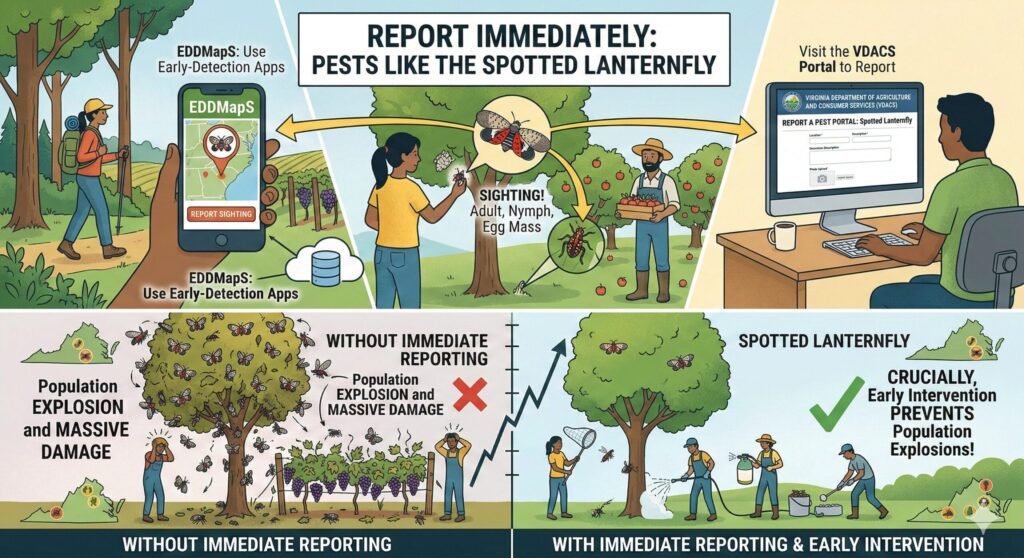
Report Immediately:

  • Use early-detection apps (such as EDDMapS) or the Virginia Department of Agriculture and Consumer Services portal to report pests like the Spotted Lanternfly. Crucially, early intervention prevents population explosions.

You do not have to fight this battle alone. Across the Appalachian Highlands—from Asheville, North Carolina, to Wytheville, Virginia, and stretching into West Virginia and southern Kentucky—dedicated organizations actively assist farmers with conservation and native plant restoration:

State Cooperative Extensions (Master Gardeners):

  • Land-grant universities across the multi-state region operate local extension offices. They provide farmers with vital, research-based training on sustainable landscaping, pest identification, and invasive species management.

Regional Master Naturalists:

  • Volunteer chapters throughout the Highlands commit themselves to environmental stewardship. They conduct critical biological surveys and manage invasive species in direct partnership with regional parks.

The Nature Conservancy (Appalachian Programs):

  • Operating multiple offices across the mountain region, this organization leads massive land-conservation and sustainable-forestry efforts. They actively protect the vital biodiversity corridors that sustain our regional agriculture.

Blue Ridge Discovery Center:

  • Serving the broader mountain ecology, this non-profit focuses heavily on immersive outdoor education. They actively document the remarkable biodiversity spanning the Blue Ridge Mountains.

Wild Ones Appalachian Highlands Chapter:

  • This group vigorously promotes native plantings across our region. They co-host the “Annual Randy Smith Seed Swap and Native Gardening Talk” tomorrow, Saturday, February 28, 2026, from 1:00 p.m. to 4:00 p.m. at the Southwest Virginia Higher Education Center in Abingdon. This event gives regional attendees an immediate opportunity to network and source native seeds for their farms.

Ultimately, when Appalachian farmers understand the threats and utilize local resources, they actively preserve the health, profitability, and natural heritage of our land.
author avatar
Hiram Jensen
Iowa State Agronomy graduate Hiram Jensen pivoted from farming to journalism to address the industry's information gap. He now equips farmers with data-driven insights on markets, climate, and policy to help them thrive in a complex landscape.
Tagged:

Leave a Reply

Your email address will not be published. Required fields are marked *

NCAT Appropriate Technology Transfer for Rural Areas

- attra.ncat.org

ATTRA, or Appropriate Technology Transfer for Rural Areas, is a trusted source of sustainable agriculture information and maintains a knowledge base of practical multimedia resources for farmers, ranchers, and educators. [...]

Publication Library – ATTRA – Sustainable Agriculture
- attra.ncat.org

ATTRA, or Appropriate Technology Transfer for Rural Areas, is a trusted source of sustainable agriculture information and maintains a knowledge base of practical multimedia resources for farmers, ranchers, and educators. [...]

Publication Library – ATTRA – Sustainable Agriculture
- attra.ncat.org

ATTRA, or Appropriate Technology Transfer for Rural Areas, is a trusted source of sustainable agriculture information and maintains a knowledge base of practical multimedia resources for farmers, ranchers, and educators. [...]

Publication Library – ATTRA – Sustainable Agriculture
- attra.ncat.org

ATTRA, or Appropriate Technology Transfer for Rural Areas, is a trusted source of sustainable agriculture information and maintains a knowledge base of practical multimedia resources for farmers, ranchers, and educators. [...]

Publication Library – ATTRA – Sustainable Agriculture
- attra.ncat.org

ATTRA, or Appropriate Technology Transfer for Rural Areas, is a trusted source of sustainable agriculture information and maintains a knowledge base of practical multimedia resources for farmers, ranchers, and educators. [...]

Publication Library – ATTRA – Sustainable Agriculture