

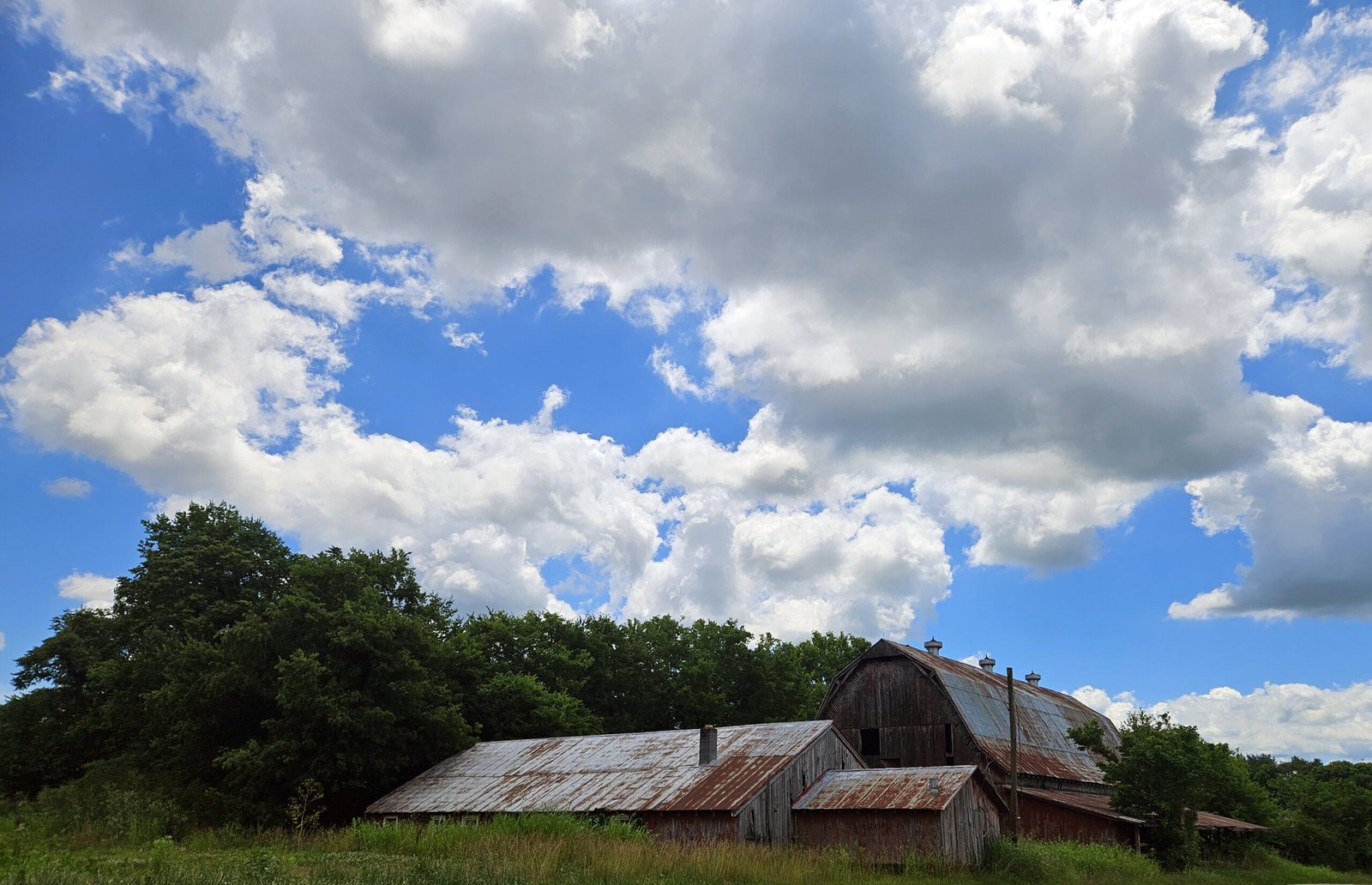
It is easy to forget how much happens before food reaches a grocery shelf.
By the time we see the final product — a package of beef, a jug of milk, a loaf of bread, a wedge of cheese, a bag of turnips — most of the work has already disappeared from view. Soil had to be managed. Animals had to be raised. Water had to be moved. Infrastructure had to exist. Someone had to process, package, transport, bake, bottle, sell, explain, and stand behind the food.
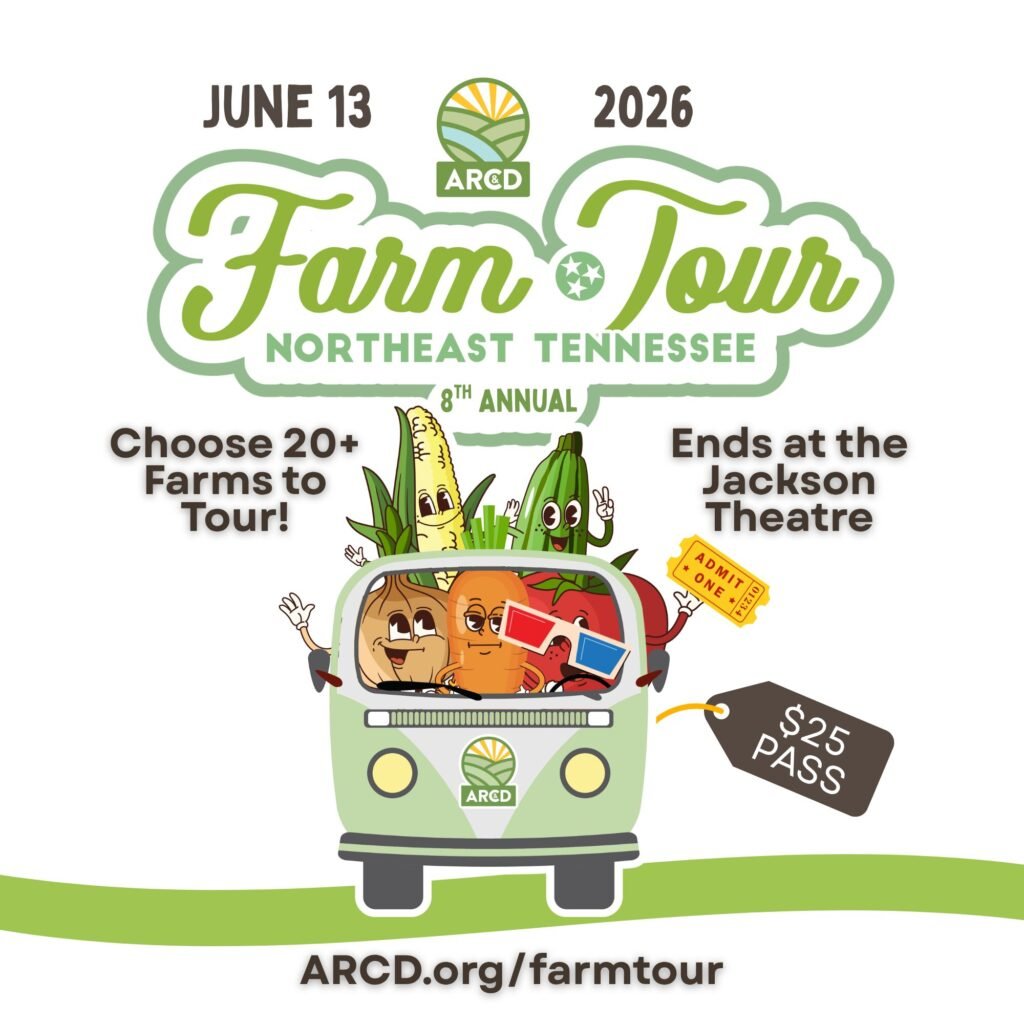
On a hot Saturday in June, the Appalachian RC&D Council’s 7th Annual Northeast Tennessee Farm Tour offered a way to see more of that chain at once.
Established in 1994, the Appalachian Resource Conservation & Development Council is a 501(c)(3) nonprofit serving Northeast Tennessee and beyond. Its mission is to conserve natural resources and improve rural economies through community leadership and educational opportunities. The organization also provides training to farmers and gardeners, supports farmers markets, works to increase local food access, and helps strengthen the local food system by connecting producers, buyers, distributors, restaurants, and consumers.
The Farm Tour puts that mission on the road. The June 13, 2026, event was self-guided, with more than 20 farms open from 1 to 5 p.m. The Appalachian RC&D Council described the tour as a chance to visit farms, see animals, purchase local products, and learn how food, fiber, flowers, and more are grown and raised. Northeast Tennessee Tourism described the event as spanning Washington and Greene counties and featuring more than 20 farms and agricultural hubs.
We used the day to follow four connected pieces of the regional food chain: the pasture, the processor, the dairy, and the public market.
Butterfield Farm showed the soil-and-livestock work that happens before food ever leaves the farm. Appalachian Producers Cooperative demonstrated the processing infrastructure farmers need for local meat to stay local. Horse Creek Farm and Little Lou’s Creamery showed how an old dairy farm can adapt by adding value through production. Jonesborough Farmers Market showed where local food becomes personal, through face-to-face exchange between producers and customers.
Together, the stops offered a practical look at what it takes to keep a local food system alive.
Link 1: The Foundation — Butterfield Farm
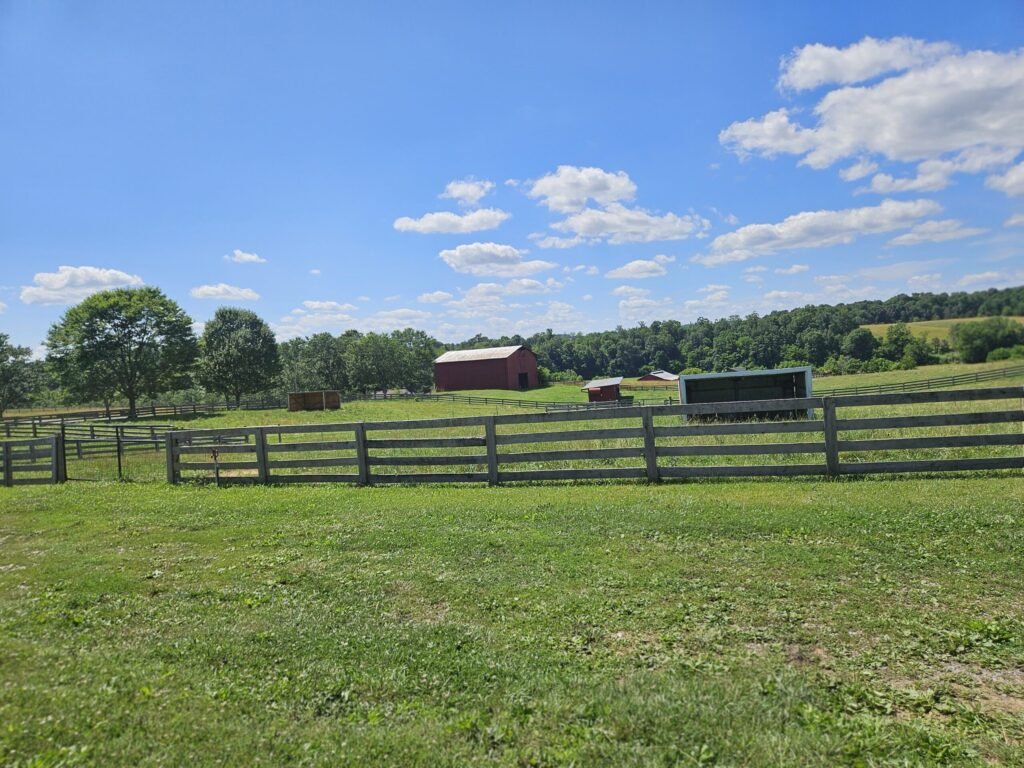
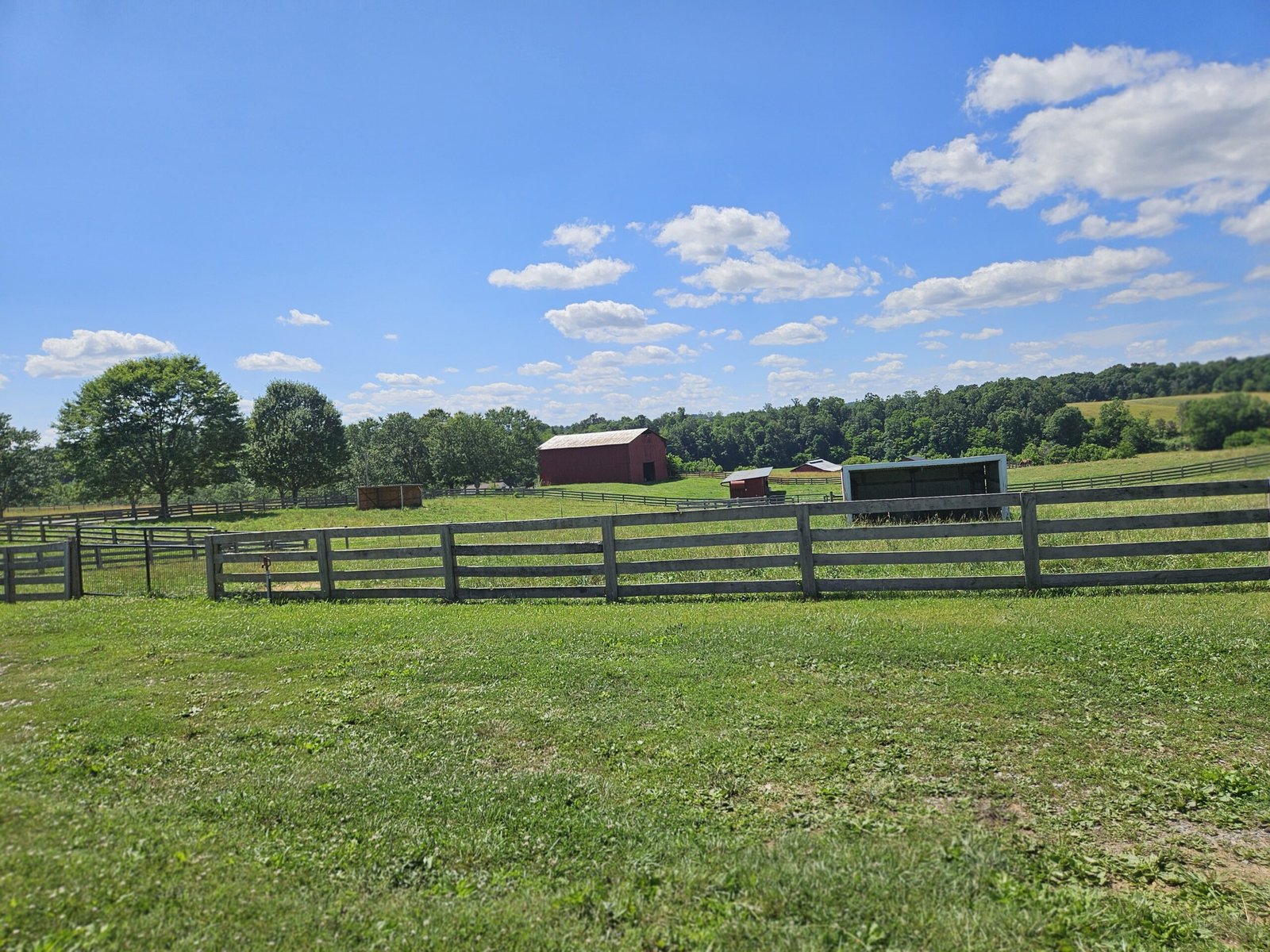
At Butterfield Farm in Telford, Abby and Bill Terhune are building a farm around rotational grazing, pasture-raised livestock, water management, and soil recovery. The farm covers 117 acres, and Abby Terhune talks about it as a system: cattle, pigs, goats, guinea hens, water, shade, manure, parasites, forage, family labor, and time.
A local food chain does not begin in a freezer case or a restaurant kitchen. It begins in the paddock.
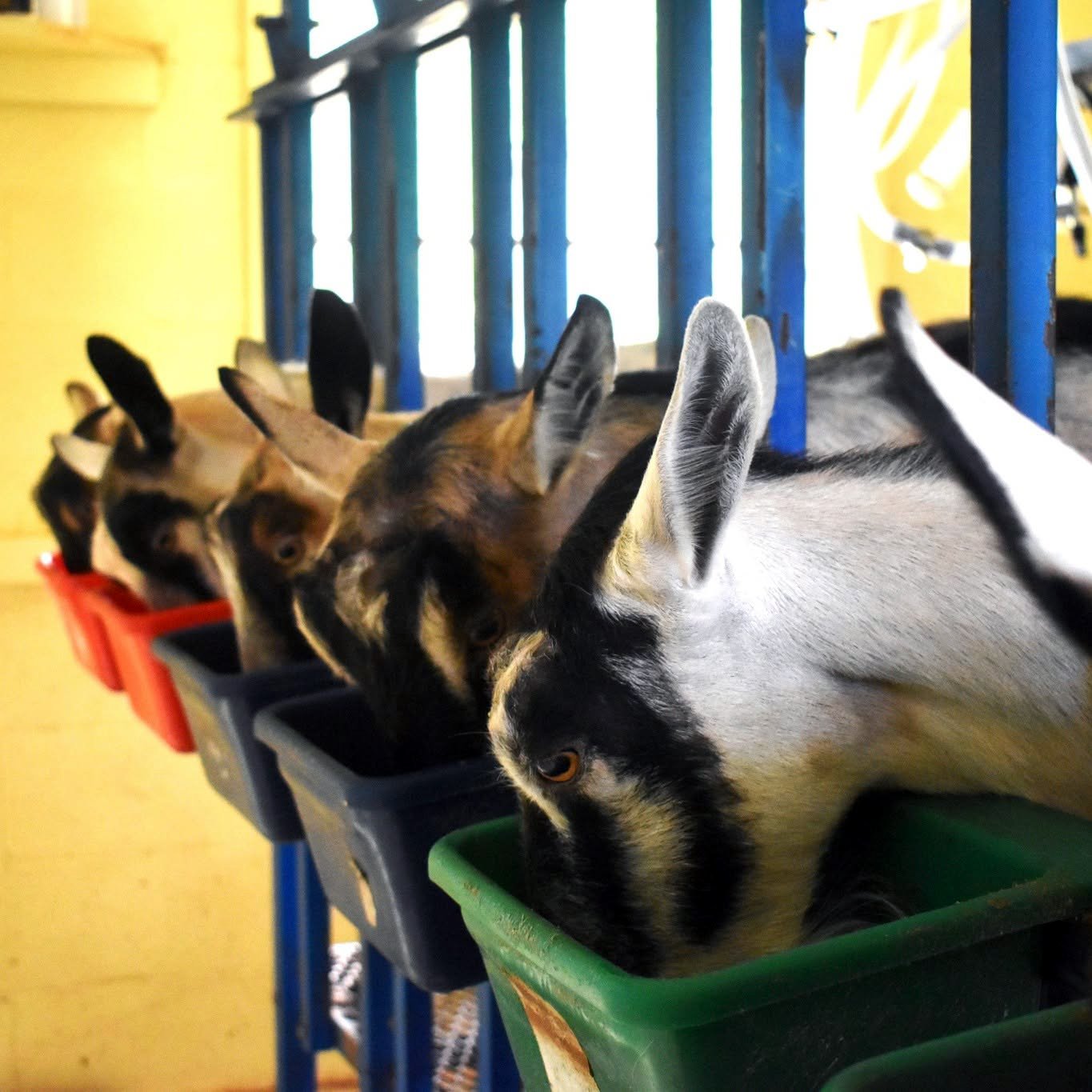
On our tour, that system was visible everywhere. Goats browsed leaves from a branch Abby held down at the fence. Pigs cooled off in tall grass, under a shade, and in a mud wallow before she called them in for water from a hose. Jerseys rested in the barn to escape the heat. Cattle moved through pasture as part of a rotation designed to give land time to recover.
“Nobody sits,” Abby said.
That line captured the farm’s operating principle. Animals move. Manure moves. Water moves. Shade moves. The land rests, then the animals return.
Butterfield raises South Poll cattle for grass-finished beef, Idaho Pasture Pigs on pasture, and A2A2 Jersey cows for family milk and for the pigs’ feed program. Abby said the pigs receive organic, soy-free, and corn-free feed fermented in milk from the farm’s Jersey cows. She also described using goats, guinea hens, minerals, water lines, shade structures, and careful rotation as part of the larger effort to restore the land.
Butterfield Farm also showed that regenerative agriculture is not a slogan or a finished formula. Abby talked openly about trial and error: sheep that did not fit the farm, goats that posed parasite challenges, pigs that are expensive to feed, Jerseys that need help in the heat, and grass-finished beef that takes years rather than months.
“You’re not just doing it to raise the meat for the market,” she said. “You’re doing it for the whole cycle. It’s the land. We are replenishing the land.”
That is the first link in the chain: food begins with land, and land has to be managed before anything else can happen.
Read the full spotlight: A Look at Holistic Agriculture on the ARC&D Farm Tour
Link 2: The Missing Middle — Appalachian Producers Cooperative
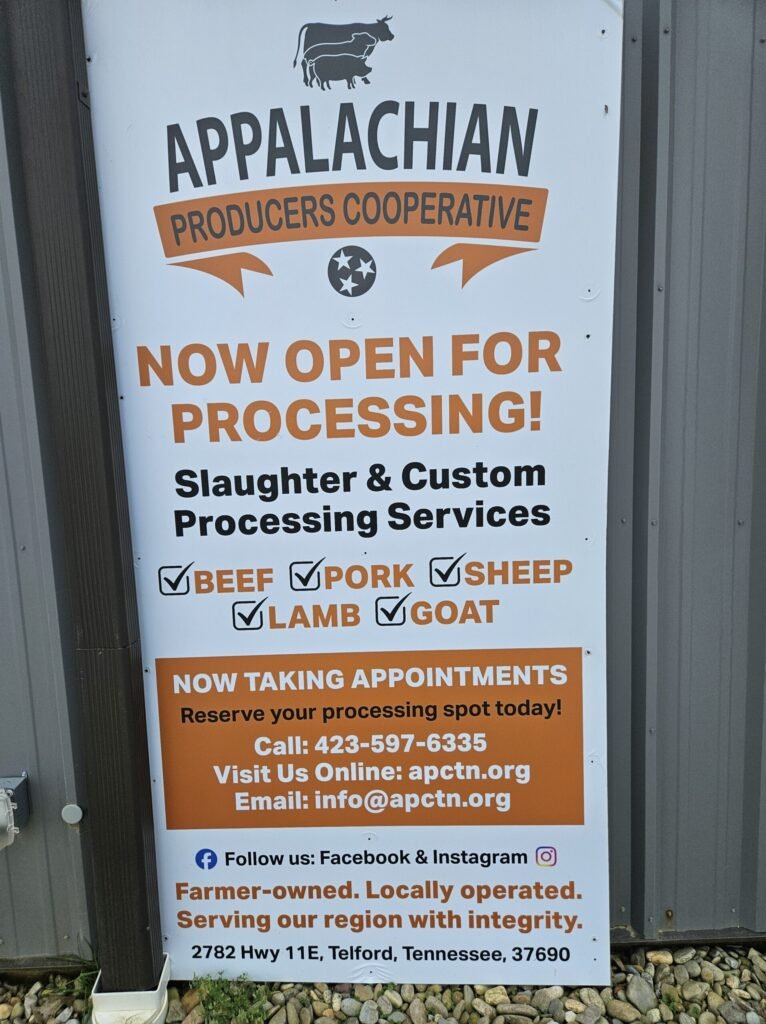
If Butterfield Farm showed where livestock production begins, Appalachian Producers Cooperative showed one of the region’s hardest problems: what happens after animals leave the farm.
For decades, many Northeast Tennessee livestock producers had limited nearby options for processing animals into packaged meat. That bottleneck became impossible to ignore during COVID, when Alexis “Lexy” Close said some farmers were waiting close to two years for processing dates.
Appalachian Producers Cooperative was built to address that gap.
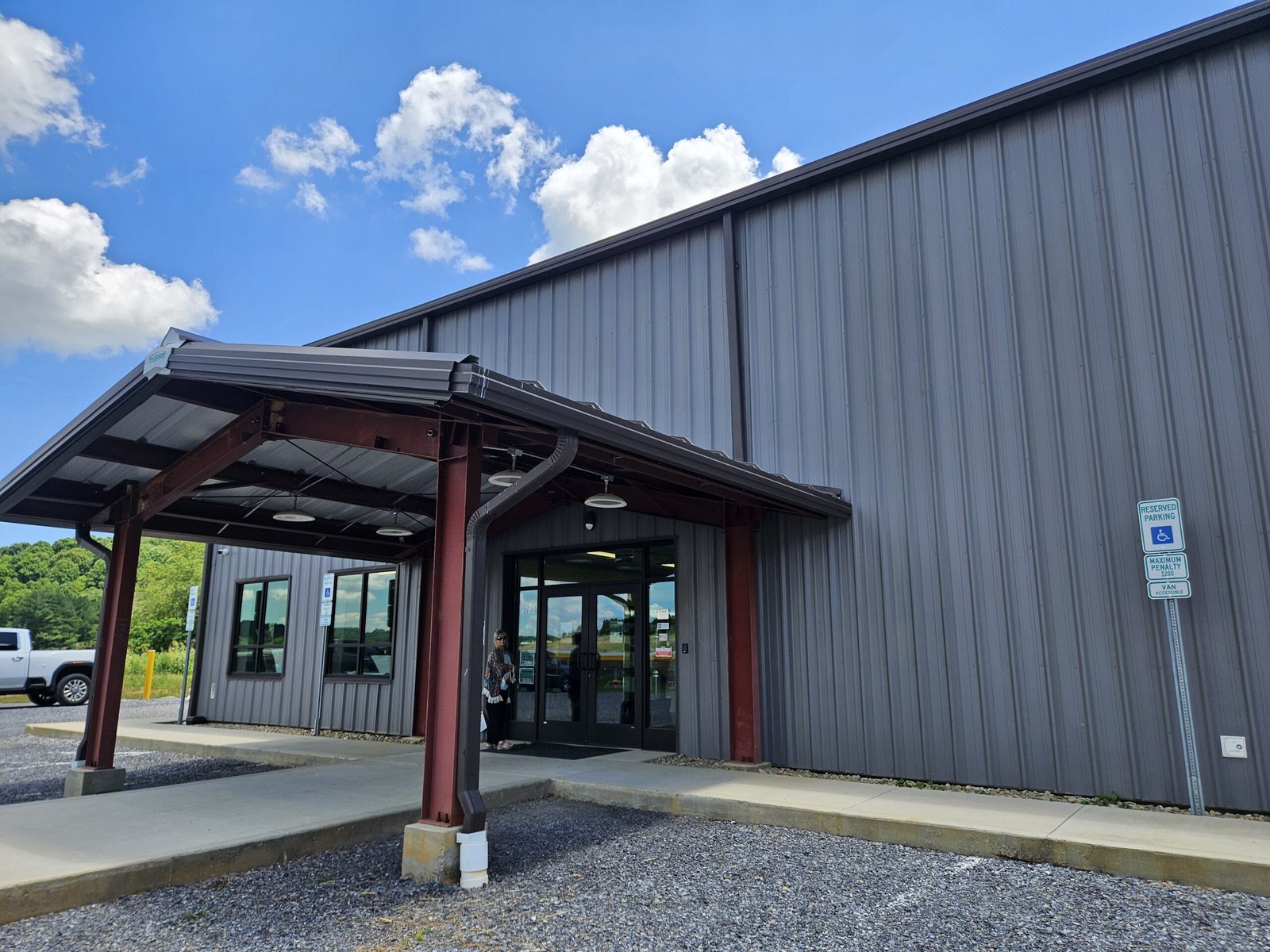
Inside an ordinary-looking building in Telford is a roughly $10 million, farmer-owned, USDA-inspected meat-processing facility. Close, who gave our tour, said she became involved in 2021 while working in nonprofit grant writing, after a group of farmers sought help with grant applications and fiscal sponsorship. The facility opened in May 2025, and Close said it is the first meat-processing facility in Washington County in probably 50 or 60 years.
This is one place where the Appalachian RC&D Council’s role is direct and well documented. The organization says it served as a fiscal sponsor, grant writer, and manager for Appalachian Producers Cooperative and helped secure $8.6 million in grant funding for the USDA-inspected Washington County facility.
The facility is designed around both animal handling and worker safety. Close explained that Appalachian Producers Cooperative uses Temple Grandin-inspired low-stress handling principles, hydraulic equipment, a gravity-fed rail system, cold-processing rooms, vacuum packaging, custom-cut sheets, and skilled meat-science labor.
Most importantly, the cooperative lets farmers retain ownership of their end product. They can raise the animal, bring it to a local processor, and sell the finished beef, pork, lamb, or goat under their own farm name.
That is why Appalachian Producers Cooperative matters. It restores a piece of infrastructure that had been missing. A region cannot have a strong local meat system if farmers can raise livestock but have no practical way to process it locally.
Read the full spotlight: Inside Telford’s New Farmer-Owned Meat Cooperative
Link 3: An Old Dairy Adapts — Horse Creek Farm and Little Lou’s Creamery
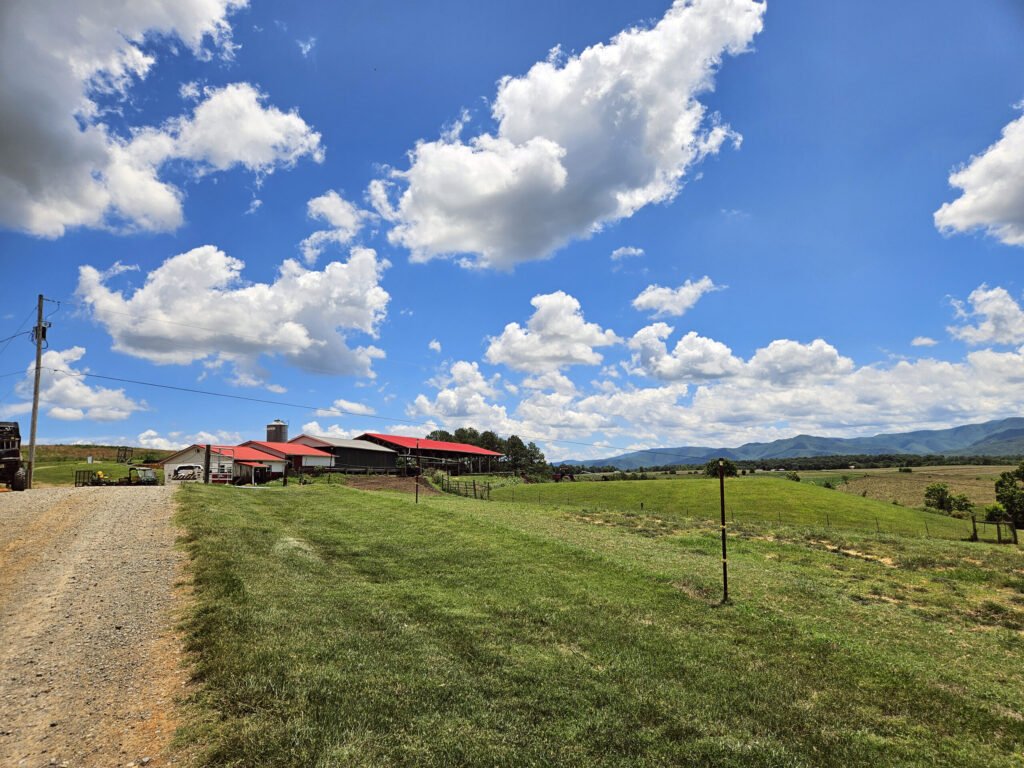
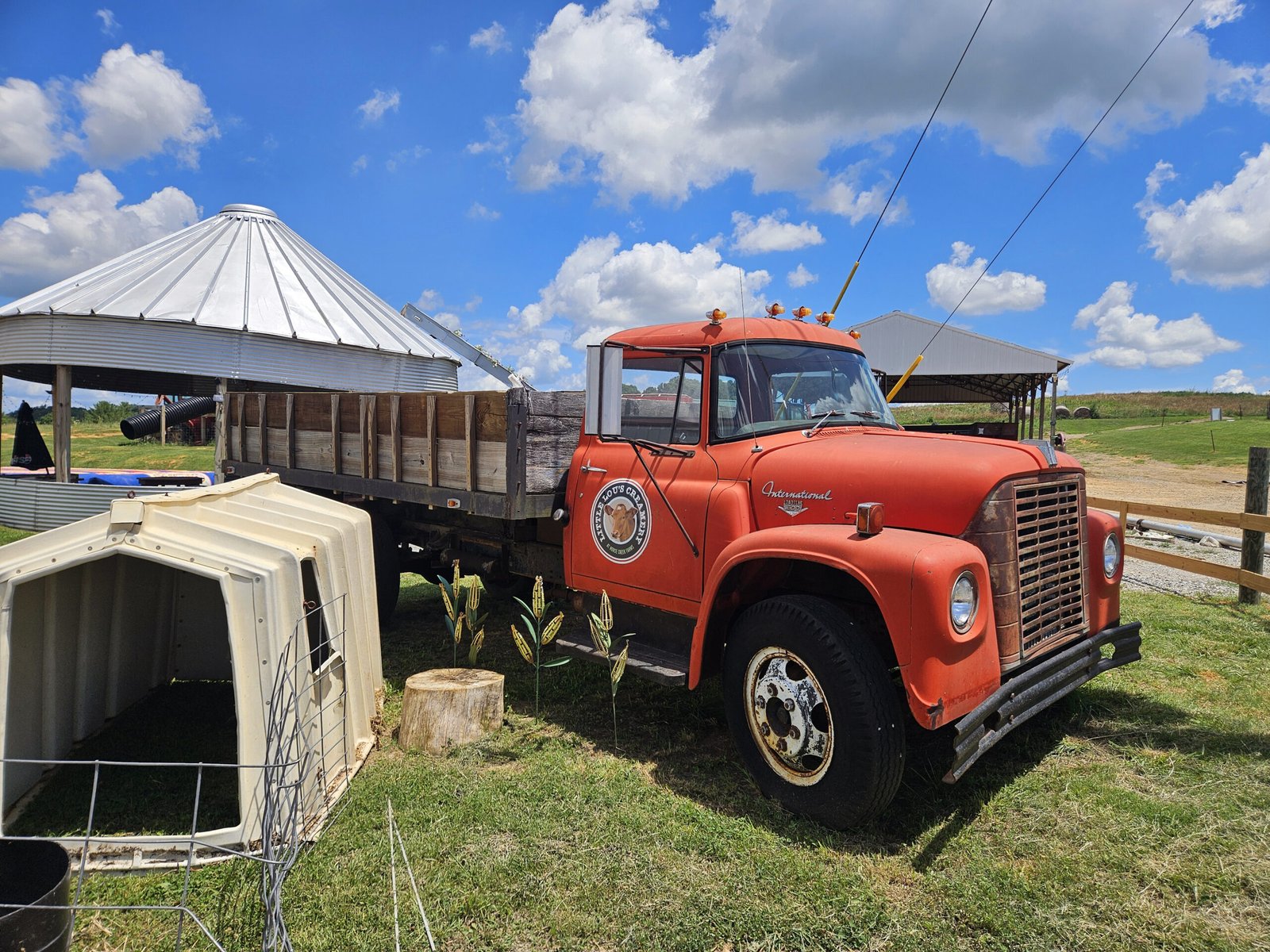
The dairy link in the chain took us to Chuckey, where the heat made Little Lou’s Creamery feel like the perfect first farm stop.
Horse Creek Farms, which the Armstrong family traces to about 1774, is believed by the family to be Tennessee’s oldest operating dairy farm. But the story at Horse Creek is not only about age. It is about adaptation.
Scott and Emmy Armstrong are trying to keep a family dairy viable in a market where far fewer local dairies remain than there once were. Scott told our tour group that the Greene County area had about 1,100 dairies in the 1970s. Today, he said, only a handful remain across Greene and surrounding counties.
For now, Horse Creek’s milk is picked up every other day and hauled to Asheville, where it goes into Ingles’ Laura Lynn label. Emmy explained that Little Lou’s is using milk under that same label while the family works toward finishing its own processing plant, with the goal of bottling milk on the farm.
The Tennessee Department of Agriculture also listed Little Lou’s Creamery in Greene County as a 2026 Agricultural Enterprise Fund recipient in the dairy producer/processor category, providing public support for the business’s processing and value-added direction.
That value-added model was easy to understand inside the creamery. My wife and I cooled down with vanilla ice cream that tasted richer and fresher than anything from a supermarket tub. Emma, who works with the family, pressed fresh waffle cones while the room filled with the smell of warm batter. Emmy talked about sandwiches, homemade sides, local cheese, and the family story behind the name Little Lou.
Outside, Scott showed the farm side: calves, milking routines, soybean meal from a biodiesel byproduct, high-butterfat milk, pasture access, composting bedding, manure water returned to fields, and a planned bottling plant meant to keep the family from having “all our eggs in one basket.”
Horse Creek showed the challenge facing many heritage farms. History alone does not pay the bills. To survive, farms often need to add value, reach customers directly, and build multiple paths to market.
Read the full spotlight: At Horse Creek Farms, Old Roots and New Cream
Link 4: Where Local Food Meets the Public — Jonesborough Farmers Market
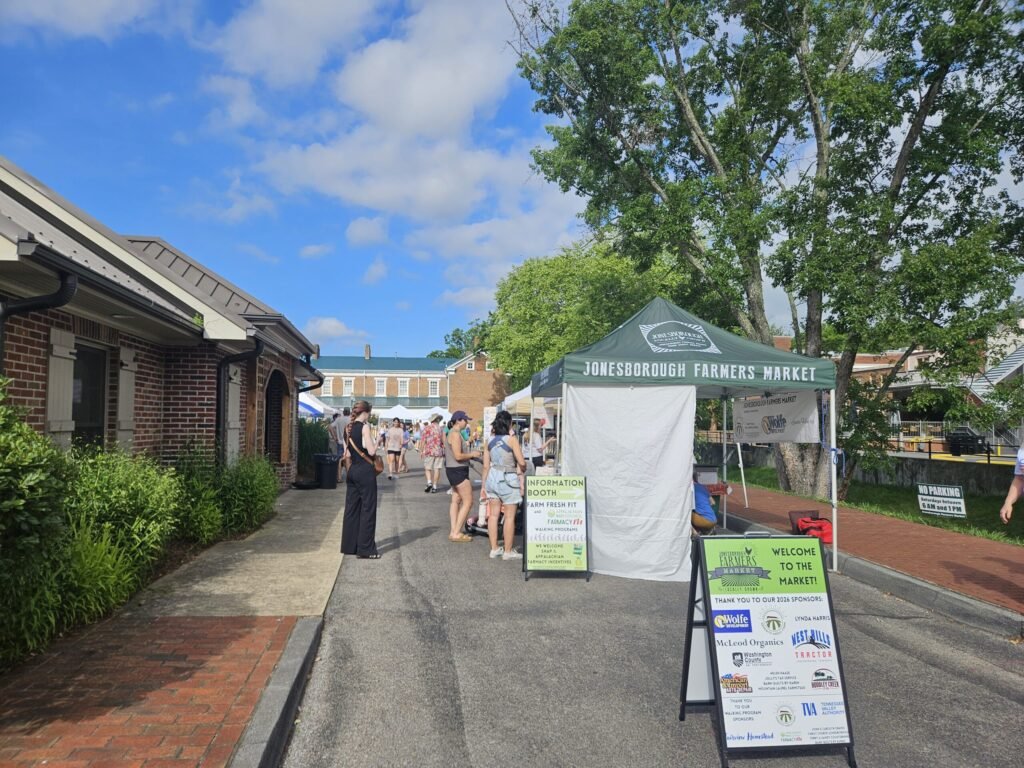
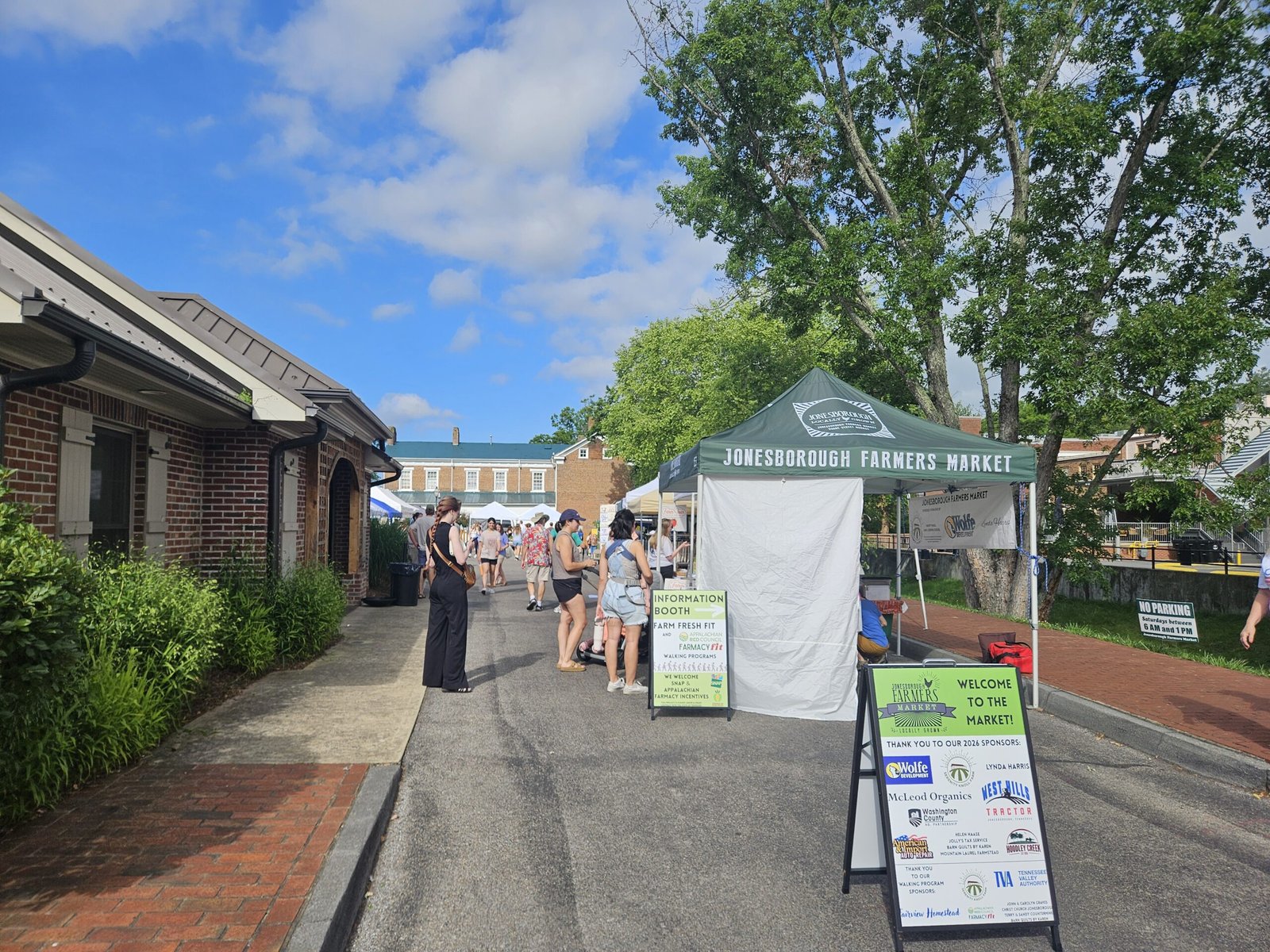
Before the afternoon Farm Tour began, we picked up our passes at the Jonesborough Farmers Market.
That made the market more than a convenient starting point. It became the public-facing end of the chain.
The Jonesborough Farmers Market is a 100% producer-only market, which means vendors sell products they grew, raised, or made themselves. The Town of Jonesborough says vendors are located within 100 miles of town, and the Saturday market includes local produce, meats, cheeses, baked goods, live music, children’s activities, and a walking program.
That producer-only rule matters. The person behind the table is usually the person who planted, raised, milked, baked, cut, stirred, or loaded the product. That changes the transaction. A shopper can ask how to eat Japanese turnips raw. A farmer can explain what a CSA share is. A cheesemaker can talk through flavors. A baker can describe a loaf. Money changes hands, but so does knowledge.
On our visit, Celtic music from Jenny & the Weazels filled the street while we moved from table to table with an unexpected bucket that became our shopping basket. We talked with farmers, cheesemakers, bakers, and makers. We left with food and a clearer sense of why markets matter.
The farmers market does not replace farms, processors, creameries, or grocery stores. It does something different. It gives the local food system a public front door.
That is where the chain becomes visible to ordinary people. Soil health, processing capacity, dairy economics, value-added production, and farm viability can all sound abstract. At the market, they become bread, cheese, turnips, meat, flowers, music, conversation, and a full bucket.
Read the full spotlight: Jonesborough Farmers Market: Heart of the Local Food Web
What the Tour Revealed
By the end of the day, the local food system felt less like an idea and more like a set of relationships.
Butterfield Farm showed that food begins with land management. Appalachian Producers Cooperative showed that farmers need infrastructure after animals leave the pasture. Horse Creek Farm and Little Lou’s Creamery showed that heritage farms need new ways to reach customers and capture value. Jonesborough Farmers Market showed that none of it works without the public choosing to participate.
That is the value of the Northeast Tennessee Farm Tour. It does not ask people to think about agriculture in the abstract. It lets them drive the roads, meet the farmers, walk the barns, see the animals, ask questions, buy food, and understand that a local food chain is something built by people, place by place.
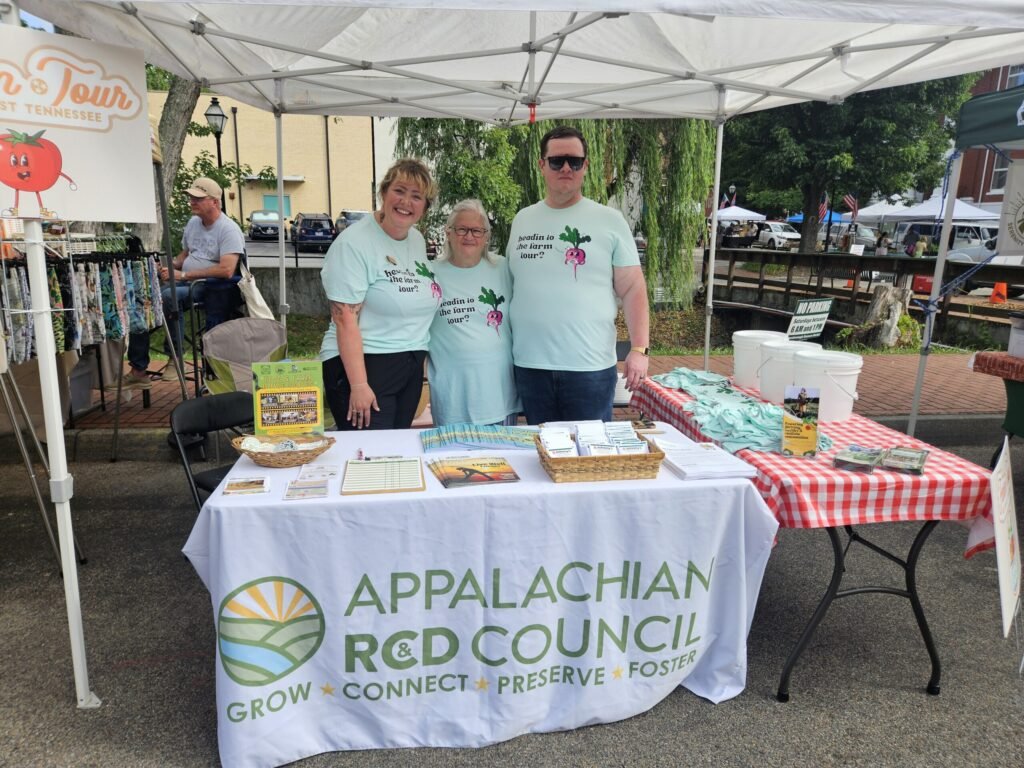
To learn more about Appalachian RC&D Council and its work in local food, farmer training, farmland conservation, food access, and regional infrastructure, visit the organization’s website.









Leave a Reply