

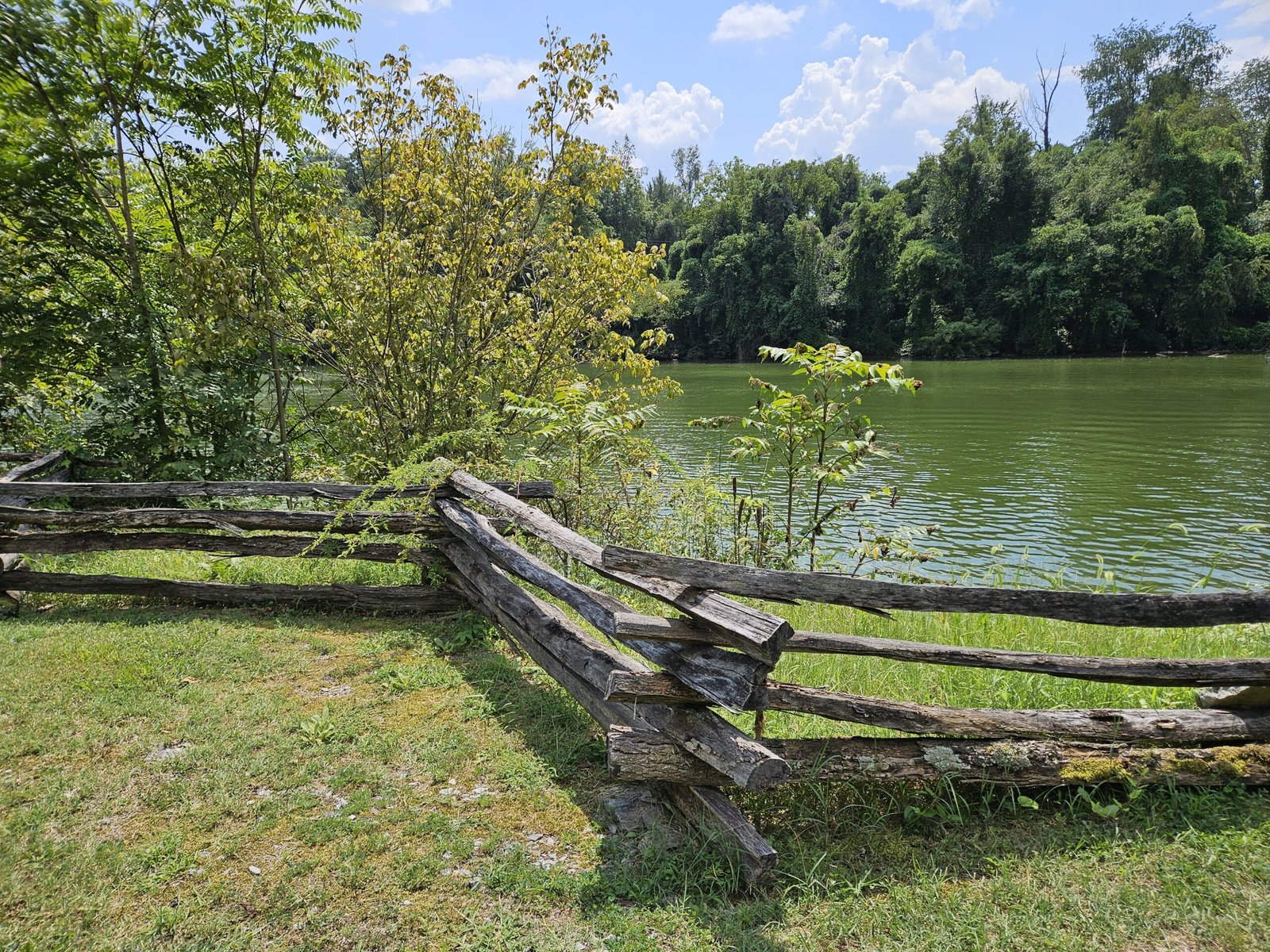
Recent storms have greened pastures and fields across Virginia, but state drought officials say the rain has not ended the drought.
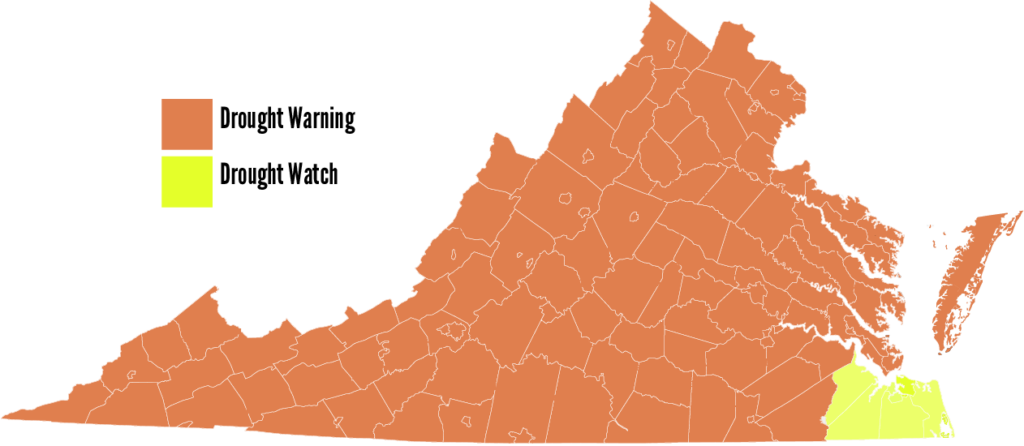
On May 29, 2026, the Virginia Department of Environmental Quality extended drought advisories statewide, keeping nearly all of the Commonwealth under a drought warning. Only several southeast Virginia localities — Isle of Wight County and the cities of Chesapeake, Norfolk, Portsmouth, Suffolk, and Virginia Beach — remained in the less severe drought watch category.
DEQ said most localities received 2 to 4 inches of rain, enough to improve streamflow and upper soil moisture. But deeper soil moisture and groundwater remained much below normal, meaning the recent rain has provided short-term relief without fully restoring the state’s deeper water reserves.
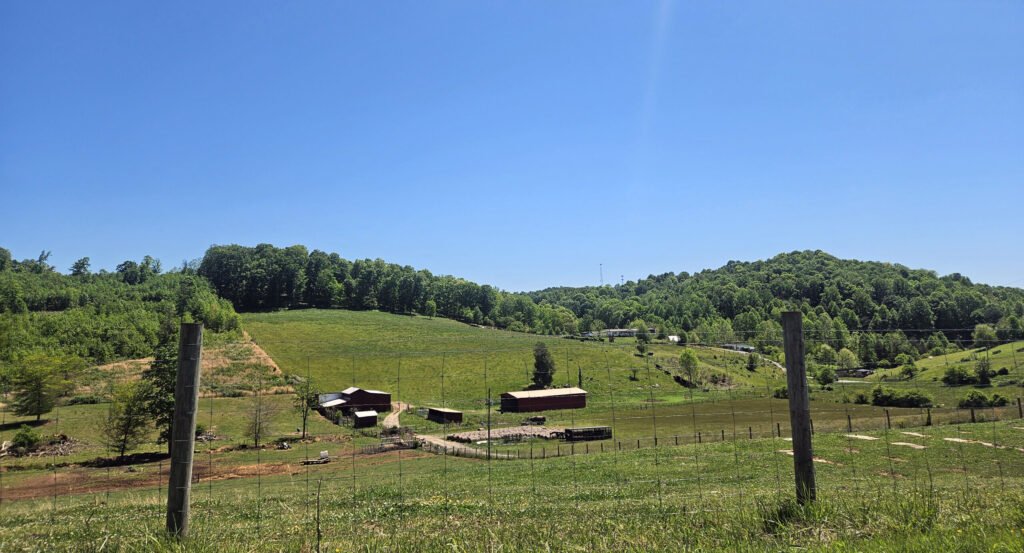
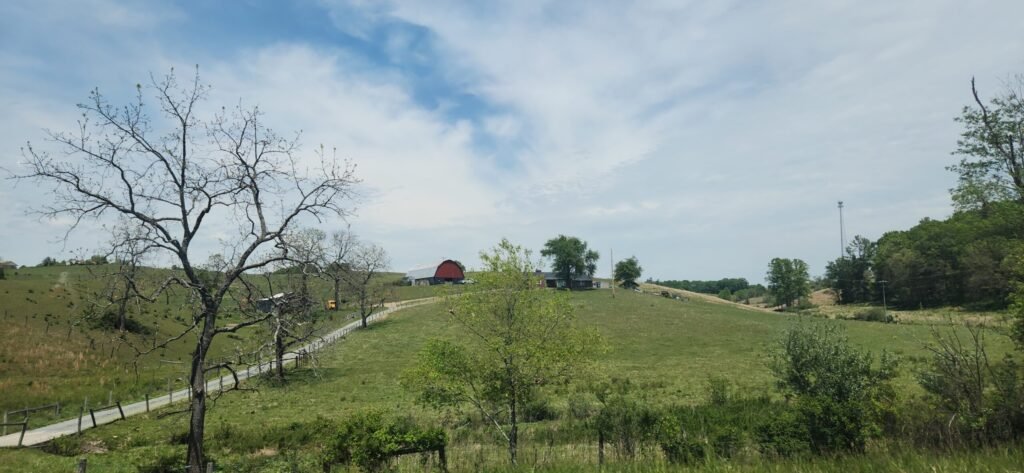
This kind of disconnect is sometimes described as a “green drought”: vegetation greens up after rain, while deeper soil moisture and groundwater recharge remain limited. From the road, fields and pastures may look healthier than they did a few weeks ago. Below the surface, however, drought indicators still show significant stress.
Why the Rain Wasn’t Enough
Virginia’s recent rainfall improved surface conditions, but DEQ’s longer-term indicators continue to show a substantial water deficit.
The state is still running about 7.5 inches below normal precipitation for the current water year, which began on October 1, 2025. Groundwater indicators also remain low. Of the 24 groundwater monitoring wells cited in the DEQ update, 20 were below the 10th percentile for this time of year.
That matters because groundwater and deeper soil moisture recover more slowly than streams, lawns, pastures, and shallow-rooted vegetation. A single round of storms can make the landscape look dramatically better, but sustained rainfall is usually needed to recharge deeper soils and groundwater.
Implications for Virginia Farms
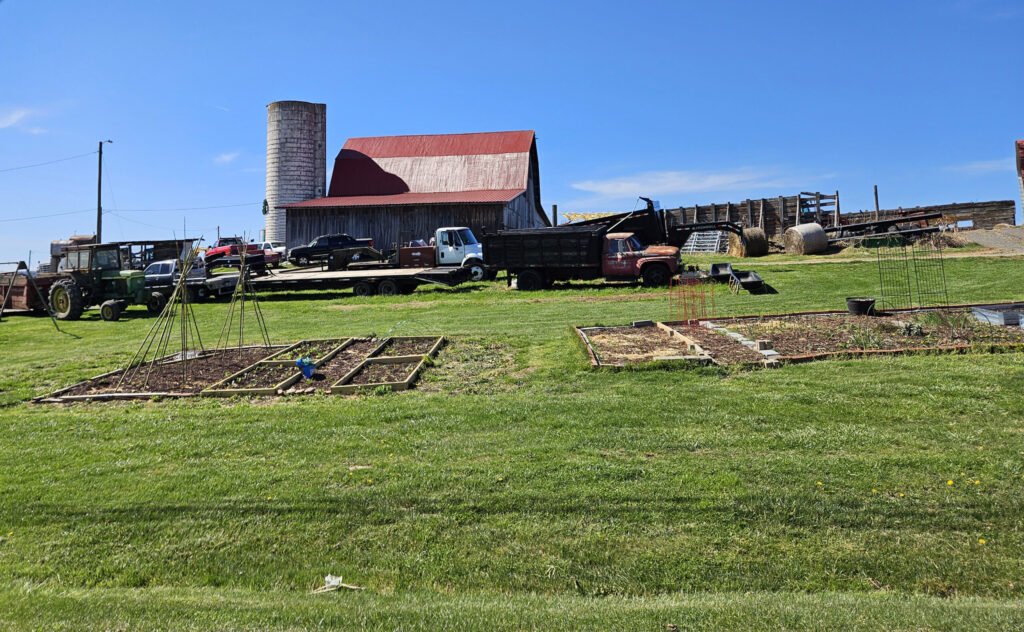
For Virginia farmers, livestock managers, and food producers, the next several weeks could be challenging even where fields now appear greener.
Upper soil moisture may support some short-term growth, but conditions can change quickly if hot, dry weather returns. As temperatures rise and evapotranspiration increases, crops and pastures will draw more heavily on deeper moisture reserves. Where those reserves are limited, plants can move quickly from short-term recovery back into visible stress.
Groundwater can be an important drought buffer for some irrigated farms, livestock operations, and rural water users, though many Virginia farms still depend heavily on timely rainfall. If deeper reserves do not recover, producers may need to monitor well and livestock water levels closely, adjust grazing pressure, prioritize water for high-value crops or animals, and use irrigation cautiously where water supplies allow.
The concern is especially important for hay, pasture, row crops, and farms that rely on ponds, wells, or streams for livestock and irrigation. Greener fields may ease immediate concerns, but they do not necessarily mean the drought is over.
What to Watch Next
DEQ said groundwater recovery will require a prolonged period of rainfall. The agency also noted that no significant rainfall was expected over the next 14 days and warned that drought conditions could worsen as temperatures and evapotranspiration rise.
As Virginia moves deeper into the growing season, rainfall totals alone will not tell the full story. Farmers, water managers, and local officials will need to pay close attention to groundwater levels, streamflow, reservoir conditions, and deeper soil moisture — not just how green the landscape looks after a storm.
For now, Virginia’s drought is less visible than it was before the recent rain, but it has not gone away. The surface has improved. The deeper water system still needs time — and sustained rainfall — to recover.










Leave a Reply