

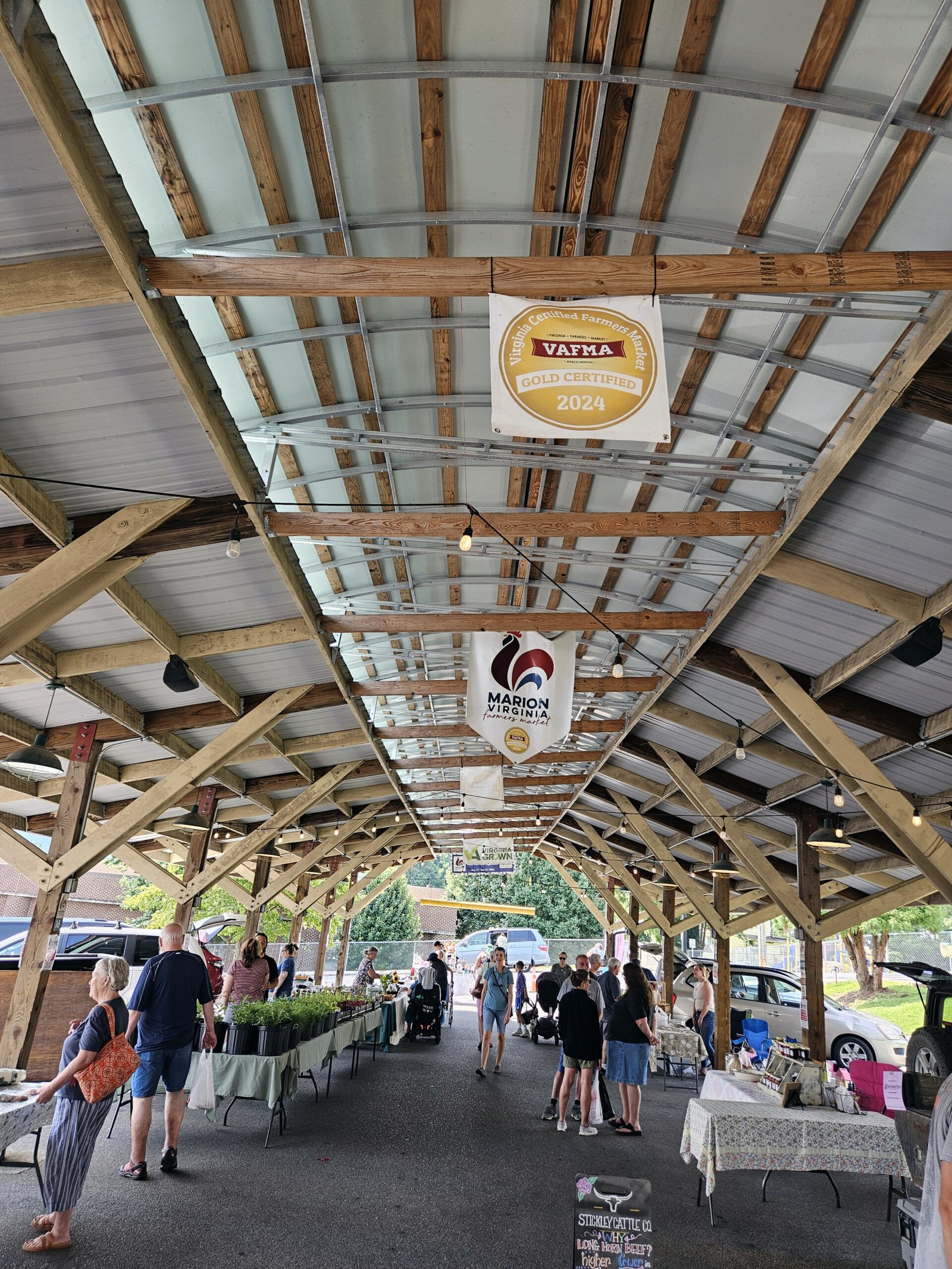
The produce, baked goods, crafts, and conversations beneath the Marion Market Pavilion reflect the history and personality of the town surrounding it.
When I drive from Bristol to Marion, the quickest route to the farmers market is to stay on Interstate 81 until the Commerce Street exit. I usually leave the interstate one exit earlier instead. That route brings me into town along Main Street, part of the historic Lee Highway, and lets me see more of Marion before I reach the market.
Slow Down and Enjoy Marion
I do not believe the fastest route is always the best one, especially on a weekend morning headed to a farmers market. I would rather slow down, enjoy the drive, and take in the town along the way. Passing the storefronts, older buildings, and other sights on Main Street makes the trip through Marion feel like part of the visit rather than simply the distance between Bristol and the market.
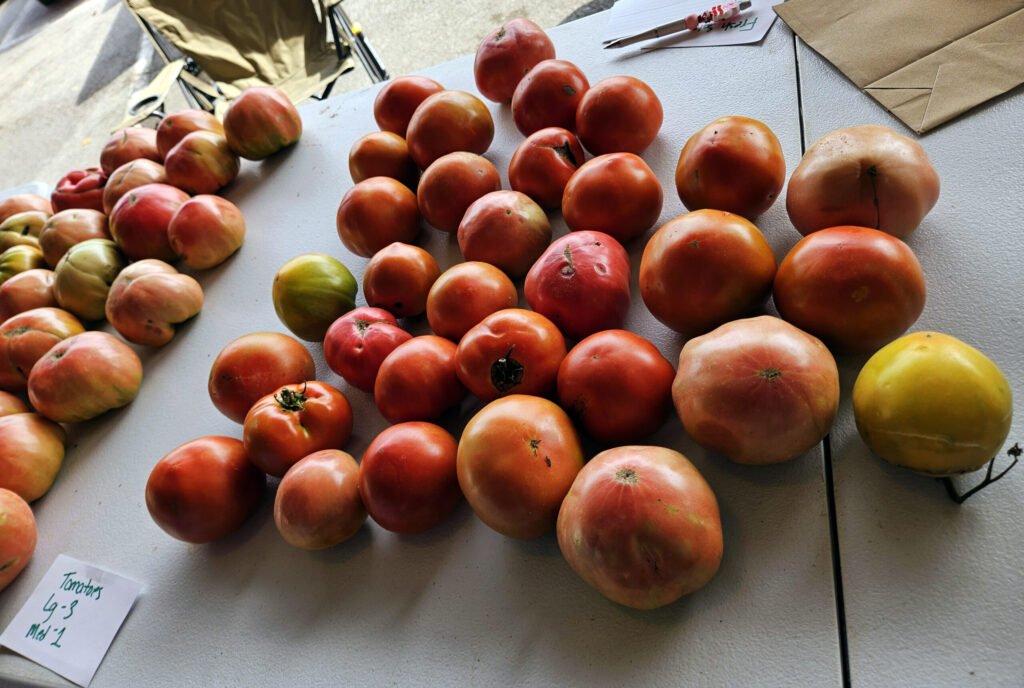
On Saturday, August 1, the temperature was cooler than it had been on many recent mornings. By the time I reached the covered pavilion at Cherry and Chestnut streets, the market was filled with heirloom tomatoes, sourdough bread, jars of salsa, cupcakes, garden plants and boxes containing everything needed to make a woolen “Fluff Buddy.”
Farmers markets tend to reflect the places in which they operate. The products vary according to the surrounding farms and seasons, but the setting and the people also give each market its own personality. Marion’s market feels closely connected to the town around it.
The Town Around the Market
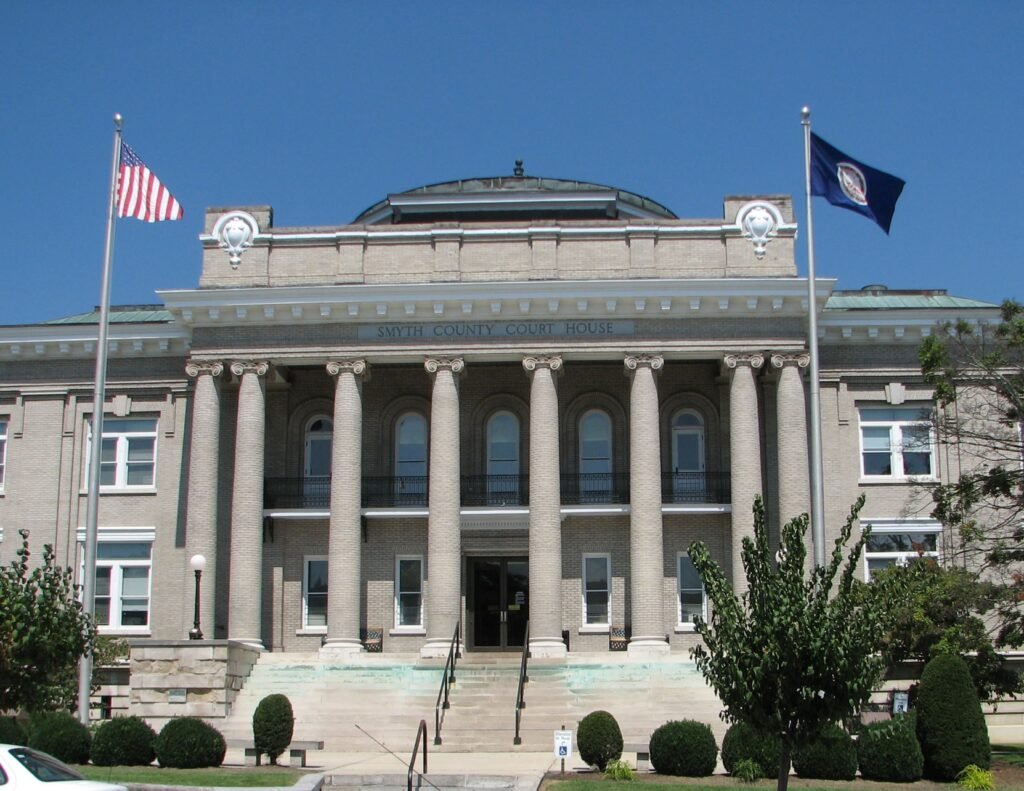
Marion was established in 1832 as the county seat of Smyth County. According to the Virginia Department of Historic Resources, its location along an important road, the Middle Fork of the Holston River, and later the railroad helped it develop as the county’s political, commercial, and industrial center.
The original street pattern remains visible downtown, where Main Street curves with the river and the commercial district rises toward the Smyth County Courthouse. The state historic resources department says the Marion Historic District includes commercial buildings, churches, public buildings, and homes that reflect the town’s development during the late 19th and early 20th centuries.
The town remains small. The U.S. Census Bureau estimated Marion’s population at 5,555 in 2025. That is large enough to support an active downtown but small enough that an unexpected conversation on a Saturday morning can quickly become part of the day’s story.
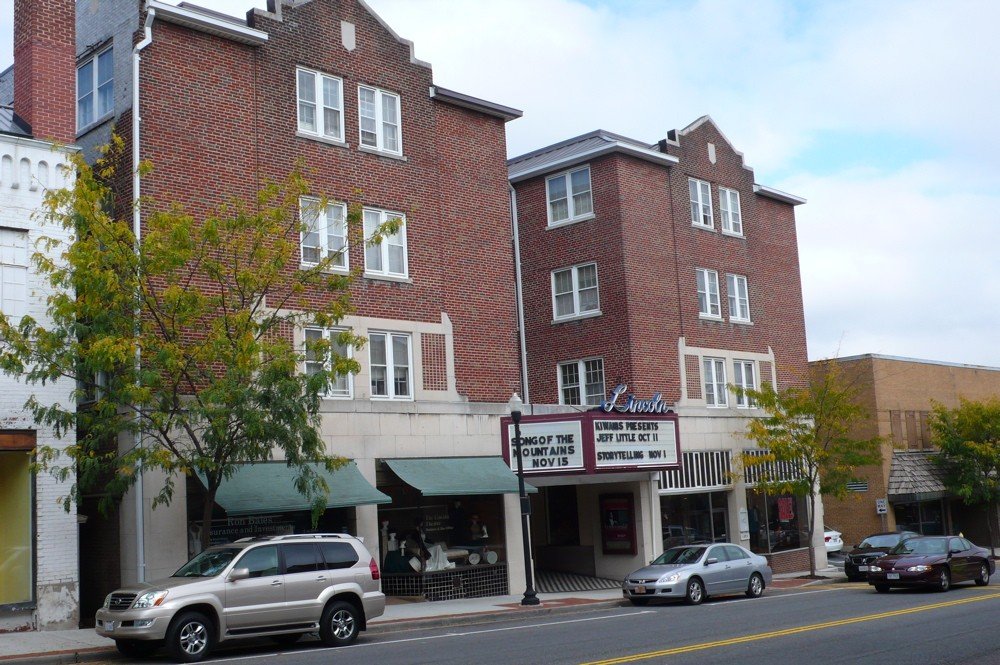
One of Marion’s most recognizable landmarks is the Lincoln Theatre on East Main Street. The Virginia Department of Historic Resources says the theater was built in 1929 and is one of the country’s few surviving Mayan Revival-style movie palaces.
Its interior includes Mayan-inspired ornamentation and six large murals depicting scenes from American and regional history. The theater closed in the 1970s, deteriorated badly, and was eventually restored as a performing arts venue. It reopened in 2004.
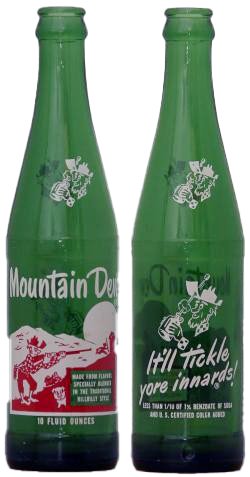
Marion also has a place in soft-drink history.
According to the Virginia Department of Historic Resources, William H. “Bill” Jones, president of the Marion-based Tip Corp., helped develop the flavor now associated with Mountain Dew around 1961. Jones conducted some of the taste tests with Marion residents before Pepsi-Cola purchased Tip Corp. in 1964. A state historical marker recognizing Marion’s role in developing modern Mountain Dew was dedicated in 2025.

A few miles outside town, Hungry Mother State Park connects Marion to another part of Virginia history. The Virginia Department of Conservation and Recreation says the Civilian Conservation Corps began building the park in 1933. It became one of Virginia’s original six state parks when the statewide system formally opened in 1936.
Hungry Mother remains known for its lake, trails, cabins, beach, and surviving structures built by the Civilian Conservation Corps.
That combination of older buildings, Appalachian culture, outdoor recreation, and small-town commerce provides the setting for the farmers market. It is not isolated on the edge of town or separated from the community by a shopping-center parking lot. It occupies a public space within Marion’s downtown.
A Market Built Into Downtown
Minutes of the Smyth County Board of Supervisors show that the Marion Regional Farmers Market was formally dedicated August 30, 2008.
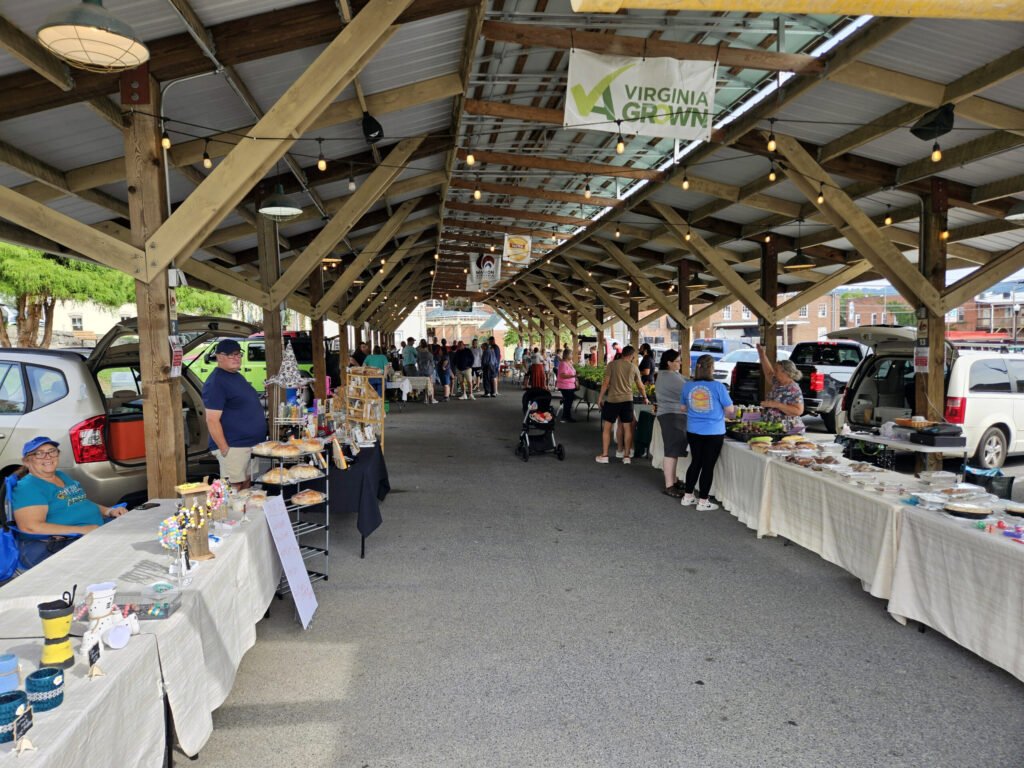
The covered pavilion stands at the corner of Cherry and Chestnut streets, across from the post office and only a short walk from Main Street. Its location makes the market part of a larger downtown visit rather than a separate destination.
The Town of Marion says the market was established to bring local growers, producers, crafters and artisans together while helping preserve and promote the historic downtown.
The permanent structure also allows the site to serve purposes beyond produce sales. The pavilion and adjoining performance space can accommodate concerts, car shows, food events and other gatherings.
That broader role became clear almost as soon as we arrived.
What the Market Means to Marion
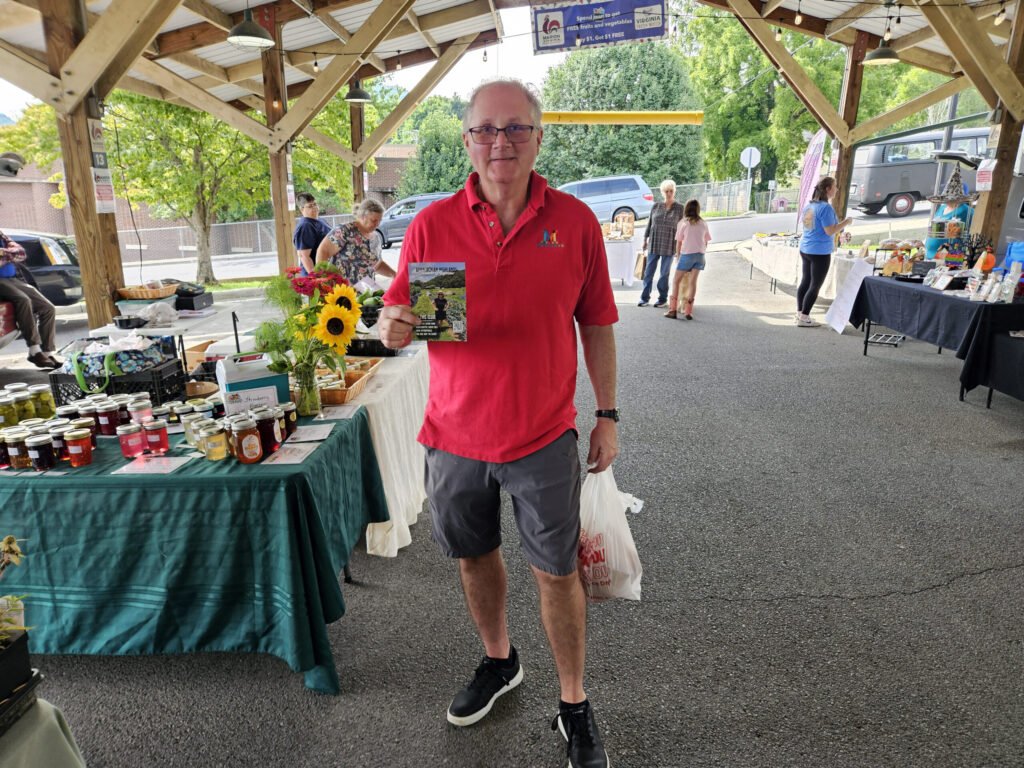
One of the first people I encountered beneath the pavilion was Marion Mayor Avery Cornett.
Cornett described the market’s value in practical terms. It gives residents access to local products while bringing people into downtown Marion on Saturday mornings.
“It’s great for the community. We can get some great products,” Cornett said.
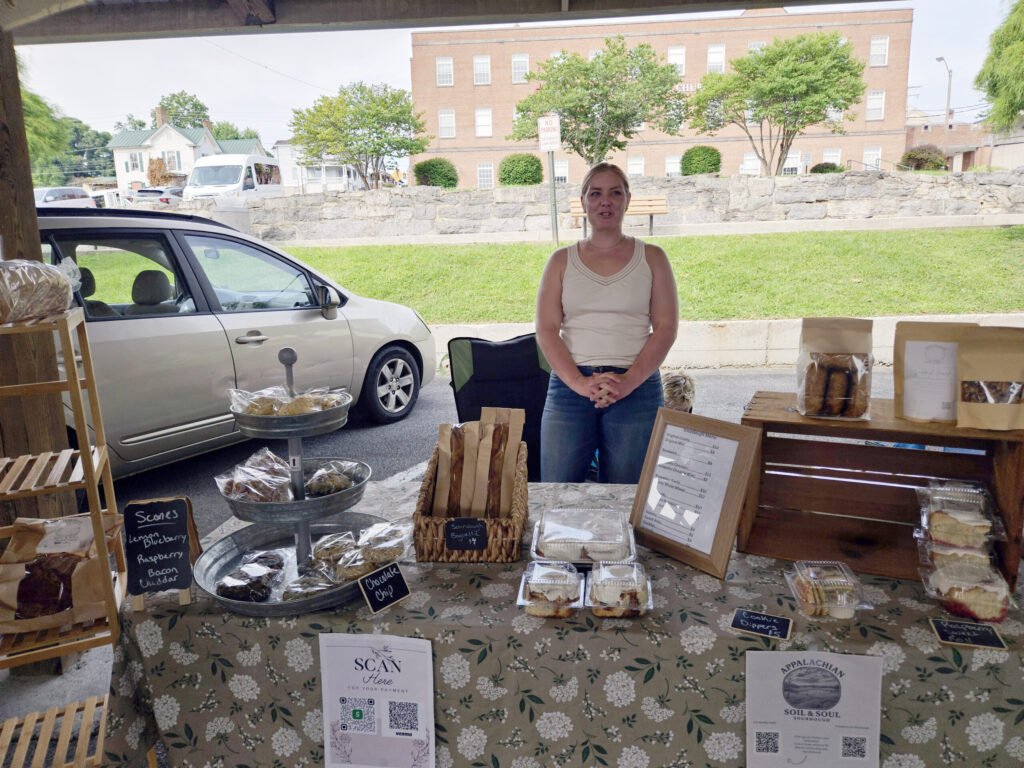
He mentioned bread from Appalachian Soil and Soul, locally sold meats, and seasoned oyster crackers made by former market manager Leslie Vanover.
“It’s great to have something going on down here on a Saturday,” he said. “The community can come out, the vendors are all out, and it’s just great.”
Cornett also pointed to the usefulness of a market built as a permanent public space rather than a temporary collection of tents.
“It’s a multi-use structure,” he said. “Sometimes we have car shows here. Sometimes we have bands.”
The town had recently used the space for a Juneteenth celebration with live music. Cornett also recalled a community fish fry during which people came and went for several hours, some eating at the market and others carrying baskets of food home.
“That’s the value of a farmers market and a multi-use structure like this,” he said. “The town supporting it, all of the community supporting it.”
The market’s location makes that broader use possible. A performance, food event or Saturday market can bring people into an area where shops, restaurants, public buildings and historic attractions are already within walking distance.
A New Vendor Finds Her Market
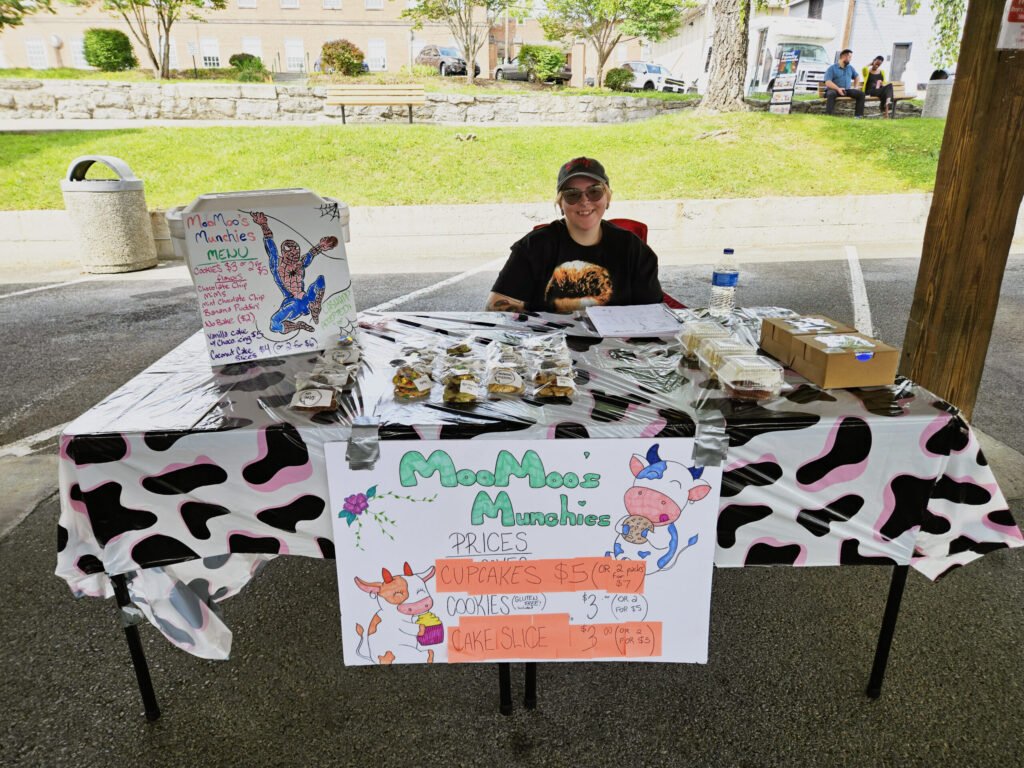
While my wife spoke with a plant vendor, I stopped at MooMoo’s Munchies.
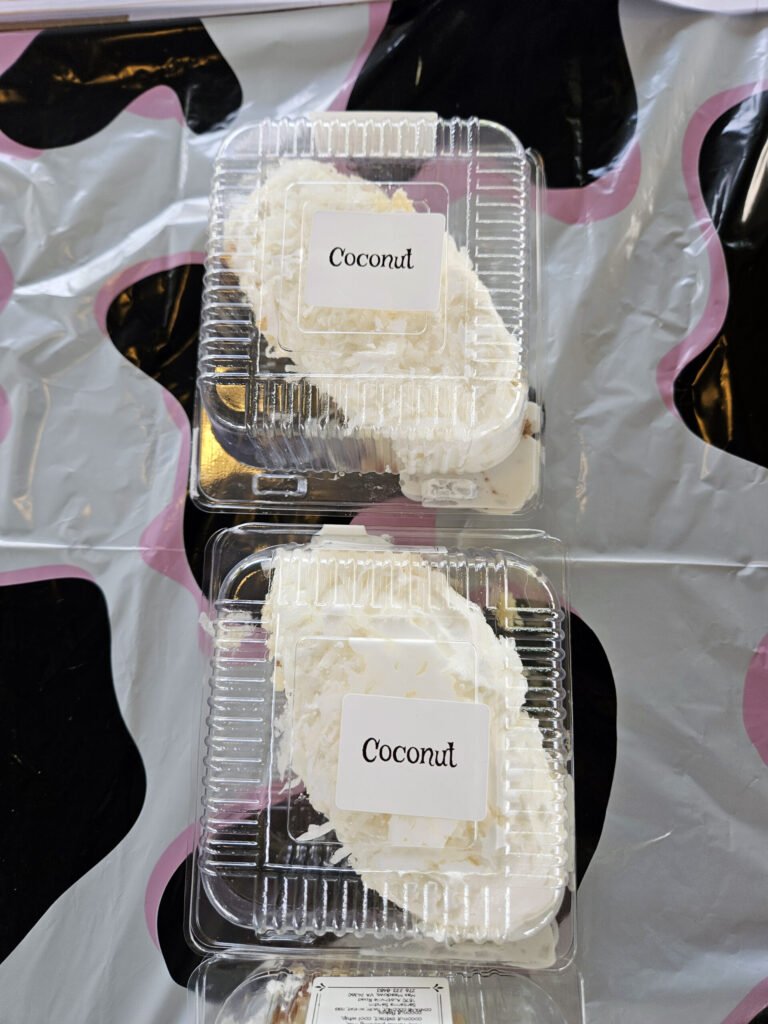
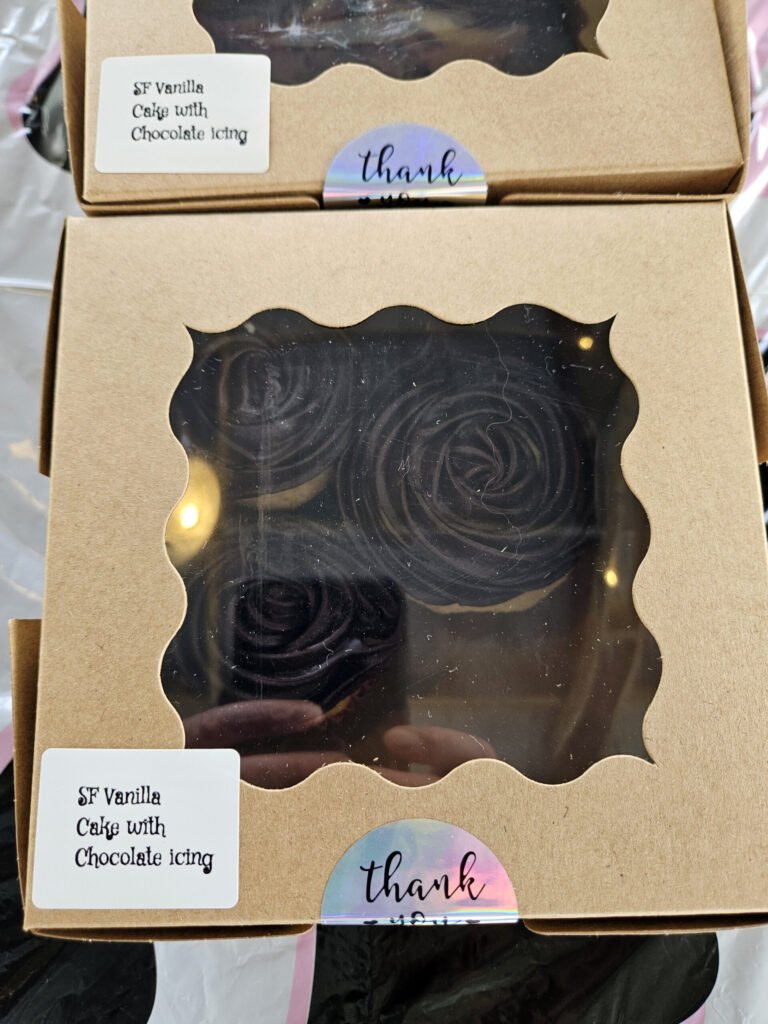
Santanna Sandlin sat behind a table holding slices of coconut cake, chocolate- and vanilla-frosted cupcakes, and several kinds of cookies, including chocolate chip, M&M, and banana pudding.
Sandlin changes her selection from week to week. That morning, the choices included sugar-free cupcakes and gluten-free cookies, options that are not always easy to find at a small market.
The name MooMoo’s Munchies came from her husband.
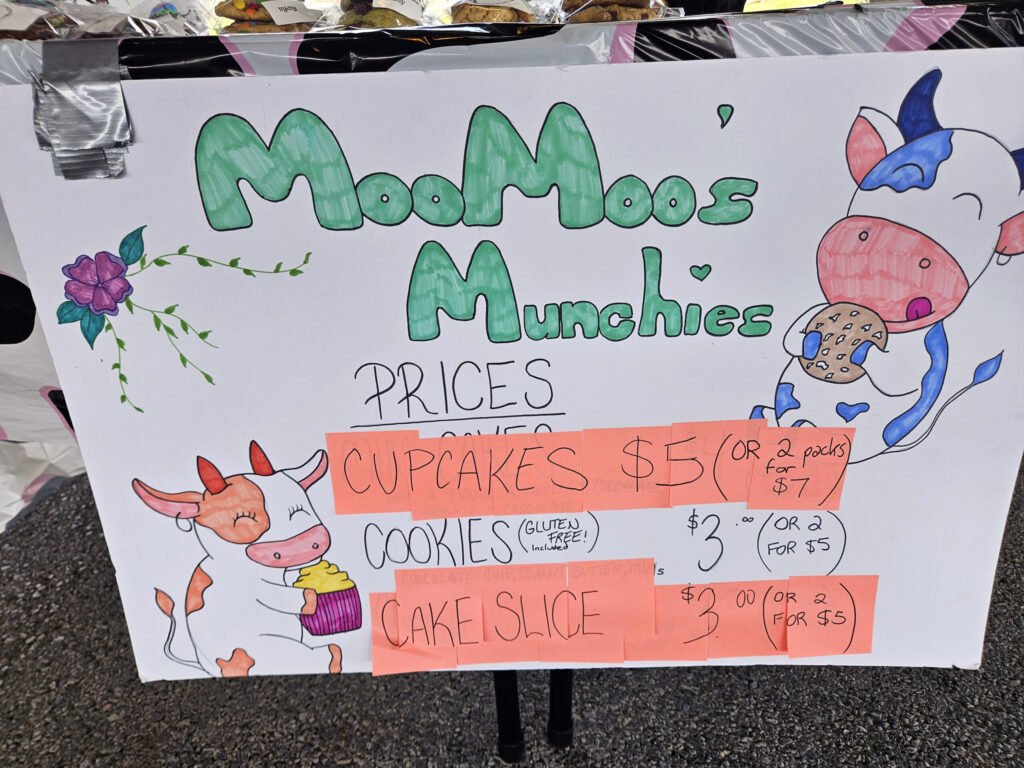
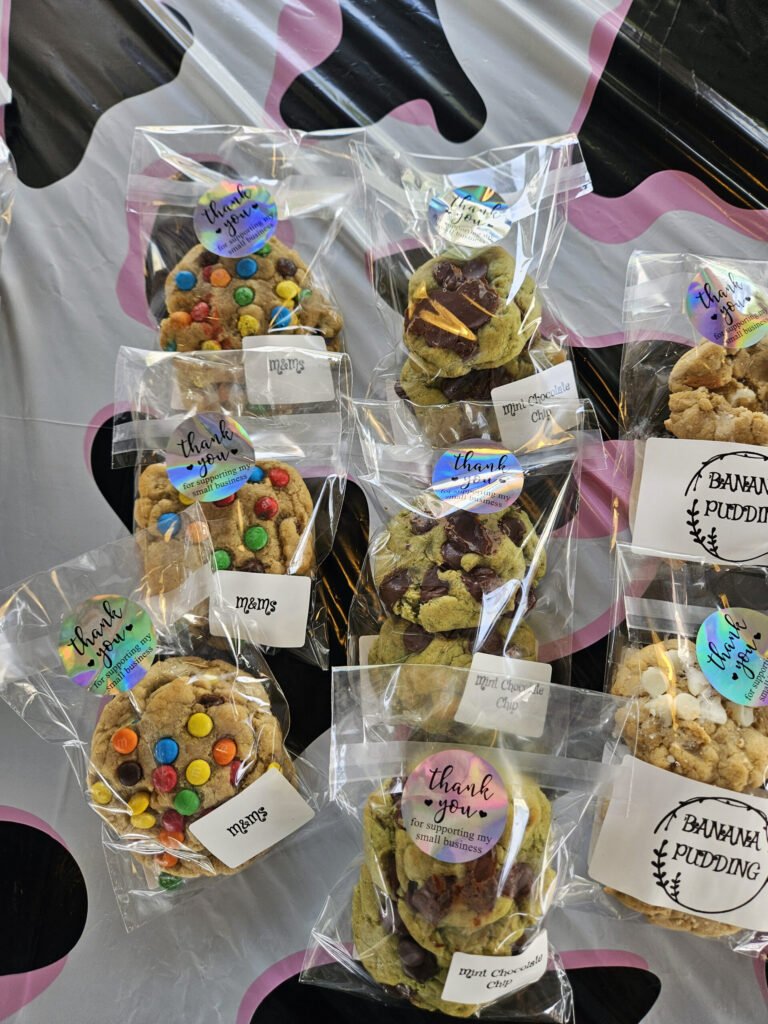
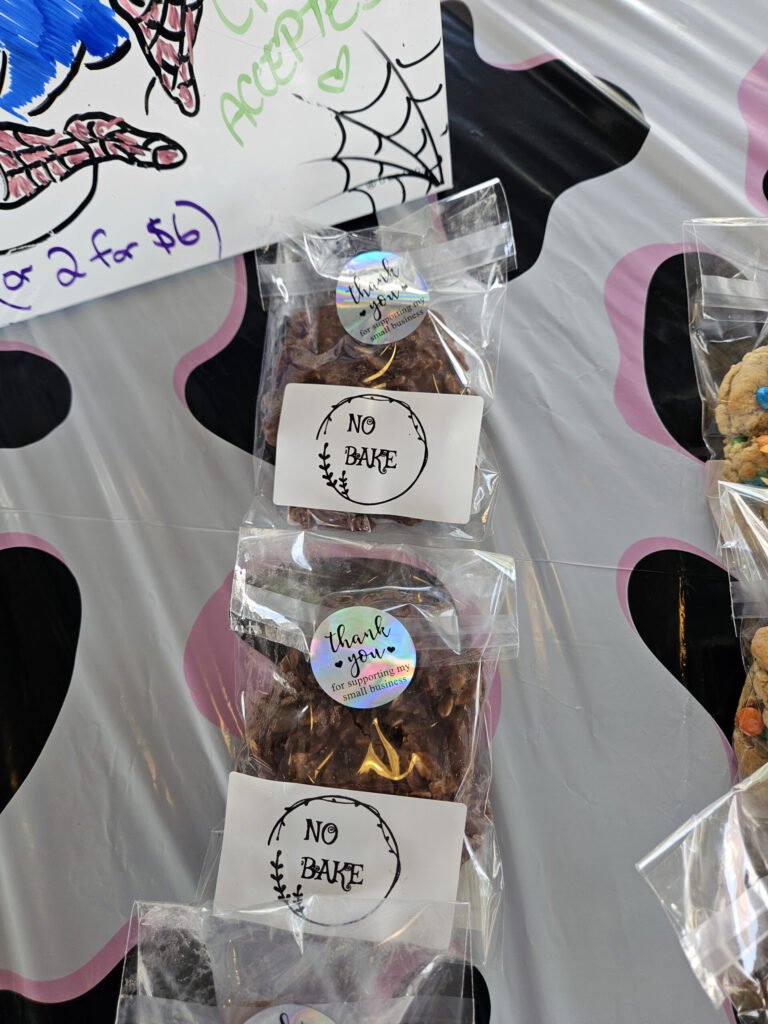
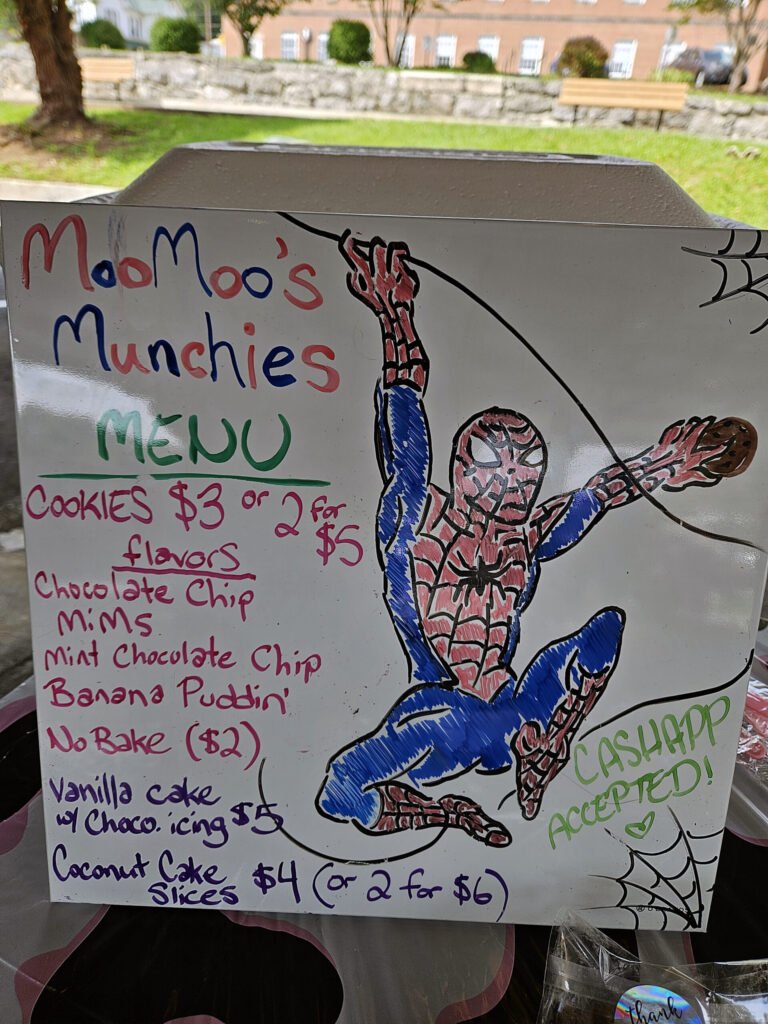
“When my husband and I met, his username on everything was Dr. MooMoo because he wanted to be a forensic pathologist and he also loves cows,” Sandlin said. “So, I kind of took over that name. I guess I’m Mrs. MooMoo.”
Sandlin had been selling at the Marion market for a little more than a month. She had also begun attending a market in Galax, but said Marion had become her primary location.
“This is like the main market that I come to,” she said. “It’s pretty chill here. It’s kind of nice.”
The pavilion offered shade and a regular place to meet customers, but Sandlin also pointed to the people around her.
“Everyone here is great,” she said. “So far, the people are really nice.”
Her experience illustrates one of the less visible roles of a farmers market. It gives a new business owner a place to test products, meet customers, and learn which items bring people back.
Finding a Use for Local Wool
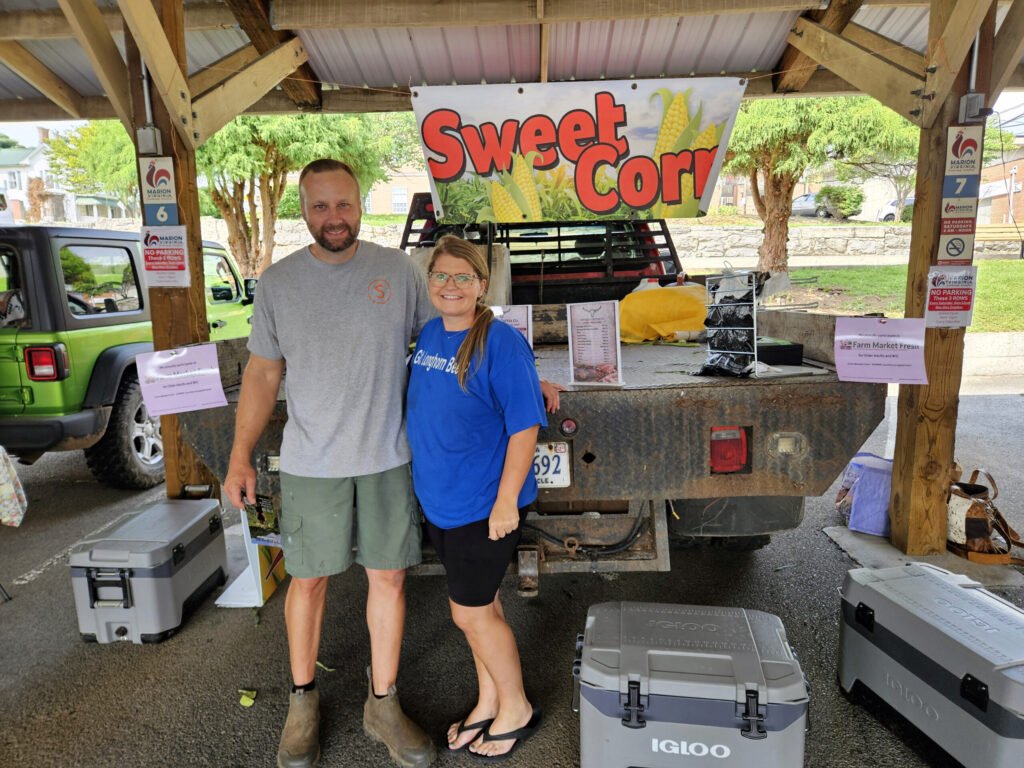
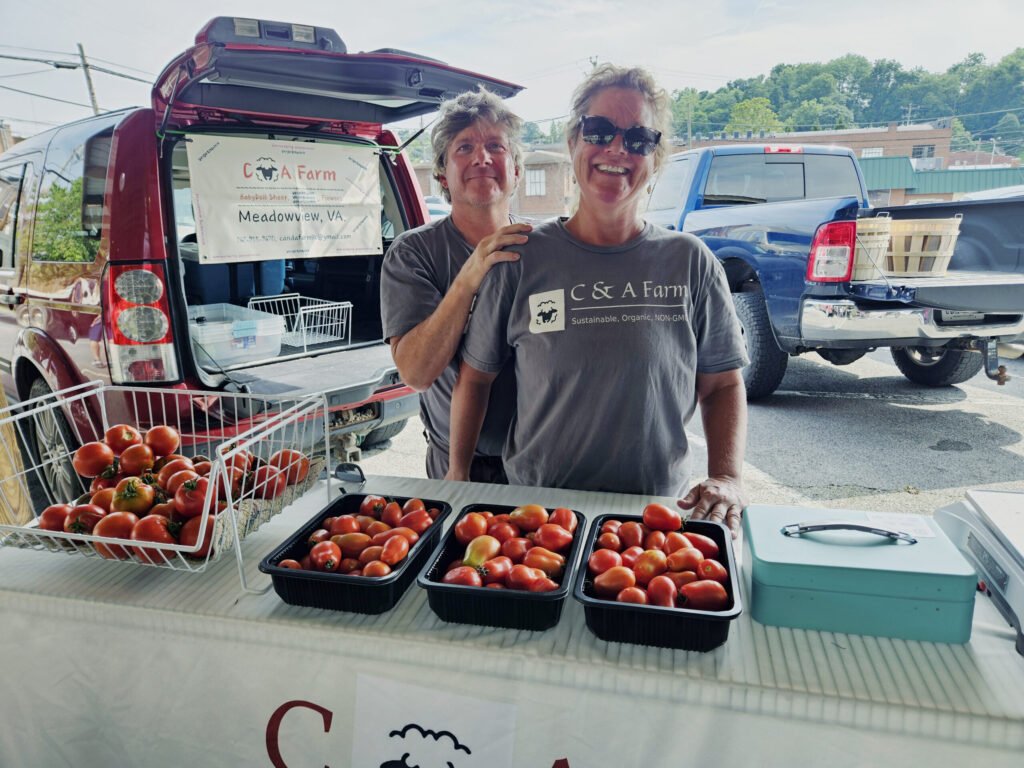
At C&A Farm’s table, Andrea and Christopher Metcalf of Meadowview displayed fresh produce, including organic potatoes, cherry tomatoes, Pineapple Tomatoes, Marianna’s Peace Tomatoes, and several other varieties.
They were also introducing shoppers to Fluff Buddies, needle-felting kits Andrea Metcalf developed after finding herself with wool she was not using in her hand-spinning.
The kits contain wool from C&A Farm’s Babydoll sheep and a neighboring Babydoll flock.
“We know exactly where the wool is coming from,” Metcalf said.
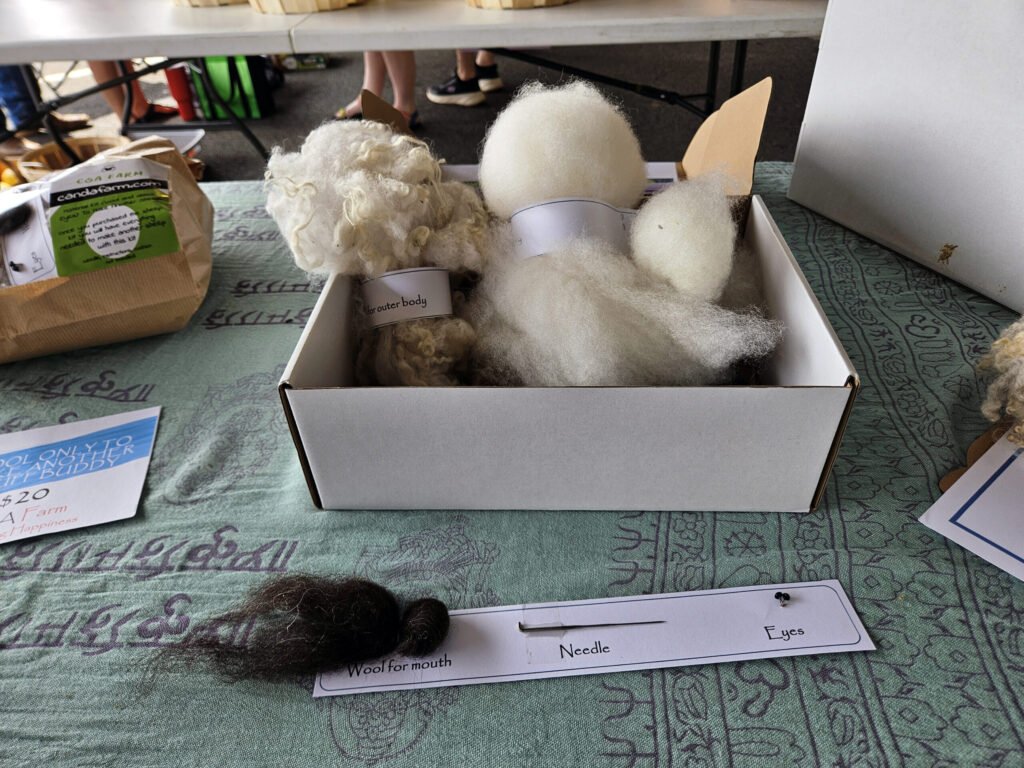
Each kit contains wool, a felting pad, glass eyes, a No. 3 felting needle and enough material to make a figure about the size of a softball. A less expensive refill kit is available for customers who already have the needle, pad and instructions.
Metcalf said she had seen something similar at a craft fair and decided to develop her own version. Creating the felted figures was familiar work. Writing instructions that a beginner could understand proved more difficult.
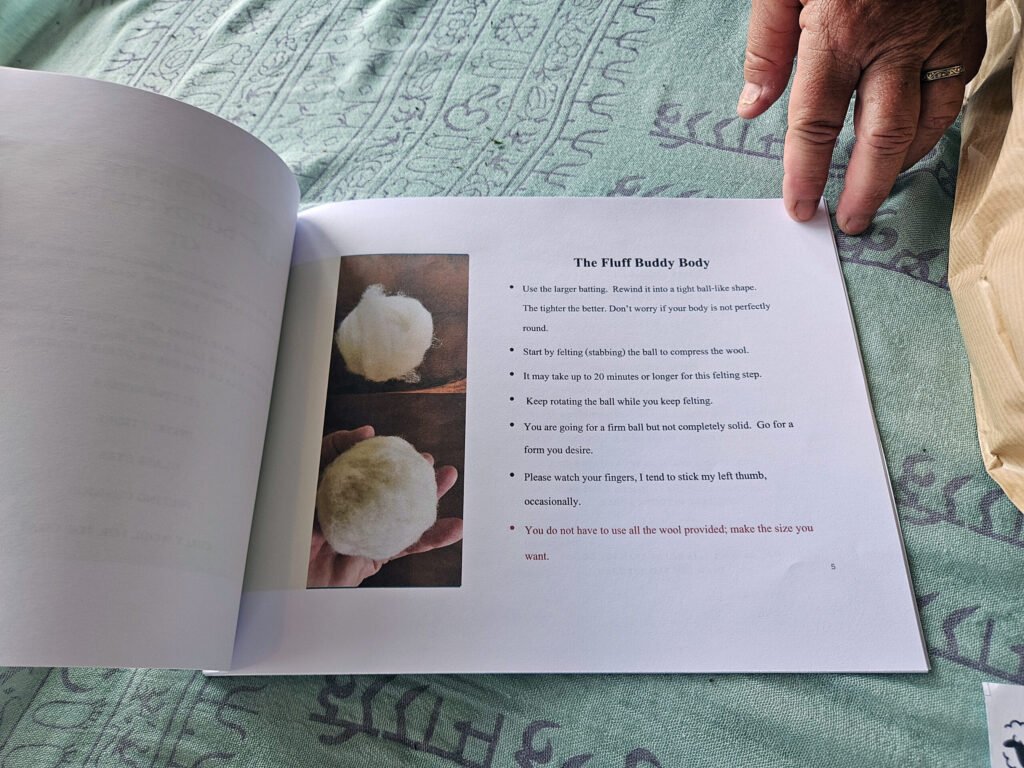
Developing and revising those instructions took about two years. Metcalf relied on friends to identify steps that she performed automatically but had not explained clearly enough.
“I’ve been needle felting for years, so for me, it was just like second nature,” she said.
Her friends kept stopping her and saying, “No, you need to explain that more.”
“It was a really nice process,” Metcalf said.
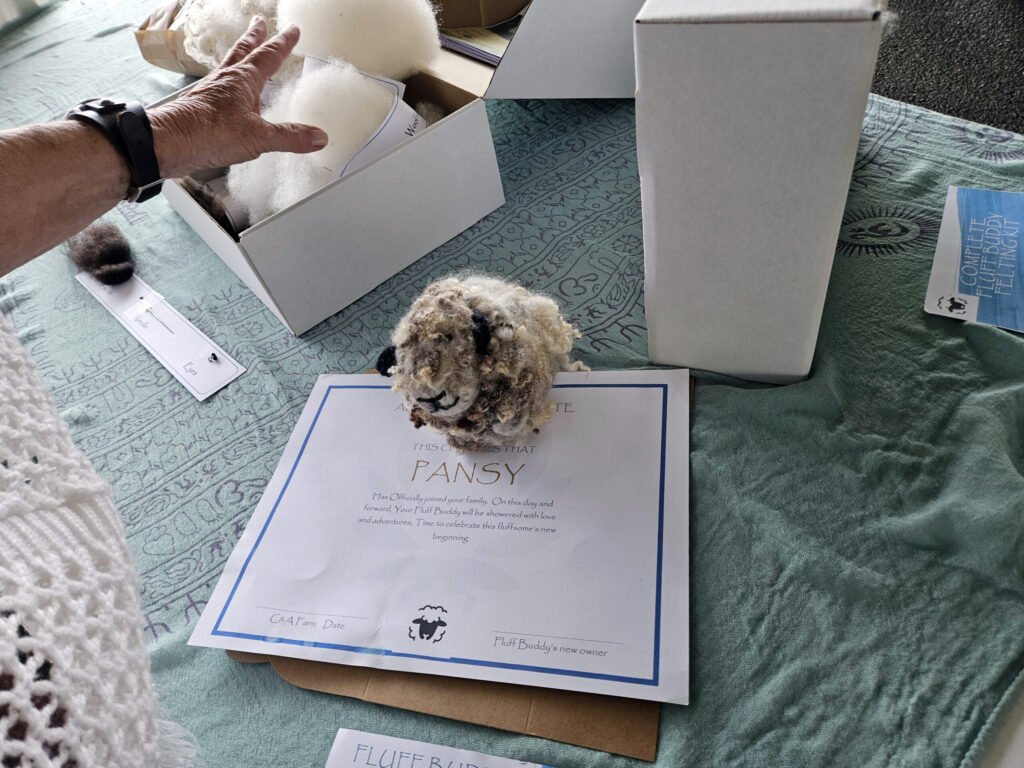
C&A Farm has since supplied The Likely Yarn in Abingdon with approximately 500 kits.
The product gives the farm another use for its wool while allowing customers to take part in making the finished item themselves. It also demonstrates how a farmers market can accommodate products that exist somewhere between agriculture and craft. The wool begins on a local farm, but Metcalf’s work turns it into an activity that can be explained and sold across a market table.
The Farm Behind the Table
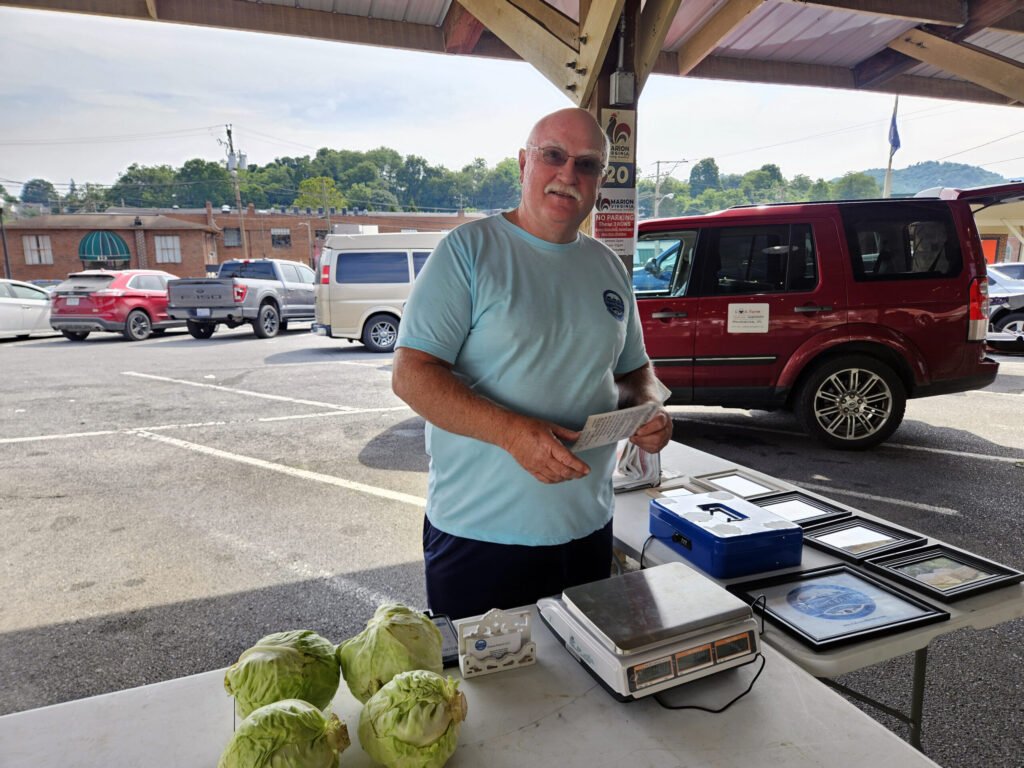
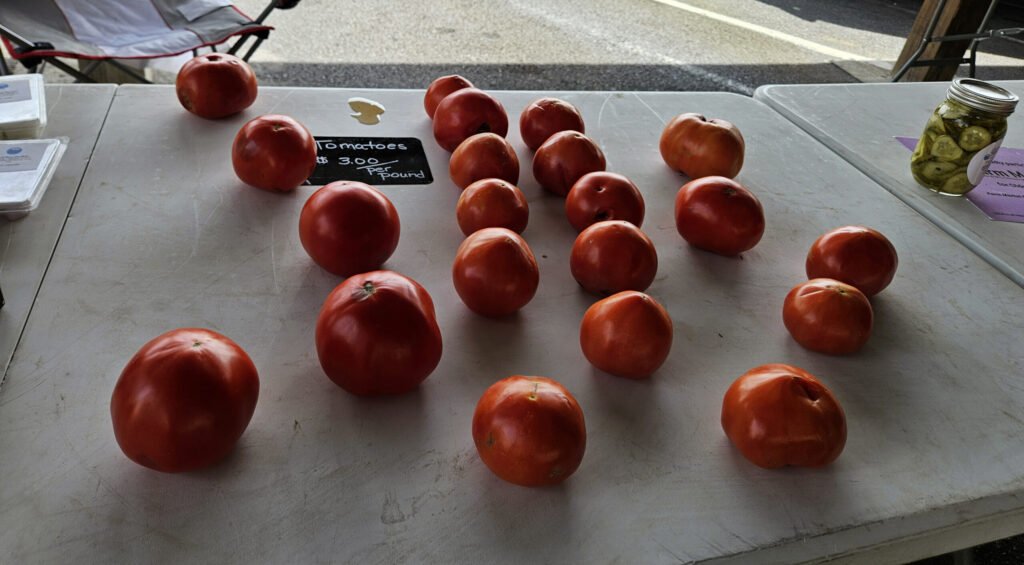
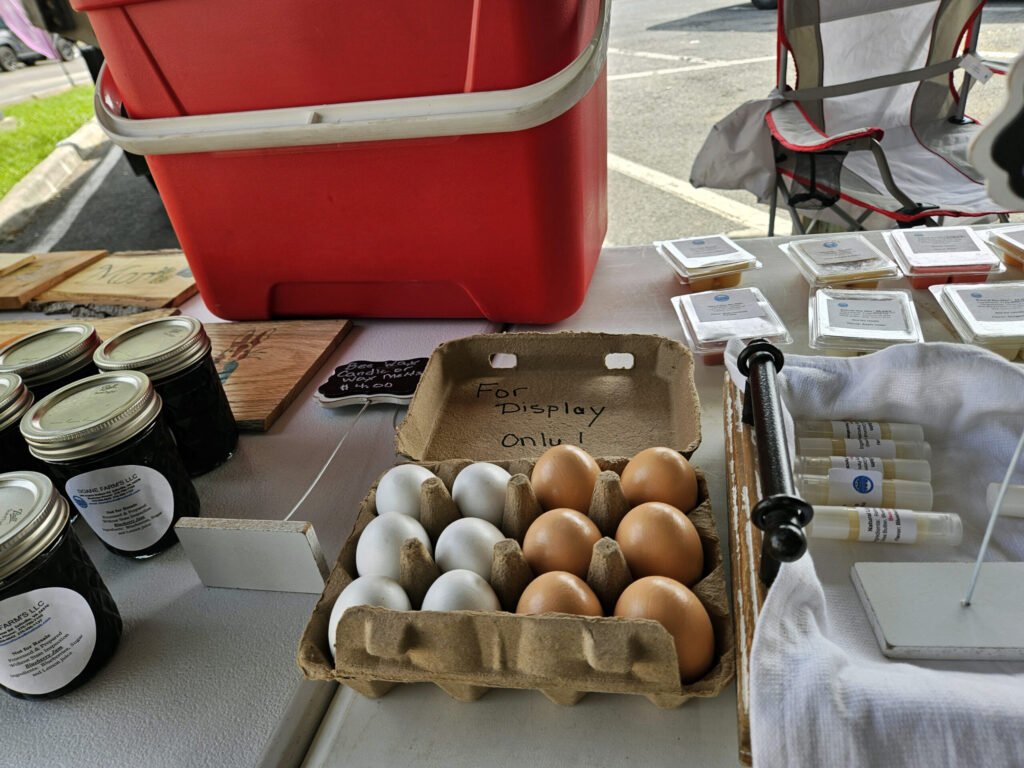
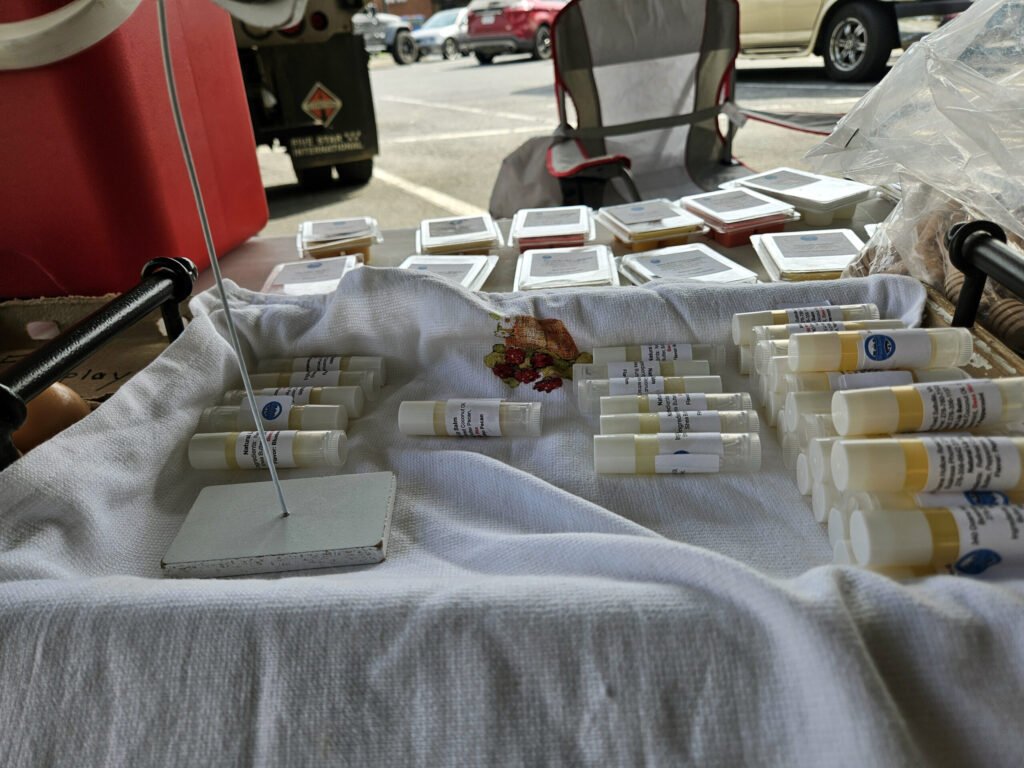
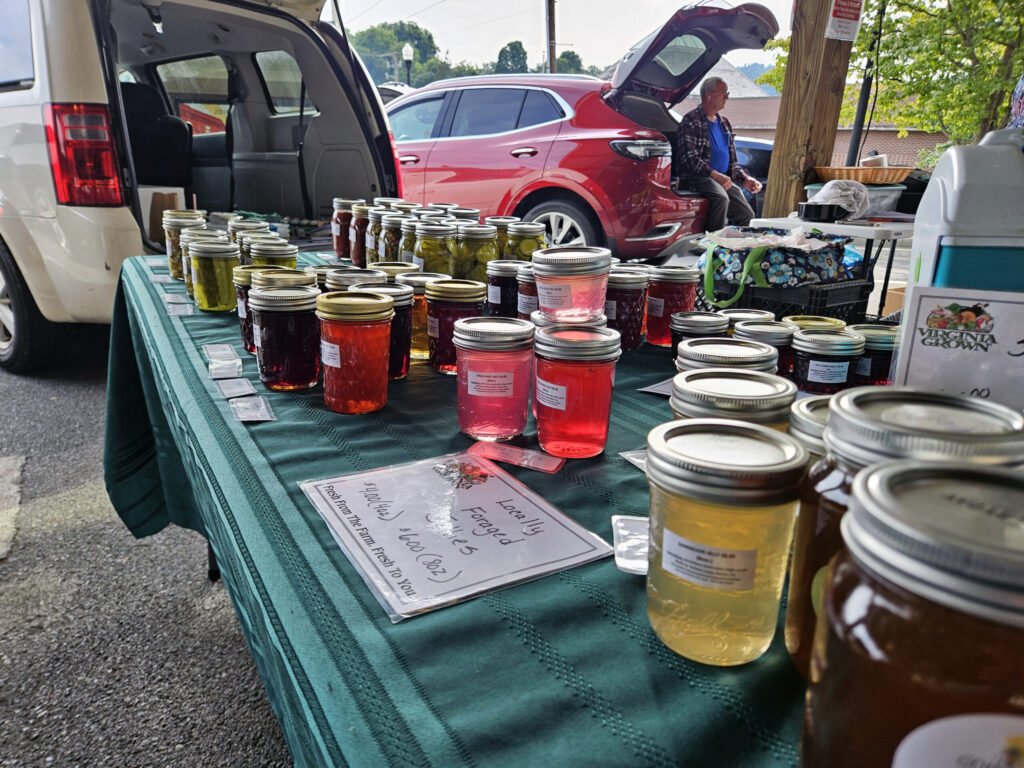
At the Doane Farms table, Chuck Doane was selling pickles, relish, spaghetti sauce, salsa, honey, eggs, tomatoes, cabbage, and shea butter lip balm.
The assortment on the table represented only a small part of the operation behind it.
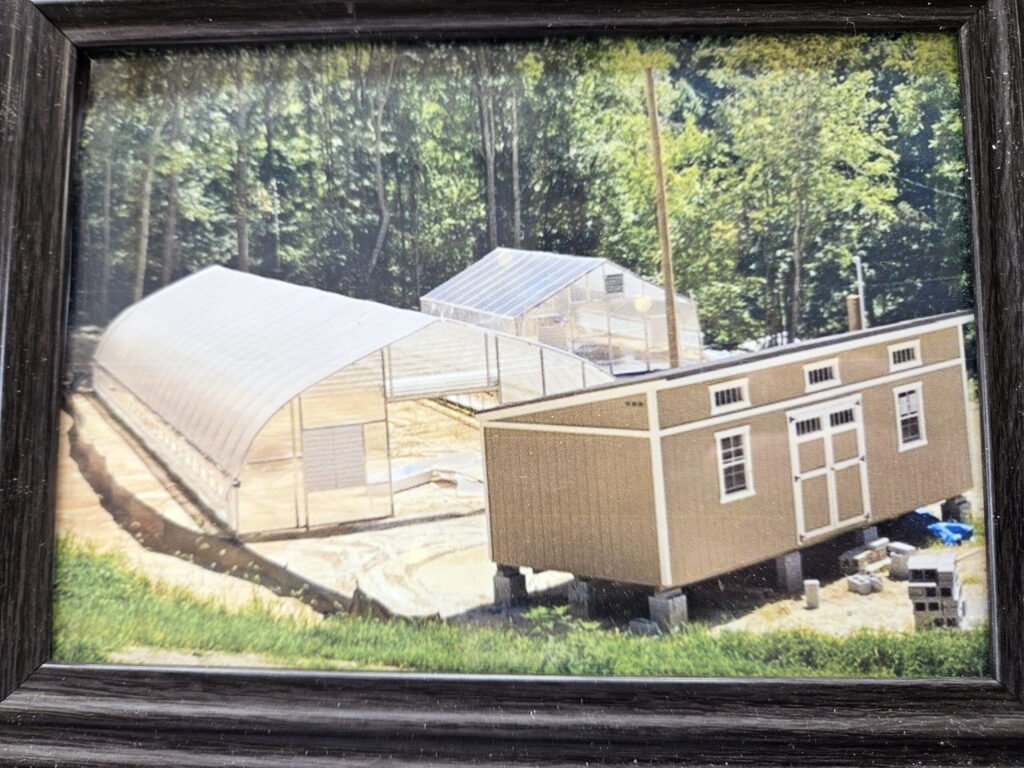
Doane showed me photographs of a new high tunnel and greenhouse being prepared for expanded production. He said the high tunnel would hold fall crops of cauliflower, broccoli, and cabbage.
The greenhouse will contain three hydroponic systems for lettuce and microgreens, along with 136 buckets for hydroponic tomatoes.
“We plan on starting our tomatoes at Christmas so that we can have spring-ripe tomatoes for everybody,” Doane said.
The family also raises cattle, pigs and chickens and maintains 15 beehives.
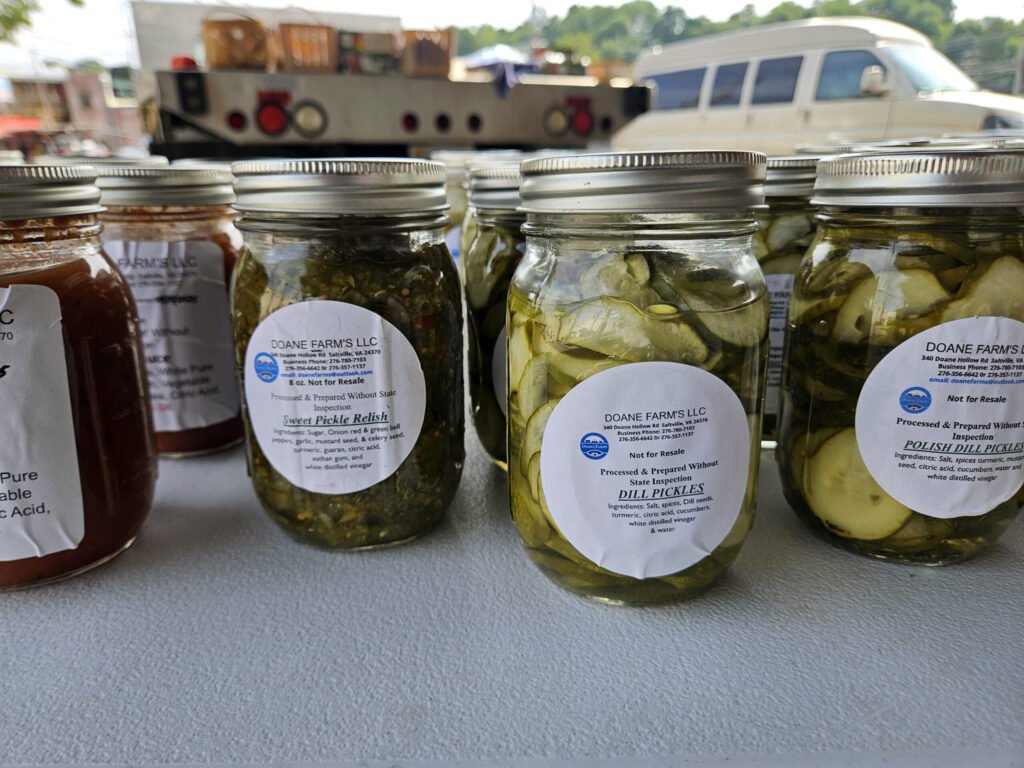
Doane said his family arrived in Virginia in 1687. He left after college and lived away for about 20 years before returning after his father died. Since then, the family has expanded the farm and purchased neighboring properties.
“I’m trying to get all the land that my grandfather and great-grandfather once owned back together as one farm,” he said.
Doane Farms now encompasses nearly 600 acres, according to Chuck. The work is handled by family members, several part-time workers and others who help with particular parts of the operation.
The Doanes are also developing a small store at the farm where customers will be able to purchase produce, beef and USDA-inspected pork. Doane said he hoped it would open in late fall or by spring, depending on the progress of the work.
There is much more to the Doane family’s story than could be covered during a market visit. Chuck’s years away from Virginia, his work with the U.S. Department of State, his agricultural work in Kenya, and the family’s efforts following Hurricane Helene warrant fuller treatment in a separate article.
At Marion, however, the Doane table demonstrated another purpose a market can serve. A few jars, vegetables, and cartons of eggs can introduce shoppers to a farm operation they might otherwise never encounter.
More Around the Marion Pavilion
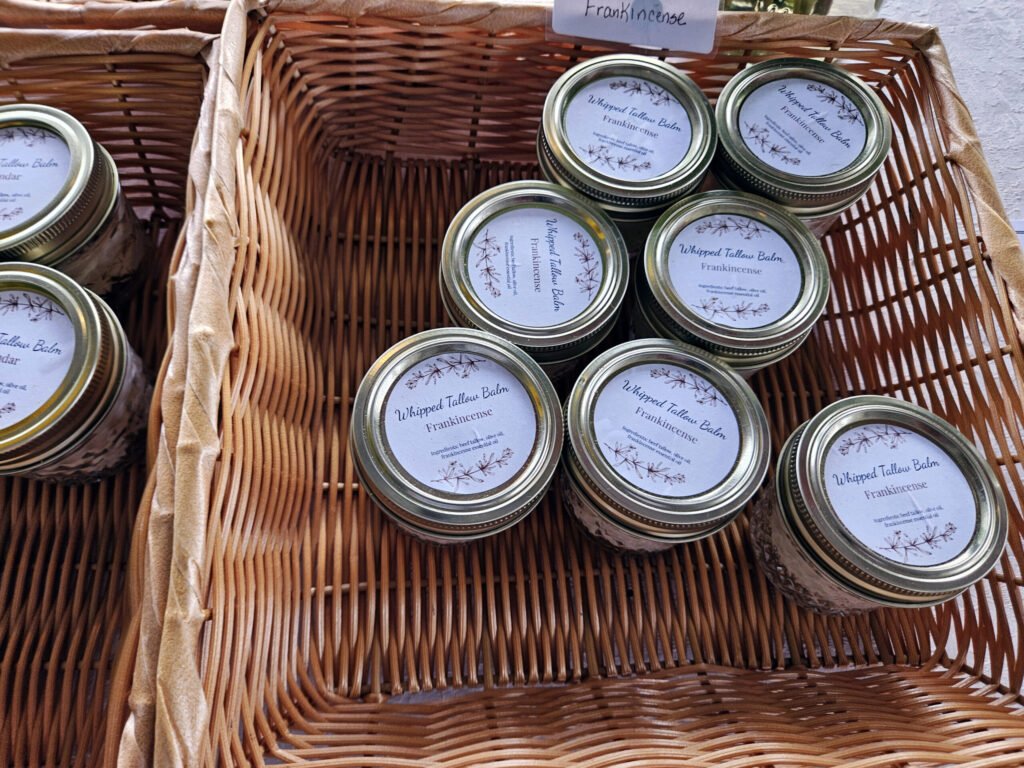
It was not possible to interview every vendor during one morning, and the businesses described here represent only a portion of those participating that Saturday.
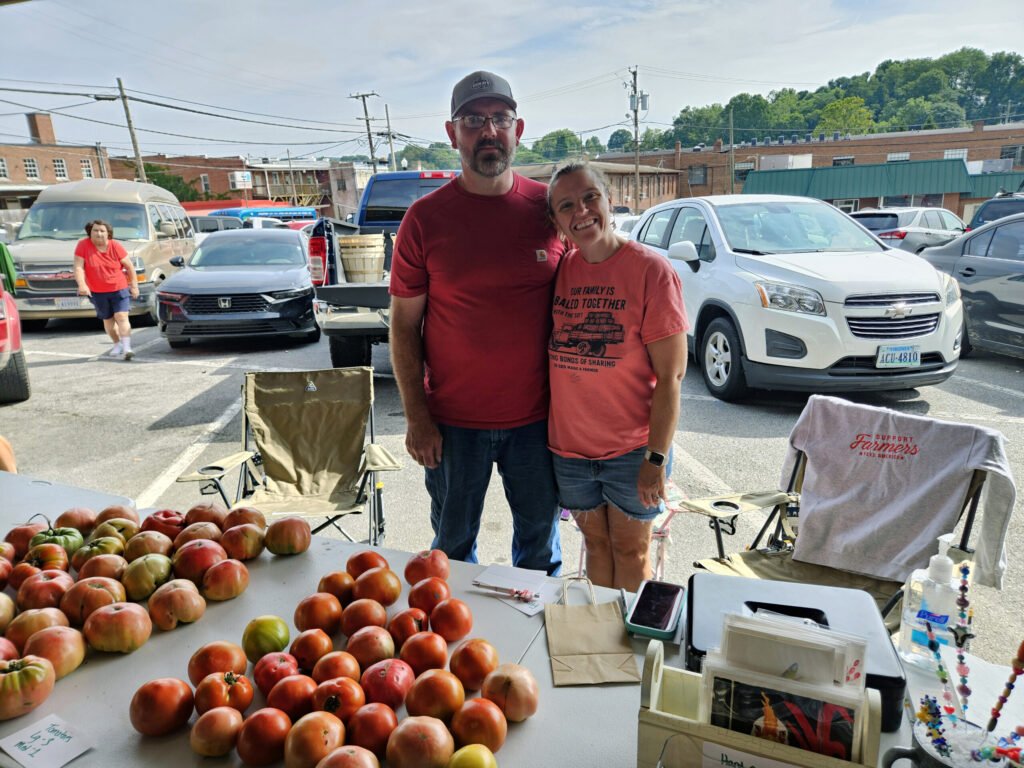
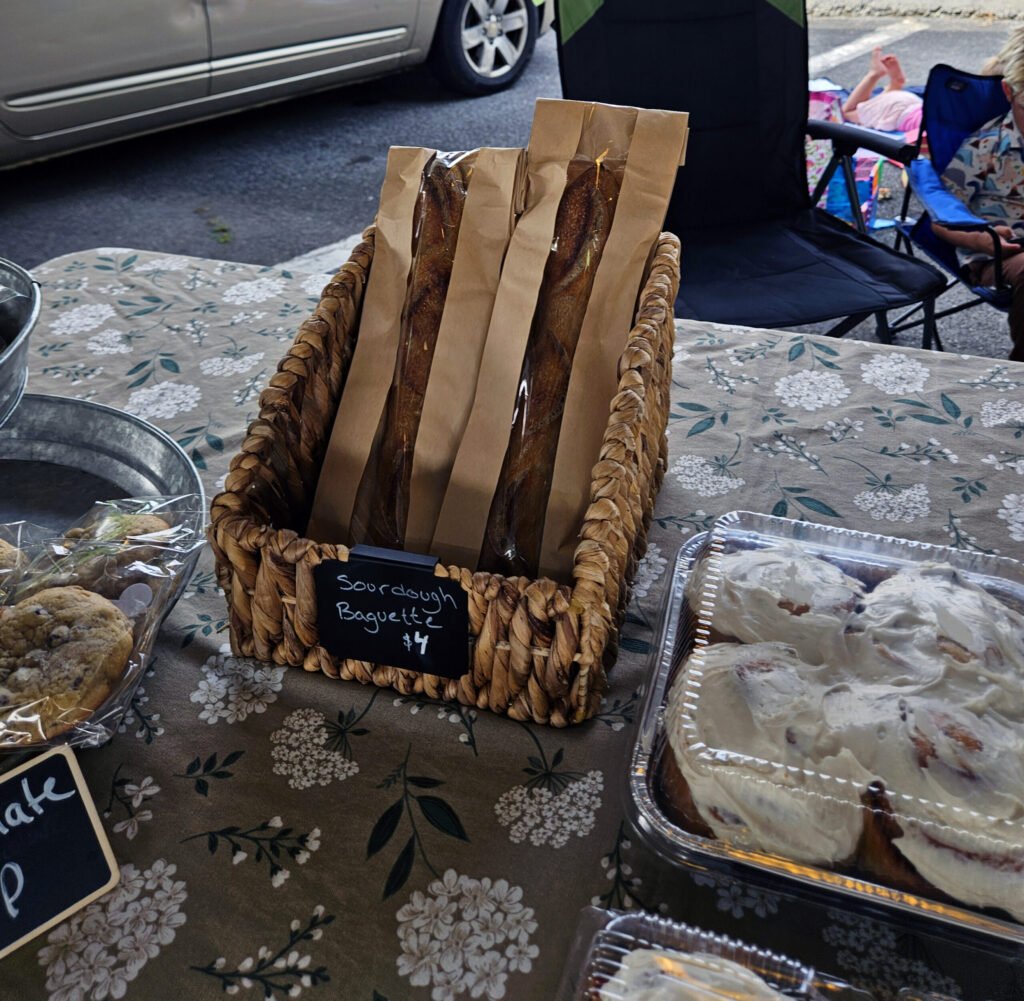
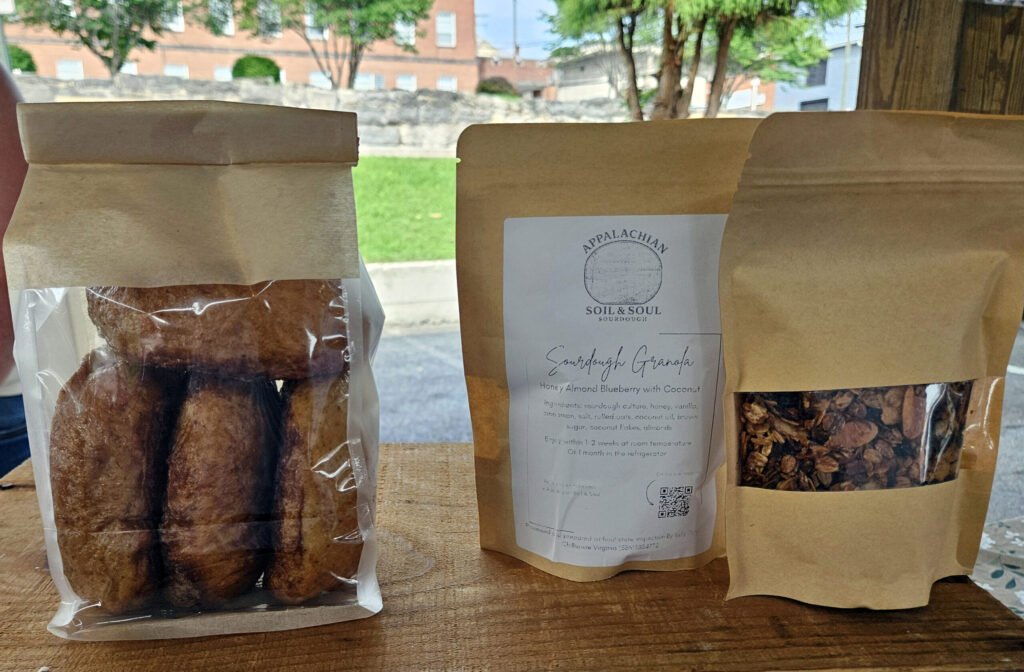
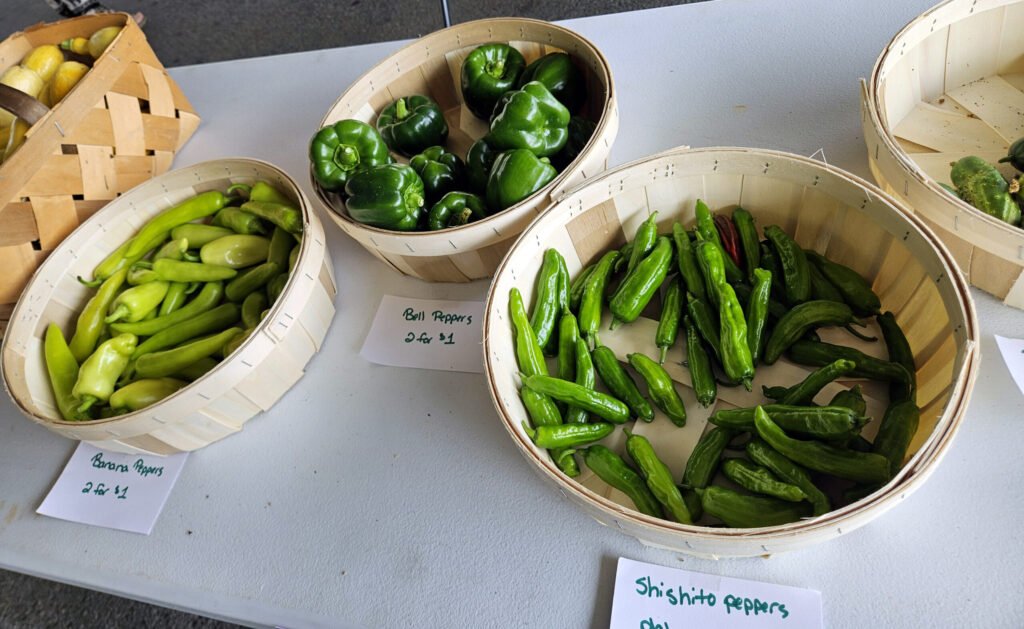
Appalachian Soil and Soul Sourdough offered bread, scones, and cookies. Valerie Thomas of Delights by Valerie had sugar-free cookies. Holly Dutton Baumgarner and Alan Baumgarner displayed heirloom tomatoes, cucumbers, pickles, canned goods, and jalapeño, shishito, bell, and banana peppers.
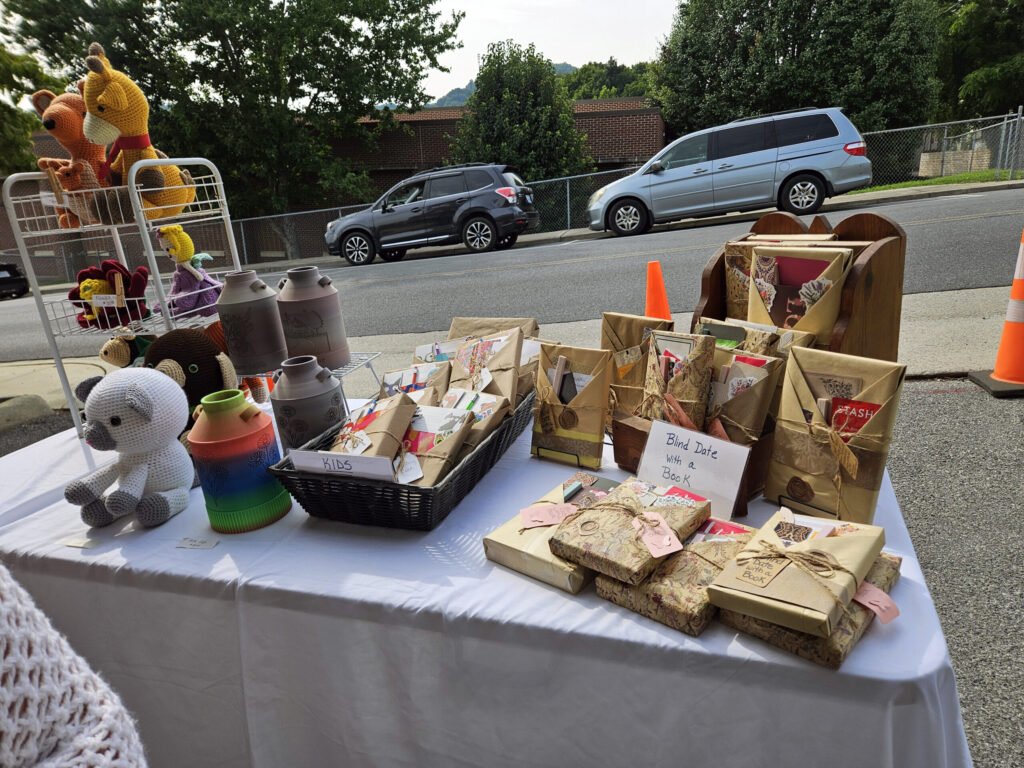
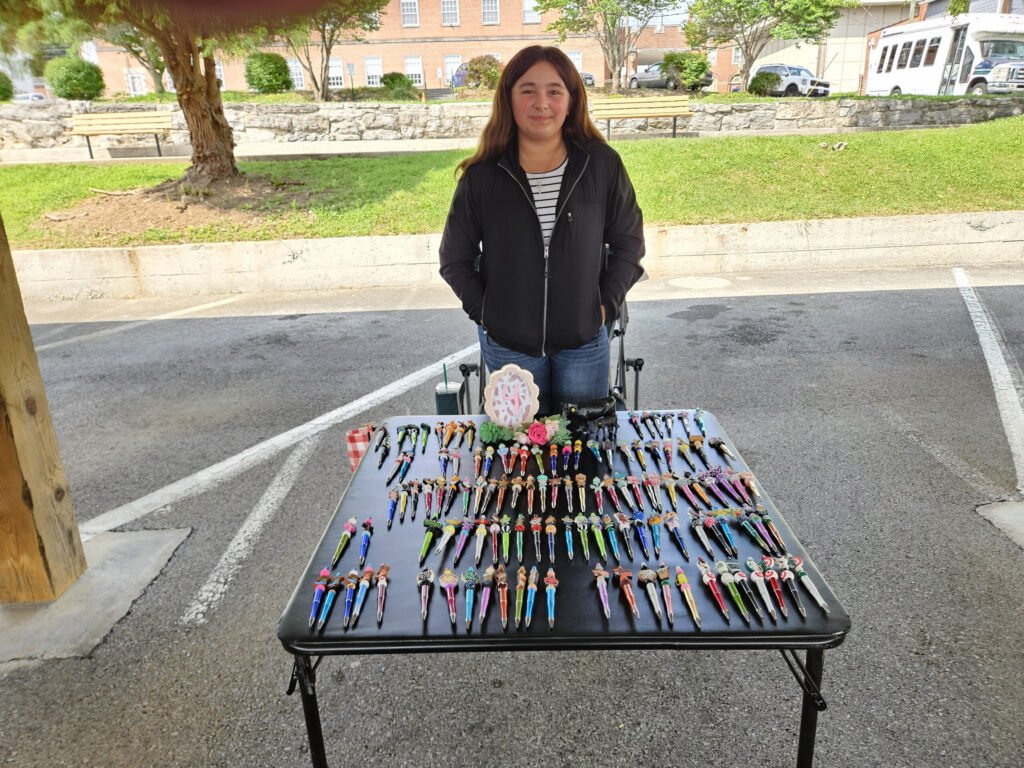
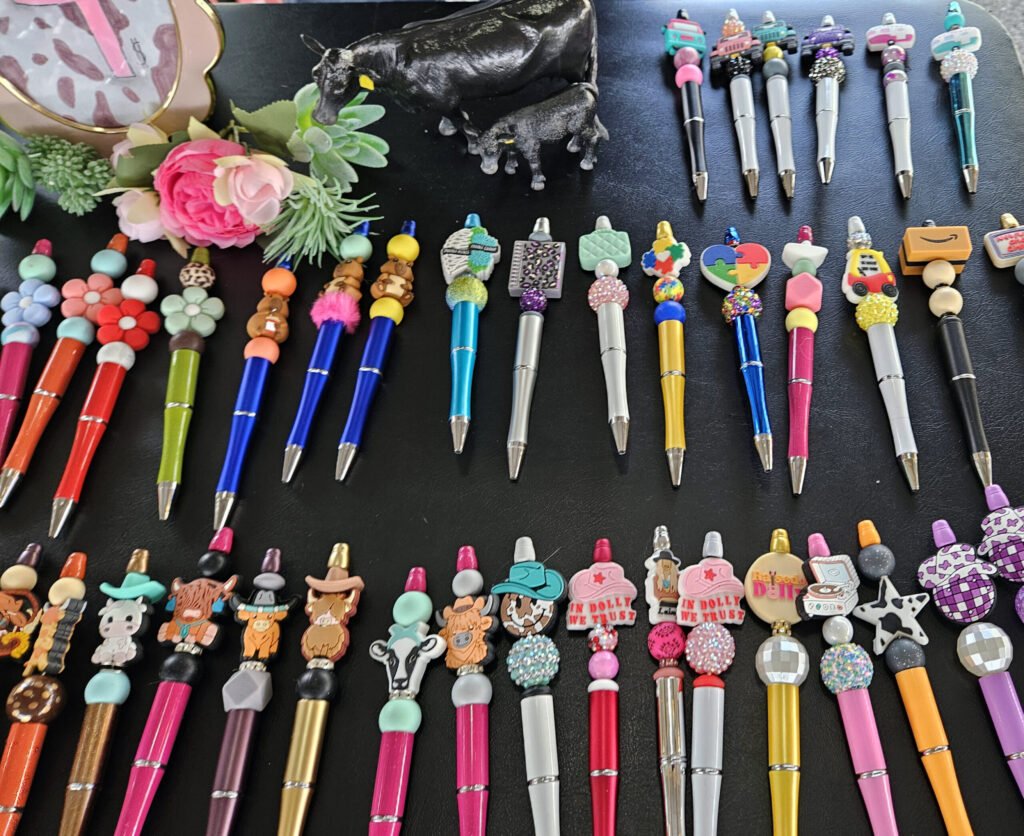
Other tables held artistic woodcuts and paintings, handmade crocheted goods and bread, and handmade pens. Wrapped books were offered as “Blind Date with a Book” purchases, allowing customers to choose a book based on a few clues rather than its cover.


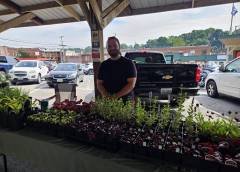
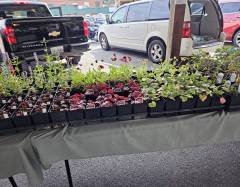
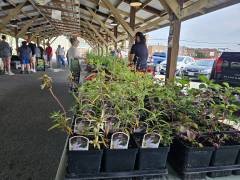
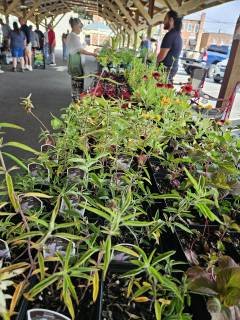
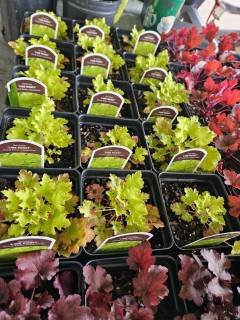
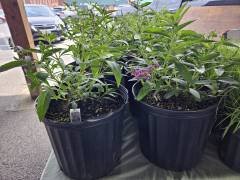
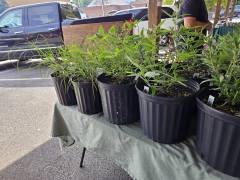


The plant selection included hostas, bee balm, monarda, swamp milkweed, Virginia mountain mint, yarrow, and heuchera Lime Rickey.’
The variety helped explain why even a relatively small farmers market can require more than one visit. Vendors change, produce moves in and out of season, and the contents of the tables are not identical from one Saturday to the next.


Market Information
According to the Town of Marion, the Marion Farmers Market is held Saturdays from 8 a.m. to noon, May through October. It is located at the corner of Cherry and Chestnut streets in downtown Marion.
The town advises visitors to consult its current market calendar for information about fifth-Saturday craft markets and seasonal winter or holiday events.






Leave a Reply