

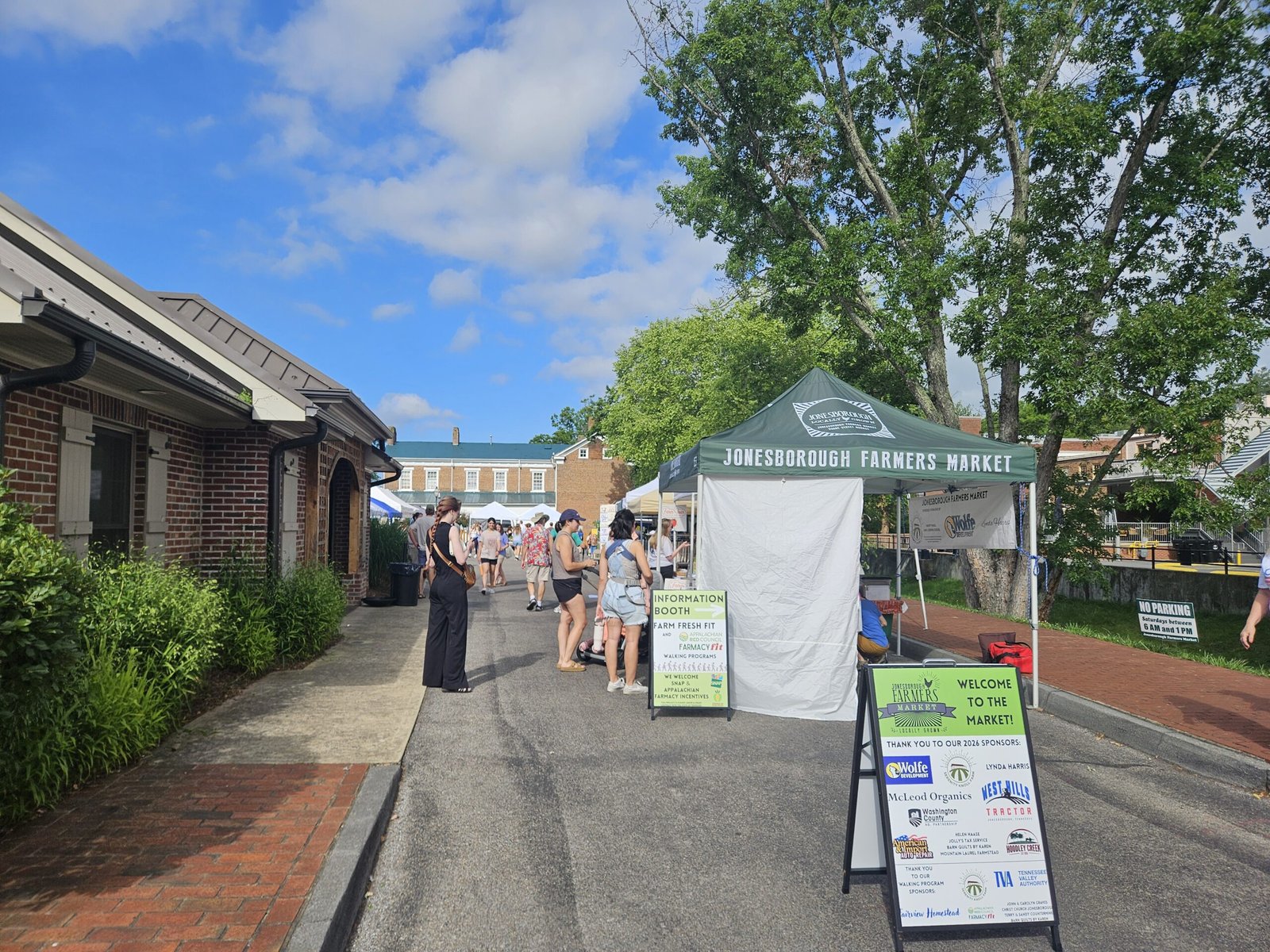
I always enjoy going to the Jonesborough Farmers Market, but on the morning of the Appalachian RC&D Council’s 2026 Farm Tour, the market felt like more than a pleasant Saturday stop. It felt like the right place to begin.
Jonesborough has a way of refusing to become a museum piece. Tennessee’s oldest town is proud of its history, but downtown rarely feels frozen in it. The town makes room for storytelling, summer music, festivals, costumed Star Wars fun, and a steady calendar of reasons for people to gather. The farmers market fits that pattern. It is historic Jonesborough doing something very current: connecting farmers, makers, and neighbors face-to-face.
The Jonesborough Farmers Market is a 100% producer-only market, which means the products for sale must be grown, raised, or made by the farmer or artisan selling them. No reselling is allowed. The Town of Jonesborough also notes that vendors are located within 100 miles of town.
That rule changes the feel of the place. The person behind the table is not just a seller. More often than not, that person planted it, milked it, baked it, cut it, raised it, stirred it, shaped it, or loaded it into the truck that morning.
A Market With a Purpose
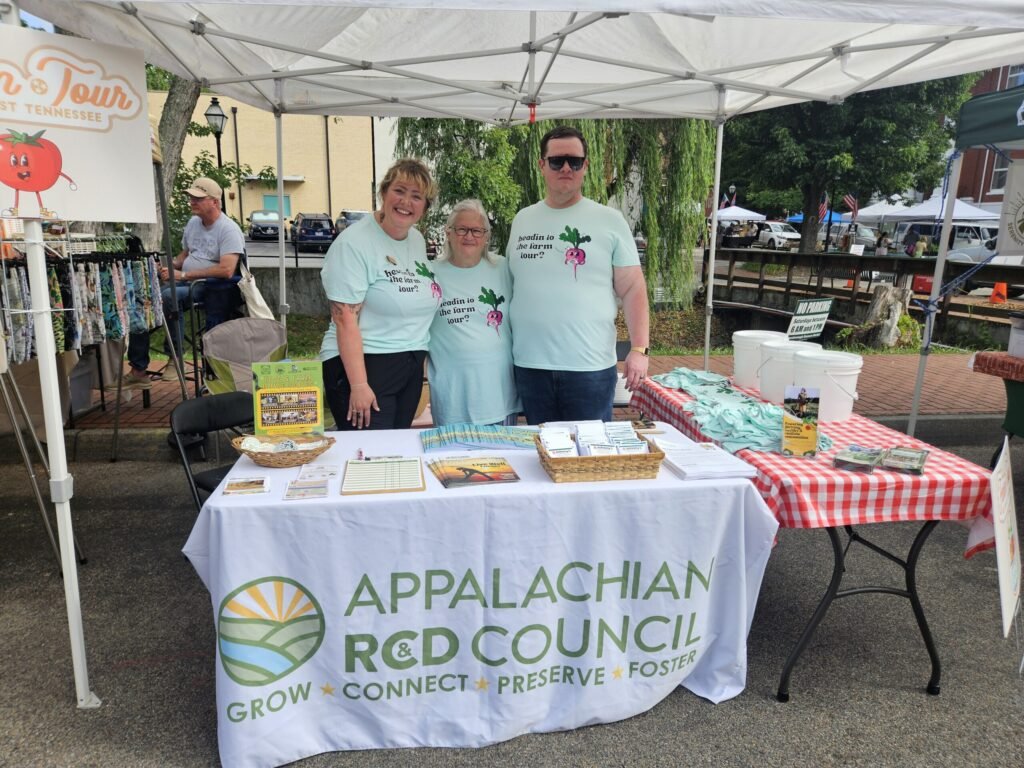
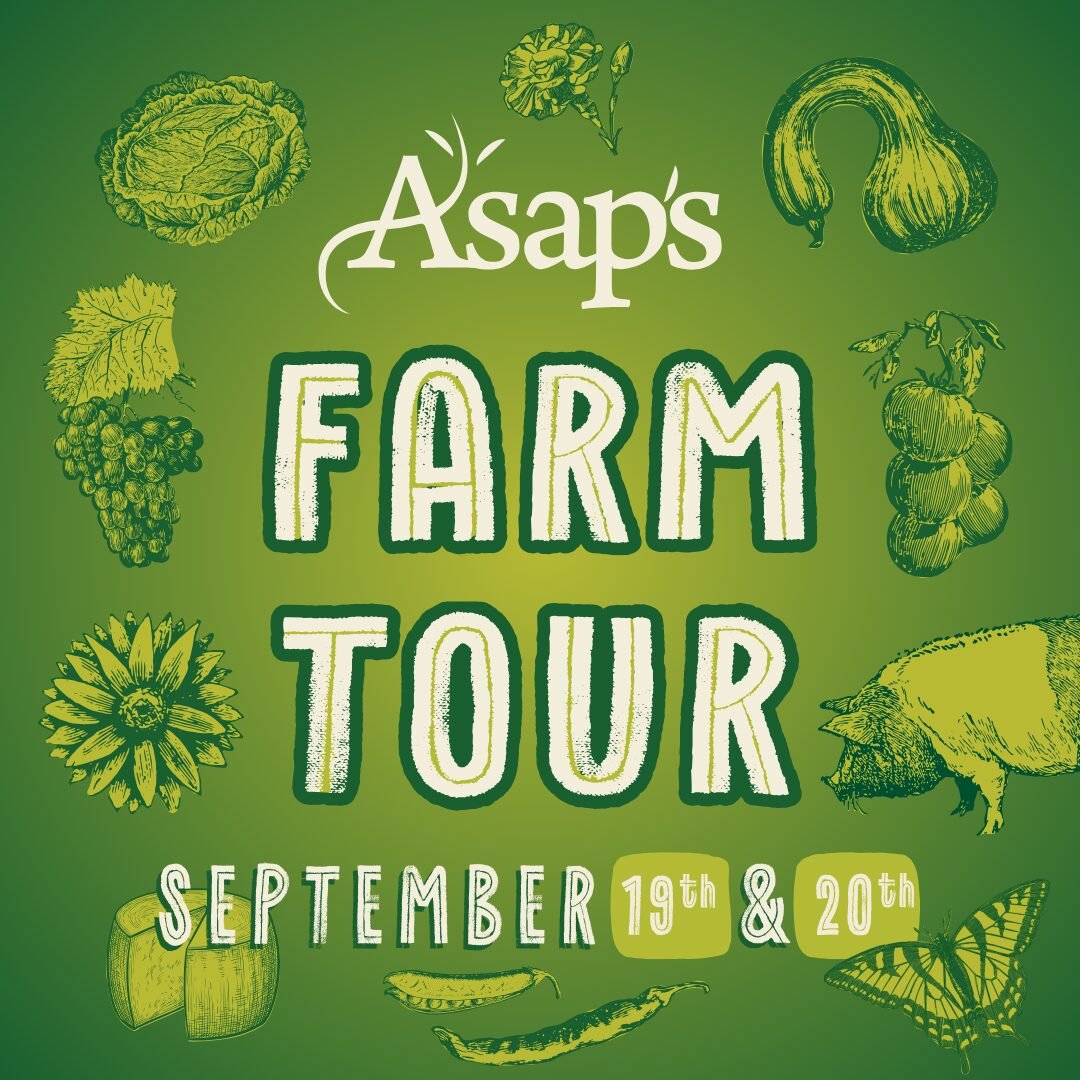
For us, the market became the morning starting point before the afternoon Farm Tour route began. The 2026 Northeast Tennessee Farm Tour was a self-guided event hosted by Appalachian RC&D Council, with more than 20 local farms and agricultural hubs across Washington and Greene counties open from 1 to 5 p.m. Pass holders could pick up their physical car passes that morning at either the Jonesborough Farmers Market or the Depot Street Farmers Market in Greeneville.
After signing up online, we stopped at the front table and picked up a map, a list of farms, and, for reasons I still do not fully understand, a bucket.
The bucket turned out to be useful.
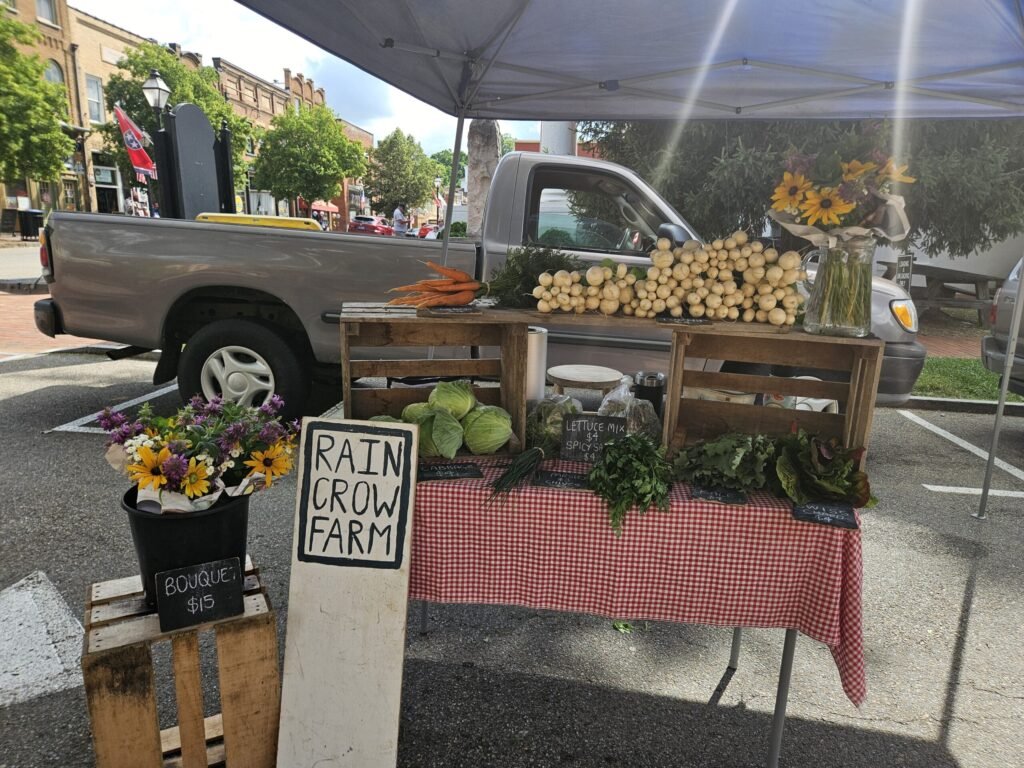
As we moved through the market, it became my improvised shopping basket. One of the first things I discovered was Japanese turnips, small and mild enough to eat raw, with a crisp bite somewhere between a turnip and a radish. That is one of the pleasures of a market like this: you often leave with something you did not plan to buy and may not have known to look for.
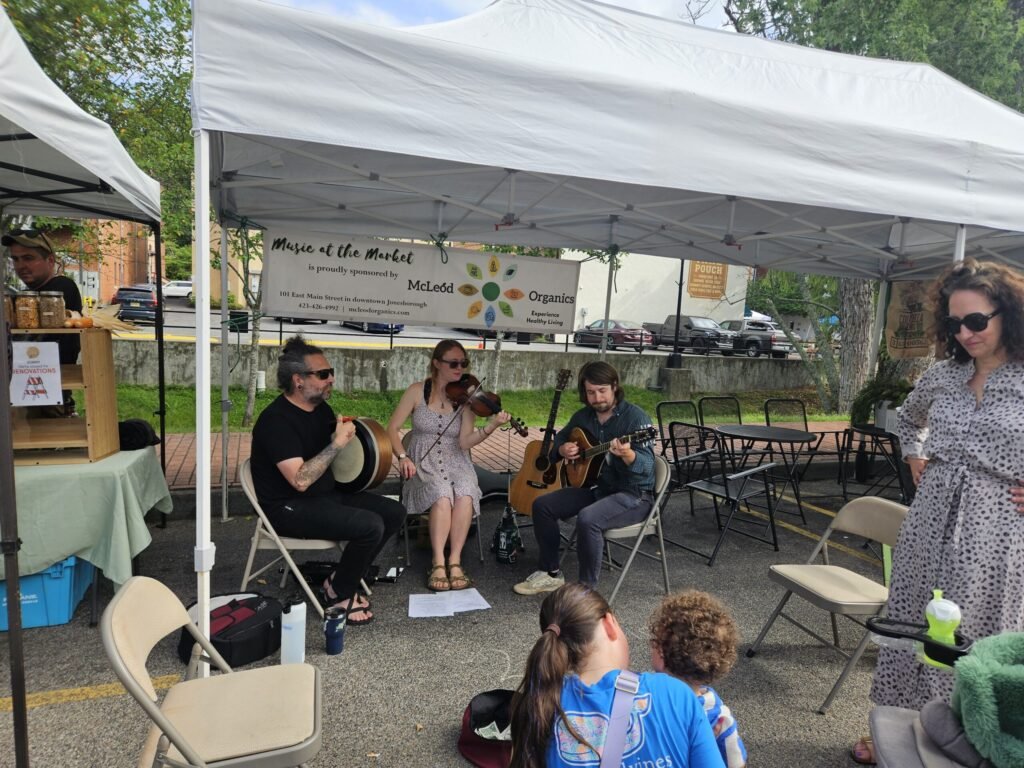
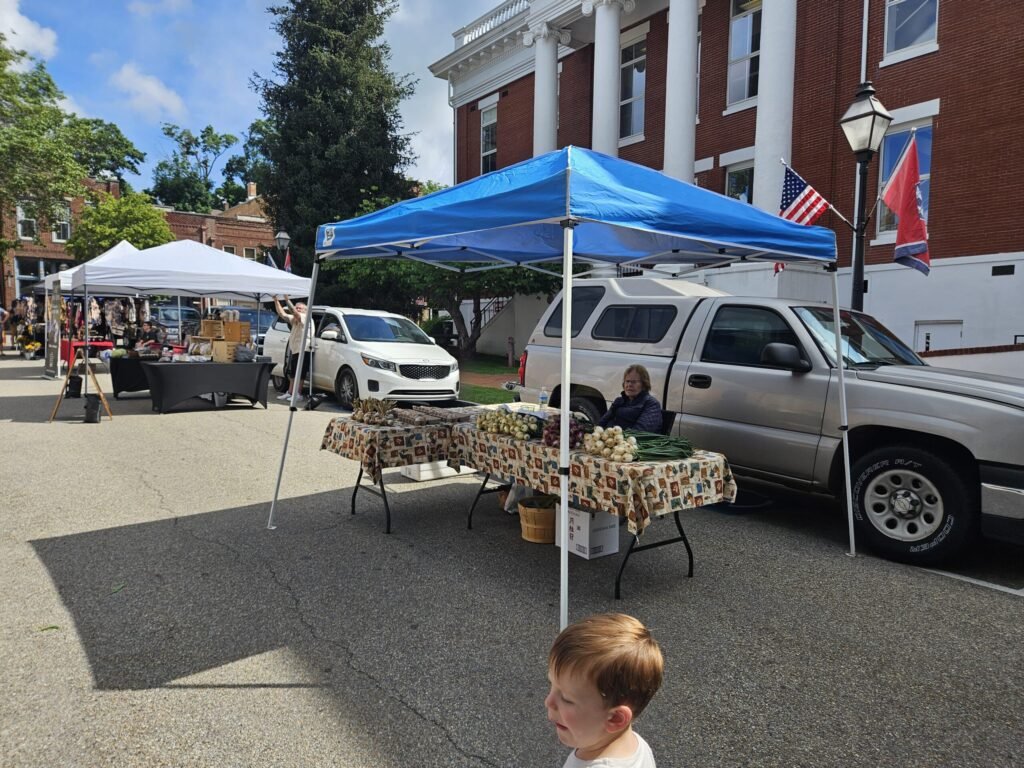
Music filled the morning, too. Jenny & the Weazels were playing Celtic tunes on fiddle, bouzouki, and bodhrán, giving the street a lively, grounded soundtrack. Jonesborough Farmers Market regularly features live music, and on this Saturday, it helped turn a food-shopping trip into something closer to a town gathering.
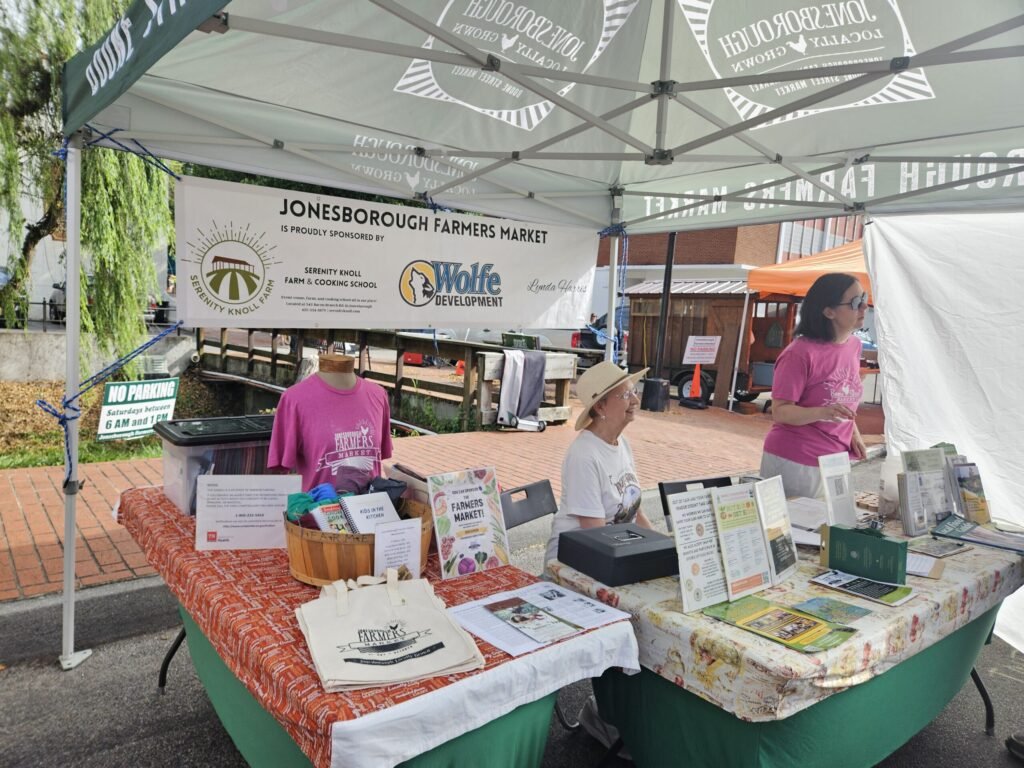
The People Behind the Tables
Because the market is producer-only, each table offered a direct line back to a farm, kitchen, or workshop.
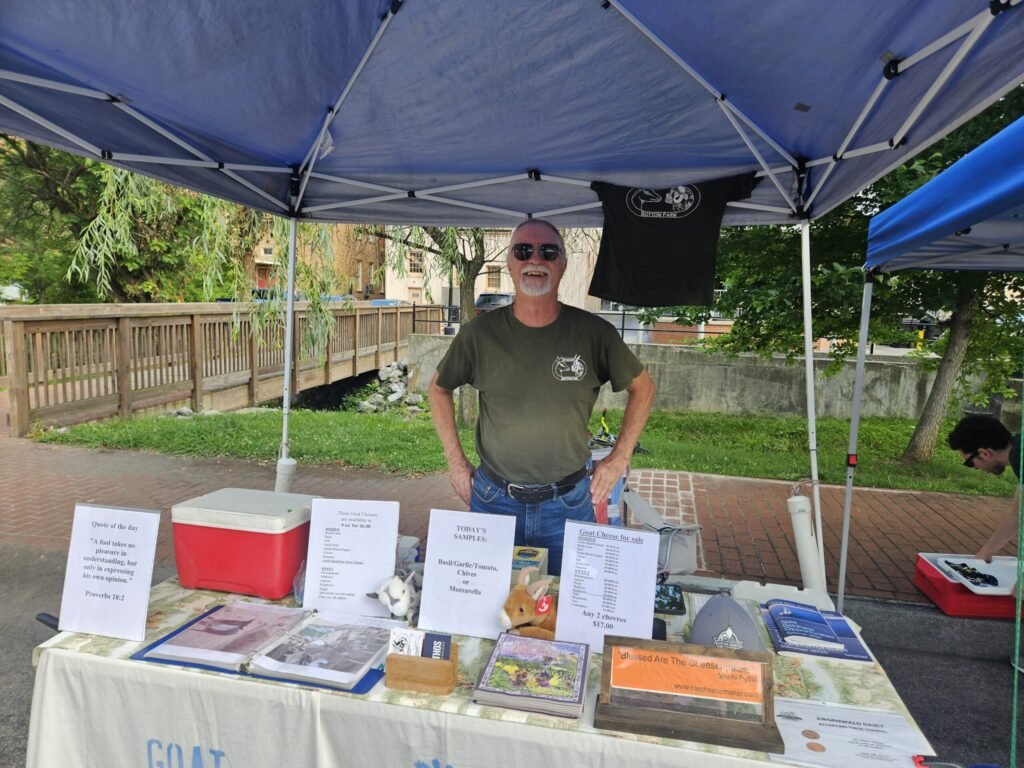
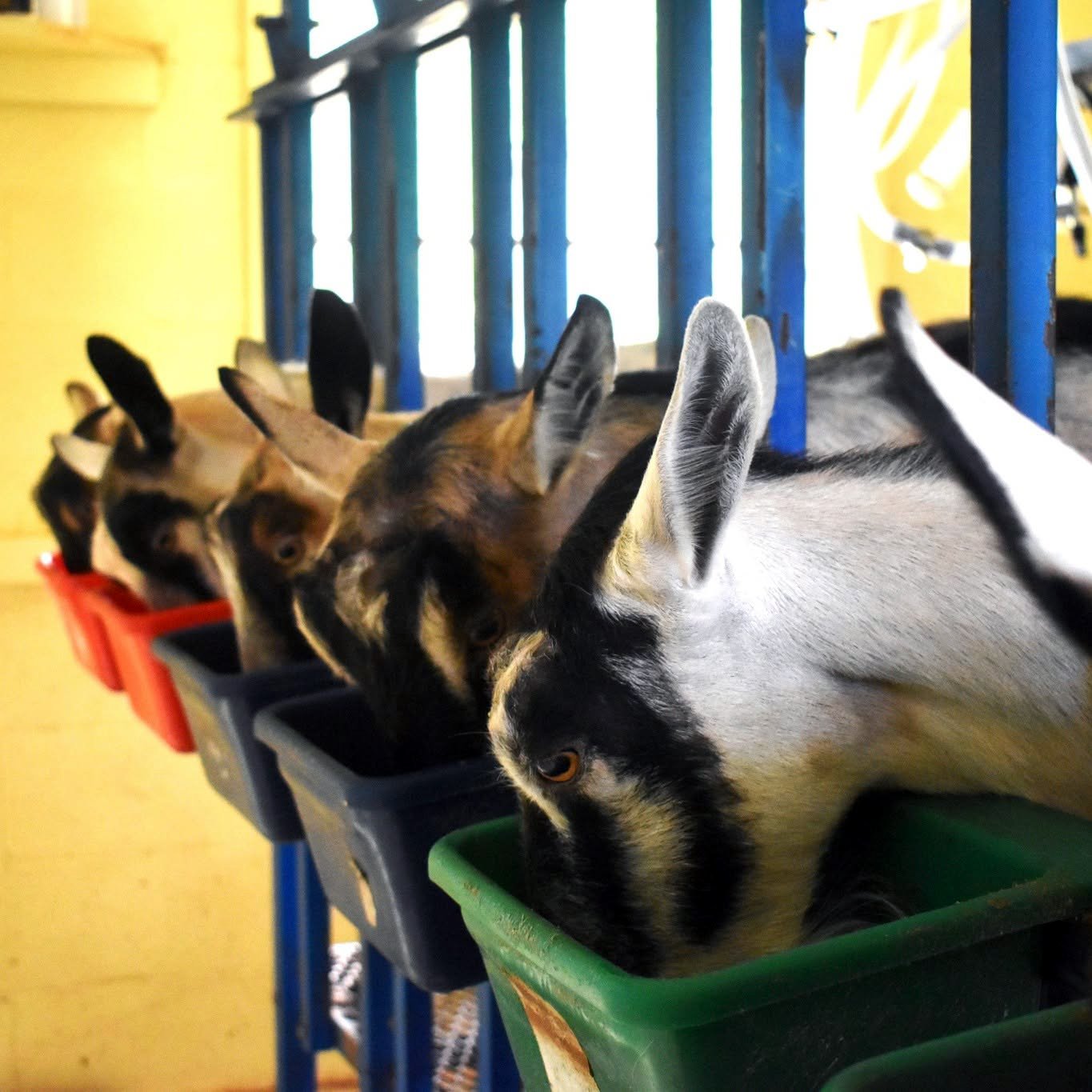
We stopped at Ziegenwald Dairy, where John was selling goat cheeses, including chèvre-style cheeses in a range of flavors. Jonesborough Locally Grown lists Ziegenwald Dairy as one of the market’s 2026 vendors, offering goat cheese.
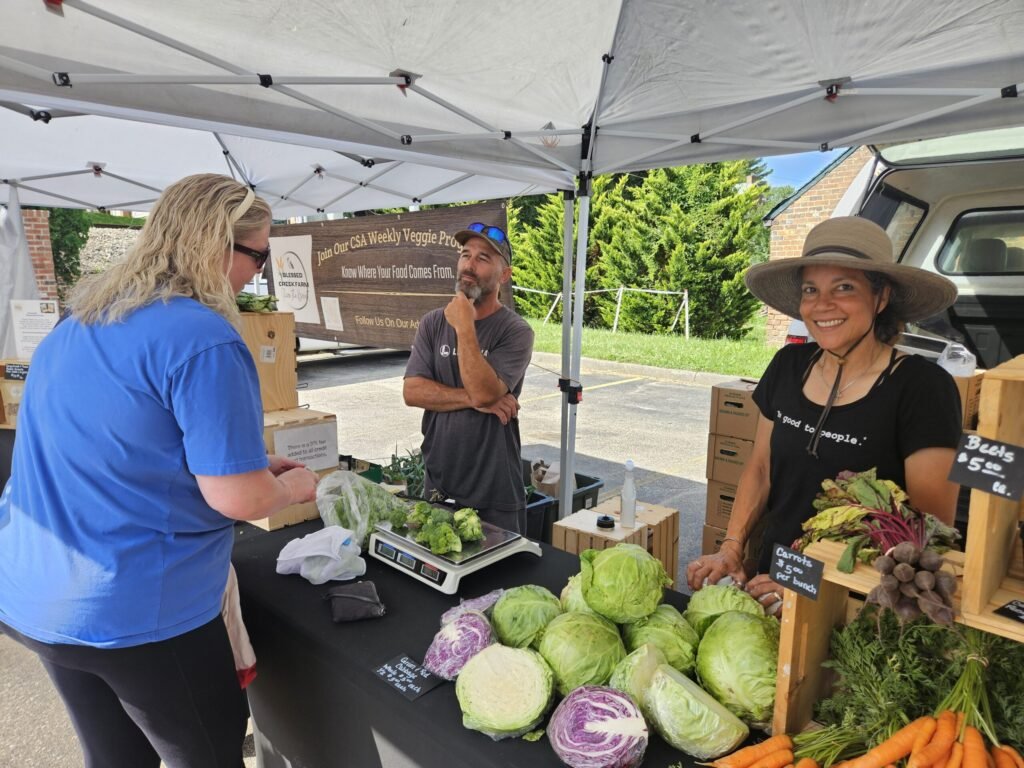
At Blessed Creek Farm’s table, Eric and Bridgett had driven from Surgoinsville with vegetables that looked like they had been arranged for a photograph. Jonesborough Locally Grown lists Blessed Creek Farm among the 2026 vendors, with produce, pasture-raised chicken, and eggs. Pick Tennessee Products also lists Blessed Creek Farm as offering Community Supported Agriculture, market garden sales, pastured poultry, eggs, and pasture-raised pork.
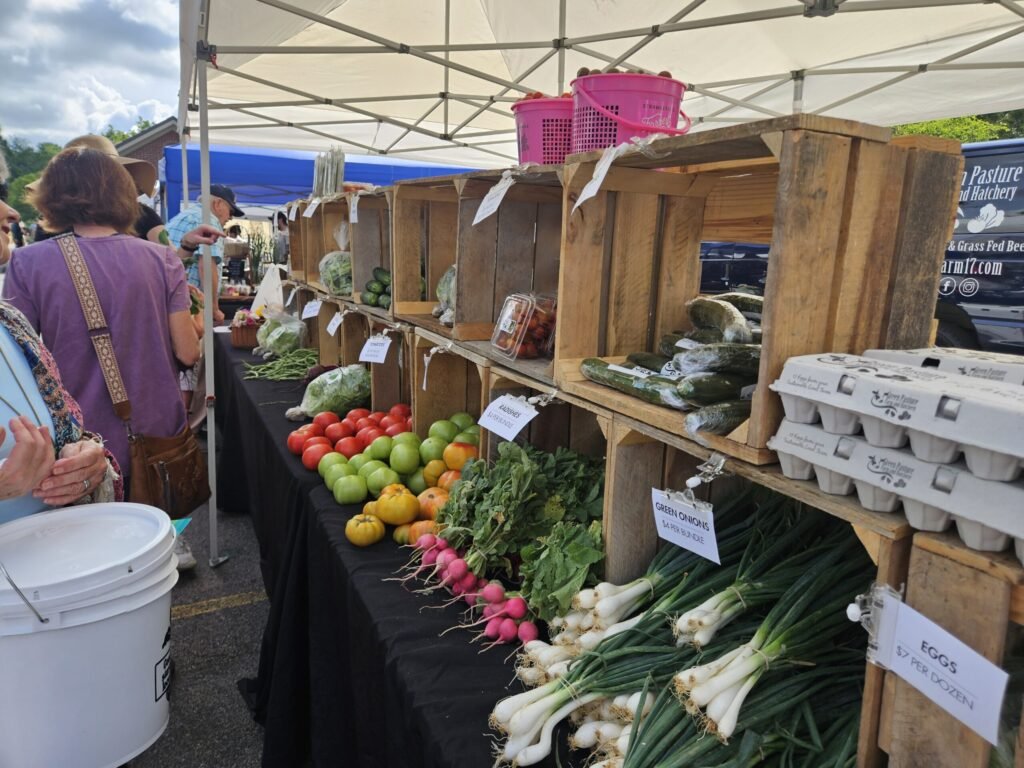
Green Pasture Farm brought another piece of the local food picture. Public market materials list the farm as offering hydroponically grown and in-soil produce along with grass-fed beef.
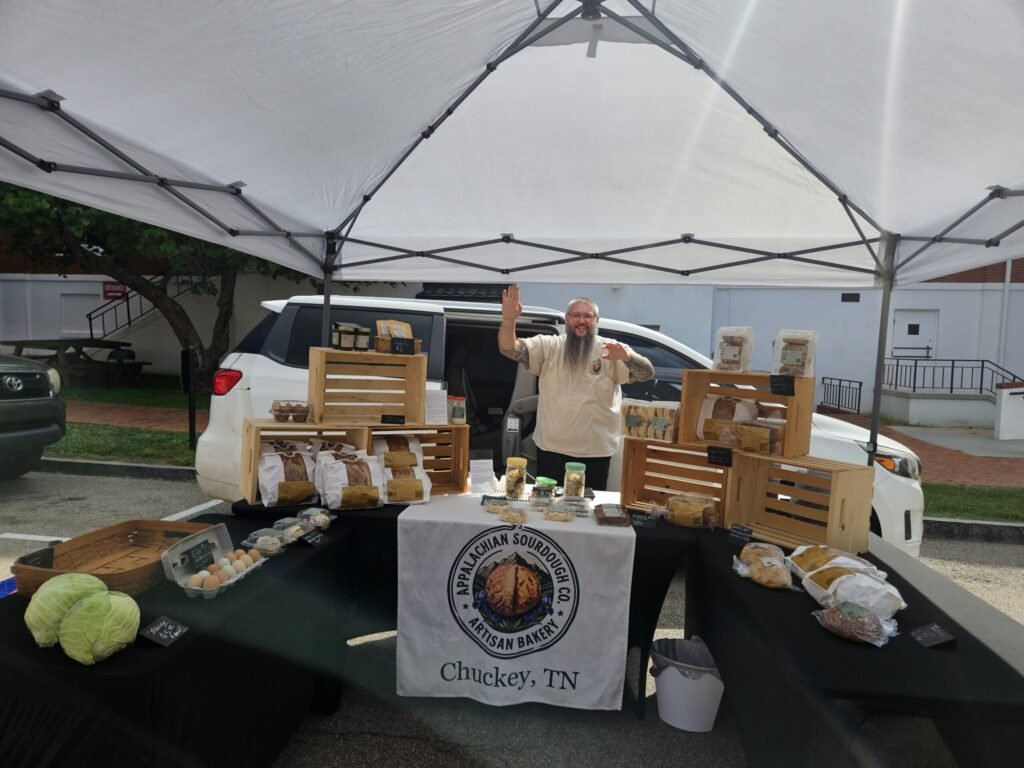
There were prepared and handmade goods, too. Appalachian Sourdough had bread that looked and smelled like it belonged in the bucket immediately. Jonesborough Locally Grown lists Appalachian Sourdough among the 2026 vendors, with baked sourdough items and fresh produce.
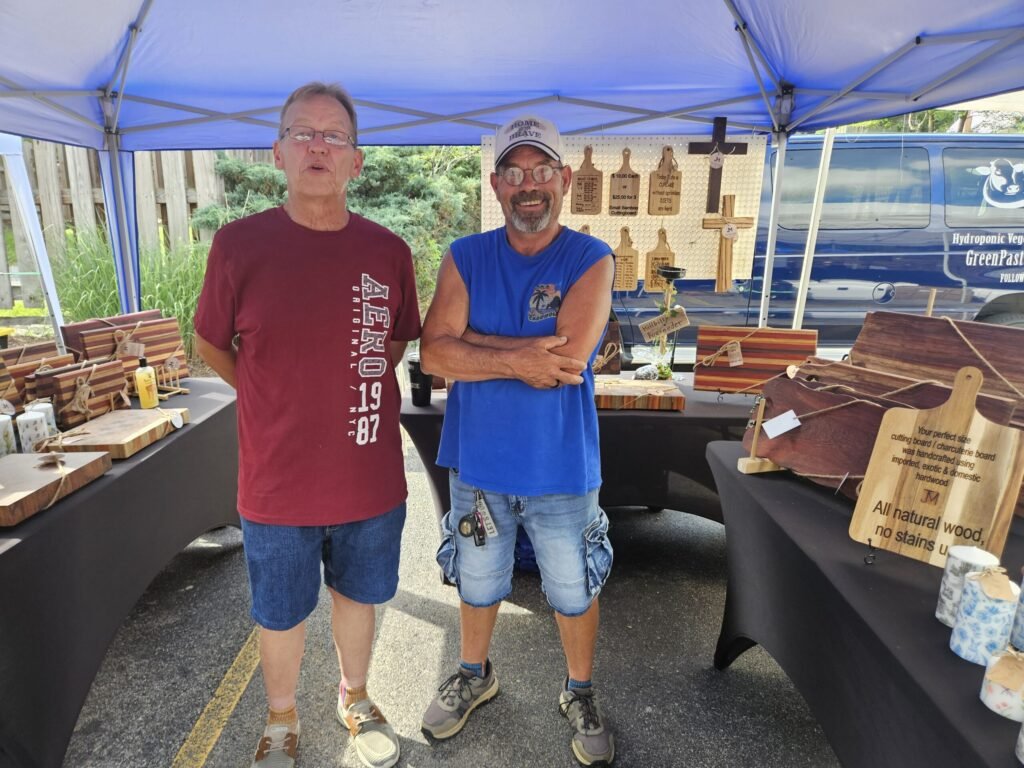
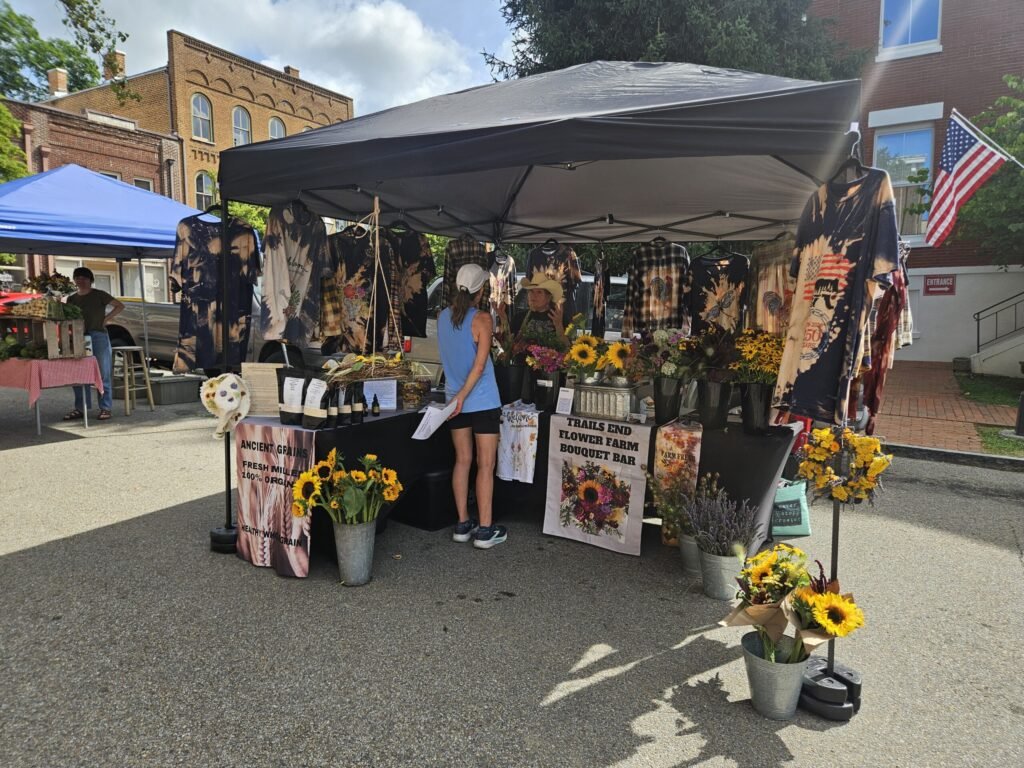
Nearby, Jeff and Michael’s table showed another side of the market: extracts and pastes such as vanilla bean, coconut, lemon, and chocolate, along with decorated candles and wooden cutting boards. Other vendors offered flowers, crafts, honey, coffee, baked goods, plants, mushrooms, handmade skin products, and small-batch items that make a farmers market feel like more than a produce aisle moved outdoors.
That variety matters. A local food system is not only about fields and livestock. It is also bakers, cheesemakers, flower growers, woodworkers, market managers, musicians, volunteers, and customers willing to build Saturday morning habits around local farms.
Where the Chain Becomes Personal
The Jonesborough Farmers Market was not one of the afternoon Farm Tour stops in the same way that Horse Creek Farm, Appalachian Producers Cooperative, and Butterfield Farm were. But it helped explain all of them.
Butterfield Farm showed the farm-level work: soil, pasture, livestock, water, rotation, and constant adjustment. Appalachian Producers Cooperative showed the infrastructure farmers need after animals leave the farm: processing, inspection, packaging, refrigeration, and workforce. Horse Creek Farm and Little Lou’s Creamery showed how a dairy can add value and bring customers directly onto the farm.
The farmers market shows what all of that looks like when it reaches the public.
It is the place where local food stops being an idea and becomes a conversation across a table. A shopper can ask how the turnips taste raw. A farmer can explain what a CSA share is. A cheesemaker can describe the difference between flavors. A baker can tell you what came out of the oven. A customer can look the producer in the eye and understand that their money is not disappearing into a distant supply chain.
That connection has economic and emotional value. The Farmers Market Coalition cites research finding that direct-market farms generate more regional economic activity per dollar of sales than producers who do not sell directly, and that direct-market farms create more local jobs per $1 million in revenue than larger wholesale growers.
Local markets also give communities more options. They do not make farmers immune to rising costs of fuel, fertilizer, feed, packaging, labor, or equipment. They do not replace every grocery store, processor, or distributor. But they do shorten the distance between producer and customer, and they give small farms a way to sell food without surrendering the entire relationship to a distant system.
That is why the farmers market belongs in the same conversation as the farms and facilities on the tour. A regional food chain needs soil and animals. It needs processing and refrigeration. It needs transportation and inspection. But it also needs a public place where people can buy the food, meet the people behind it, and make local agriculture part of ordinary life.
The Front Door
By the time we left the market, the bucket had done its job. It had carried produce, but it had also become a small symbol of the morning: practical, unexpected, and full by the end.
That is what the Jonesborough Farmers Market does for the local food system. It gives the public a front door.
People may not begin by thinking about soil health, meat processing, dairy economics, supply chains, or farm viability. They may begin with music, a loaf of bread, a bunch of turnips, a wedge of goat cheese, or a conversation with a farmer from the next county over.
But that is enough. Local food systems are built through relationships as much as infrastructure. At the Jonesborough Farmers Market, those relationships are visible every Saturday morning, one table, one conversation, and one full bucket at a time.







Leave a Reply