

The Quirky, Enduring Legacy of The Old Farmer’s Almanac
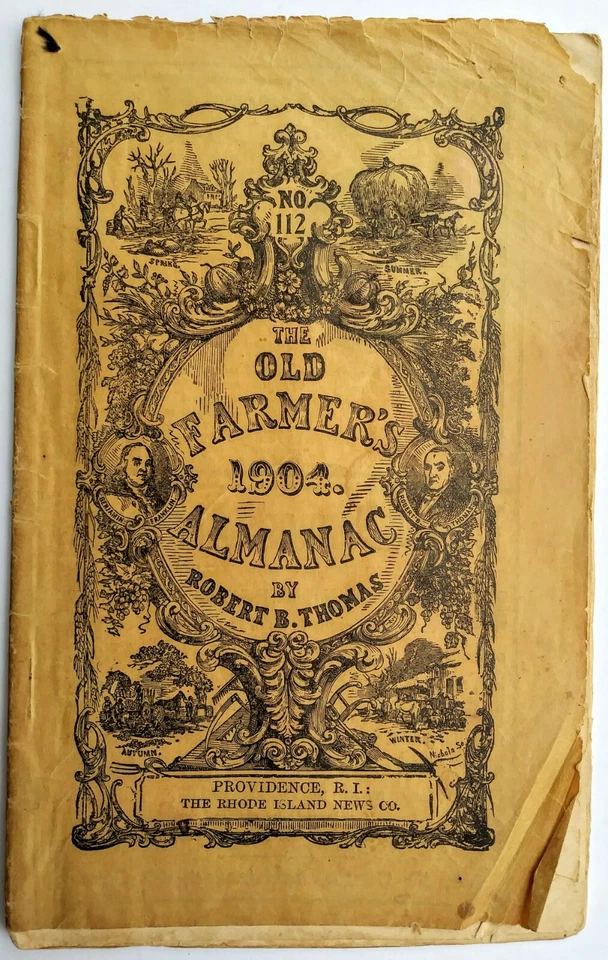
Walk into a hardware store or feed-and-seed in the Appalachian Highlands in late summer or fall, and you may still spot it near the register: a squat yellow annual with a hole drilled clean through the upper-left corner. The Old Farmer’s Almanac looks like something that should have disappeared with hand-cranked corn shellers and wood cookstoves. Instead, it keeps turning up.
In an age of weather apps, radar loops, satellites, and computer models, North America’s oldest continuously published periodical still sells by the millions. Its appeal is not speed. A phone can tell you whether rain is coming in the next hour. The Almanac offers something slower: frost dates, moon phases, planting tables, recipes, odd facts, jokes, weather lore, and the feeling that the year still has a shape.
The Hole That Wouldn’t Go Away
To understand the Almanac, start with the hole.
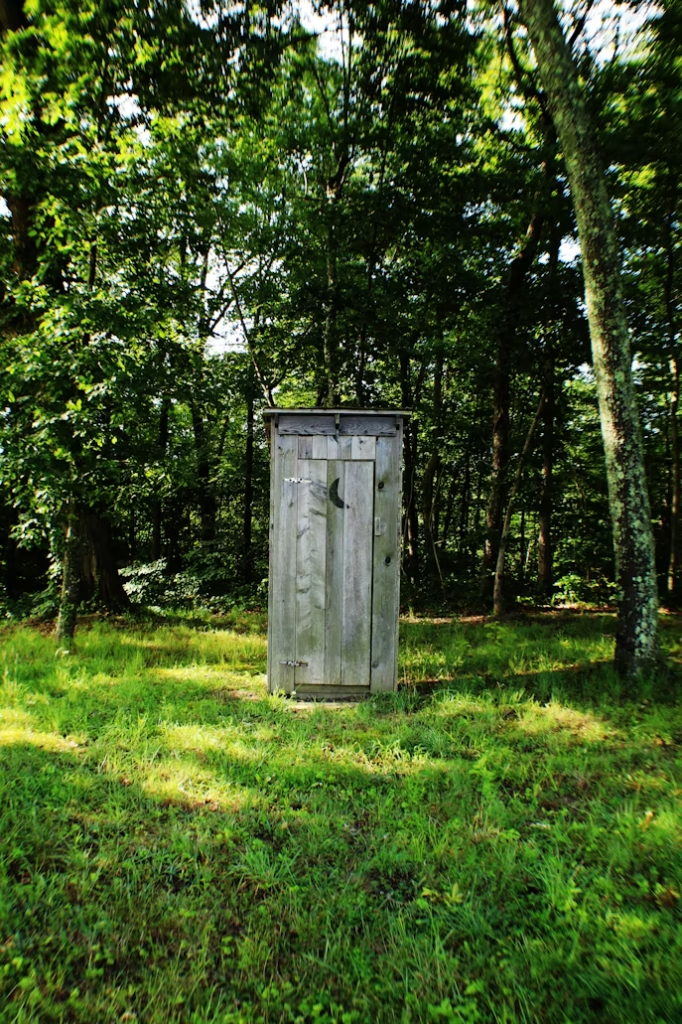
Early readers wanted the book where they could reach it, so they made their own hanging hole: they punched through the corner, ran string or twine through it if needed, and hung the Almanac from a nail in the barn, kitchen, workshop, or outhouse.
The outhouse part is not incidental. Before commercial toilet paper became common, almanacs, catalogs, and newspapers often served a second purpose after they had been read. A farmer could check the weather, read a joke, mark the moon phase, and then, page by page, put the book to one final practical use.
The publisher eventually began drilling the hole at the plant. In the 1990s, when editors considered dropping the costly step, readers pushed back. The hole stayed. It had become more than a convenience. It was proof that the Almanac was meant to be used, not merely shelved.
The company has said that maintaining that small bit of tradition costs tens of thousands of dollars a year, which may make it one of publishing’s most stubborn expenses: a tiny round hole kept alive by habit, memory, and reader loyalty.

“Useful, With a Pleasant Degree of Humor”
Robert B. Thomas published the first edition in 1792 for the year 1793, and the Almanac’s old promise has always been practical: be useful, but do not be dull. Thomas wanted the book to be “useful, with a pleasant degree of humor,” and that mixture became its signature.
That mattered. In isolated farm households, an almanac was not just a calendar. It was a weather guide, an astronomical table, a household manual, a joke book, and a companion for winter evenings. Its humor was dry, rural, and often blunt. The best lines sound less like polished comedy than like something overheard beside a stove.
One old bit of rural medical advice, often repeated in Almanac lore, offers this cure for a toothache: take a mouthful of cold water and sit on a hot stove until it boils. Other sayings favored work over idleness, thrift over ease, and plain talk over sentiment. The Almanac’s voice was practical, but it was never humorless.
That combination helped it endure. It did not ask readers to choose between usefulness and entertainment. It gave them both, bound together in a little annual they could hang on a nail.
Predictions, Legends, and Wartime Censors
The Almanac has never claimed to work like a government forecast office. Its long-range weather predictions, according to the publication, draw on a mixture of solar science, climatology, meteorology, and a closely guarded formula. Whether readers believe the method or not, its weather lore has given the book some of its best stories.
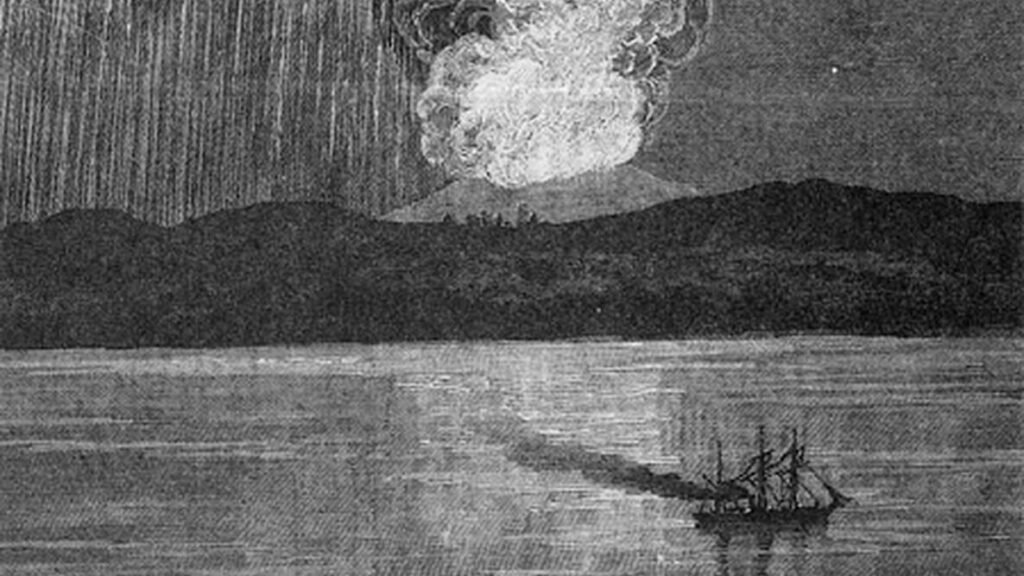
The most famous dates to 1816, the “Year Without a Summer,” when cold weather and crop-killing frosts followed the massive eruption of Indonesia’s Mount Tambora. Almanac lore says Thomas was distracted while a printer’s assistant was setting type for July. When asked what to predict for July 13, he supposedly snapped, “Rain, Hail, and Snow.”
The story may be apocryphal, but that has hardly dimmed its power. Snow and killing frosts did strike parts of eastern North America that summer, devastating crops and frightening communities that depended on them. Whether by accident, intuition, or coincidence, the little yellow guide seemed to have seen summer snow coming.

More than a century later, the Almanac’s weather tables attracted official attention for a very different reason. During World War II, after the 1942 Long Island landing of German saboteurs from a U-boat, one of the captured men was reportedly found with a copy of The Old Farmer’s Almanac in his coat pocket.
The case was part of Operation Pastorius, a failed Nazi plot to sabotage American bridges, railroads, waterworks, and factories. The government worried that the Almanac’s weather forecasts might aid enemy operations. The publisher preserved the feature by changing “weather forecasts” to the more cautious “weather indications.”
It was a small act of wartime compromise, but it says something about the Almanac’s reputation. A book sold beside seed packets and stove bolts was taken seriously enough to interest censors.
The Appalachian Connection: Planting by the Signs
In parts of Appalachia, the Almanac was not nostalgia. It was a working reference.
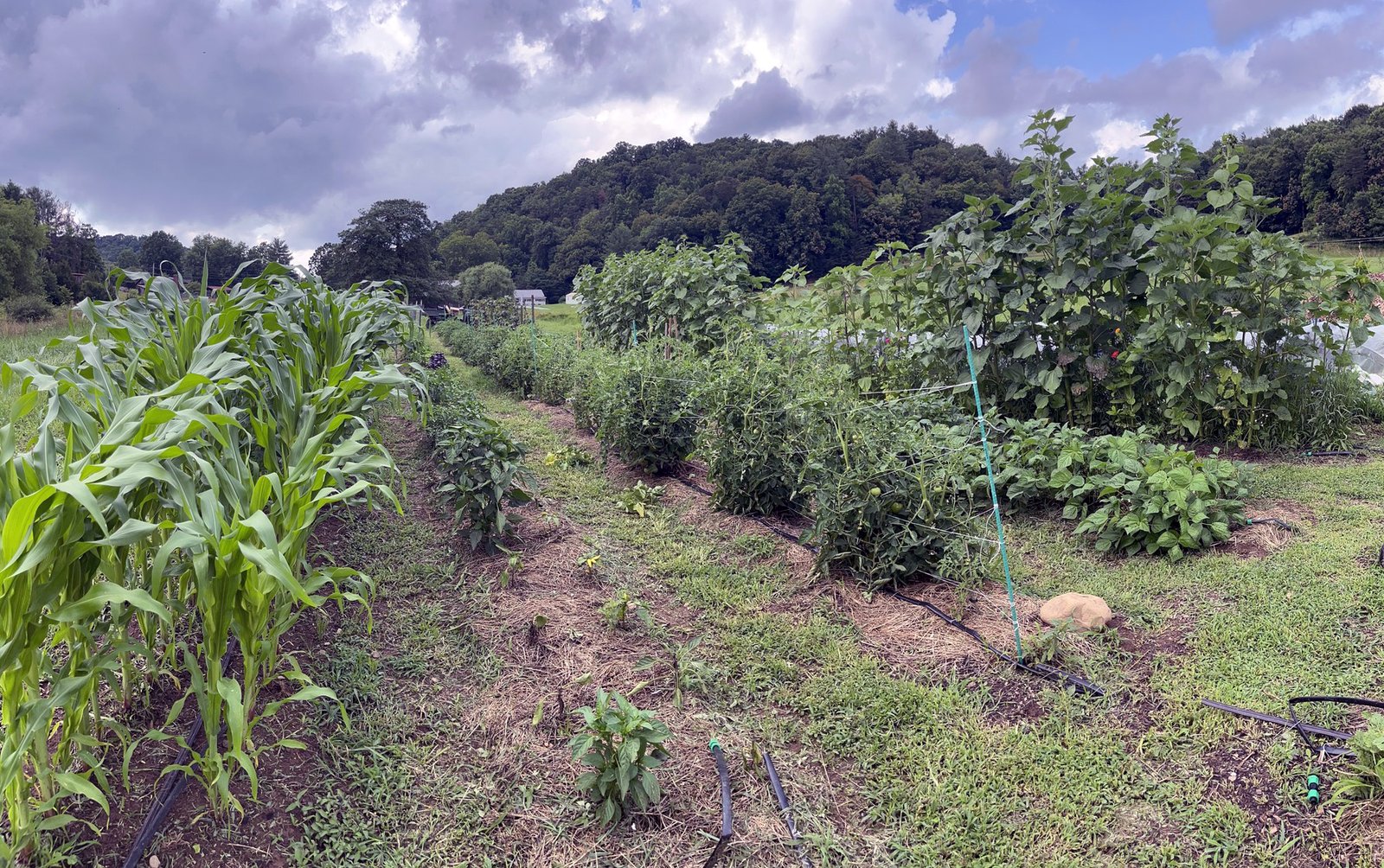
From southern West Virginia and eastern Kentucky to southwestern Virginia and the high country of western North Carolina, families used the Almanac to choose planting days, butcher hogs, cut brush, set fence posts, harvest timber, and decide when to leave certain jobs alone. For many mountain households, it was less a curiosity than a seasonal guide.
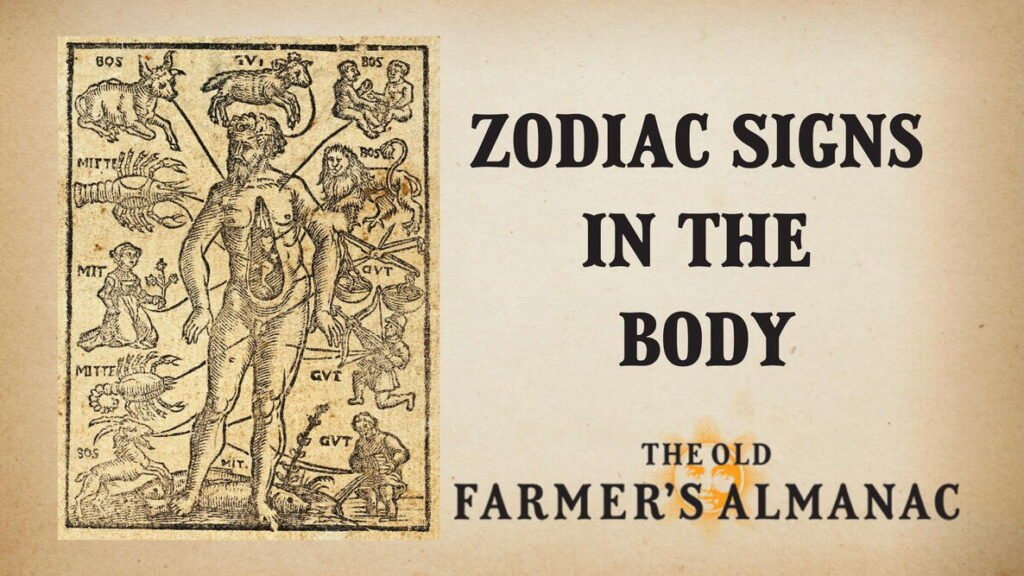
The practice was known as planting by the signs. It tied the moon’s movement through the zodiac to work on the farm and in the garden. The old “Man of the Signs,” or Zodiac Man, assigned each sign to a part of the body. In mountain usage, those body parts became shorthand for timing.
Some families believed that when the moon was in certain signs, energy moved upward, favoring crops that climbed or bore above ground. Other signs were considered watery and fruitful, good for planting. Dry or barren signs were avoided for sowing but favored for clearing, pruning, killing weeds, or cutting timber.
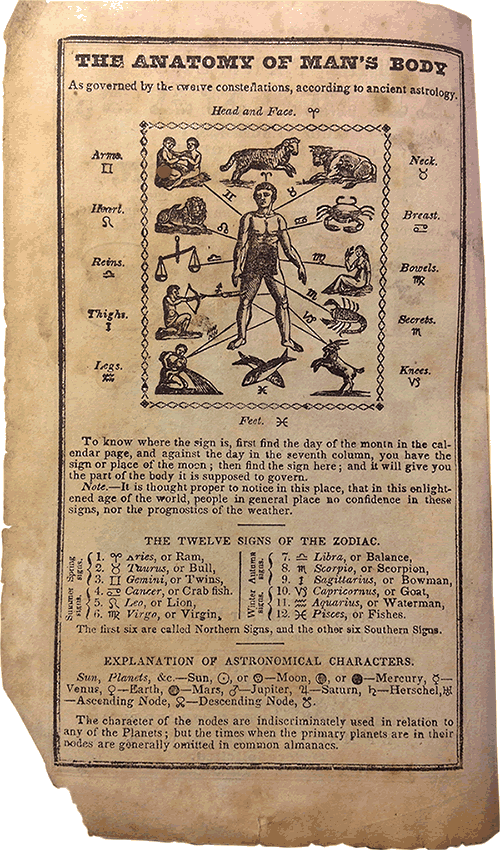
A few examples show how the system worked:
Gemini, the arms, was often associated with crops that climbed or reached. In some traditions, pole beans and other vining plants were timed to signs that encouraged upward growth.
Pisces, the feet, was considered a watery and fruitful sign. Many gardeners treated water signs as good times to plant, especially when moisture and strong rooting mattered.
Leo, the lion, or heart, was usually considered dry, fiery, and barren. That made it a poor time to plant seed but, according to tradition, a good time to clear brush, kill weeds, or cut timber, since the work was believed to “stay done.”
The signs were not limited to vegetables. Some families watched the moon before slaughtering hogs, curing meat, castrating livestock, setting fence posts, or even cutting hair. Appalachian lore warned that meat butchered under the wrong sign might shrink and curl in the pan, while meat handled under a favorable sign would fry up better and render more cleanly.
To outsiders, it may sound like superstition. To families who practiced it, it was inherited timing: part observation, part memory, part faith, and part obedience to people who had grown food before them.
Today, most large-scale agriculture relies on soil tests, extension data, mechanized equipment, and weather models. But in home gardens, small farms, and old family plots throughout the Highlands, some growers still glance at the Almanac’s tables before breaking ground. They may not talk about it much. They may use it alongside modern tools rather than instead of them. But the habit remains.
The Almanac no longer has to be the only forecast in the house. That may be why it has survived. It is not just promising accuracy. It is offering a way to mark time: by frost, moon, seed, sign, and the small round hole that still lets the book hang from a nail.













Leave a Reply