

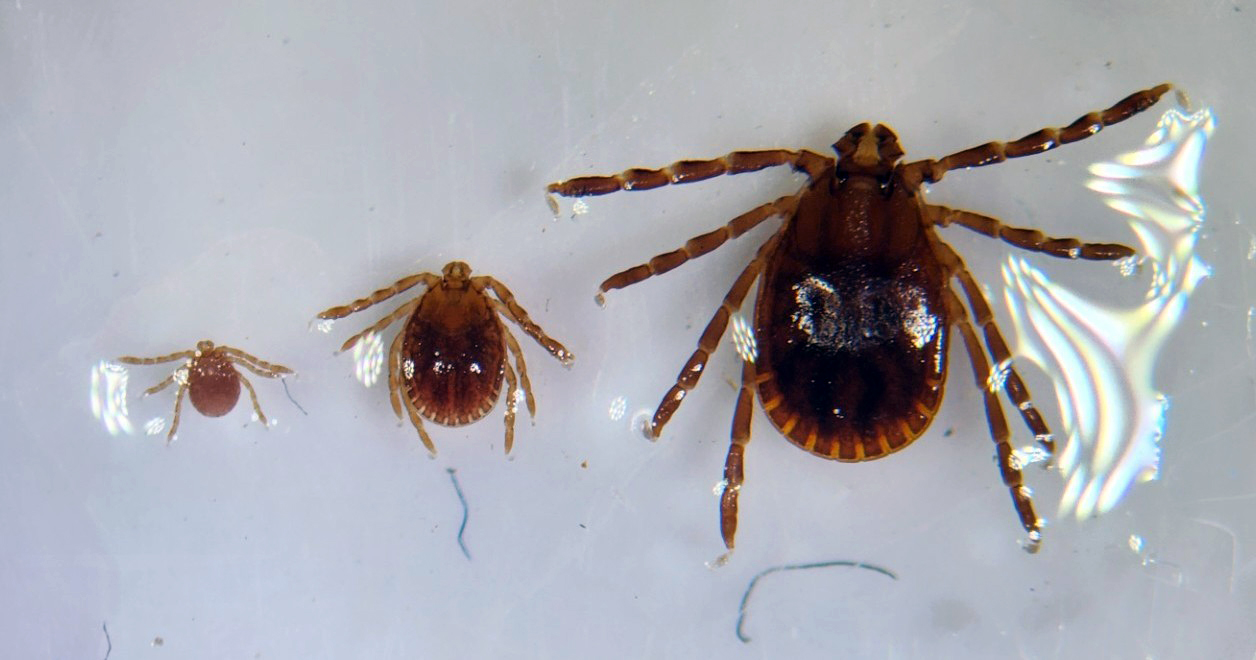
Asian longhorned ticks, Theileria, and the new management problem facing Appalachian cattle producers
The Asian longhorned tick does not behave like the tick problem many cattle producers think they know.
Most farmers are used to checking cattle for ticks. They know the usual places to look: ears, tailheads, armpits, groin, neck, back, and along the flanks. They know a bad tick year can cost weight gain, irritate animals, and add one more chore to the long list of summer livestock work.
But the Asian longhorned tick changes the scale of the problem.

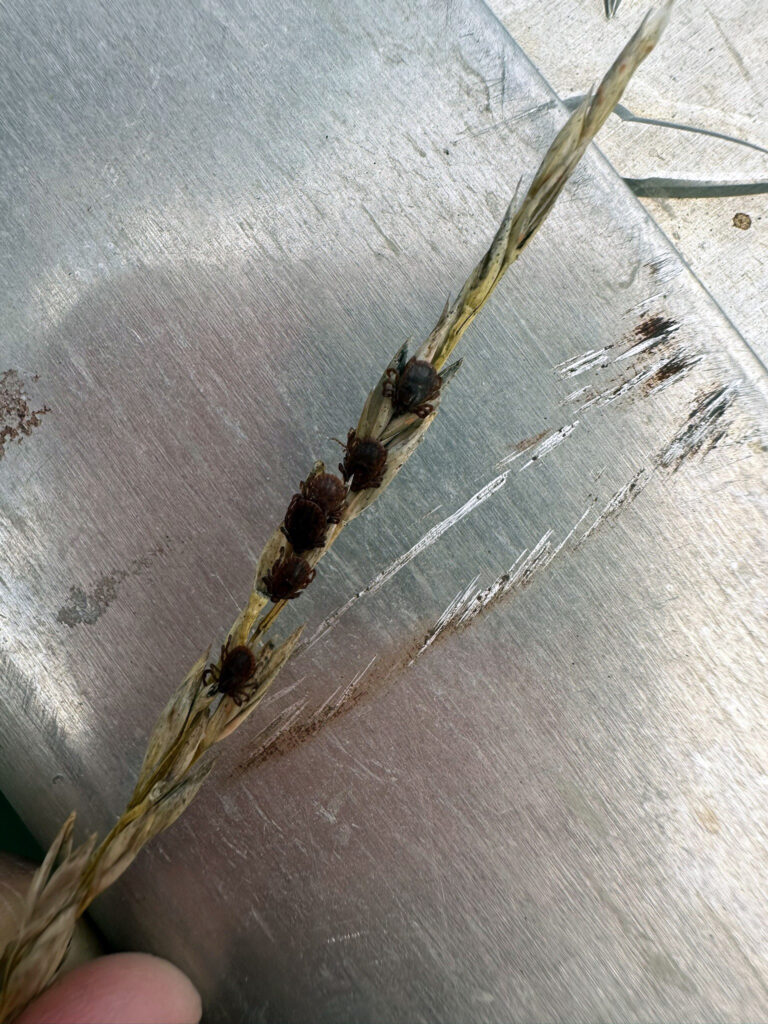
Dr. Kevin Lahmers, a clinical veterinary pathologist at the Virginia-Maryland College of Veterinary Medicine, has described pasture infestations dense enough to sound almost unreal. In one interview, he said a person can pick up hundreds of ticks within 30 to 60 seconds of stepping off an ATV after crossing a field. He described densities reaching “10 per blade of grass.”
That is not just a nuisance. It is a different biological event.
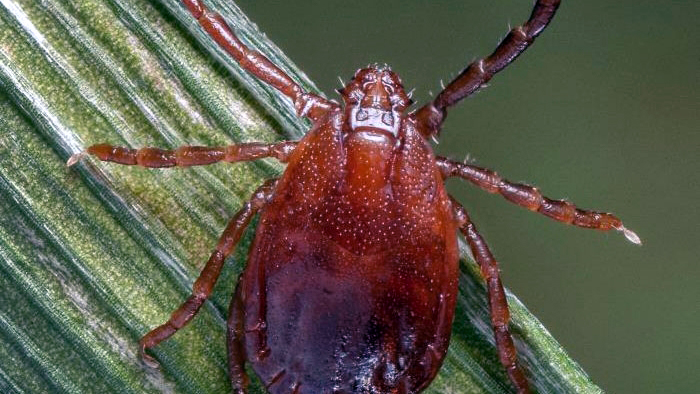
The Centers for Disease Control and Prevention first reported the multistate spread of Haemaphysalis longicornis, the Asian longhorned tick, in the U.S. after its 2017 detection on a sheep in New Jersey. The tick is native to eastern Asia and had already become established in places such as Australia and New Zealand before its arrival in the United States. The CDC called its U.S. presence a “new and emerging disease threat” and noted one reason it can spread so quickly: parthenogenetic reproduction, which allows a single female tick to produce offspring without mating.
For cattle producers, the tick matters not only because of its numbers. It matters because it can carry Theileria orientalis Ikeda, a blood parasite that infects cattle and can cause bovine infectious anemia.
A Disease That Can Stay in the Herd
Theileriosis is not frightening because it always kills quickly. It is frightening because it can linger.
Dr. Lew Strickland, Extension veterinarian with the University of Tennessee Institute of Agriculture, described the clinical signs of theileriosis in cattle as anemia, jaundice, and weakness. UTIA also notes that infected cattle may show reluctance to walk, abortion, pale mucous membranes, high fever, and elevated heart and respiratory rates. Pregnant heifers and calves are especially susceptible.

The longer-term problem is carrier status. Strickland warns that cattle that recover from Theileria infections usually become carriers, creating a source of infection for other cattle in the herd. UTIA also states that there is no approved, effective treatment or vaccine for T. orientalis, making prevention and biosecurity central to management.
That is what makes the disease insidious. It may not look like a foreign animal disease that sweeps through a herd with massive, immediate mortality. Lahmers has described the economic threat that way: not a catastrophic industry-wide collapse in one blow, but a quieter problem that can persist through anemia, weak animals, reproductive loss, reduced performance, carrier cattle, and recurring tick pressure.
For a cattle operation, that kind of disease can drain money before it looks dramatic.
Why This Tick Builds Differently
The Asian longhorned tick’s reproductive strategy helps explain the concern.
Many tick species require mating before females lay viable eggs. The Asian longhorned tick does not always need that step. In parthenogenetic populations established in the United States, a single female can start a local population. CDC’s 2018 report explains that this biological trait can lead to massive infestations of hosts.
The tick also uses a wide range of hosts. CDC surveillance found it on domestic animals, wildlife, and humans during its early U.S. spread, including cattle, sheep, goats, horses, dogs, cats, deer, raccoons, opossums, coyotes, and groundhogs.
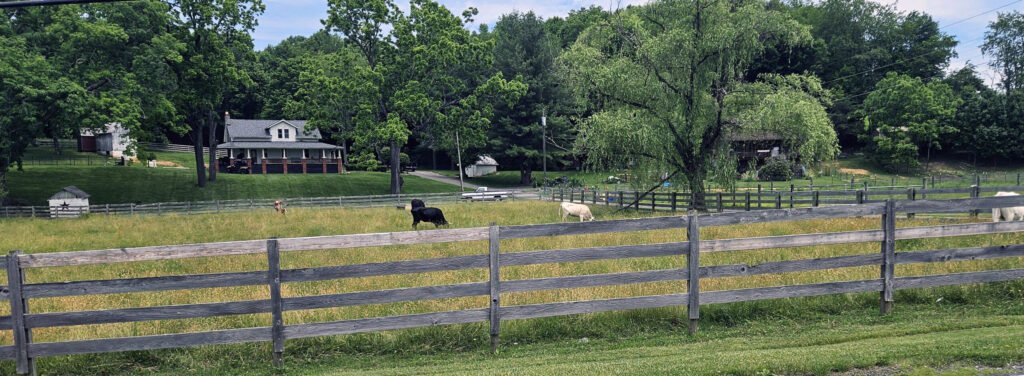
That broad host range matters in the Appalachian region, where cattle pastures often sit beside woods, brushy fence lines, wildlife corridors, hayfields, and small mixed farms. A tick that can move through livestock, pets, wildlife, and vegetation does not respect a single farm boundary.
The public health risk differs from the livestock risk. In 2018, the CDC reported no evidence that Asian longhorned ticks had transmitted pathogens to humans, domestic animals, or wildlife in the United States. The agency also warned that the tick is a potential vector for several important disease agents and called for expanded surveillance and pathogen testing.
For cattle producers, the issue is already practical: find the tick, reduce the burden, protect the herd, and watch for theileriosis.
The Disease Behind the Weakness
Theileria orientalis Ikeda infects red and white blood cells. In cattle, the most important effect is anemia.
Anemia means the animal’s blood cannot carry oxygen normally. That explains much of what producers may observe: weakness, reluctance to walk, rapid breathing, increased heart rate, pale membranes, poor performance, and, in severe cases, collapse.
This is where the disease can become easy to misread. A producer may first notice an animal that seems off, slow, thin, lethargic, or heat-stressed. A calf may lag behind. A cow may look weak. A pregnant animal may abort. If ticks are not obvious at a quick glance, the underlying problem may not be immediately clear.
UTIA recommends that cattle with low weight gain, lethargy, anemia, patchy hair, or an unthrifty appearance should always be inspected for ticks. The agency also cautions that only a few Asian longhorned ticks may be enough to transmit disease, even though some animals may carry large numbers of ticks.
That is an important distinction. Heavy infestation is a warning sign, but the absence of an obvious swarm does not mean there is no risk.
Why Routine Handling Becomes Riskier
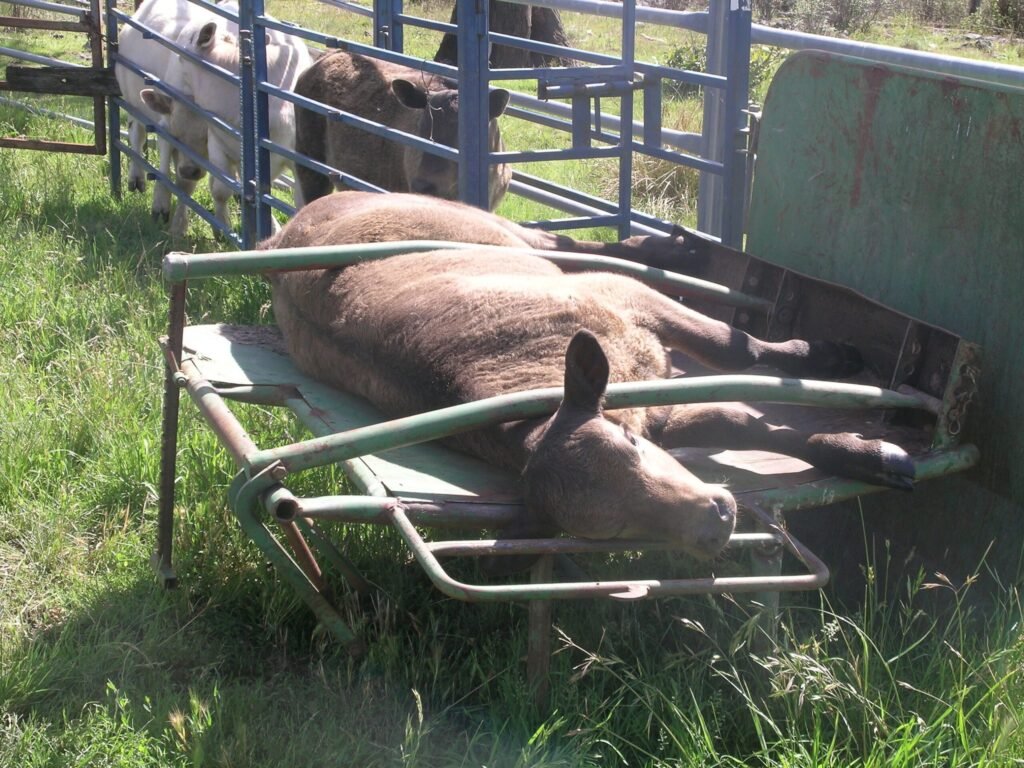
Theileriosis also changes how producers should think about routine cattle handling.
A severely anemic animal may still be standing in the pasture, but its oxygen reserve can be thin. Moving it through an alley, separating it from herd mates, pushing it into a head catch, or making it fight restraint can raise oxygen demand at exactly the wrong time.
The danger is not the chute itself. The danger is the stress placed on an animal whose blood may not deliver enough oxygen.
That does not mean producers should avoid veterinary care or necessary handling. It means suspected cases require a different handling plan. Move slowly. Reduce pressure. Avoid heat stress. Keep the handling brief. Do not turn a weak, anemic cow into a wrestling match. Involve a veterinarian early.
For theileriosis, calm handling is not just an animal-welfare preference. It can become part of the medical response.
What Producers Should Look For
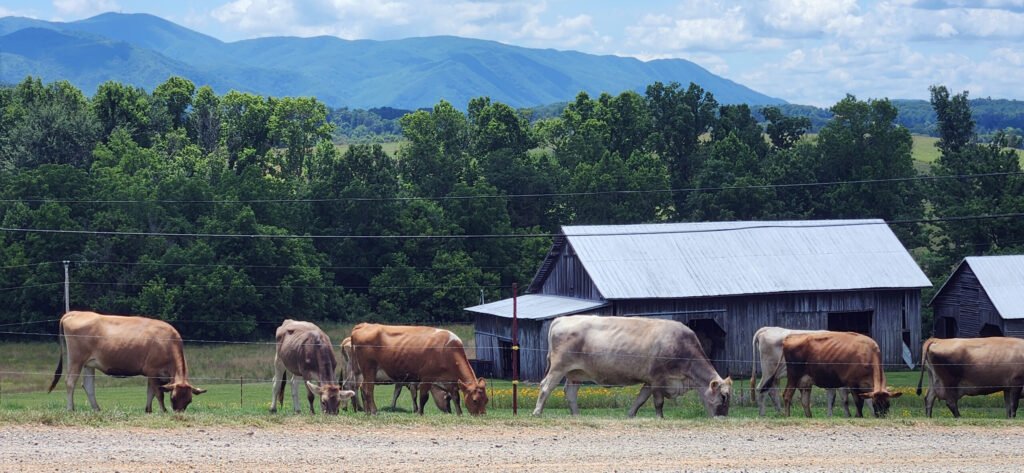
UTIA’s guidance starts with surveillance. Producers should inspect cattle regularly, especially because the Asian longhorned tick is small and may go unnoticed during a quick look. Strickland recommends focusing on the head and neck, as well as checking the flanks, back, armpits, groin, and the area under the tail. Larvae, nymphs, and adults may all be found on the same animal.
If a producer finds suspicious ticks, UTIA recommends submitting samples through a county Extension agent or veterinarian for species confirmation. Once the Asian longhorned tick is confirmed on a farm, UTIA advises producers to assume it is established in the area and that management will be an ongoing process.
The agency also recommends inspecting purchased cattle for ticks before adding them to an established herd. That matters because livestock movement can move more than livestock. It can move ticks, carrier animals, and disease risk.
For cattle that show weakness, poor gain, lethargy, patchy hair, or signs of anemia, UTIA recommends considering veterinary testing for tickborne disease, especially when ticks are found.
Control Is Management, Not Eradication
The most difficult message may be this: once the Asian longhorned tick establishes itself, producers should not expect a one-time fix.
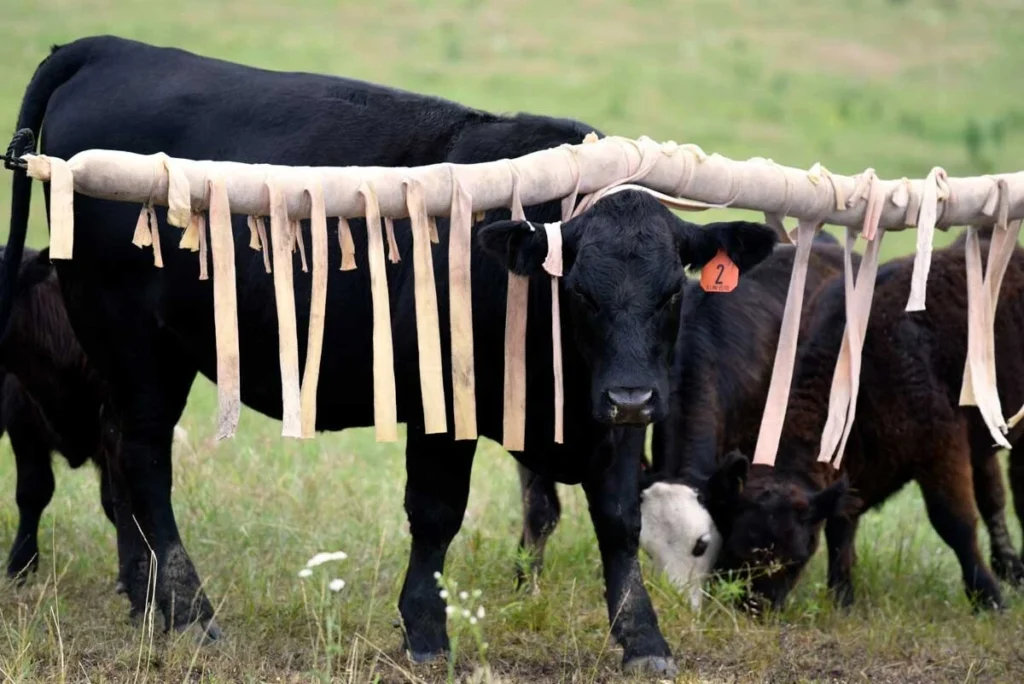
UTIA’s control recommendations include tick inspection, whole-herd treatment when needed, careful use of labeled pesticides, attention to retreatment intervals and withdrawal periods, and use of tools such as ear tags, back rubbers, siderubbers, and pour-ons where appropriate. The agency notes elevated disease transmission risk in February-March and August-September and warns that Asian longhorned ticks remain active during much of the year.
Pasture management also matters. UTIA recommends keeping pastures mowed short because long grass and brush improve tick survival. Leaving a pasture ungrazed will not necessarily solve the problem, because ticks can survive about a year without feeding, and wildlife can support tick populations in the absence of cattle. The agency also recommends keeping cattle out of wooded areas where possible and fencing cattle 20 feet away from wooded edges when practical.
Chemical control can reduce tick burdens, but UTIA is clear that it does not eliminate the chance of ticks, tick bites, or tickborne disease.
That is why this is a management problem rather than a simple treatment problem.
Why It Matters in Appalachia
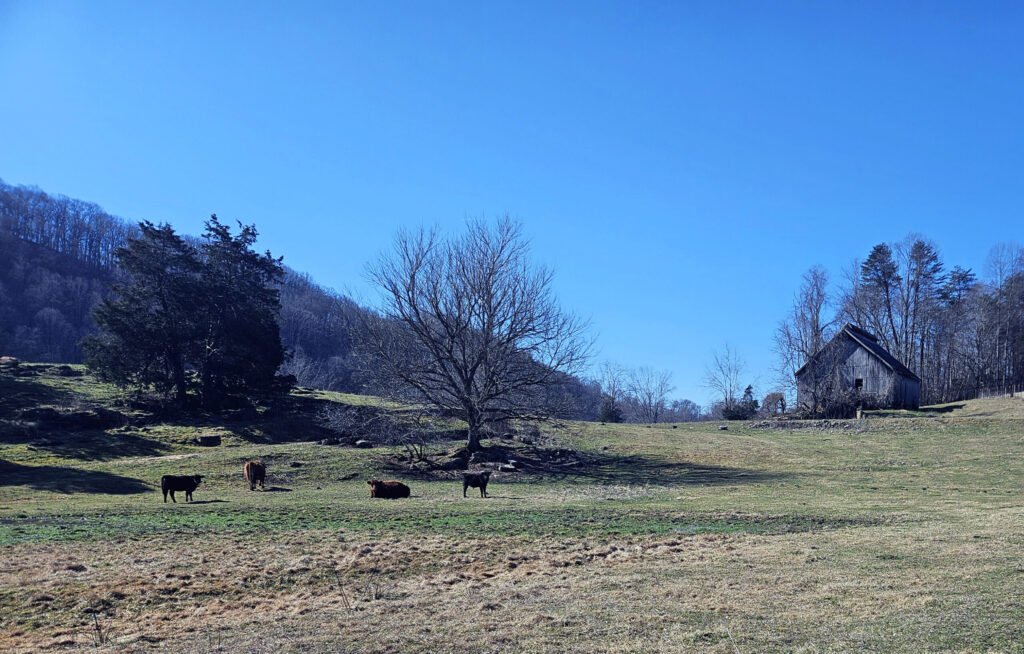
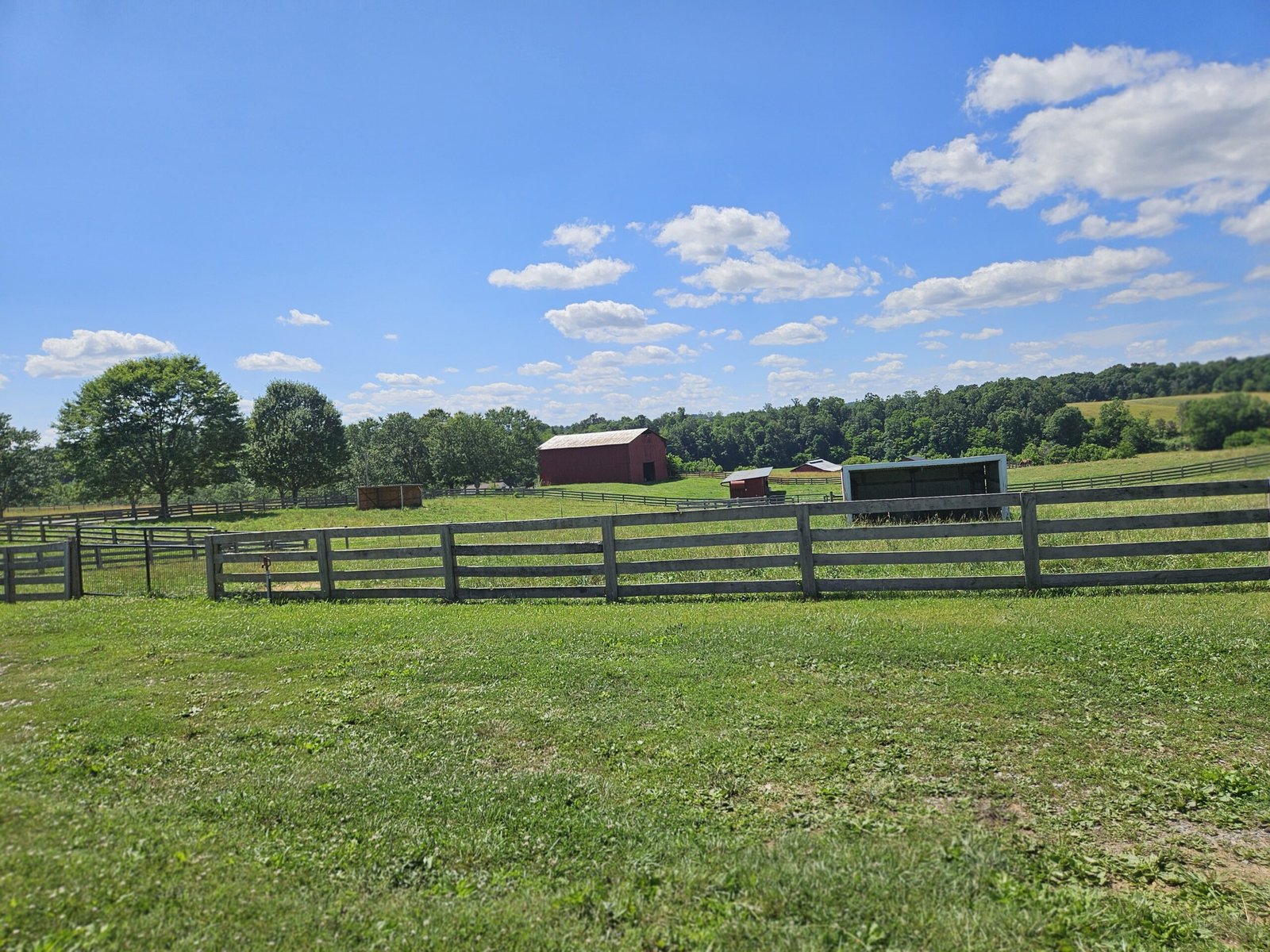
The Appalachian Highlands are built around grass, woods, water, wildlife, and cattle movement. That landscape supports grazing systems, but it also creates edges: pasture edges, brush edges, creek edges, woodlot edges, and fence-line edges.
Those edges are productive. They are also places where ticks can persist.
For small and mid-sized cattle producers, the economics of theileriosis may be especially frustrating. A single weak calf matters. A bred heifer matters. A carrier cow matters. A delay in weight gain matters. A herd-health problem that requires more inspection, more veterinary consultation, more chemical control, and more handling time adds cost even when death losses remain low.
That is why Lahmer’s word “insidious” fits. The disease does not need to destroy a herd to change the farm’s management.
It can make producers inspect more often, handle more carefully, buy cattle more cautiously, mow differently, treat more strategically, and think about tick habitat as part of herd health.
The Practical Question
The Asian longhorned tick is not just another tick, and Theileria orientalis Ikeda is not just another diagnosis.
Together, they force a practical question: how does a pasture-based cattle region manage a disease system that lives at the intersection of livestock, wildlife, vegetation, animal movement, and veterinary surveillance?
The answer will not come from panic. It will come from habits.
Check cattle more carefully. Submit unknown ticks. Work with veterinarians and Extension agents. Inspect new animals before they join the herd. Reduce stress on weak animals. Treat ticks strategically and according to labels. Manage brush and pasture height. Watch the calendar, but do not assume ticks only matter in one season.
The Asian longhorned tick has changed the cattle conversation by turning tick control from a seasonal irritation into a herd-health strategy. For Appalachian cattle producers, that strategy starts with seeing the problem clearly: not as a swarm from a horror story, but as a small parasite with enough numbers, biology, and disease risk to reshape daily management.











Leave a Reply